Small taverns are losing steam, and self-serve draft beer shops are picking up the baton.
Giants, chain brands and traditional alcohol enterprises have entered the track one after another, making the "draft beer shop" sector form a tripartite confrontation pattern
Recently, the long-quiet "slight intoxication economy" has made a comeback riding the boom of draft beer shops.
The other day, Guming launched its first on-site draft beer machine at its flagship store in Hangzhou Intime in77, added the "Fresh Draft Beer" entry to its mini-program, and launched two products, "Classic Draft Beer" and "Triple Yuzu Lager", priced at 15 yuan per cup (500ml) and 18 yuan per cup (500ml) respectively.
Staff revealed that "the sales of alcoholic drinks exceeded expectations", but this project is currently only a single-store test, and the official has not given a clear response on whether it will be rolled out nationwide in the future.
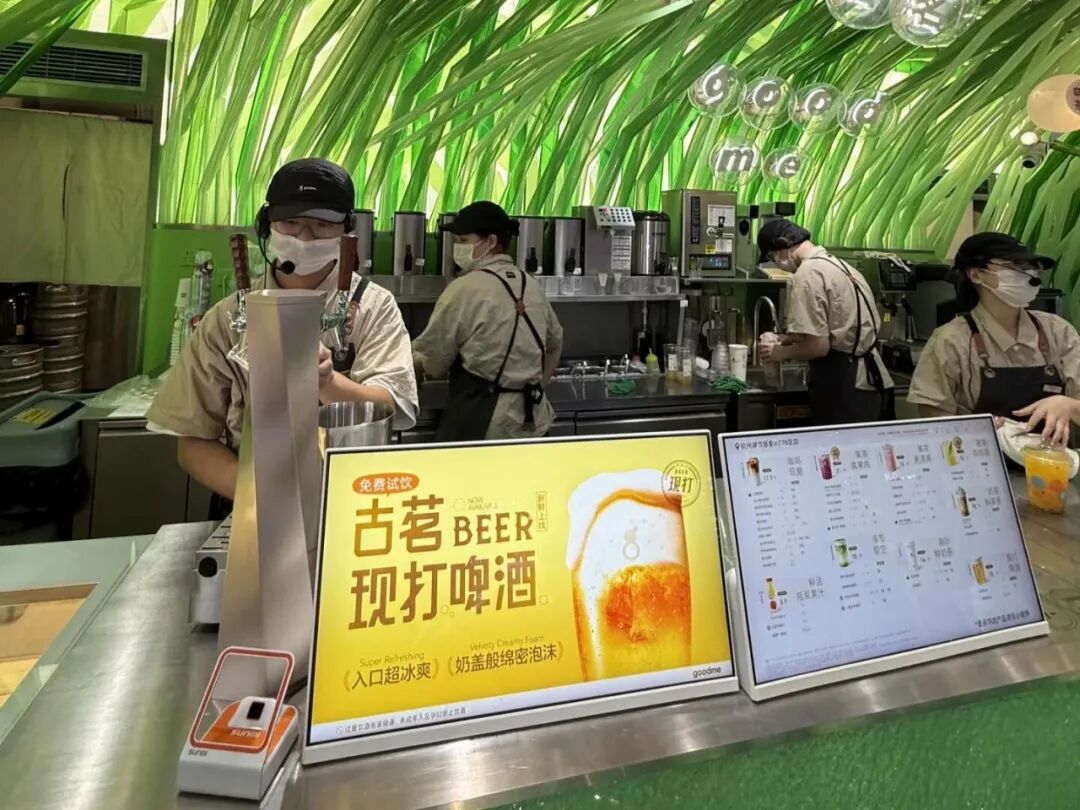
Sold by the cup, ready to take away, Guming's move is extremely similar to the "draft beer shop" business that has become popular in the past two years.
However, it is the cross-sector giants with abundant capital and traffic that really heat up this track.
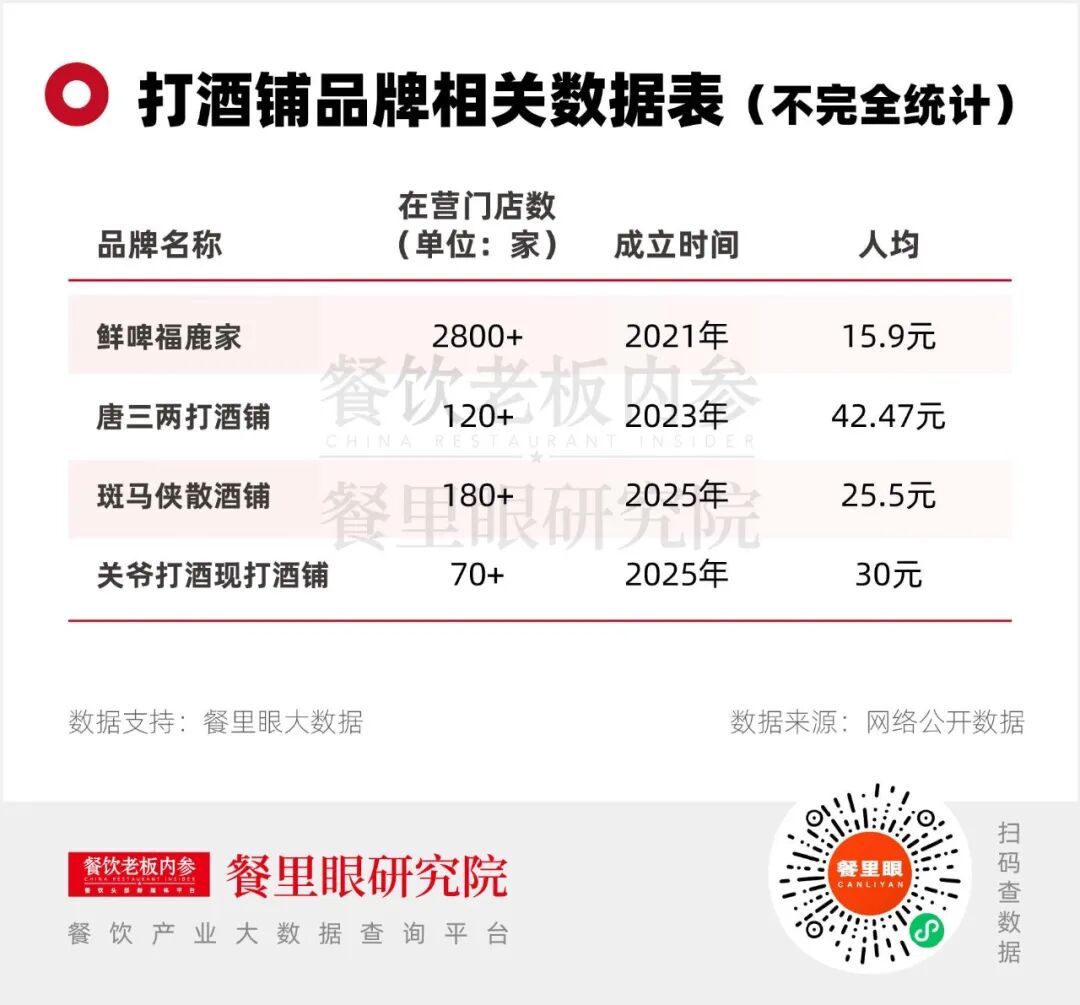
As early as October 2025, Mixue Group issued an announcement stating that it acquired 53% equity of Fresh Beer Fulujia for a total consideration of about 297 million yuan, officially incorporating Fulujia into the "Mixue Universe".
Since then, the store expansion of Fresh Beer Fulujia has accelerated significantly: official data shows that the number of its stores has increased rapidly from 260 at the beginning of 2025 to more than 3500 by the end of July 2026. In July this year, Qiu Tengyu, deputy general manager of Fresh Beer Fulujia, revealed that the average daily revenue of Fresh Beer Fulujia's national standard stores reached 3006 yuan on May 30 this year, a year-on-year increase of 30%.
Not only Mixue, in April this year, Meituan opened the first fresh beer shop of Yima Beer Delivery in Chongqing, focusing on on-site draft and delivery services for beer, rice wine and Baijiu; at the end of May, Hema Beer Shop was launched in Hema Fresh stores in Xuzhou, Jiangsu, cutting into the track with the "in-store shop" model.
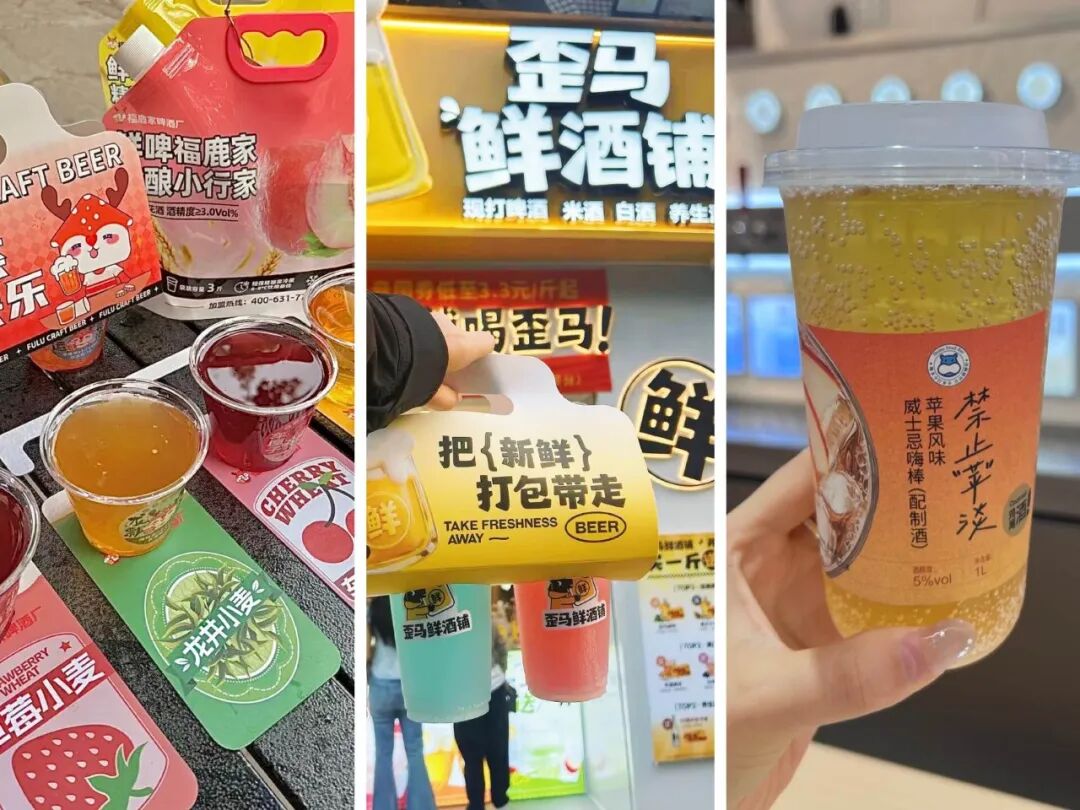
Apart from giants, a number of emerging chain brands are also rising rapidly.
Tang San Liang Draft Beer Shop completed an angel round of financing of nearly 10 million yuan in March 2025, with the investor being Challenger Venture Capital founded by Tang Binsen, the founder of Yuanqi Forest. At that time, the brand announced loudly that it would realize the "Five-Year 10,000 Stores Plan" by 2028. Public information shows that as of September this year, more than 120 stores have been opened.
And Banmaxia, founded in 2025, has a faster expansion speed. In less than two years since its establishment, the number of stores has exceeded 180; Guanye Draft Beer Shop also has nearly 100 stores.
In addition, Can Bobo Draft Beer Shop, Li Buchou Draft Beer Shop founded in the same year have also reached a store size of more than 10.
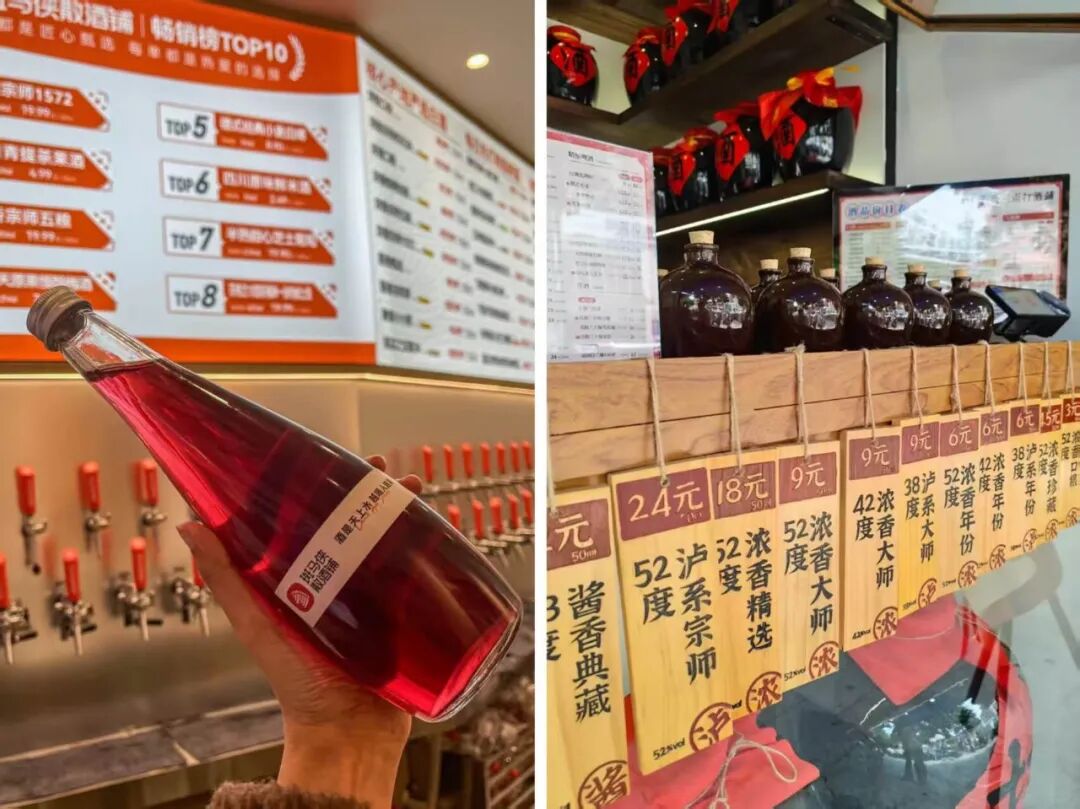
While new players are busy expanding their territories, established traditional alcohol enterprises have also stepped into the market in person.
In December 2025, Gujing Gongjiu opened its first "Gujing Light Care Club · Draft Beer Shop" in Bozhou, Anhui, featuring "front store and back workshop, on-site draft and on-site sale", with the lowest price of 50ml only 2.9 yuan. As of April this year, 47 stores have been opened; almost at the same time, the first store of "Kouzi Distillery" of Kouzijiao also opened smoothly, and in January this year, 14 stores in 8 cities opened intensively.
Losses, store closures, model adjustments: The struggling taverns that can no longer move forward
The business of draft beer shops is booming, while the tavern sector on the other side is still mired in difficulties.
On September 7, Chayanyuese released an announcement late at night, announcing that its sub-brand "Day and Night Poetry Wine Tea · Art & Culture Tavern" suspended independent operation, and it is expected to close all its about 20 stores one after another before October 31, 2026.
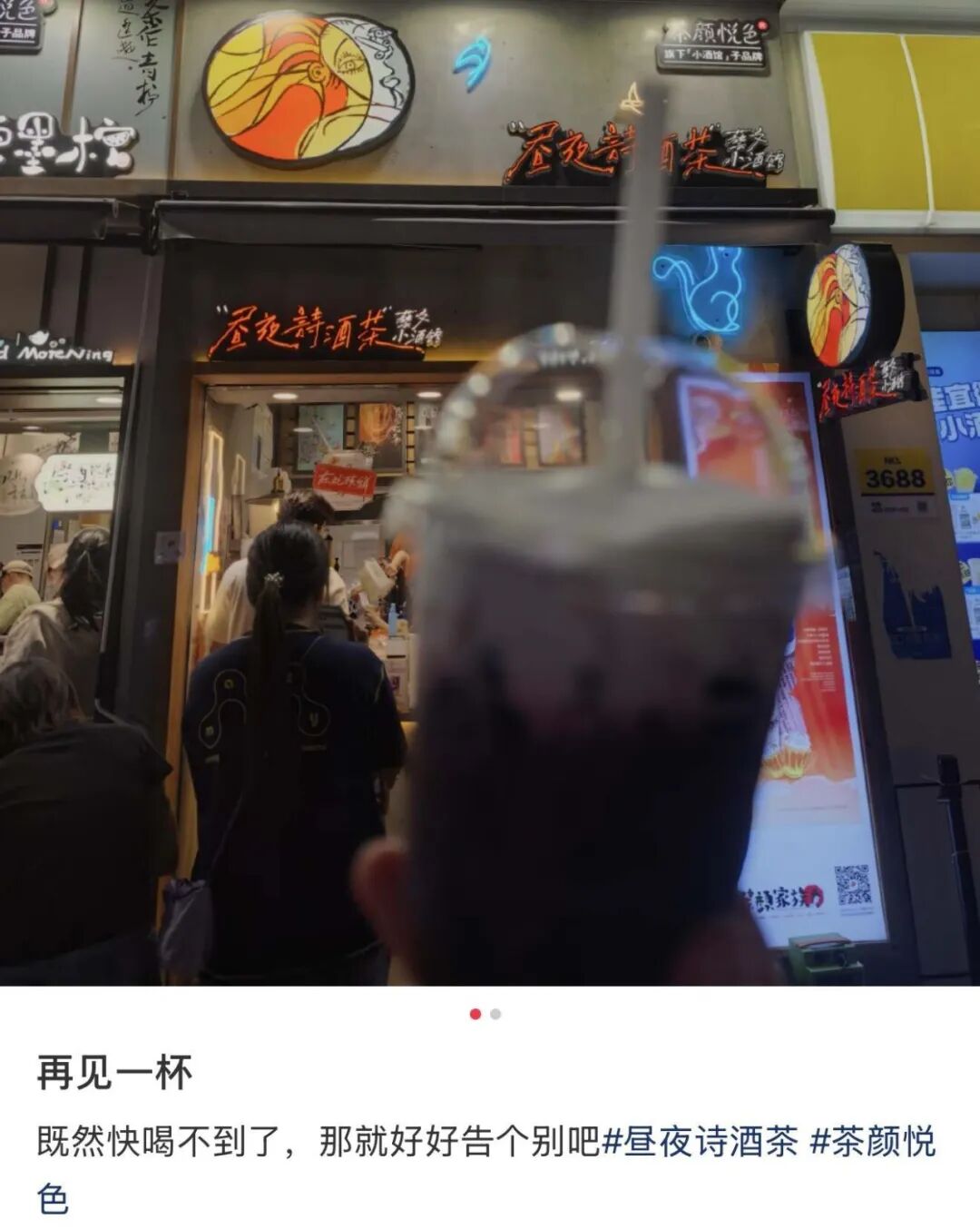
The "Farewell Letter" of Chayanyuese highlighted that: The business model has not been verified, dine-in alcoholic drinks for emotional consumption and the "third slight intoxication space" are not rigid demands, which cannot form continuous and healthy cash flow. In other words, it is the vague positioning of the brand and model.
"We hope to present more alcohol products with richer categories here to form brand memory points. But now, people who want to drink come here and feel that it is not like a proper bar. People who do not drink come here, but have to face a menu with half alcohol products."
At this point, Chayanyuese's brand family has lost another sub-brand. Previously, Chayanyuese's sub-brand "Little Leisure Tea House" was also completely closed on July 31.
From the financial report of Helens, the "first domestic tavern stock", in the first half of 2026, it achieved revenue of 232 million yuan, down 20.3% year on year; net profit of about 14 million yuan, plummeted 72.7% year on year; during the reporting period, Helens had 555 stores worldwide, and the number continued to decrease to 541 by August 26, 2026.
In 2021, Helens was listed on the Hong Kong Stock Exchange, honored as "the first domestic tavern stock". Public information shows that on the day of Helens' listing, its market value once exceeded HK$30.3 billion, and in that year, Helens reached its peak with revenue of 1.836 billion yuan.
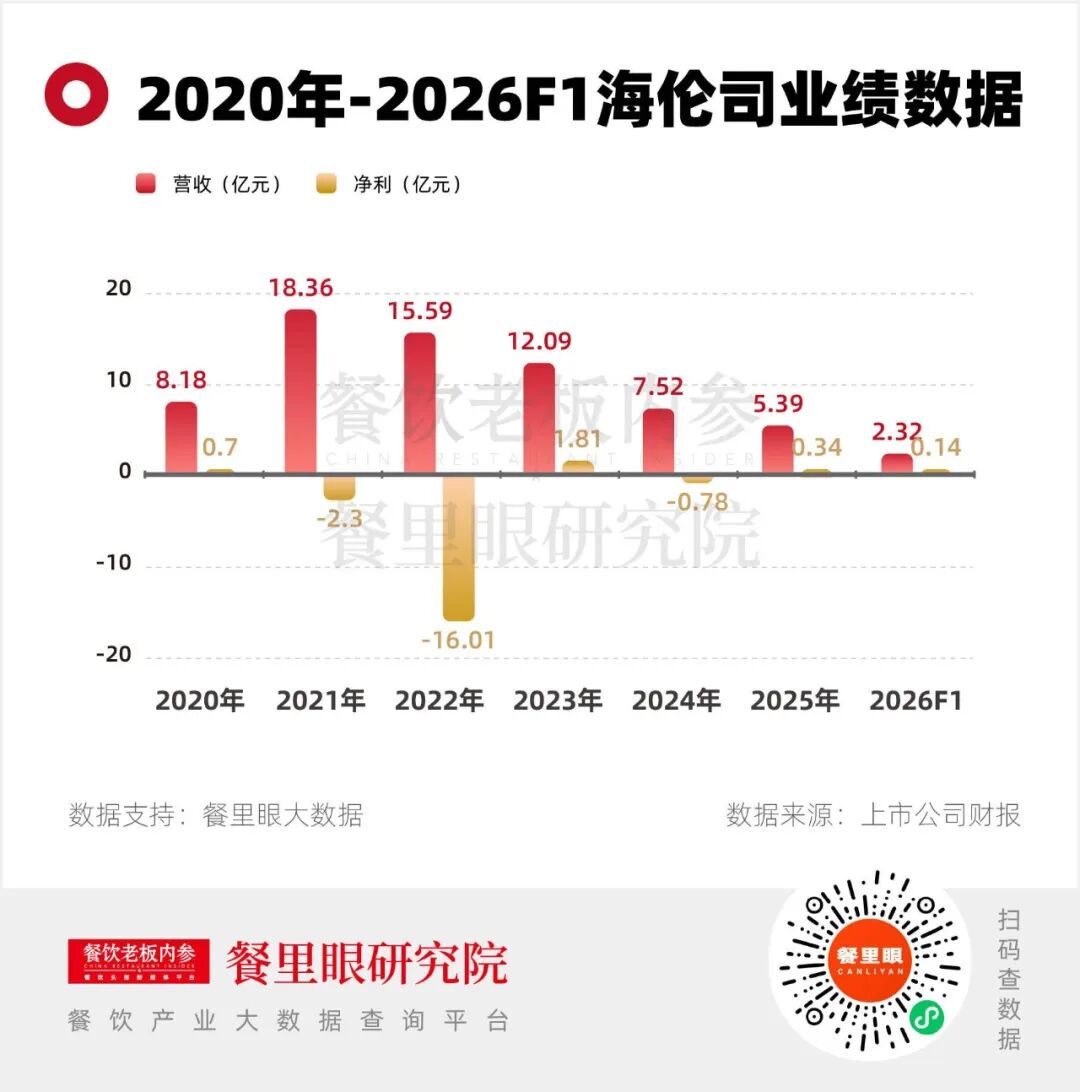
After listing, what Helens waited for was not store expansion and rising performance, but four consecutive years of revenue decline, from the peak of 1.835 billion yuan to 539 million yuan in 2025; its net loss was about 230 million yuan in the listing year, and the loss exceeded 1.6 billion yuan sharply in 2022.
Five years since listing, as of press time, Helens' market value is HK$1.607 billion, nearly HK$29 billion has evaporated compared with its peak; its stock price fell from the highest value of HK$24.8 on the listing day to the current HK$1.27.
Helens did not make no attempt to "save itself".
The most obvious move is that Helens is transforming from the heavy asset direct-sale model to the light asset franchise model.
Helens adopted full direct-sale operation in the early stage. After large-scale store closures and huge losses, it first tried to convert some selected stores to franchise stores and open stores through franchised cooperation; in 2023, it launched the "Hi Beer Partner Plan", with store models ranging from 180-200 ㎡ "Premium Store" (franchise investment of about 1 million yuan) to 90-120 ㎡ "Boutique Store" (investment reduced to 500,000-700,000 yuan), and then to the "Community Space" store type of about 40-80 ㎡ (starting investment of 400,000 yuan, with no cooperation service fee charged), which is increasingly leaning towards the light asset model.
According to store data, as of August 26, there are 396 Hi Beer Partner taverns, accounting for more than 70%; at the same time, it fits Helens' sinking market layout, Helens has 363 taverns in cities of tier 3 and below. This year, Helens tries to reverse the situation through product and store experience upgrading, and launched new fruit beer products and new store visual system during the school opening season to fit the preferences of young customer groups.
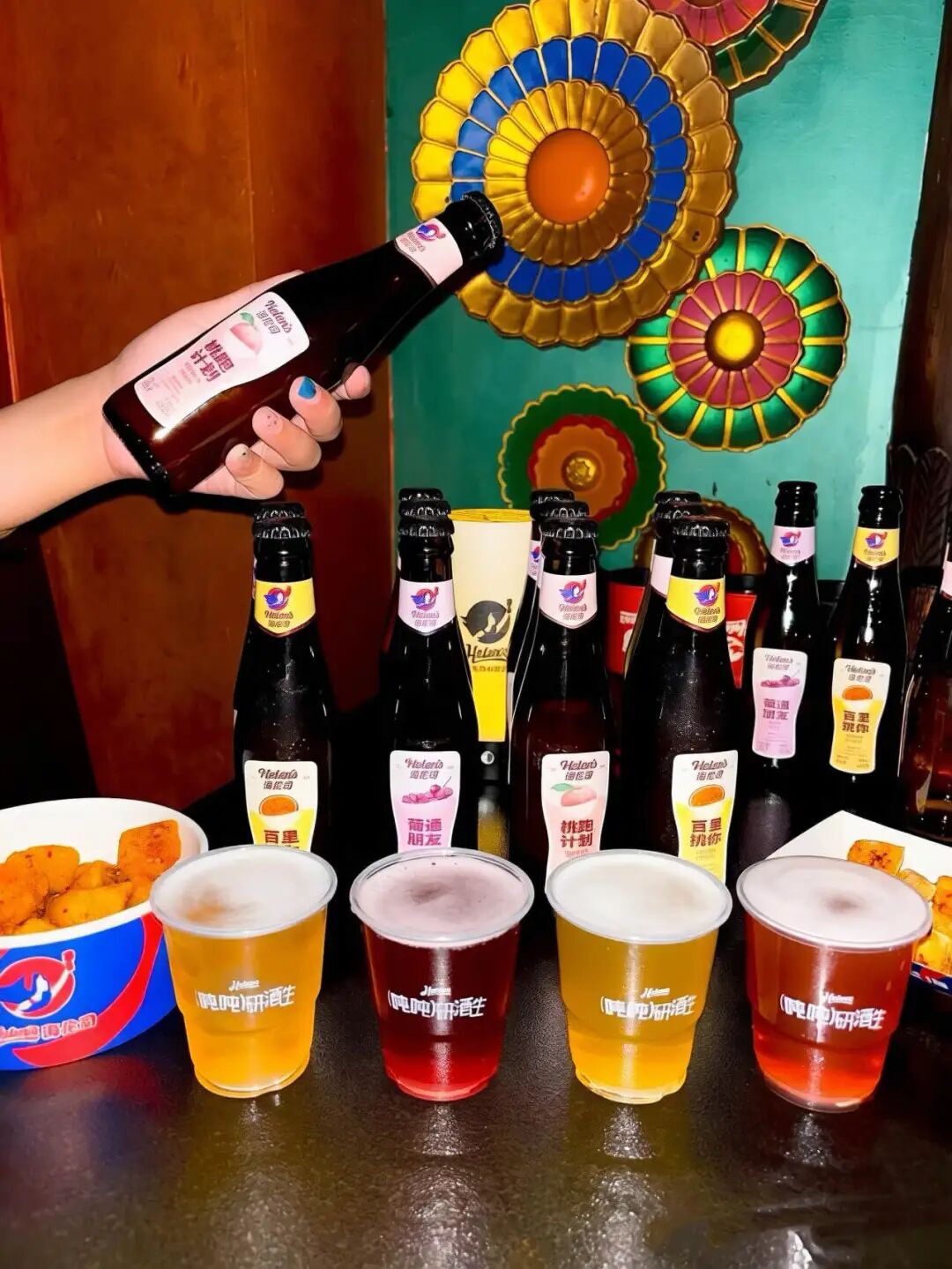
On one side, the popularity of draft beer shops is soaring, on the other side, the tavern sector is decelerating sharply. Why are there such big differences between the two formats?
Both selling alcohol, why can draft beer shops operate better?
Let's look at taverns first. In the early years, financing was an important reason that attracted many catering practitioners to enter the tavern sector. Many catering beginners hoped to make big money by opening a small shop, but after jumping into this track, they found that the tavern business is not easy to run.
On the one hand, the customer unit price of most taverns stays above 100 yuan, which is almost comparable to the price of a full meal. But for consumers, "you can't skip meals, but you can choose not to drink alcohol". When consumption turns rational, alcoholic drinks will be the first category to be cut off.
On the other hand, the scenarios adapted to the "slight intoxication economy" are gradually becoming diversified, and those "identical" taverns are facing attacks from both the upper and lower sides. Downward, there are convenience stores that provide DIY mixed drinks at the price of only more than ten yuan; upward, Bistro brings a more photo-worthy "food + alcohol" experience. Although the latter's customer unit price is not dominant, it has a better environment, more attractive dishes and higher repurchase rate.
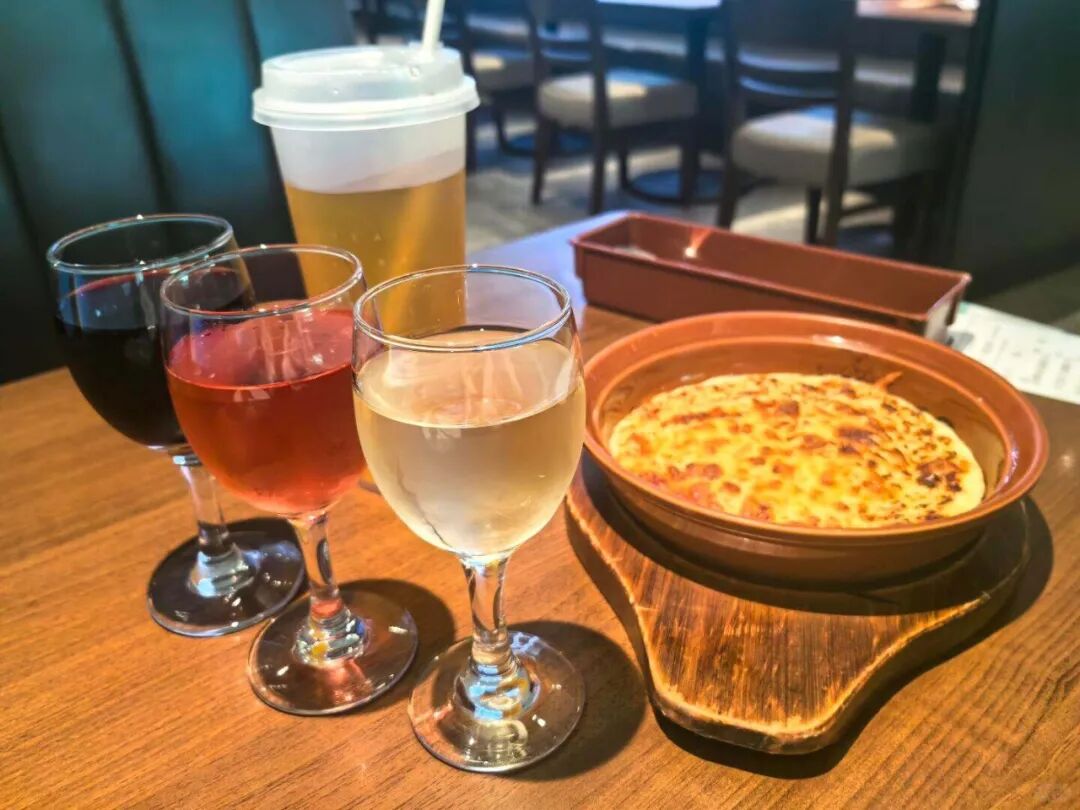
◎ Contemporary young people take convenience stores as their "izakaya"
But draft beer shops are different.
If taverns sell atmosphere and social value, then draft beer shops sell convenience and products. To put it simply, they "sell alcohol" in the "milk tea selling" way that has been fully verified by the market.
If we use one word to generalize its advantage, that is "light".
First, the targeted scenarios are home drinking and daily meal pairing, with a lighter atmosphere.
Taverns inherit the "social" attribute of alcohol consumption. The most classic example is "Tiaohai", a tavern brand that has several groups behind each store, each group has thousands of people, and the private community operation helps the brand achieve growth.
But the scenarios of solo drinking and home drinking that taverns cannot cover are accounting for an increasing proportion in alcohol consumption. Data from iiMedia Research shows that the proportion of consumers who drink alone has reached 25.26%, and another 26.75% of consumers drink in both social and solo scenarios, the two categories add up to more than 52%. Draft beer shops better undertake this blank market demand.
Second, lower price, ready to take away, free taste test, with lower consumption threshold.
The so-called "selling alcohol in the way of selling milk tea" means that the customer unit price of draft beer shops basically falls in the same price range as milk tea. All stores are equipped with free taste test service, customers can try multiple alcohol products before placing orders if they are satisfied. At the same time, different from taverns that require in-store experience, the consumption process of draft beer shops is simpler and more efficient, you can take a cup home conveniently on the way from work, which is more close to the "convenience store" experience.
Third, located around communities, operating small shops of dozens of square meters, with a lighter business model.
Draft beer shops focus on "community business", dominated by takeout and instant pick-up, so the store area does not need to be too large, basically concentrated in 20-40 ㎡; the decoration does not need to be too luxurious, you can set up a big umbrella outside the store, place a few tables and chairs, and match with 1-2 employees to build a good store. According to the investment promotion manuals of major brands, the single-store investment of a draft beer shop only needs 100,000 to 300,000 yuan, and the model is easier to replicate and expand.