Investing in internet cafes, the owner wins twice: collecting internet access fees during the day and waiting for the graphics cards to appreciate in value at night?
Internet cafes are making a comeback, at least the data suggests so.
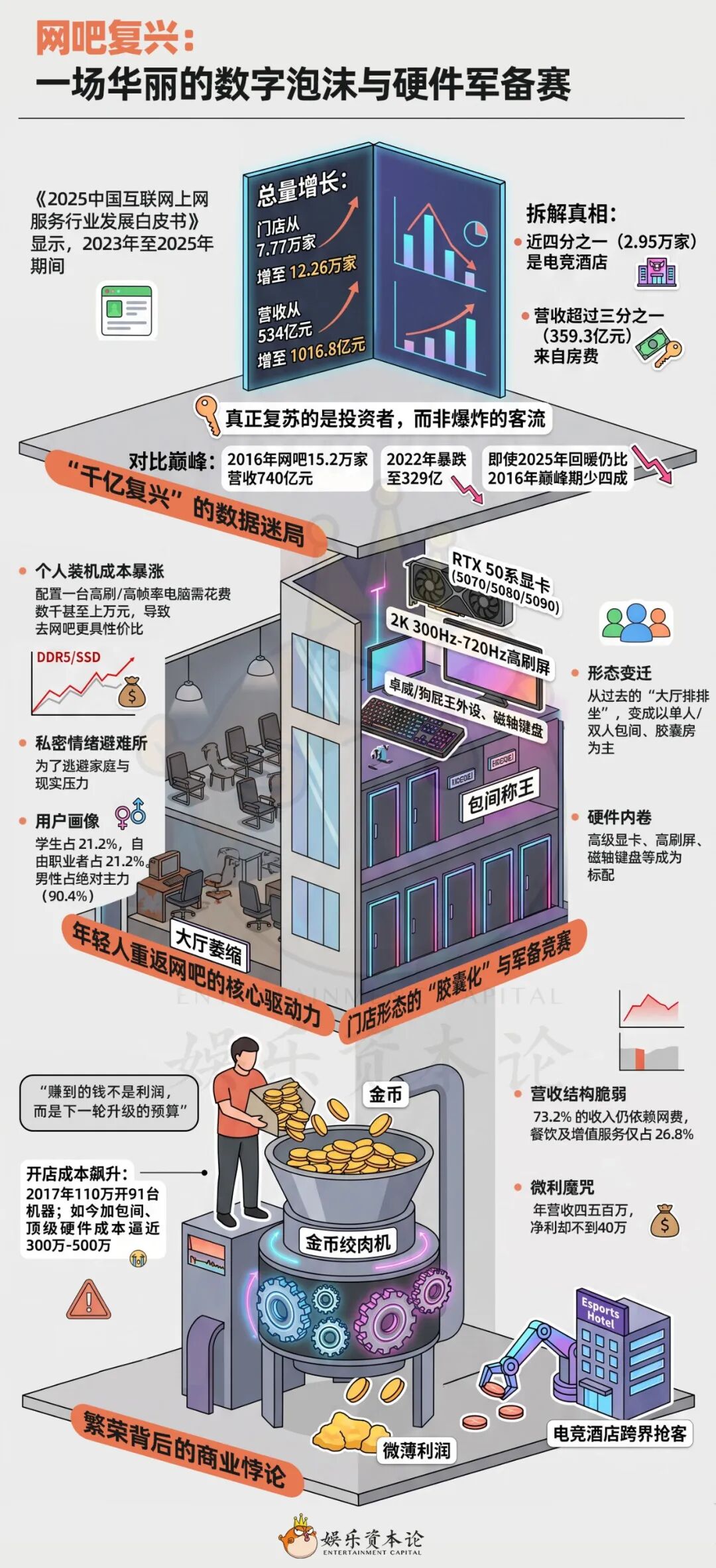
From 2023 to 2025, the number of internet cafes in China rose from 77,700 to 122,600, and the industry revenue also jumped from 53.4 billion yuan to 101.68 billion yuan. In just two years, nearly 50,000 more stores opened, and the revenue almost doubled. Various media outlets quickly drafted a resurrection declaration for this once "sunset industry": counter-trend growth, rising from the ashes, young people are walking into internet cafes again. Until 2026, if you plan to open an internet cafe and reach out to entrepreneurship bloggers like Brother Yong, you will at least be commented as "reckless" in the comment section.

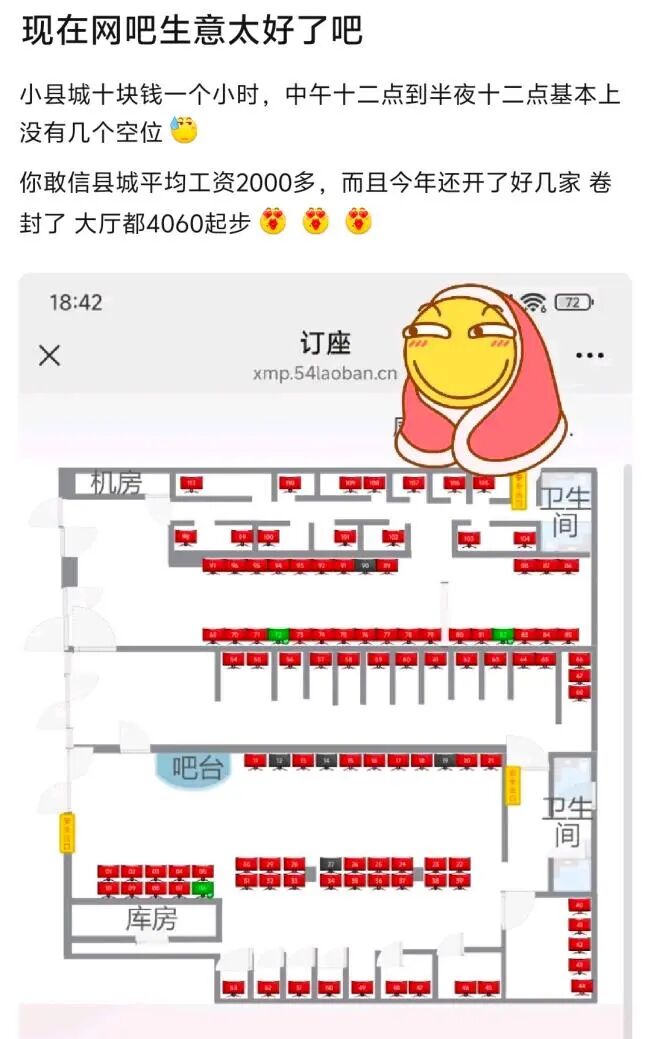
On social media, internet cafes are even called the only grassroots investment worth entering in 2026. Some netizens said that they ran to three internet cafes at 10 p.m. on Friday, but could not find a single vacant computer; some counties did not even have a decent internet cafe a few years ago, but four or five new ones opened in the past year. The old halls that used to be filled with smoke, equipped with office chairs and old computers, have been replaced by 50-series graphics cards, high-refresh-rate screens, magnetic-shaft keyboards, and rows of private cubicles with doors.
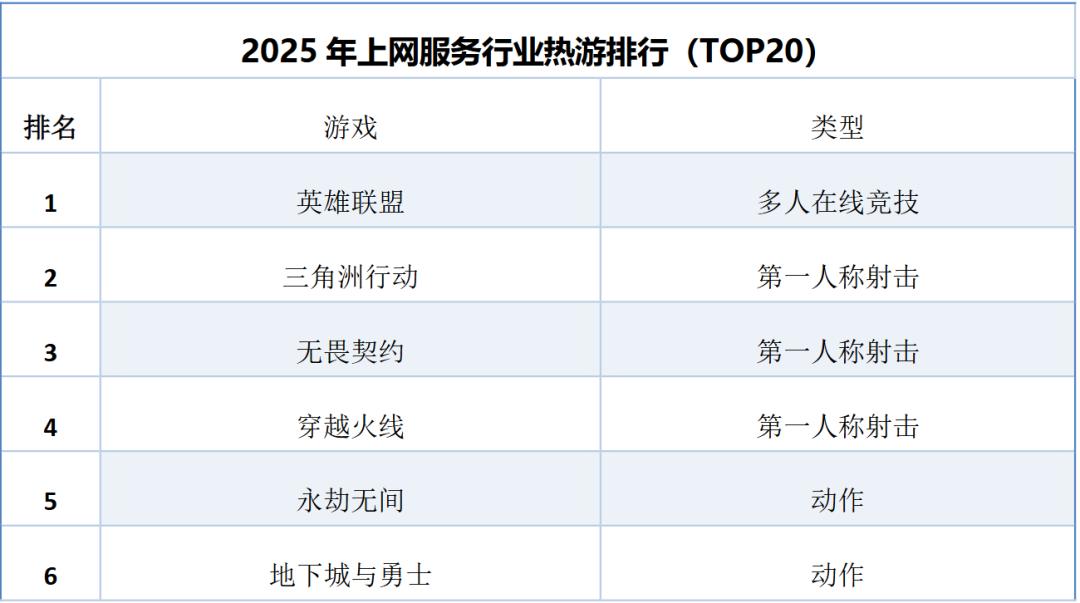
Is the reality really like this? To find out, Xiaoyu visited ten internet cafes in a second-tier city in northern China. The interviewees included owners, store managers, clerks and players. The stores included 3 Wanyoo Internet Cafes, 2 Peak E-sports venues, as well as White Night E-sports, Green Tree E-sports and 3 self-operated stores. When asking the clerks what everyone is playing, the answer is always one sentence: "Valorant, Zenless Zone Zero and other games."
An industry that was sentenced to death in turn by smartphones, home computers and the pandemic seems to have really climbed back from the grave. Some internet users even made a sharp comment on the charm of internet cafe investment: "Even if you leave the store closed, you can still make a profit from the appreciation of graphics cards and memory."
But before we pop the champagne, Xiaoyu would like to ask one more question: Are all these 122,600 venues really internet cafes? Is the so-called hardware appreciation really as attractive as the legend says?
# This article has interviewed 8 relevant people, who are also the 272nd to 279th interviewees of "Yule Ziben Lun" in 2026
Where on earth do these 120,000 internet cafes come from?
The figures of 122,600 venues and 101.68 billion yuan come from the "2025 White Paper on the Development of China's Internet Access Service Industry" released by the China Internet Access Service Association. But the white paper counts not the internet cafes in the narrow sense, but the entire "internet access service industry".
Among the 122,600 business entities, there are 93,100 internet access venues and 29,500 e-sports hotels; of the 101.68 billion yuan revenue, internet access venues contributed 65.75 billion yuan, and e-sports hotels contributed 35.93 billion yuan.
In other words, nearly a quarter of the "120,000 internet cafes" mentioned by the media are actually e-sports hotels; more than one third of the so-called "hundred-billion-yuan internet cafe revenue" comes from room fees.
Moreover, many reports directly compare the 77,700 venues in 2023 with the 122,600 venues in 2025. One refers to internet cafes, the other refers to "internet cafes + e-sports hotels". When putting them together, it is natural to draw the amazing conclusion that "nearly 50,000 new stores have been added in two years".
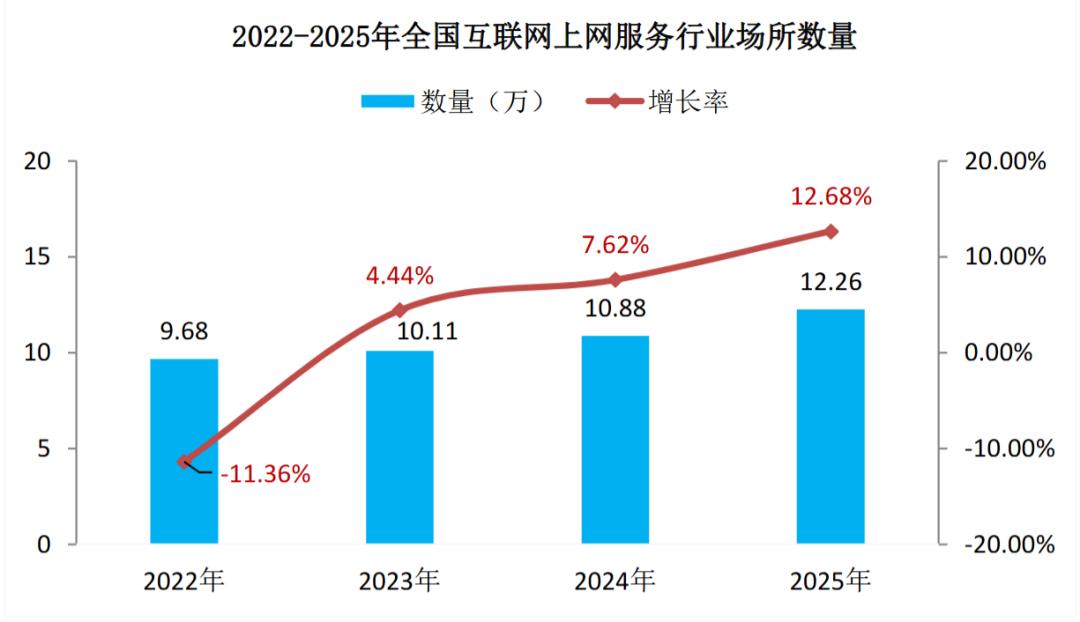
If we extend the time line, this so-called revival is not as magnificent as imagined.
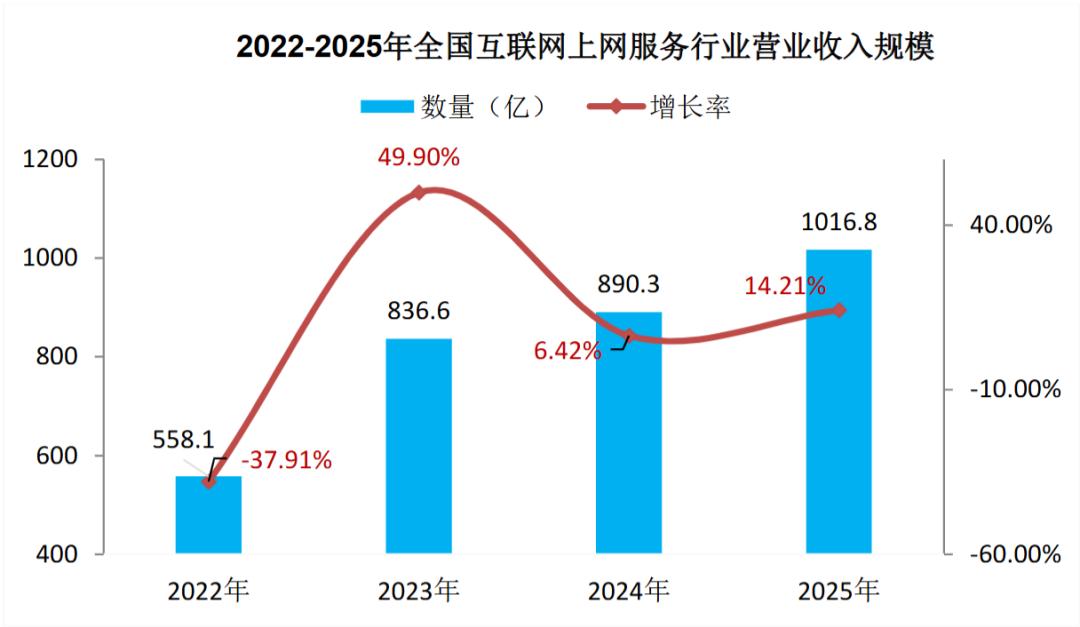
In 2016, there were about 152,000 internet cafes across China, and the industry revenue reached about 74 billion yuan, which is the peak that the entire industry has never been able to surpass so far. After that, the number of stores continued to decline, and it was even hit hard during the pandemic: the operating revenue of internet cafes shrank from about 70 billion yuan in 2019 to 32.9 billion yuan in 2022, a drop of more than half. It was not until the end of the pandemic in 2023 that the industry revenue returned to 50 billion yuan.
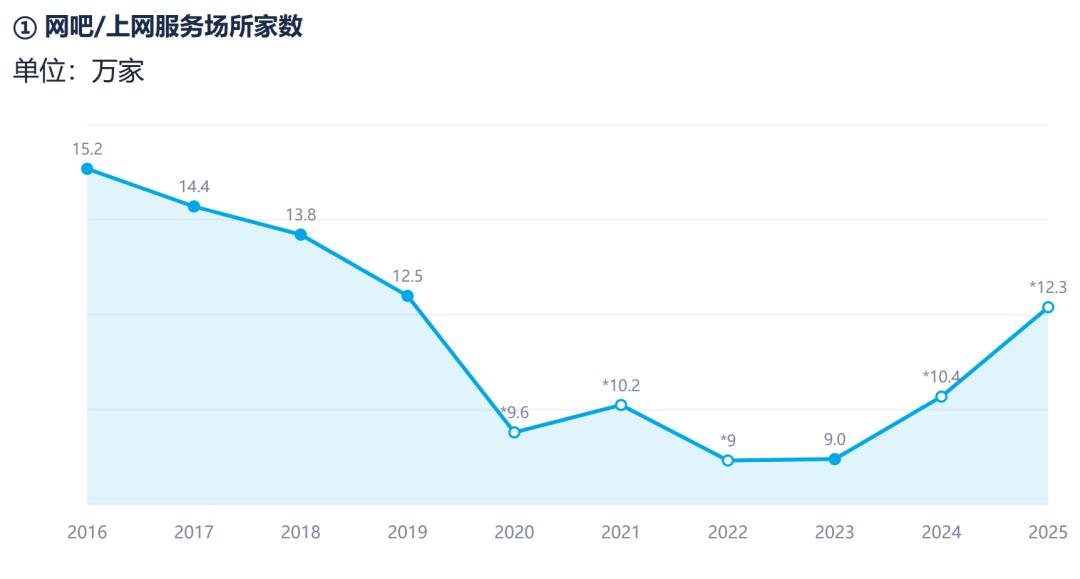
Even in 2025, the number of stores is about 40% less than that in 2016, and the revenue has not returned to the high point ten years ago. If we take into account the rising rent, labor and equipment costs over the years, the idea of "returning to the golden age" is even more out of the question.
The rebound in 2023 is easy to understand. The pandemic eliminated a number of stores, so there were fewer internet cafes, but the number of people who play games remained the same. The supply suddenly shrank, and the remaining stores naturally ushered in a round of passenger flow return.
By 2025, the situation has reversed. More and more investors see that the survivors are making money and start to open new stores again. This round of growth is not so much a sudden increase in consumers as a sudden increase in people who want to open internet cafes.
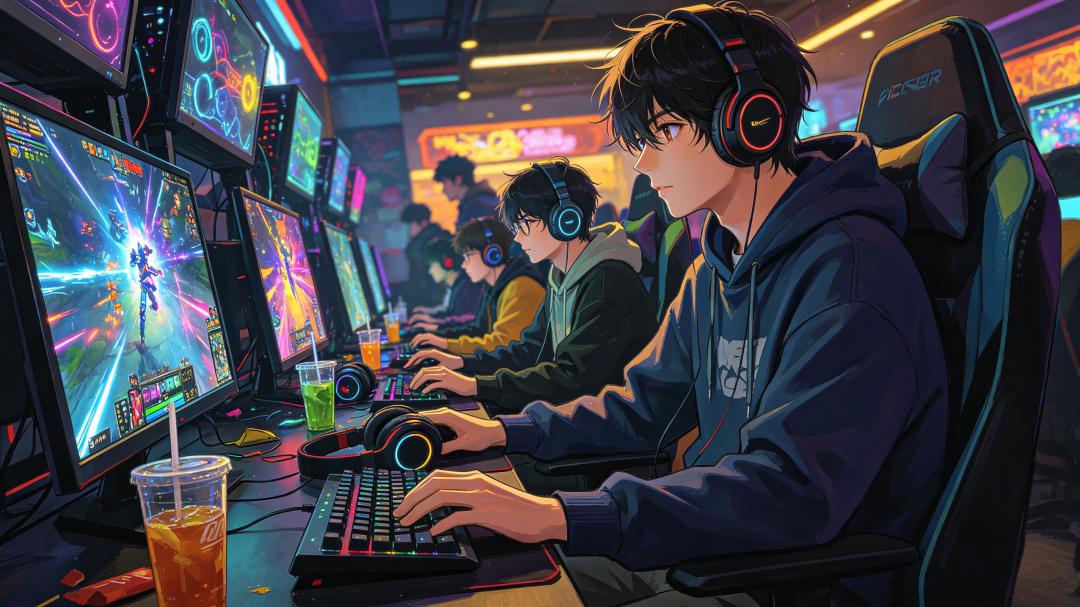
AI generated by Yule Ziben Lun
But if the "doubling revival" is just a statistical caliber trick, why are the private cubicles of newly opened internet cafes really full of customers recently?
You already have a computer at home, why do you still go to internet cafes?
To be honest, Xiaoyu is also very fond of going to internet cafes in daily life.
You may ask why I go to internet cafes? A very practical reason is that building a personal gaming PC has suddenly become an extravagant hope in recent two years.
Since last year, the prices of memory sticks and solid-state drives have been changing almost every day. In 2026, the price rise is still continuing, and even has spread from the retail market to the whole machine market. A large number of AI servers are purchasing HBM, high-capacity server memory and enterprise-level solid-state drives. Upstream manufacturers such as Samsung, SK Hynix and Micron are naturally more willing to allocate production capacity to products with higher profits. Consumer-level memory and solid-state drives get less production capacity, plus DDR4 production is gradually reduced, so their prices are rising accordingly.
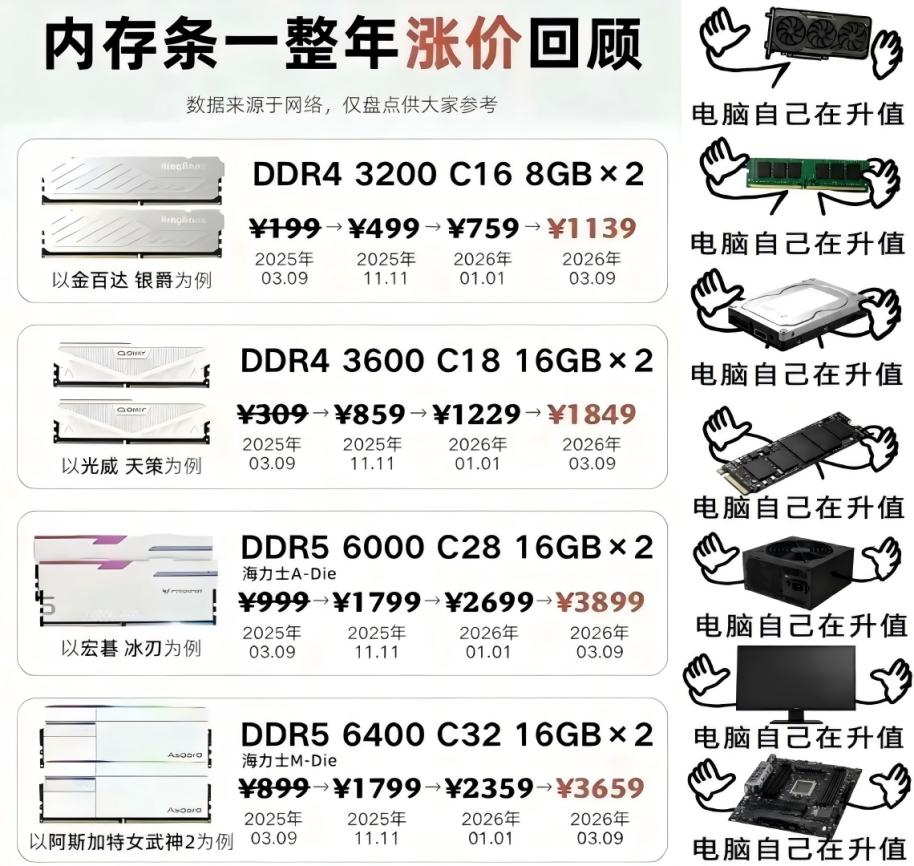
Nowadays, if you want to play Valorant and Zenless Zone Zero with high refresh rate and high frame rate, and install several games that take up dozens or even hundreds of GB of storage, a comfortable gaming PC can not have poor memory, solid-state drive and graphics card. You also need to buy peripherals after getting the PC, and the total cost is not a small sum. Especially for those who just start working, rent an apartment, or only play games two or three times a week, spending tens of thousands of yuan on a full set of equipment is not necessarily more cost-effective than going to internet cafes.
ZOWIE, Logitech G Pro X Superlight, 5070, 5080 and even 5090 for facade display, 2K 300Hz, 480Hz and 1K 600Hz monitors, as well as magnetic-shaft keyboards that cost more than 1000 yuan each, are all standard configurations in current internet cafes.
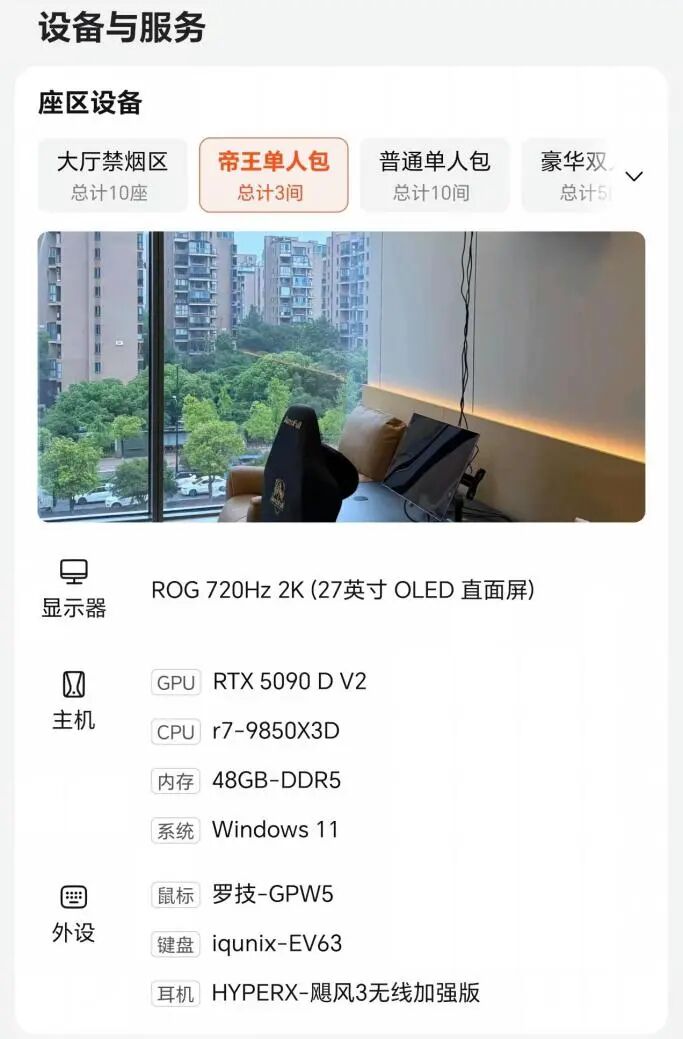
Of course, equipment is one aspect, and service and environment are also important assets for current internet cafes to attract customers.
The clerk of the mall-based store (Peak E-sports) told Xiaoyu that female players recently account for about one third of the customers in the store, and even close to half in some time periods, most of whom play Valorant. Some internet cafes that focus more on operation even set up special check-in points and e-sports atmosphere lighting areas, aiming to facilitate female users to take photos and spread content on social media.
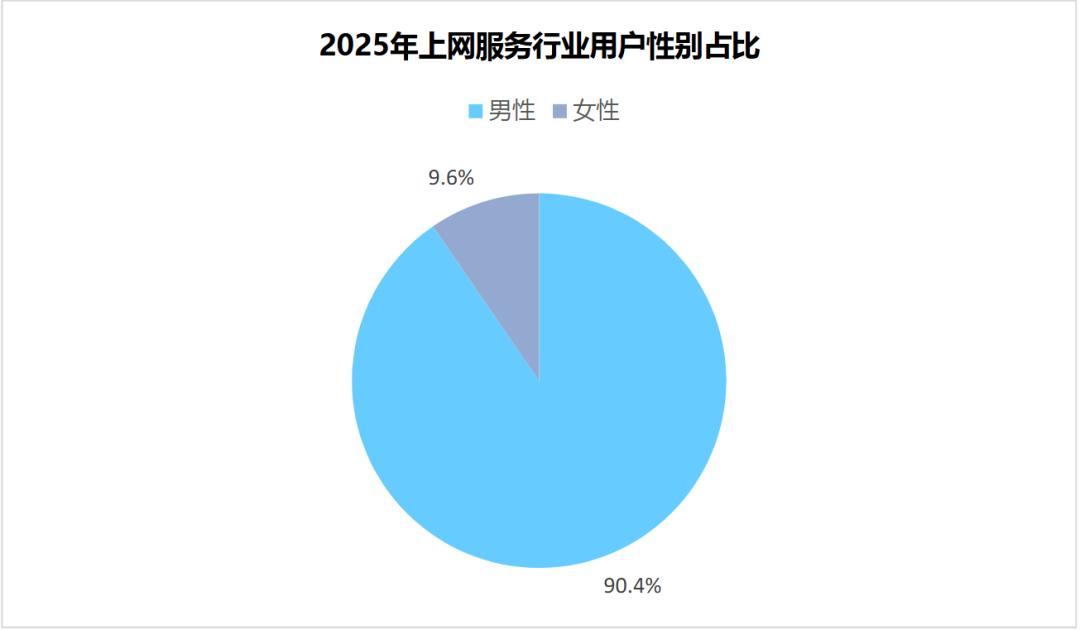
For community-based stores, the situation is completely different. A store manager said that female players account for less than 10% of the total customers. The national sampling data from the China Internet Access Service Association white paper also shows that male users account for 90.4% and female users only account for 9.6%. Therefore, the increase of female players is more common in malls, new stores and e-sports venues with better environment, while old community stores are still dominated by male players.
Xiaoyu interviewed several girls who often play Valorant. They generally do not go to internet cafes alone, most of the time they go with their boyfriends or friends. Compared with the graphics card model, they first care about the environment, the smell of smoke and whether there are private cubicles. As long as there are vacant cubicles, even if the hourly fee is a few yuan higher, they will choose the cubicle first.
Private cubicles have become the most popular positions in many internet cafes. Among the stores visited, one internet cafe has 67 computers in total, only 10 of which are placed in the open hall; another internet cafe has 91 computers in total, and only about 20 are left in the open hall. All the rest positions are transformed into single-person cubicles, double-person cubicles, multi-person cubicles or capsule rooms.
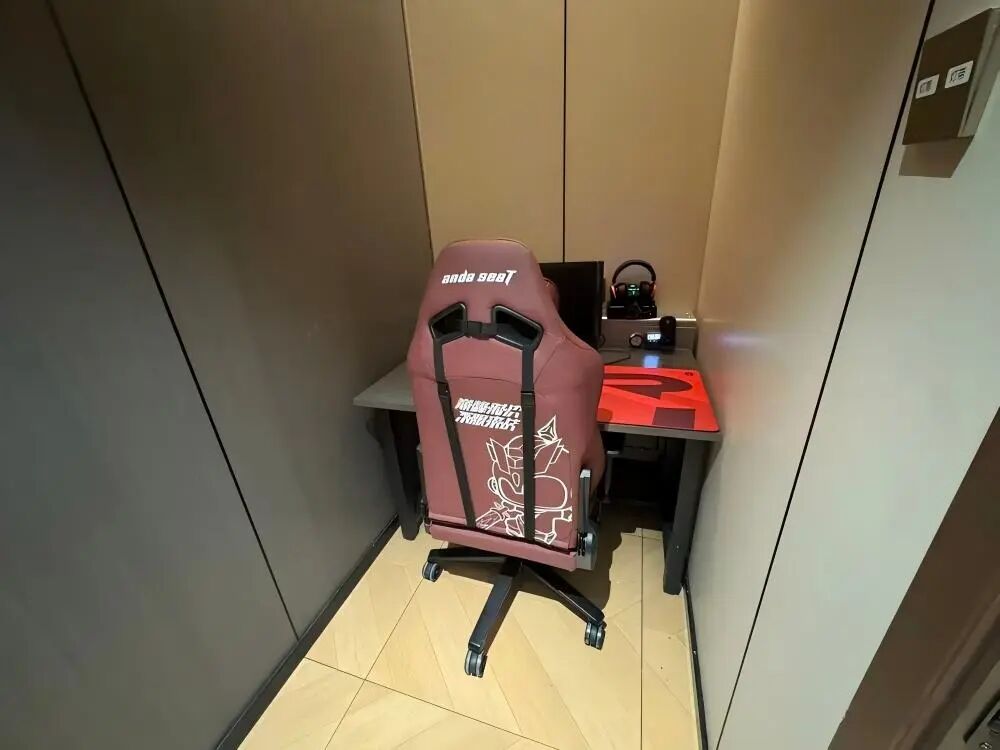
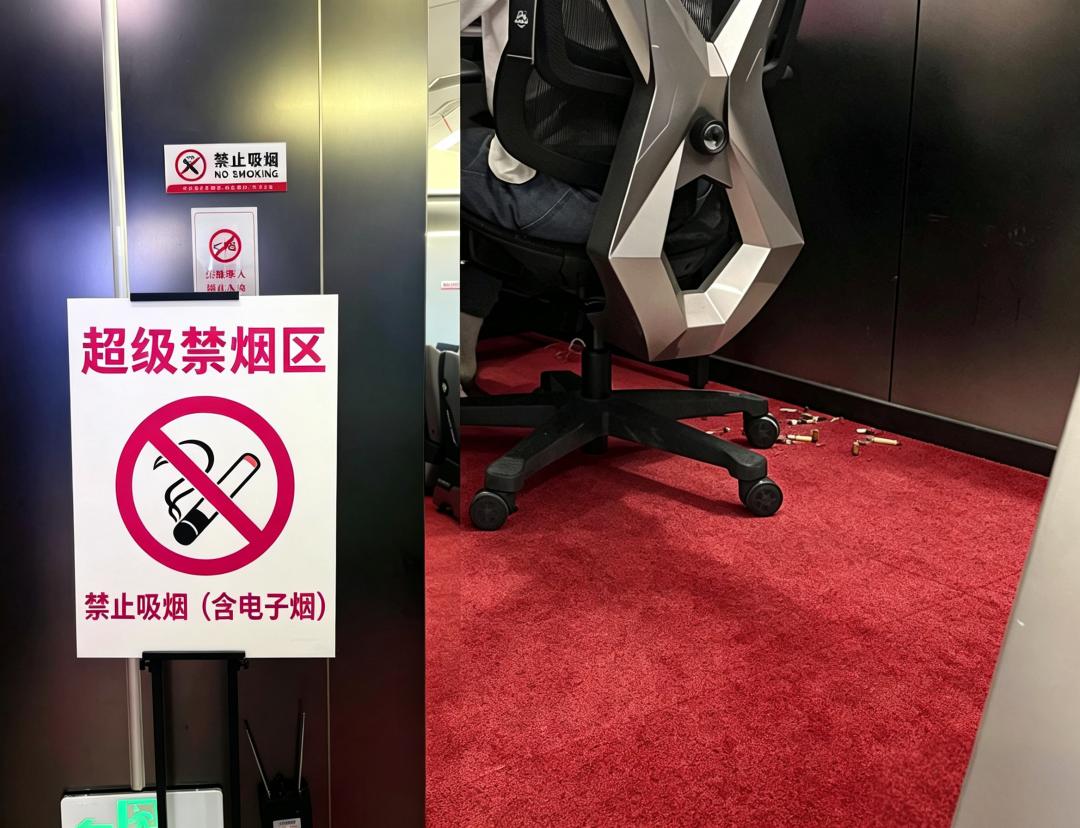
People walk into a public place, but increasingly want to shut themselves in a separate space. For non-smokers, the cubicle is relatively quiet and can easily isolate the smoke smell from the open hall; for some smokers, closing the door also means higher freedom. Almost all the visited stores post no-smoking signs, but some clerks admitted that after customers enter the cubicle and turn on the computer, frequent reminders will seem disturbing, so it is difficult to completely eliminate smoking in cubicles.
The core of the internet cafe business has gradually changed from "letting more people squeeze into the open hall" to "letting everyone have a small undisturbed space". This kind of space is also very cheap. Some netizens calculated that after stacking membership discounts, group purchase