Blockchain + AI: How to properly address the livelihood issue of charging for 400 million electric bicycles?
On September 11, 2026, Shanghai Jiudian Technology Co., Ltd. (abbreviated as "Jiudian Technology") and Ant Blockchain Technology (Shanghai) Co., Ltd. (abbreviated as "Ant Digital Tech") officially signed a strategic cooperation agreement. With the joint witness of Sun Lei, Vice President of Ant Digital Tech and General Manager of China Business Development Department, and Zhuo Jingxuan, General Manager of Jiudian Technology, Lu Weiyi, General Manager of China IoT Ecosystem Department of Ant Digital Tech, and Zhao Yonglin, Deputy General Manager of Jiudian Technology signed the agreement on behalf of the two parties respectively. The two sides will focus on the upgrading of urban electric bicycle charging infrastructure, and build a practical sample of new AI economy in the field of people's livelihood infrastructure.
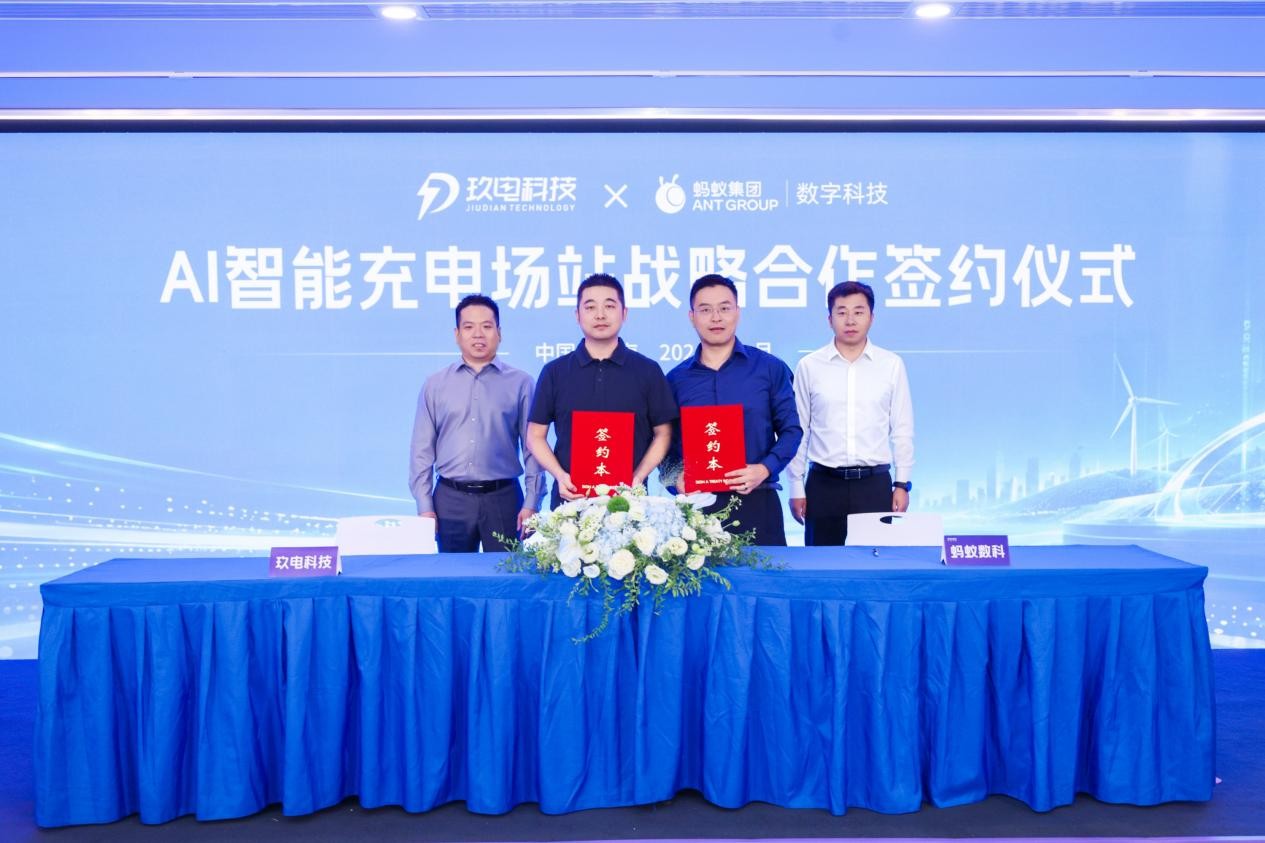
This is no ordinary signing. From the perspective of the industrial integration process of China's people's livelihood infrastructure and digital technology, it marks that the electric bicycle charging industry has officially shifted from the "engineering construction logic" to the "trusted asset operation logic": it not only ensures that residents can access, afford and use safe charging services, but also makes the business financially calculable, operable and sustainable.
A people's livelihood industry that is moving towards a market scale of 100 billion yuan and covers nearly 400 million electric bicycles is leveraging blockchain and AI technologies to complete the transformation from "urban management object" to "urban governance infrastructure".
Why charging pile is a people's livelihood business
Electric bicycle charging is a typical sample of people's livelihood infrastructure.
Its difficulty does not lie in construction, but in management: installing dozens of charging ports in a residential area only takes a few days; but for these devices scattered in corners, exposed to wind and sun all year round and unattended, to operate without failures and safety accidents all year round, there must be personnel to monitor them continuously.
Data from the China Bicycle Association shows that the number of electric bicycles in China has approached 400 million. According to the report of LeadLeo Research Institute, the market size of community charging in 2023 is about 7.75 billion yuan, and it is expected to increase to 13.49 billion yuan in 2028; the demand for community charging interfaces has reached 47.557 million, with a historical compound growth rate of about 28%.
However, the larger the scale, the higher the difficulty of management. With small single-point scale, scattered distribution, and vastly different equipment and site conditions, it is difficult to spread the cost by "adding manpower": the more manpower is deployed, the higher the cost, and the efficiency may not be improved synchronously.
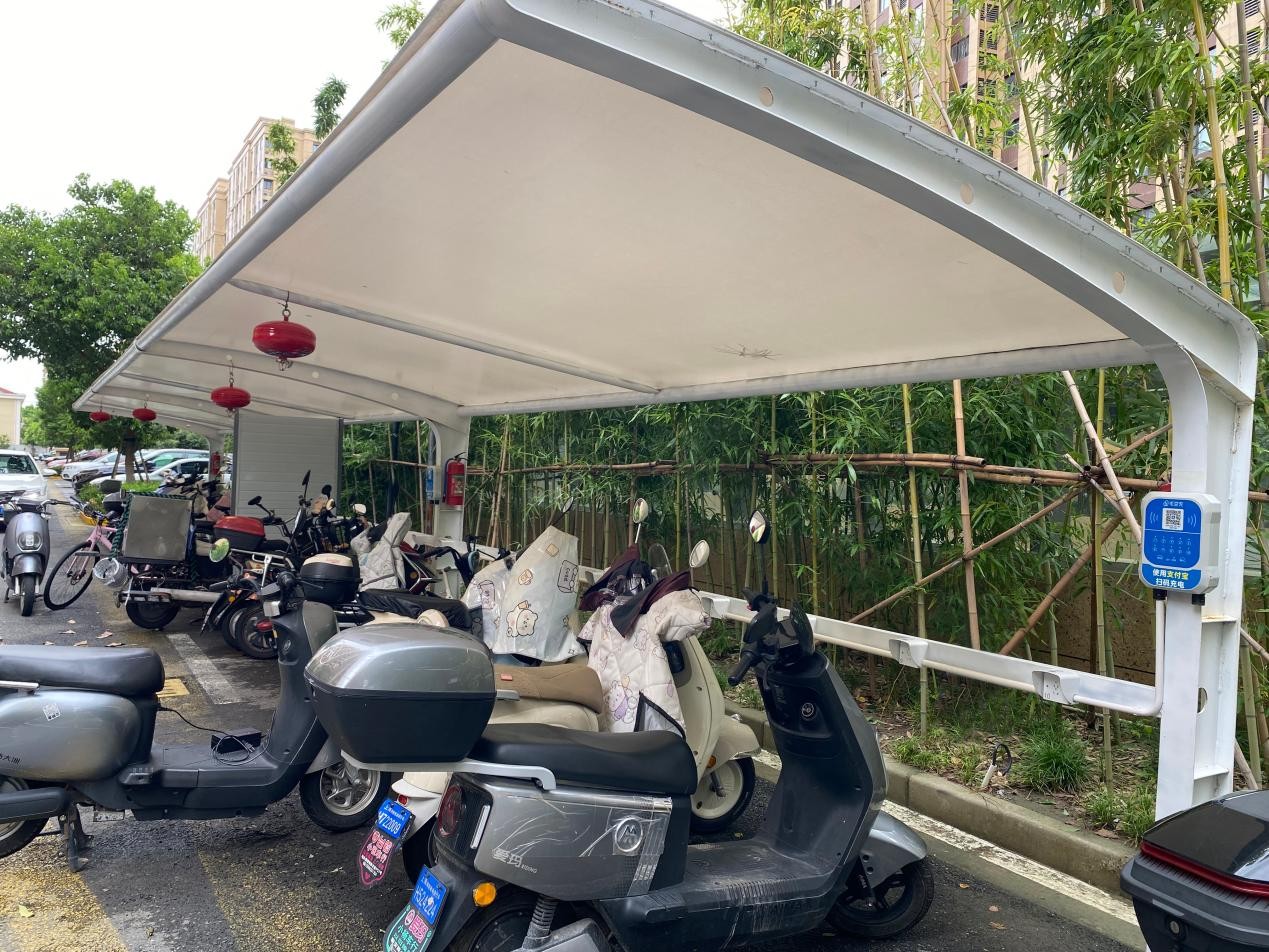
The evolution of the industry over the past decade has been centered on this contradiction: 2018-2021 was the "era of selling piles", when the competition focused on manufacturing and sales; 2022-2025 ushered in the "era of compliance", safety incidents promoted strict supervision, and the industry shifted from "incremental construction" to "stock optimization"; after 2025, when charging piles are widely deployed and operation becomes highly competitive, the space for upgrading falls on two ends: the front end makes it convenient for residents to charge, and the back end makes the charging piles easy to operate and less prone to failures.
Electric bicycle charging is a high-frequency, small-value, massive and strongly people's livelihood-oriented business, but almost all its pain points are concentrated in "pile management": equipment is vulnerable to damage, inspection consumes a lot of manpower, fault response is slow, and there are many user complaints. Whoever can reduce the operation cost of a single point will grasp the most scarce capability in this industry.
The data from the LeadLeo Research Institute report also confirms this point: the CR5 of the independent operation mode in the domestic community charging market is about 61.8%, and the CR5 of the franchise operation mode is about 40.6%; the report judges that the leading players "still do not have great market influence and dominant position", and the focus of competition is shifting from "product performance" to "operation level".
If operation determines whether a single point can be accepted by residents, data determines whether the entire network can be managed efficiently. Over the past decade, most operators have expanded their business by relying on manpower. The more points they have, the higher the management cost, and the scale has become a burden instead.
The cooperation between Jiudian Technology and Ant Digital Tech is to exert efforts on both operation capability and data capability, promoting the industry to move from decentralization to integration, and from low-level competition to high-quality development.
"Blockchain + AI": Building a trusted bridge between the industry, capital and people's livelihood
Since the bottleneck lies in the "management" link, the solution should also start from data and trust. The distributed storage, tamper-proof and full-process traceability features of blockchain make the operation data of scattered devices verifiable: when a charging pile was used for charging, what faults it had, and who repaired it, all leave traceable records. For residents, this means traceable safety; for regulatory authorities, this provides a reliable basis for governance.
In fact, Ant Digital Tech has verified this capability in multiple new energy scenarios: enabling the operation data generated by scattered devices to be verified and called; once the data is continuous and credible enough, the scattered devices will have a foundation to be understood by external institutions.
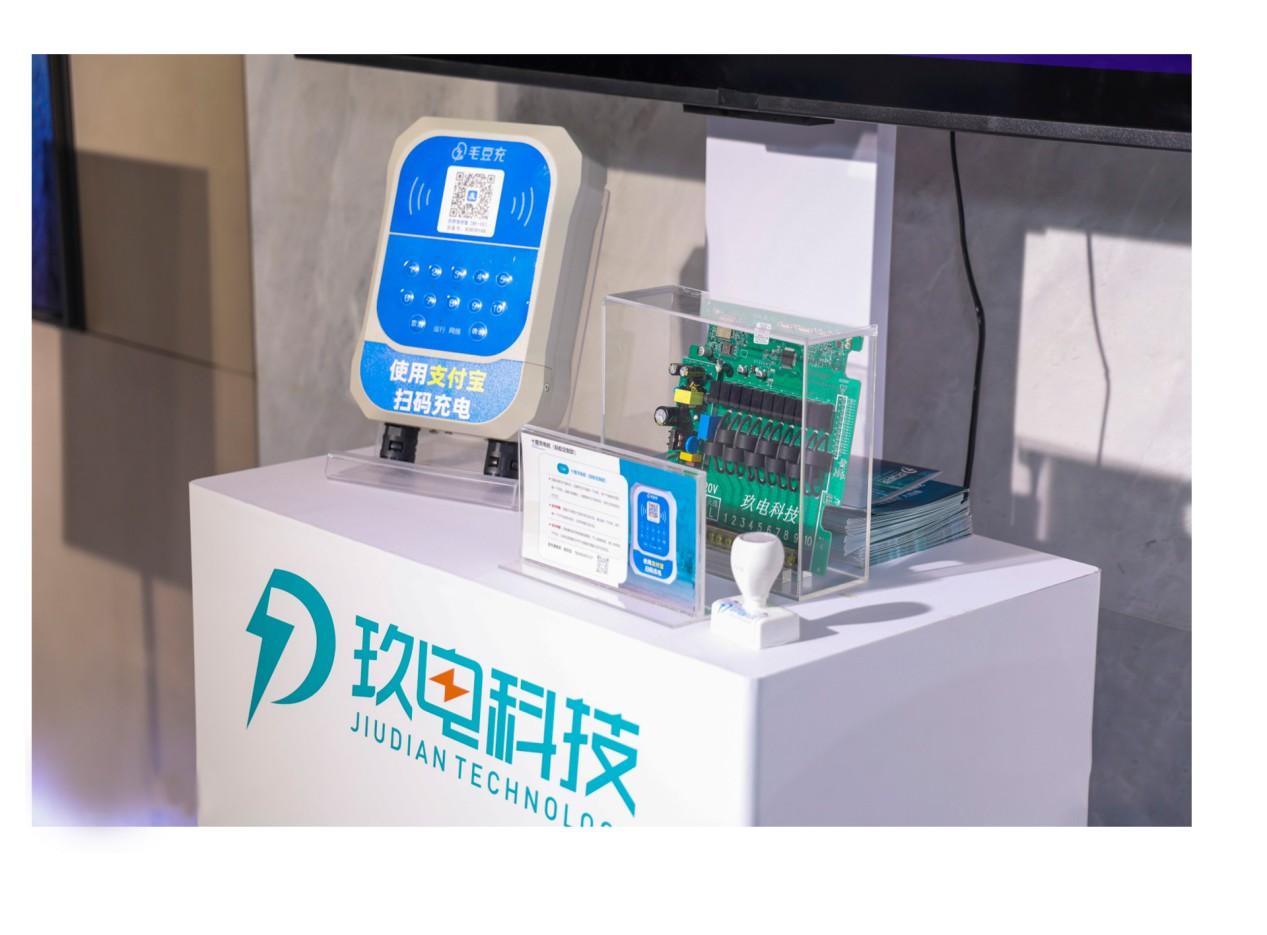
If blockchain solves the problem of "whether data can be trusted", then AI solves the problem of "whether assets can be operated intelligently". This is where the industry experience of Ant Digital Tech and Jiudian Technology forms a synergy: the former's power transaction and operation agents polished in energy scenarios are good at making predictions and decisions from massive data; the full-chain industry experience accumulated by Jiudian Technology for many years, covering every link from equipment R&D, construction implementation to operation and maintenance, provides the most real implementation scenarios for the agents.
It is worth mentioning that applying AI to the industry can not only improve the industrial operation capability, but also help the government with safety governance: when every charging pile has a trusted digital identity, and every maintenance can be predicted and scheduled by AI, the governance blind spots of scattered points are truly eliminated. For residents, this means they no longer have to worry about the equipment running with hidden faults, and do not need to detour for a long time to find an available charging spot.
Lu Weiyi pointed out in the interview that the further deepening of the cooperation between Ant Digital Tech and Jiudian Technology is to jointly build the charging pile, a people's livelihood infrastructure, into a service network that the people can use with confidence and the city can manage efficiently.
The combination of blockchain and AI can upgrade the long-term extensive "heavy operation" of the industry into a replicable and measurable refined operation capability.
Conclusion
With the above reference system, this signing has its real value.
The charging pile industry has similar background with the shared bicycle industry: both are high-frequency, small-value businesses close to daily life, and both have taken detours due to high decentralization and difficulty in standardized management. Different scenarios face the same topic: how can scattered devices be managed and used well stably for a long time?
This signing is exactly the answer. It is not that an operator "finds a technical partner", but a docking between an industrial platform and a set of technical methodologies at the right time, which fills the most missing "capability puzzle" of this industry.
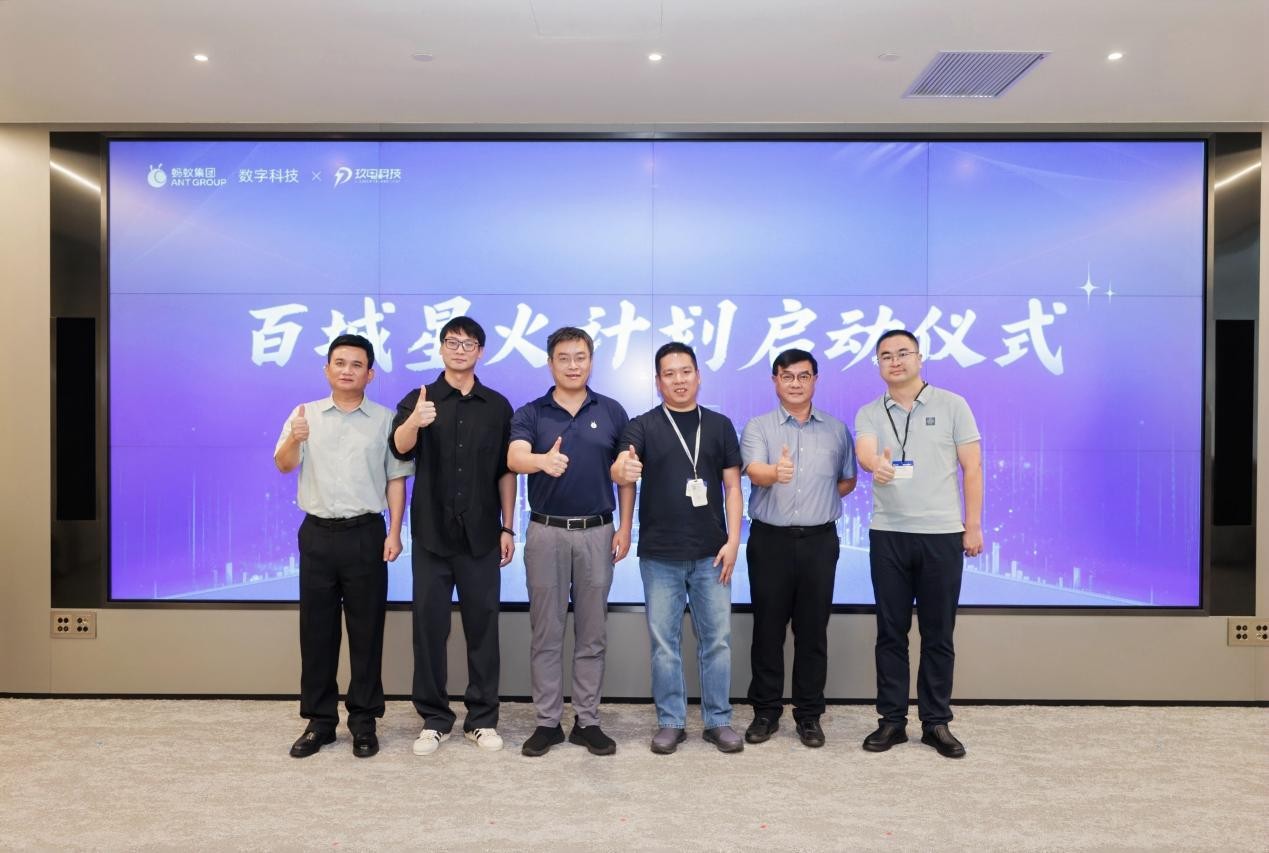
When a 100-billion-level people's livelihood market has both the tool to turn scattered devices into trusted assets and the means to turn "heavy operation" into "intelligent operation", the second half of this industry has truly begun. What residents finally get is a safer and more convenient charging service experience, which is also the most simple implication of the phrase "people's livelihood infrastructure".