The long-overdue Model Y Performance is not exciting at all.
These past two days, I have unexpectedly come across a number of very excited Tesla car owners on my social feeds.
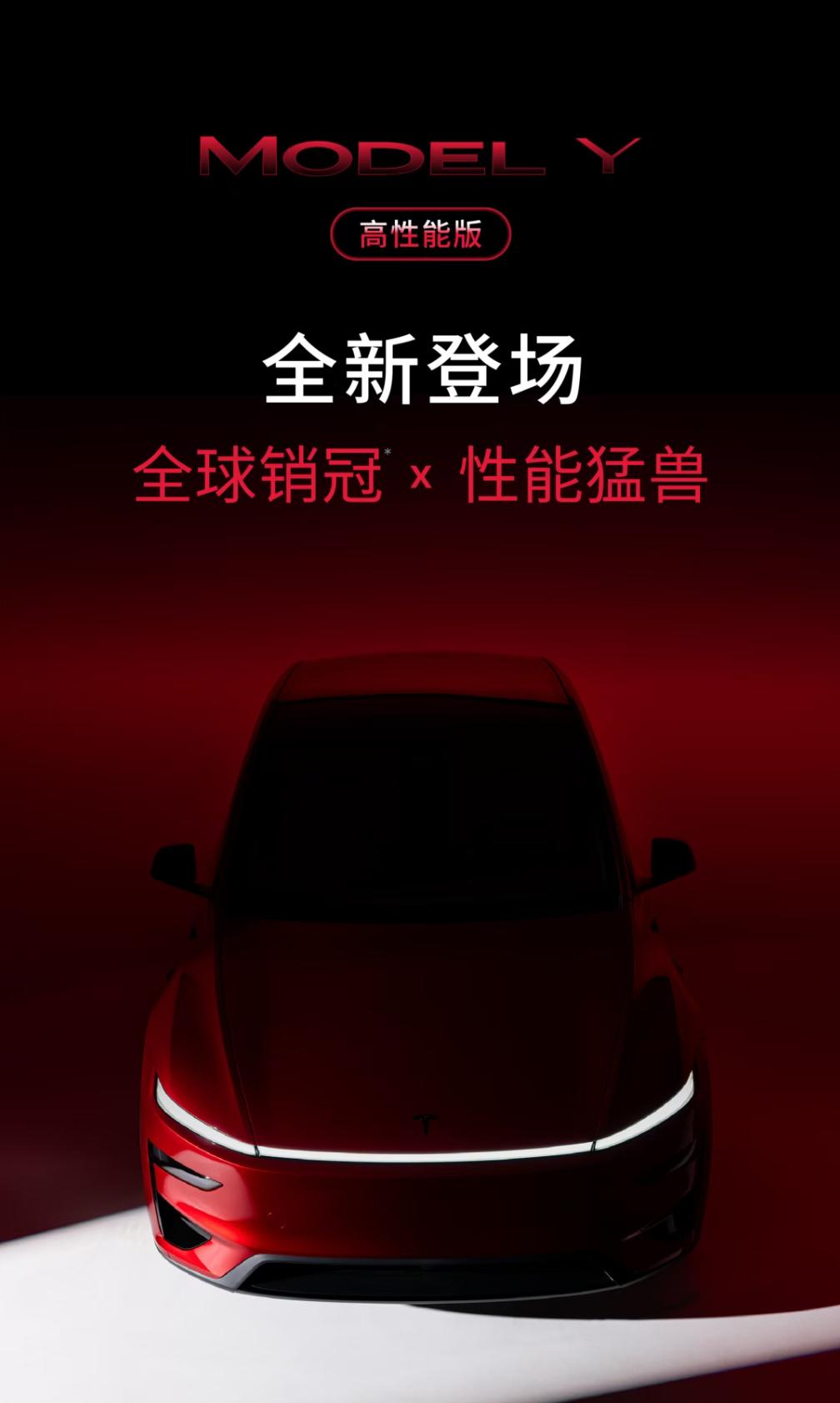
There is no other reason: last weekend, Tesla China suddenly released the brand-new Model Y Performance all-wheel-drive version (hereinafter referred to as YP).
The pricing is very typical of Tesla, at 369,000 RMB.
If it were a few years ago, I might have been surprised, but the current automotive market is so fiercely competitive now that I feel completely indifferent when I see this kind of vehicle.
After all, if you want an affordable option, there is the Galaxy TT priced at more than 100,000 RMB with a 0-100 km/h acceleration of 3.8 seconds. If you want pure performance, there is the IONIQ 5N at the same price range that does not suffer performance degradation even after two laps on the Nürburgring.
However, not everyone knows that the author of this article is a long-time Model 3 Performance owner who has taken a large loss on his car, and the 3P really does not have strong family-use attributes. Recently, he had to buy a Firefly to transport his children.
You might wonder, if the YP had been launched earlier, would it have been the perfect solution that meets all kinds of demands?
Hey, that got us interested, so let's take a quick look at what updates this generation of YP has got.
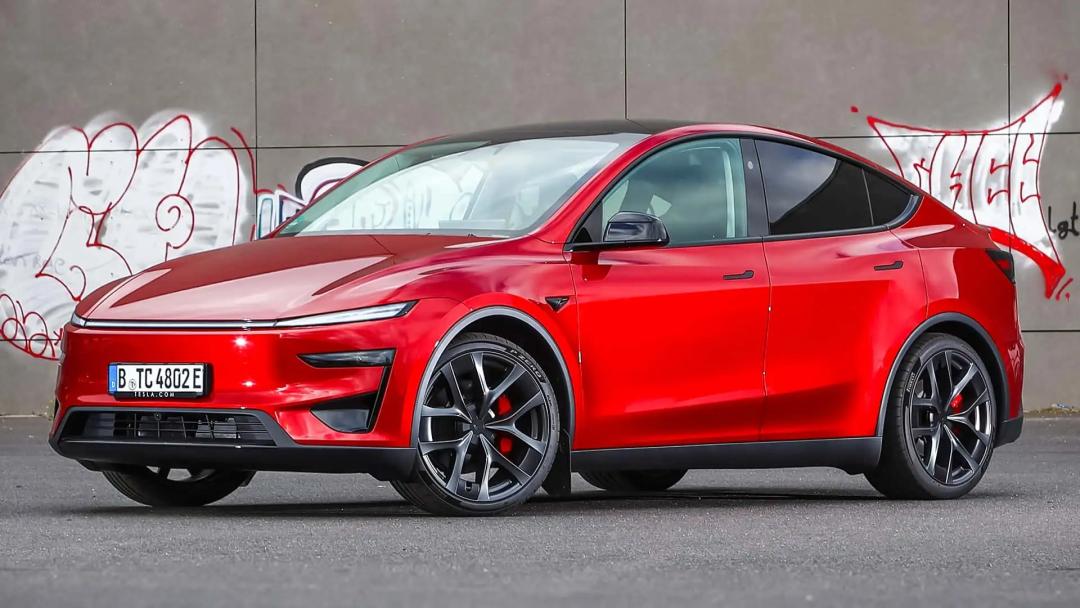
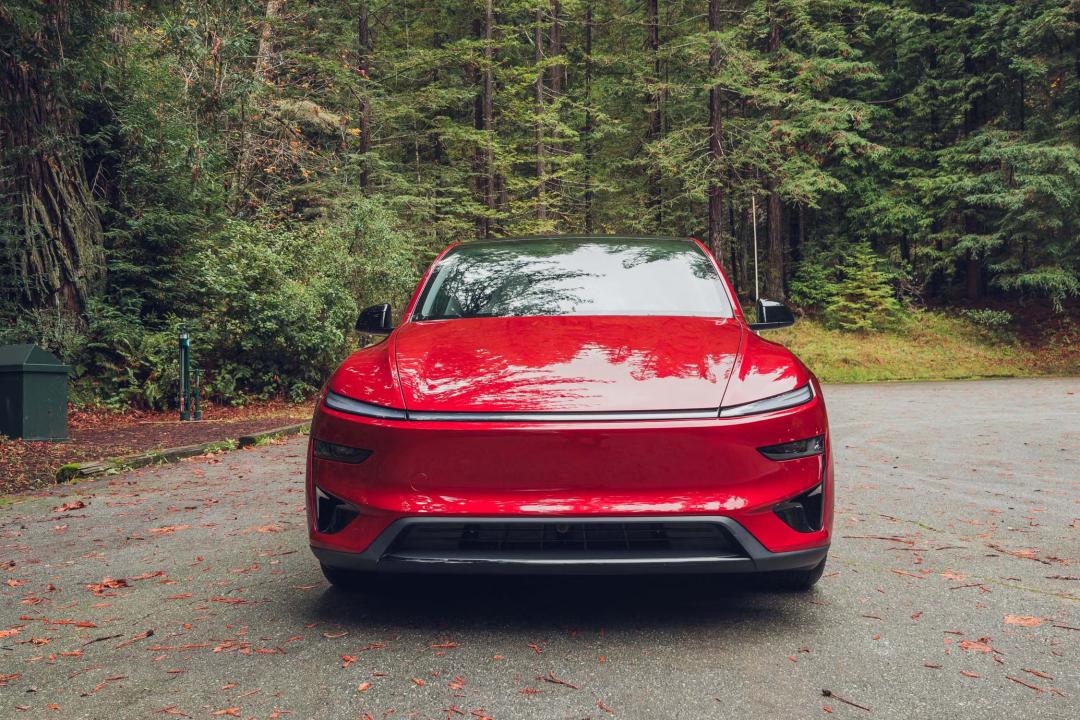
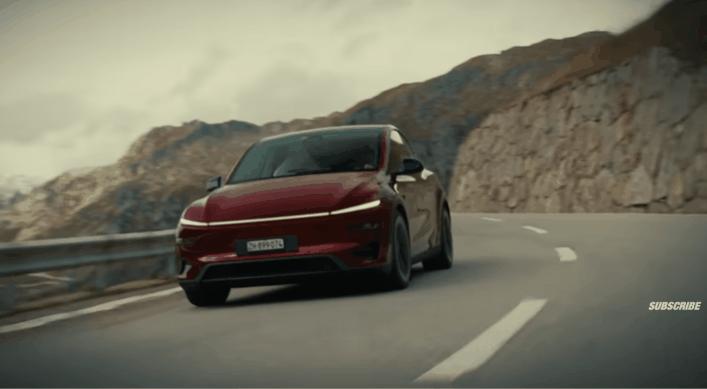
The most obvious change is the exterior: it has the same full-width daytime running lights as the new regular model, but it is equipped with a redesigned glossy black bumper, and the quality of the plastic material is obviously improved.
At the same time, on both sides of the car body, the YP is also designed with two real functional air ducts.
As for the rear part, it is fitted with a brand-new rear spoiler and an added small extended carbon fiber ducktail. After sorting out all the changes, the YP's drag coefficient is optimized by 10% compared to the previous generation, reaching only 0.22Cd.
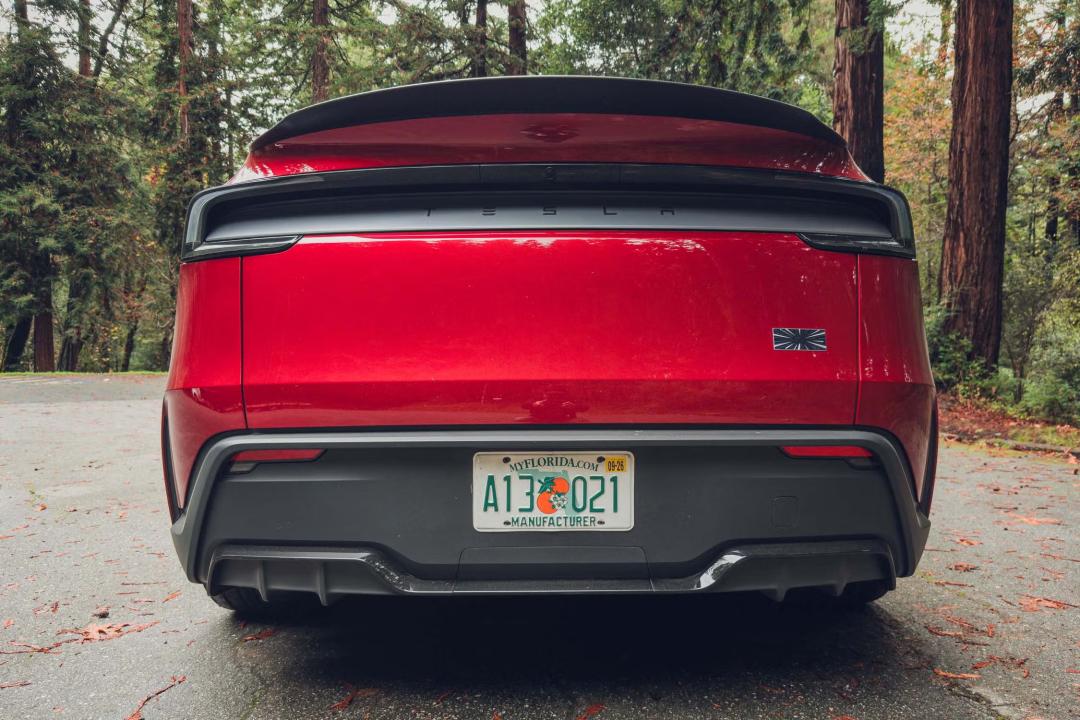
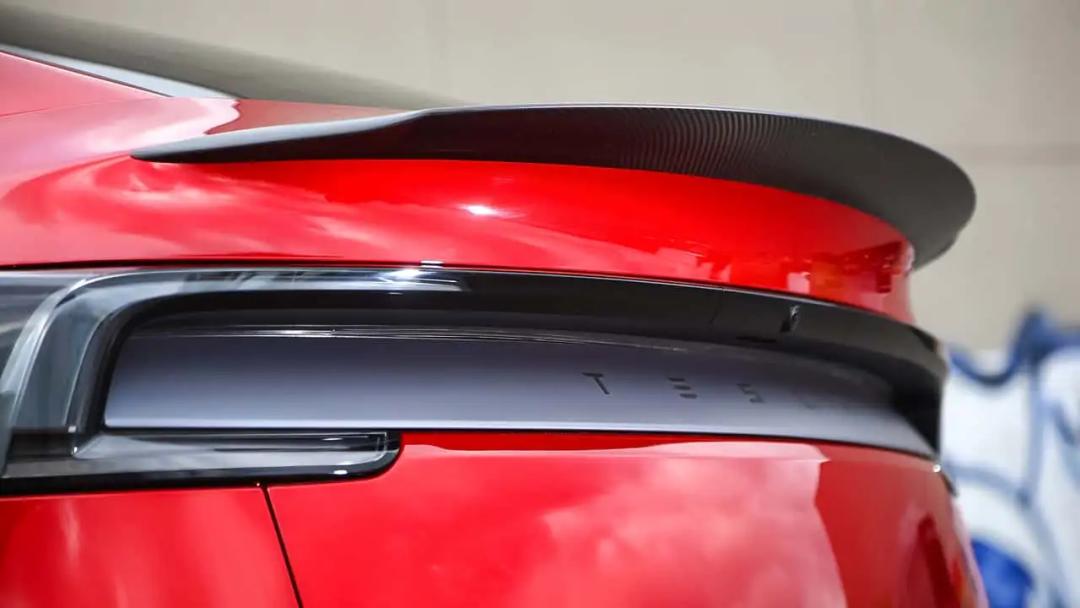
However, compared with this small change in drag coefficient, I think the improvement in appearance is more important.
Because after adding such a spoiler, the originally bulky Model Y no longer looks so much like a mouse. Paired with these 21-inch spiderweb-style wheels, it looks much better now.
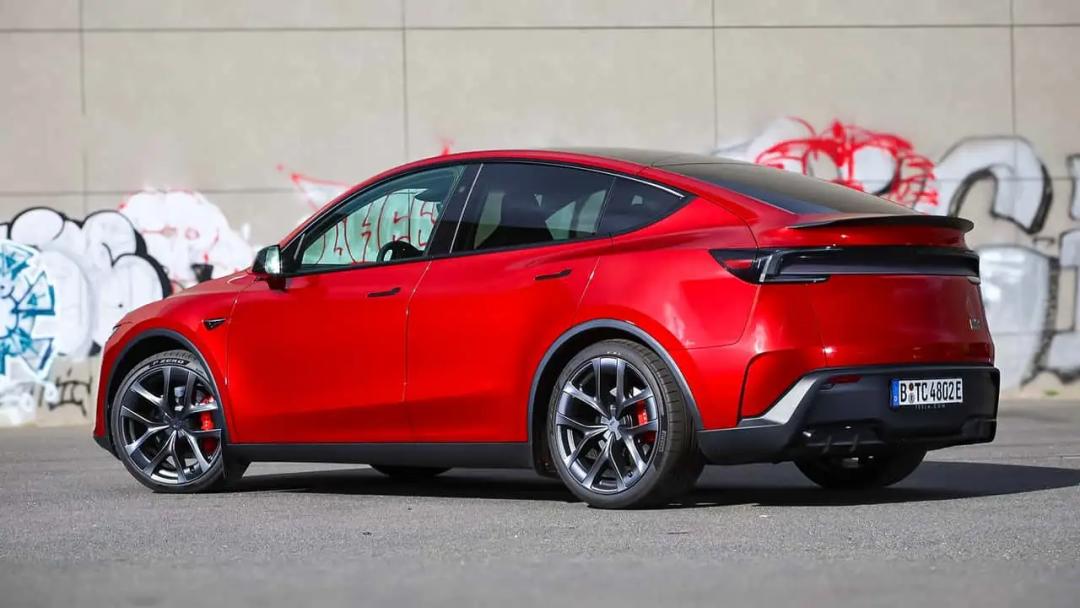
That's right, Tesla's very first car was the groundbreaking Roadster, so it does have good aesthetic standards, it's just that you get what you pay for most of the time.
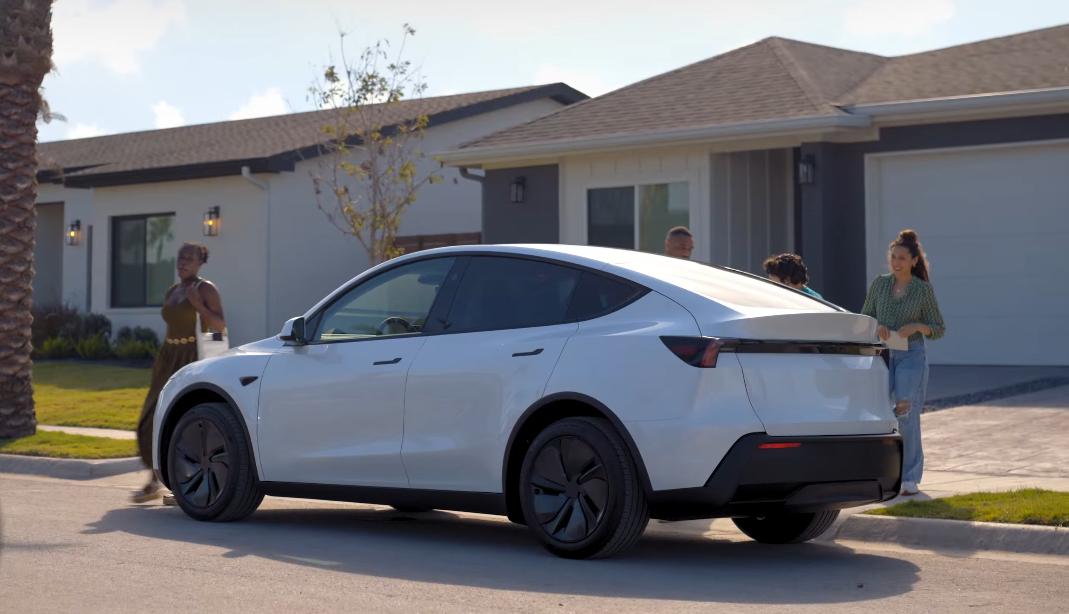
The low-cost North American version of the Model Y even uses the solid steel wheel rims that you see on delivery vans.
Next is the interior, I have to say, you really get more when you spend more money.
The fabric trim panel in front of the regular version is replaced with carbon fiber on the YP.
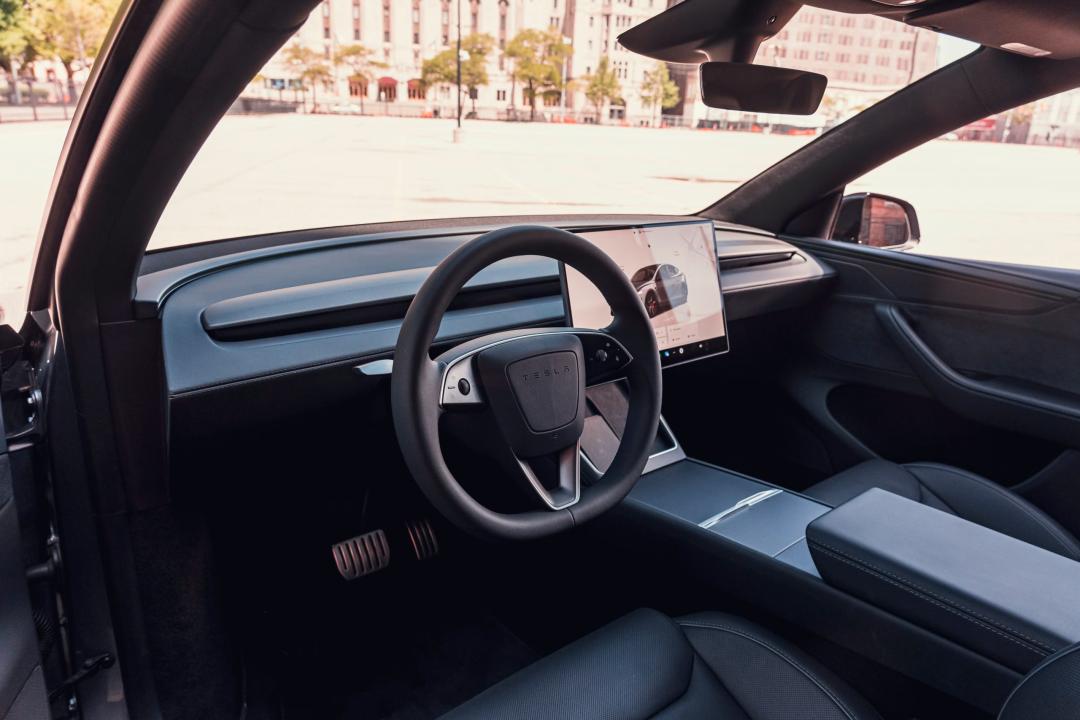
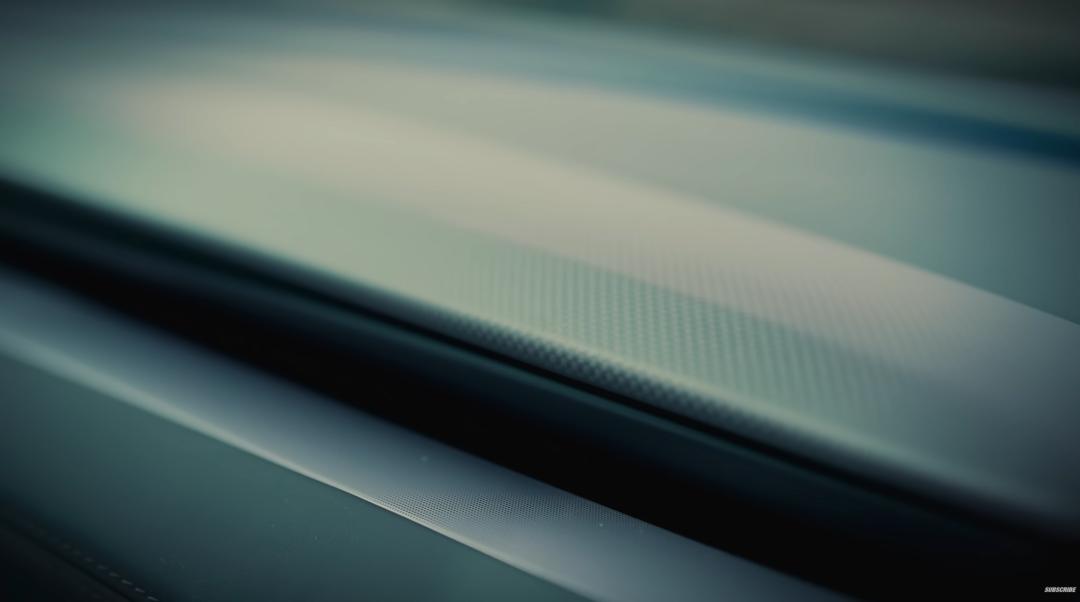
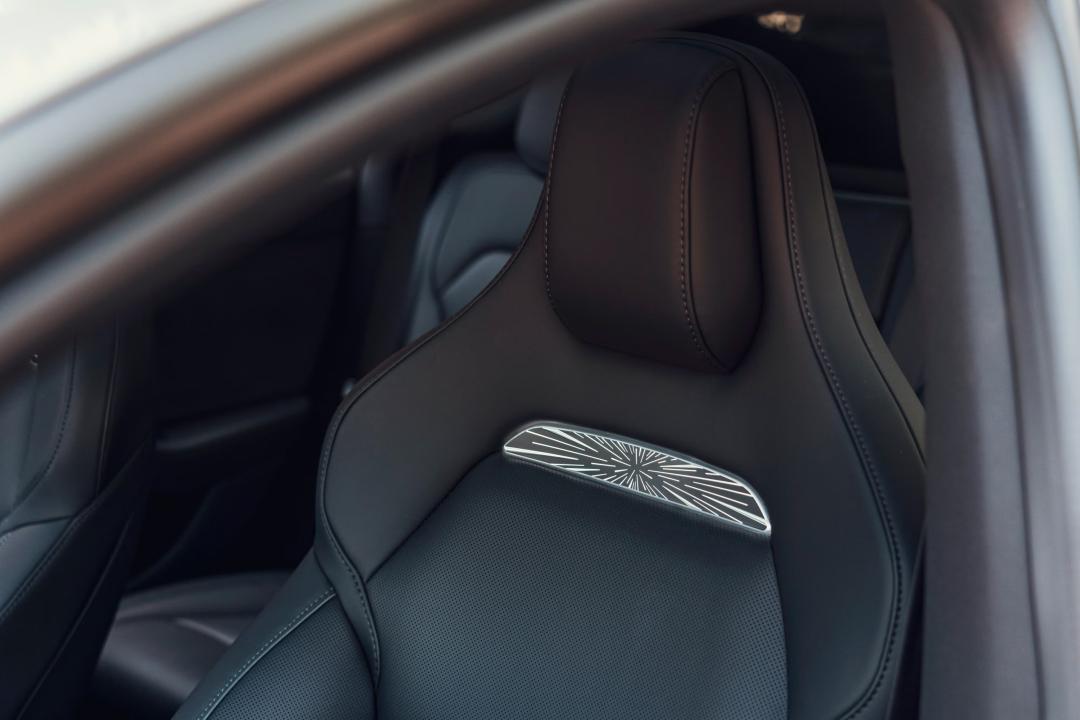
The seats are replaced with brand-new bucket seats, and there is a metal tag marked "INSANE Plaid" on the upper part to represent the high-performance version. The side bolsters on the lower part are more inward than those on the regular Model Y, providing better support.
Then there is the classic 8000 RMB white interior. Different from the overseas version, the Chinese version also makes the center console armrest white, which is really very eye-catching.
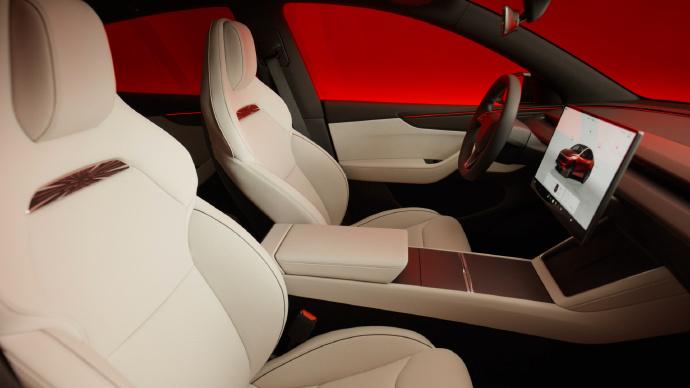
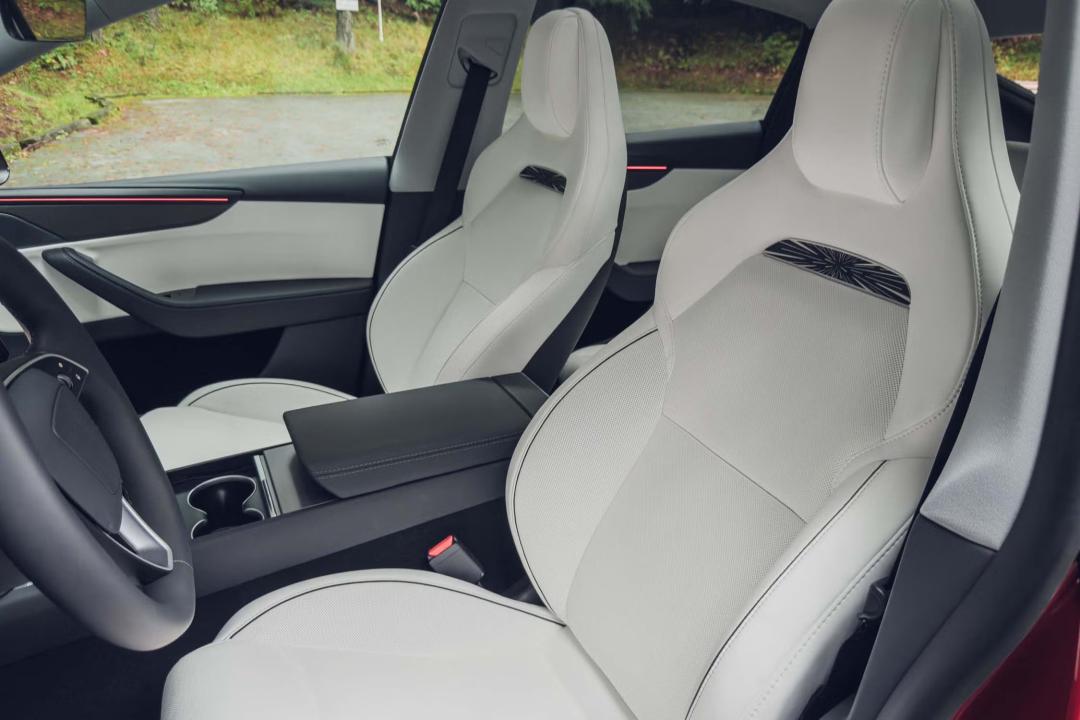
The center console armrest on the overseas version is still black.
The rear row is very conventional, it has the same spacious space as the new Model Y, and it is also equipped with Tesla's classic heating function for the rear passengers' heads, which feels very familiar.
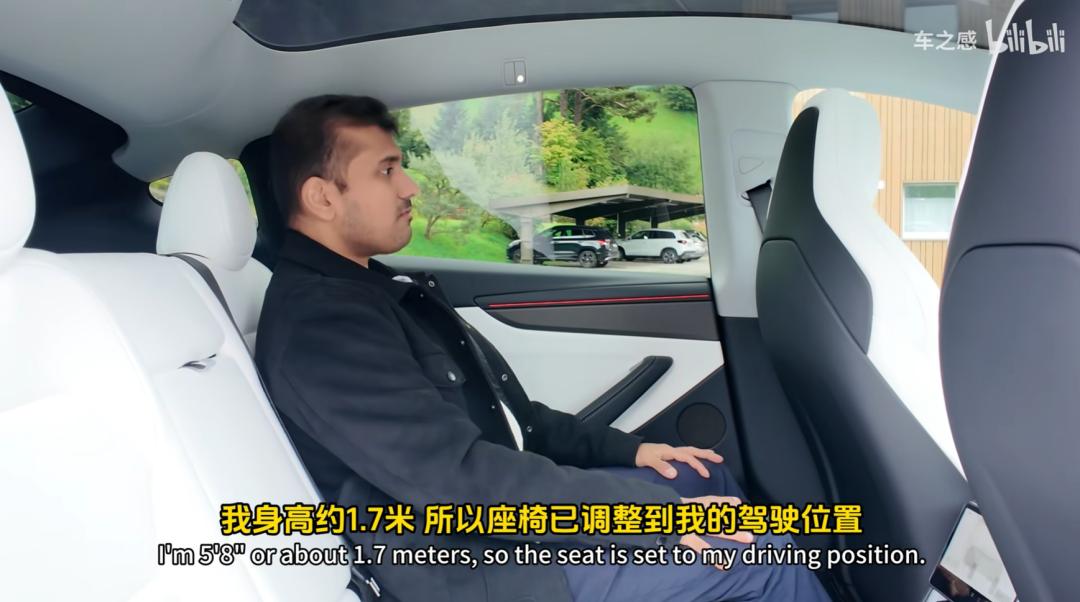
However, these small changes are obviously not enough to justify the 56,500 RMB price gap between the YP and the long-range all-wheel-drive version. The key still lies in its performance.
Here comes the interesting part: when explaining to the media why Tesla launched the new generation YP, Lars Moravy, Tesla's Vice President of Vehicle Engineering, said:
Who the hell would drive a Model Y on a race track?
Seriously, that's exactly what he said. So compared with the previous generation of super stiff YP, the 2026 YP obviously shifts its focus from track performance to daily driving pleasure.
This can be seen from its configuration: the new YP puts more emphasis on acceleration, it uses two motors named TL2 and 4D2 with power outputs of 176kW and 291kW respectively, and the 0-100 km/h acceleration only takes 3.5 seconds, which is 0.2 seconds faster than the previous generation.
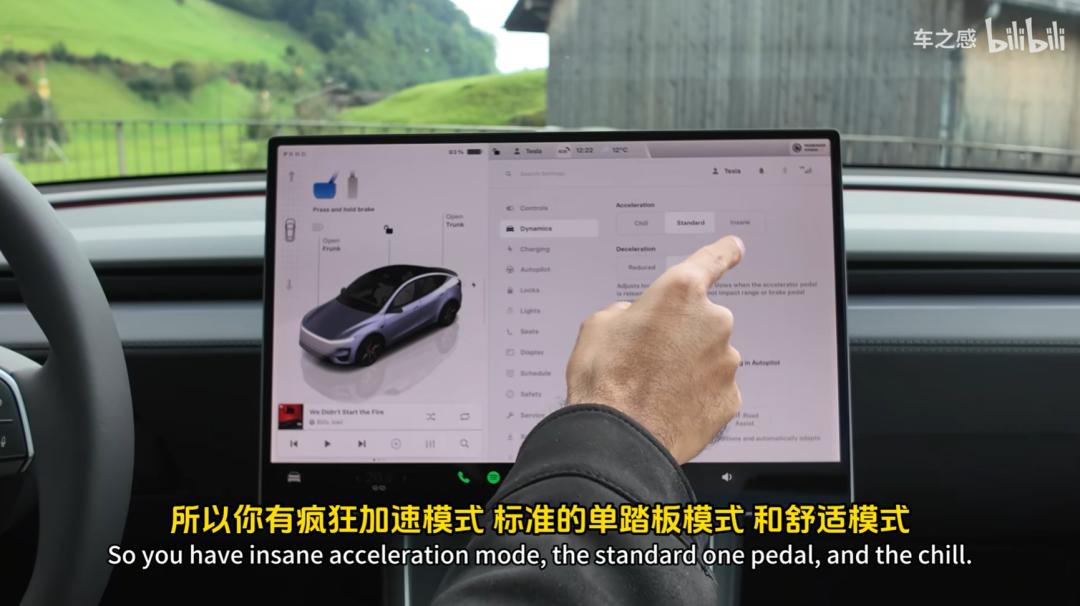
When you enter the car's infotainment system, the original Track mode is gone, replaced by the "Insane" mode, which is basically designed for straight-line acceleration.
Let's recall here: Tesla's previous Track mode allowed you to adjust control systems such as ESC and TSC by yourself, and you could even check the temperature of the motors and brakes in real time, which was extremely performance-focused.
But now the YP no longer does all those fancy things, it just focuses on straight-line acceleration.
That's the change in power. For the suspension, the YP uses adaptive dampers for the first time, with two options: Standard and Sport.
According to Tesla itself, their springs, bushings and anti-roll bars have also been redesigned. Even to add this new adaptive damper system, they are equipped with brand-new steering knuckles integrated with accelerometers and wheel speed sensors to provide more data for the system.
According to reviews from multiple overseas media outlets, the new YP is more comfortable than the old YP, and even more comfortable than the adjacent Model 3 Performance that also uses adaptive dampers.
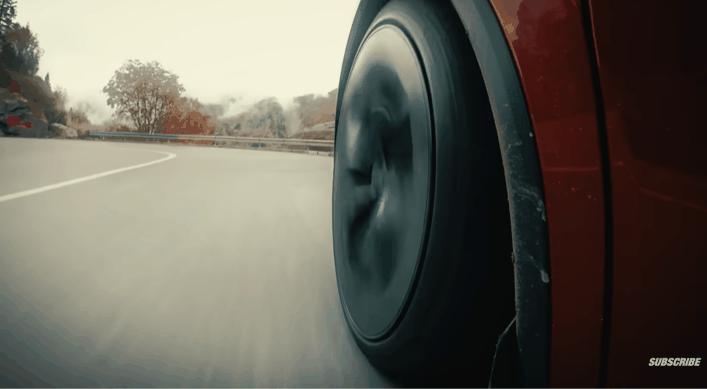
But as Moravy said, this car now has basically nothing to do with race tracks.
In the track test conducted by US media Edmunds, you can see that when the new YP takes high-speed corners, its high center of gravity plus soft suspension makes the whole driving dynamics very struggling.
And Tesla's classic Hankook silent tires are really not suitable for track conditions.
It can only be said that Tesla has thought it through clearly: although it has always been known for its excellent handling, a high-performance SUV is still an SUV after all.
They already have the Model 3 sedan, so there is no need for the Model Y to compete in that segment.
This trend actually started to show signs on the Model Y L that we test drove last year.
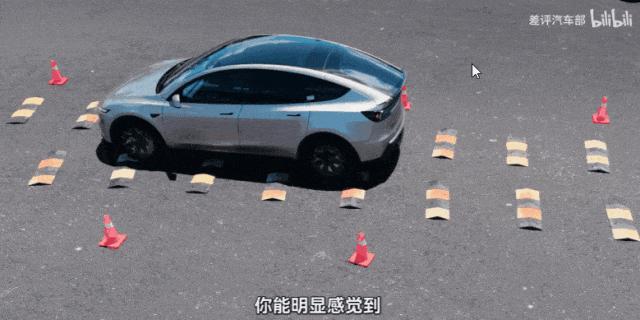
The Model Y L also uses adaptive dampers, and its tuning is also described as somewhat soft, which is completely different from the old stiff suspension with the classic "Tesla feel".
If the changes of the YL at that time were just a special case for the 6-seater model, now that the YP has done the same, we have reason to believe that Tesla's definition of the entire Model Y lineup has begun to change.
What the Model Y wants to be is a simple SUV that can meet the family needs of most consumers, rather than a rebadged product that is modified from the Model 3 to get a higher positioning.
But then again, the positioning of the YP is still a bit awkward: if you are only paying an extra 50,000 RMB for that little extra acceleration performance to buy the YP.
Then my suggestion is that it is more practical to buy an iPhone Duo for your partner, a PS5 Pro for yourself, and a smartwatch for your kid instead.