When gold is no longer exclusively tied to wedding consumption scenarios, who can seize the opportunity of young people buying their first gram of gold?
A couple of days ago, I passed by a shopping mall and walked past a gold store.
I stood at the entrance for a while.
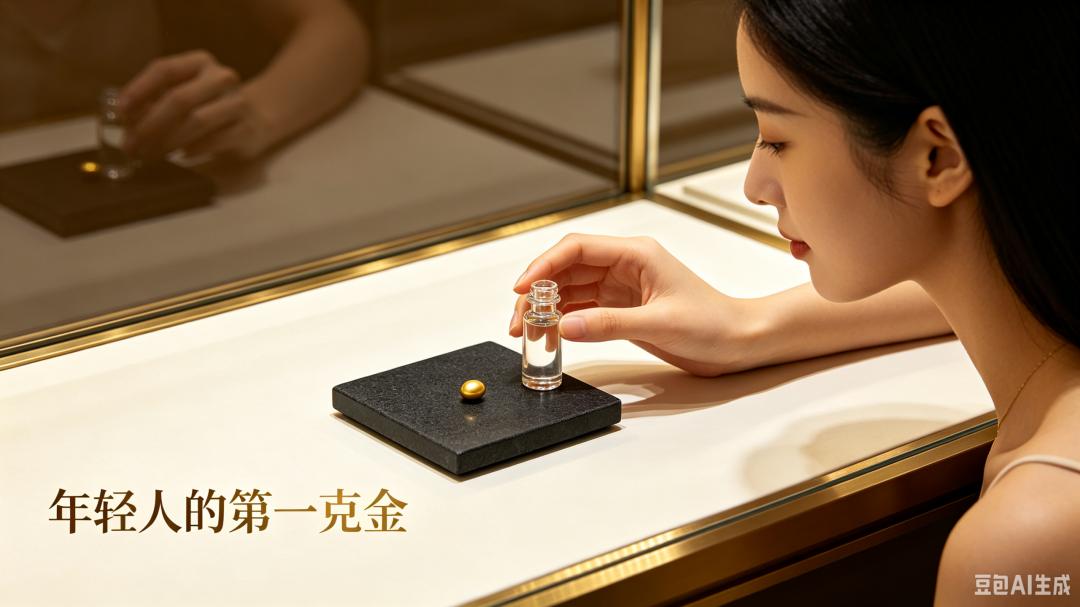
The people gathered around the counter were all young people: girls in their early twenties, and several boys who looked like college students. The salesclerk was taking out gold beans for them — tiny pieces about the size of soybeans, placed one by one on a tray and sold by the gram.
A girl picked five pieces, which weighed less than one gram in total. She paid for them, put the gold beans into a small glass bottle, stuffed the bottle into her bag and left.
The whole process took less than three minutes.
I stood there and thought about one thing: what she bought was not gold in the traditional sense.
At least, it was not the same "buying gold" concept that her parents understood.
The subject of gold consumption has changed
Who did the gold business essentially serve in the past?
Not young people.
It served families.
The decision to buy the three pieces of gold jewelry for wedding ceremonies was made by the whole family. The choice of gold bracelets was based on the aesthetic preference of the elder generation. Buying heavy gold jewelry was a way of asset allocation. Purchasing gold locks and gold bracelets was for social etiquette and gift exchanges.
What role did young people play in this logic? They were users, not decision-makers. What you wore largely depended on what your mother thought looked good, what your mother-in-law thought was decent, and what styles were popular in your hometown.
So what did gold brands serve in the past? Family relationships. They needed to make parents feel dignified, make relatives feel the gifts were substantial, and ensure the wedding scene did not look shabby.
But when young people buy gold today, they are no longer in those traditional scenarios.
When they get their salary, they want to reward themselves with a gold bean. When they are in a bad mood, they want to buy a lucky gold bead to change their luck. When they see a co-branded product from a favorite IP, they buy a small piece of gold jewelry for fun. Even when they just pass by the store and think a pendant looks nice, they buy it on impulse.
At this point, the logic of gold consumption has completely changed.
It is no longer tied to marriage, family, traditional customs and the recognition of elders. It has become part of personal decision-making.
This is the most essential change in the trend of gold consumption among young people — it is not that gold has become cuter, but that the people buying gold have changed.
In the past, gold brands sold "major life events". Today, they have to learn to sell "small daily moments". In the past, their target was the family budget. Today, their target is the young people's own disposable money.
This is not a design problem. It is a complete rewrite of consumption scenarios.
What young people buy from gold is a sense of certainty
Many people say young people buy gold to preserve value.
That is true, but not entirely accurate.
A more precise statement is: what young people buy from gold is a sense of certainty.
What is the strongest feeling in recent years? Almost nothing feels certain.
Houses are no longer the unquestionable answer to wealth growth. Stocks and funds easily fall in price. Job income can change unexpectedly. Consumerism feels increasingly empty. The clothes you buy for 500 yuan today may only be worth 50 yuan next year. The electronic product you buy for 3000 yuan may be outdated half a year later.
But gold is different.
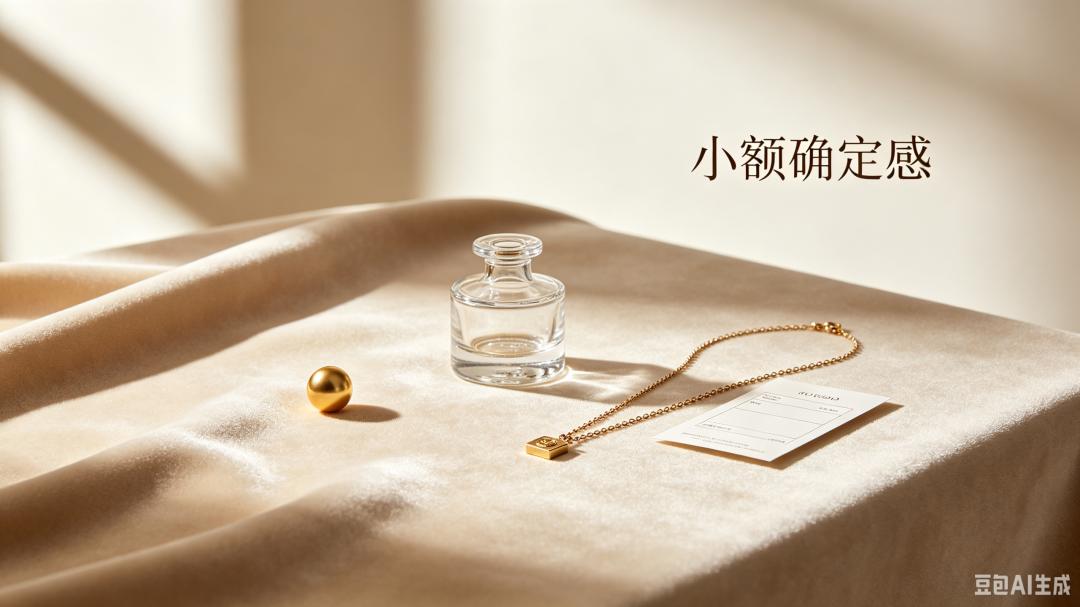
It is visible, tangible, wearable, and can be weighed. No matter how small a gold bean is, it has a clear gram weight. No matter how light a lucky gold bead is, it is made of real gold.
This physical sense of reality brings strong psychological comfort to young people.
Why are gold beans so popular? Because they are not traditional investment products, nor pure accessories. They represent a "low-threshold sense of asset ownership".
Young people cannot afford large gold bars, but they can buy a gold bean. They cannot afford heavy gold bracelets, but they can buy a small pendant. They cannot afford a full set of three wedding gold jewelry pieces, but they can accumulate gold little by little.
Gold is transforming from a large-value asset to a small unit of certainty. It is something between consumption and saving. It has more sense of value than ordinary accessories, is more tangible than stocks and funds, and brings more psychological security than luxury goods with the guarantee that it will not be completely wasted.
Coffee is gone after you drink it. Blind boxes may bring disappointment after you open them. Clothes will go out of season after you buy them. But gold is different. Even if its price fluctuates, at least it will not turn into worthless waste.
So when young people buy gold, what they are actually thinking is:
I am consuming, but I am not wasting all my money. I am pleasing myself, but I am also saving a little something. I am buying a small accessory, but it is more substantial than ordinary accessories.
It is not that gold has become trendy. It is that young people's sense of security has become more scarce.
What gold brands really need to rebuild is the usage scenarios
When many gold brands talk about targeting young consumers, their first reaction is to change the design: make products smaller, cuter, more in the national trend style, more suitable for taking photos to share on Xiaohongshu. Then they launch several co-branded products with IPs and invite young celebrities to shoot promotional materials.
These methods work, but they are far from enough.
Because young people do not just need younger gold styles. What they need are more reasons to buy gold.
In the past, gold had very clear consumption scenarios: buying the three pieces of wedding gold jewelry for marriage, gifting gold products to elders during Spring Festival, gifting gold locks for newborns, gifting gold jewelry for elder's birthday. These scenarios are stable, rigid in demand, and have high customer unit price. But the consumption frequency is extremely low.
Once young people are not in the marriage stage, they barely have any connection with gold.
So if gold brands want to truly win young consumers, the core is not to change the product styles, but to rebuild the consumption scenarios.
You can buy a gold bean for yourself on your birthday. You can buy a lucky bead to celebrate passing an exam. You can buy a small gold jewelry piece when you start a new job. You can buy a small pendant when you get your salary. You can buy couple-style gold products for relationship anniversaries. You can buy city-limited gold souvenirs when you travel. You can buy zodiac-themed gold products in your zodiac year. You can also buy a little gold to comfort yourself when you are in a bad mood.
This is the new scenario of gold consumption — shifting from "consumption for big life events" to "consumption for small daily moments".
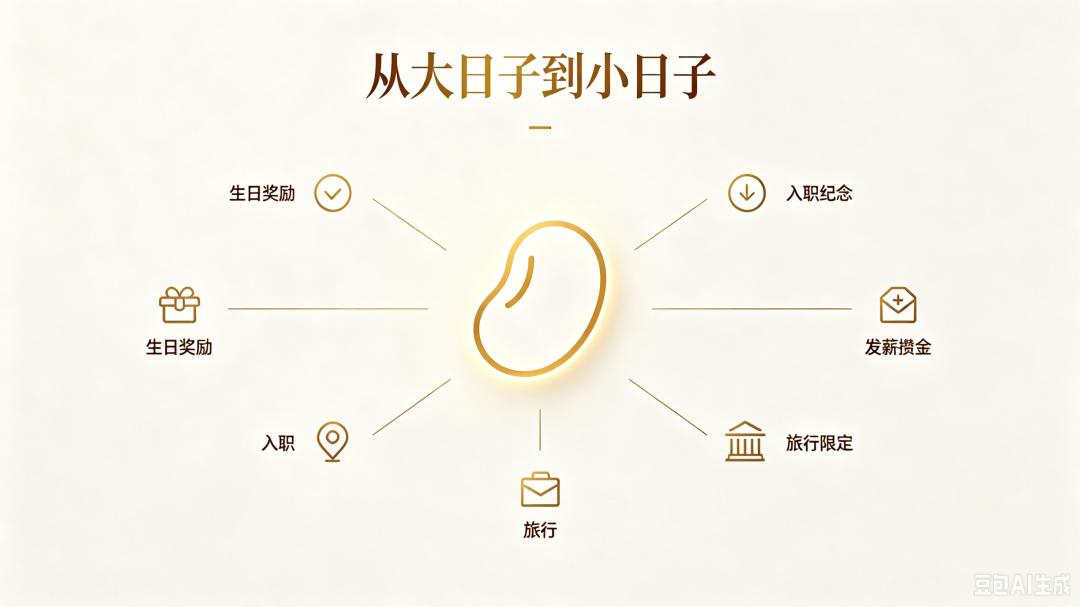
In the past, gold only appeared in major life nodes. Today, gold needs to enter the daily emotional nodes of young people.
A brand cannot expect young people to step into a gold store seriously for the first time when they get married at the age of 28. It should let them buy their first gram of gold when they get their first salary at the age of 22.
Whoever seizes these new scenarios will truly grasp the trend of gold consumption popular among young people.
The first gram of gold is more important than how many grams you sell in one single transaction
For gold brands, the most important thing in the youth market is not how many grams they sell in one transaction. It is whether they can become the brand where young people buy their "first gram of gold".
This matter is more important than many brands have imagined.
Gold consumption has strong habit-forming attributes. The brand where a young person buys their first gold bean, first lucky bead, and first small gold jewelry often affects their cognition of gold brands for a long time afterwards.
Traditional gold brands are used to pursuing high customer unit price. They are good at selling wedding gold products, large gold items, value-preserving products, and relying on offline store trust. But the youth market is different. Young people need to be attracted first with low access threshold.
They will not buy dozens of grams at the very beginning. They may start with 0.1 gram, 0.5 gram, 1 gram. They may start with a small accessory, an IP co-branded product, or a pendant that can be worn daily.
What brands need to do at this time is not to dislike the low customer unit price of young people, but to regard this low-price transaction as an entry point.
Today he buys a gold bean. Tomorrow he may buy a gold bracelet. The day after tomorrow he may buy the three pieces of wedding gold jewelry. Later on, he may even choose the brand for his family asset allocation.
If gold brands only focus on the immediate customer unit price, they will miss the long-term user assets.
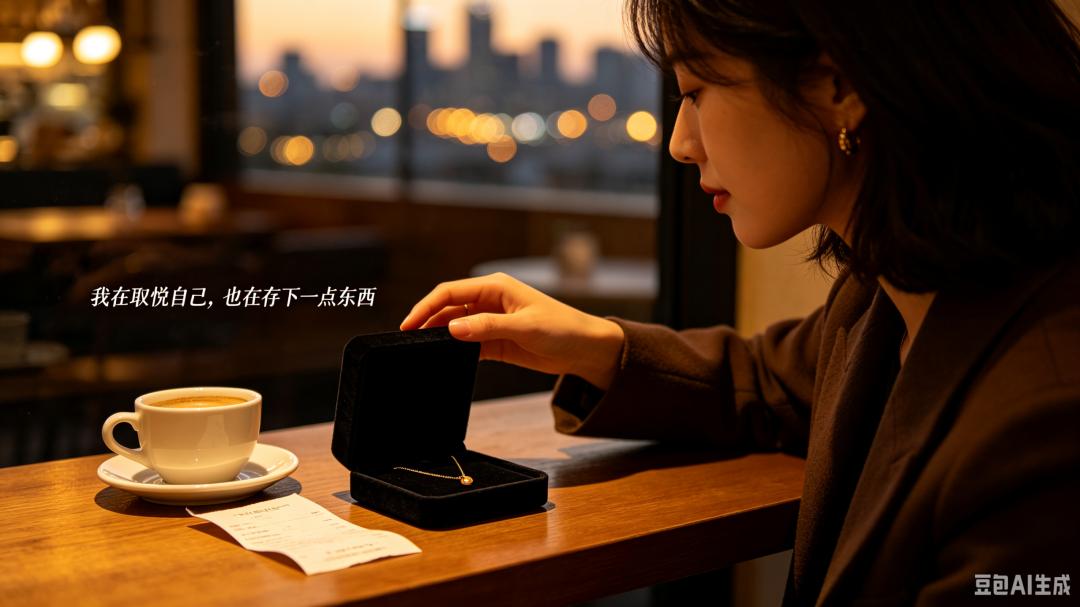
The value of small-gram gold jewelry does not lie in the profit, but in its role in educating the market, building relationships and cultivating consumption habits. Young people need to establish a sense of closeness to gold through their first gram of gold.
In the past, they thought gold was something only their mothers wore. Then they find gold can also be worn by themselves. In the past, they thought gold was something only bought for marriage. Then they find gold can also be bought right today. In the past, they thought gold was a large expense. Then they find gold can also be accumulated little by little.
At this moment, the position of gold in young people's hearts has changed.
But you cannot succeed only relying on IP co-branding
Of course, gold brands targeting young consumers will definitely use IPs. Zodiac themes, national trend elements, animations, games, museum collections, city cultural and creative products can all become reasons for young people to buy gold.
The advantage of IP co-branding is obvious. It can reduce the sense of distance of gold, and transform the traditional counter language of gold into the content language familiar to young people.
A young person may not take the initiative to buy gold jewelry. But he may buy a small gold medal because he likes a certain character. He may not understand gold craftsmanship, but he resonates with the emotional value of the IP.
But the problem is, IP co-branding can only arouse short-term interest, but cannot build long-term relationships with users.
If a gold brand only relies on co-branding to target young people, it will easily become a "gold version of peripheral store". Users buy the IP, not the brand. When the IP is popular, the product sells well. When the IP loses its popularity, the product also loses its market.
This is not real brand youth transformation. This is just borrowing traffic.
Real youth transformation cannot only rely on what IPs young people like. It needs to answer a more important question: why do young people keep buying gold products from your brand?
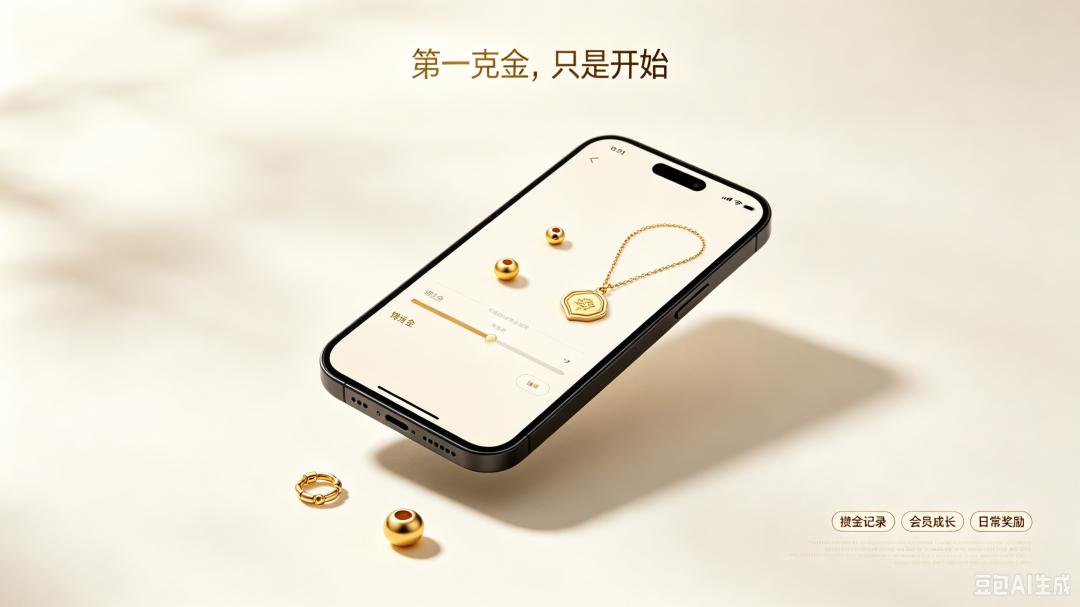
This comes back to the brand's own capabilities: design capabilities, product system, price range planning, in-store experience, online content, recycling mechanism, membership system, gold accumulation tools, and long-term trust building.
When young people buy gold, they want both emotional value and certainty. They want products that look good and are trustworthy. They want products that are shareable and can preserve value.
This requires gold brands to be neither too old-fashioned nor too impetuous. If they are too old-fashioned, young people will not want to step in. If they are too impetuous, young people will not believe their gold is real.
This is the hardest part of gold youth transformation. It is not a simple shift from tradition to trend, but to find a balance between traditional trust and youth expression.
Brands cannot lose the "authenticity" of gold, but must learn to be "innovative". They cannot lose the value-preserving mindset, but must add more daily scenarios. They cannot only focus on inheritance, but also emphasize rewarding oneself. They cannot only focus on marriage scenarios, but also focus on the life of single people.
Conclusion
The youth transformation of gold brands is not a marketing campaign, but a change of the consumption subject.
In the past, gold belonged to families, marriage, elders, and major life nodes.
Today, gold is starting to belong to every specific young individual.

What they buy is not a traditional gold bracelet. It is a gold bean, a lucky bead, a necklace that can be worn every day, a reward after getting salary, an imagination of turning bad luck around in low periods, and a confirmation that "I have finally saved something for myself".
So the essence of gold youth transformation is not that gold has become trendy, but that gold has re-entered the daily life of young people.
The biggest opportunity for gold brands in the future is not just to sell more grams of gold. It is to seize the very first moment when young people establish connection with gold.
Whoever seizes the first gram of gold of young people will have the chance to grasp the entry of the next generation of gold consumption.
This article is from WeChat official account "New Consumption Insider" (ID: cychuangye), written by