No access to AI before high school, New York City has drawn the strictest red line in the history of American education.
The ban officially implemented on September 2 covers 600,000 students from kindergarten to 8th grade, reduces students' daily electronic screen time, and keeps edtech products out of campuses for at least one year.
There are as many as 600,000 children in New York public schools, accounting for roughly two-thirds of the total student population.
For the entire upcoming school year, students from kindergarten to 8th grade are not allowed to use generative AI tools. As soon as the news came out, New York immediately became the region with the strictest AI regulation for students across the United States.
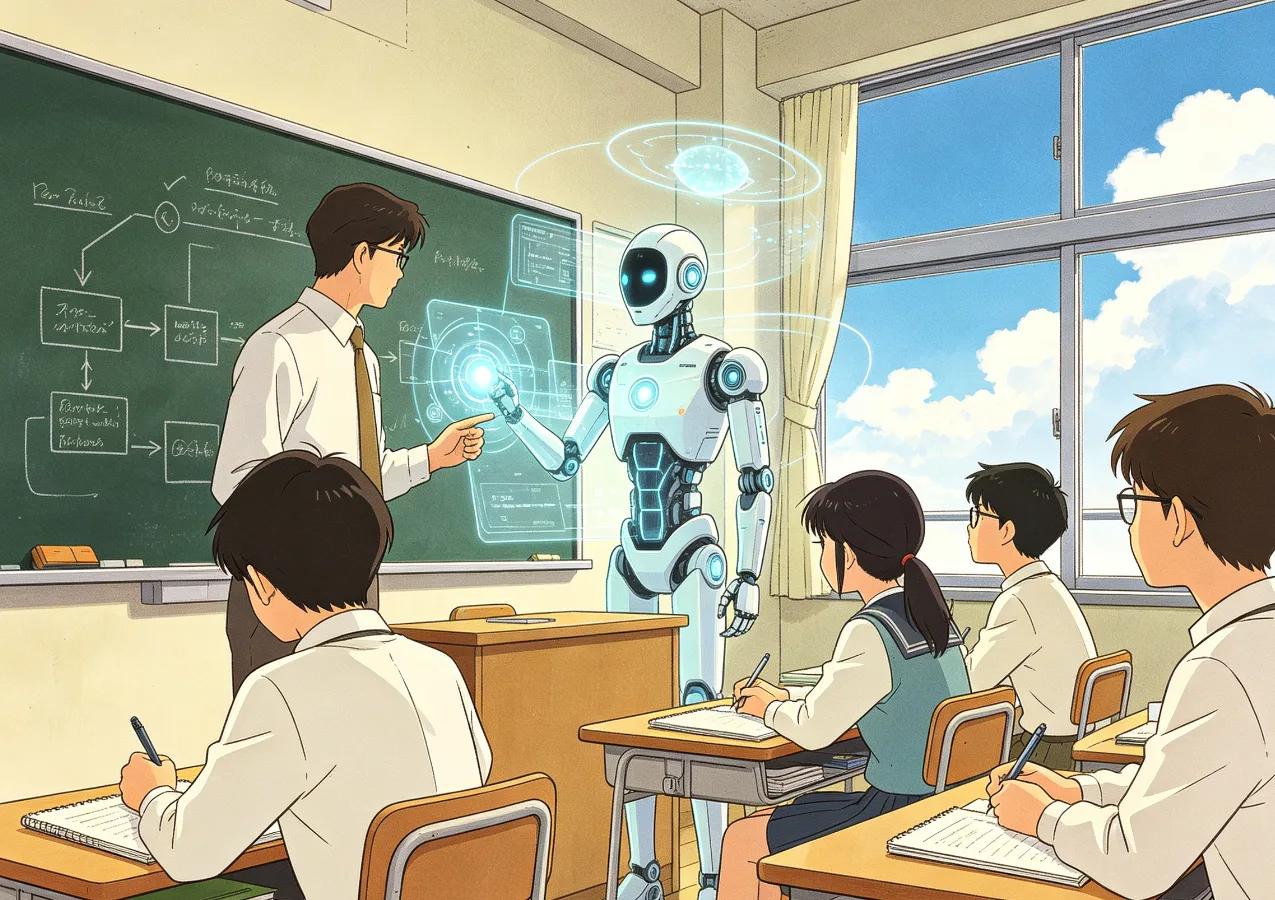
Image source: Generated by Doubao AI
This policy was not formulated arbitrarily. The authority collected more than 6,000 public opinions in total, and with the continuous promotion of the city council, this large-scale move to suspend AI from entering campuses was finally introduced.
In addition, it is learned that this one-year ban will have a real impact on the K-12 edtech market. A reassessment will be conducted in 2027 to clarify the future direction of the policy.
On one hand, AI has been widely applied in the workplace, and its development speed far exceeds the stage when people frantically purchased student computers during the pandemic years ago.
Many people in the education sector worry that if children are completely prevented from accessing AI at a young age, they will likely fail to keep up with the pace when they grow up and enter the workplace where AI tools are ubiquitous.
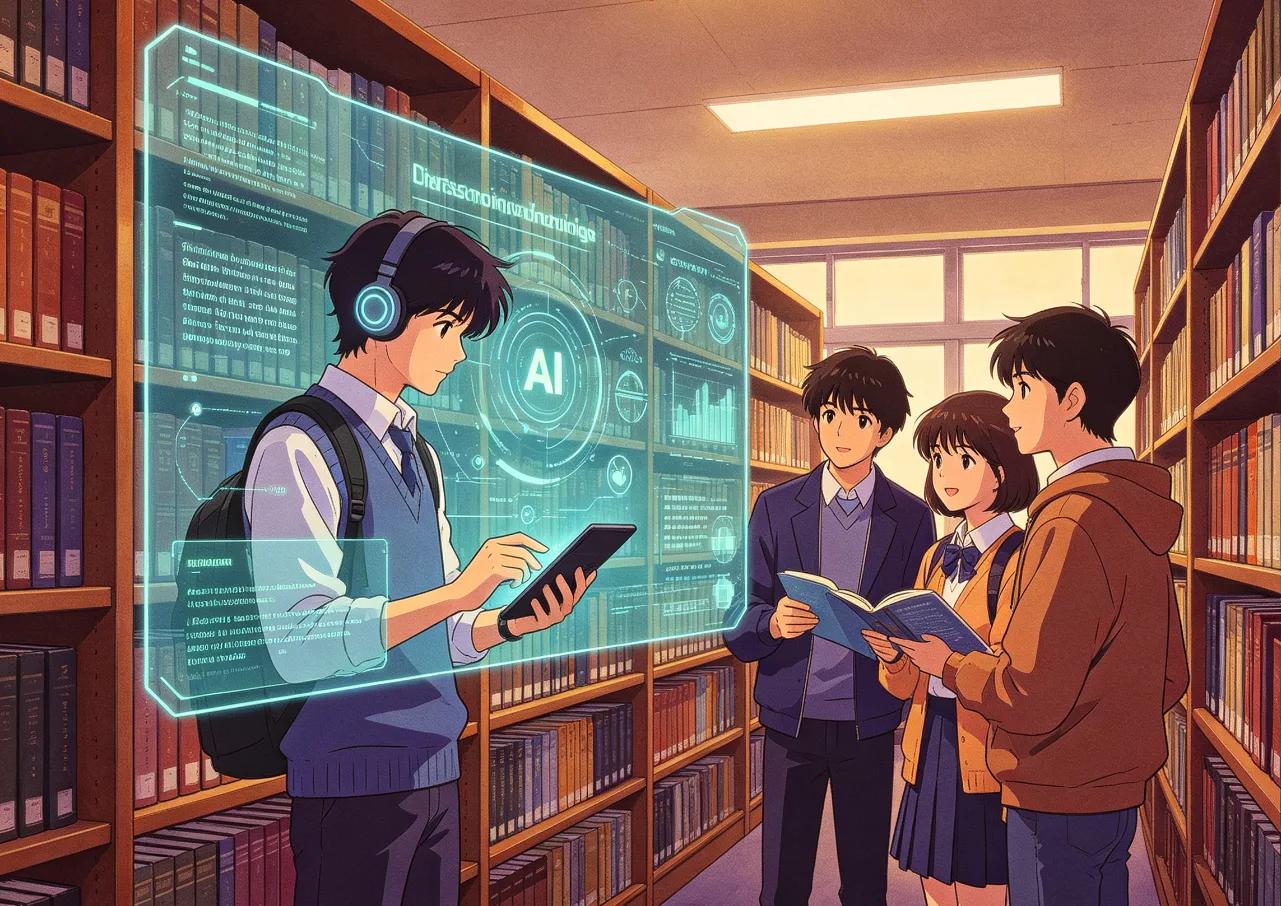
Image source: Generated by Doubao AI
Many teachers also believe that instead of imposing a one-size-fits-all ban on AI use in schools, it is better to teach children how to use AI correctly under the supervision and guidance of schools.
Otherwise, children will still secretly use AI improperly at home, which is almost impossible to control.
But New York Mayor Mandani holds a very firm attitude: Blindly introducing AI before supporting measures are in place will only waste money and bring a lot of unnecessary troubles.
Michael Mulgrew, President of the United Federation of Teachers, also mentioned: "Now most parents have heavy concerns about AI. After all, all the news people hear every day is about various AI incidents causing problems, so it is totally normal for them to have such resistance out of the mentality of protecting children."
Not only New York, but the entire United States is grappling with difficult issues such as minor AI protection and cybersecurity.
The largest public education system in the United States has directly blocked AI products for primary and secondary school students from entering campuses. All other school districts will definitely pay close attention to the results of this pilot in New York.
In the future, it will be almost impossible for edtech vendors to sell AI chat tools directly to students. Opportunities will shift to the teacher side: products that focus on back-end tools such as lesson planning assistance and translation, with excellent privacy protection performance, will be more easily accepted by schools.
However, there are also risks: long-term restrictions on electronic devices may lead to deficiencies in the cultivation of children's keyboard operation skills and digital literacy.
This ban is only a temporary suspension, valid for one year. By 2027, policymakers, parents and the entire industry will all face a major choice.
New York has essentially carried out a large-scale real-world social experiment. Its results will directly affect the AI policies of campuses across the United States. It does not mean that New York's approach is necessarily correct, but its scale is so large that it cannot be ignored.
The core issue has never been whether AI should be introduced into classrooms. What matters is whether this full year of "AI disconnection" can force the introduction of a more complete set of regulatory rules, or instead widen the digital divide among different children.