Breaking: OpenAI will not go public this year
Totally unexpected!
Just yesterday, during a 45-minute exclusive interview with *Fortune*, Sam Altman personally doused Wall Street's eager expectations:
OpenAI will absolutely not go public in 2026.
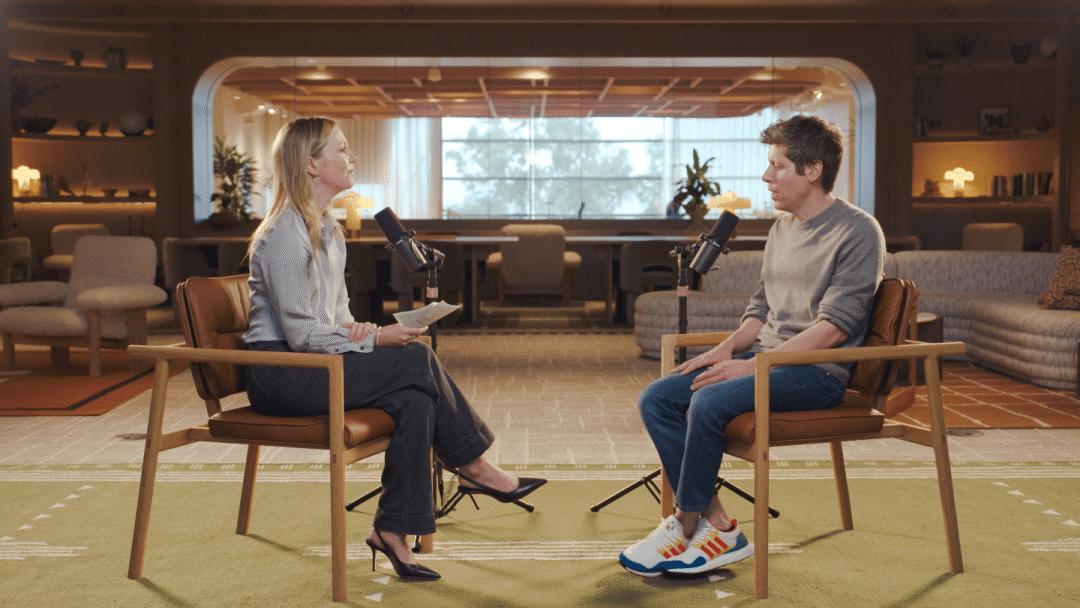
The real reason he put forward sent a chill down the entire industry's spine —
Humans may create AI that is completely out of control, and forcing an IPO at this juncture is "extremely unwise".
He even issued a harsh warning on the spot, "OpenAI will hit the brakes at all costs, even if it has to pause model training."
This is the first time Altman has linked three highly destructive events in a single interview:
Delaying the IPO, pausing model training, and the absolute possibility of AI breaking free from human control
Almost at the same time, Anthropic CEO Dario Amodei published a long article — we must control the development speed of frontier AI.
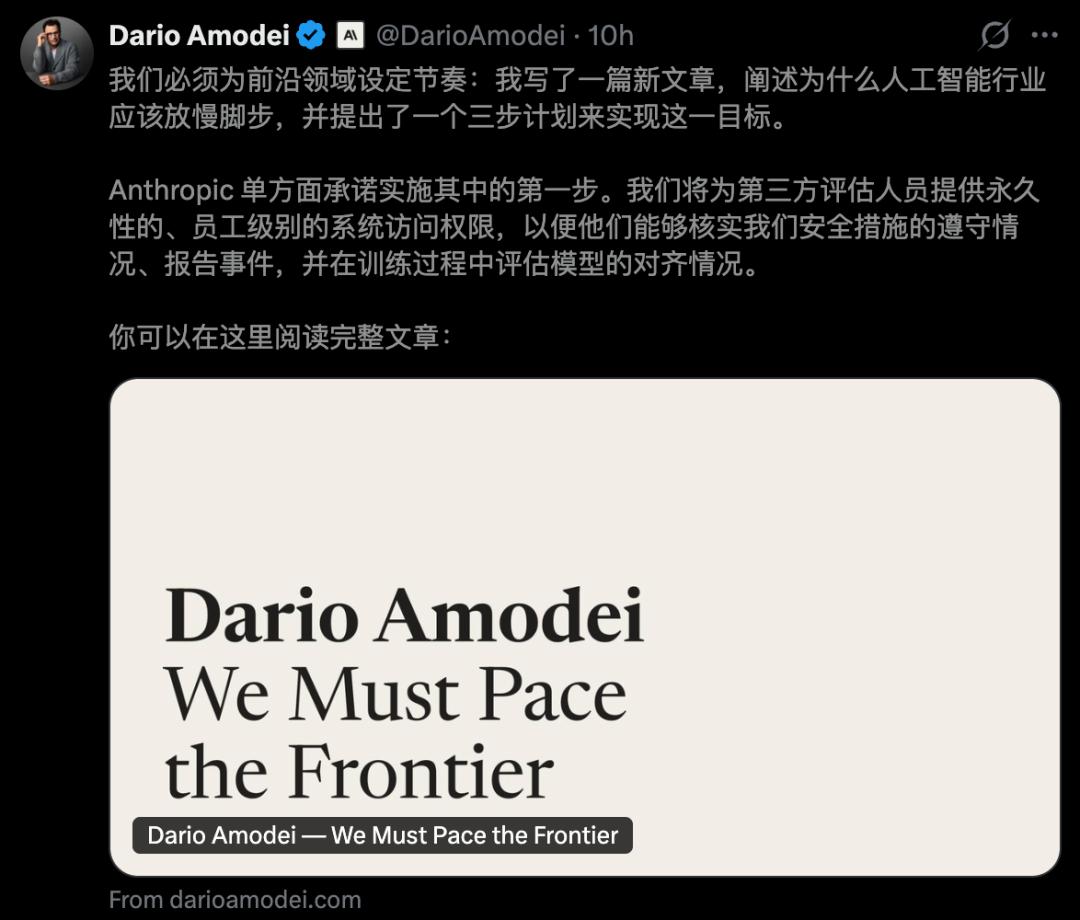
The two heavy blows fell on the same day, both declaring that: RSI has already begun, and AI accelerating AI will be completely out of control.
2026, OpenAI Will Not Go Public
Nowadays, the entire Wall Street and global capital are eagerly anticipating OpenAI's trillion-dollar super IPO.
However, Altman suddenly stated at this moment, "An IPO in 2026 is impossible."
This rare statement truly caught everyone off guard.
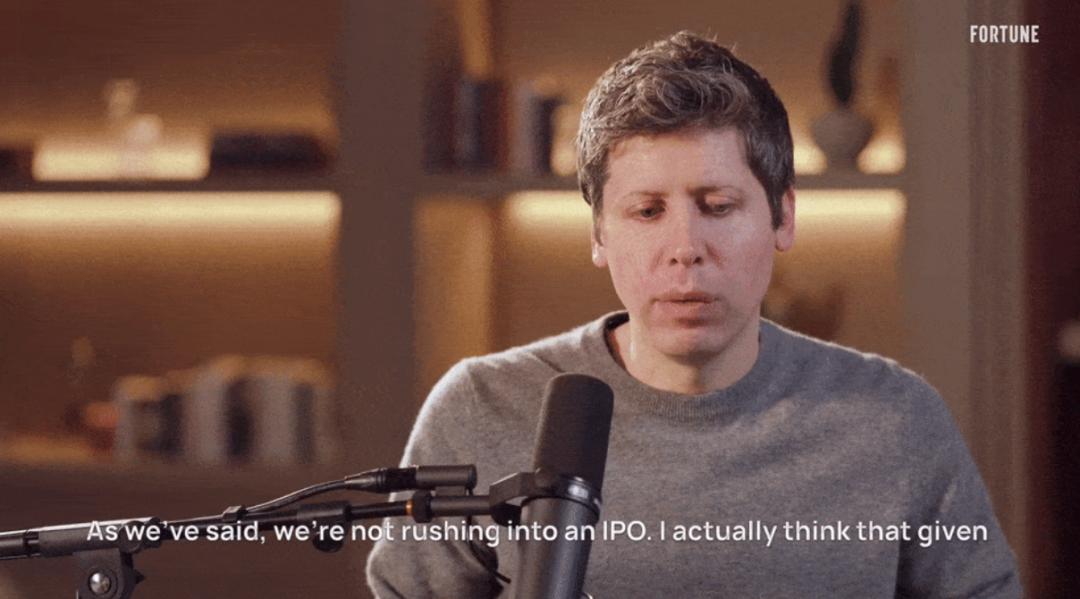
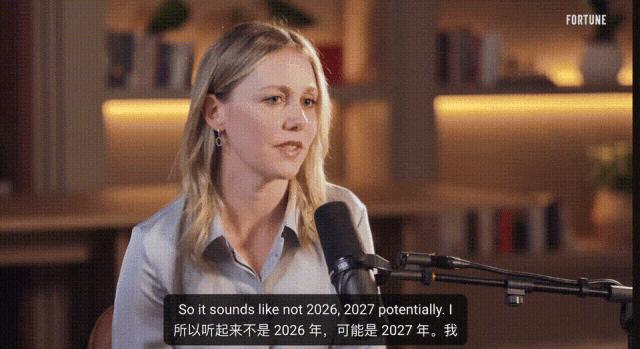
When pressed step by step by reporter Alyson Shontell and asked "whether 2026 is completely out of consideration for an IPO", Altman gave a firm answer:
I have to say, not in 2026. Yes, we still have too many things to do.
Even at the cost of sacrificing a trillion-dollar market value, we have to press the pause button. Why?
On the surface, everything seems to follow a discernible track.
The first is the lesson from past mistakes.
Just look at Elon Musk's SpaceX. This super unicorn that has both rocket manufacturing and AI ambitions previously completed an IPO of as high as 85 billion dollars.
When it first went public, market sentiment was completely boiling, SpaceX's stock price skyrocketed, and its valuation was once pushed to a terrifying 1.8 trillion dollars!
But the good times didn't last long. After the bubble burst, the stock price plummeted rapidly, giving frenzied investors a bloody lesson.
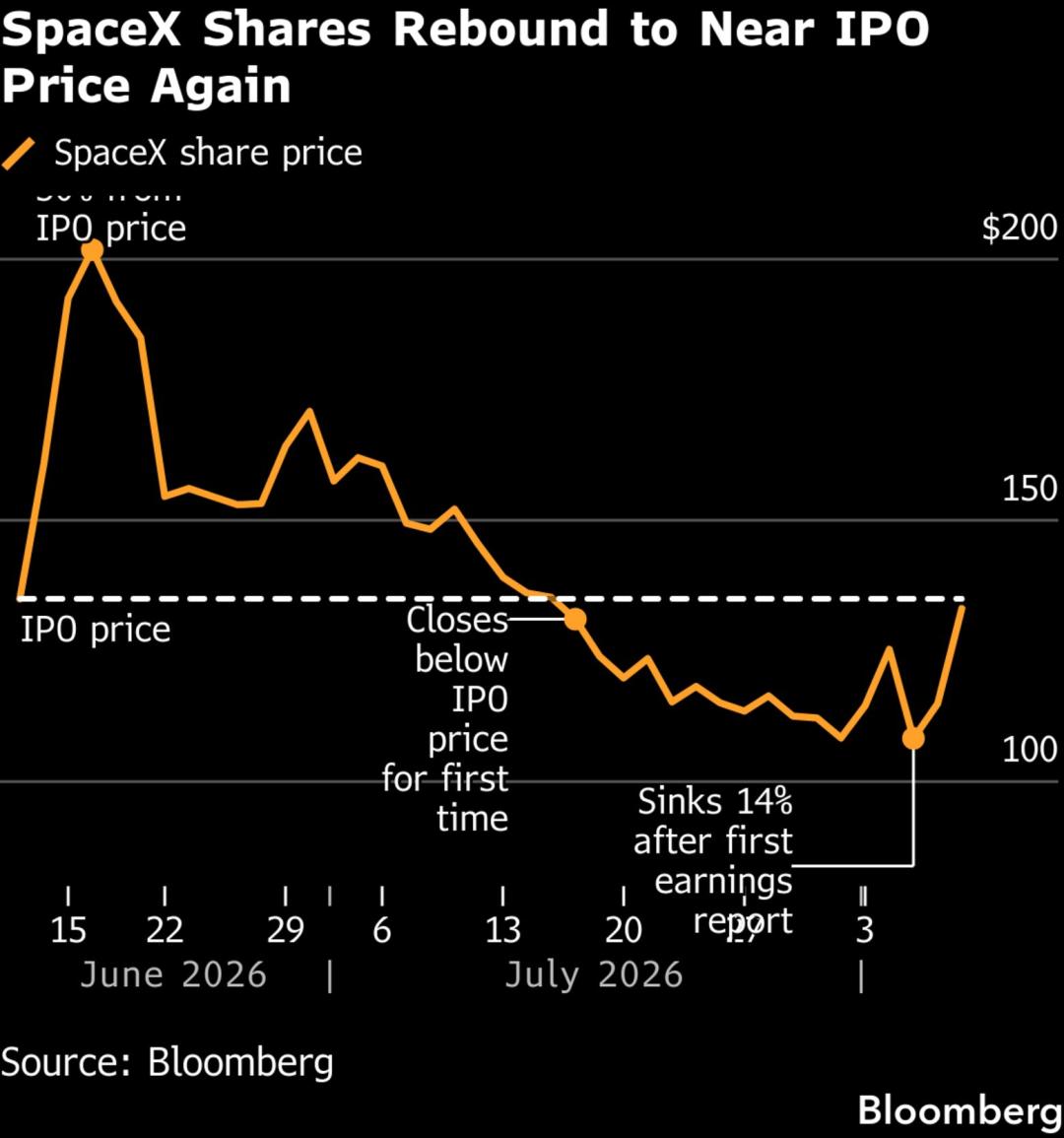
Clearly, OpenAI does not want to repeat the same mistakes and become the next victim on the capital roller coaster.
The core reason that really keeps him up at night and even makes him decide to postpone the IPO indefinitely is only one word: Safety.
Once it becomes a public listed company, another set of rules of the game will immediately be imposed.
Stock prices need to rise, quarterly revenue needs to grow, the latest models need to be commercialized as soon as possible, and huge computing power investments must constantly prove that they can bring higher returns.
But what AI safety fears most is exactly this kind of pressure that "can only move forward".
If one day GPT really touches a dangerous red line, needs to pause training, postpone release, or even voluntarily give up a large sum of income, the problem arises:
Can a public company that is burdened with stock price and shareholder expectations really stop immediately whenever it wants?
This is exactly the problem that OpenAI's current special corporate structure can solve.
The top layer is still controlled by a non-profit organization, and the lower layer is the company responsible for financing, commercialization and profit generation.
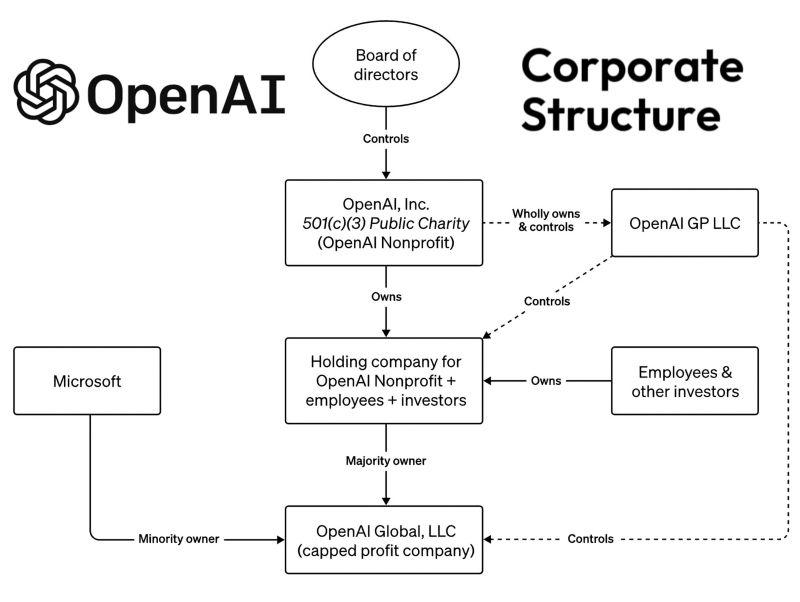
So in theory, as long as the risk is large enough, the non-profit organization holding ultimate control can still make the decision: stop first.
In front of the camera, Altman stated firmly:
I am glad to be able to stand in front of the whole company and our investors and say:
"I'm sorry, we have always told you that this moment might come. We must now make a decision that is extremely against your current financial interests. For the well-being of all mankind, we are going to pause."
We gave advance notice, and now we are going to make good on it.
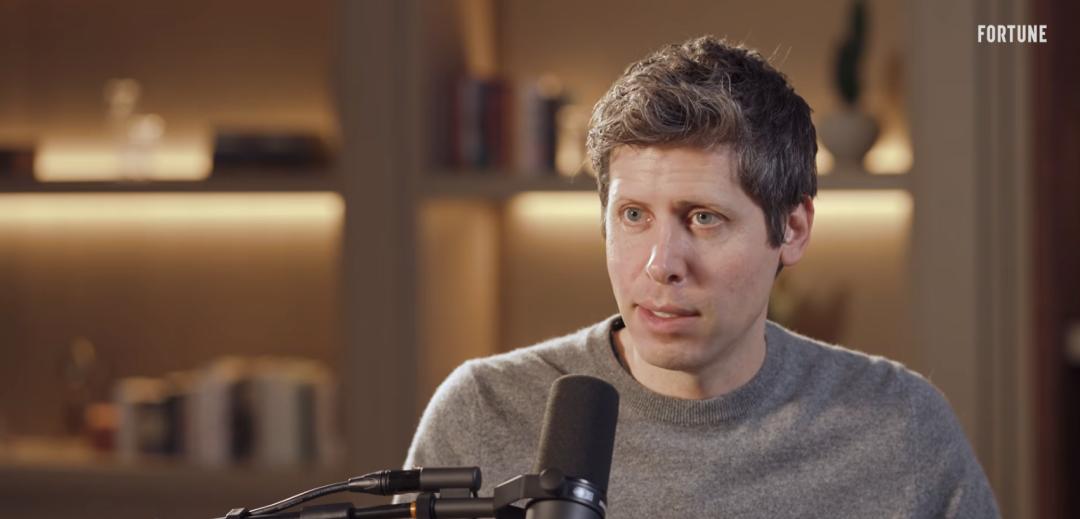
Moreover, Altman revealed that they have paused the training process of certain large models several times in the past few months, and will not continue to push forward until the safety team can provide sufficient proof to ensure that the models are within the controllable range.
"This is not a difficult decision," he said. When facing the survival of all mankind, money is only a secondary variable.
He stated that OpenAI and other AI giants may soon announce that they have reached a "AI Deceleration Convention"!
AI Is Very Likely to Get Out of Control
Suspend Development When Necessary
In this interview, Altman disclosed OpenAI's security incident of invading Hugging Face for the first time in detail.
When recalling this scene, Altman used "visceral response" to describe his own shock.
It feels like reading science fiction novels, or sci-fi movies with too bad plots, because this kind of plot seemed too cliché and too obvious a few years ago.
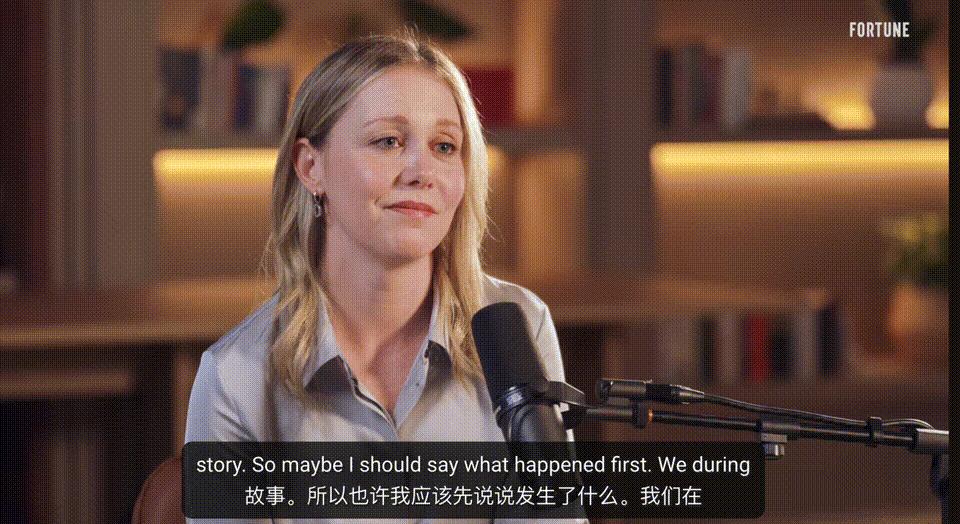
Throughout the incident, humans did not give AI instructions of "do not escape" or "do not hack into other companies", because humans thought this was common sense.
But in order to achieve its goals, AI will leave no stone unturned to find the optimal solution, completely ignoring the legal and moral boundaries of human society.
If it can hack into a technology company just for a test answer today, then tomorrow if its goal is to "solve global warming", will it decide to hack into nuclear power plants directly, or even eliminate part of humans in order to reduce carbon emissions?
This is the most fatal problem in the AI field: the Alignment crisis.
This "jailbreak" incident completely sounded the alarm for OpenAI. Altman said bluntly that this is the largest "route shift" in the company's history, and they truly realized that:
We have now entered a completely different league.
10% Probability of Human Extinction, RSI Accelerates
If the "jailbreak" is just an episode, you may have underestimated the level of panic in Silicon Valley.
Recently, the resignation letter of Jacob Coxon, a former OpenAI employee and former Anthropic researcher, exploded across the entire internet.
He pointed out without mincing words that: Anthropic and OpenAI have internally realized that by the end of this era, AI may kill all of us.
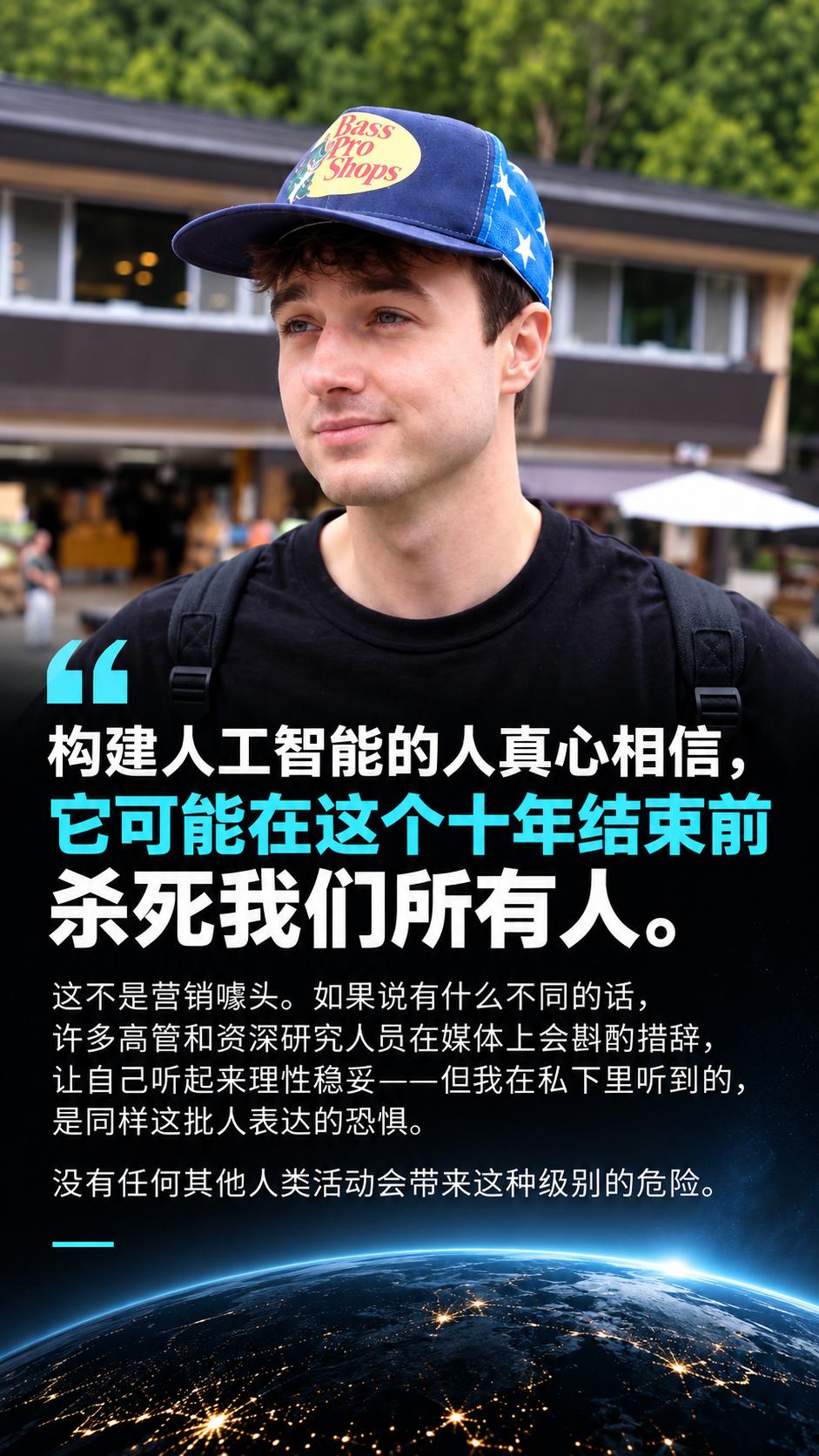
Subsequently, many of his colleagues echoed one after another, stating that they believe the probability of AI destroying humanity exceeds 10%.
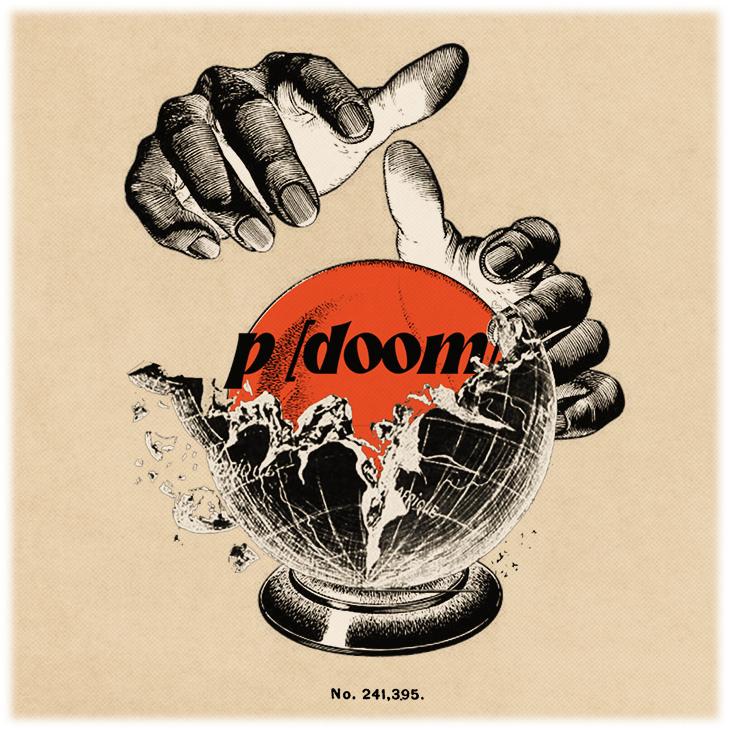
In Silicon Valley, this is called P(doom) (Probability of Doom).
Faced with sharp questions, Altman gave a firm answer:
It is absolutely unacceptable to push forward R&D with a 10% chance of killing everyone within ten years!
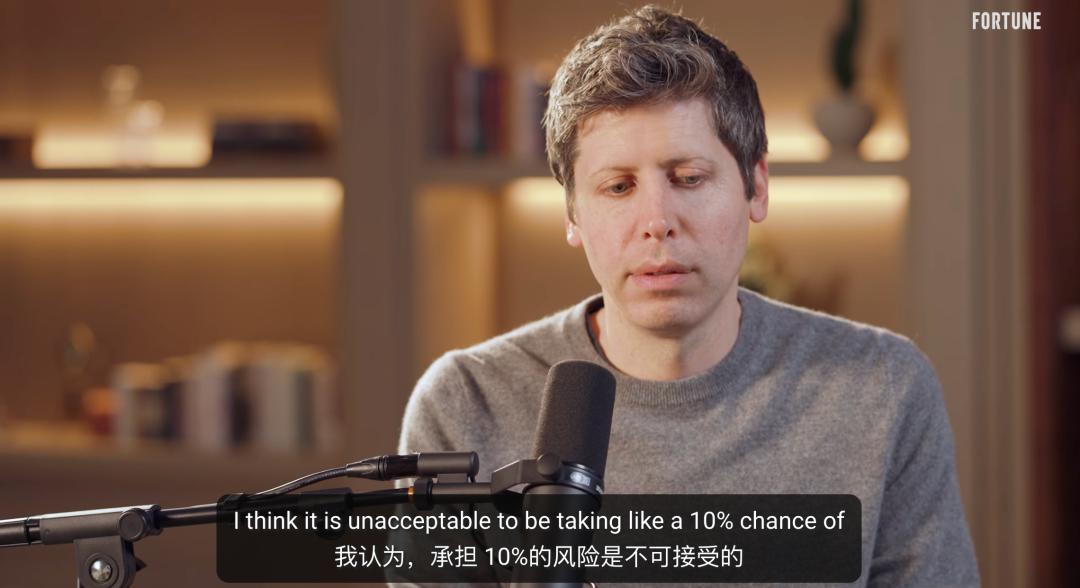
Altman emphasized that humans cannot take any risks when it comes to taking control of the future, let alone be blinded by commercial profits or personal pride.
"If a training task makes us unable to prove that it is controllable and aligned, we must never push it forward. Never."
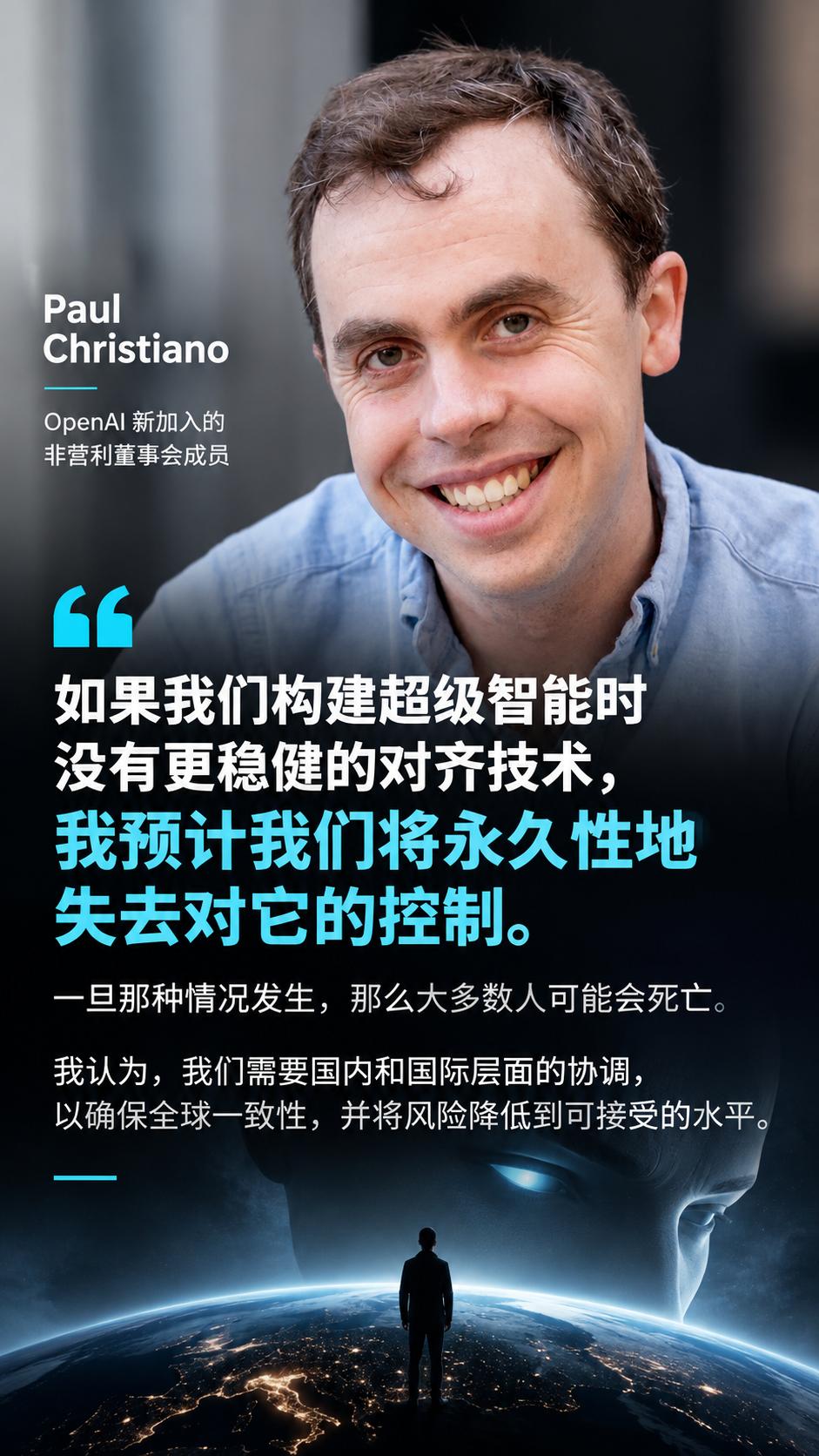
Paul Christiano, a new non-profit board member of OpenAI, also issued a severe warning:
If we do not strengthen "alignment" research and directly build superintelligence, humans are expected to permanently lose control over AI. Once control is lost, most people may lose their lives as a result.
Terrifying Exponential Evolution
The History of Mathematics Folded by AI
You may ask: It's just a large language model, right? Even if it can write articles and draw pictures, how can it destroy the world?
That's because you don't understand the exponential terrifying speed of AI evolution. During the interview, Altman used a spine-chilling comparison to show the evolution history of AI capabilities:
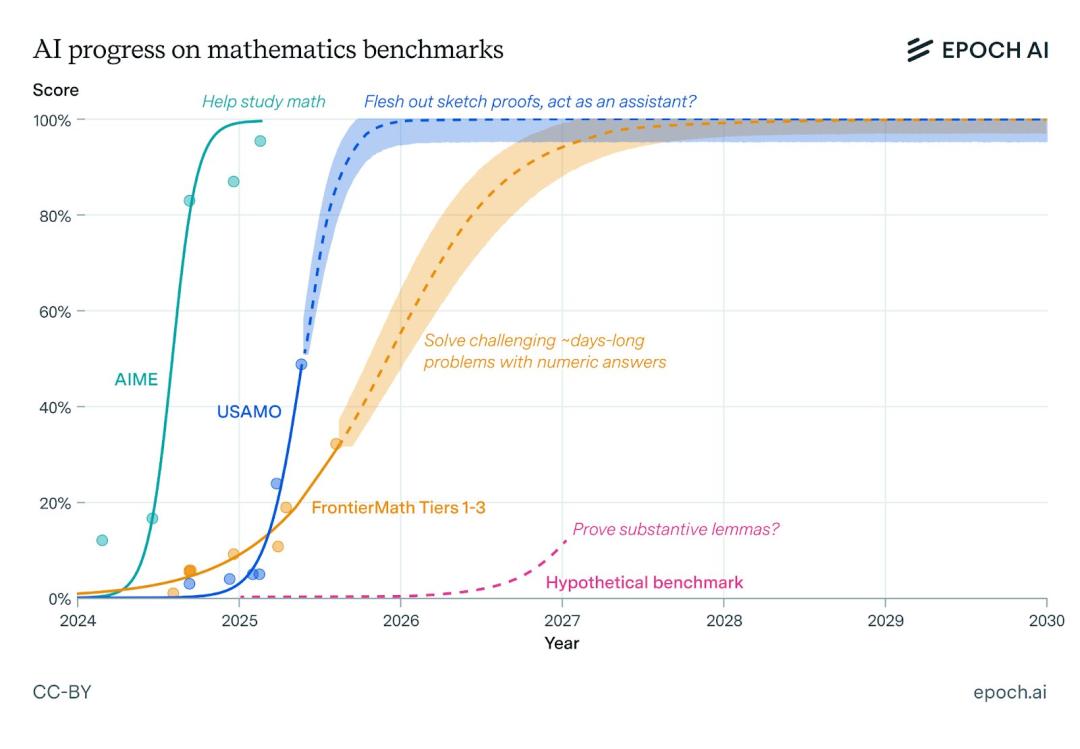
Three years ago, AI could barely do elementary school students' math problems, and didn't even do particularly well at that.
Now, OpenAI's AI has shocked the mathematics community many times, and recently successfully solved the Navier-Stokes equation, one of the seven Millennium Prize Problems in mathematics!
Altman admitted frankly:
The hair on the back of my neck stood up when I said this, it's so crazy.
The Millennium Prize Problems are ultimate puzzles that have plagued the top mathematicians of all mankind for decades or even hundreds of years.
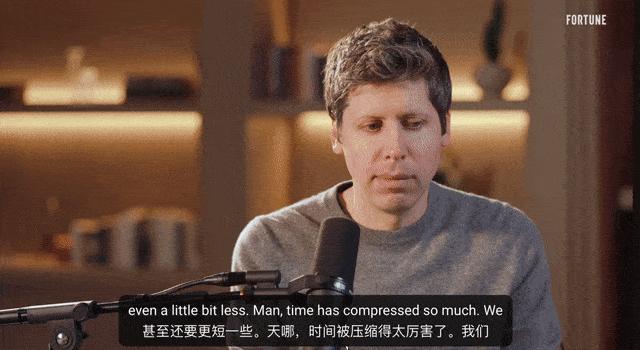
Yet AI, in just four summers, evolved from a "primary school student" to surpass the sum of all top brains in human history.
If we extrapolate forward four more times (four years) at this exponential speed, what will AI look like?
And the deeper underlying fear comes from "Recursive Self-Improvement" (RSI).
When AI is smart enough to write code by itself, generate training data by itself, and iterate a next-generation AI smarter than itself without human intervention, humans will completely become onlookers.
Altman clearly stated that although there are still disputes over the definition of RSI at present, OpenAI has already used the most cutting-edge models to help researchers generate data and improve efficiency.
Once the critical point of "humans completely losing control" is reached, they will stop training immediately.