There is light in the long night and a clear path under our feet | How can private enterprises find their right direction amid the changing landscape?
On September 5-6, 2026, the 7th Boshang Private Entrepreneurs Summit & the 20th Anniversary Celebration of Boshang was grandly launched at Shenzhen Bao'an Gymnasium.
Themed "Light in the Long Night", this two-day summit consists of four chapters:
- Night Navigation: How Do I Face The Era?
- Tide Direction: How Do I Understand Changes?
- Holding the Light: What on Earth Should I Stick to?
- Reaching the Shore Together: Who Will Walk With Me on the Road Ahead?
Hundreds of leading academic figures, representatives of investment institutions, and down-to-earth industrial entrepreneurs gathered at the scene, focusing on topics such as cycle traversal, business map reconstruction, consumption transformation, AI wave, and global expansion, to conduct a collision of ideas and jointly explore the breakthrough path for private entrepreneurs in the uncertain era.
Night Navigation: How Do I Face The Era?
Core Topic: In the complex and changeable business cycle, how can private enterprises see clearly the environment and rebuild their own business maps.
Zeng Renwei | Co-Founder and Dean of Boshang Institute of Management Science
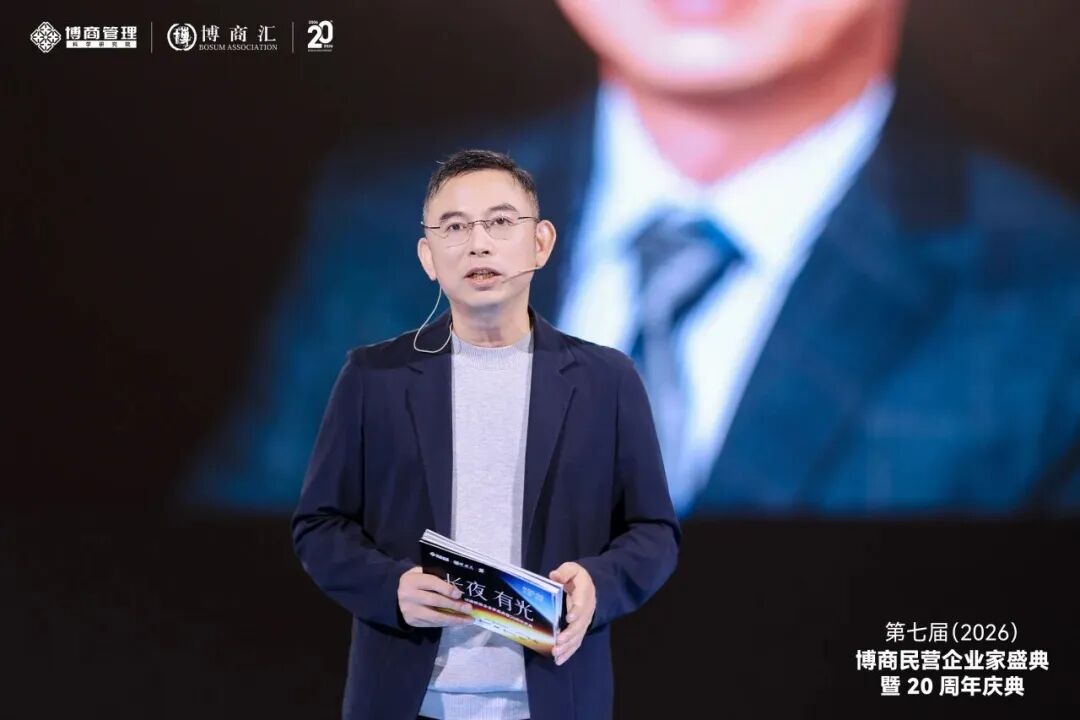
In his opening speech, Zeng Renwei pointed out that the current difficulties of many enterprises are not due to insufficient efforts, but the "business map" that worked in the past is becoming invalid. Enterprises need to re-examine their tracks, strategies and organizational capabilities, and find new directions by "seeking lean in details, planning layout in breadth, and striving for uniqueness at a high level". Standing at the 20th anniversary node, Boshang will also take the initiative to embrace AI, and accompany small and medium-sized enterprises to find the next business map.
Zhou Qiren | Longrun Lecture Professor of National School of Development at Peking University, Boya Lecture Professor of Peking University
Zhou Qiren delivered the keynote speech "Market Competition and the Way to Avoid Involution".
Chen Wei | Chairman and Founding Partner of Oriental Fortune Capital
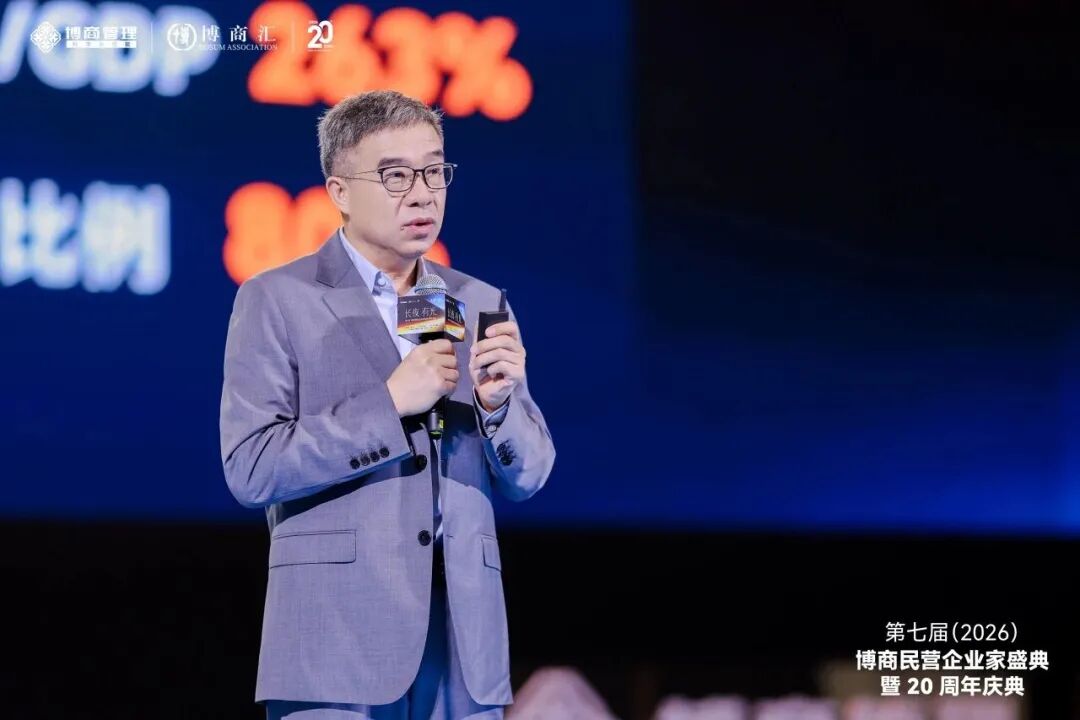
Starting from capital flow, Chen Wei pointed out that China's financing structure is gradually shifting from debt-dominated to direct financing, and the capital market is increasingly becoming a "reward system" for scientific and technological innovation. In his view, AI, hard technology and strategic emerging industries are becoming the core direction of the new round of value creation. Enterprises need to see clearly the trends of policies, technologies and industries, and continuously improve their innovation capabilities and growth potential. "The opportunities brought by this era far outweigh the anxiety". Only by seizing innovation and trends can we have the opportunity to enter the next era of large market capitalization.
She Xianping | Vice President and Chief Product Officer (CMO) of Yonghui Superstores
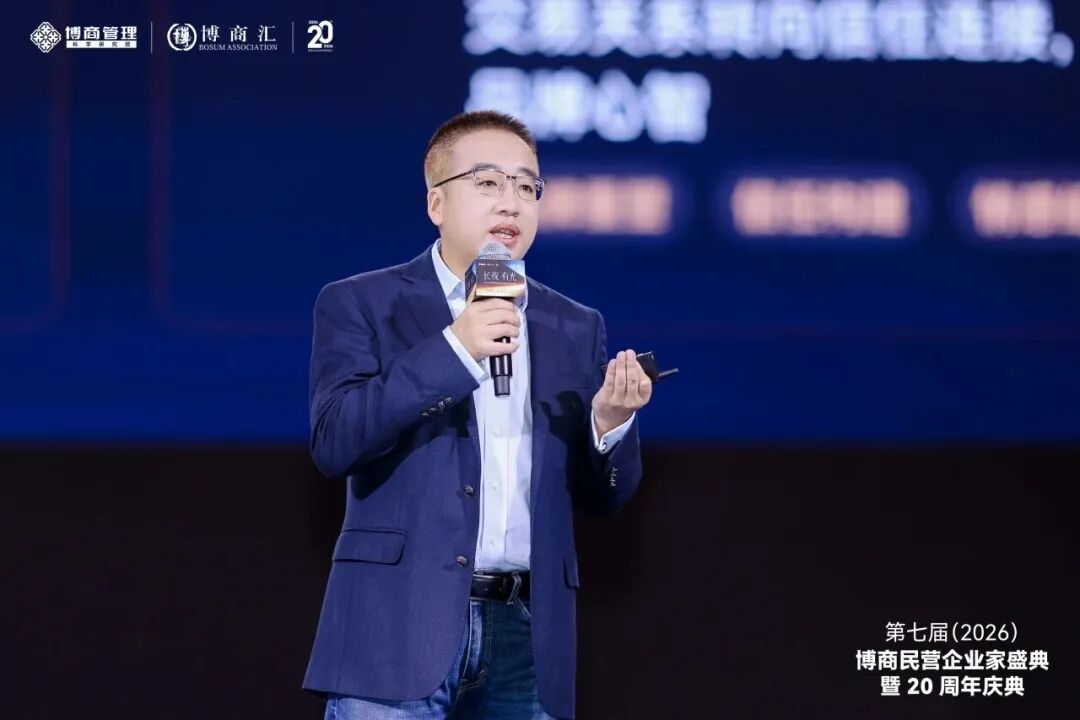
Based on the actual adjustment and reform cases of Yonghui Superstores, She Xianping shared the survival path of retail enterprises under the consumption transformation. He summarized the underlying logic of Yonghui's reform: users have been iterated, the new middle class has become the main consumer group, consumer demands are differentiated, and the "large and comprehensive" model of traditional hypermarkets has failed; reconstruct the business foundation: streamline SKUs, cut off inefficient and low-frequency durable goods, focus on high-frequency rigid demands such as fresh food and 3R food, and vigorously develop private brands; obtain traffic from consumer mind share, and obtain profits from supply chain efficiency. Build a transparent supply chain and achieve symbiosis and win-win results with strategic suppliers.
Tide Direction: How Do I Understand Changes?
Core Topic: Consumption iteration, brand globalization, and AI industrial implementation, to see clearly the real opportunities and traps behind the changes.
Xu Zhou | Co-Founder of Tianlala, Pioneer of Overseas Business Division
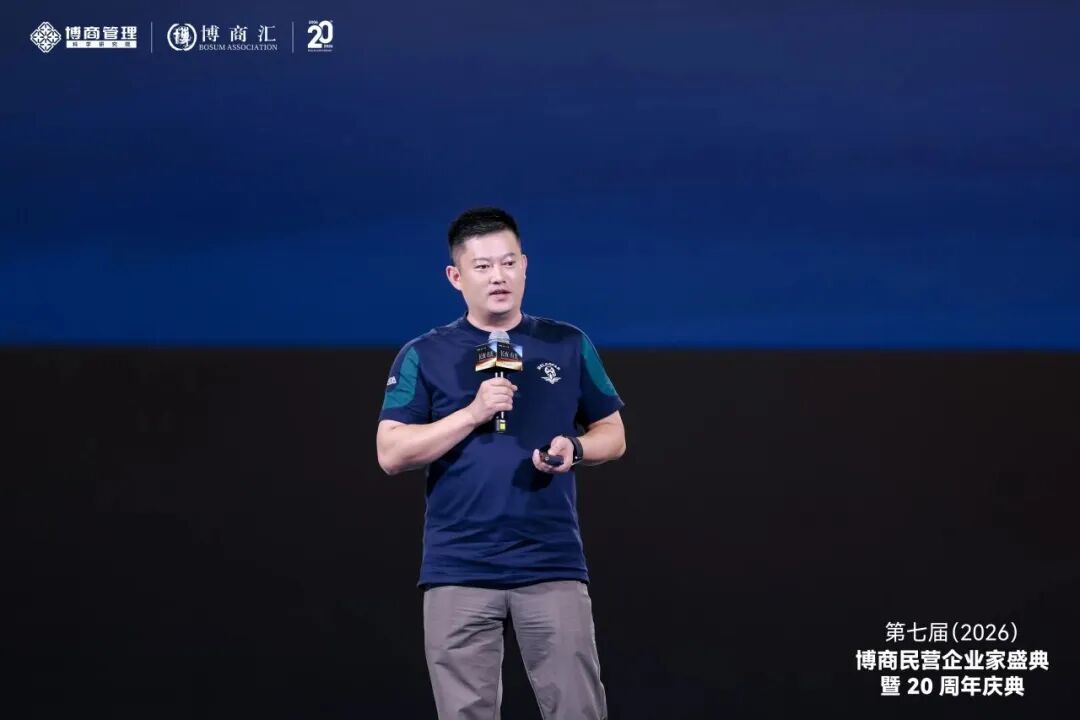
Xu Zhou reviewed the global expansion of China's new tea drink brands based on Tianlala's actual overseas operations. He talked about two core concepts: going global is not an escape route from the domestic market, but to build a second growth system; the first step of going global is not to open stores frantically, but to survive, make profits first, and then replicate and expand.
He summarized the common misunderstandings in going global: directly copying domestic hit products and ignoring local tastes; putting compliance in the backburner, and remedying trademark, certification and legal risks only after accidents happen; applying domestic site selection experience; blindly pursuing the number of stores without verifying the single-store profit model; completely relying on domestic dispatched teams without cultivating local talents to take over; importing the entire supply chain without making local adaptation. At the same time, he proposed that pricing, products and operations should be adapted to local conditions.
Roundtable Forum | What Exactly Do Consumers Want? — Demand Reconstruction and AI Variables in New Consumption
Host: Fang Ting, Senior Content Director of 36Kr
Guests: He Daqing, Executive Director and Co-CEO of Helen's International Holdings; Zhou Xing, Head of Brand Management Center of Adopt A Cow Group; Zhou Xiangjun, Vice President of Technology of Dingdong Maicai
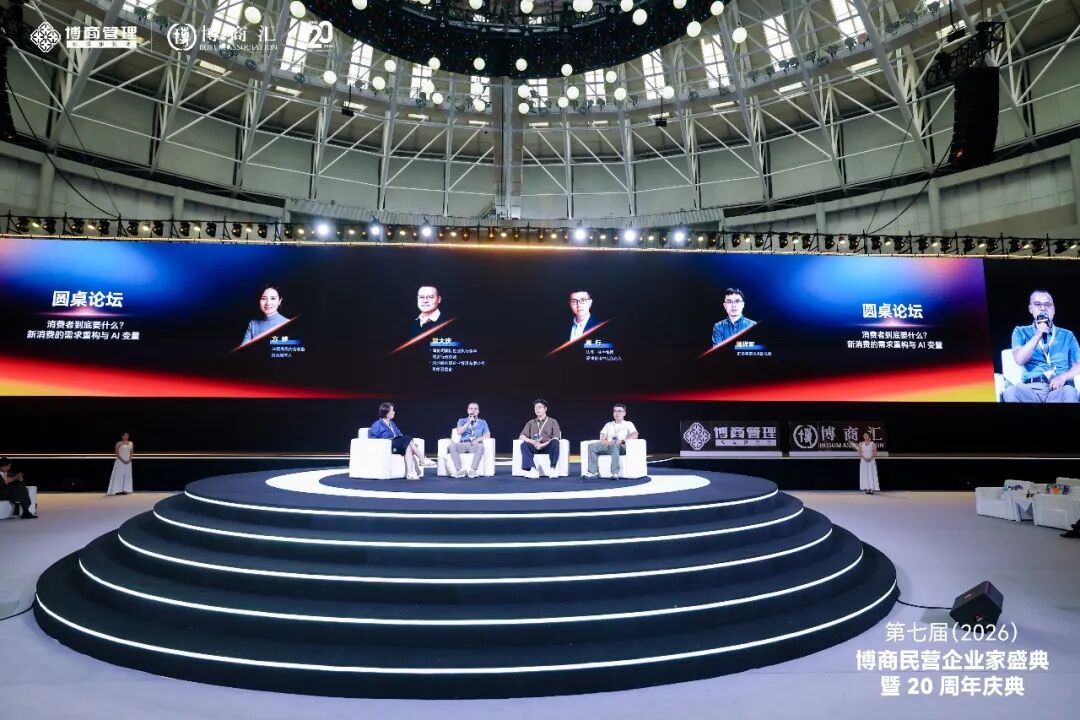
The forum discussed the changes in consumer behavior in the new consumption era, enterprise trade-offs, and the impact of digitalization and AI.
For the topic of "What do digitalization and AI bring to consumer enterprises", He Daqing believes that digitalization is the lifeline of chain enterprises, and it is necessary to do a good job in user life cycle management and site selection models; Zhou Xing believes that for digitalization, it is necessary to distinguish which assets are firmly controlled by themselves and which are handed over to external tools; Zhou Xiangjun believes that the biggest difficulty of digitalization is not building systems, but managing data, unifying indicator calibers and doing a good job in permission management, otherwise the data is invalid assets lying in the server. He mentioned that Dingdong Maicai is exploring an AI intelligent diet housekeeper, relying on the large model combined with the product knowledge base, to output personalized recipes and nutrition plans according to users' physical goals, dietary taboos and taste preferences, which can directly complete one-click add-to-cart and order of ingredients, upgrading the grocery shopping tool into a family diet health assistant.
Wang Jie | China's First Generation AI Investor, Associate Director of AI Economy Research Center of Shenzhen Institute of Data Economy
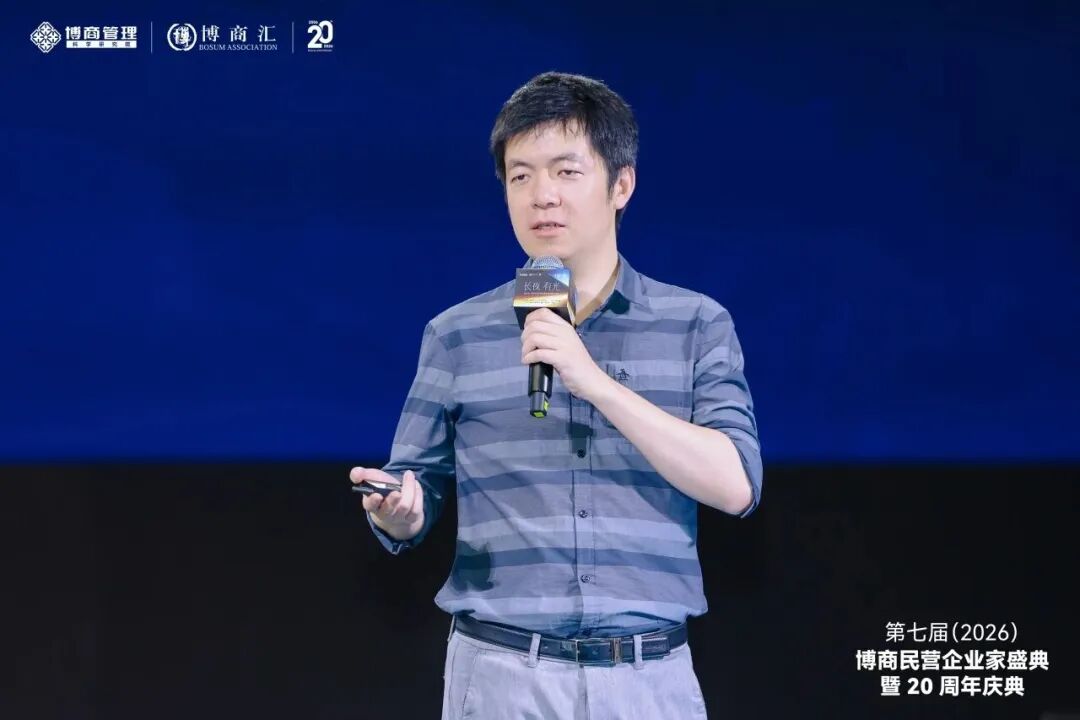
Wang Jie pointed out that this wave of AI is comparable to the industrial revolution, and its essence is to realize the large-scale replication of human "mental/intellectual elements" for the first time. AI is moving from chatting and reasoning to the real world, entering enterprise production, operation and organization, promoting the digital economy from "matching" to "delivery". In this process, learning, execution and results will be greatly amplified by AI, while judgment, creation, aesthetics, communication, as well as passion, mental strength and aspiration will become truly scarce personal assets in the intelligent era.
Roundtable Forum | Entrepreneurs in the AI Era: Perception, Judgment and Choice
Host: Feng Dagang, CEO of 36Kr
Guests: Chen Kangda, Co-Founder of Guangfan Technology; Li Xiaofei, Founder and CEO of DeepPuzzle Intelligence; Bai Guochao, Founder and Chairman of Zhixing Robot
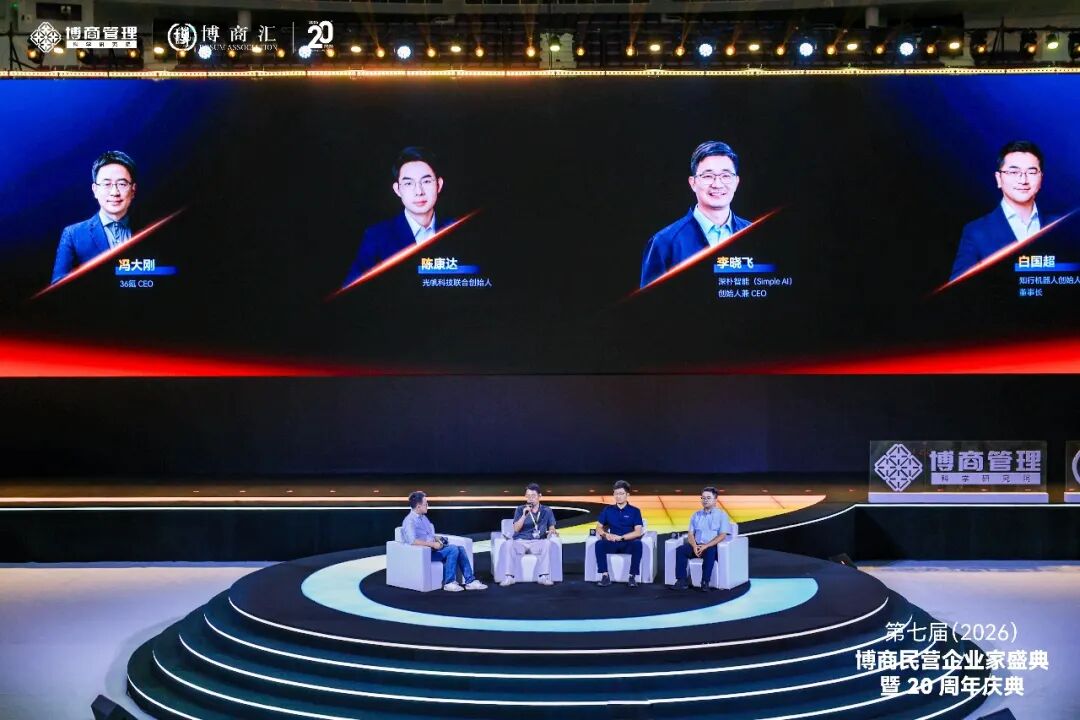
Three hard tech entrepreneurs shared their on-the-ground perception, judgment and choices in entrepreneurship. Chen Kangda mentioned that large models not only bring efficiency improvement, but also fundamental changes in human-computer interaction: in the future, people no longer need to operate APP layer by layer, but directly express their needs to AI, and AI will complete the call and execution. This means that hardware, operating systems and even business models may be redefined; Li Xiaofei said that the second half of AI belongs to embodied intelligence in the physical world. General-purpose robots need to start from family-like scenarios, accumulate data and iterate capabilities in real business environments, and then gradually enter thousands of households; Bai Guochao believes that the robot industry is a long-term high-growth track, dexterous hands are the core ecological niche of robots, and core components are the unavoidable cornerstone of industrial development, so it is necessary to deal with industry noise with long-termism. Entrepreneurs should not only chase capital hotspots and industry concepts, but take root in front-line scenarios and capture demands from customers' real working conditions.
Facing the topic of "whether ordinary entrepreneurs should enter the AI track", the guests reached a consensus: using AI is something that all enterprises must do immediately; but developing AI requires careful evaluation of the team, capital and cycle.
Holding the Light: What on Earth Should I Stick to?
Core Topic: In the turbulent cycle, what is worth sticking to. See the power of long-termism and product innovation from the perspective of global logistics and hardware technology globalization.
Niu Zhijing | Vice President of Cainiao Group
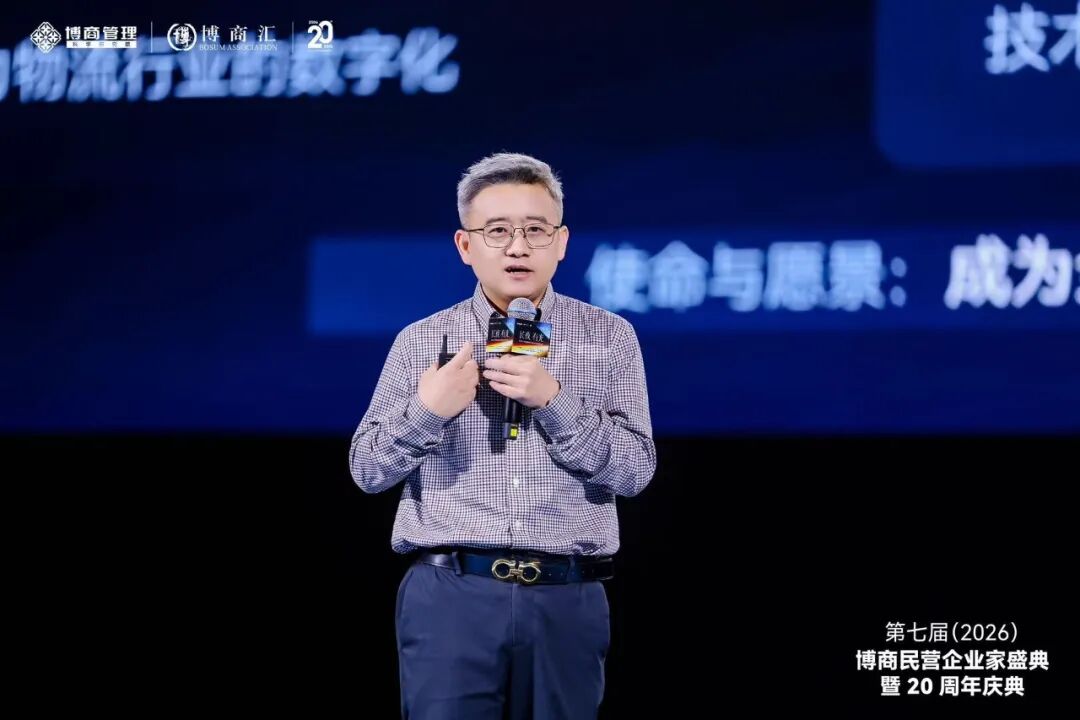
With the theme of "Global 3-Day Delivery — New Logistics Infrastructure for Technology-empowered Globalization of Chinese Brands", Niu Zhijing analyzed that China's cross-border e-commerce continues to grow at a high speed, but overseas merchants are facing unstable timeliness, complex compliance and supply chain challenges. Cainiao has currently built a logistics network covering more than 200 countries and regions around the world, realizing global 72-hour delivery instead of the previous long 90-day cross-border transportation. At the same time, he mentioned that the implementation of AI in the logistics field is not limited to PPT, but truly penetrates into the business, realizing cost reduction and avoiding compliance risks in scenarios such as global intelligent customer service, AI review of prohibited and restricted goods, and AI security.
Cao Hui | Deputy General Manager of Qisheng Technology, General Manager of Sarefo
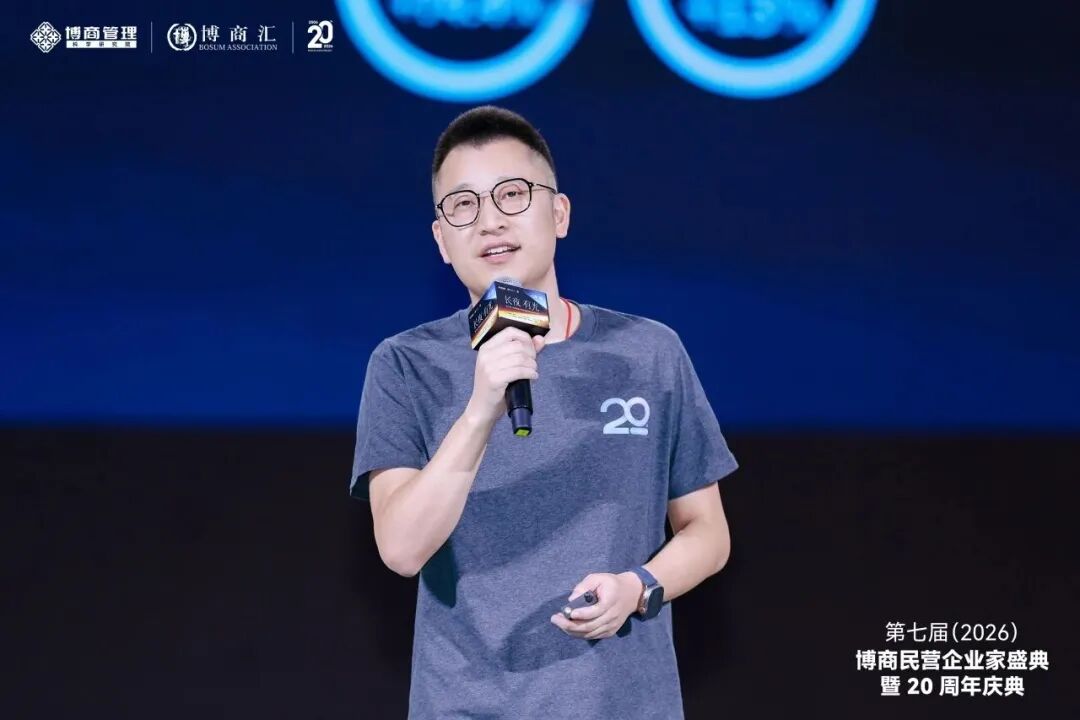
Cao Hui shared the product evolution path from a single intelligent hardware bed to a home health management entry.
An intelligent bed equipped with non-contact sensors can collect physiological data such as heartbeat, breathing, body movement and snoring without perception. Enterprises break out of the "selling hardware" mindset and tap the health value behind sleep. For example, for the silver-haired group, teenagers and family managers, a full set of segmented product matrix is launched to evolve the hardware into a home health management terminal. He proposed that sleep is the canary of health, and sleep data can reveal many physical health risks in advance.
Cao Xuefeng | Deputy General Manager of HOLLYLAND, Head of Audio Product Line
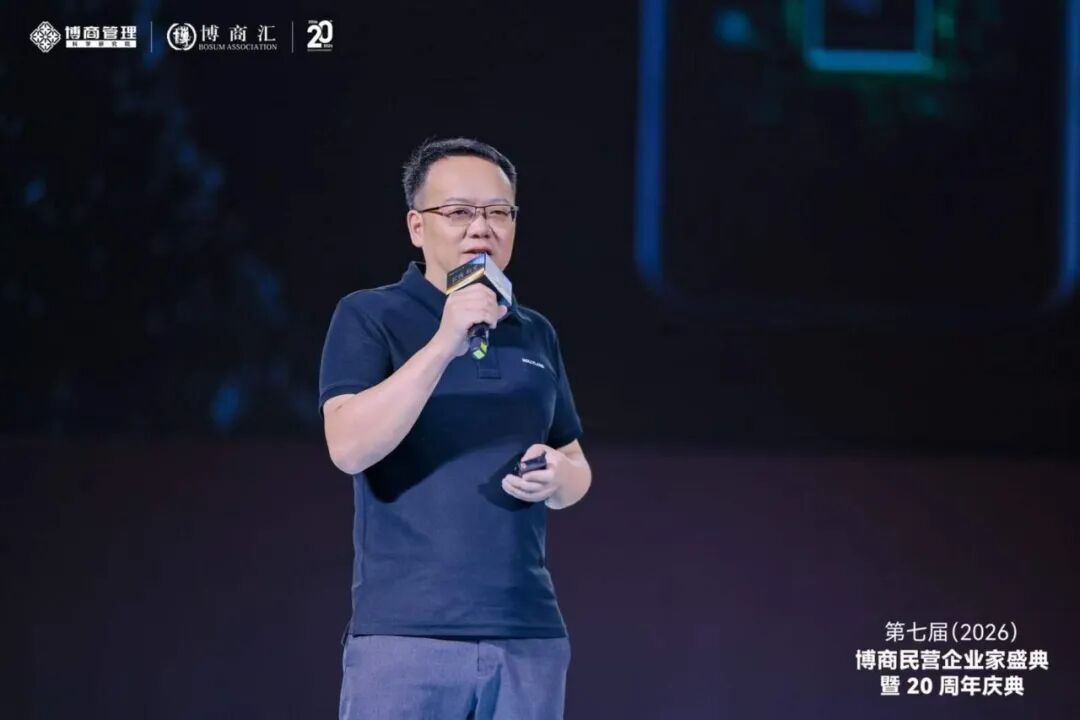
With the theme of "Consumer Innovation in the Intelligent Era", Cao Xuefeng told three underlying logics of enterprise growth:
Streamline the track: relying on existing technologies and user base, choose tracks with sufficient scale, considerable growth rate and relatively low involution degree, and do not blindly cross-border;
Long-termism: maintain high R&D investment all year round, and precipitate three underlying technologies of wireless transmission, acoustics and imaging;
Product supremacy: all staff should understand products, hide complex technologies, and bring users simple and easy-to-use experience.
At the same time, he shared three major industrial trends: the global outbreak of the creator economy, the market space for short video and live streaming hardware is huge; hardware is an important data entry in the AI era; do not get trapped in domestic involution, there are huge generation gap opportunities in overseas markets.
Reaching the Shore Together: Who Will Walk With Me on the Road Ahead?
Core Topic: The value of human beings in the AI era, the real ups and downs of front-line AI entrepreneurship, thinking about who private enterprises should walk with in the future.
