The CPU shortage will persist until 2027, and those who used to "sell design blueprints" have started to "build their own houses".
"The total cumulative shipments of Arm technology-based chips from global partners have exceeded 350 billion." On September 8, at the annual Arm Everywhere China conference held in Shanghai, Will Abbey, Executive Vice President and Chief Commercial Officer of Arm, presented this set of figures.
After 36 years of development, Arm, the world's largest semiconductor IP provider, provides an average of as many as 160 Arm architecture chips for every household worldwide.
However, the most high-profile protagonist of this conference is a chip that has been born for only half a year — the Arm AGI CPU, Arm's first finished chip independently designed and sold directly by the company.
Back to March this year. Arm officially announced that it would enter the chip manufacturing sector and launched the Arm AGI CPU for AI data centers. A "Three Kingdoms era" of CPU where Arm, X86 and RISC-V compete head-on officially kicked off.
At that time, the industry was not optimistic about this adventure. JPMorgan Chase even stated that Arm's development of physical chips has irreconcilable conflicts of interest with its own customers, which is not a potential conflict but an inevitable "war".
Half a year later, the plot reversed. Instead of making CPUs exit the stage, AI has plunged the world into the most severe CPU shortage wave since 2010. The market once predicted that CPUs would become the next category of memory chips. TrendForce estimates that server CPU prices could rise by 20% to 30% in 2026. The supply chain predicts that this shortage will last through 2027.
Arm, which rushed to enter the chip manufacturing field half a year ago, just stands at the position where the window of opportunity opens.
1
The "blueprint seller"
starts to "build houses"
Arm's entry into chip manufacturing is equivalent to the "blueprint seller" starting to "build houses" on its own, and the main driving force is that the IP licensing model has reached its ceiling.
In the past, Arm mainly made profits from IP (developed functional modules, designs or technologies) and CSS (Compute Subsystems). Customers such as Apple, Qualcomm, Amazon, and Google completed chip design on their own. Its gross profit margin was as high as 97%, but its revenue scale was limited by the licensing volume and unit price of chips from its clients. It was not until fiscal year 2025 that its revenue exceeded the $4 billion mark for the first time, far lower than the scale of many chip manufacturers.
Rene Haas, CEO of Arm, predicts that by 2030, the addressable market space for its self-developed CPU business will reach as high as 100 billion US dollars. By then, self-developed chips will generate 15 billion US dollars in annual revenue, pushing the company's total sales to 25 billion US dollars.
Half a year later, this report card is impressive enough at least on the demand side. On May 6, Arm released its fourth quarter and full-year results for fiscal 2026: revenue in the fourth quarter increased by 20% year-on-year to 1.49 billion US dollars, and full fiscal year revenue increased by 23% year-on-year to 4.92 billion US dollars, achieving more than 20% growth for the third consecutive year. What is even more surprising to the outside world is that only six weeks after the AGI CPU was released, the total customer demand doubled from 1 billion US dollars to 2 billion US dollars, far exceeding the previously agreed supply target of 1 billion US dollars.
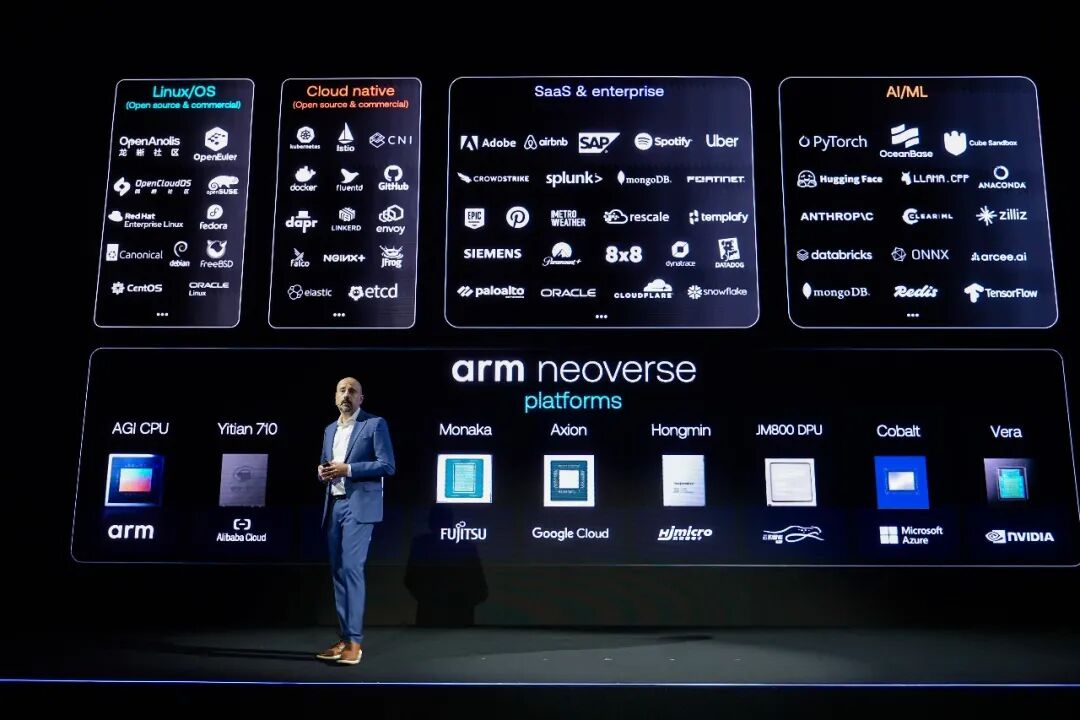
At the conference on September 8, Arm presented a much longer list. Enterprises including OpenAI, Meta, Cloudflare, Oracle, SAP, Lenovo, Supermicro and Verda have all developed solutions around the Arm AGI CPU.
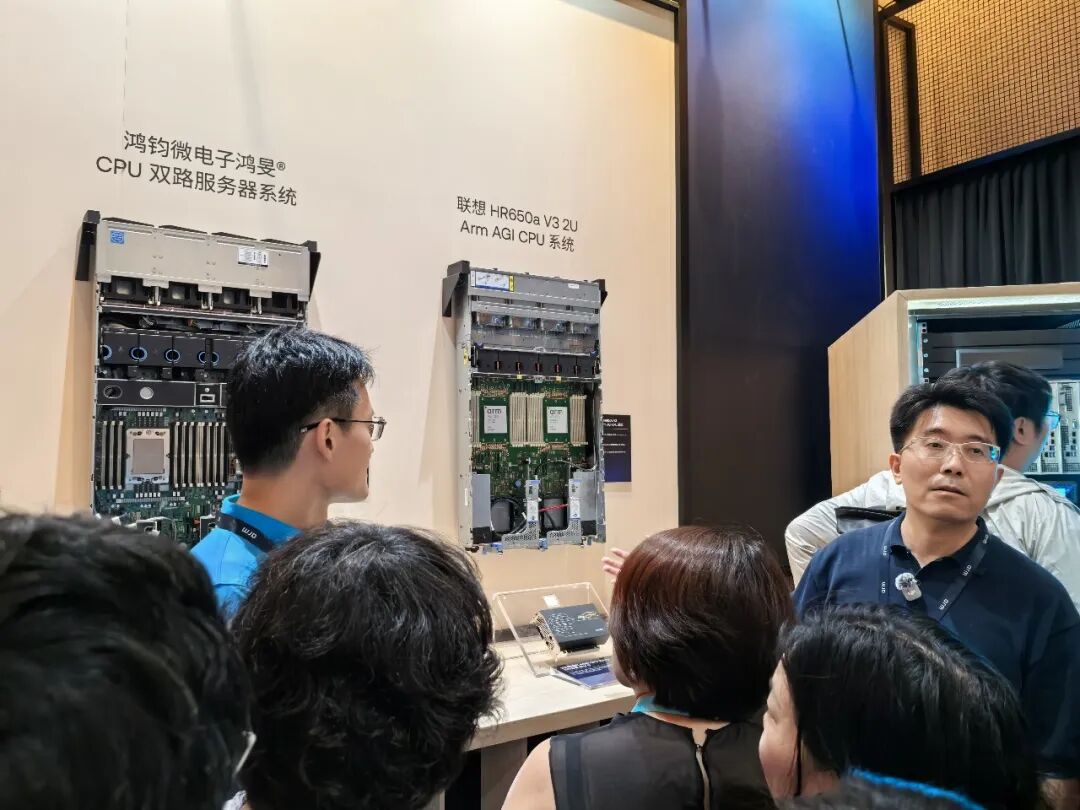
Multiple Chinese companies have officially announced their joining the Arm camp. In the conference demo area, Lenovo exhibited the HR650a V3 rack server equipped with dual-channel Arm AGI CPUs; Volcano Engine, a subsidiary of ByteDance, is building its next-generation cloud services based on the Arm platform and has launched the first batch of Arm AGI CPU-based agent sandboxes to the market; Arm also announced to deepen strategic cooperation with the new Unigroup Group, planning to establish a joint general artificial intelligence innovation center in China, to carry out exploration and innovation around technical directions such as AI agent orchestration, memory pooling, rack-level system architecture and edge AI, and build an AI infrastructure solution system for the Chinese market with differentiated advantages covering multi-generation evolution roadmaps.
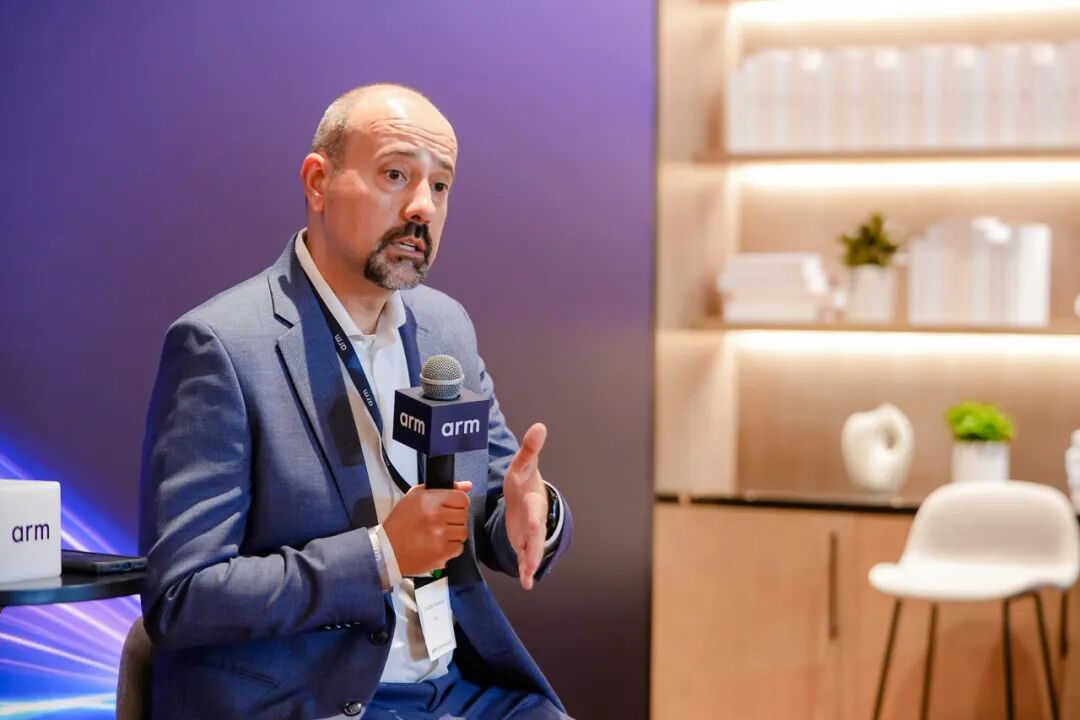
"Developing a leading SoC usually requires an investment of 500 million to 800 million US dollars." Eddie Ramirez, Vice President of Cloud AI Business Development at Arm, explained in an interview with media including IT Times. Partners who are unwilling or unable to bear the high investment have proposed to Arm that they hope to directly adopt the AGI CPU to lower the investment threshold for deploying Arm architecture hardware. As for the inherent concern of "competing for business" with chip partners, his response is that Arm is not only providing solutions for some customers, but also introducing new customers to the entire ecosystem, "Some manufacturers that have never considered Arm before are now starting to pay attention to Arm-based solutions."
For Arm, the Chinese market is an indispensable puzzle piece in this round of expansion. "Whether in the United States or China, we are fully compliant with import and export regulations. From the very beginning of the design, the AGI CPU was made to be deliverable to Chinese users." Eddie Ramirez mentioned.
2
CPUs return to the center of the table
What kind of window of opportunity has Arm caught up with exactly?
Following memory chips, CPUs are ushering in their spring. According to supply chain sources, since March this year, consumer-grade CPU prices have risen by 5% to 10%, server CPU prices have increased by 10% to 20%, the delivery cycle of PC CPUs has surged from 1-2 weeks to 8-12 weeks, and the situation of server CPUs is more severe, with delivery cycles even as long as 6 months.
Industry research institution TrendForce predicts that server CPU prices will rise by 20% to 30% in 2026.
The driving force behind this round of shortage is AI agents. When AI changes from "chatting" to "acting", agents not only need to perform reasoning, but also retrieve data, call tools, and interact collaboratively with databases and other agents. Almost all of these orchestration layer tasks fall on CPUs.
TrendForce points out that the current CPU to GPU ratio in AI data centers is about 1:4 to 1:8, which is expected to evolve to 1:1 to 1:2 in the agent era. Arm's further calculations show that traditional AI data centers require about 30 million CPU cores per gigawatt, which will surge to 120 million in the agent era. The orchestration time of CPUs in agent workflows can account for 50% to 90% of the total latency. Insufficient CPUs will directly lead to idling of expensive GPU resources.
On one side there is the price increase and queuing for X86, on the other side there is the freshly released Arm mass-production-ready solution, and the balance is undergoing subtle changes. Arm's comparison shows that the performance of AGI CPU per rack can reach more than twice that of the X86 platform, and the capital expenditure for AI data center computing power per gigawatt can be saved by as much as 10 billion US dollars.
"In many scenarios, Arm's server CPUs outperform X86 in performance while consuming far less power than X86. The power consumption of Arm AGI CPU is 300 watts, while the X86 solution with equivalent performance usually consumes 500 watts." Eddie Ramirez stated.
In the first quarter of 2026, a milestone transformation took place. According to IDC data, the market size of rack-level GPU servers based on Arm architecture has surpassed X86, becoming the mainstream platform in the field of accelerated computing.
JPMorgan Chase predicts that the share of Arm architecture in the CPU server market may rise from about 22% in 2025 to 48% in 2028. Even if the agent-driven market growth can still allow the X86 camp to maintain growth, the competition for the market pattern faced by NVIDIA and AMD is also becoming increasingly fierce.
"By 2030, the largest CPU market share will belong to Arm." Arm said so at its earnings call in May this year.
3
Three chess pieces and a big web
If the AGI CPU half a year ago was a "turnkey" direct move, Arm half a year later has already spread out the chessboard.
At the conference on September 8, Arm updated three product lines at once: cloud AI, mobile AI and physical AI.
Mobile terminals such as mobile phones have always been Arm's largest revenue base. In fiscal year 2025, smartphone application processors still contributed about 45% of Arm's royalty revenue, and their corresponding market share has reached 99%. Cloud AI has become an important incremental source for it.
In the cloud AI market, Neoverse CSS N4 and AGI CPU form two paths, one explicit and one implicit: customers who pursue extreme throughput and have the ability to develop self-designed chips take the CSS customization path, and Hongjun Microelectronics is already one of the first adopters; customers who hope to deploy mass-produced computing power directly will be supported by the AGI CPU. Arm's explanation is that there is no unified AI infrastructure solution applicable to all scenarios. Horizontally scalable workloads pursue throughput efficiency, while performance-critical applications such as agents require highly responsive CPU performance.
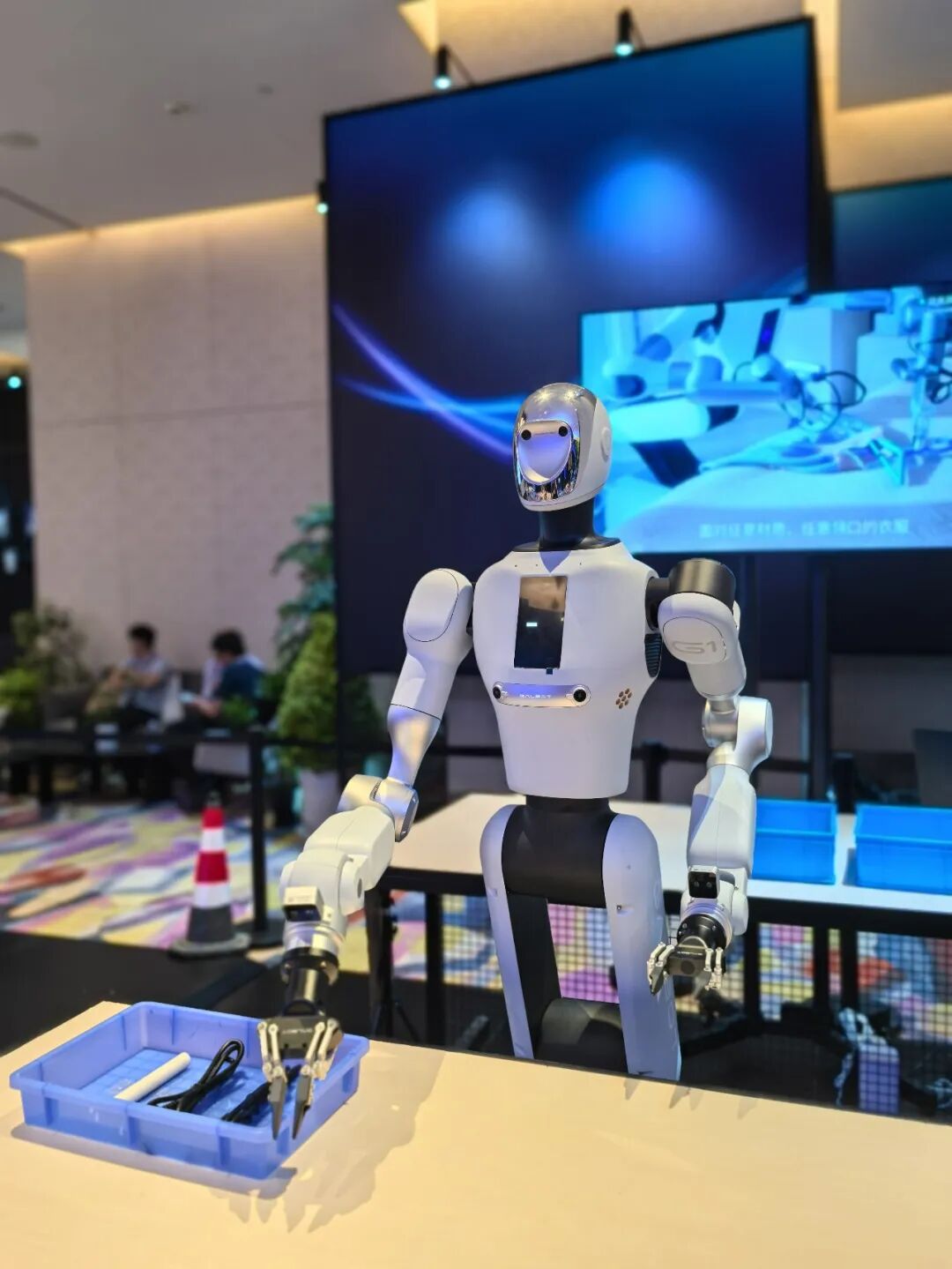
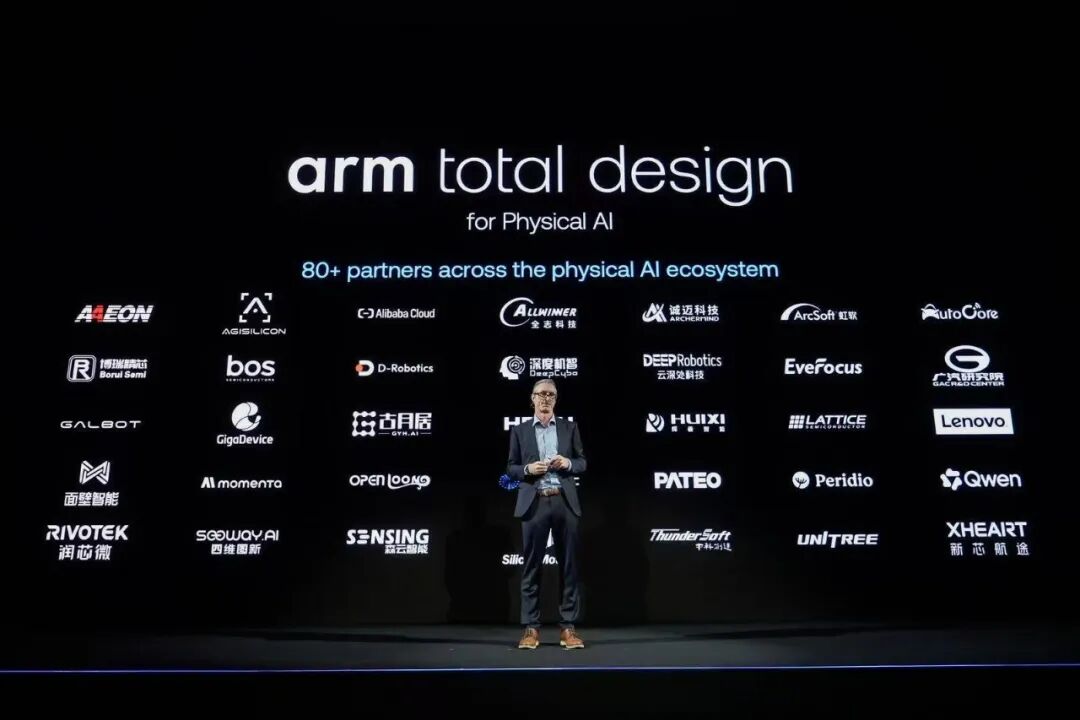
Beyond the data center, Arm's narrative has extended further: on the mobile phone side, the Mali G2-Ultra NX GPU integrated with a dedicated neural network accelerator for the first time allows neural graphics to run natively on the GPU; in the physical world, Arm's total design ecosystem project that brings together more than 80 partners is trying to establish a "universal language" for robots similar to SAE autonomous driving classification. From end-side AI to cloud AI, and then to physical AI, what Arm wants to do is the big web of unified computing base in the agent era.
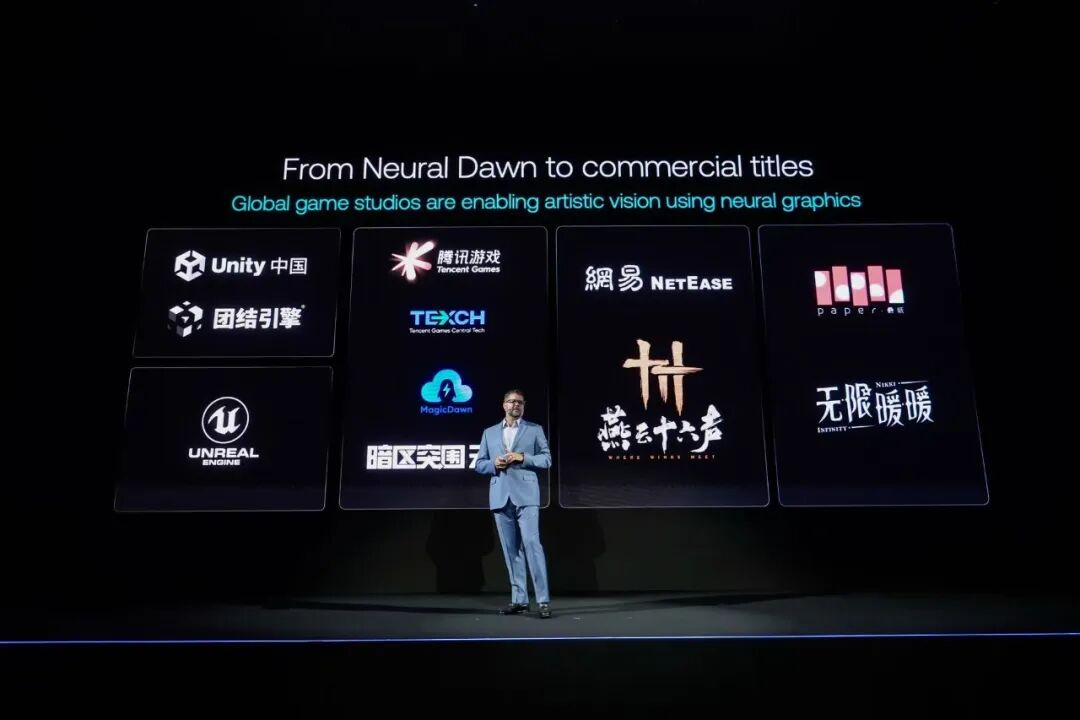
In the Chinese market, this web is being woven more and more densely. vivo has introduced Mali G2-Ultra NX GPU related technologies into its flagship phones, NetEase's "Where Winds Meet" promotes the implementation of neural super sampling, while Tencent Games and Unity China participate in adaptation from the game middle platform and engine layer respectively.
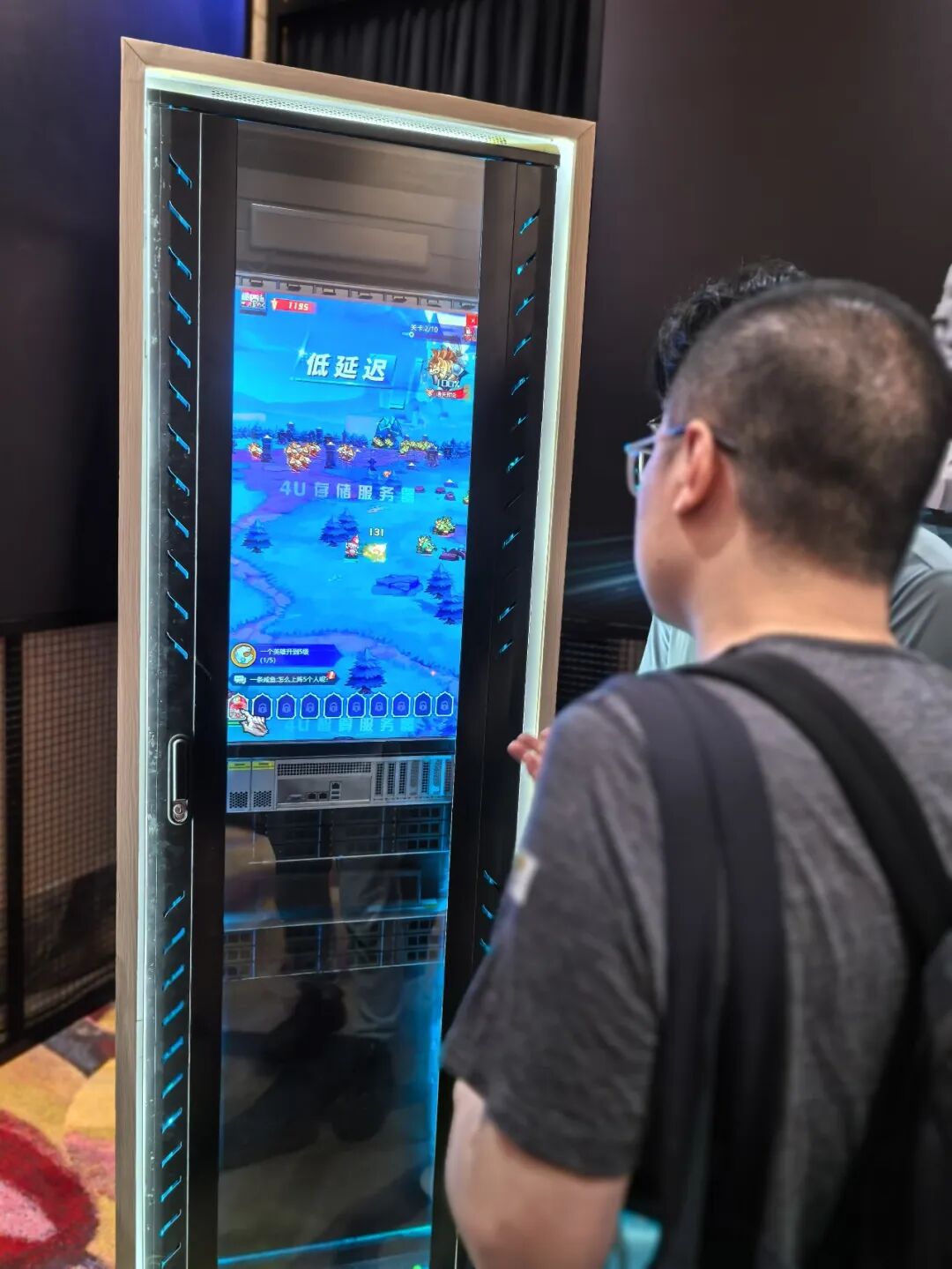
Li Yueyuan, head of Volcano Engine cloud infrastructure product managers, revealed that early evaluations show that Arm AGI CPU "shows good performance potential in mainstream cloud workloads". Eddie Ramirez also pointed out the subtle differences between the Chinese and US markets to reporters: the structure of cloud service providers in the two regions deploying CPUs, DPUs and storage servers in the rack is quite similar, but the Chinese market has in-depth adaptation specifically for local popular workloads, "The popularity of cloud gaming in China is much higher than that in Western markets."
The window of opportunity will not stay open forever. The supply chain predicts that the CPU shortage will last through 2027. The counterattack of the X86 camp and the upward movement of RISC-V are both on the way, and the allocation of advanced process capacity is still the biggest variable. For Arm, the real test is to turn the computing power narrative of the agent era into deployment scale on data center racks before the production capacity is unlocked.
Half a year ago, in response to doubts about direct competition with customers, Rene Haas responded as follows: The industry consensus is that "the supply of market services is severely insufficient". AI computing power is a huge trillion-dollar market large enough to accommodate many different participants. Half a year later, this sentence is becoming the footnote of the entire CPU market.
In the era of insufficient supply, those who enter the market first get the first ticket of the opportunity window.
This article is from the WeChat official account "IT Times" (ID: vittimes), written by Sun Yan, edited by Wang Xin, and published with authorization by 36Kr.