A 1.67-meter-tall child weighing 50.5 kilograms is judged as overweight: has "body anxiety" now even swept into the children's smartwatch industry?
What body type does a person with a height of 167 cm and a weight of 50.5 kg belong to?
The answer given by the Xiaotiancai kids' phone watch is: overweight.
Recently, a girl received this judgment from the watch system when checking the health monitoring function.
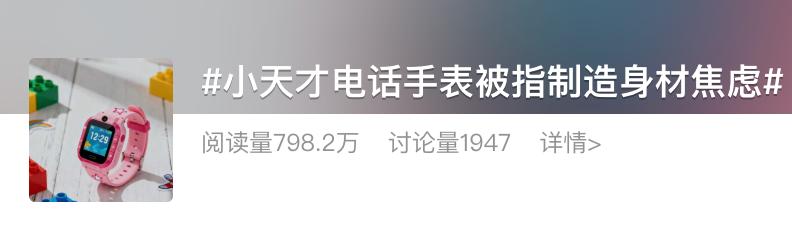
The incident quickly sparked widespread public discussion after it was exposed, and the topic #Xiaotiancai Kids' Phone Watch Accused of Creating Body Anxiety# also became a trending search.
After all, no matter how you look at this set of figures, it has nothing to do with the label of "overweight".
Compared with the absurdity of the algorithm, what is more disturbing is the invisible pressure that comes along with it.
Adults can even have their mood affected by a single number on the weighing scale, let alone a child who is just forming their body perception.
If we shift our attention away from this trending topic, we will find that kids' smart watches have caused one controversy after another over the years.
A tool that was originally supposed to protect children's safety, when on earth did it start to go wrong?
01
Weighing 50.5 kg was judged as overweight,
How absurd can kids' smart watches be?
How absurd is this incident exactly? You will know the answer by converting it with the most basic BMI formula.
For a girl who is 167 cm tall, roughly over 12 years old and weighs 50.5 kg, her BMI is calculated to be about 18.1 according to the BMI formula. According to the standards for children and adolescents issued by the National Health Commission of China, the overweight threshold for 12-year-old girls is 21.5; this standard rises with age and reaches 24 at the age of 18.
In other words, no matter which age group it is placed in, a BMI of 18.1 has nothing to do with the label of "overweight".
What is more absurd is that the system later added a reminder, saying:
"Your weight exceeds 99% of girls of the same age".
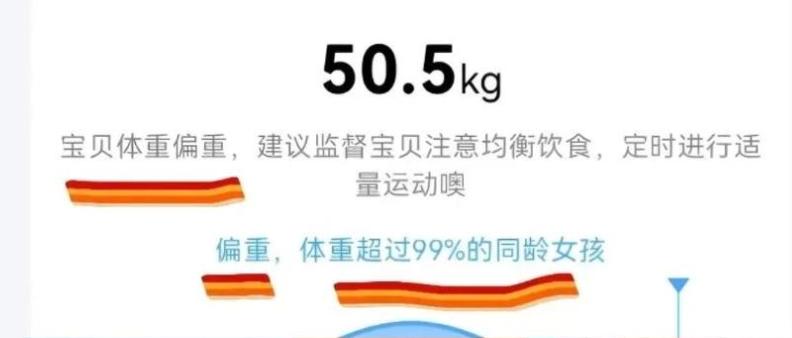
Looking at the value of 50.5 kg alone, it may indeed be on the high side among peers. But talking about weight without considering height is completely unreasonable.
Without the key variable of height, the so-called "exceeding 99%" is nothing more than disguising a completely unreferenceable comparison as a seemingly authoritative scientific conclusion.
After the incident, Xiaotiancai admitted that its expression was "not rigorous enough", and removed all evaluation and judgment related content in the health monitoring function.
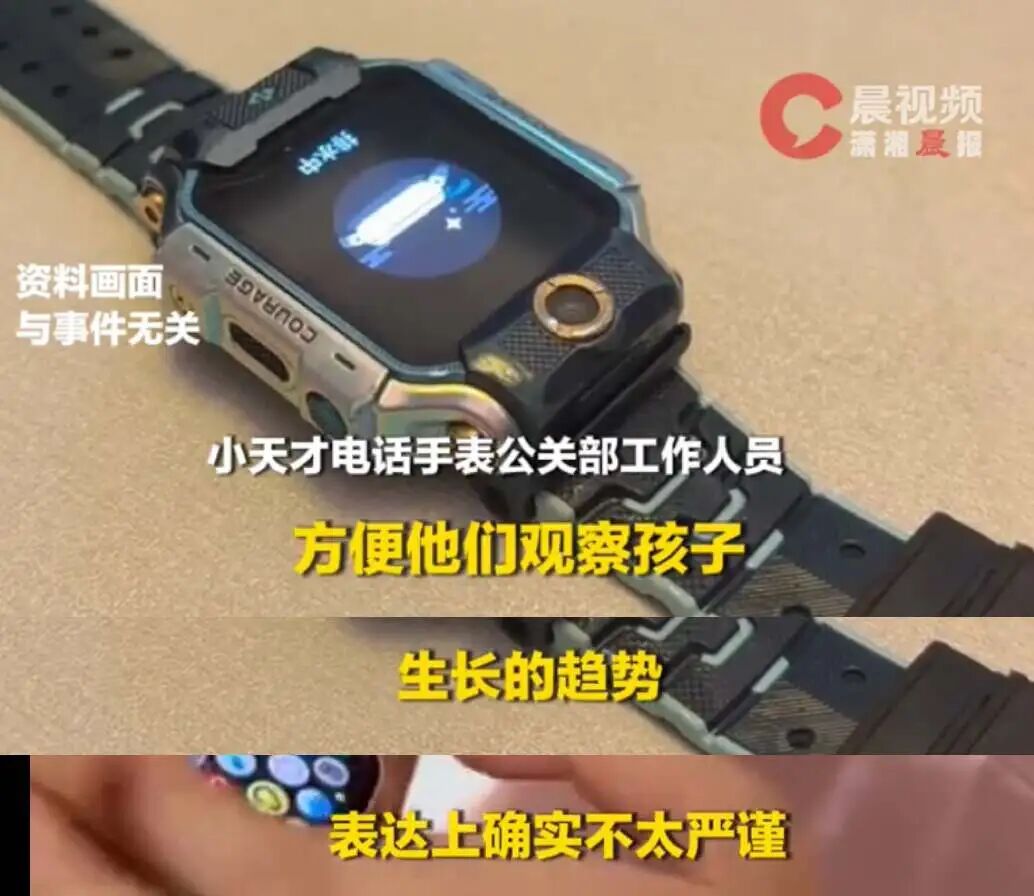
In fact, it is not difficult to find from past reports that this is not an accidental error, and it is not the first time that Xiaotiancai has made a mistake in judging children's weight.
As early as 2023, some parents shared similar experiences on the Internet.
At that time, a 10-year-old child was 151 cm tall and weighed 33 kg. Calculated according to the formula, the child's BMI was only 14.5, which was far below the overweight standard.
However, the watch's algorithm still judged it as "overweight", and even put forward a set of seemingly serious health suggestions: "Please pay attention to your diet and exercise regularly."
If an adult encounters such a judgment, they may just complain that "the system is out of order" and let it go. The problem is that this watch is worn on a child's wrist.
Around the age of ten is exactly the stage when the body changes rapidly and self-evaluation begins to become sensitive. They have not yet formed a mature health concept, and they tend to blindly trust the cold data and judgments on authoritative devices and screens almost instinctively.
Just imagine, when a 12 or 13-year-old girl raises her wrist every day and sees the warning of "overweight" and the judgment of "exceeding 99% of peers", what kind of implication will be planted in her mind?
Most likely, she will not doubt that there is something wrong with the watch, but convince herself: "I am very fat, I am different from my peers."
What follows is skipping a meal, running more laps, weighing herself frequently, and even taking "the lighter the better" as the health standard.

Adolescence is a critical period for development and bone mass accumulation. This kind of misguided body anxiety will not only hinder normal growth, but also cause harm to the girl's physical health.
Unnecessary weight anxiety is thus secretly transmitted to children with immature minds through a seemingly harmless watch.
Apart from the misjudgment of health status, various chaos of kids' smart watches has long been commonplace.
02
Likes, flashing firmware, selling friend slots
The "watch circle arena" for primary school students
If we go back ten years, the functions of kids' smart watches were much simpler.
At that time, parents were willing to pay for them mainly for peace of mind: where their children were, whether they could be contacted, and whether they could ask for help in time when in danger. Positioning and calling constituted the most basic functional framework, and other designs were basically centered on the core of "safety".
But I don't know since when, this small tool originally built for safety has quietly started its function expansion.
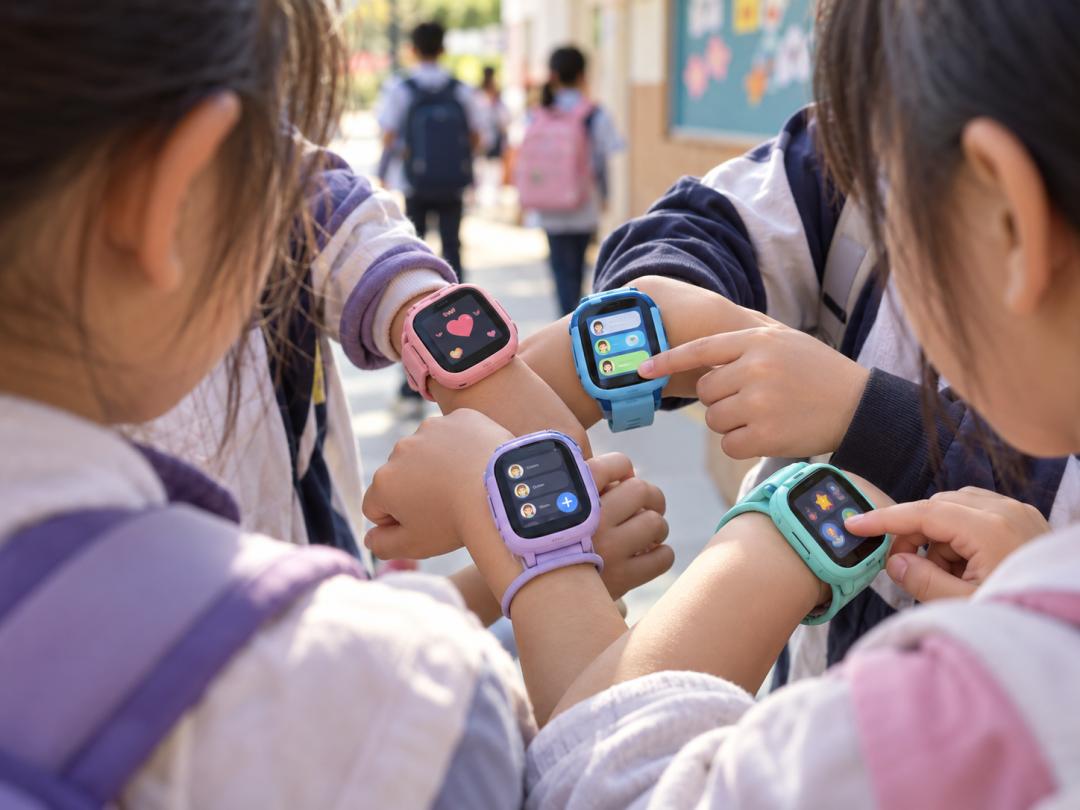
Cameras, social apps, mini games, app stores, and mobile payment have been successively added to this small watch face. In recent years, AI Q&A and health monitoring functions have also been added one after another.
The basic positioning and calling functions are still there, but they are no longer the absolute core functions.
Unconsciously, kids' smart watches have evolved from a safety tool that allows parents to find their children at any time to a miniaturized smartphone worn on the wrist.
Along with that, there is also a "watch circle arena" for primary school students that even makes adults stunned.
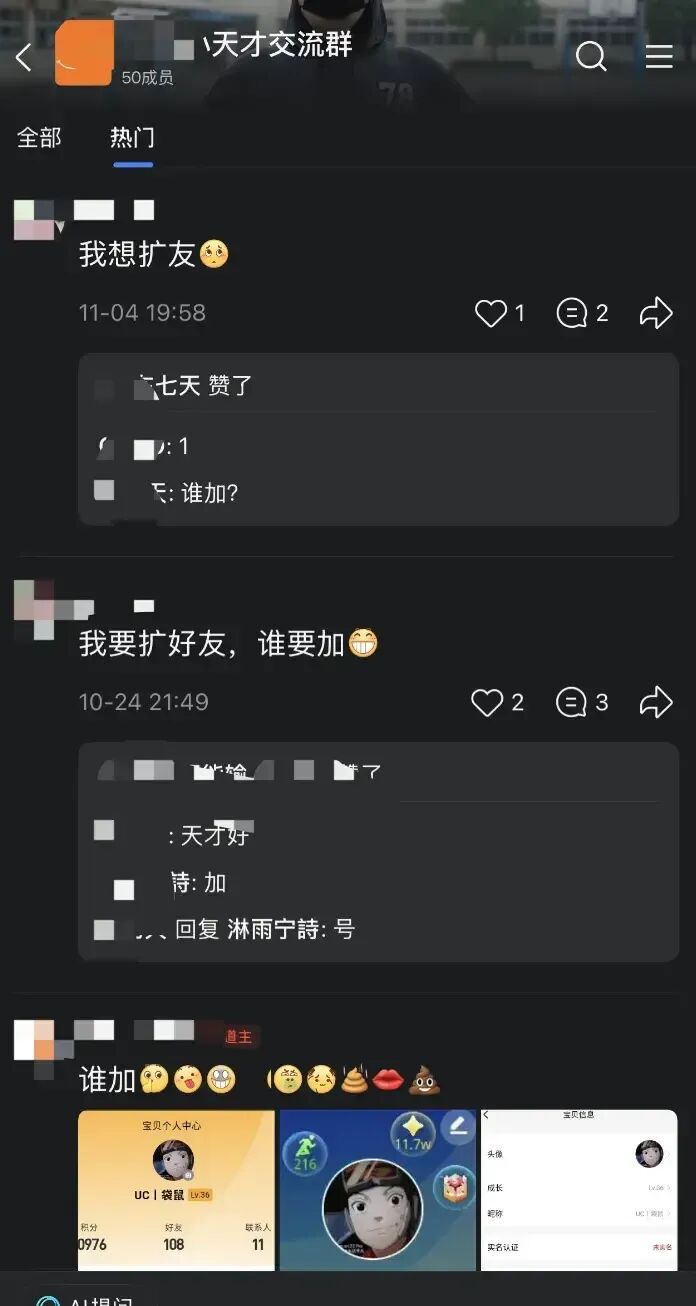
The most obvious function is adding friends.
Social functions of different brands have long operated independently. If you want to interact with classmates, in most cases you have to own the same brand of device first. As a result, many primary school classes even have small social groups divided by watch brands.
If everyone is using a popular brand, but you are wearing a watch of another brand, or an old model from several years ago, you will find that you cannot fit into the discussions of your classmates at all.
Children cry and beg their parents to buy a specific brand, for a simple and realistic reason - all the classmates in the class are using it.
For children, it is no longer just a device for positioning, calling and checking the time, but also a tool that determines whether they can smoothly integrate into their peer groups.
Once you enter this circle, new comparisons are just beginning.
In this virtual society built by kids' smart watches, children can interact frequently on each other's personal pages, daily updates and even step ranking lists. The number of accumulated likes on the account's personal page has also become a "hard currency" to measure a child's social status.
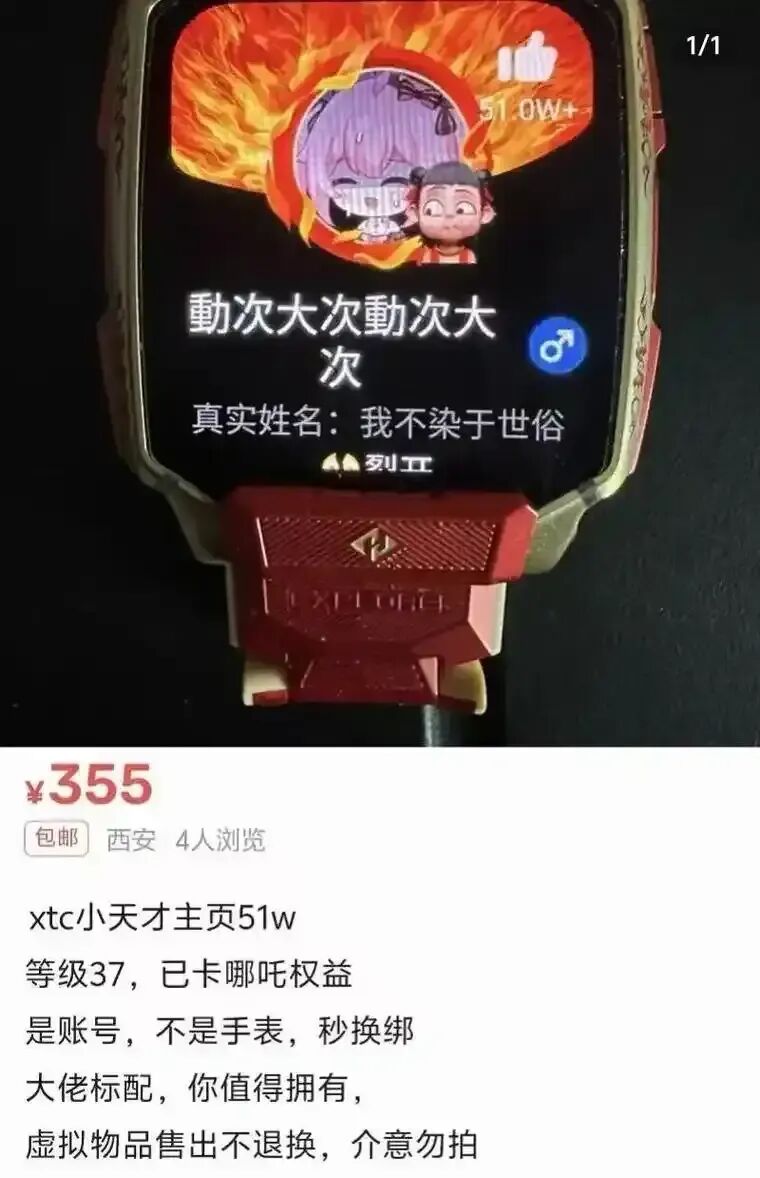
If the number of likes accumulates to hundreds of thousands, you will be respectfully called a "big shot" in the class. With the title of "big shot", you can not only gain attention and respect among peers, but also the account itself has a very high premium.
On some second-hand platforms, a kids' smart watch account with a high number of likes can even be sold for hundreds or even thousands of RMB.
Where there is demand, there is supply. A black and gray industrial chain centered on primary school students' social anxiety has long been growing wildly in the dark.
Services such as likes boosting, account renting, and selling "big shot friend slots" have even become open secret transactions among primary school students.
Once popularity can be obtained by buying likes and friend slots, the originally simple peer relationships are also revalued by traffic figures. For a child of about ten years old, this set of rules comes far too early.
Some people may ask, in the face of such a runaway phenomenon, don't parents take control of it?
The answer is: they want to, but they really can't.
Theoretically, parents can set permissions such as app disabling, usage duration, and disabling during class in the background. But children can master various "anti-reconnaissance modes" by themselves without any teaching.
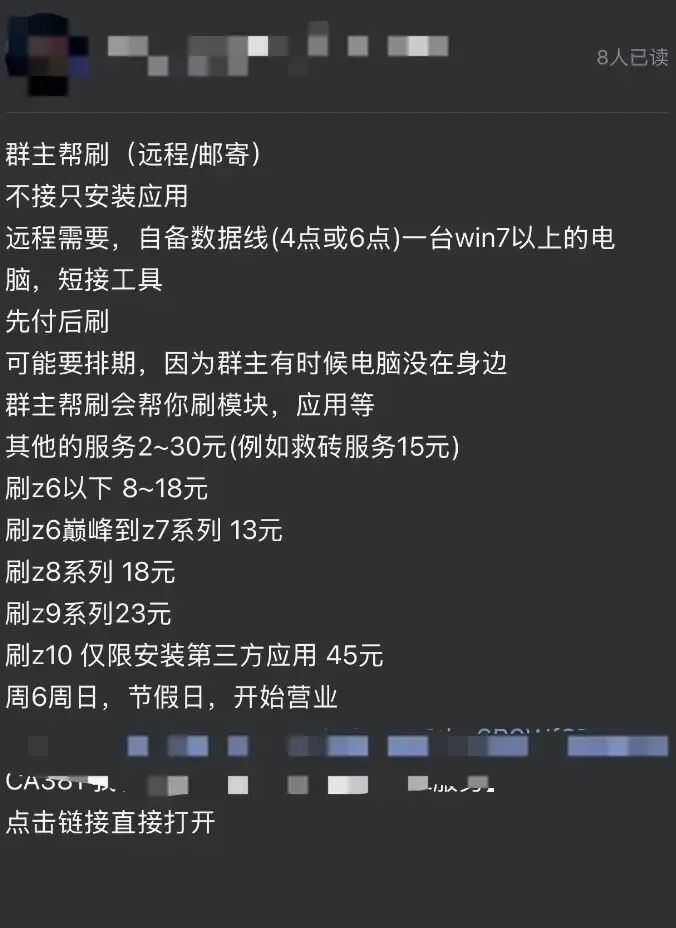
On e-commerce platforms and social networks, as long as you search for relevant keywords, you can find a large number of kids' smart watch cracking tutorials and remote flashing services.
For only 20 to 30 RMB, the seller can help children bypass the parent control system through remote operation, flash the watch and install various short video apps and popular mobile games.
With the safety protection measures forcibly removed, deeper risks also take the opportunity to invade: induced top-up, vulgar content spread by strangers through private messages, personal privacy leakage... Various hidden dangers have sounded the alarm one after another.
Parents wanted to buy peace of mind, but in the end they ended up with more worries.
In the midst of the controversy over the 50.5 kg weight being judged as overweight, many parents asked:
"Isn't it enough to do a good job in positioning and calling? Children have little self-control, so why stuff so many fancy functions into one watch?"
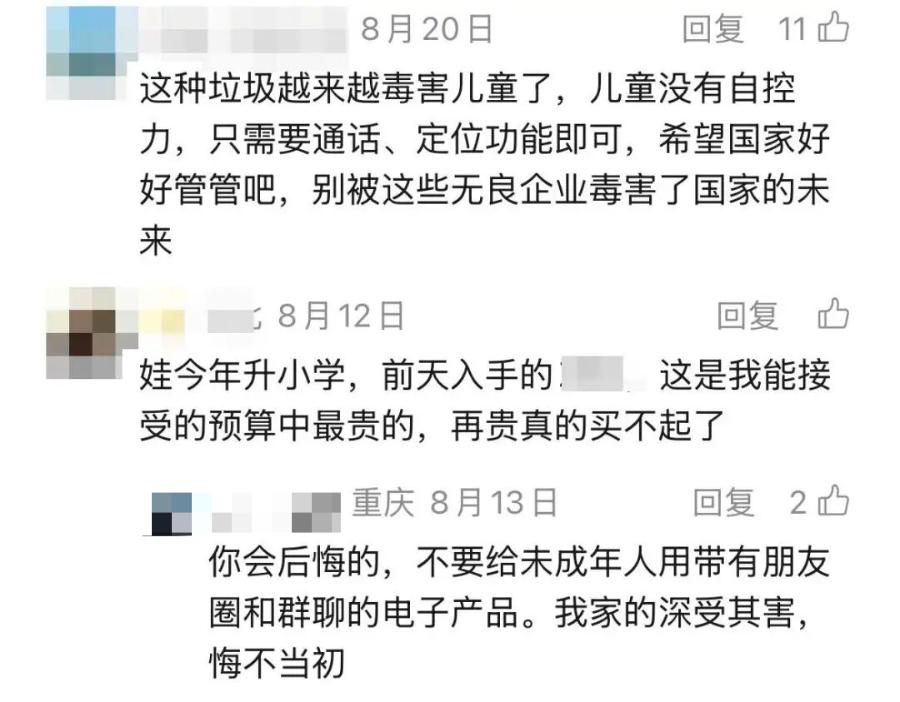
Between the lines, there is all the helplessness of parents.
But from a business perspective, these seemingly redundant functions that even make parents annoyed are exactly what manufacturers are most reluctant to give up.
03
Kids' smart watches are becoming more and more like smartphones,
What kind of business is behind this?
To understand why kids' smart watches have gradually become what they are today, we must first look at a very special consumption relationship behind it.
In most consumer goods markets, the person who pays and the person who uses the product are usually the same.
But kids' smart watches are different: the one who pays is the parent, and the one who actually wears it on the wrist and uses it every day is the child.
This creates a very strange misalignment of demands.
For the paying parents, their core demand for buying kids' smart watches is safety. Functions such as accurate positioning, emergency call for help, and making calls at any time are enough to convince parents to pay willingly.
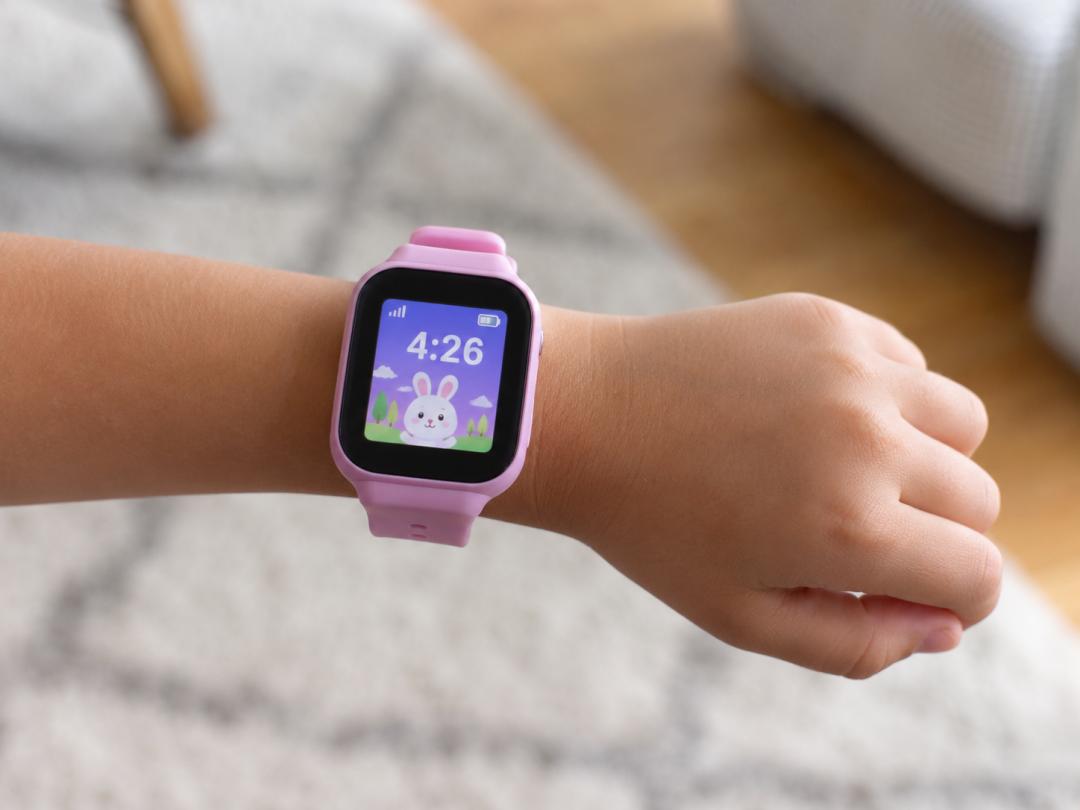
But the problem is that if a watch only has safety functions, it will be regarded as an "electronic handcuff" in the eyes of children. They will "forget" to charge it, or "accidentally" lose it. If children are unwilling to wear the watch, its life cycle will end, and manufacturers will find it difficult to sell the second or third product to the family.
To solve this problem, there must be other functions besides safety.
So how to make a 7 to 10-year-old child actively wear the watch every day and frequently open the screen?
The answer is very simple and straightforward: build a set of reward mechanisms that stimulate dopamine secretion for it.
From earning points to upgrade levels, drawing cards to get benefits, to getting likes on the friend circle, these stickiness mechanisms that have been verified countless times in the adult Internet world have almost been completely moved to children's wrists.
