The foldable iPhone is about to make its debut, and the secret that Apple has kept hidden for ten years is finally going to be unveiled.
Consumer electronics are always keen to prove progress with faster chips and more features, but what makes a product memorable often depends on those tiny, specific designs — the tactile feel of materials, the trade-offs in form, and even the layout of buttons.
In "Hard Philosophy", ifanr tries to strip away the facade of technology and parameters to explore the human-centric essence in product design.
This is the 87th article of "Hard Philosophy".
In the early hours of September 10, 2026, Apple's autumn launch event will be held at Apple Park.
The protagonists of this event are John Ternus, who only took over as CEO on September 1, and a new phone with the internal code name V68, known to the outside world as the "iPhone Ultra".
Nothing is more suitable as the debut of Apple's new CEO than a brand-new redesigned iPhone — but this new device is actually strongly promoted by Cook, who has just transitioned to the position of Chairman, and Apple has been preparing for it for more than a decade.
Cook and the Folding iPhone
2019 was a year of drastic changes in the form of smartphones — because foldable screen phones emerged.
If Royole's foldable screen phone was just a conceptual trial, then the entry of Samsung and Huawei meant that foldable screen phones would be presented to a broader audience.
But at that time, the industry still had no consensus on how foldable screen phones should "fold".
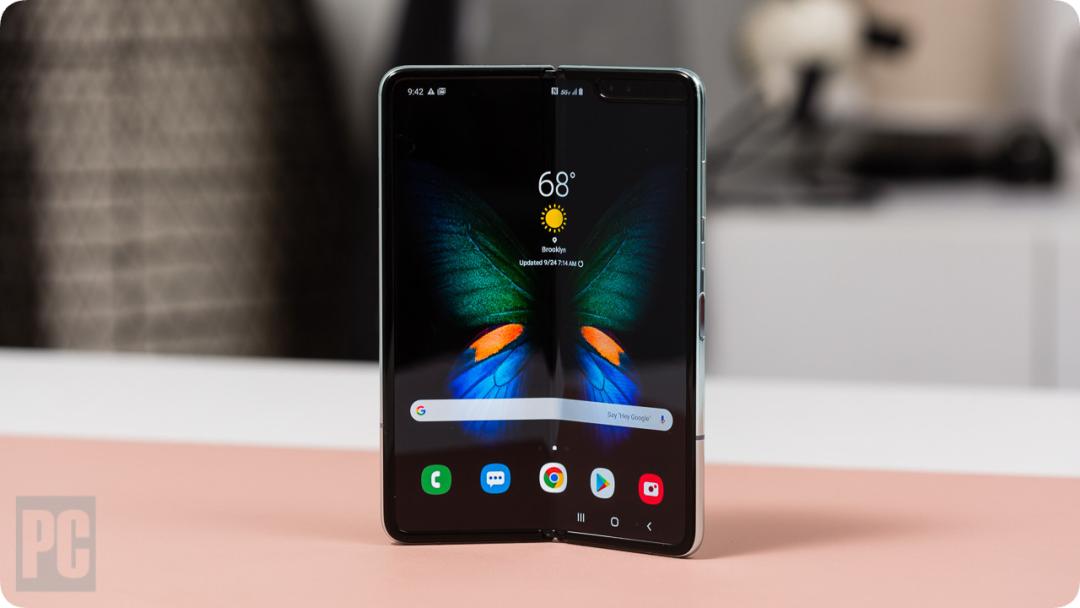
Samsung's first-generation Galaxy Fold folds inward, with a small 4.6-inch screen on the outside, leaving large bezels at the top and bottom. The 7.3-inch main screen is only revealed when unfolded, and there is a wedge-shaped gap between the two halves of the body when closed.
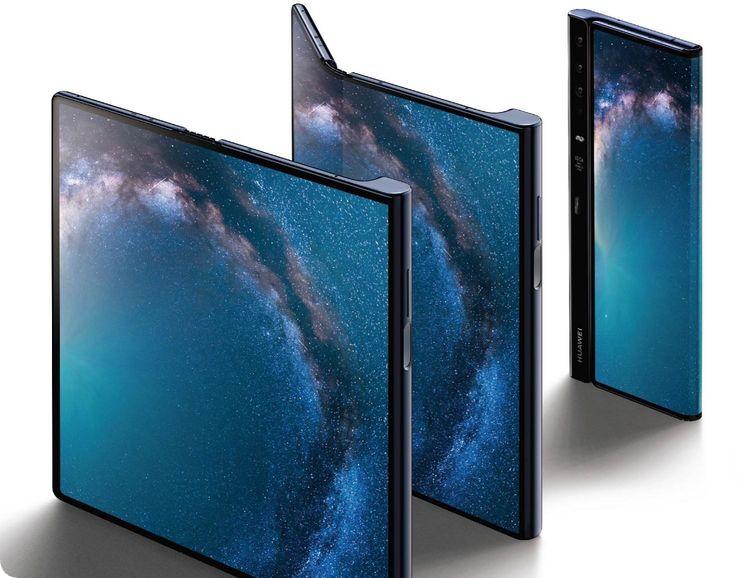
The Huawei Mate X took a different route: a full 8-inch screen folds outward to wrap the body, and you can use the 6.6-inch part of the screen when it is folded.
Cook, who was visiting across Asia at that time, noticed that foldable screen phones were gaining huge momentum, and this brand-new form of mobile products was attracting widespread attention — he decided that Apple should also launch its own foldable screen product.
Bloomberg, citing people familiar with the matter, said that around 2020, Cook began to accelerate the promotion of Apple's foldable phone project — which was also rare inside Apple: Cook, who came from the supply chain background, would participate in product demos and major decisions, but usually left the conception of new products to the design and engineering teams, as he was more familiar with finance, operations and supply chains.
But this time, he pointed out the direction for the team.
Fortunately, Apple's design and engineering teams had long been prepared for foldable screen products:
Apple's foldable product project was led by Dan Riccio, then Apple's head of hardware, and had been studied for years before the debut of the Galaxy Fold — public patent records show that Apple has submitted applications related to flexible displays and hinges since at least 2015.
The difficulty of this project lies in how to define the form of "folding". In the early stage of the project, Apple considered launching a foldable iPad: it would be an iPad mini when closed, and turn into an iPad Pro when unfolded.
But after Cook got involved, the team's development focus shifted to the iPhone, with two prototypes — a small foldable and a large foldable.
The small foldable prototype had an external screen of about 3.5 inches when closed, and its size was close to that of a regular iPhone when unfolded, so it could fit into a smaller pocket. However, under the technical level at that time, this solution had huge trade-offs: the hinge and external screen took up the space of the camera and battery, resulting in unremarkable imaging performance and battery life. The product itself did not break away from the definition of a smartphone — it was just an iPhone that could turn into a smaller, foldable iPhone.
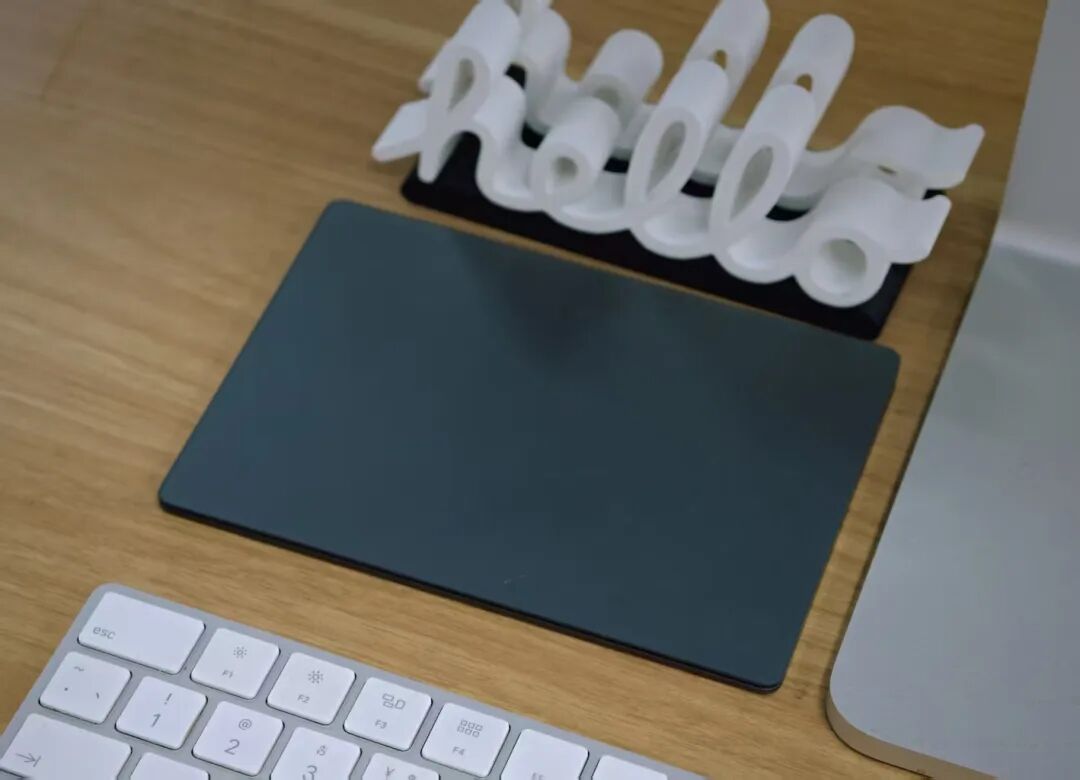
The large foldable prototype blurred the definition of the iPhone — when closed, it had a proportion similar to a passport and was slightly wider in size; when unfolded, the screen size was close to that of a Magic Trackpad, which could support some iPad usage scenarios, making it very convenient for reading books and watching videos.
According to Bloomberg reports, around 2023, Apple's design team finalized the large foldable solution: a wide-body design with an external screen of about 5.5 inches and an internal screen of about 7.8 inches. When closed, it looks short and stout compared to bar phones, and when unfolded, its internal screen is wider than that of most traditional large foldable phones.
This form now has many new names: wide foldable, or medium foldable.
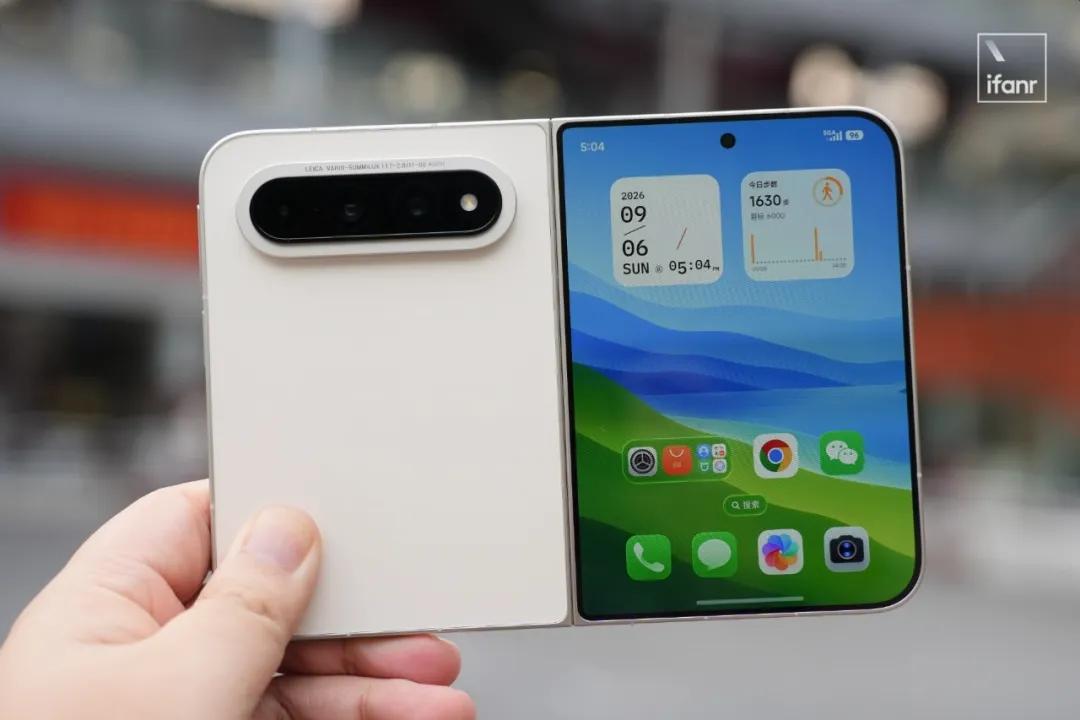
It took Apple more than three years from Cook officially pushing the foldable iPhone project out of the conceptual stage to finalizing its prototype. By then, foldable screen phones on the market were no longer rare, but the sales volume of foldable screen phones did not rise, accounting for about 2% of the overall smartphone market all year round.
Foldable screens are undoubtedly a huge innovation in the form of smartphones, but not all innovations can be translated into huge sales.
Foldable screen phones have been on the market for many years, but they have never achieved the expected success — the reason is not complicated: hardware compromises, no software adaptation, and high price tags.
Apple wants to solve these problems one by one.
Creases and Hinges
Nowadays, mainstream book-style inward-folding phones basically consist of two screens: a rigid outer screen and a flexible inward-folding inner screen.
The outer screen does not participate in bending, its surface is covered with strengthened glass, and its structure is basically the same as that of ordinary phones, providing a user experience similar to that of bar phones. The inner screen uses flexible OLED, covered with flexible glass, and can be opened and closed through the hinge, providing a large screen experience close to that of a tablet when unfolded.
Therefore, from a structural point of view, a foldable screen phone is essentially two halves of the body and two screens connected together through a precision hinge system.
Smartphones have always been products that emphasize balance — thinness and lightness, large screens, battery life, performance, imaging... These are all factors that need to be weighed repeatedly on bar phones in the past.
The complex hardware structure of foldable screens takes up a lot of the phone's internal space, leaving very limited room for batteries and chips.
To ensure battery life and performance as much as possible, Apple has developed an extremely compact "Plateau Design", which concentrates the motherboard, chips and cameras in the raised boss area at the top of the body, removes the physical SIM card tray, and frees up most of the body space to fit the battery — these designs have been verified on the iPhone Air, and it is logical to extend them to the foldable iPhone.
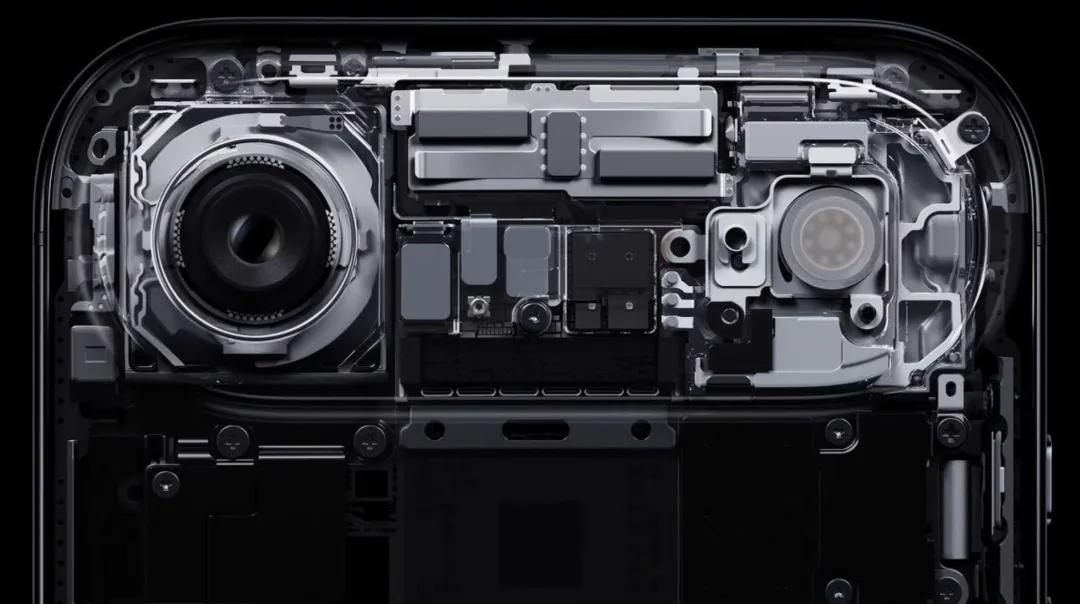
But for foldable screen phones, in addition to all the above, there is a more obvious problem: creases.
Since the inner screen is a single screen folded in half, creases are unavoidable after long-term use. To solve the problem of screen flatness, Apple has invested huge capital to cover every aspect of the supply chain, using extreme engineering methods to solve the inherent defects of foldable screen phones.
Apple and Corning co-developed a custom flexible cover glass, which retains thicker glass on both sides, and locally thins the middle folding area, with a gradual transition through the connection part to avoid stress concentration caused by sudden thickness changes.
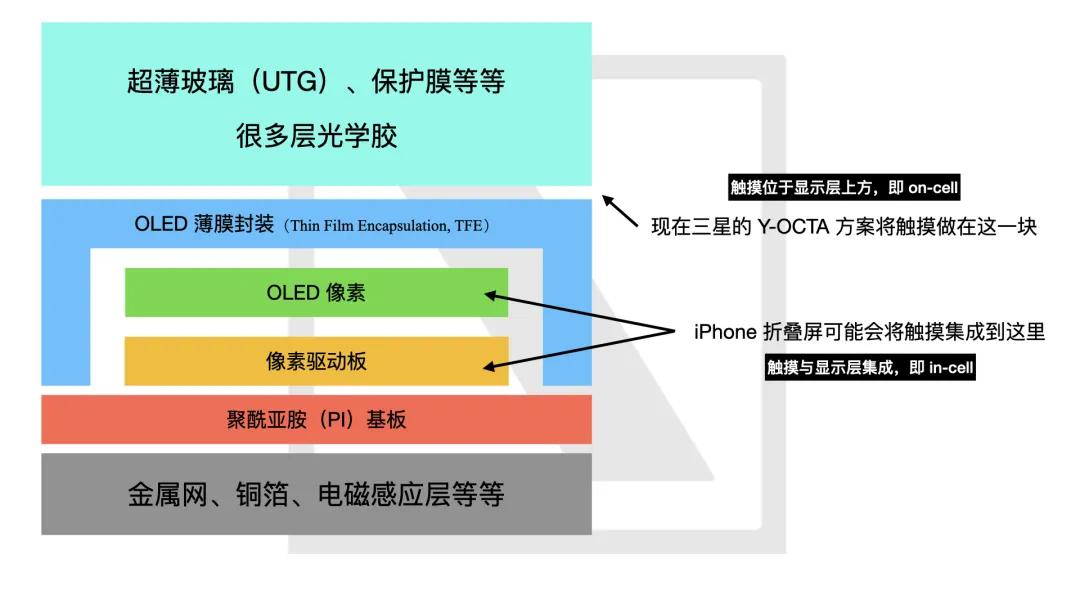
Apple also invested huge funds to persuade Samsung to abandon the Y-OCTA touch integration technology that it had used for many years, and separately develop a set of In-cell touch solutions, embedding the touch sensors inside the light-emitting pixels, thereby reducing the thickness of the screen film.
The thinner the screen, the smaller the bending stress, and the less obvious the crease will be.
Further reading: How does Apple make "foldable screens"? Using "capital power" on Samsung
More importantly, the hinge — Apple has equipped the foldable iPhone with a titanium-aluminum alloy hinge, which is lightweight and tough, and can maintain its strength after hundreds of thousands of opening and closing cycles.
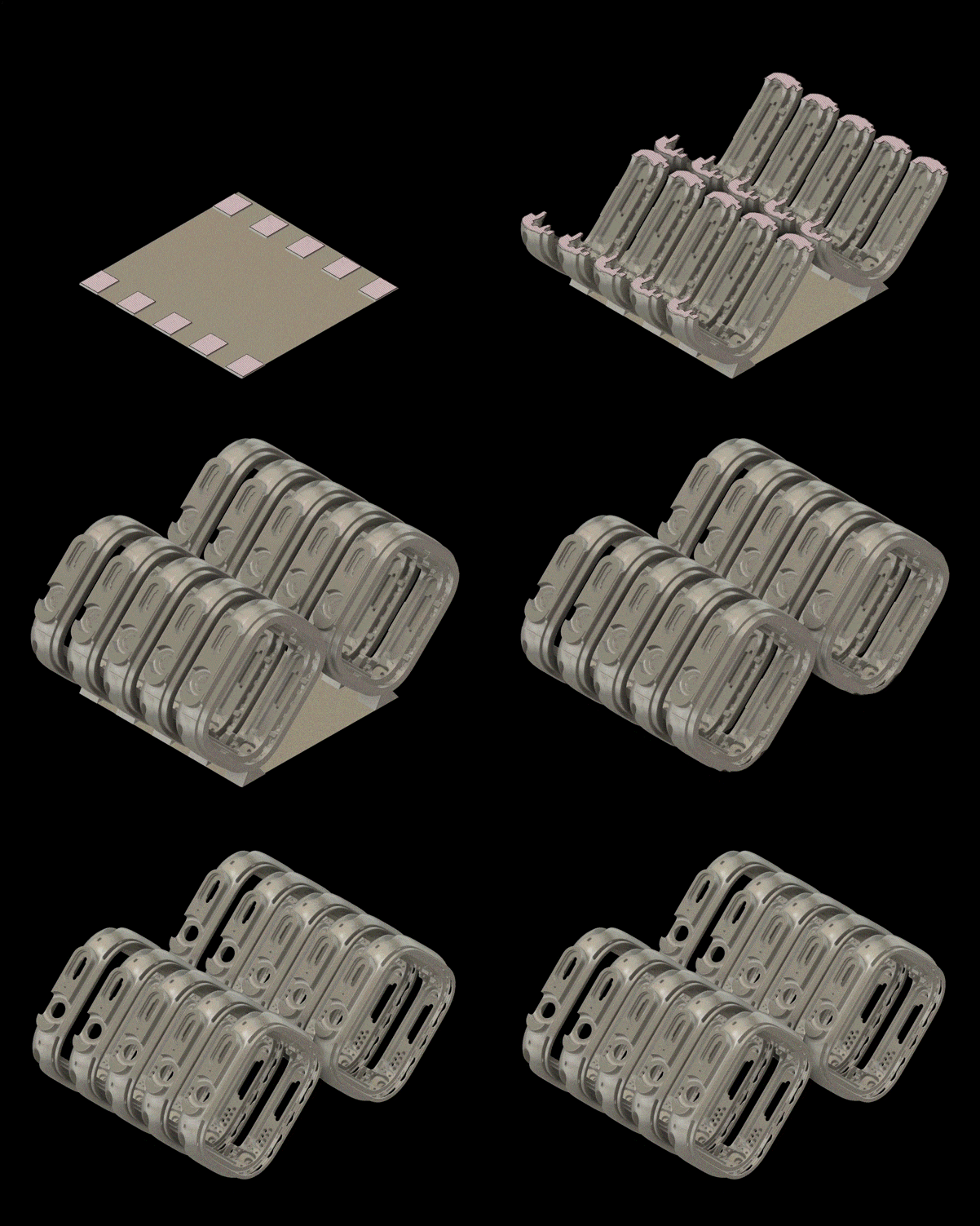
But the processing of titanium alloy materials is extremely difficult. Traditional material processing requires preparing a metal blank first, then cutting off the excess part. However, due to the high strength of titanium alloy, not only is the processing difficult, but it also easily damages the cutting tool and wastes materials. To this end, Apple adopts 3D printing, starting from titanium powder, fusing it layer by layer with laser, and finally forming the part.
This 3D printed titanium alloy process was first applied to the Apple Watch. ifanr previously had an exclusive interview with Kate Bergeron, Apple's Vice President of Product Design, who told us that Apple's machines for printing titanium alloy watch cases are equipped with six lasers. After each layer is completed, the platform moves down about 60 microns, then spreads powder for processing. It takes about 20 hours and stacks more than 900 layers to get the prototype of the watch case. Then the powder needs to be cleaned, the parts separated, CNC precision processed, and finally sandblasted and polished —
The resulting titanium alloy products make no compromises in precision and structural integrity, while cutting material usage by half.
Similar solutions are not unprecedented in the industry — OPPO's foldable screen phones Find N5 and N6 use a 3D printed titanium alloy hinge system, and the flatness of the inner screen is quite outstanding.
In the past ten years, Apple has accumulated a large amount of technology for the foldable iPhone, and carefully verified it step by step. Until today, the hardware of the foldable iPhone has finally become mature.

iPhone and iPad
What exactly is the use of a foldable iPhone?
Apple has a ready answer: the iPad.
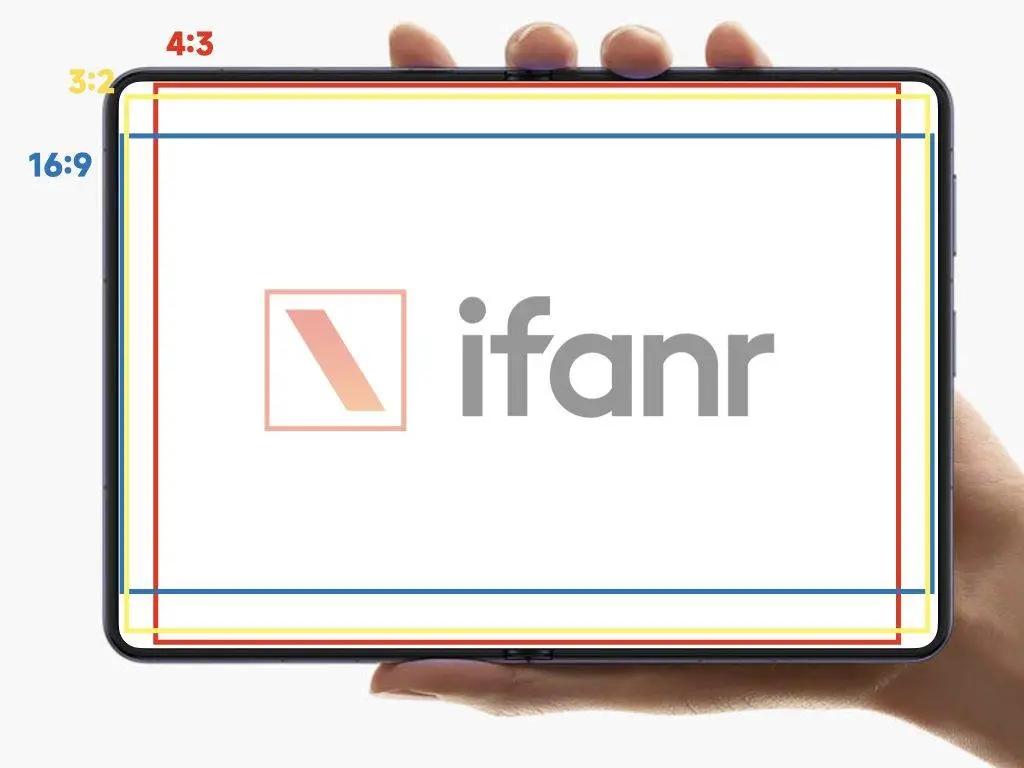
The inner screen of the foldable iPhone has a resolution of 2713×1920, with an aspect ratio of about 1.413:1, close to √2:1, which is similar to that of a pocket book. Therefore, the same content can be displayed more fully and densely on the inner screen, leaving more room for software design —
You can view the list and read the body of emails at the same time, expand the list and preview in file management simultaneously, and watch videos while replying to comments when scrolling through TikTok... These familiar experiences we have on the iPad now finally have the chance to be brought to the iPhone.
According to Bloomberg's exclusive scoop, Apple will equip the foldable iPhone with an interface similar to iPadOS, so that it can deliver an iPad-like experience when unfolded.
In fact, in iOS 27, Apple has added a large number of landscape interfaces for native apps, and system apps such as Weather and Music now have dedicated horizontal layouts.


Apple even requires developers to no longer design interfaces for fixed models and orientations, but to directly adapt to different sizes and aspect ratios to achieve support for different screen sizes.
In terms of interaction, Apple will add sidebars to more apps to make them more efficient when operating in landscape mode. In addition, the "split screen"