In 2022, his car suddenly traveled back to 2002, but the manufacturer told him: Wait until August 17.
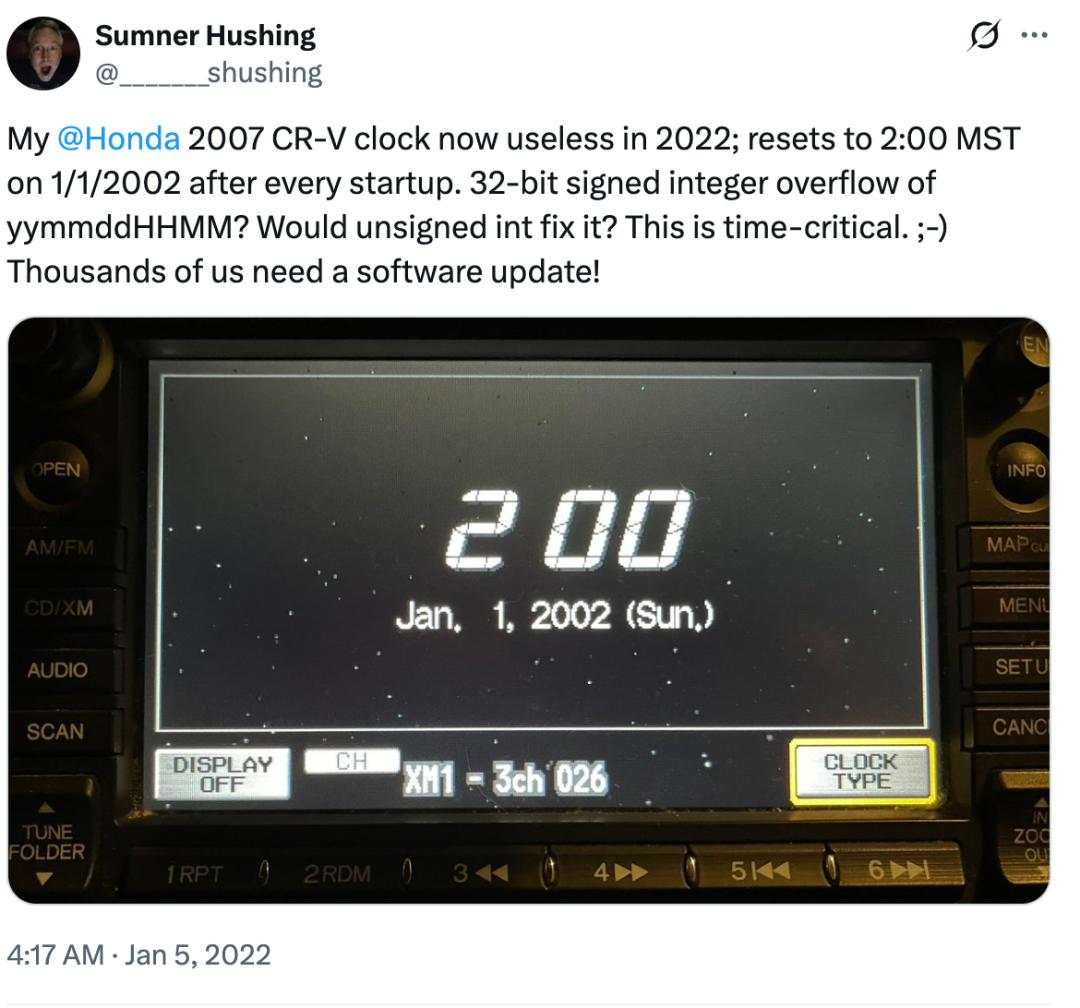
In early January 2022, an American car owner started his vehicle and noticed something wrong with the date on the central control screen:
Source: X
It displayed January 1, 2002, and the time was 2 a.m. When he woke up, the calendar in the car was 20 years behind.
He tried to reset the time, but soon found that the issue was more complicated than a simple misbehaving electronic clock. After turning off the engine and restarting the car, the screen lit up again, still showing January 1, 2002, 2 a.m. The same thing happened on the next startup.
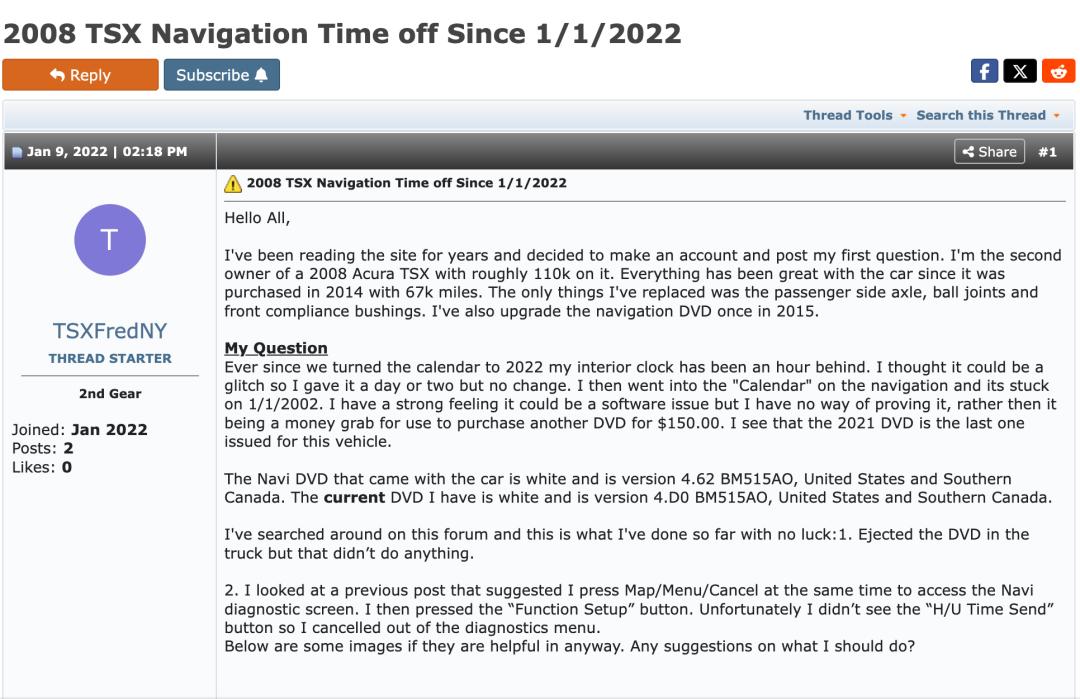
At that time, right after the New Year, similar reports emerged online one after another: many old cars that had been used for more than ten years suddenly had their dates roll back collectively to 2002, with their clocks going out of order as well.
Source: Screenshot
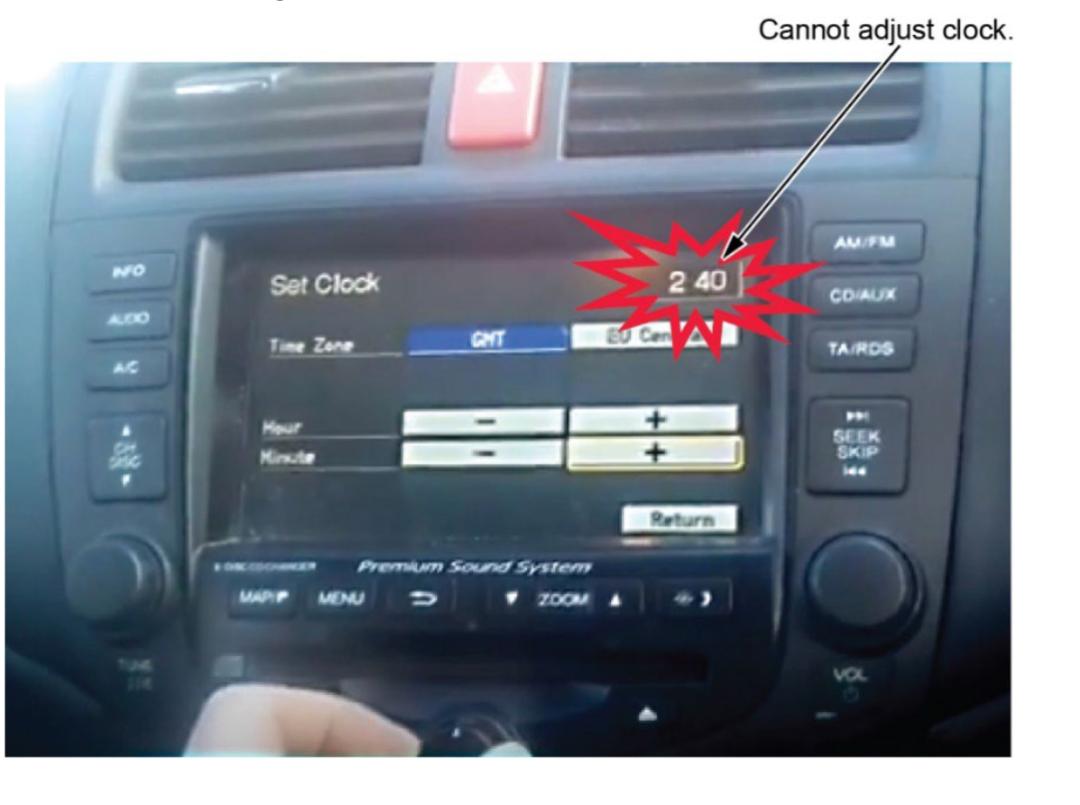
They had one thing in common: they were all equipped with the old-generation factory-original GPS navigation system. Later, the manufacturer also released a technical notice confirming this fault.
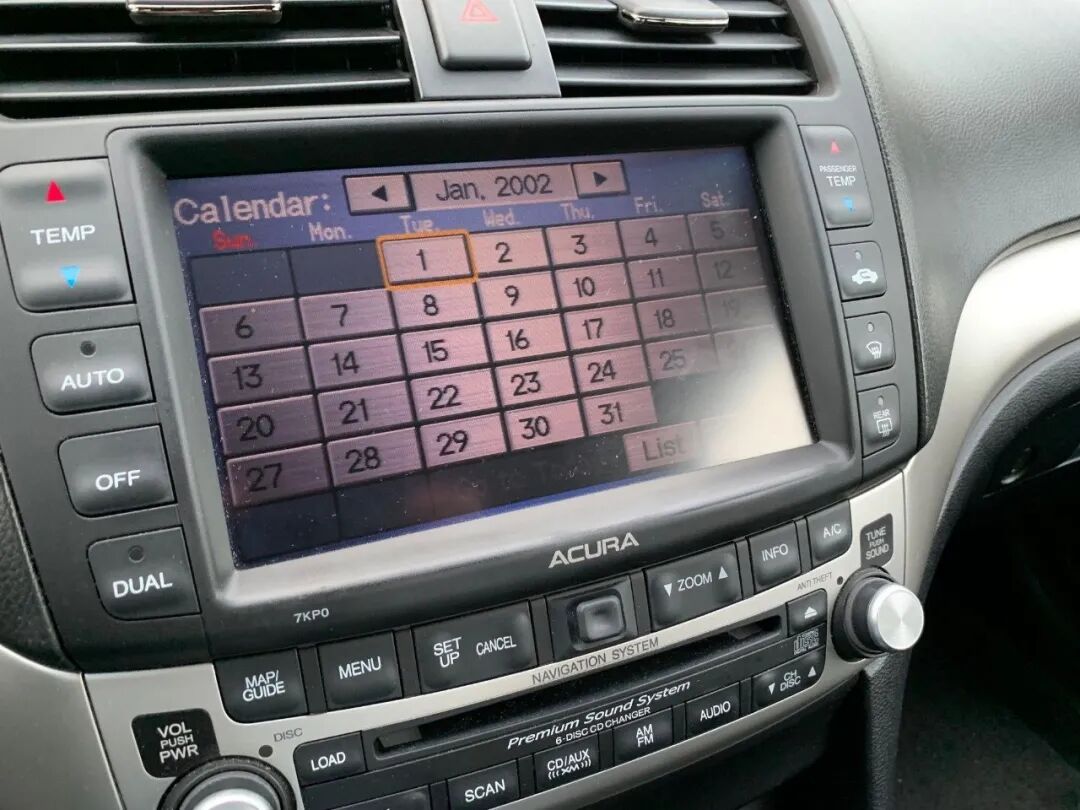
Some car owners opened the rarely used diagnostic menu of the navigation system to check what exactly went wrong inside. They found that the internal GPS date here was different from the recurring January 1, 2002 on the central control interface, it showed May 2002.
Source: acrazine
Some people subtracted the displayed date from the real date, and found that the system did not randomly jump back 20 years, but was exactly 1024 weeks behind.
Source: static.nhtsa.gov
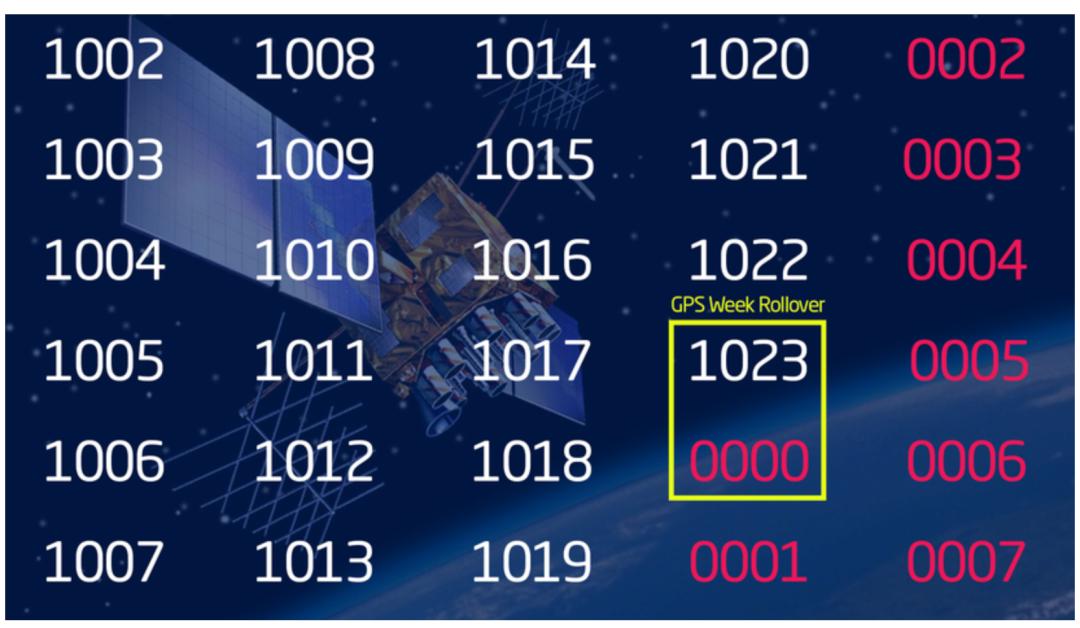
1024 is exactly 2 to the power of 10, and the traditional GPS navigation signal only reserves 10 binary bits for the "week number". The range of numbers it can represent is 0 to 1023. Every week, the number increases by 1. When it reaches 1023 and increments by 1 again, it will reset back to 0.
Source: essp
A full cycle is 1024 weeks, approximately 19.7 years. This phenomenon where the week number restarts from zero has a name, called GPS Week Number Rollover.
In this timing method, the week number transmitted by satellites is reused repeatedly. The receiver needs to combine its own date reference and program to determine which cycle the current "week number" belongs to. Devices that can handle it correctly will make up for the missing cycle; this batch of old systems made an error here, and the calculated date was exactly one full cycle behind, which is 1024 weeks.
The previous GPS Week Number Rollover actually happened in 2019, but these old navigation systems had different timing rules, so the problem did not actually occur until 2022.
The cause was found, but how to fix the problem?
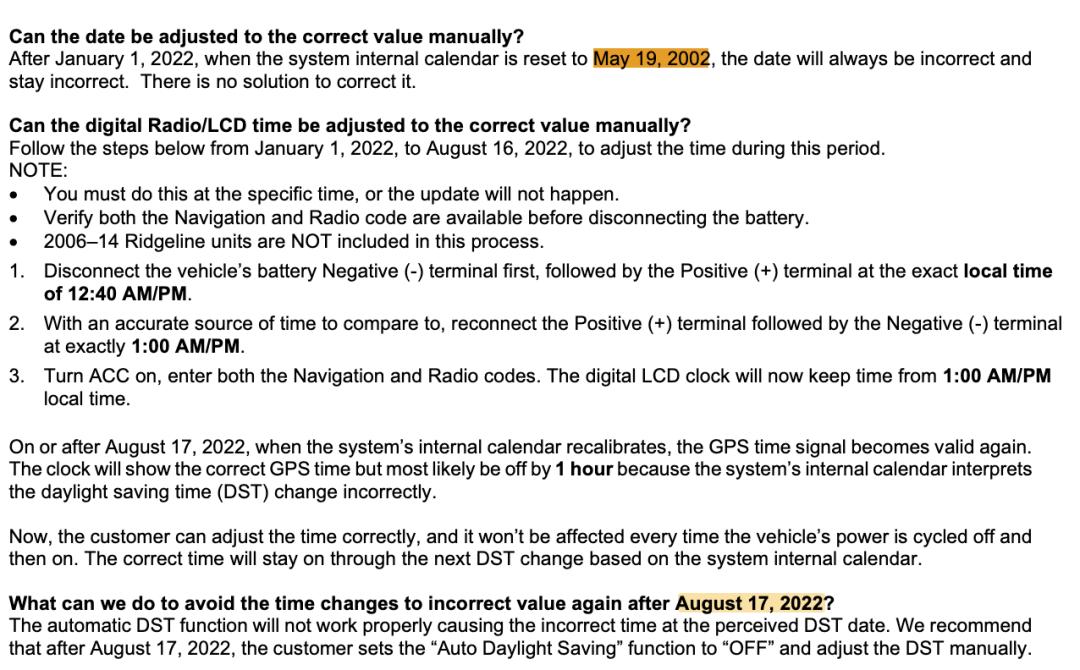
The technical notice later released by the manufacturer gave a very special solution. It did not provide a software patch that could solve the problem immediately, but told car owners to wait for a very specific date:
Source: static.nhtsa.gov
August 17, 2022.
The notice stated that after this date, the GPS time signal would become valid again, car owners could adjust the clock again, and the time would not jump back to the default value after restarting the vehicle. Counting from the beginning of the New Year, they had to wait for more than seven months.
Why exactly wait until August 17?
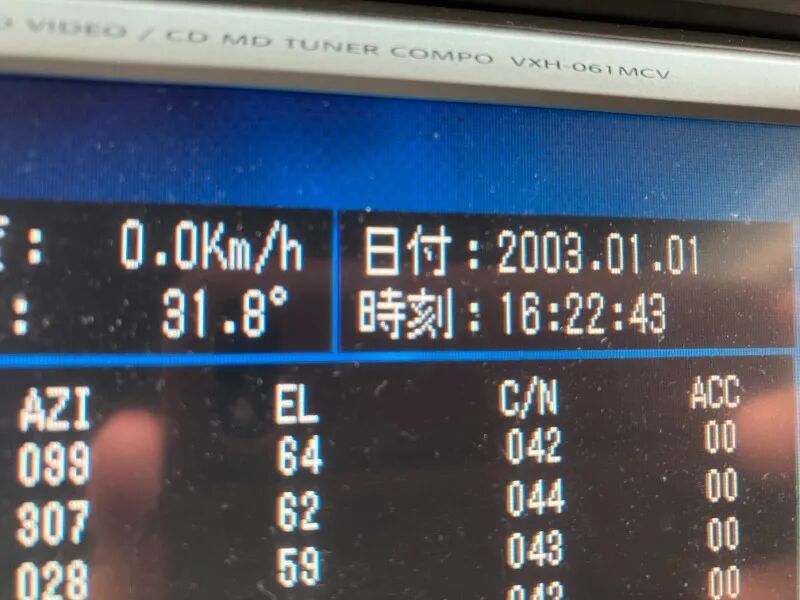
Because subtracting the missing 1024 weeks from this date will get a neat result: January 1, 2003. That is to say, when the real world reaches August 17, 2022, this faulty navigation system will finally usher in the first day of 2003 internally.
Source: minkara
Some car owners also used a GPS signal simulator to test this in advance. The simulator can make the receiver receive GPS signals of a specified date, which is equivalent to sending the navigation system alone into the "future". When simulating the date in early 2022, the system did roll back to 2002; when the simulated date was pushed to August 17, the clock started working again and could be adjusted normally.
This means that without waiting for seven months in the real world, the date given by the manufacturer can be verified on the machine.
Later, August 17, 2022 really arrived. Reports from car owners emerged online one after another: the clock could be adjusted again. Some people reset the time, then turned off the engine and restarted the vehicle, and found that it finally no longer jumped back to the wrong default time.
This "time travel" that lasted for more than seven months actually passed by just waiting.
These old cars can finally adjust the time correctly again. As for what year it is this year, they are still a little confused.
References:
American Honda Motor Co., Inc. (2022). Clock Repair Procedure. ServiceNews Article A21120B, Version 2, January 2022.
American Honda Motor Co., Inc. (2023). Clock Repair Procedure for Vehicle Navigation Systems Using the Turquoise Map Disc. ServiceNews Article A21120B, Version 3, June 2023.
National Coordination Office for Space-Based Positioning, Navigation, and Timing. GPS Week Number Rollover. GPS.gov.
DogP. (2022). “Navi/Dash Clock Sync MEGATHREAD.” AcuraZine, January 2022.
This article is from the WeChat official account "Bring Science Home" (ID: steamforkids), written by the editorial team of *Universal* magazine, 36Kr publishes this content with authorization.