Two brothers started the business from scratch, with total revenue exceeding 400 million yuan: there are extremely few competitors in the UE5 ultra-realistic track.
Today, we at Game Grape have to talk to you about this hidden gem game, Bodycam.
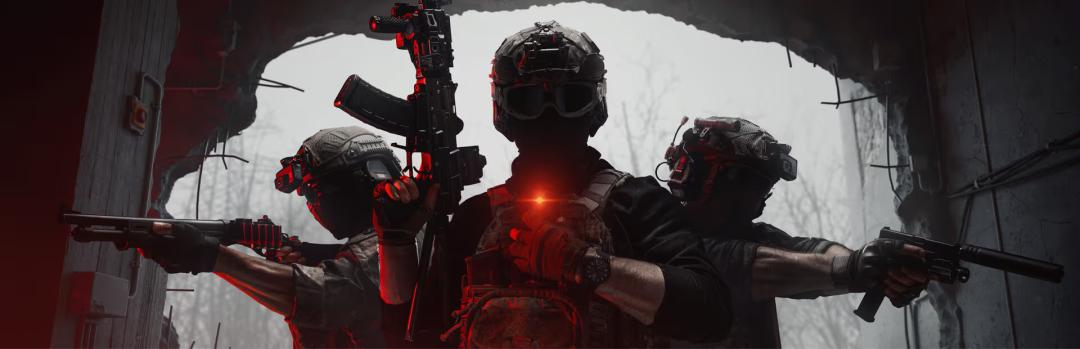
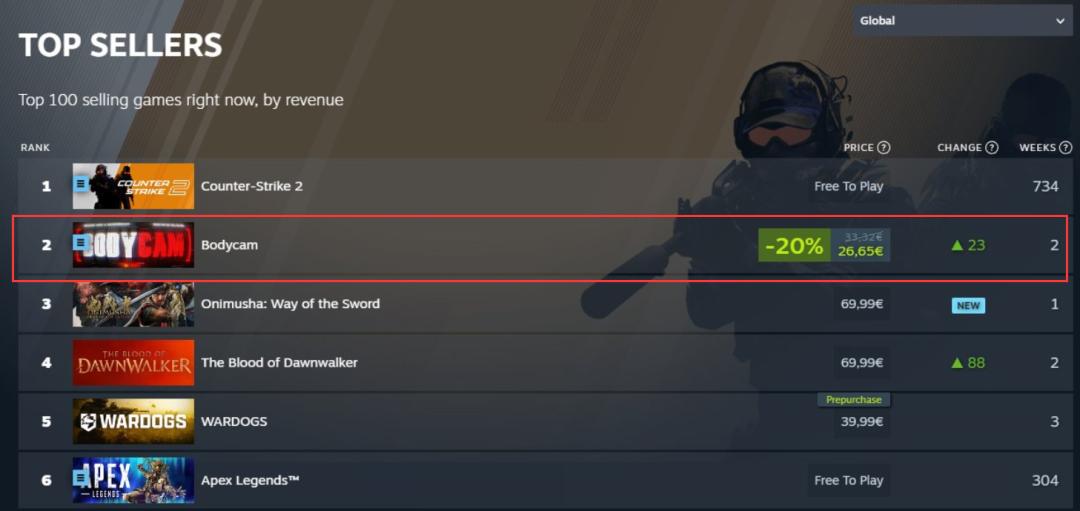
In June 2024, it launched its Early Access test on Steam. It received a massive 0.8 update two days ago that overhauled nearly the entire game, leading to a sharp surge in concurrent players that hit an all-time peak of nearly 39,000, and even briefly ranked 2nd on Steam's global bestseller list.
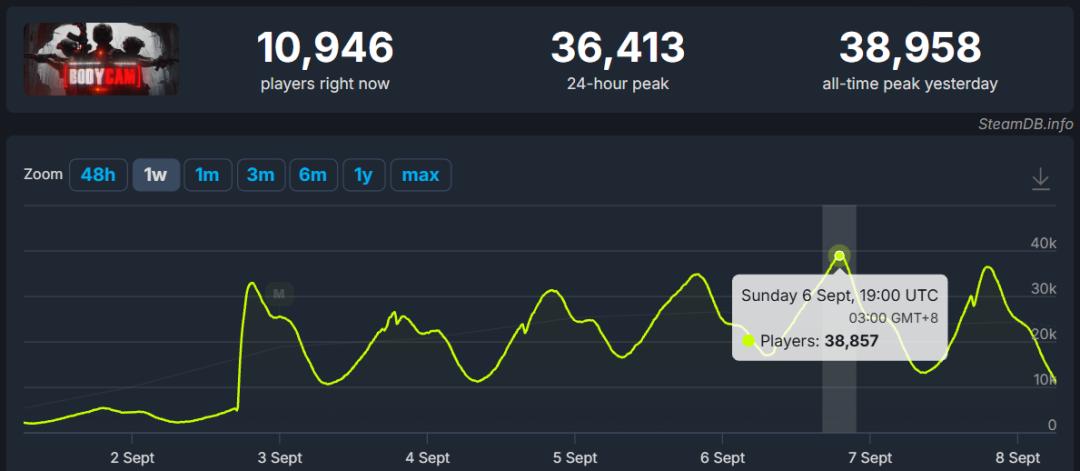
Even though its concurrent player count is not as high as those breakout indie hits, the game has earned a staggering amount of revenue. According to third-party statistics, over two years since the launch of its Early Access test, Bodycam has sold more than 2.5 million copies in total, with total revenue reaching 65.4 million USD (approximately 438.9 million RMB).

Surprisingly, this highly profitable game was initially developed by only two brothers.
In 2017, the 17-year-old Luca and 20-year-old Leo founded the indie game studio Reissad Studio. Bodycam is their second game, developed with Unreal Engine 5, and it was originally a project made to test the engine's lighting effects.
However, leveraging the powerful performance of UE5, the hyper-realistic theme and bodycam recording concept popularized by Unrecord, Bodycam sold 800,000 copies in its first week of Early Access, raking in 80 million RMB.
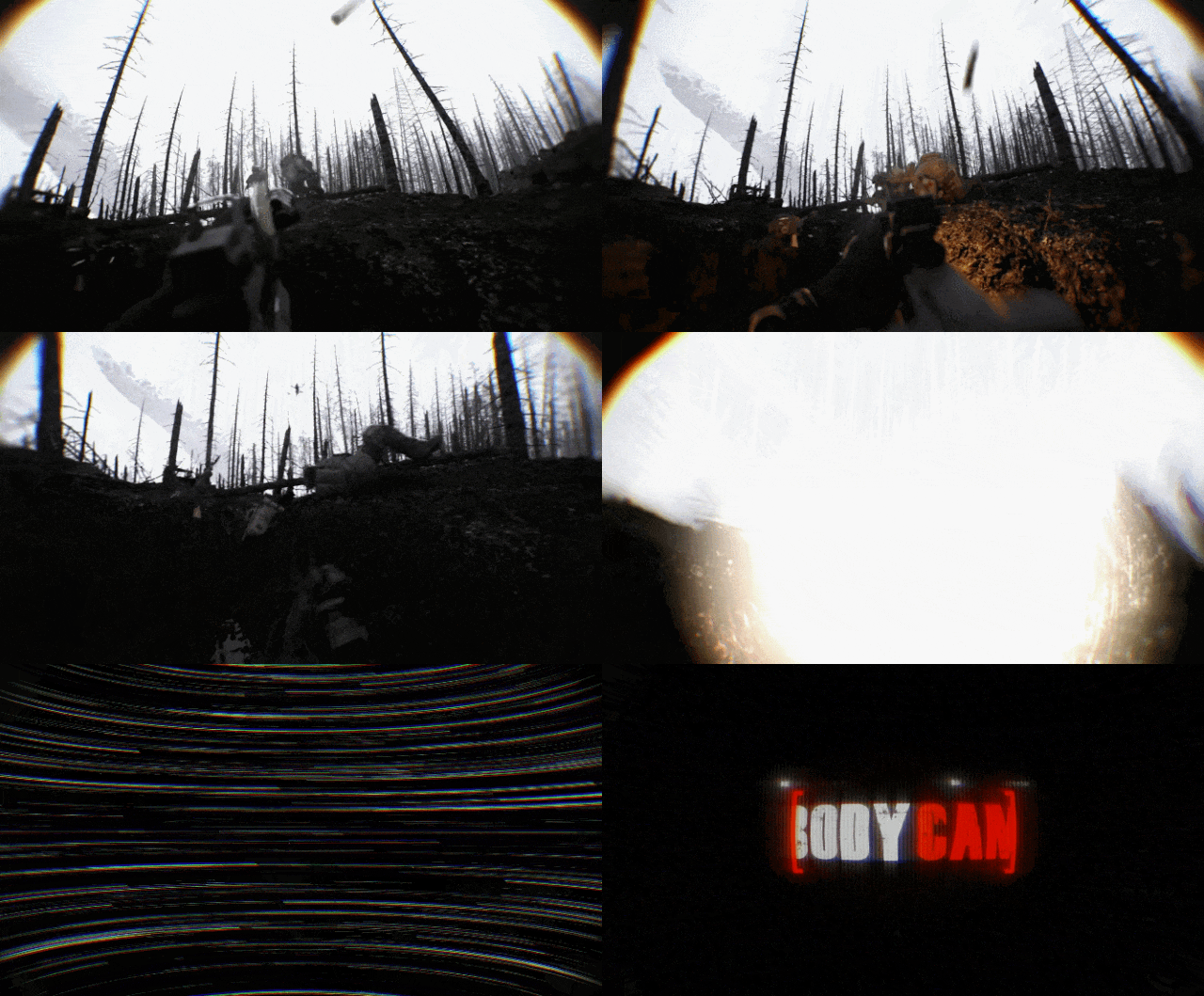
Yet due to the controversy over creative plagiarism and its unfinished, unpolished state, Bodycam did not have a good reputation at the time, with only a little over 70% positive reviews on Steam. After this latest update, more than 12,000 users have given Bodycam 84% positive reviews in the past 30 days, and the game's public praise has gradually improved.
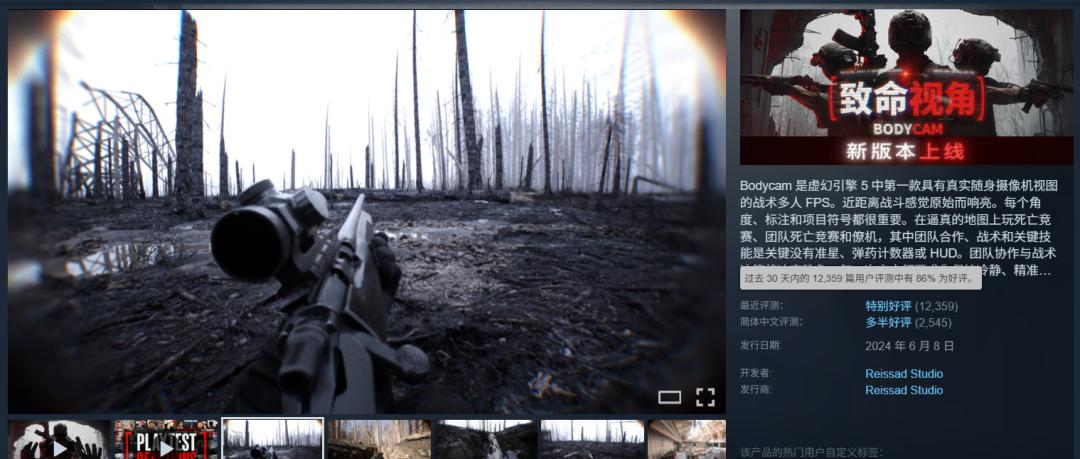
Most notably, as Bodycam gradually turns its former gimmicks into real tangible features, it has adopted a number of very new technical solutions, which is of great significance for the exploration and progress of the FPS game genre.
01
A Hyper-Realistic FPS That Goes Far Beyond Mere Gimmicks
The reason Bodycam is called a "hyper-realistic" game is not only that its scenes are rendered extremely lifelike, but also that it uses bodycam-style filters to make the atmosphere players feel in the game world infinitely close to real-world experiences.
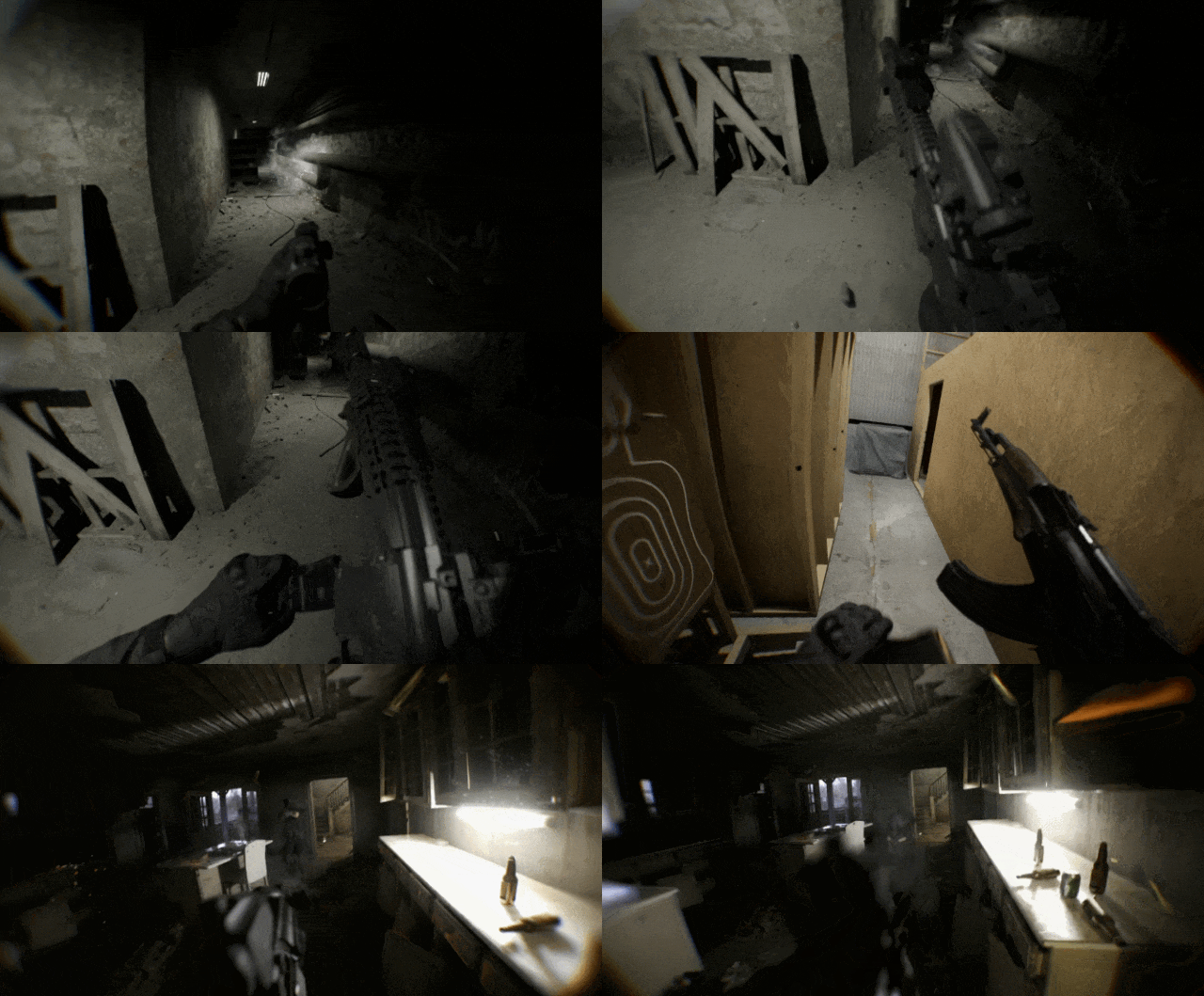
In traditional FPS games, developers usually first design a camera that simulates the main perspective of the player character, then attach the character's arms and held weapons to the camera to present a seemingly first-person visual effect.
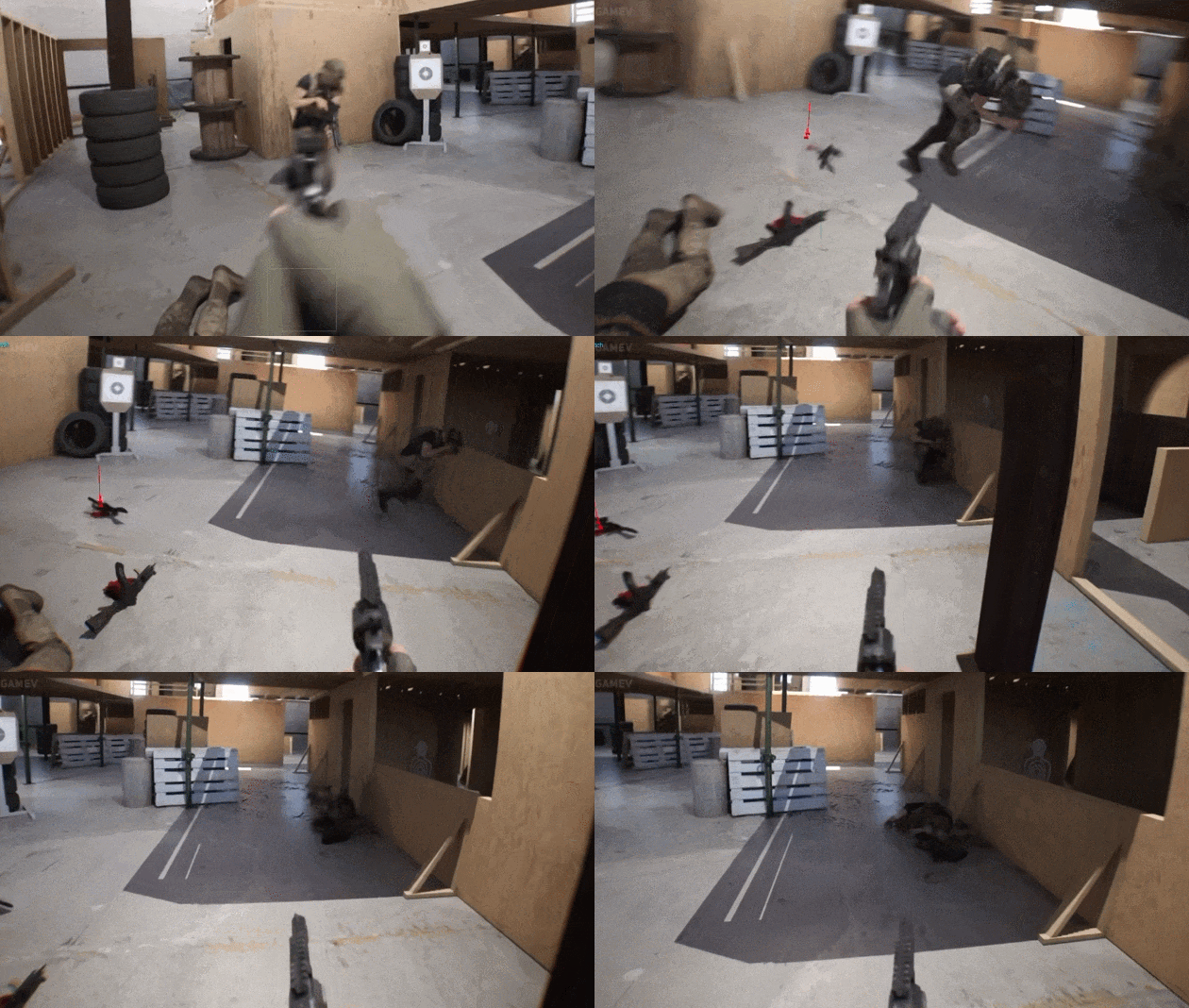
But in Bodycam, the player's arms, torso, lower limbs, and weapons are all realistically connected based on physical properties, making all character movements and weapon interactions far more authentic and natural.
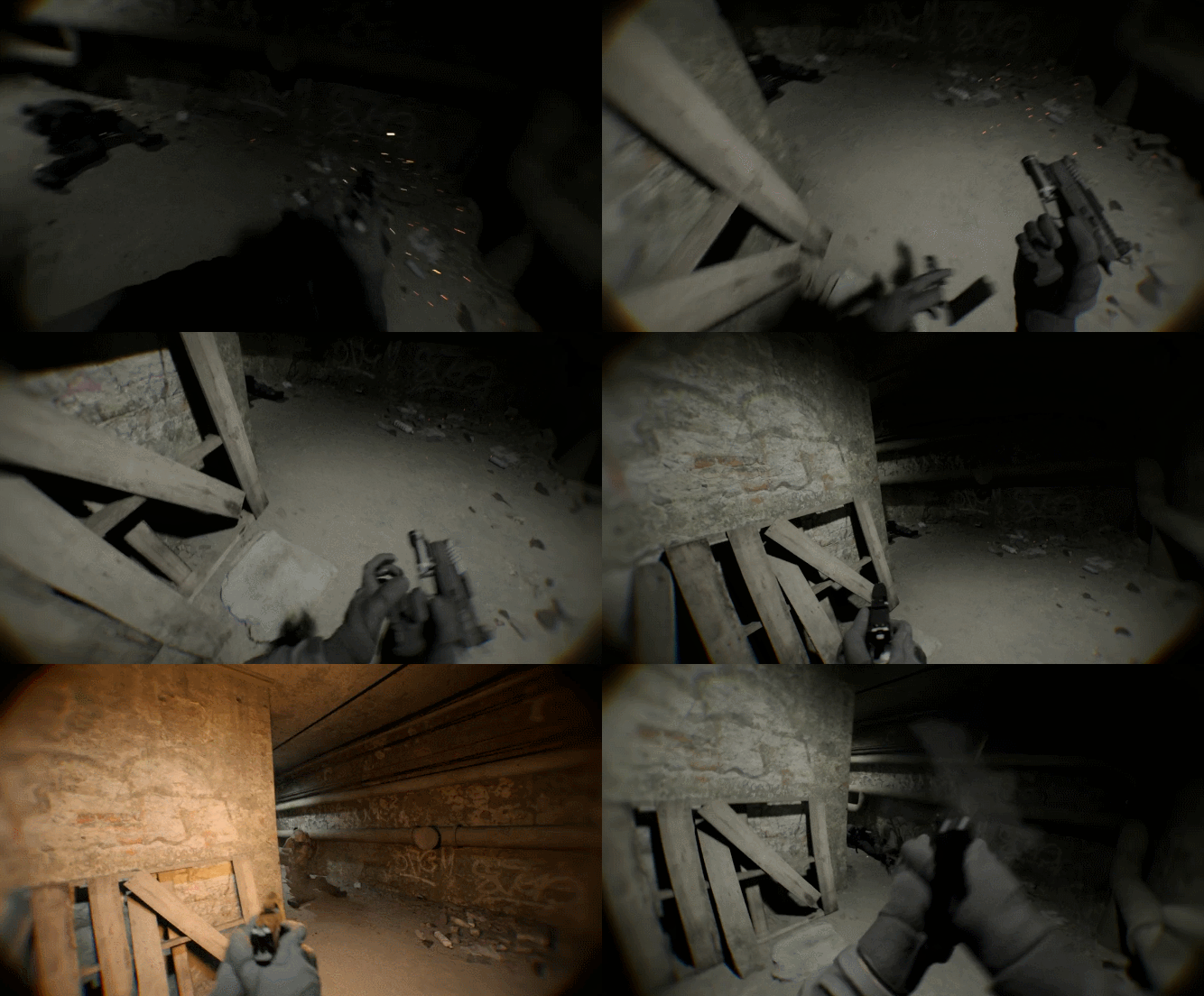
At the same time, the game adopts the perspective of a camera actually worn on the character's head, adding a filter to the screen that reproduces the wide-angle effect of fisheye lenses, edge distortion, and the perspective effect of closer objects appearing larger and farther objects appearing smaller, delivering a truly immersive first-person visual experience.
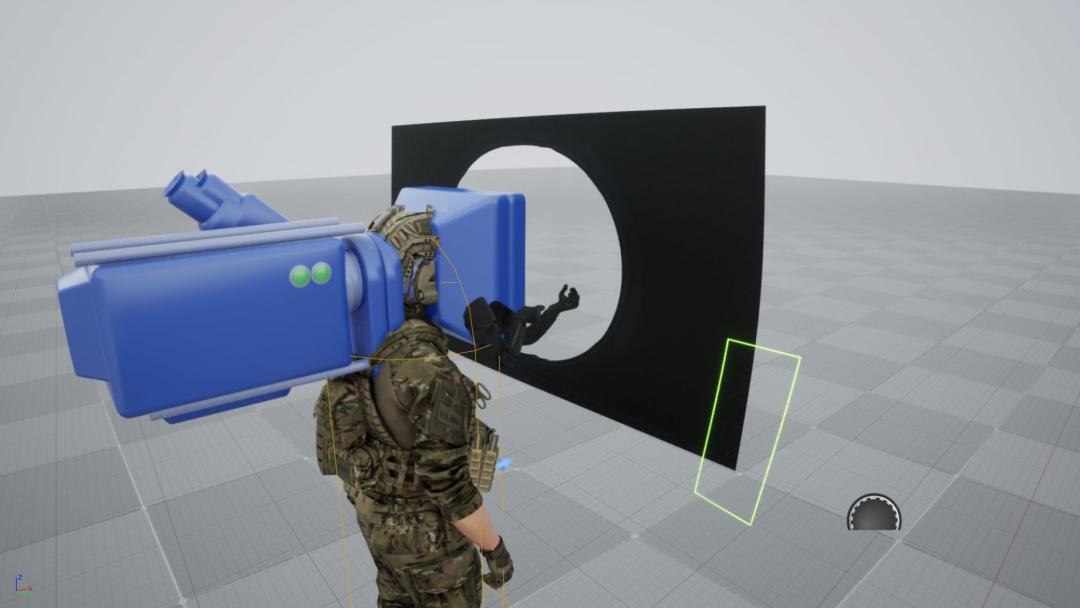
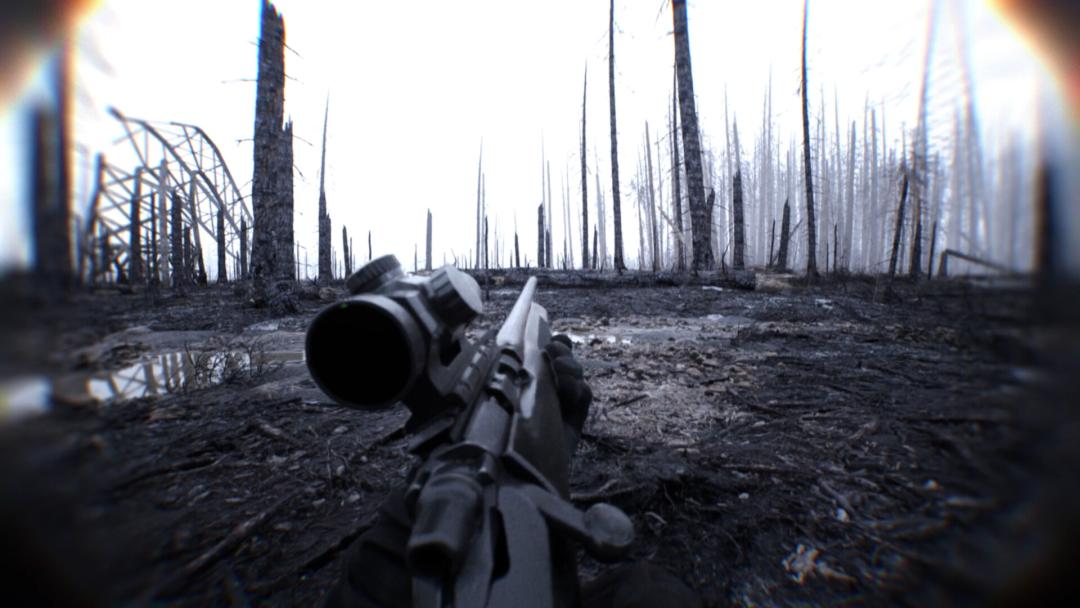
In its early versions, the most realistic parts of Bodycam were the elements mentioned above, with the camera concept accounting for the majority, while the rest of the modeling, lighting, and texture parts relied almost entirely on the built-in features of UE5 to achieve realistic effects.
The gameplay itself does not have much innovation, and is generally similar to traditional competitive FPS games, including 2V2 and 5V5 modes. There was also a zombie mode released in the past, all of which are gameplay that FPS players are very familiar with.

So strictly speaking, at this stage, Bodycam was more of a gimmick than a polished experience.
But from last year to the first half of this year, Reissad Studio almost remade the entire game. Its depiction of realism began to go beyond the level of visuals and image quality, achieving a qualitative leap. This makes the new version's introduction video look like a showcase of a technical arsenal.
First, there is a stress system that makes the character's state affect all kinds of movements.
People perform different movement details when they are calm versus in extreme situations, and the accuracy of the same movement decreases as their condition worsens. Based on this, Bodycam has created different variations for every supporting movement of each gun.
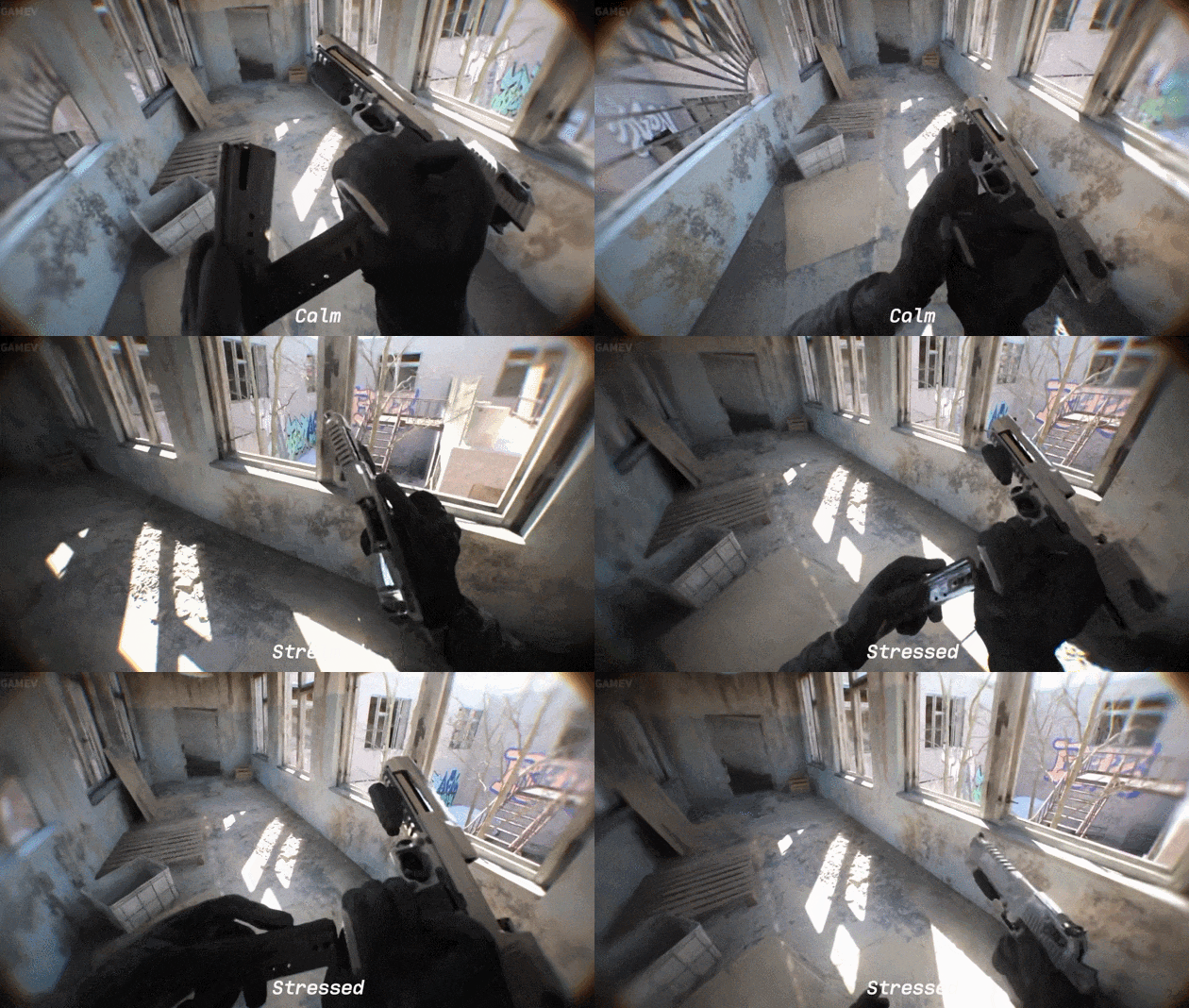
When players fire too many shots, the character's hands will tremble and they may even lose grip of their weapon; when the character is under high stress, their reload movements will become hasty, they may misalign the magazine, or even make a direct mistake.
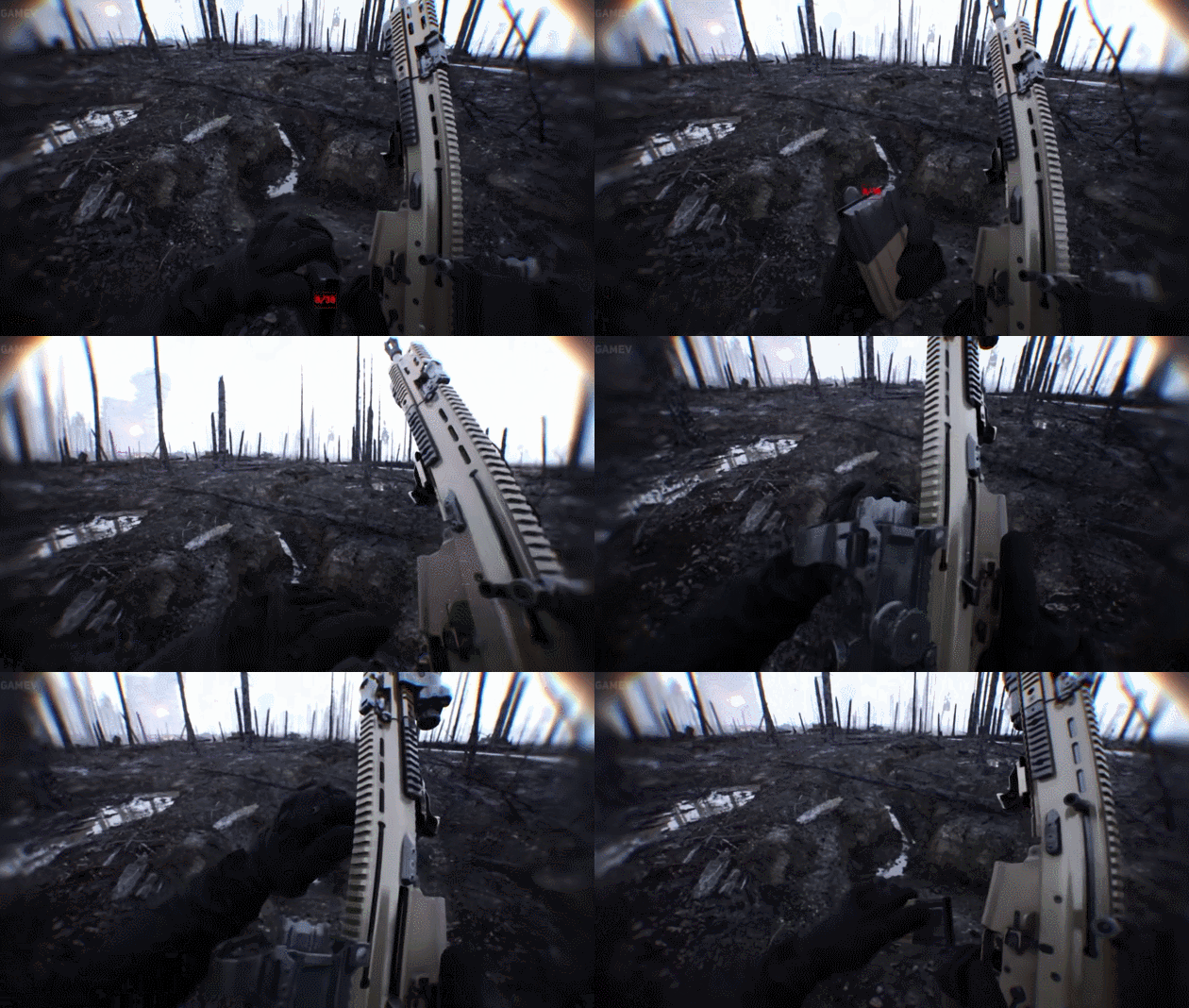

There are countless such fine details. For example, for a revolver, the reload movement after firing one shot is unique, the movement after firing two shots is different, and so on, with a separate set of movements for when the magazine is completely empty. Even the action of pulling the bolt has multiple variations.
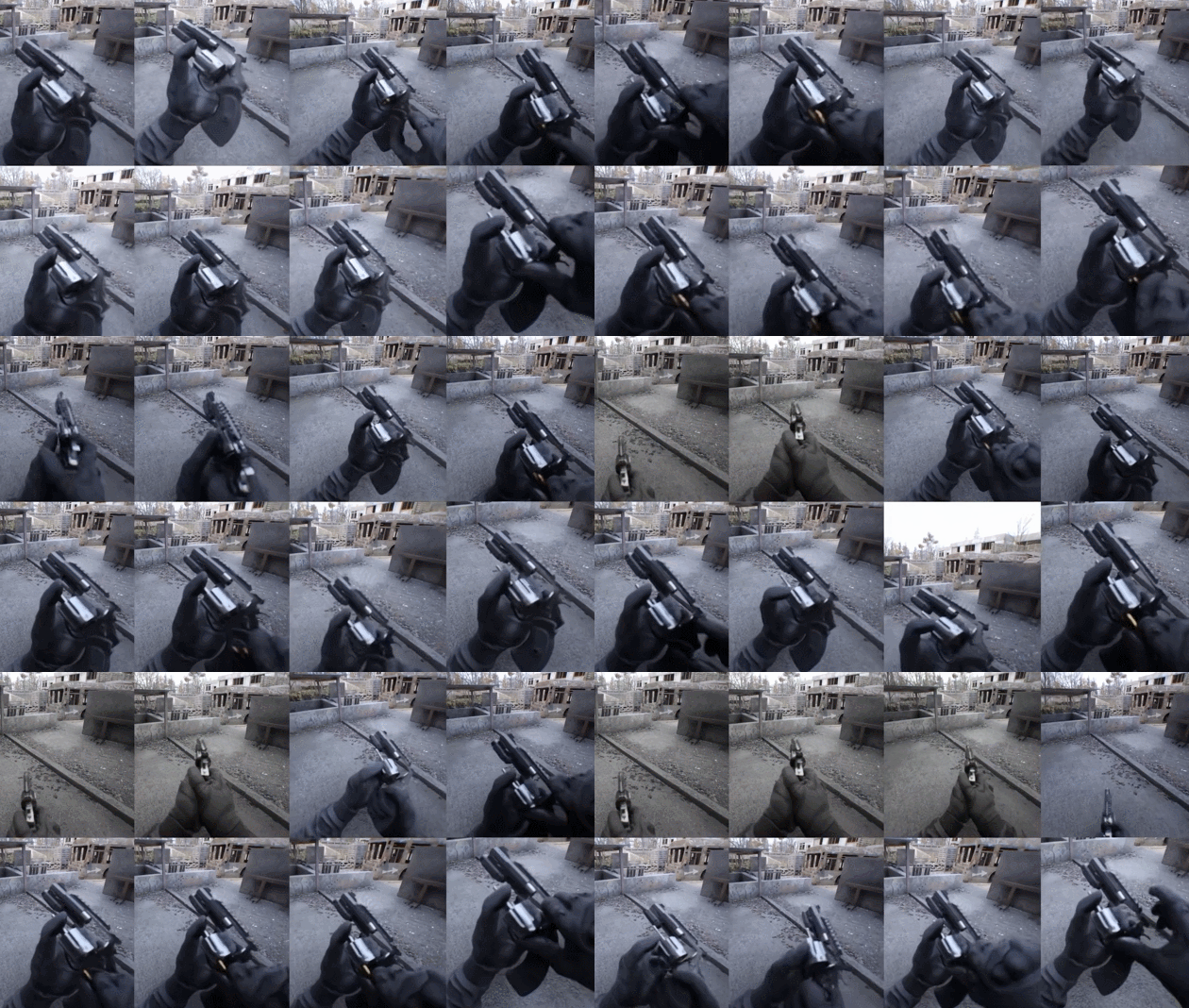
All of these movement details were roughly designed by the development team based on reference images first, then tested and recorded in real life, before being hand-animated one by one inside the game engine. The level of detail polishing is extremely meticulous.

In this game, firearms can also be modified, and different modifications to the same weapon will lead to subtle differences in corresponding interaction effects.

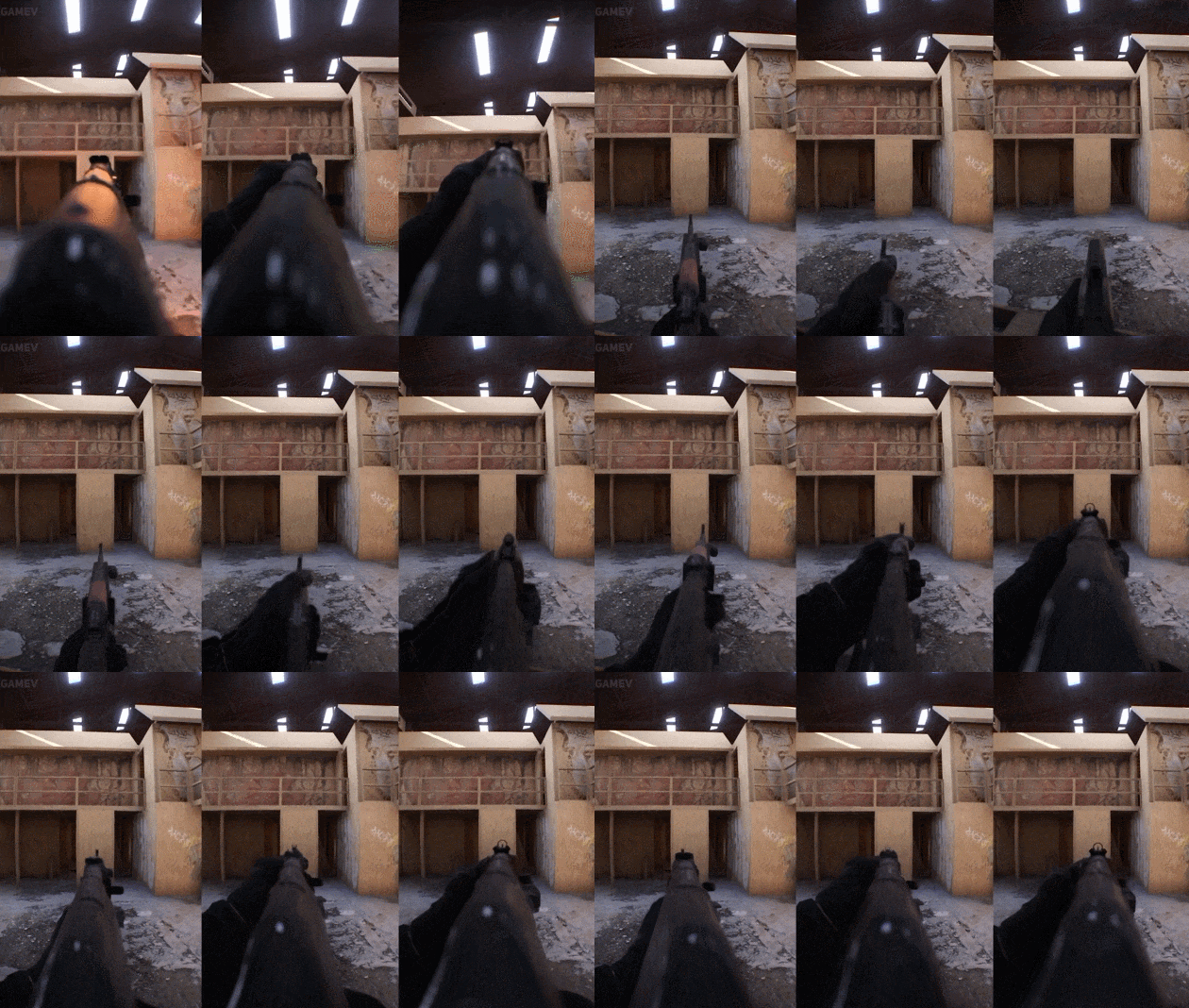
Seeing these details, many players can't help posting bullet comments saying: "This alone is already worth the price of admission."
But Bodycam has an even more impressive highlight: the ragdoll tripping system.
The early versions of Bodycam were already known for their ragdoll system, which is the foundation that allowed them to create distinct features in camera movement, animations and other aspects. But they did not stop there, and have continued to dig deeper into this system over the past two years.
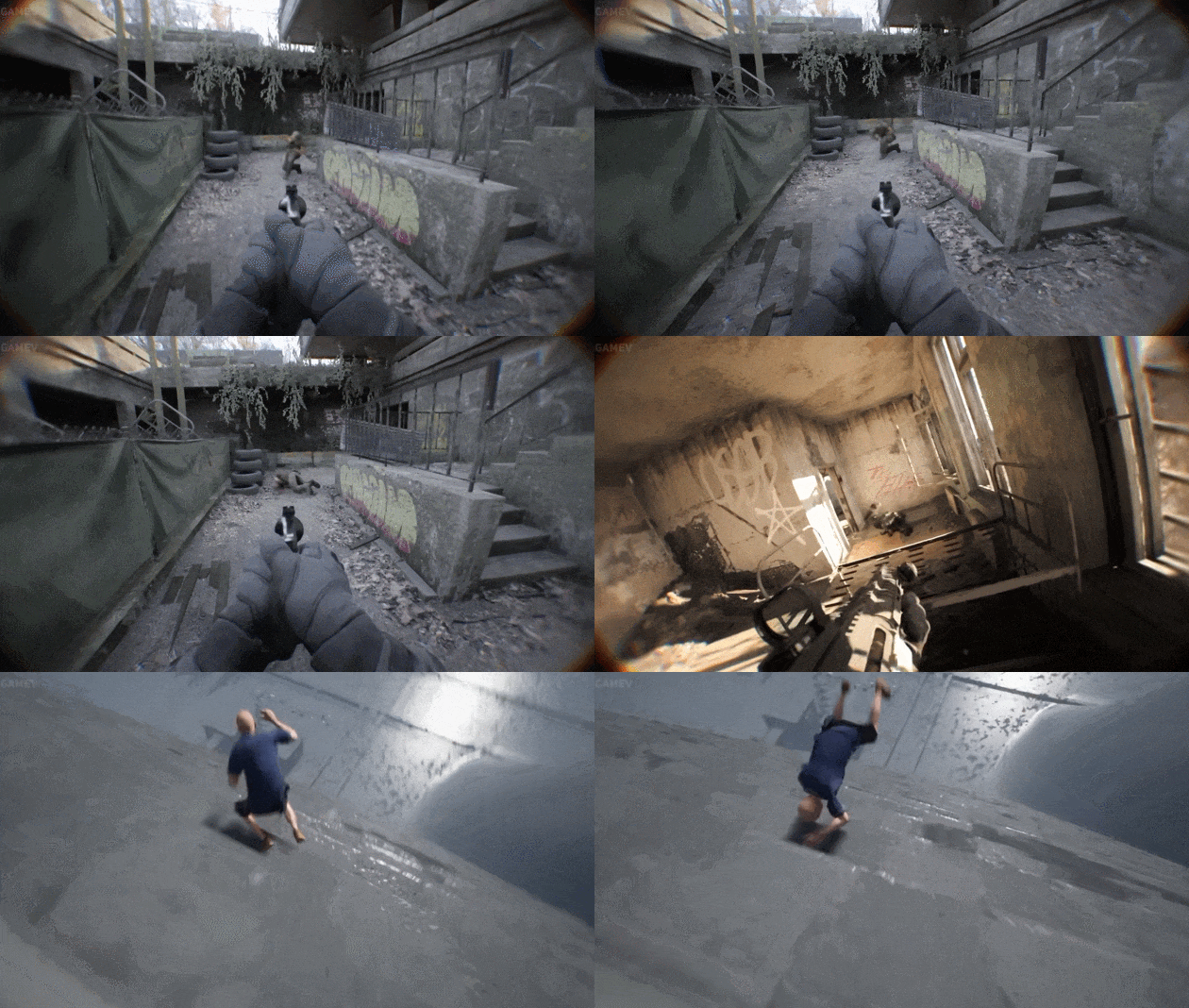
Real-time object balancing is one of the most difficult challenges in procedural physics. Terrain, slope, movement speed, impact force, damage, and the exact spot on the player's body that each bullet hits will all affect the falling movement of the hit character.
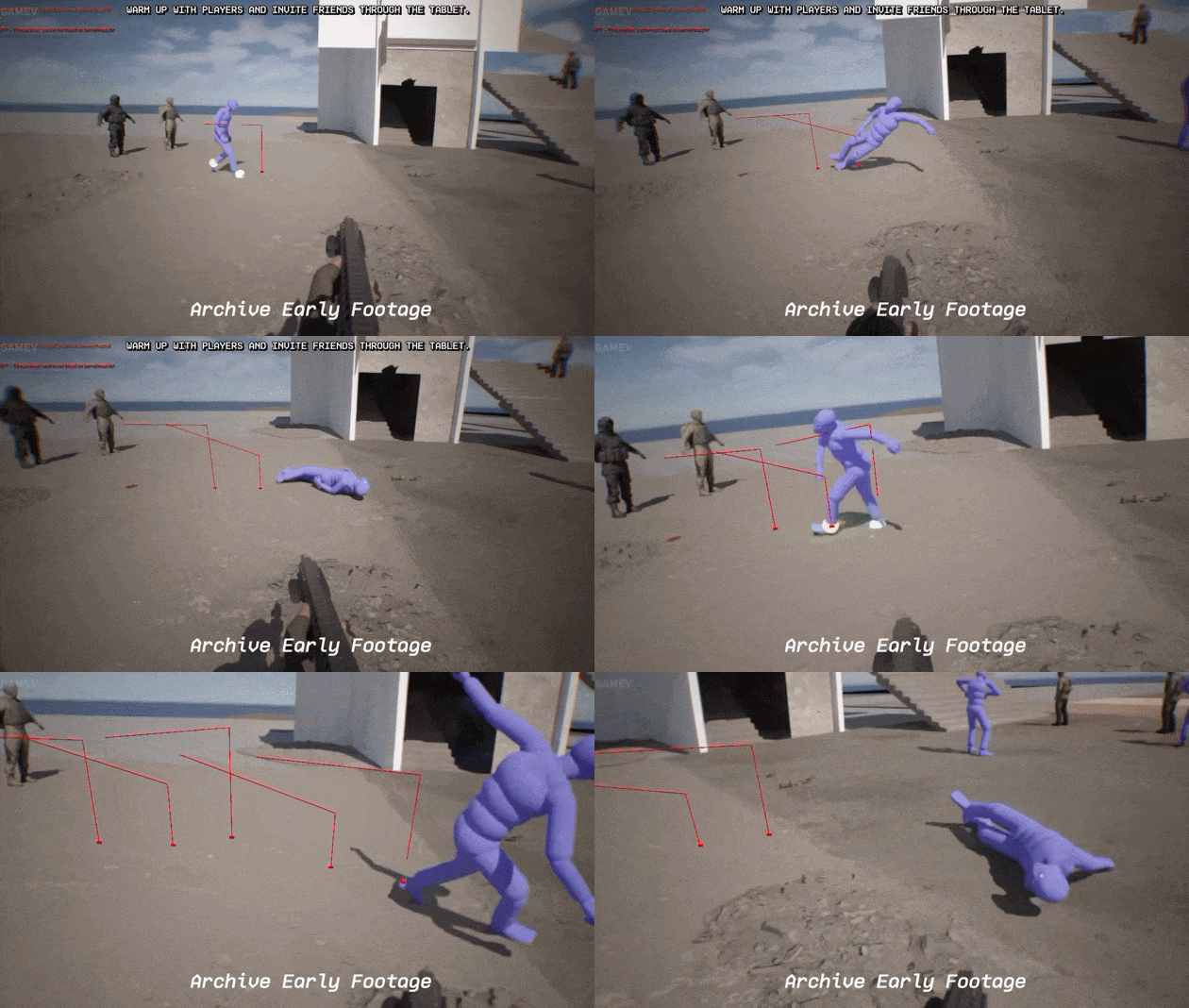
The ragdoll tripping system is a fully procedural self-balancing system that simulates human instinct, making game characters dynamically try to maintain a standing posture when falling, without being controlled by pre-made animations or scripts at all.
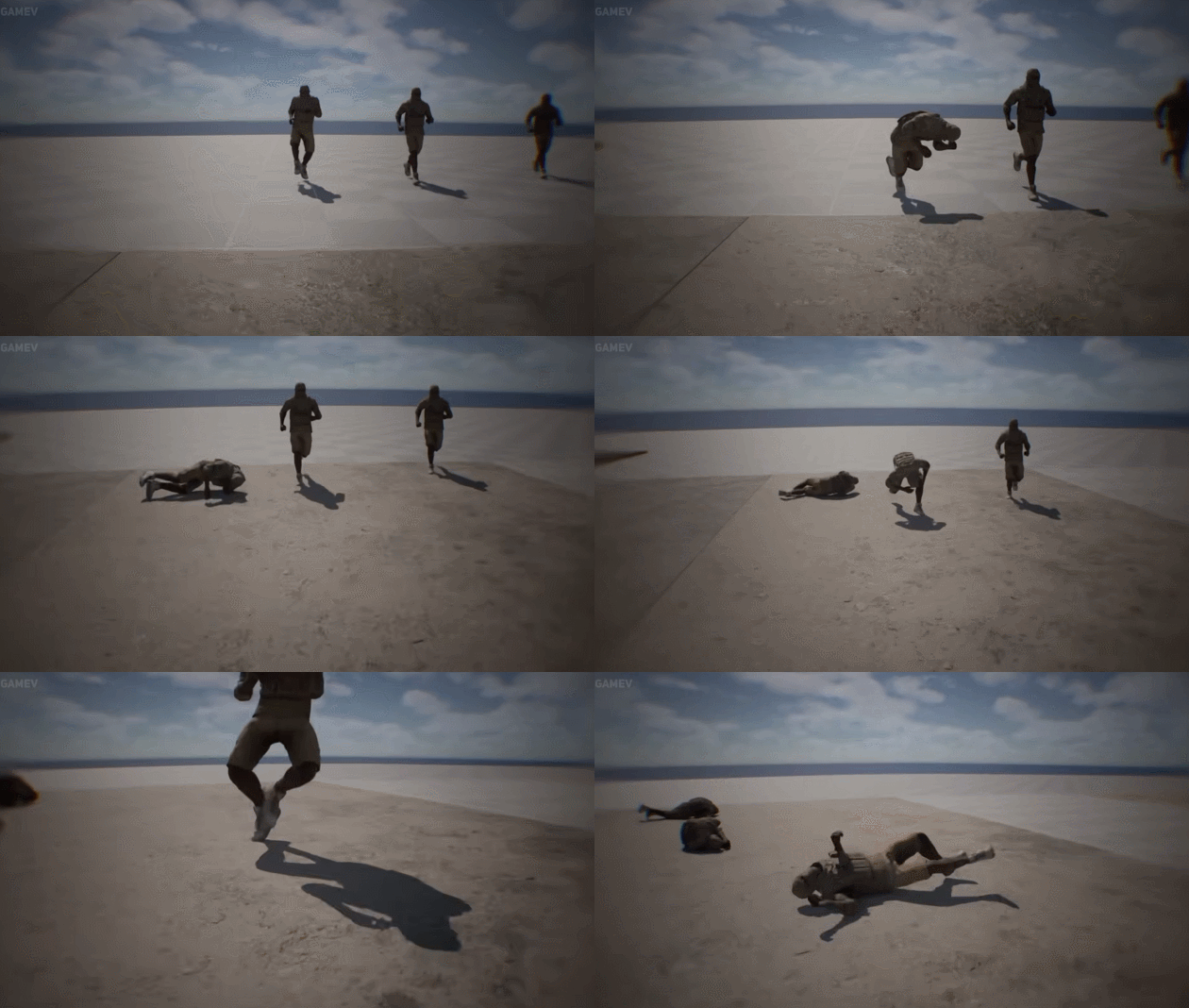
So in the current version, when a character takes damage that is enough to affect their balance but not immediately disable their movement (such as non-fatal gunshot wounds, shrapnel impacts, knife wounds, etc.), they will show real human reactions of subconsciously trying to stay balanced, or muscle spasms caused by severe pain.