How did the ChinaGT, in which both Wang Yibo and Daniel Wu participated, end up disgracing itself on the international stage?
This weekend's Chinese motor racing scene seems rather embarrassing.
A serious crash took place at the China GT Shanghai stop the day before yesterday.
When the race reached Lap 7, Car No.37 and Car No.33 collided with the side of Car No.91 while fighting for position. Car No.91 instantly caught fire, lost control and crashed into the barrier.
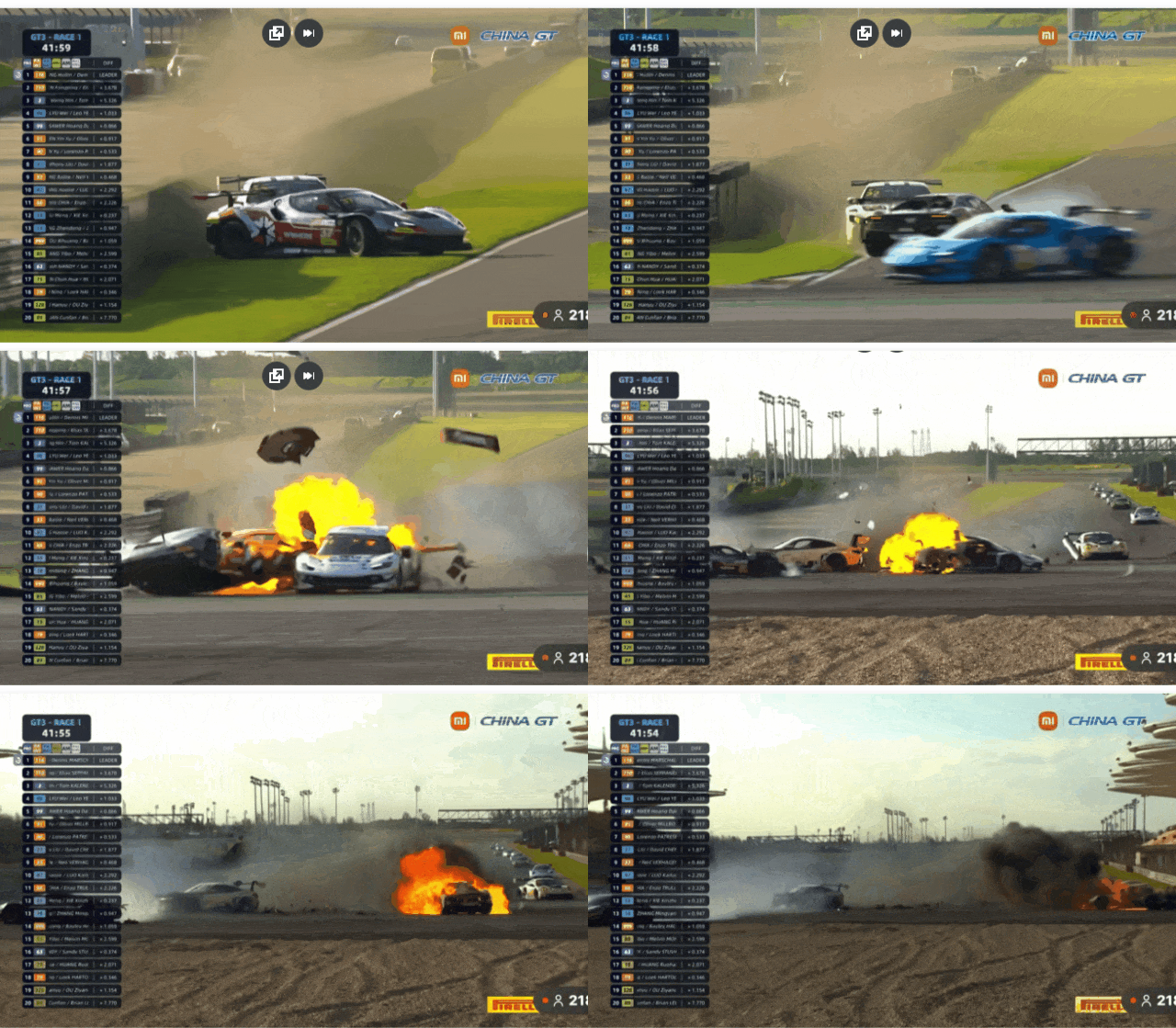
Up to this point, it was just an unfortunate accident. Motor racing is inherently a high-risk sport, and all drivers are fully aware of that.
However, the organizer's actions within 1 minute after the accident exposed a major safety loophole in China GT.
When a car is on fire and the driver is trapped, what is the first reaction of everyone present?
To rush to save the person, right?
But oddly enough, the on-site staff did not arrive quickly to handle the situation.
Amid the extremely urgent situation, the first person to reach the scene was driver No.79, Hatoog.
Seeing the massive fire ahead, he abandoned his own race results, drove out of the track and rushed to rescue immediately.
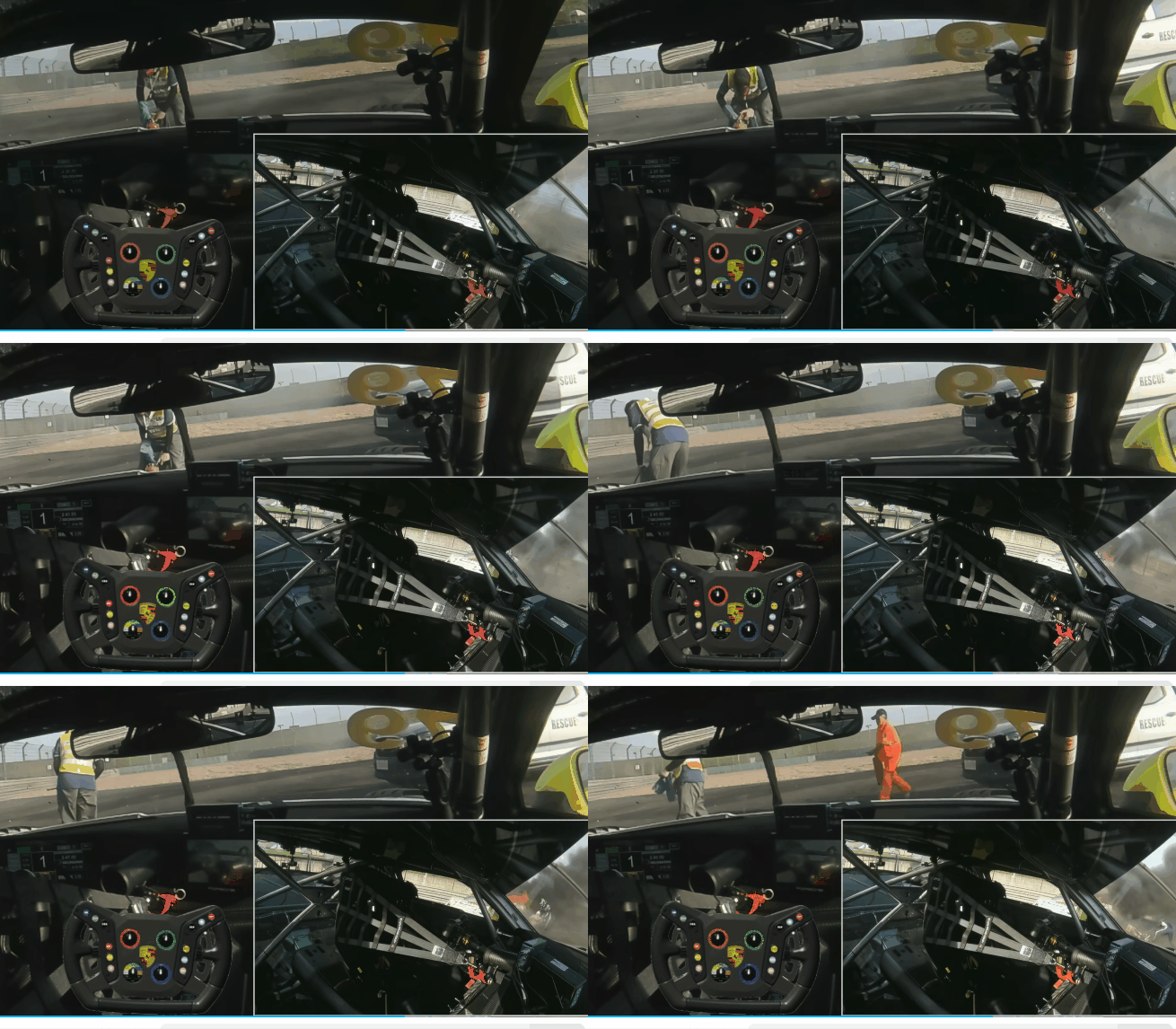
According to his in-car recording, there were only three staff members outside the left-side fence at that moment.
In the booth on the left, one marshal (track staff) was waving double yellow flags (indicating accident/debris ahead, requiring drivers to slow down, prepare to stop and no overtaking allowed), while the other two looked like security guards in charge of order, with no formal rescue personnel present.
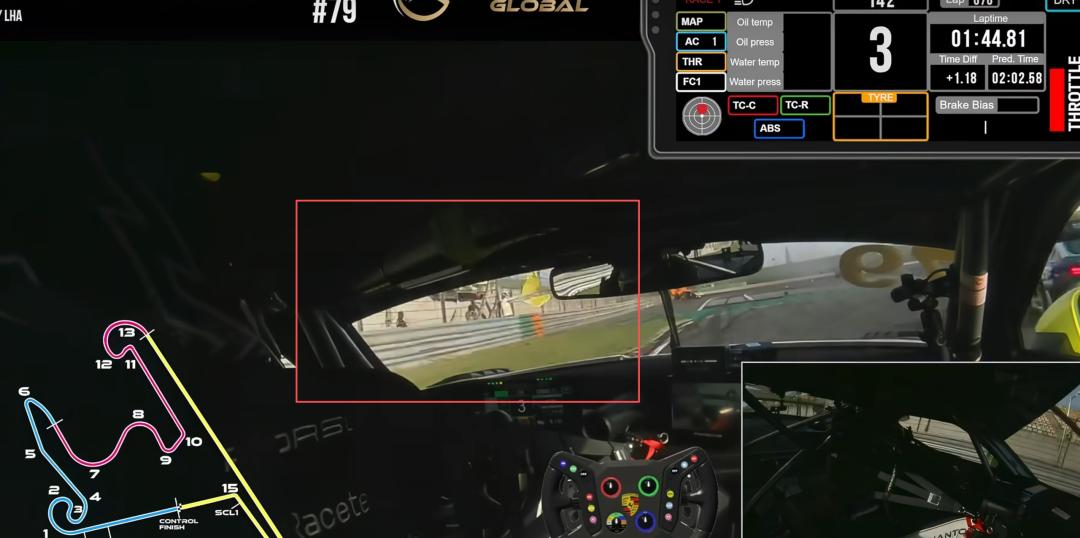
Hatoog got out of the car, quickly checked on the condition of Milori, and cleared some collision debris with his bare hands.
According to Milori's subsequent recollection, he could no longer remember what happened at that time, and he was already in a state of incapacitation.
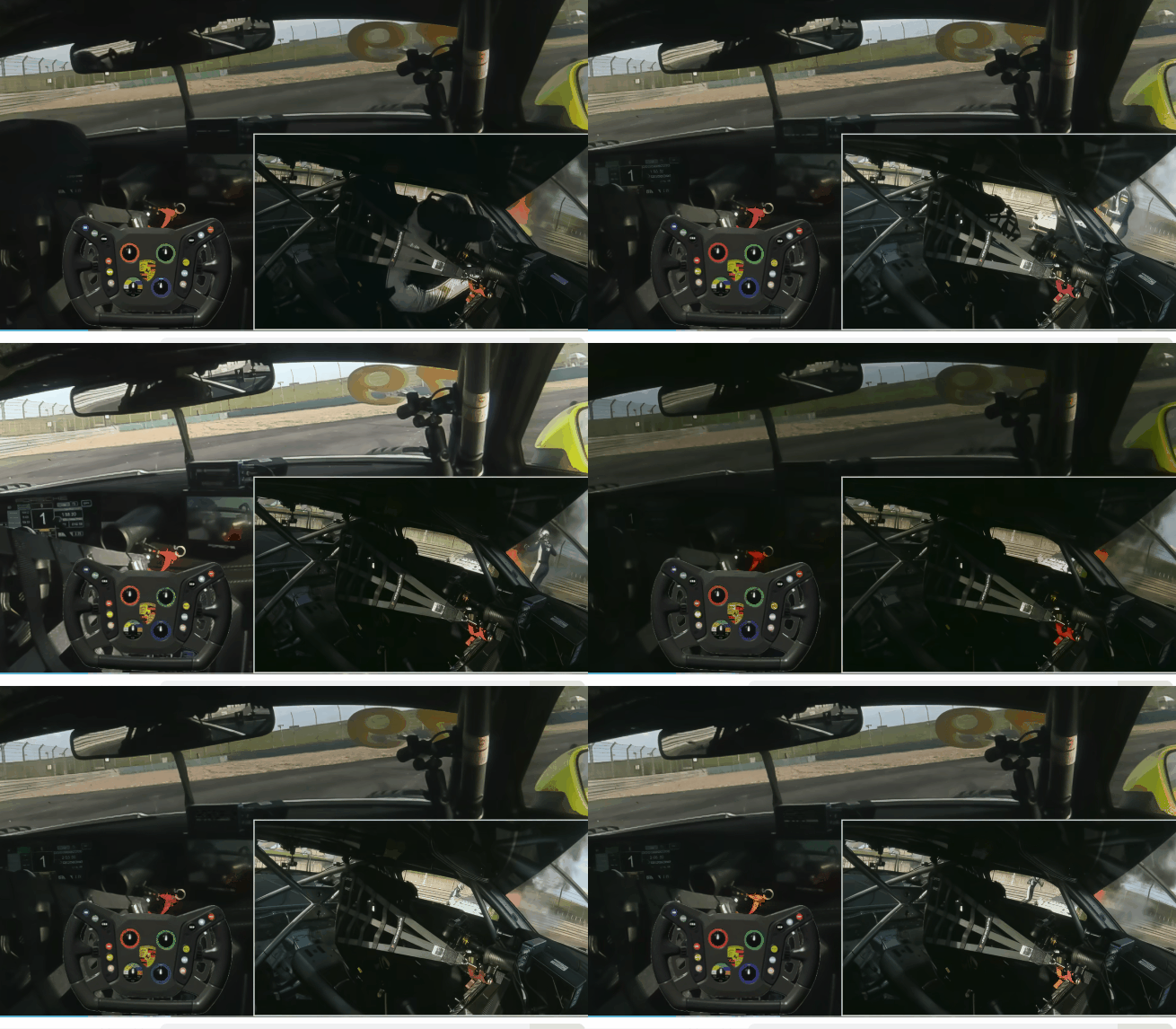
By then the fire had already started to spread, and Hatoog could only first find a way to put it out.
He first asked for help from the left booth, but probably because he was too far away from it, or there was no fire extinguisher there at all, he turned to look for the marshals on the right.
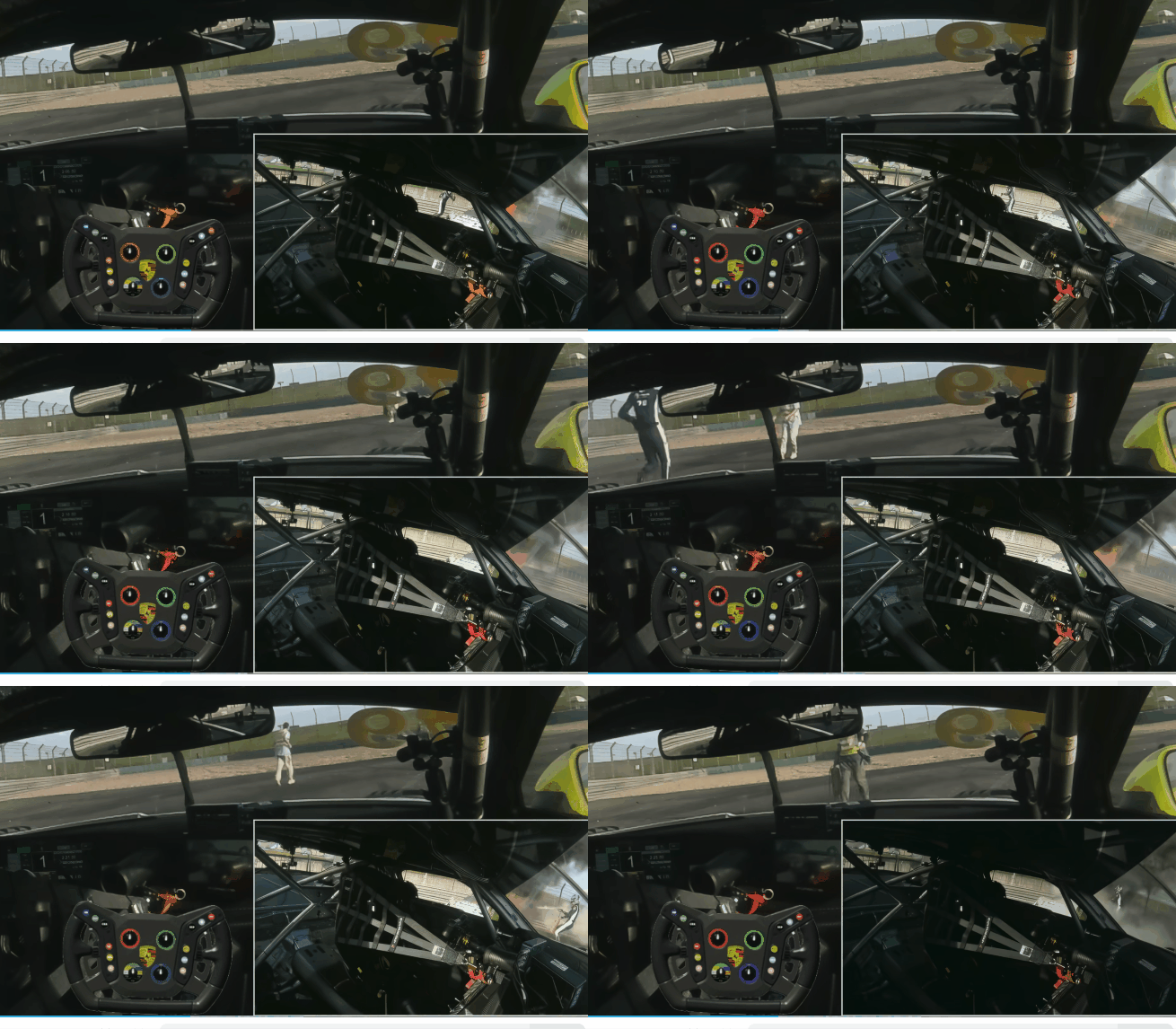
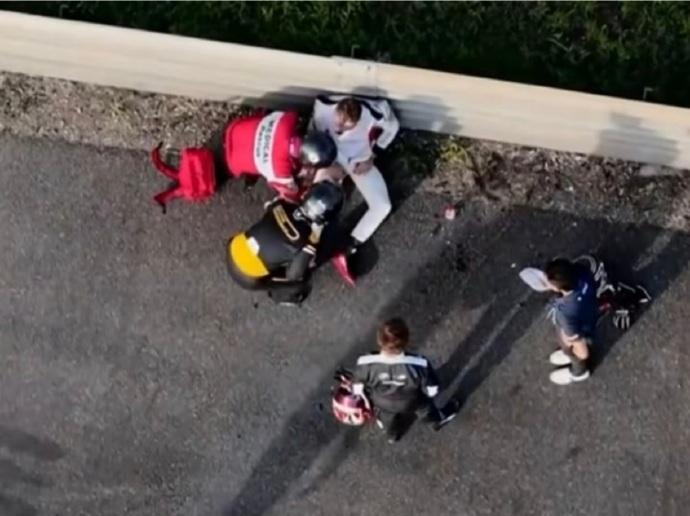
At this moment, marshals and security personnel with fire extinguishers finally came from the right side. Hatoog took the extinguisher and carried out initial fire suppression, which led to this iconic scene.
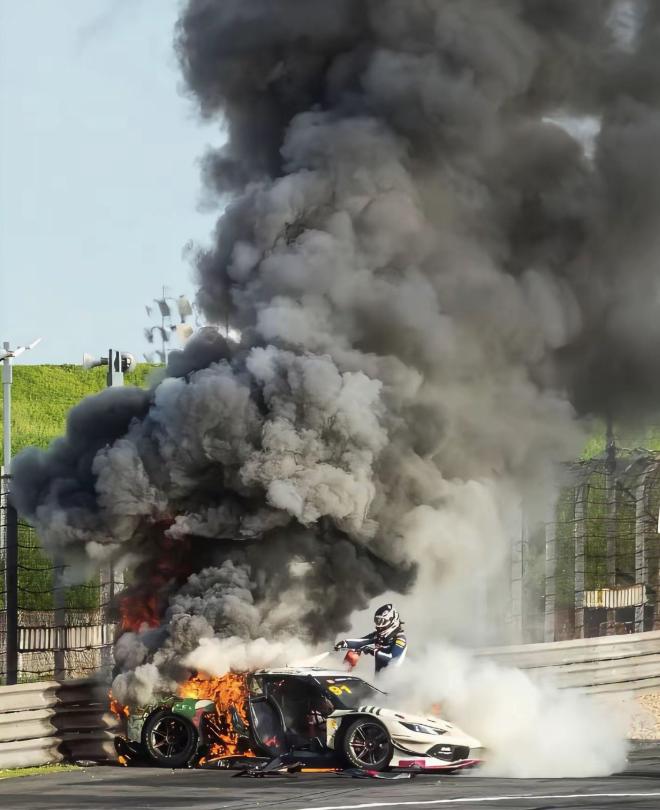
But the small fire extinguisher was obviously not enough. In the end, Hatoog dragged Milori out while the fire was getting bigger and bigger.
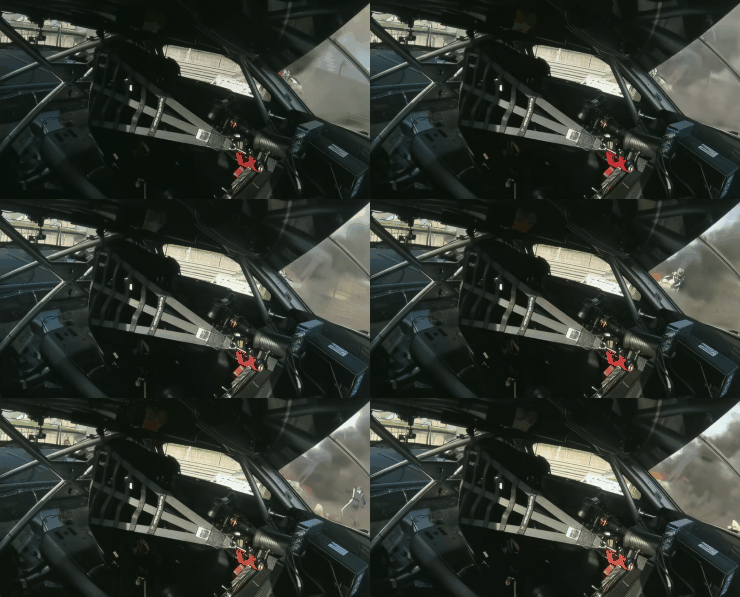
From the collision to the successful rescue, about 1 minute and 10 seconds had passed.
Fortunately, racing suits are generally fire-resistant. According to the FIA's 8856-2018 standard, a racing suit must at least withstand 12 seconds of direct flame exposure (with a heat flux of 80 kW/m², and the temperature rise controlled within 24 degrees Celsius, which is equivalent to being directly burned by gasoline poured on it).
In the end, Milori survived, only suffering fractures to his ribs, collarbone and fingers from the crash. The whole incident ended up being a close call.
But setting that aside, the organizer's series of improper operations was the core trigger for public outrage over this incident.
When Hatoog pulled Milori out of the burning car, the rescue vehicle finally arrived, but the rescuers still were not wearing standard fire suits, and could only rush forward with fire extinguishers in hand.
Another elderly man who looked like a security guard even spent dozens of seconds failing to pull out the safety pin of the fire extinguisher...
Worse still, not only was the training and number of staff insufficient, the race officials announced on the broadcast that the driver had left the car on his own without verifying the actual scene, showing extremely chaotic internal communication.
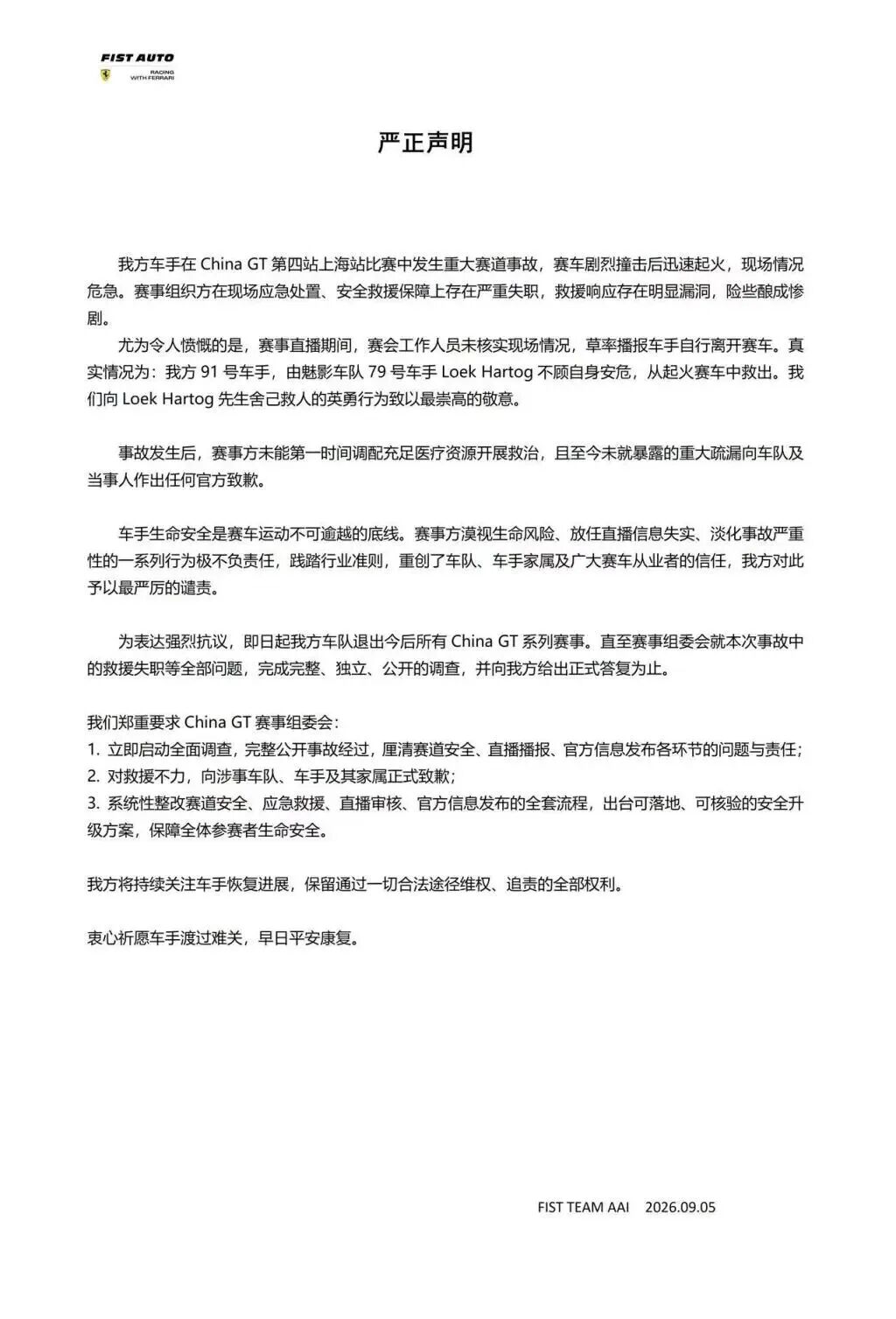
Therefore, after the incident, FIST AUTO, the team that Milori belongs to, released a statement saying it would withdraw from all subsequent China GT series events.
Yang Baijie, the other driver of Car No.33 involved in the collision, even said after the race that the organizer did not check on the conditions of the other two drivers in the accident, but directly started the arbitration procedure for the collision.
They even reached out to the 610 Racing team to discuss whether the team could share the public opinion pressure together...
If the ambulance crew could even fall asleep on the job, that would be quite something.
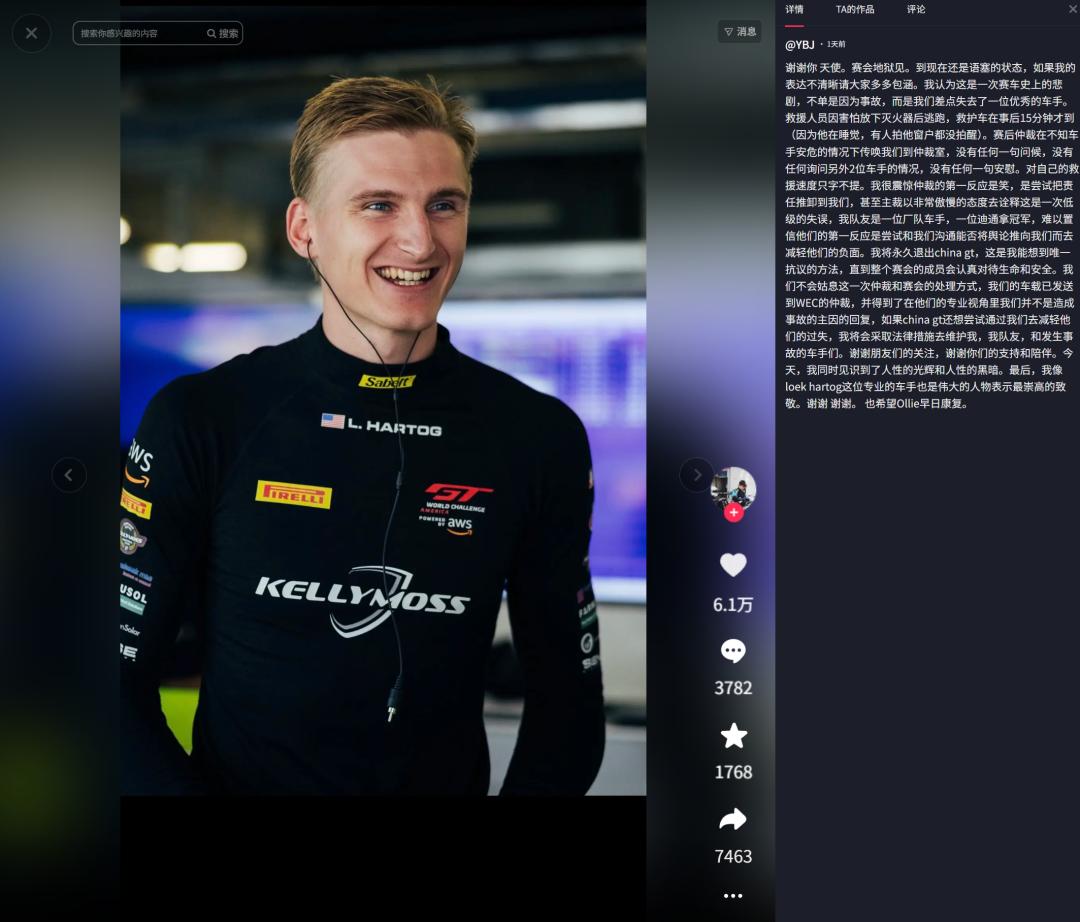
With Hatoog's heroic rescue on one side and the organizing committee's absurd operations on the other, this incident has become well-known in automotive circles both at home and abroad.
Under pressure from multiple parties, the China GT organizing committee issued a public apology on September 6, stating that it will formulate more complete plans in the future.
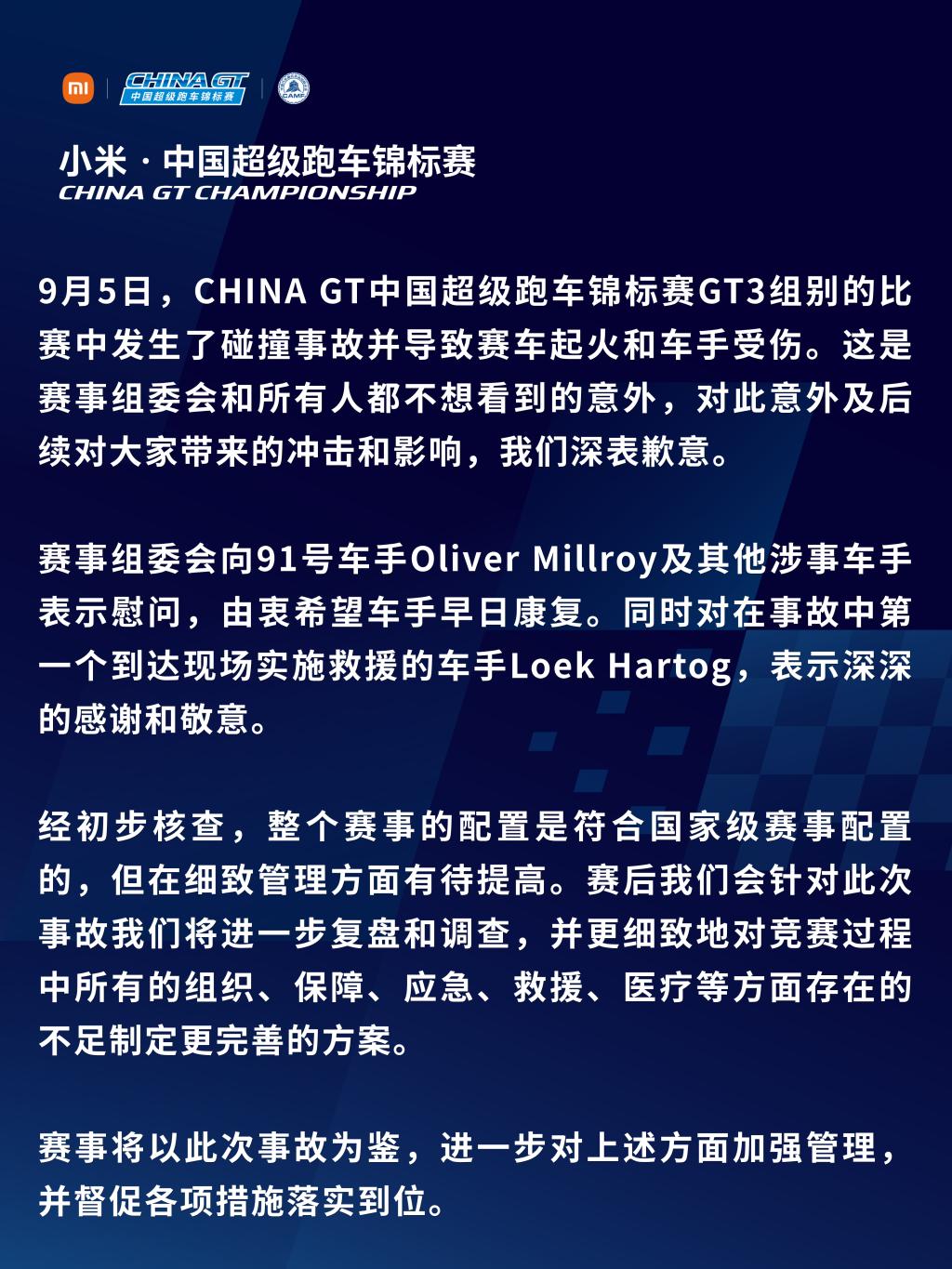
But will this incident really end so lightly?
The author believes this could be a huge wake-up call, since China GT is already the largest GT racing series in China, and an incident like this should never have happened.
First of all, we need to clarify that we are not even mentioning all the great drivers we have lost in history. The author also drives on tracks himself, and some of our colleagues in the automotive department have obtained Class B racing licenses, so we are fully aware of the dangers of motorsports.
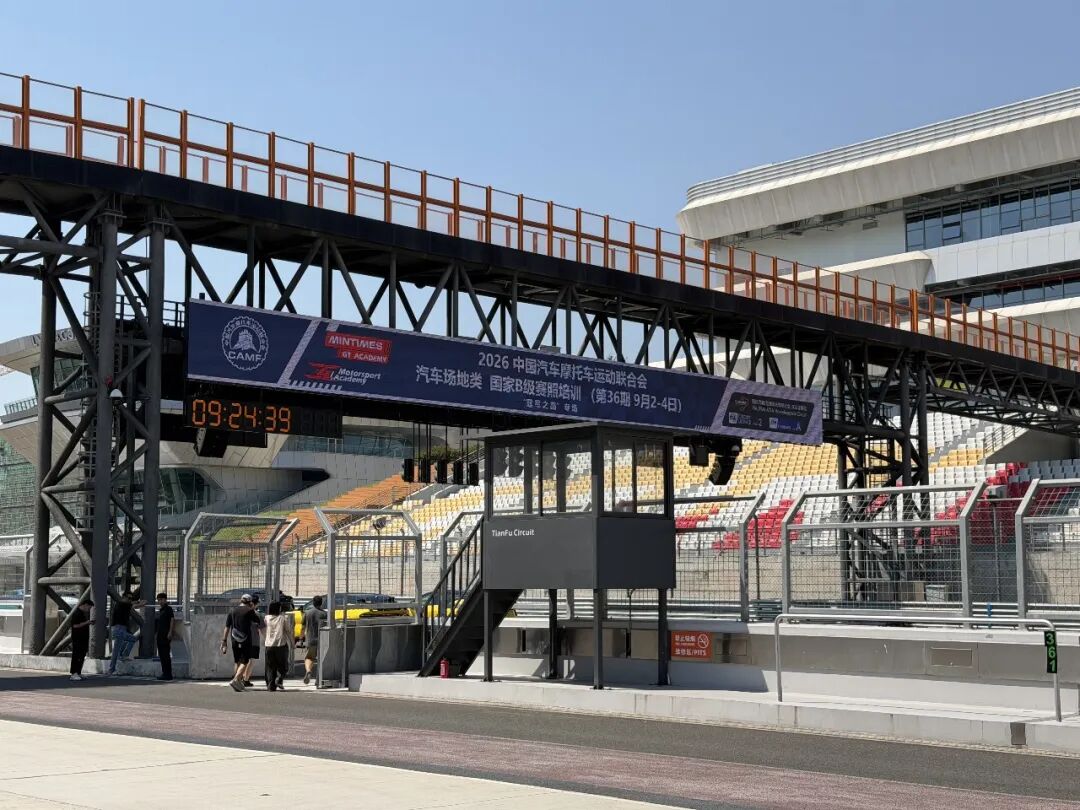
Every time we drive on the track, the venue will ask us to sign a liability waiver.
All kinds of car damage are common occurrences, and it is certain that drivers participating in China GT are far more experienced than us.
GT races inherently allow minor collisions, which is also part of the viewing appeal of GT events, so collisions and loss of control are commonplace for professional drivers (only this time the fire was relatively severe).
But the problem with China GT is that even if collisions on track are allowed, your off-track support and safety guarantees must be sufficient to cover the risks.
The full name of China GT is China GT Championship, which is approved and organized by the General Administration of Sports of China and the Federation of Automobile and Motorcycle Sports of China.
The Federation of Automobile and Motorcycle Sports of China is a member association of FIA, so many of the event's regulations refer to FIA standards.
If the event had strictly followed FIA's recommended standards, this situation would not have been so worrying.
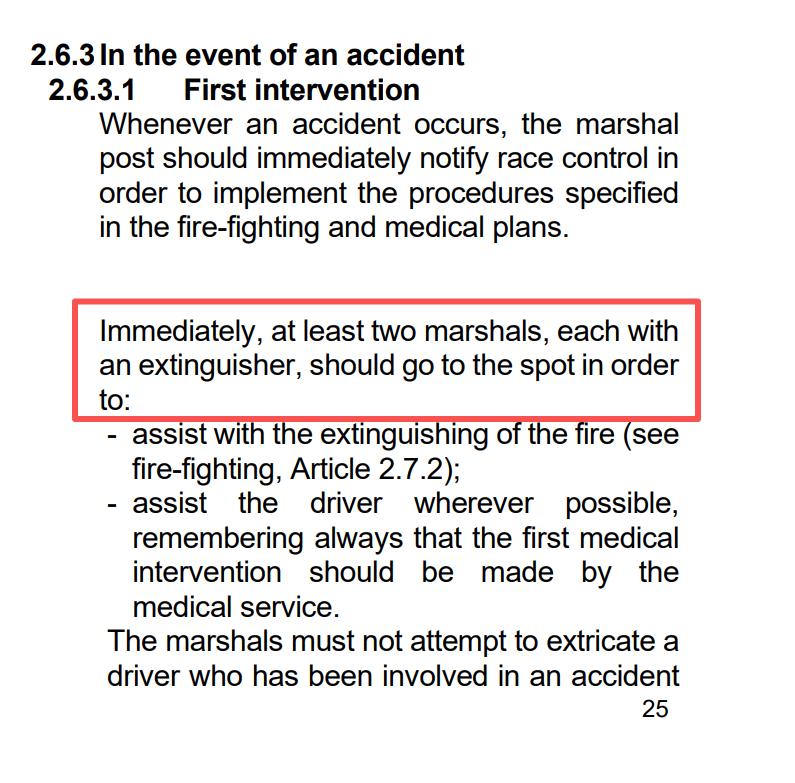
Because in the FIA's 2026 updated Appendix H (Recommended Code of Practice for Track Observations, Signals and Rescue Services), section 2.6.3.1 on the First Intervention Procedure clearly states:
"When an accident occurs, at least two marshals carrying fire extinguishers must proceed to the accident site."
The Second Intervention Procedure has clear division of responsibilities, with dedicated rescue teams for fire suppression, medical treatment, extrication and towing.
Take Grosjean's accident at the F1 Bahrain Grand Prix as an example: about 10 seconds after the accident, the marshals started to put out the fire, and the medical car for the first lap was almost in place at the same time.
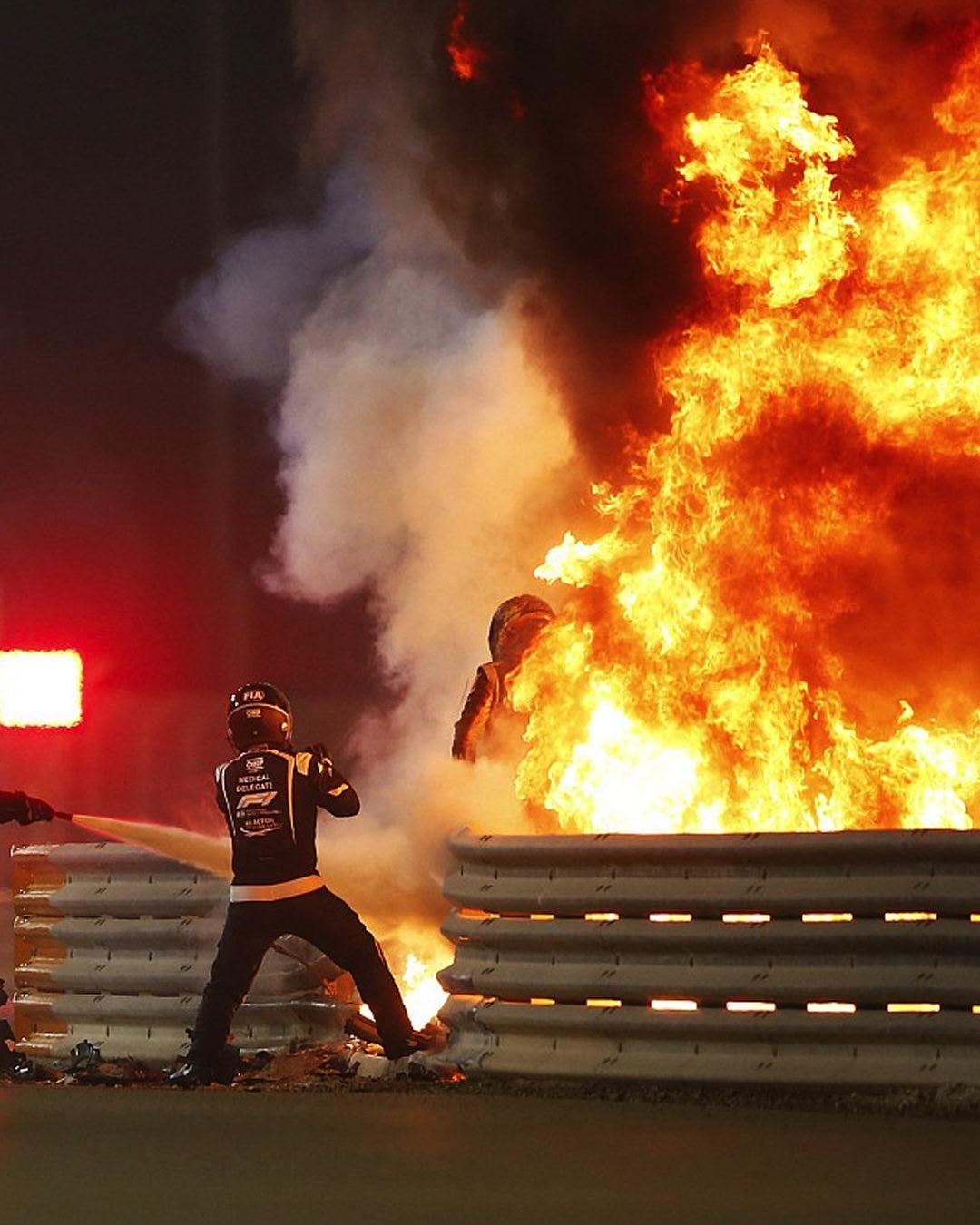
28 seconds after the accident, Grosjean was rescued, and he stayed in the back of the medical car for a while. The ambulance arrived 1 minute after the incident.
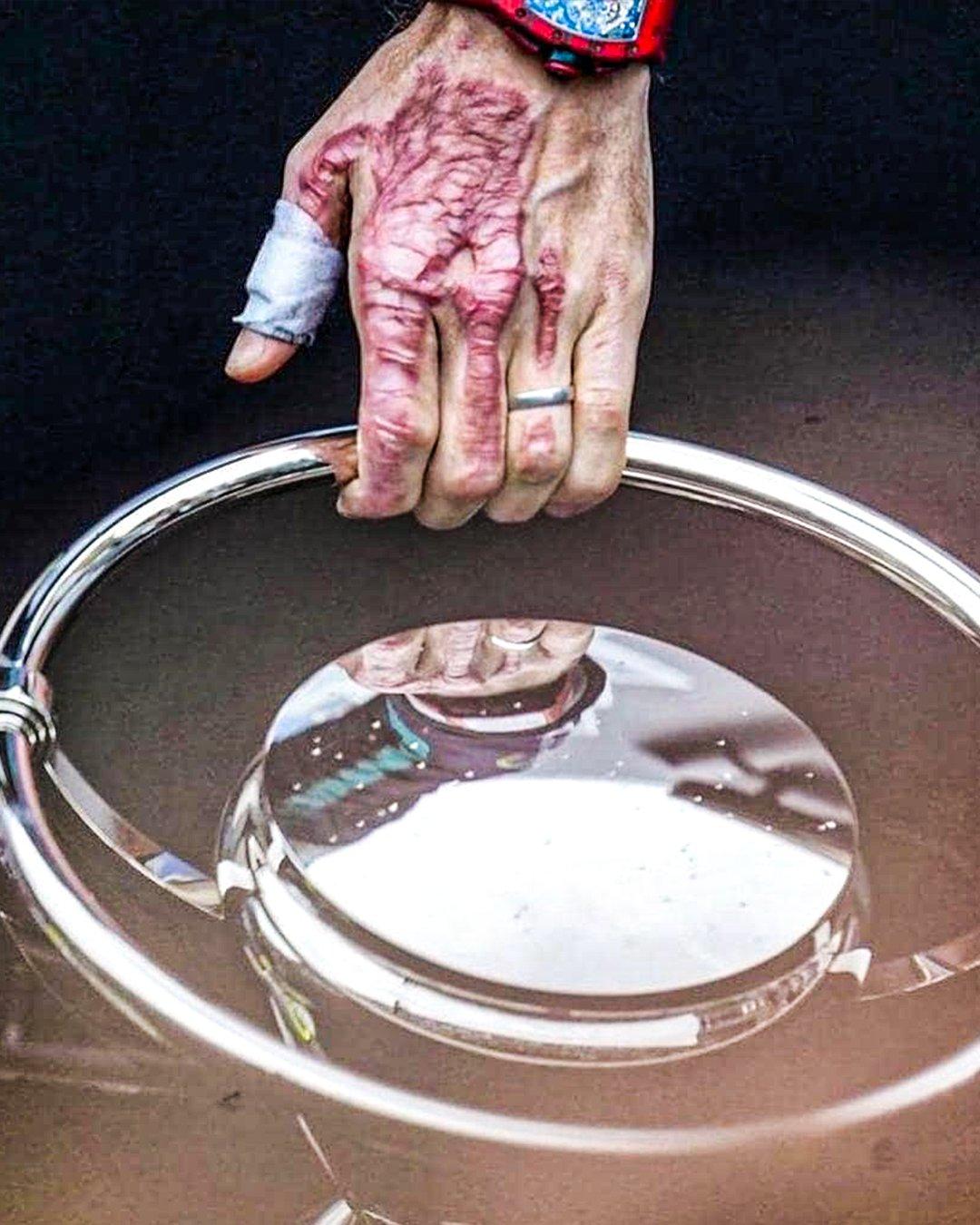
When the audience saw the scene 2 minutes later, the fire had already been put out and the crane was handling the wreckage. If people had not seen Grosjean's scars on social media later, they would never have known how thrilling those 28 seconds he spent in the fire were.
But at this Shanghai stop, there seemed to be insufficient rescuers, and apart from the belated rescue vehicle, no other rescue teams were visible.
This is why even though everyone knows that accidents in motorsports are unavoidable, people still condemn the China GT organizer, and even entire teams choose to withdraw from the event.
Every life matters, and you should do your best to save people.
To put it bluntly, this is purely an attitude problem.
At a time when China GT is thriving, the organizer still holds such a perfunctory attitude, which is truly incomprehensible.
It is impossible that China GT has no money, as this is a racing series supported by gentleman drivers (amateur drivers who pay teams to participate in races), so it is in a very good financial position.
Moreover, after the F1 Shanghai stop received unprecedented attention last year, China GT also benefited from the boom.
In addition, celebrity drivers including Wang Yibo, Aaron Kwok and Daniel Wu have come to participate in China GT one after another, and China GT has also developed a fan economy business.
The car in front is driven by Daniel Wu.
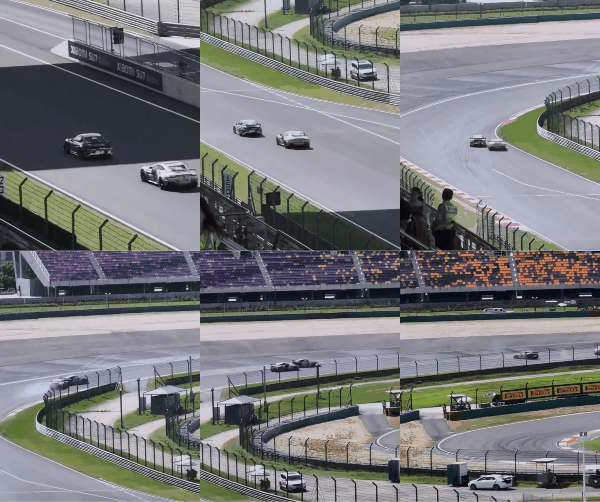
At this year's Zhuhai stop, tickets that used to be available for casual purchase sold out within half an hour.
Lisheng Sports, the parent company of China GT's organizer Shanghai Top Speed, also hit a record high in non-net profit for the same period in its semi-annual report this year.
