Why should I get the manufacturer's approval when repairing my own computer?
If you have ever taken your laptop or phone to an official after-sales service for repair, you have most likely encountered a classic repair solution — replacing the entire motherboard.
In most cases, after-sales staff will only replace the entire faulty module based on the diagnosis result, instead of further checking which tiny component is broken.
This approach is highly efficient, but if you are unlucky and the broken part is just a small component on the motherboard worth a few dollars, the quote you get may be for the entire motherboard...

For third-party repair technicians, this is actually a good thing. The higher the prices tech giants charge, the more customers will come to them; the better their skills and the more complete their reference materials are, the higher prices they can charge customers.
Following this logic, it would be even better if manufacturers further lock down their products, so that everyone can have a bright future.
However, a repair technician in New York does not see it this way: he shares repair materials for free, streams his repair techniques live, and has spent more than a decade lobbying in the parliament to call on everyone to fight for the right to repair.
Eventually, tech giants finally opened repair access to ordinary users, and the New York State legislature also passed the Right to Repair Act. But ironically, this man was forced to leave his hometown.
Hi dear friends, it's the weekend again. Today Tony will tell you a passionate little story to refresh you before going to bed.
The protagonist of the story is this man who is keen to cultivate competitors for his peers and increase legal costs for tech giants — Louis Anthony Rossmann, the "barefoot electronics doctor" of New York and fighter for the Right to Repair in the United States.
Many people may have seen Louis' videos online, but most of you probably don't know that this man who pioneered the "repair blogger" category originally dreamed of becoming a musician...

Unfortunately, his family was not wealthy, so he could only work part-time in a recording studio to support his art dream.
At the age of 17, in order to use Apple's most popular music production software Logic Pro at that time, Louis bought a broken second-hand MacBook and planned to repair it for his own use.
Unexpectedly, after he fixed the device, he sold it on a second-hand trading platform and earned 250 US dollars.
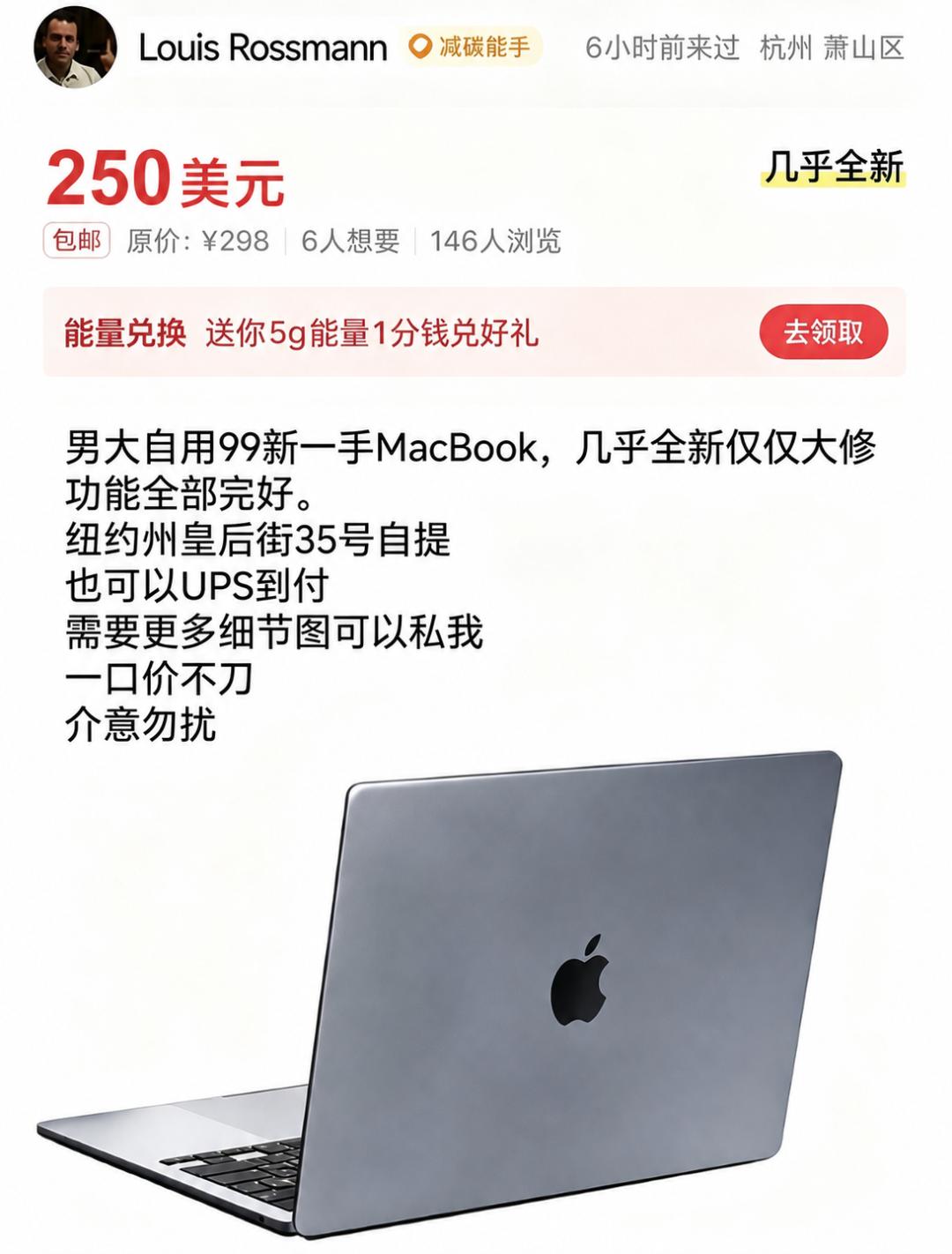
This gave young Louis a huge shock: he realized that reselling and repairing computers could be so profitable, and the money he earned from this single deal was equivalent to half a month's salary at the recording studio.
There was no point in sticking to music which was just delaying him from making money. Since then, Louis stepped into the door of computer repair and successfully completed the classic career transition from art student.
Since he did not have enough money to open a store at the beginning, Louis had to carry dozens of pounds of equipment to provide door-to-door repair services all over New York, posting flyers and participating in forum discussions, running a nomadic repair business.
After all, he was a man who had skills to earn reputation and equipment to support his work, but he still lived a very tight life in the early days.

Fortunately, after years of persistence, Louis finally opened his own repair shop in New York, officially ending his nomadic repair life of traveling all over the city with heavy equipment.
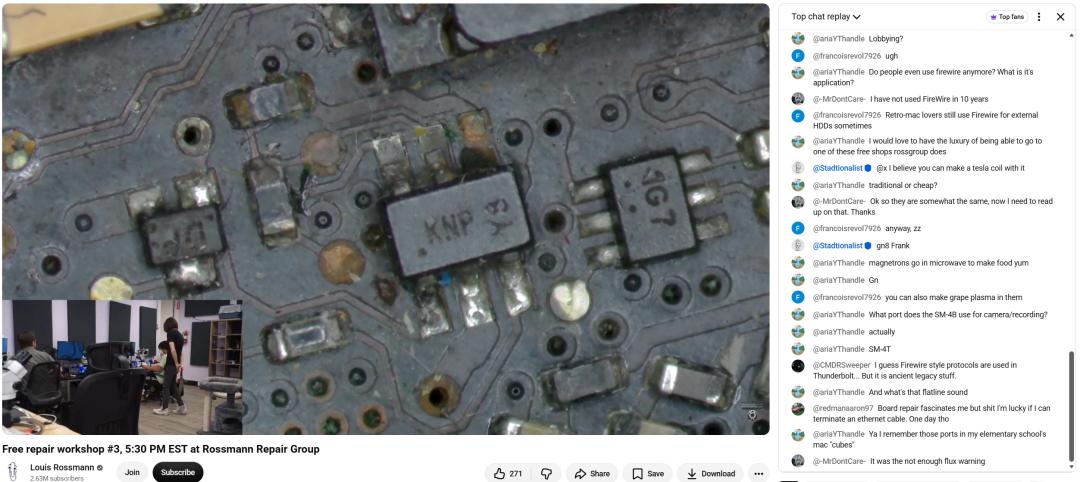
He also kept the habit of transparent repair he had developed over the years: he recorded the whole process of every repair with a camera and uploaded the videos to YouTube.
Although these videos are usually long and tedious, they attracted more and more digital enthusiasts.
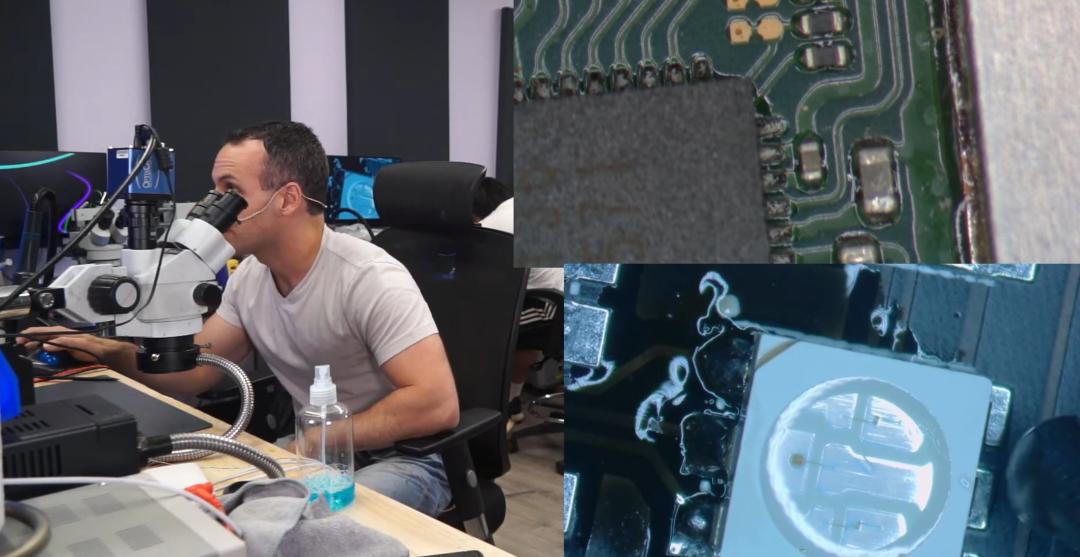
People gradually found that watching his videos not only helped them learn a lot of knowledge, but also showed them many devices that were judged as motherboard damaged by official after-sales service, but could be fixed by replacing only a few small components at Louis' shop.
After seeing too many such cases, people can't help but start to doubt: Is the device really impossible to repair, or do the manufacturers simply not want to fix it?
From Louis' perspective, this problem is also very frustrating: for some devices, he knows exactly where the fault is, but he cannot buy original spare parts; even if he finally installs compatible parts, warnings may pop up or some functions may be lost because the software has not been paired.
In other words, even though users have bought the device, it is still the manufacturer that decides how to repair it, who can repair it, and whether the device can still work properly after repair.
At this point, Louis finally realized: Simply posting repair videos alone will not save American Apple users.
So starting from 2015, in addition to tutorials on how to repair devices, Louis' videos gradually began to raise another question — why do manufacturers prevent other people from repairing their products?
Manufacturers naturally have their own excuses: opening up spare parts and tools may cause problems in safety, privacy and repair quality. In short, to prevent consumers from being scammed by third-party repair services, the best way is to eliminate all third-party repairers.

Louis obviously disagrees with this statement.
He thinks: if a third-party repairer breaks my device, I can go to his shop to argue with him; but you can't decide for me in advance that I have to be overcharged by your official service just to prevent me from suffering losses.
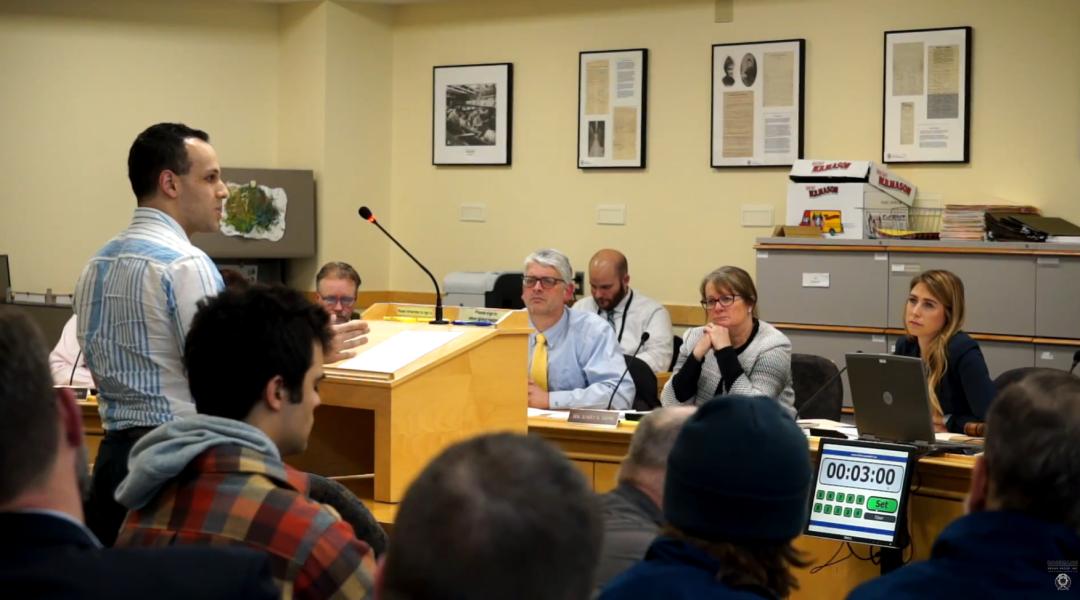
In the following years, Louis fought with lawyers in parliaments and courts.
But Louis soon found that the gap between the two sides was too wide: the legal teams of tech giants are so familiar with US laws that they treat them like their own family register, while Louis' main argument at that time was still "this is totally unreasonable".
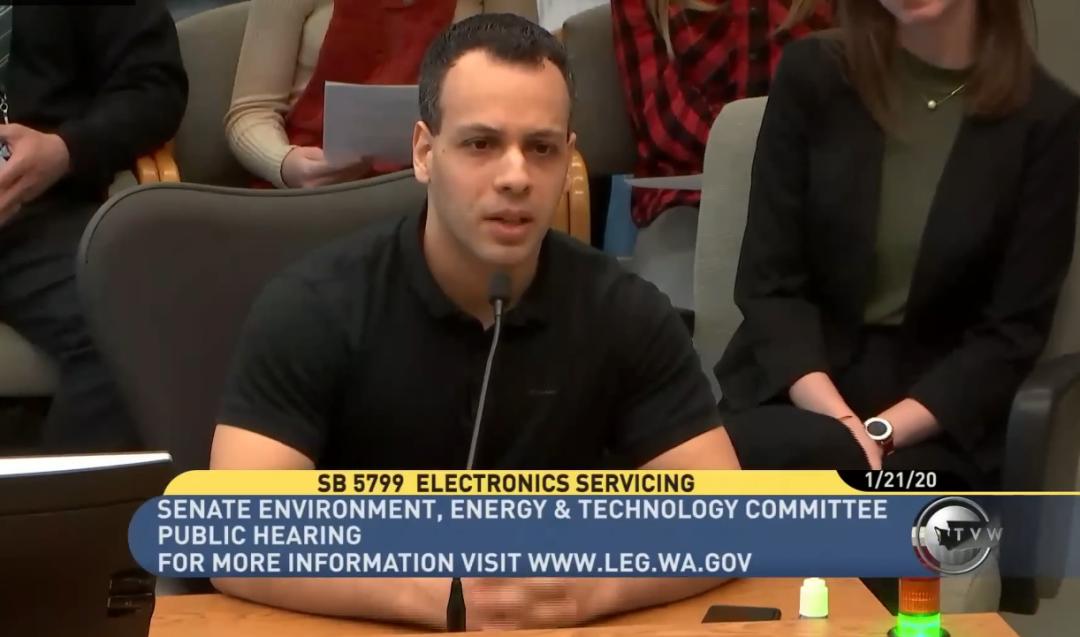
As a result, many Right to Repair bills got stuck in lobbying and opposition as soon as they were proposed, and did not even get the chance to be voted on.
At that time, the EU did not have as much influence as it does now, and the public had no concept of the Right to Repair, so almost no one except fellow repair technicians and digital enthusiasts knew what he was fighting for.

It was not until 2018 that a reporter from Canadian media CBC came to Louis with a MacBook that could not turn on its screen.
Earlier, Apple after-sales staff disassembled this computer and found that several liquid contact indicator stickers inside had changed color, so they judged that the device might have come into contact with water.
According to Apple's repair process, the next step is to replace the motherboard and the top case assembly, with a quote close to 1200 Canadian dollars.
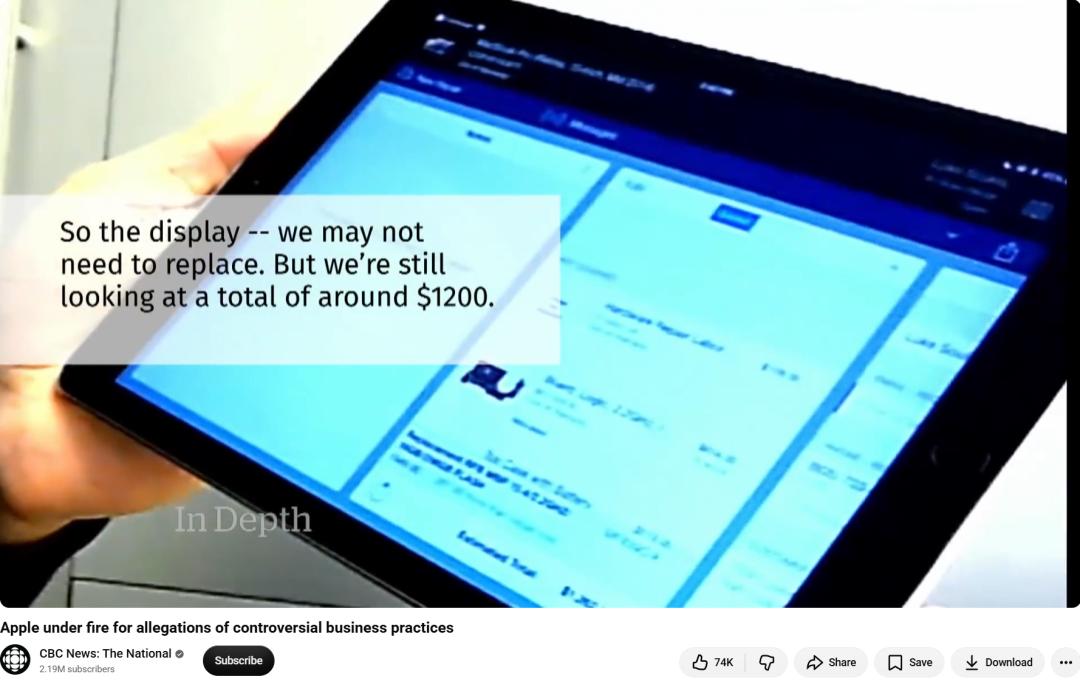
You know, a brand new MacBook Air at that time only cost about 1400 Canadian dollars, which meant the repair price was almost high enough to buy a new device with a little extra money.
But after Louis disassembled the device, he found no obvious traces of liquid ingress or corrosion on the motherboard.
In his opinion, these indicator stickers may also change color when exposed to moisture. The red sticker only proves that it has come into contact with humid air, and cannot directly prove that the motherboard has been damaged by liquid.
Then he continued to troubleshoot the backlight fault, and found the real problem: one of the pins on the backlight flex cable was bent and did not make contact with the connector.
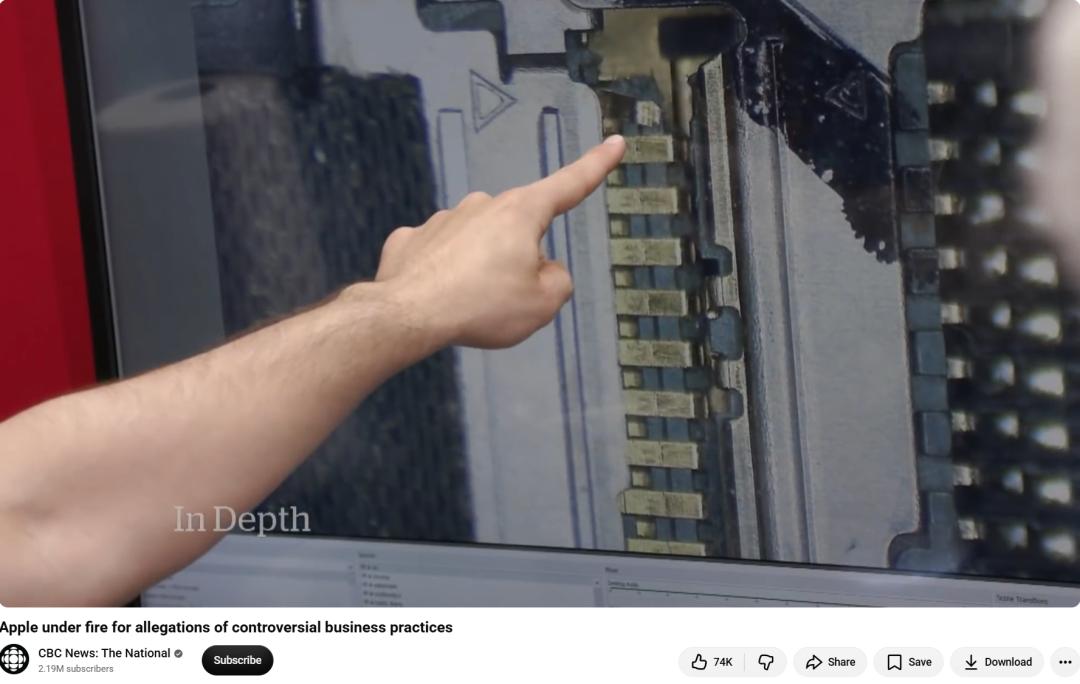
After the CBC program was broadcast, the Right to Repair that Louis had spent years talking about in the parliament was finally popularized to the public through this single bent pin:
The so-called serious fault worth thousands of Canadian dollars is sometimes not really impossible to repair, but no one is responsible for further troubleshooting under the standardized official process.
In the following years, driven by Louis and other Right to Repair advocates, regulatory agencies and public opinion, the tightly closed door of the Right to Repair finally loosened a little.
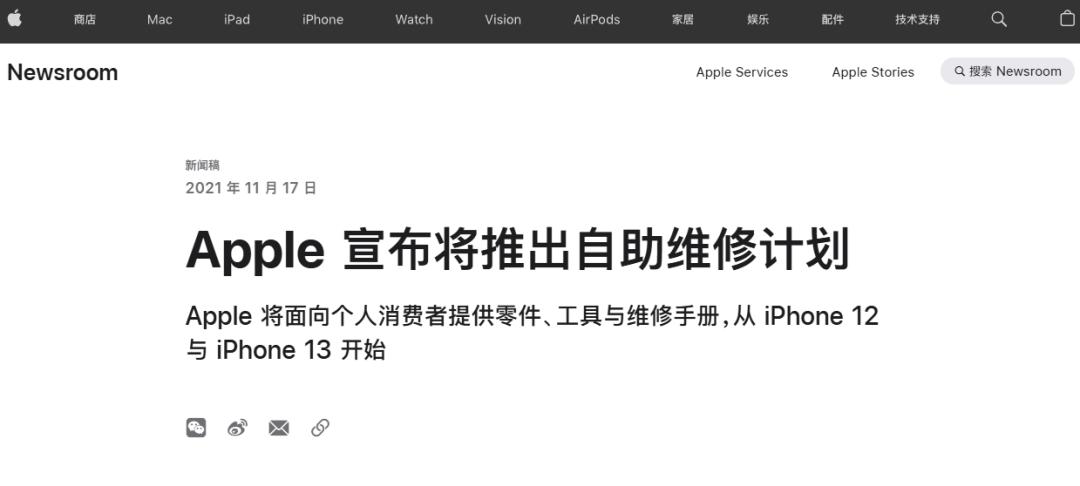
In 2021, Apple, which has always been very closed, finally announced the launch of its Self Service Repair program. Ordinary users can finally get repair manuals, original spare parts and tools for some products through official channels.
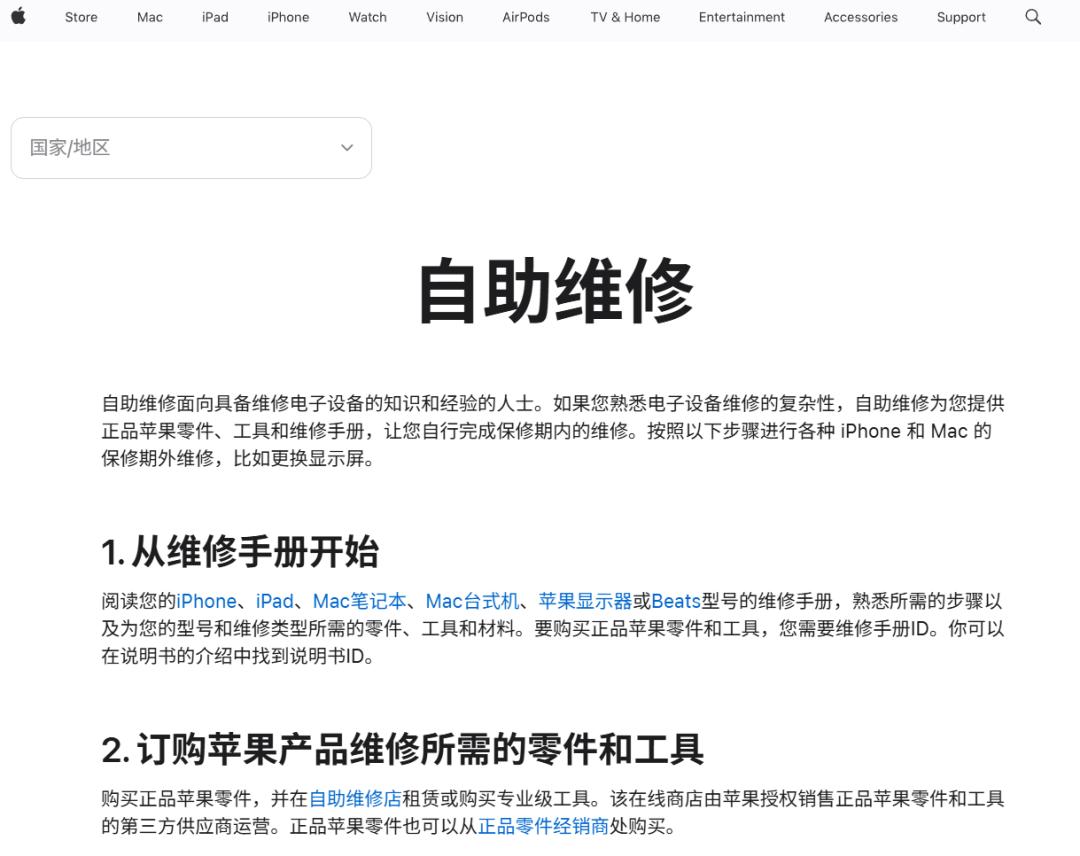
A company that used to even want to verify the identity of anyone who unscrewed its screws actually started teaching users to disassemble their own devices. Ten years ago, this was as unbelievable as the Vatican opening an atheist training class.
The next year, New York also signed the Digital Fair Repair Act. It seemed that the young man who once carried tools to repair computers door to door had finally pushed the Right to Repair into the law of his hometown after more than ten years.
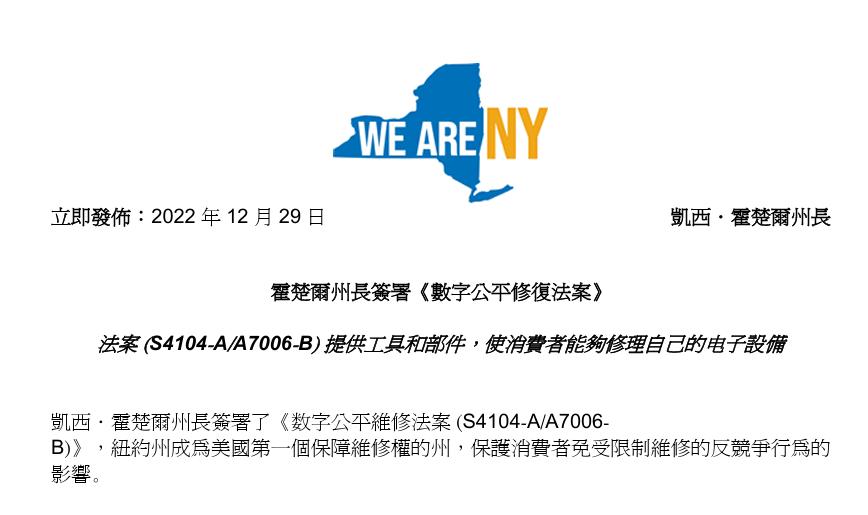
To be honest, as a small business owner who became the material for local legislation, Louis has already made his family proud.
However, at this point of the story, if nothing unexpected happens, an accident is about to happen.

When the act was finally implemented, Louis found there were many loopholes in it. In the past, when a small component