Cameras come as standard equipment for ovens. At this year's IFA, kitchen appliances are not only competing fiercely around AI features, but also returning to the core essence of practical functions.
On September 4, IFA 2026 officially kicked off in Berlin, Germany. As one of the world's three major consumer electronics exhibitions, this year's IFA has attracted more than 1,900 exhibitors from 49 countries and regions, with the theme of "The Future is Now". The "Leitech IFA26 Reporting Team" dispatched by Leitech (ID: Leitech) is working intensively on site in Berlin, delivering on-site, multi-dimensional and first-hand coverage of IFA 2026.
The IFA exhibition serves as the vane of global kitchen appliance technologies every year, and this edition still gathers a large number of kitchen appliance brands. Manufacturers including Siemens, AEG, LG, Hisense, Haier, Dreame and CASO have showcased a full range of products such as refrigerators, ovens, stoves, range hoods, air fryers and pizza ovens. In previous years, kitchen appliances at IFA were still discussing internet connectivity and large AI models. By 2026, the kitchen appliance category is still emphasizing intelligence, but it has risen several levels compared with a few years ago.
Standalone Product Intelligence and Scenario-based Collaboration Advance Hand in Hand, AI Remains the Core Highlight
In the kitchen appliance sector, AI is no longer a new concept, but it is undeniable that AI functions that can bring significantly improved user experiences are still the focus of iterative upgrading of kitchen appliance products.
Take ovens as an example. The iQ700 oven exhibited by Siemens embeds a camera inside the oven and adds dish recognition function, which can identify hundreds of dishes and recommend appropriate cooking modes. Haier follows the same design, and the built-in camera of its AI VISION system can recognize ingredients, temperature and time.
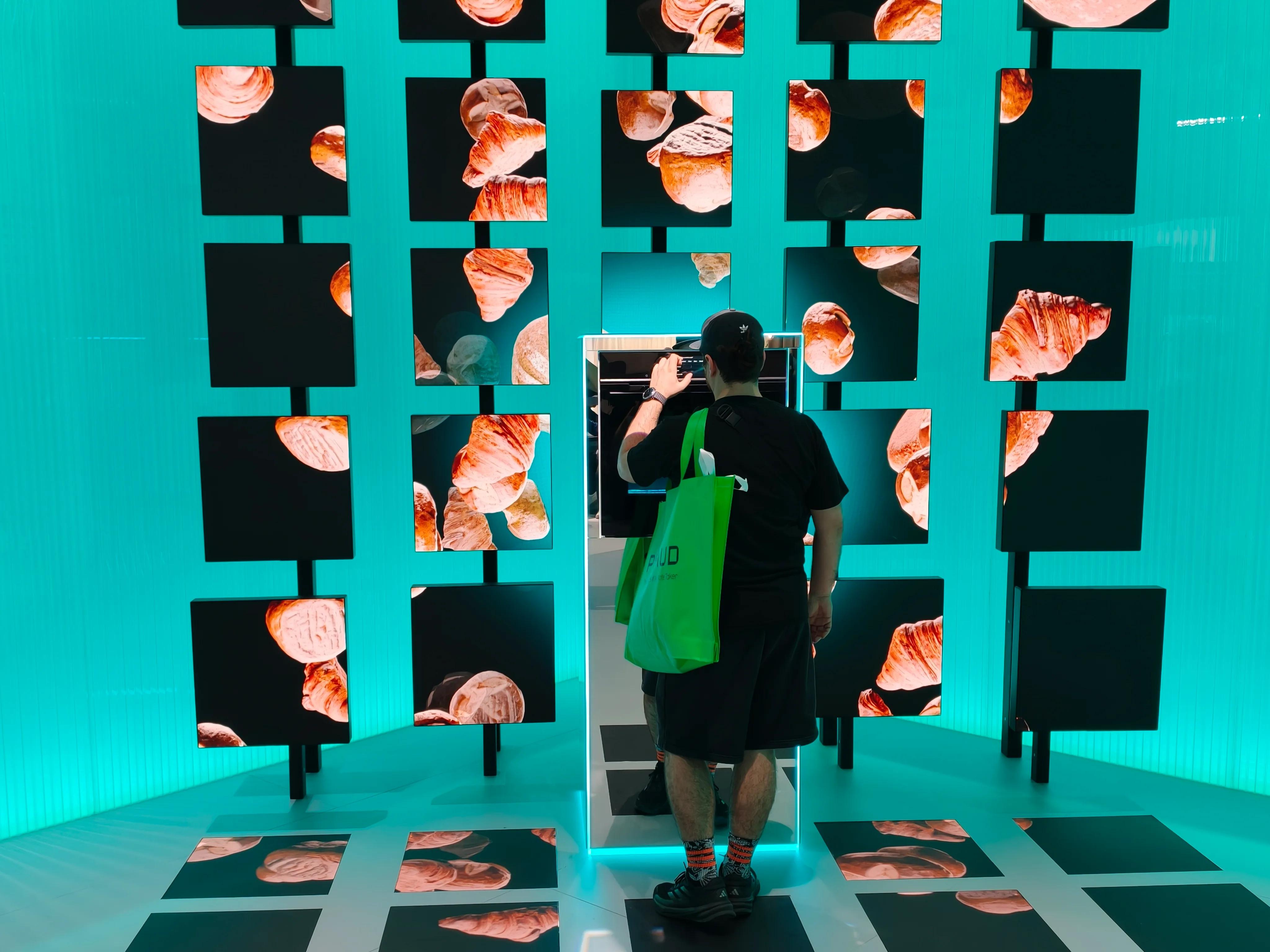
(Source: On-site footage shot by Leitech IFA Reporting Team)
The oven can automatically judge what happens after the ingredients are put in, so as to adjust its working parameters automatically, instead of only executing mechanically according to the time and temperature input by users. This design is a real boon for cooking beginners: we no longer need to consider how long the ingredients should be baked at what temperature, nor do we need to figure out when to adjust the temperature.
All we need to do is put the ingredients into the oven, and leave the rest to AI.
It is far more than ovens that have integrated AI in kitchen appliances. Almost all types of cooking utensils have been combined with AI, even the range hoods that are only used for exhausting fumes are equipped with AI functions. For example, the range hood exhibited by Haier at IFA 2026 can not only link with other cooking utensils to start automatically when the stove is ignited, but also support gesture control. When users' hands are stained with flour or oil and it is inconvenient for them to touch the control panel, they can wave their hands to adjust the range hood.
The G8 Diamond under Miele introduces the integrated camera into the dishwasher for the first time, which monitors the washing status of tableware inside in real time, and conducts intelligent sorting and analysis through large AI models. AI can independently decide how much detergent and water to use, and users can also make settings in the App. The introduction of AI can not only make the dishwasher clean tableware more thoroughly, but also reduce the consumption of detergent, water and electricity, taking into account energy conservation and environmental protection.
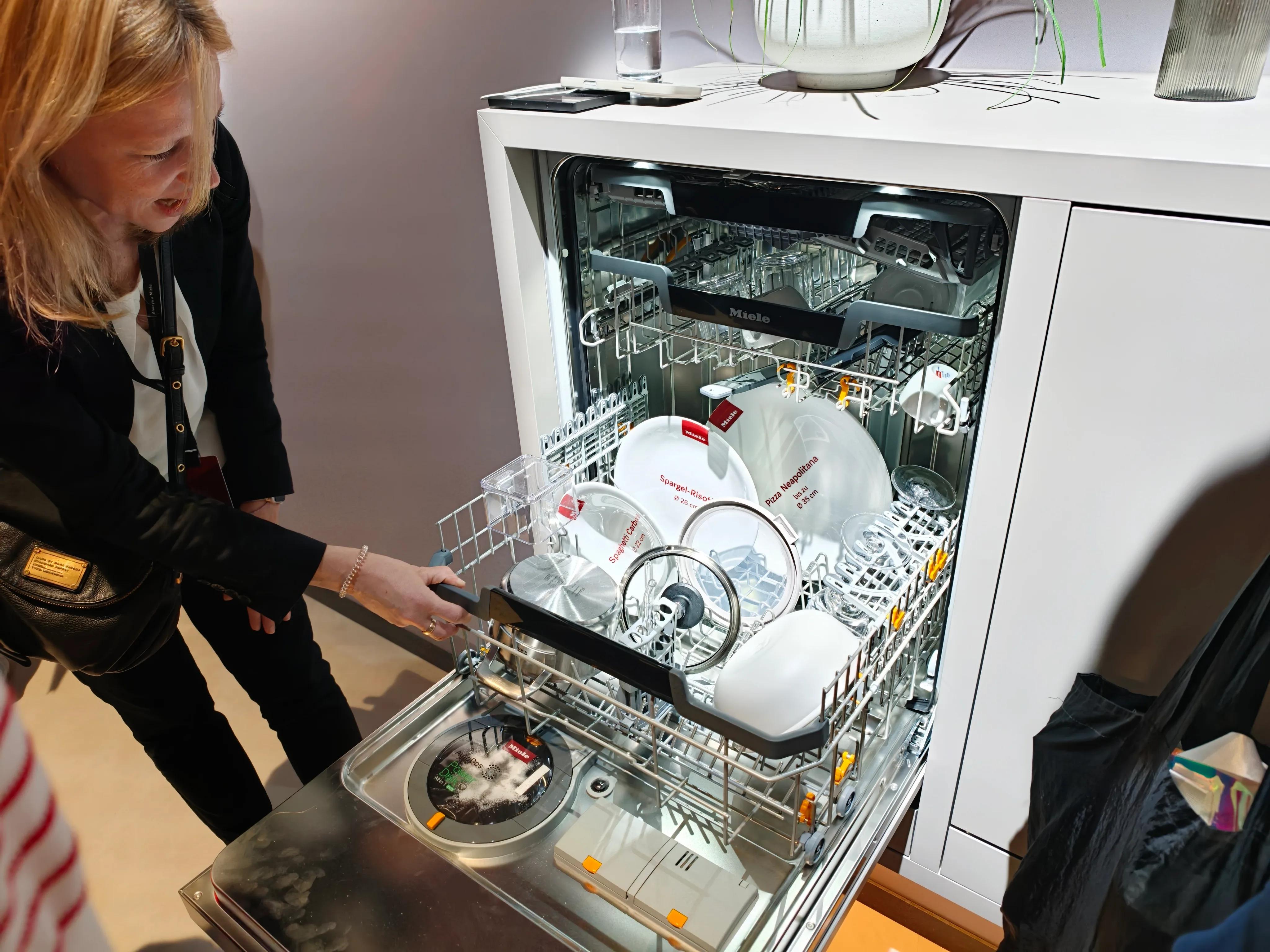
(Source: On-site footage shot by Leitech IFA Reporting Team)
When various kitchen appliances are equipped with AI and internet connectivity functions, these intelligent standalone devices form "kitchen intelligence".
Hisense's AI Kitchen Companion Series is a perfect example. It can link with the refrigerator to identify ingredients, and synchronize with the oven to generate corresponding recipes. The newly upgraded AI Companion Oven dynamically adjusts parameters relying on food probes and AI cooking algorithms, and can continuously learn users' taste preferences instead of rigidly executing according to preset recipes.
The same goes for Midea's smart home ecosystem SMART MASTER, which can link refrigerators with cooking utensils to formulate recipes based on existing ingredients.
The significance of this change lies in that smart home appliances are transforming from a "collection of tools" to a "task system". The most obvious feeling for users is "worry-free": we no longer need to think about what dishes can be made with the ingredients in the refrigerator, or repeatedly adjust each kitchen appliance. They can automatically switch to the appropriate working mode at the right time, greatly reducing the difficulty of cooking.
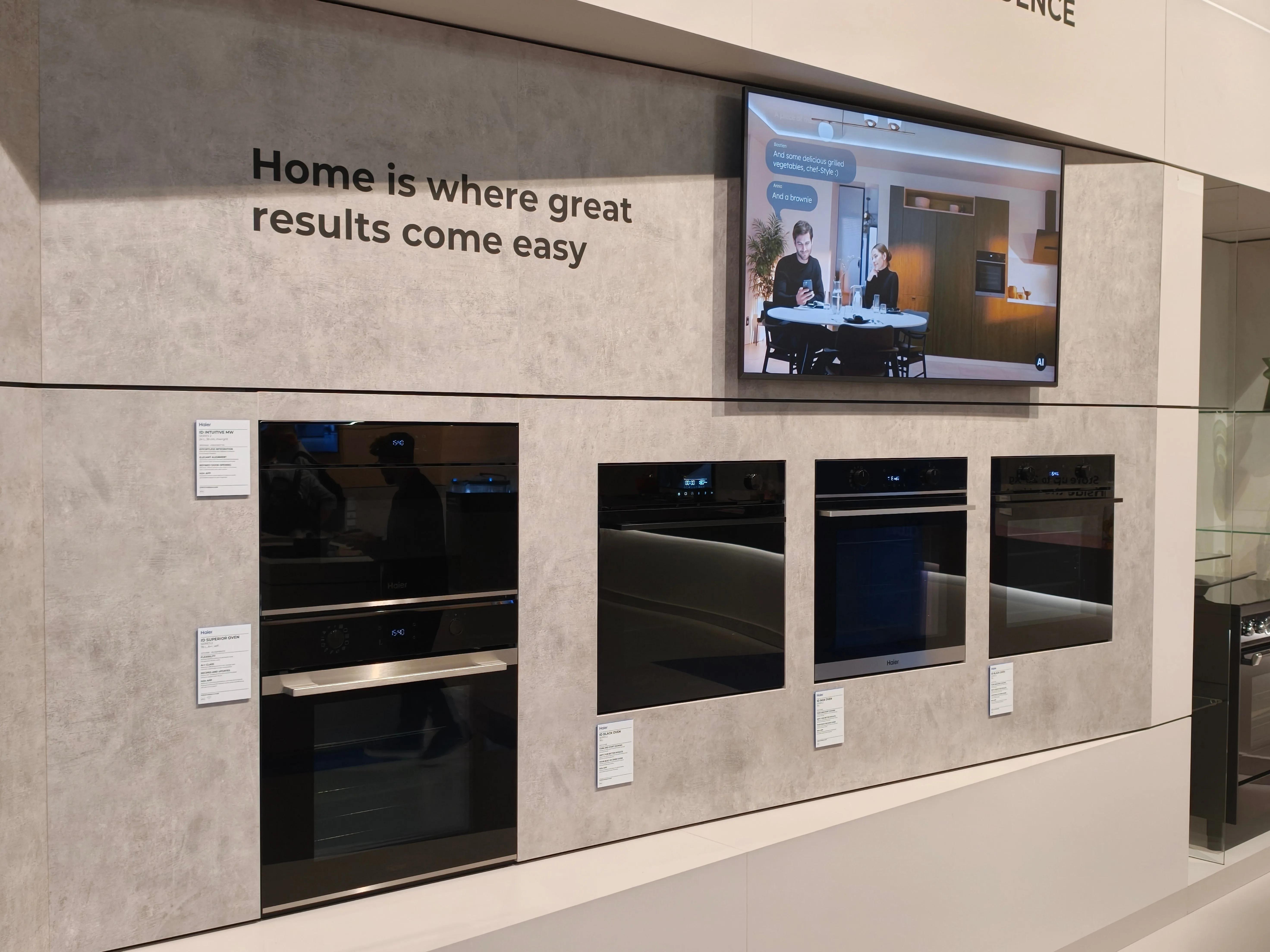
(Source: On-site footage shot by Leitech IFA Reporting Team)
Leitech believes that for kitchen appliances, AI has gone beyond the "novelty" stage, and what is really worth paying attention to is that it is gradually changing the very act of cooking.
In the past, ovens, stoves and range hoods each performed their own tasks, while users were responsible for identifying ingredients, setting parameters and switching modes. Now cameras, sensors and algorithms have started to take over these trivial perception and judgment tasks.
More importantly, devices such as refrigerators, ovens and stoves have begun to cooperate with each other, so the kitchen has evolved from a pile of independent home appliances to an integrated whole that can complete tasks. In the final analysis, adding AI to kitchen appliances is not to make the kitchen look more "intelligent", but more importantly, to hand over the tedious and repetitive links in the cooking process to machines. When users only need to decide "what to eat today" without worrying about how to cook the meals, the value of AI-powered kitchen appliances is truly reflected.
Integration and Segmentation: Some Adopt All-in-one Design, Others Focus on Specialized Premium Products
"All-in-one" has always been the mainstream trend in the kitchen appliance sector, and Dreame's dual-chamber air fryer Feast DS50 Pro is a representative of this trend. It adopts a vertical dual-chamber and dual-engine air duct design, where the upper and lower chambers can independently and precisely control temperature, solving the problem of mutual interference between different zones of traditional dual-chamber products.
It may sound unbelievable to you: although Dreame is famous for its smart cleaning products, the popularity of its kitchen appliance products at this IFA is no less than that of its smart cleaning products, with crowds of European people gathering in front of all kinds of its home appliances.
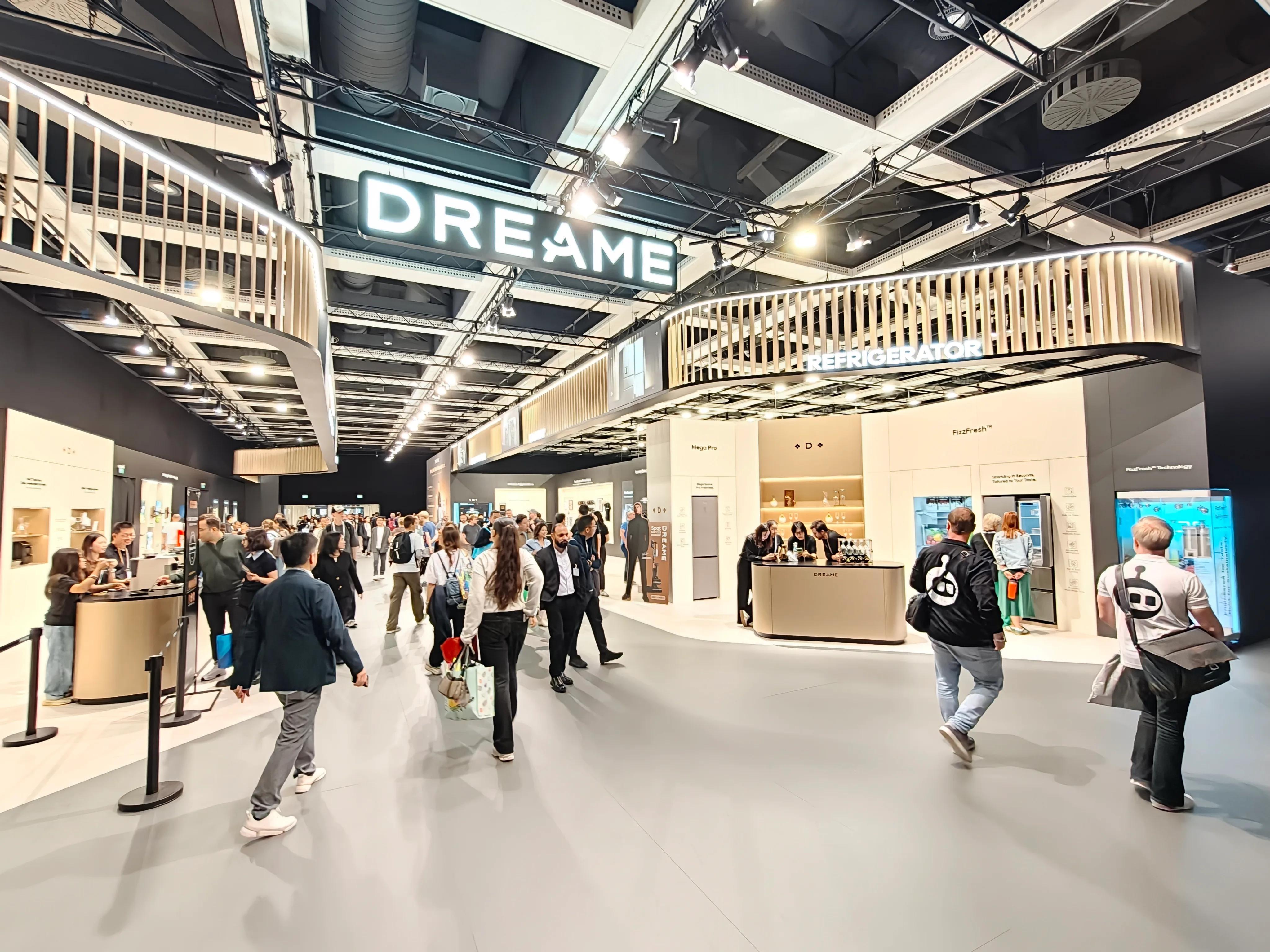
(Source: On-site footage shot by Leitech IFA Reporting Team)
AirFry DuoTower exhibited by German local brand CASO also adopts a dual-chamber design, integrating an air fryer and an oven, so that users can fry potato chips with the air fryer function on one side and bake pizza with the oven on the other side.
When one device can perform the work of multiple cooking utensils such as ovens, air fryers and microwave ovens at the same time, consumers will start to think about how many kitchen appliances they actually need to buy. After the all-in-one mode becomes popular, these highly integrated devices can effectively reduce the space occupied by kitchen appliances in the kitchen, making kitchens with smaller areas less crowded.
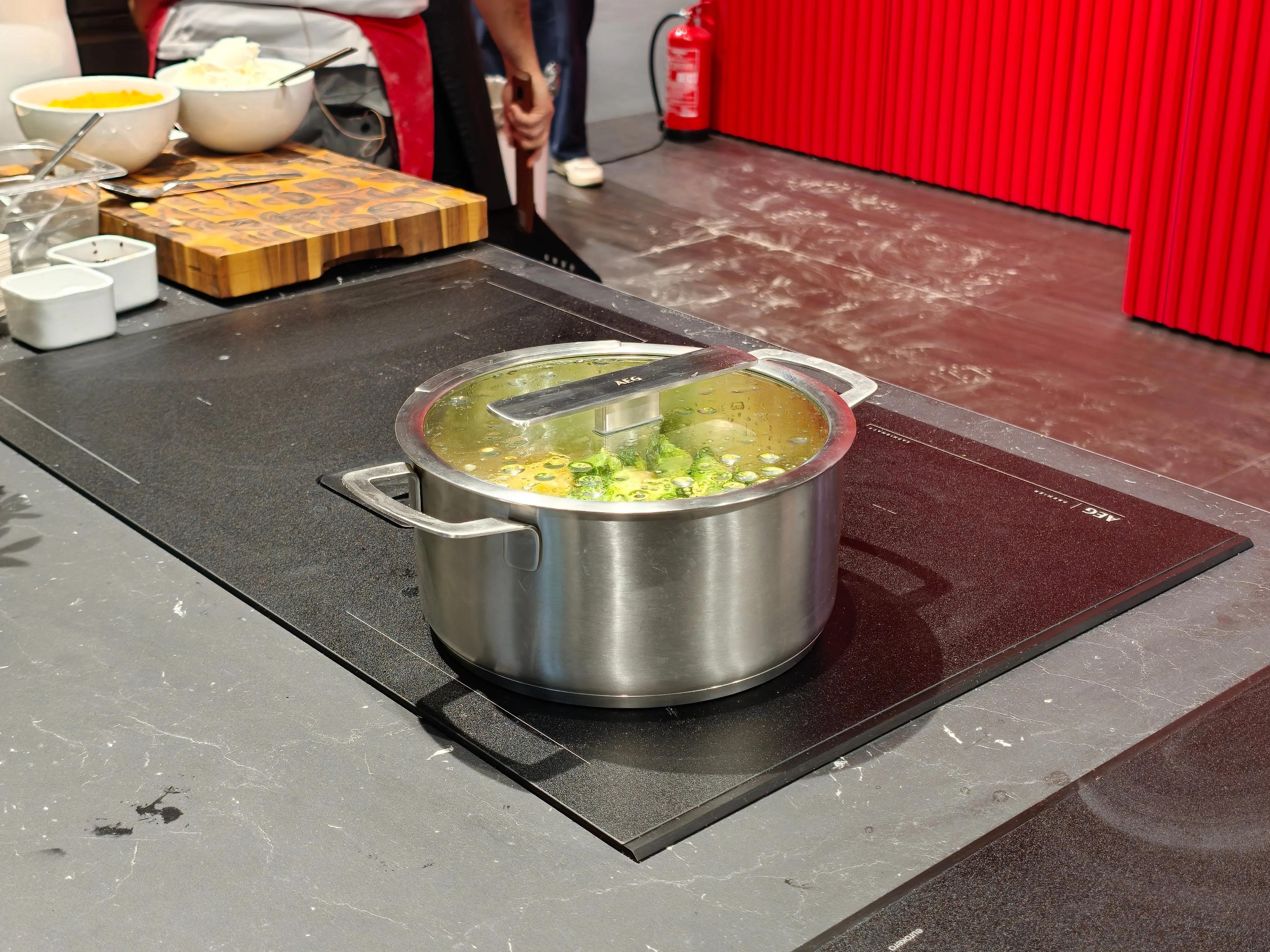
While a large number of enterprises are launching all-in-one kitchen appliances, some other enterprises have launched devices with specialized functions. At this year's IFA, AEG, the German high-end home appliance brand, exhibited a kitchen appliance specially designed for making pasta — OnePot Pasta. Users only need to put ingredients into the matching pot, and the device will automatically adjust the heat, no user waiting is required, and a portion of pasta can be cooked in about 15 minutes.
(Source: On-site footage shot by Leitech IFA Reporting Team)
From the standpoint of most domestic Chinese consumers, we cannot even finish all the dishes of the eight major Chinese cuisines, so we may not be interested in such kitchen appliances that are dedicated to making pasta. But there are always people who love a single type of food, and perhaps in the future we will see more enterprises launch kitchen appliances designed for cooking specific foods.
In Leitech's view, these two types of kitchen appliances reflect two different directions of the future industry: one is to pursue functional richness, striving to solve most cooking needs with one single device; the other is to solve specific needs, pursuing efficiency and better results.
Creating New Possibilities for Lifestyles Within Limited Kitchen Space
While kitchen appliances are becoming more and more intelligent and powerful, many consumers are facing a problem that prevents them from continuing to buy new kitchen appliances: it is not that they do not have enough money, but that there is no extra space in their kitchen.
The Leitech team members who rent apartments in Guangzhou all have a deep understanding of this: the cramped kitchen cannot hold too many electrical appliances. The all-in-one devices mentioned above are a solution to ease the pressure on kitchen space. At IFA 2026, Leitech has also seen more possibilities.
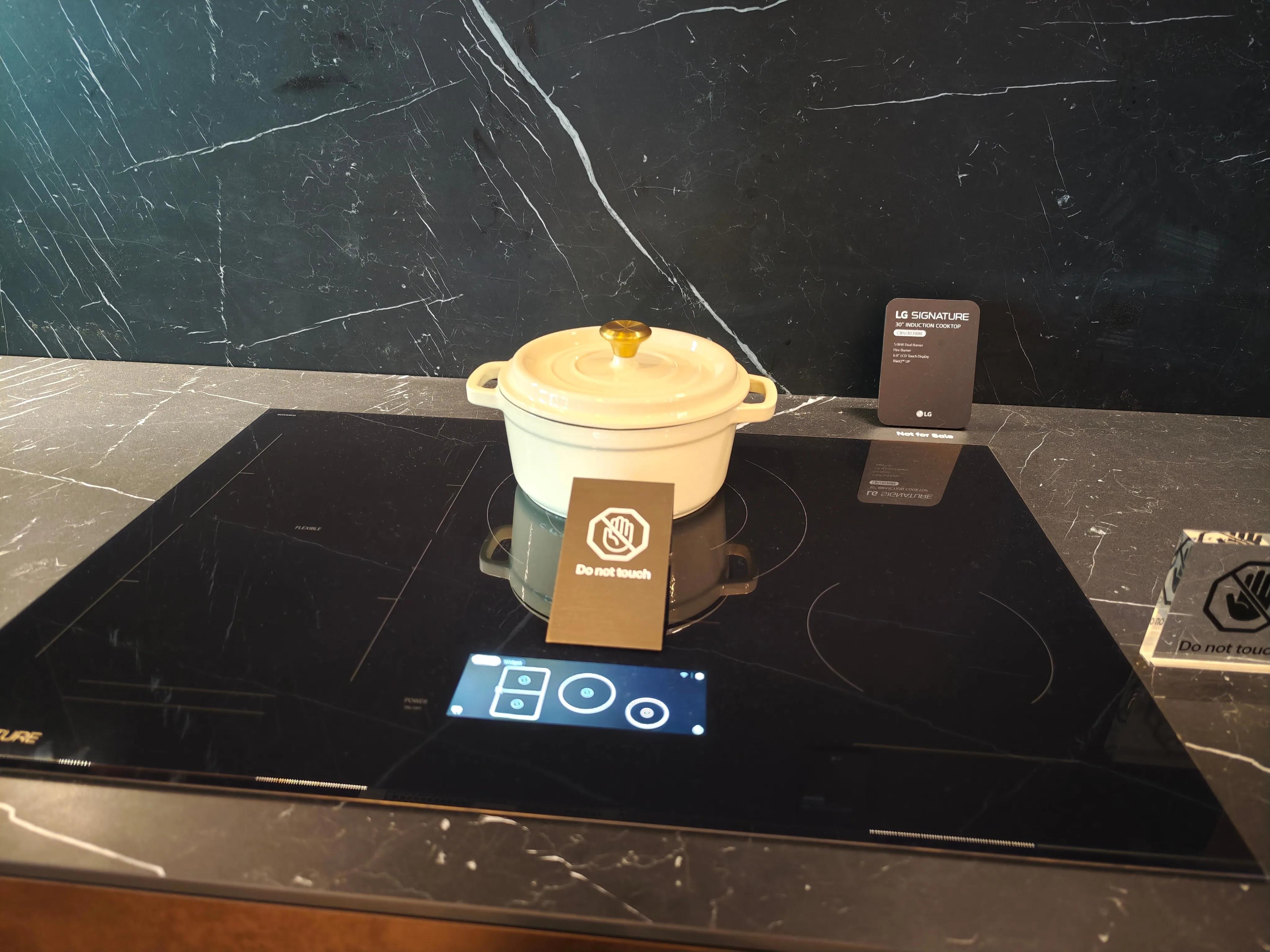
The solution adopted by LG's downdraft induction cooker is to integrate the air suction system into the center of the cooking counter, which can not only suck away the fumes and steam generated during cooking, but also replace the traditional range hood, making the space above the kitchen counter clean. The biggest value of this induction cooker is that the downdraft structure can reduce the impact of upper-mounted devices on the visual effect of the kitchen, avoiding the situation where traditional range hoods occupy the space above the stove counter.
(Source: On-site footage shot by Leitech IFA Reporting Team)
The "Home Center: China Kitchen Living Development Trend Report (2024)" jointly released by the National Survey and Big Data Research Center of the Chinese Academy of Social Sciences and Fotile Group points out that the kitchen is replacing the living room to become the new home center, and open-plan kitchens have become the choice of nearly 80% of people.
The main problems of open-plan kitchens are, first, the visual impact of kitchen appliances, and second, cooking fumes will pollute the dining area connected to the kitchen. LG's downdraft induction cooker can solve both problems at the same time.
Facing the proposition of space utilization, Midea takes the SPACE MASTER concept as the core. The SPACE MASTER refrigerator it built has a volume of 443 liters under the standard 60cm width, far exceeding the previous generation of products. Midea's built-in oven is also based on this concept, with a cavity capacity of 92 liters while meeting the standard built-in size.
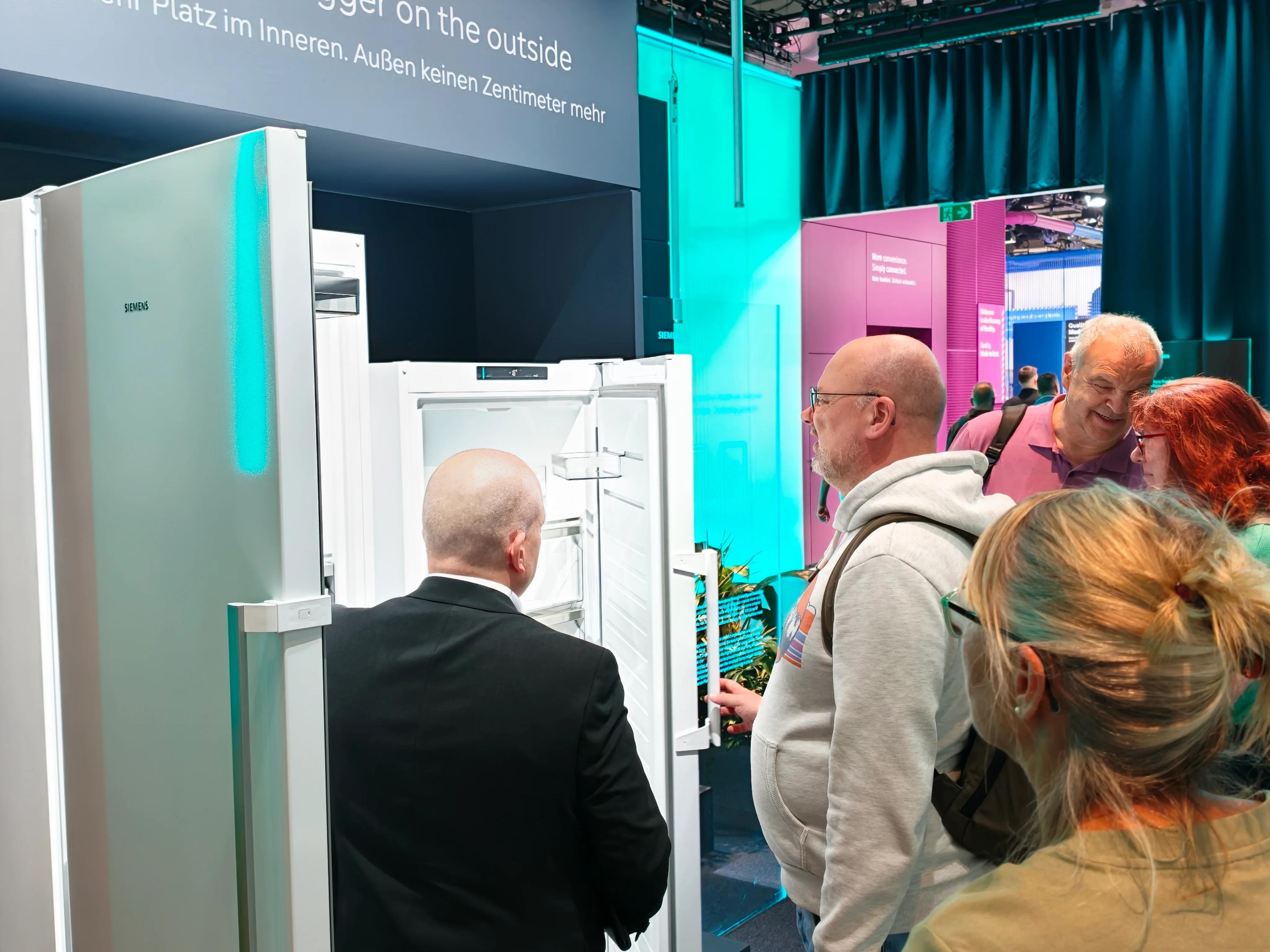
The freestanding single-door refrigerator exhibited by Siemens at IFA 2026 has the same external dimensions as the previous generation product, but its capacity has increased to 402L, 15% higher than the previous generation.
(Source: On-site footage shot by Leitech IFA Reporting Team)
The only way to increase the internal capacity while keeping the external volume unchanged is to make the shell of devices such as refrigerators and ovens thinner, but thinner shells often mean reduced thermal insulation capacity. In response to this, Liebherr chose the BluRoX vacuum insulation technology, which reduces heat conduction through vacuum insulation, so that the thinner refrigerator shell will hardly affect the thermal insulation capacity, avoiding increased energy consumption of the refrigerator.
Midea has also completely redesigned the thermal insulation structure, refrigeration system, air duct and inner liner of the refrigerator, so that components such as evaporators, fans and electronic control units can be arranged more reasonably inside the shell to reduce space occupation.
The principle of increasing the volume of the oven is largely similar to that of the refrigerator, mainly including upgrading thermal insulation materials, optimizing air duct design, rearranging components, and minimizing the size of heating elements without affecting heating efficiency.
Kitchen appliances keep launching new iterations, but the kitchen itself will not become larger. "No extra space to place" is becoming a new threshold for consumers to buy kitchen appliances. The answer given by IFA 2026 is: first, reduce the number of kitchen appliances users need through multi-function integration; second, maximize the internal space of kitchen appliances while keeping their external dimensions unchanged.
It is foreseeable that the continuous improvement of space utilization will become one of the focuses of industry competition in the future. After all, replacing a kitchen appliance is much easier than moving to a new house with a larger kitchen.
AI-powered Kitchen Appliances Evolve Rapidly, Are Humanoid Robots the Ultimate Solution?
After walking around the kitchen appliance zone at IFA 2026 for several rounds, Leitech has clearly felt that the kitchen appliance industry is shifting from simply pursuing stronger product performance in the past to thinking about how to make the kitchen more efficient.
Products such as Siemens iQ700 oven, Hisense AI Kitchen Companion Series, Midea's smart home ecosystem SMART MASTER add cameras and AI to the devices, enabling refrigerators, ovens and other equipment to understand ingredients, read users' needs, actively generate recipes and provide cooking tutorials. The kitchen will have lower and lower dependence on human participation.
However, there is still a certain distance before humans can completely stay away from the kitchen. Perhaps only when humanoid robots enter daily life scenarios, can they take ingredients out of the refrigerator for us, complete food preparation, put ingredients into cooking utensils and perform other related tasks, so that humans can be fully liberated from the kitchen.
Interestingly, there are no real cooking robot exhibits at IFA 2026, but IFA 2026 held a forum named "Robots in the Kitchen and Home: From Task-Specific Tools to Humanoids" to discuss the application of humanoid robots in the kitchen. Raghav Gupta, Co-founder and CEO of Posha, Michael Wolf, Founder of The Spoon, William Shi, CEO