Young people who are tired of "standard answers" have started to engage in "wild" consumption.
Head to Beijing's Liangma River or Suzhou's Dushu Lake on a weekend, and you will probably be stunned by the scene in front of you.
On the calm water, colorful small boats are floating densely. Young people on the boats are either paddling slowly, or simply lying back with their hands behind their heads in a daze, even when the bow is almost touching the stern of another boat.
This is the Cityboat trend that has recently become popular in major cities. To seamlessly access this water utopia right after work, many young people are even willing to spend more than 6,000 yuan on an inflatable backpack boat that deflates to the size of a sleeping bag, fits directly into a backpack, and can be taken on the crowded peak-hour subway.
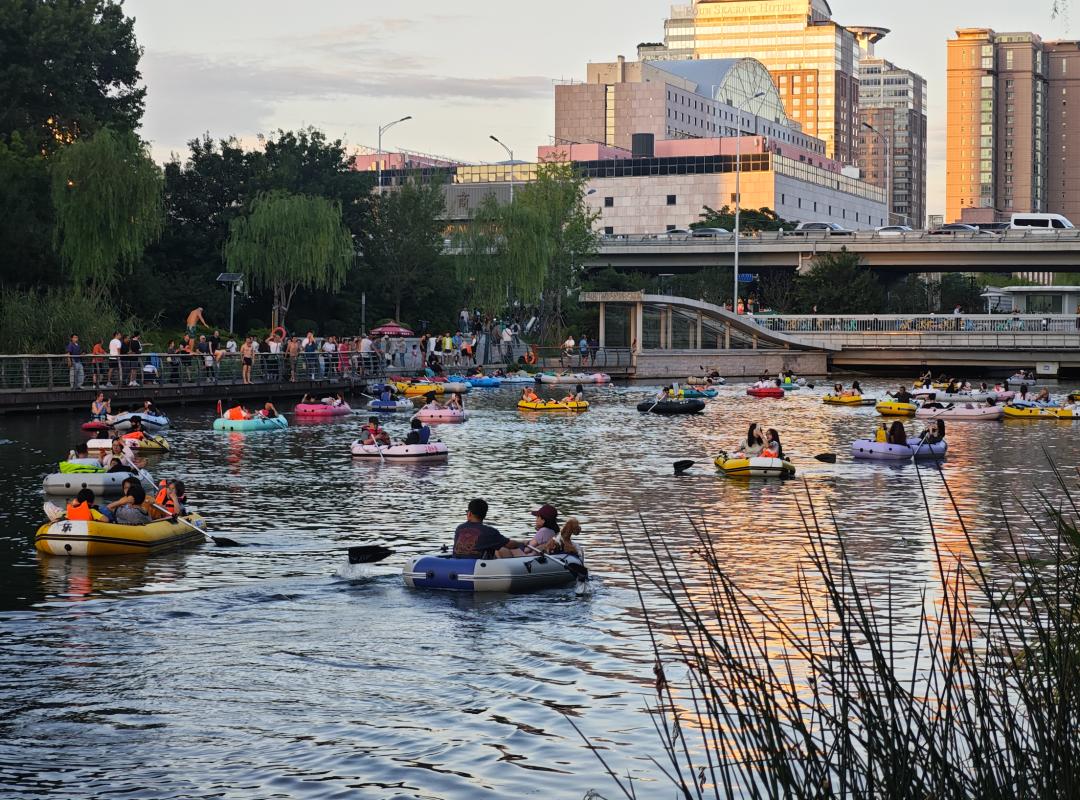
Young people enjoying Cityboat on Liangma River, source from IC Photo
The consumption standards of young people are becoming increasingly clear. In their eyes, the thousands of yuan they spend buys far more than a boat: it is a "ticket" to escape reality at any time, a physical isolation from KPIs and work group chats on the water, and a pure investment in their own interests with real money.
Young people tired of "standard answers" spend money just because "I want to"
If buying a boat is a way to add a little relaxation to life, another group of young people have chosen the completely opposite path, "spending money to push themselves to their limits".
In November 2024, Hyrox, a comprehensive fitness event invented by Germans, made its debut in Chinese mainland. The event combines an 8-kilometer run with 8 functional training stations, including sled pushes, burpees, weighted lunges... each of which is a brutal challenge to the limits of the human body.
Participating in this event is not cheap either. One participant shared his bill on social platforms: registration fee 600 yuan, pre-competition training courses 824 yuan, equipment 1388 yuan, travel and accommodation 972 yuan, photography 329 yuan, totaling more than 4,000 yuan, just to exhaust himself in a few hours.
But this "spend money to suffer" event has attracted a growing number of young people. Last year, the number of Hyrox participants in China exceeded 40,000, with more than 400,000 related notes on Xiaohongshu. This year, the craze has multiplied: the scale of the Shanghai station has surged from 3,600 to over 10,000 participants, and the Shenzhen station has also attracted more than 12,000 people. The event's footprint is rapidly expanding from Beijing and Shanghai to Wuhan, Hangzhou, Sanya and other cities.
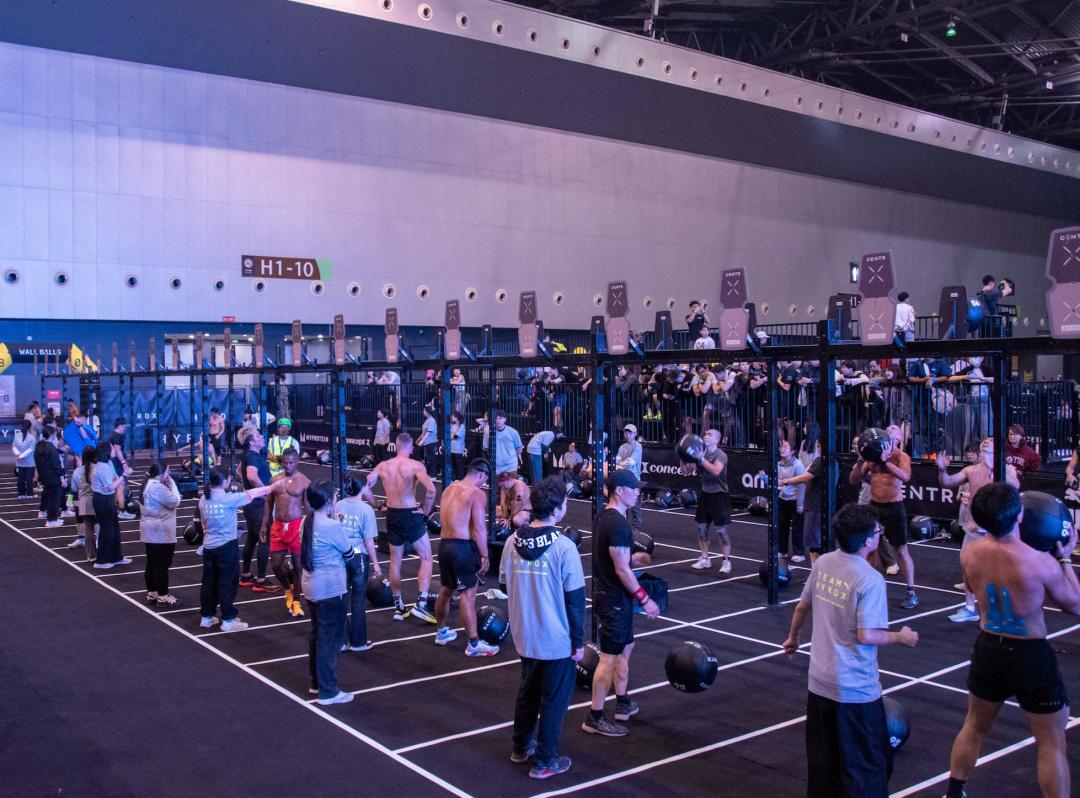
Hyrox Shanghai Station, source from Unsplash
When holidays come, consumption habits are also changing.
Rather than checking in at identical internet-famous spots, they prefer to pay for an "unconventional" experience that breaks away from daily routines — some people from southern China are willing to be "exiled to Ningguta" in the minus 20℃ northeast China, putting on prisoner uniforms and shackles to experience the harshness of "being dispatched to the frontier" in the wind and snow; a 1.8-meter-tall strong man has his hair in a bun and puts on lipstick at the Ying Tian Gate in Luoyang, transforming himself into a "male imperial concubine".
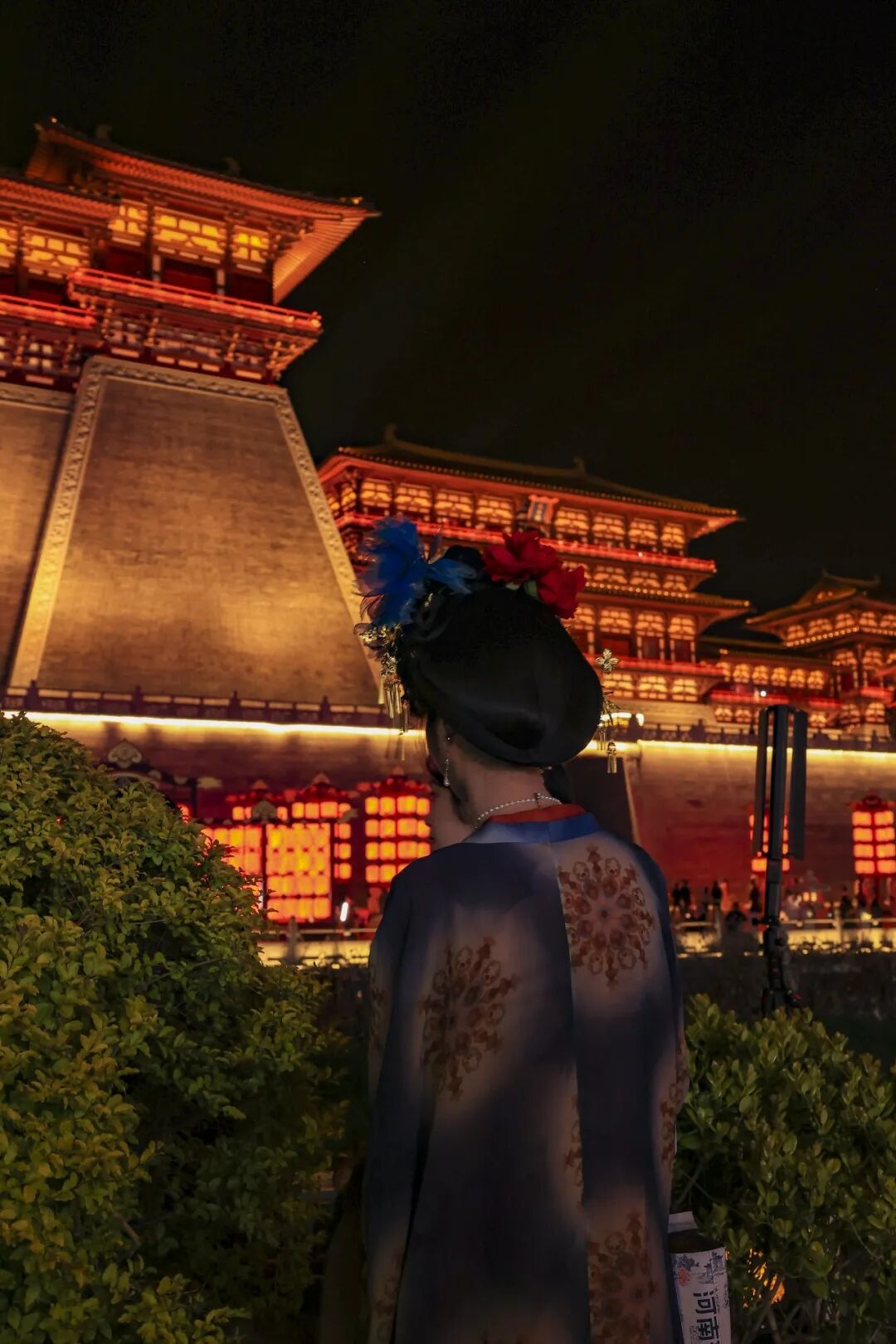
Tourists wearing Hanfu and Tang-style costumes at Ying Tian Gate, source from VCG
Young people staying at home are also looking for their own small safe haven. When passing by KKV, they may pick up a box of watercolor paints, a few rolls of journal tapes, or a pack of handmade origami paper. Back home, they turn off their phones, sit at the desk, mix the pigments little by little, stick the stickers one by one, either get instant satisfaction from a short experience, or immerse themselves for the whole afternoon in a state of flow.
In the past, this kind of seemingly "unproductive" small hobby could easily be labeled as a "flash in the pan". But now, young people are no longer in a hurry to prove what long-term value a thing can bring. It doesn't matter whether the painting looks good, whether the journal layout is perfect, or whether the origami is three-dimensional. As a netizen who is obsessed with coloring said, she just wants her brain to shut down completely for two hours, only focusing on mixing the pigment in front of her, "Even a flash in the pan is a gain that lasts for three minutes."
Every trend is essentially a spiritual need seeking an outlet.
Some people spend money to "buy peace", some "seek unnecessary hardship on purpose", some "escape daily routines", and others "empty their minds without thinking". In this uncertain environment, young people are using a wide range of ways to gradually regain a sense of certainty in life.
Cityboat gives them a water area to escape reality temporarily, where they don't have to think about all the uncertainties related to performance, promotion and the future; Hyrox gives them a quantifiable goal: results are objective, and no one can cheat for you no matter how much sweat you shed; the "Ningguta" and "male imperial concubine" travel experiences give them a time-limited chance to break away from their social identities; and a set of DIY "artwork" completed in a few hours brings them a period of undistracted focus. They prove with their quirky hobbies that spending time nourishing their own flow state is not a waste.
All seemingly diverse consumption is essentially young people paying for emotional value.
Data also proves the explosion of this emotional consumption trend.
According to data from iiMedia Research, the market size of China's emotional economy reached 2.72 trillion yuan in 2025, and is expected to exceed 4.5 trillion yuan by 2029. The "2026 Young People's Consumption Trend Report" jointly released by Bilibili and CTR also points out that young people's consumption expenditures flow to three major directions: paying for "hardcore experiences" that improve life efficiency, paying for "interest circles" that gain identity recognition, and paying for "precision healing" that cares for inner state. This means that young people's consumption motivation has long shifted from the external "pleasing others" to the internal "pleasing themselves".
They are not stopping consuming, but abandoning the pragmatism of "what do I need" and embracing the belief of "what makes me happy".
The ultimate goal of shopping is to pursue the tacit understanding that "it gets me"
This trend is rapidly reshaping the underlying logic of offline retail.
In the past, going shopping was a purpose-driven task: you looked for what you lacked, bought it and left. The shelves were simply divided into daily chemical area, food area and stationery area by category. This logic worked in the era of functional consumption, but it no longer applies in the era of emotional consumption.
Because when young people walk into a store now, they are not just there to buy an item, but to look for a tacit understanding that "the brand gets me".
According to the "2026 Young People's Consumption Trend Report", 90.4% of young users will be influenced by the sincerity of the brand when making purchase decisions. They dislike preachy marketing, and prefer brands with a "human touch". When a brand says "this product is good", they will ask "what's good about it", and they do not necessarily buy the products placed on the shelves.
Some sharp physical retailers have long sensed this trend and started to reshape the "shopping experience" of their stores. The snack collection stores located on the B1 floor of shopping malls have become the "mini Sam's Club" for office workers; the discount area in supermarkets after 8 p.m. is a cost-effective "late-night canteen"; IKEA's model rooms have also become a "happy home" for young people to escape reality temporarily.
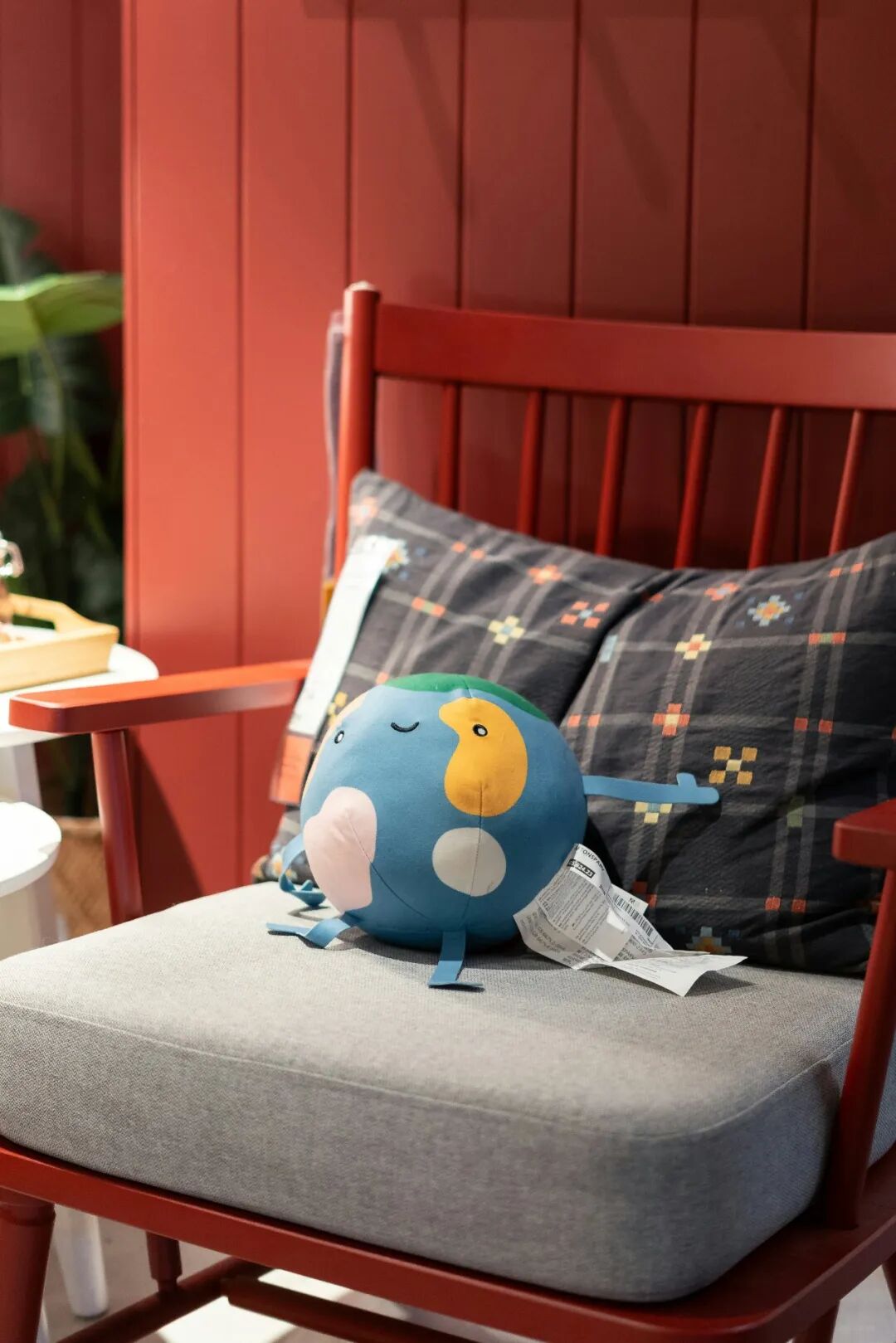
IKEA model room, source from Unsplash
But KKV has gone further in reshaping offline spaces.
From May to August this year, KKV launched 9 limited stores focusing on immersive curatorial experience in core cities including Chengdu, Shenzhen, Shanghai, Lanzhou and Urumqi.
Out of curiosity, the "Youth Research Institute" visited the KKV store on the 2nd floor of Shenzhen Daqianli in mid-August.
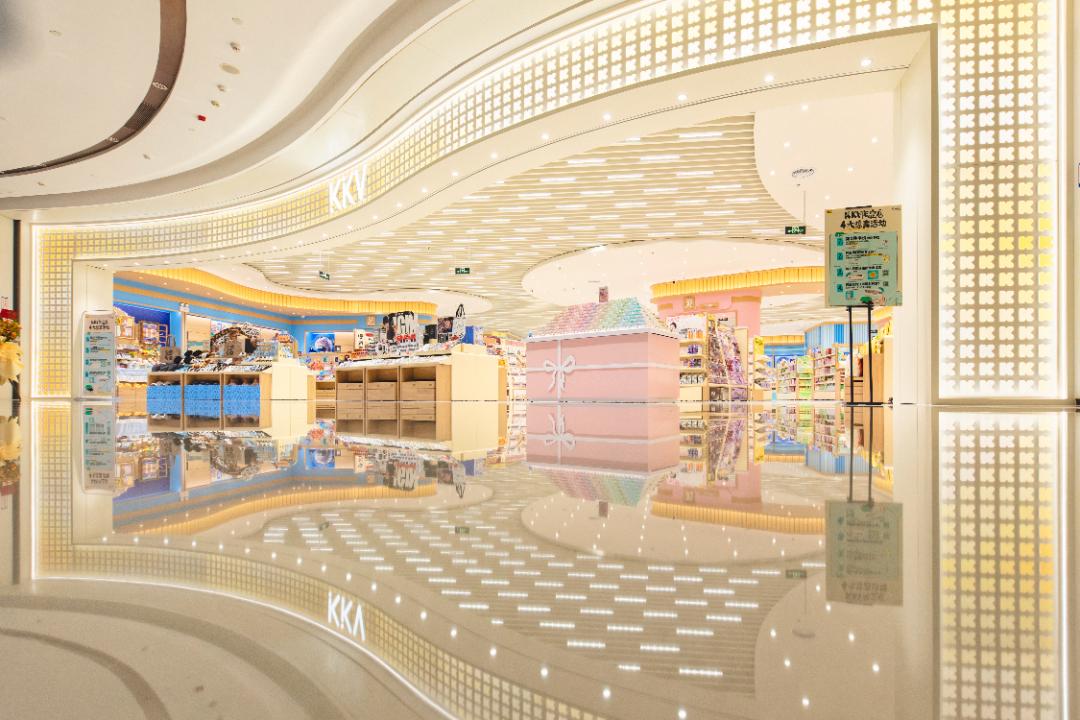
KKV limited store at Shenzhen Daqianli
"Great for wandering" is our first impression of this store. It is no longer just a traditional "retail collection store", but has evolved into a real "lifestyle brand". Because the products here are not divided by category, but displayed by lifestyle themes.
Seven themed areas covering food, travel, beauty, fun, pets, home and art run through all aspects of young people's lives.
In the "food" area, a "flavor-seeking journey" brings local specialties from Xinjiang, Inner Mongolia, Fujian and other regions right in front of customers, satisfying young people's diverse taste experiences at once. The "travel" theme area is filled with good-looking portable wash bags, sun hats, protective masks and U-shaped neck pillows, ready to support any impromptu escape of office workers.
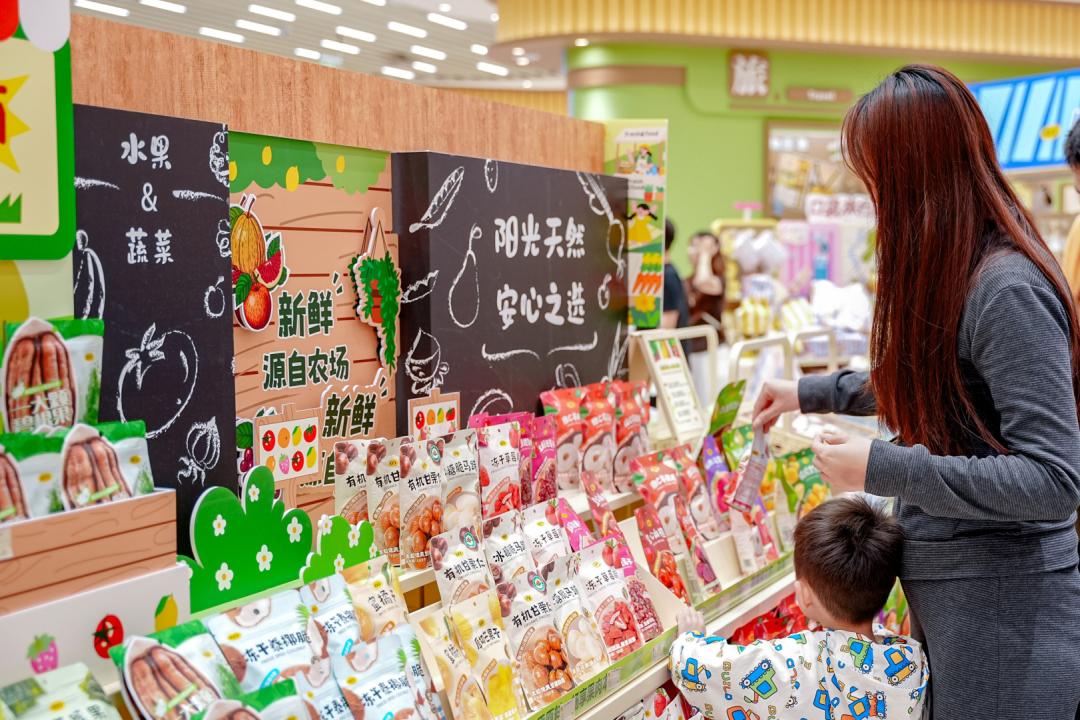
But in front of these dazzling shelves, what really makes people stop is not a specific product, but a feeling that it hits the spot exactly.
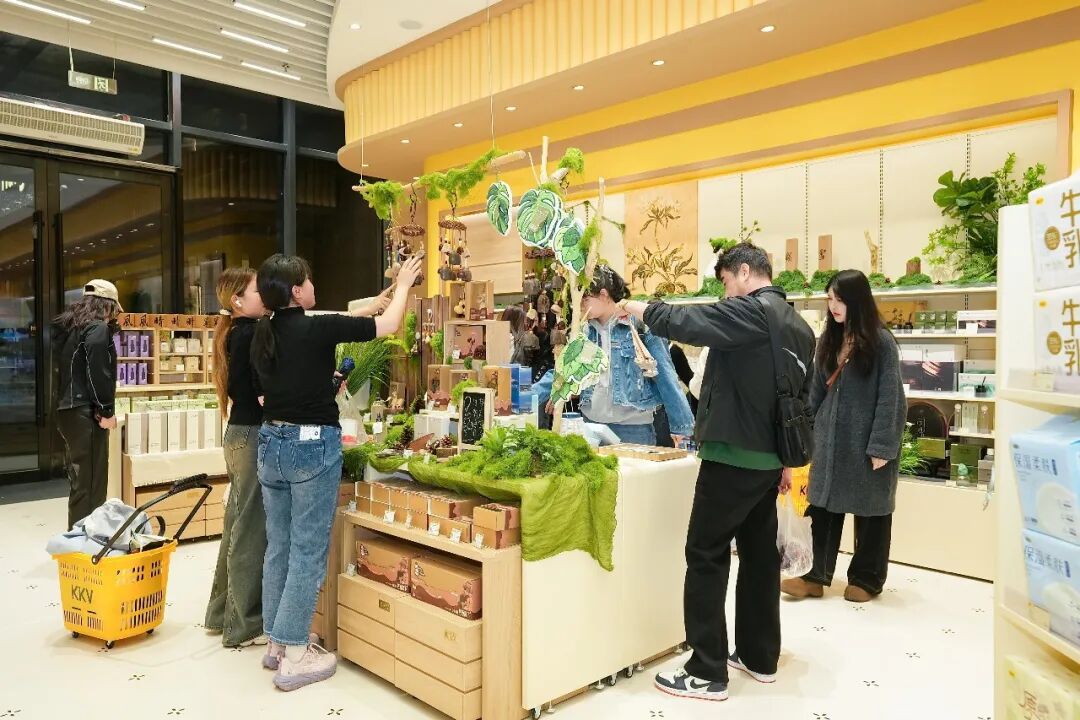
You can hardly imagine smelling the scent of wild pine in a store. There is no sign saying "forest style" here, but when you walk in and get closer, the smell of pine hits you, the crisp sound of wind chimes comes to your ears, and you can feel the cotton and linen texture under your hands. The whole set of experience soothes every office worker's nerves that have been tense for a whole week in the cubicle, and embodies the relaxed state they have imagined countless times in their rental apartments but never achieved. Even if you don't buy anything immediately, you are willing to stay here for a little longer.
The "home" theme area is more straightforward. The "corner of the ideal kitchen" you once collected on Xiaohongshu seems to have been moved right in front of you. Baguette-shaped plates, avocado-shaped saucers... None of them are rare on their own, but when put together, they form an extremely vivid living scene. Even if you walk in without a shopping list, you will suddenly know what you are missing when you leave.
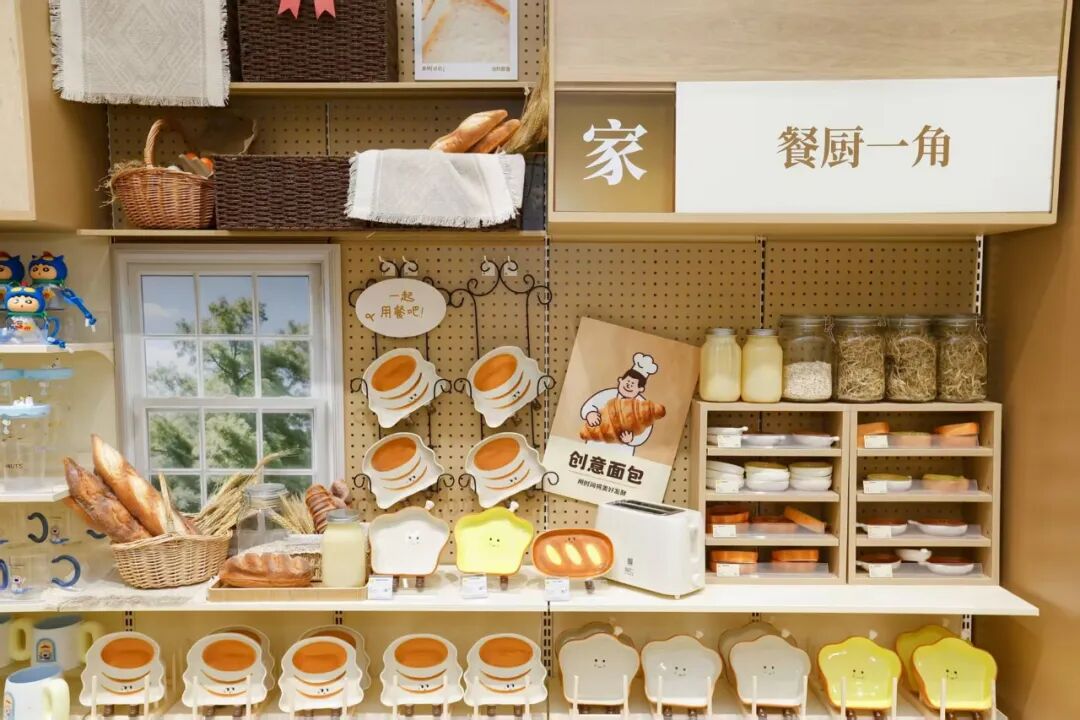
If the traditional category division solves the problem of "what do you want to buy", KKV's lifestyle division solves the problem of "what kind of life do you want to live". For this generation of young people, the latter is far more appealing than the former.
Return the right to define life to young people
KKV's shelf displays are almost always updated in real time according to the needs of young people.
Whatever young people are talking about, KKV turns it into a livable experience scene.
A while ago, young people made "DIY cocktails" a hot search topic — simple base liquor mixed with soft drinks, following the guide to "pick up the bottle and everyone can be a bartender". Soon, KKV brought this gameplay to its wine shelves, with "Coconut Rum" and "Lightly Drunken White Bud Qilan" cocktail sets complete with base liquor, soft drinks and ice cups. Bartending, which used to have a threshold, is made into a "just pour to drink" experience here, precisely matching young people's need for self-entertainment, a small drink, and unwillingness to go out for trouble.
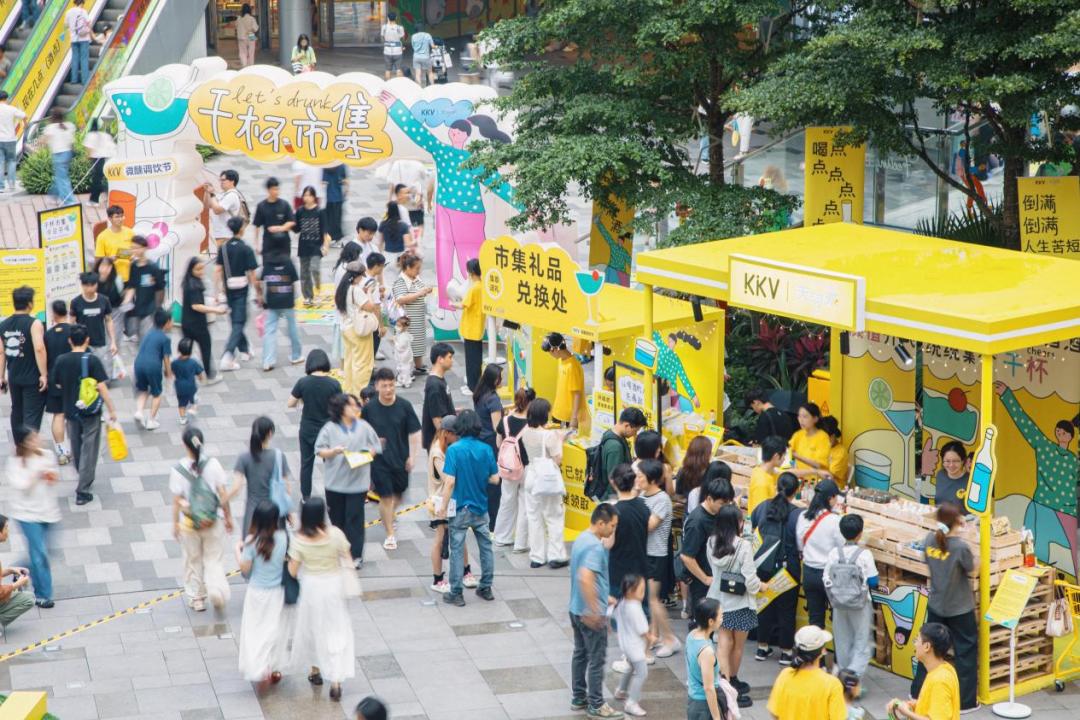
KKV held "Lightly Drunken Mixology Festival" in Guangzhou to bring bartending culture closer to young people's lives
Insight into young people's social rigid demand that "the food can taste bad, but the photo must look good", KKV's "kitchen corner" directly removed the regular daily tableware, and replaced them with colorful plates and small mini chopping boards. These cute and beautiful tableware perfectly capture young people's desire to record the atmosphere of life when they cook in the kitchen once in a blue moon.
The popular painted fridge magnets in the DIY area originated from the coloring and design shared by several netizens on social media. KKV captured the pleasure of this "low-threshold creation" and quickly launched DIY hand