Elon Musk, who does not want to focus on car manufacturing anymore, has officially forayed into the ride-hailing sector.
No launch event, no livestream, Tesla quietly announced in the early hours of today that its new vehicle, the Cybercab, has hit the road in Austin.
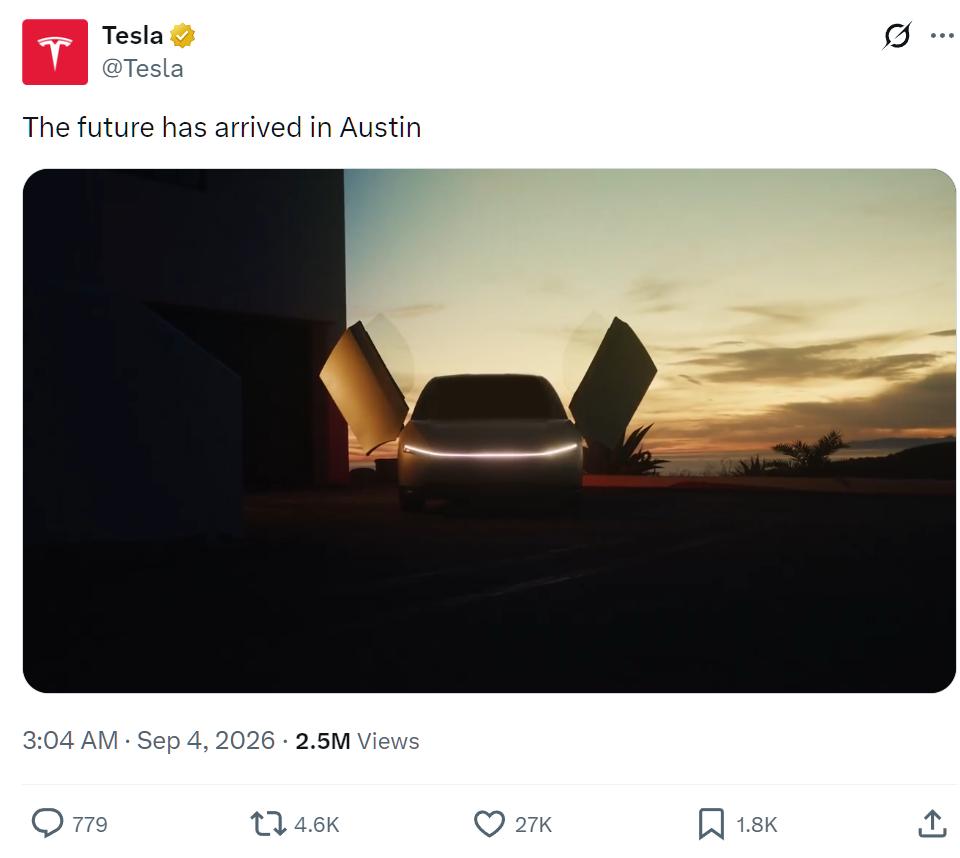
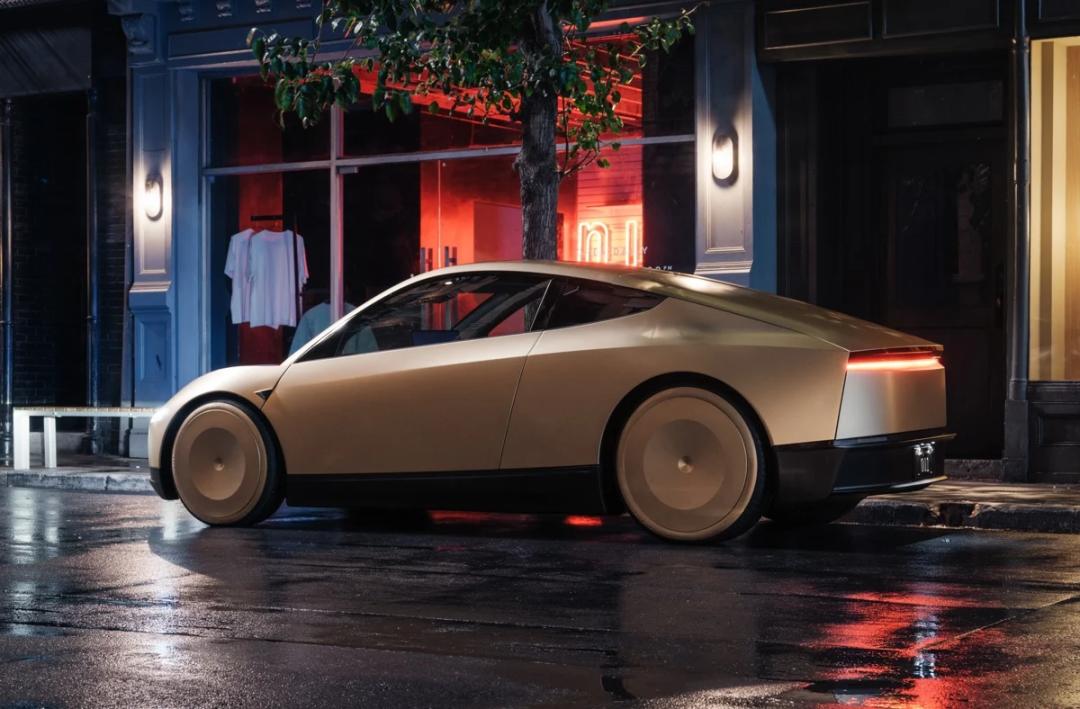
Looking at this two-door sports car that costs only a couple of hundred thousand yuan, you might be thinking that you definitely have to get one for yourself.
But as you can see, this Cybercab is not only extremely small in size and interior space, it doesn't even have a steering wheel, and it won't be sold to individual customers separately in the short term.
That's right, unlike the Model 3 and Model Y available on the market, this Cybercab is essentially a commercial vehicle purpose-built by Tesla exclusively for its own robotaxi business.
Under Tesla's plan, it can not only pick up passengers 7/24 with full self-driving capability powered by FSD, but also go to clean itself and recharge automatically when there are no pending orders. The whole process requires no manual maintenance at all, making it a fully automatic money printer.
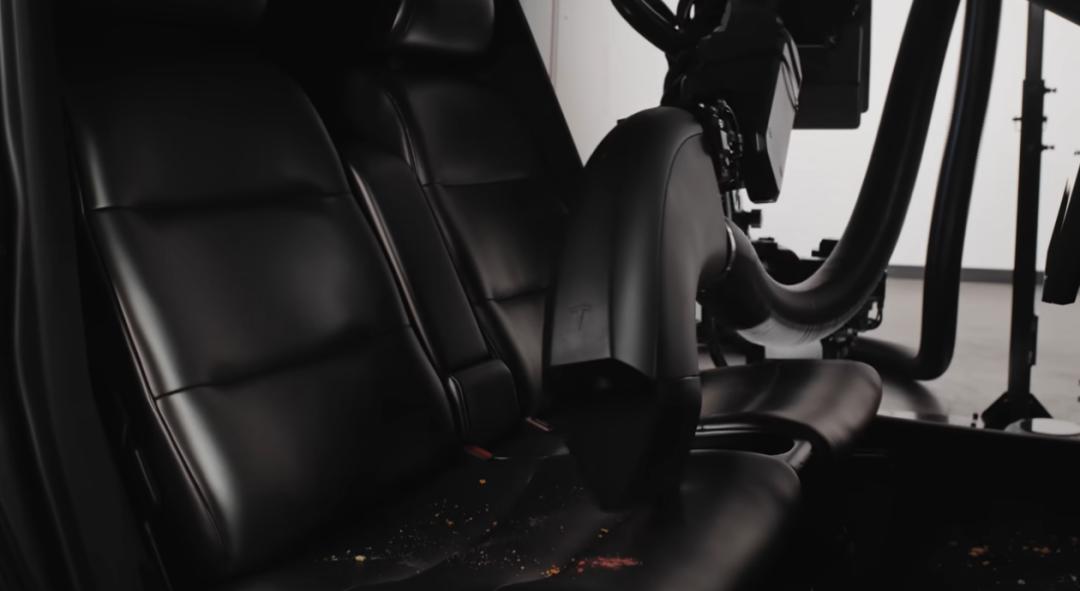
However, unlike existing robotaxis on the market such as Waymo and China's Apollo Go, the Cybercab does not have a vehicle packed with a large number of prominent sensors, and it is a no-frills, cost-optimized bare-bones vehicle that cuts every possible unnecessary expense.
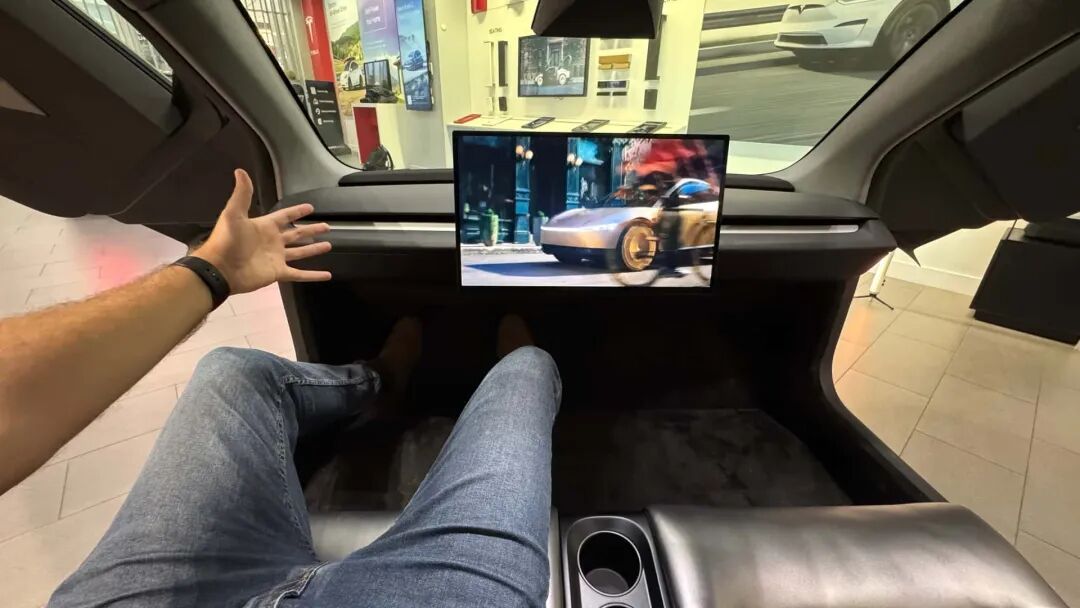
There is definitely no lidar on it, and autonomous driving still relies purely on vision. Apart from a central control screen and two seats, there are no other components inside the vehicle.
No steering wheel, no acceleration and brake pedals, not even rearview mirrors. Open the trunk and it is completely empty, with nothing inside at all.
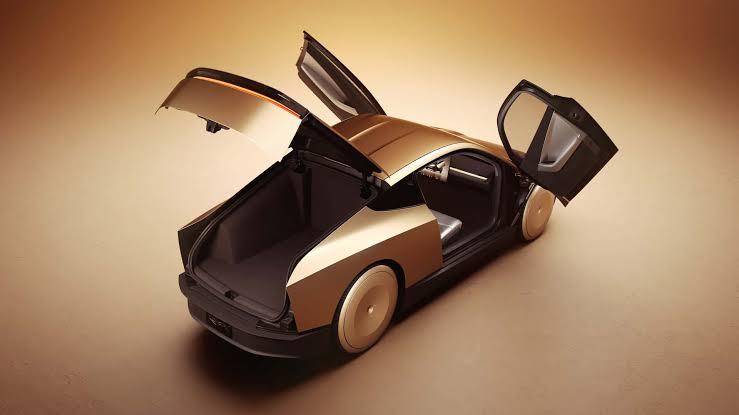
The specifications of the motor and battery are just enough for basic use: a 48kWh battery paired with a single 163kW front-wheel drive motor can only support a maximum range of just over 400 kilometers.
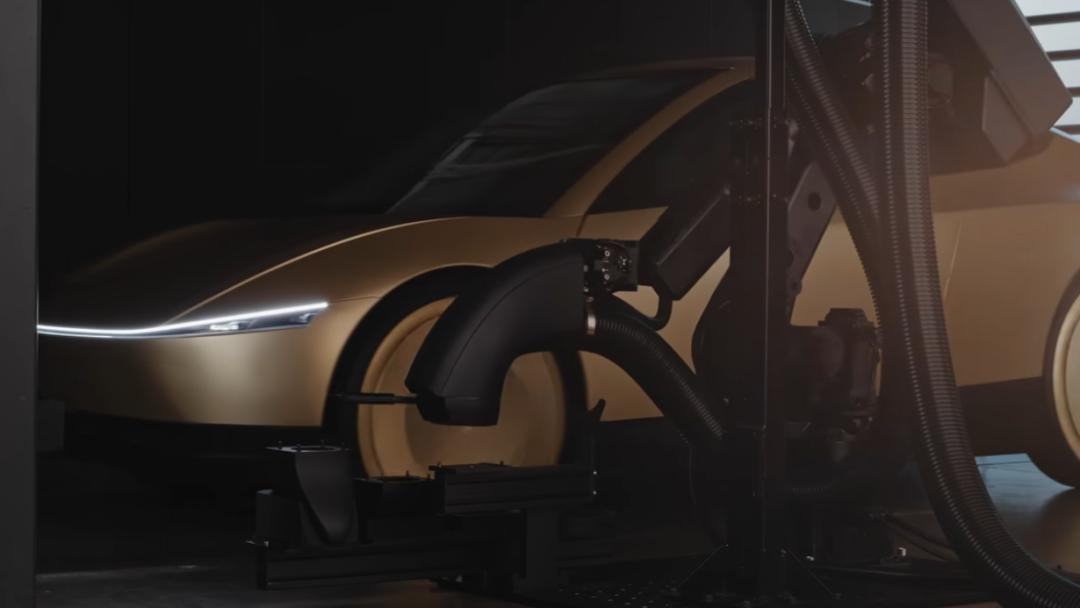
The most tech-savvy parts of the whole vehicle, apart from the two massive, seemingly absurd butterfly doors, are probably only the Starlink antenna on the roof and the color-shifting light strip at the front of the car.
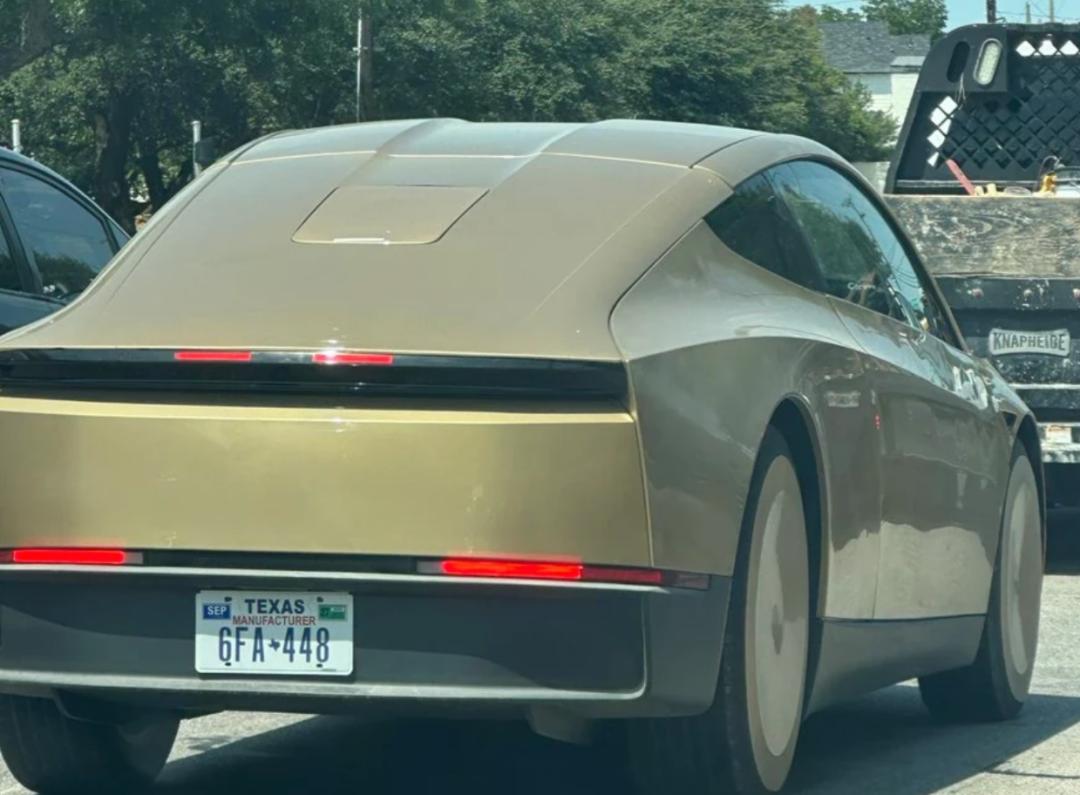
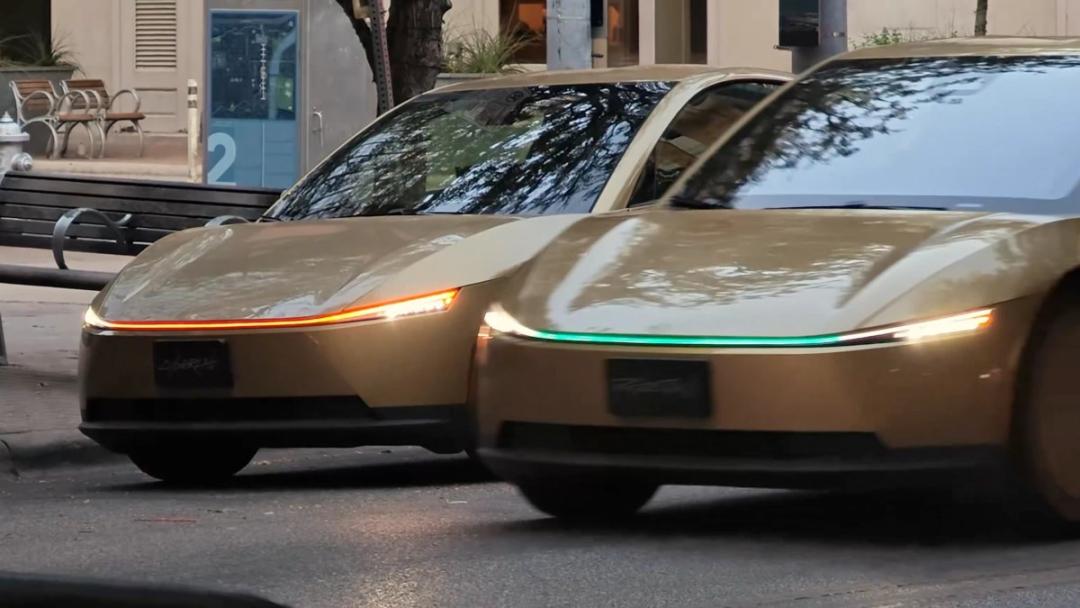
The former functions to keep the vehicle online even when there is no 5G network coverage, serving as a safety fallback design, while the latter helps passengers locate their booked vehicle much faster.
It is quite convenient indeed, but no matter how you look at it, it gives off a vibe that is oddly similar to the custom car shops in Los Santos.
So as a passenger car, the Cybercab barely has any extra features at all. But for Tesla, this walking bare-bones vehicle is the perfect form for a robotaxi.
It should be noted that the route of modifying existing production vehicles to make robotaxis, similar to what Waymo does, is actually a business that requires huge investment but delivers relatively thin profit margins.
First of all, the taxi company has to purchase base vehicles from partner carmakers such as Jaguar, Hyundai and Zeekr, then install its own sensor system on them.
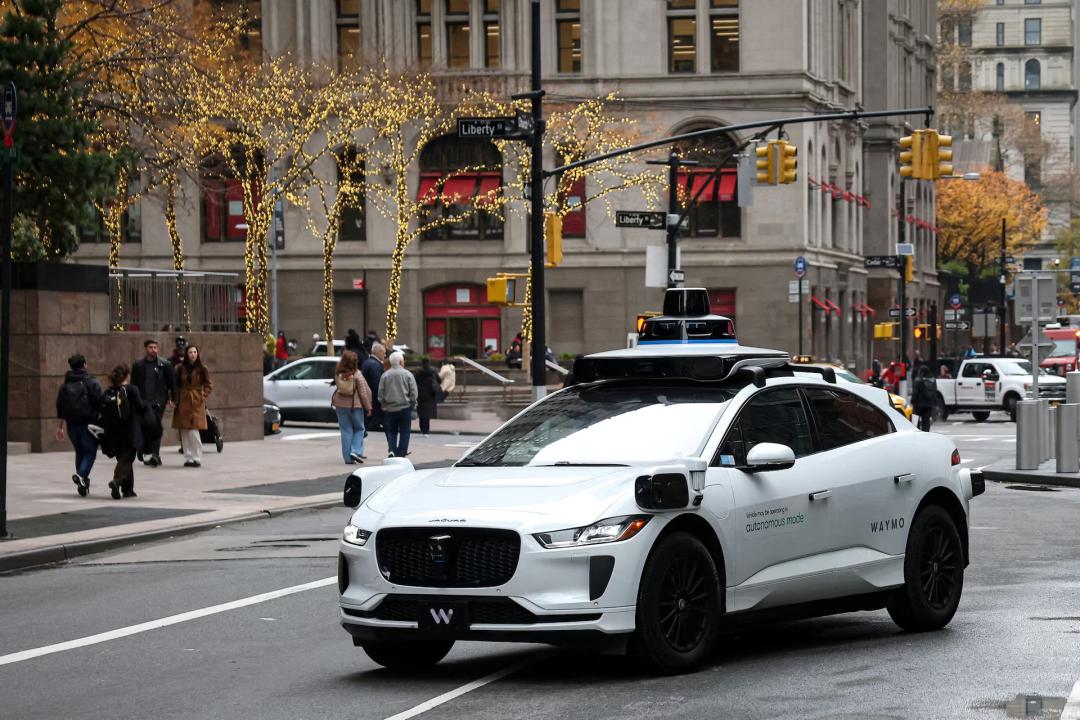
After being put into operation, the charging and maintenance of the vehicles need to be done by third parties, and orders in some regions can only be placed through third-party ride-hailing platforms.
This means that the taxi company not only has to spend a huge sum of money on purchasing vehicles and developing sensors, but also has to share a portion of the revenue from every ride order with various partners.
According to last year's calculation by TD Cowen, for robotaxis to turn positive gross profit per order, the total cost per vehicle needs to be reduced to below approximately $98,000, but the unit cost of Waymo's vehicle at that time was still as high as around $160,000.
Even though Waymo has started to deploy the new Zeekr Ojai vehicles in 2026, the total unit cost after adding tariffs is about $110,000, which is still not low enough.
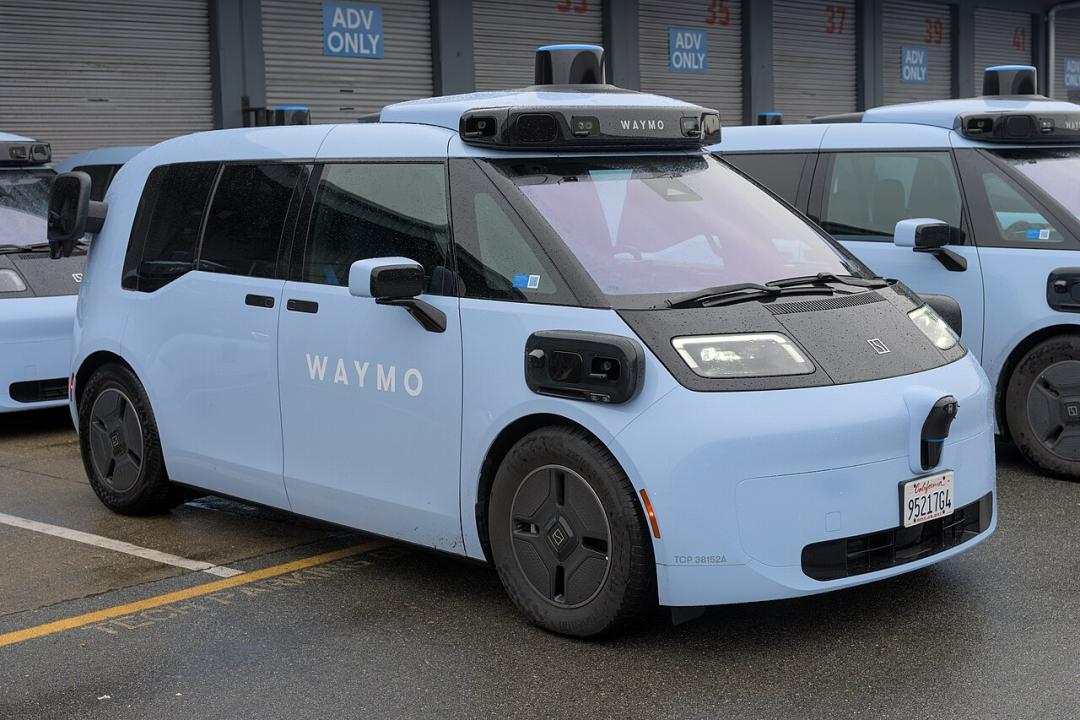
Even if each vehicle can take more than 100 orders on average per week, the payback period is extremely long.
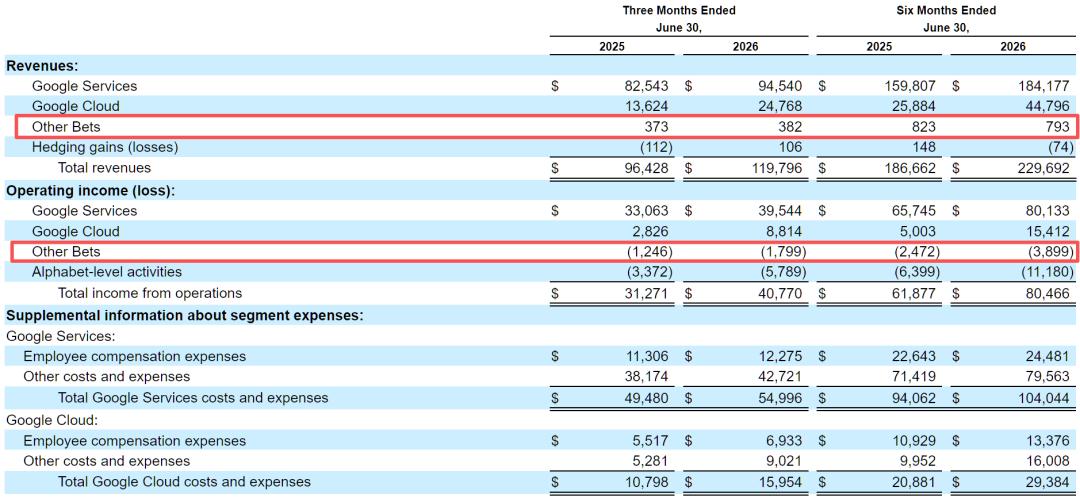
Adding up R&D expenses and employee salaries, in Alphabet's financial report, the business segment where Waymo is located recorded revenue of 793 million U.S. dollars in the first half of this year, but lost nearly 4 billion U.S. dollars, which is extremely capital-intensive.
But the story is completely different for Tesla, because Elon Musk reused the vertical integration strategy that he applied to car manufacturing in the robotaxi business.
Not only is the Cybercab entirely manufactured by Tesla itself, the FSD algorithm is also self-developed, and the charging, maintenance, and ride-hailing app are all operated by Tesla, even the insurance for the ride-hailing service is largely self-provided by Tesla.
There is hardly any entity that needs to share the profit with Tesla in the entire chain except for component suppliers, so all the revenue goes directly into its own pockets.
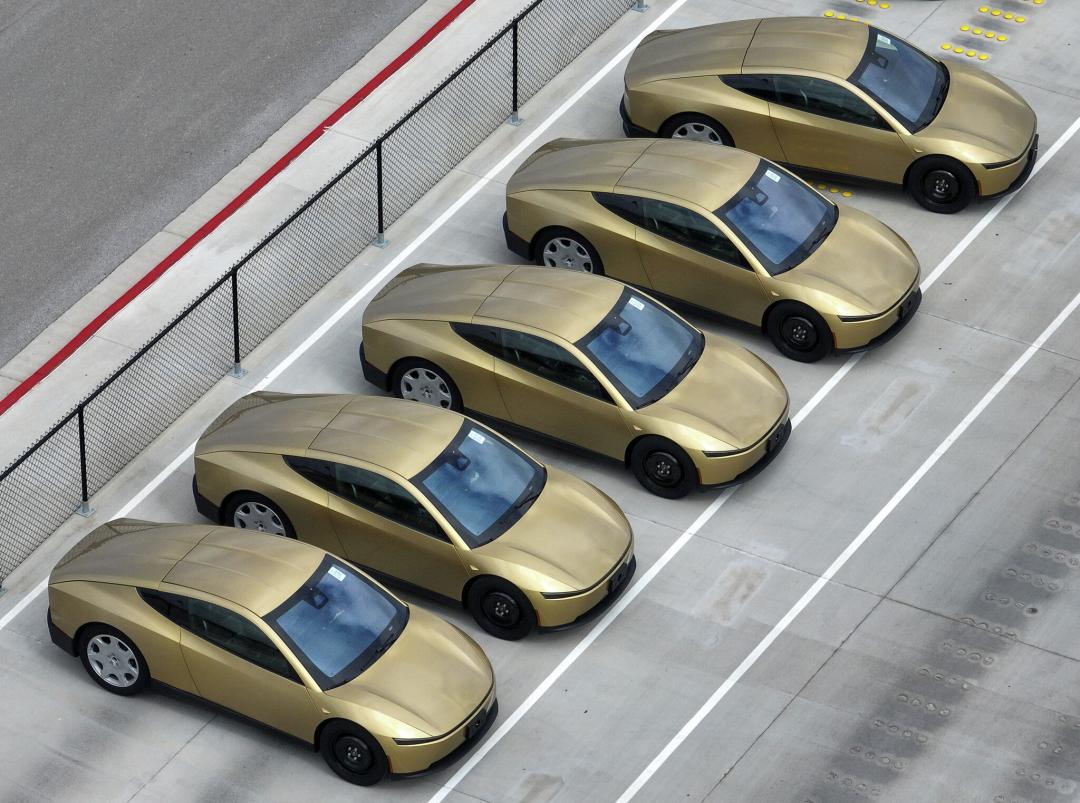
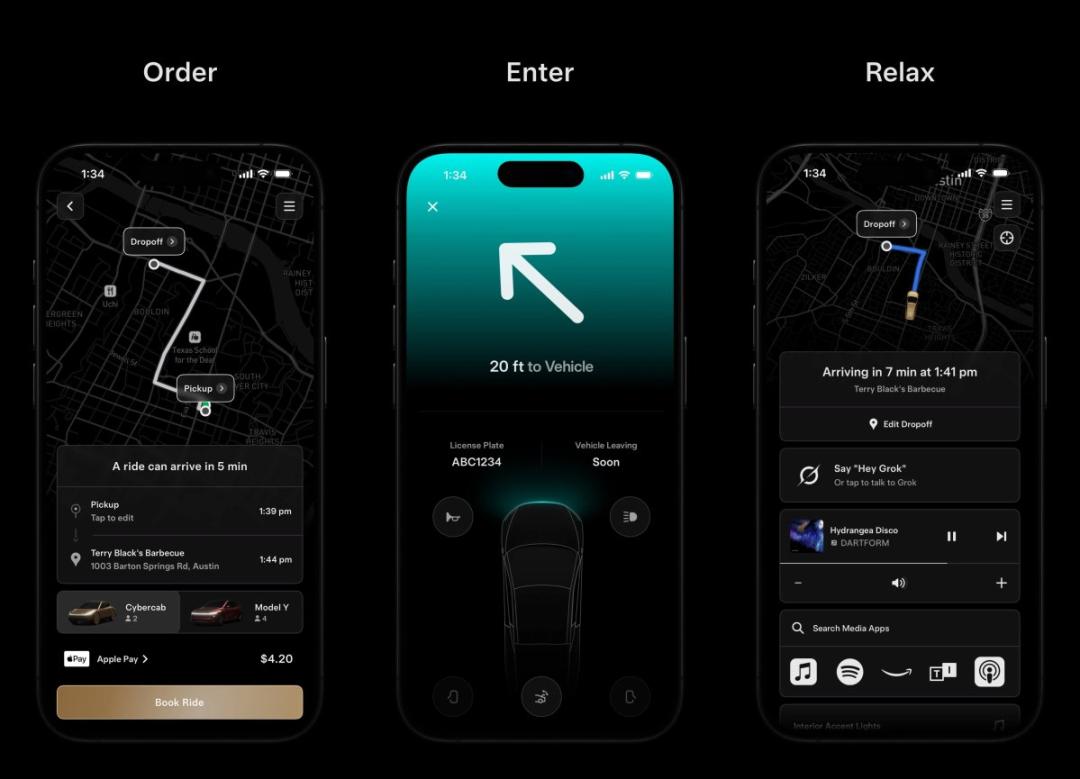
More importantly, the Cybercab itself is very cheap. It has no expensive mechanical lidar, no complex body and interior structures found in consumer vehicles, and it does not even do elaborate body painting. It directly adopts the RIM reaction injection molding process to embed the polyurethane coating into the plastic shell, eliminating the need for the entire painting workshop.
Yep, that's right, the body shell of this car is made of plastic.
As a result, the total number of parts of the Cybercab has been reduced to half of that of the Model 3, and the number of parts involved in the body structure design is only over 80, compared to more than 200 for the Model Y.
The production cost is not yet known, but it is roughly on the order of 30,000 U.S. dollars, far lower than that of Waymo's vehicles.
With low vehicle cost and no partners to share the profit, the business that loses money heavily for Waymo seems to be highly profitable for Tesla.
Investment institution ARK Invest stated in its forecasting model that the operating cost per mile of Tesla's Cybercab is only 0.2 U.S. dollars, which is about half of that of the 6th-generation Waymo vehicle.
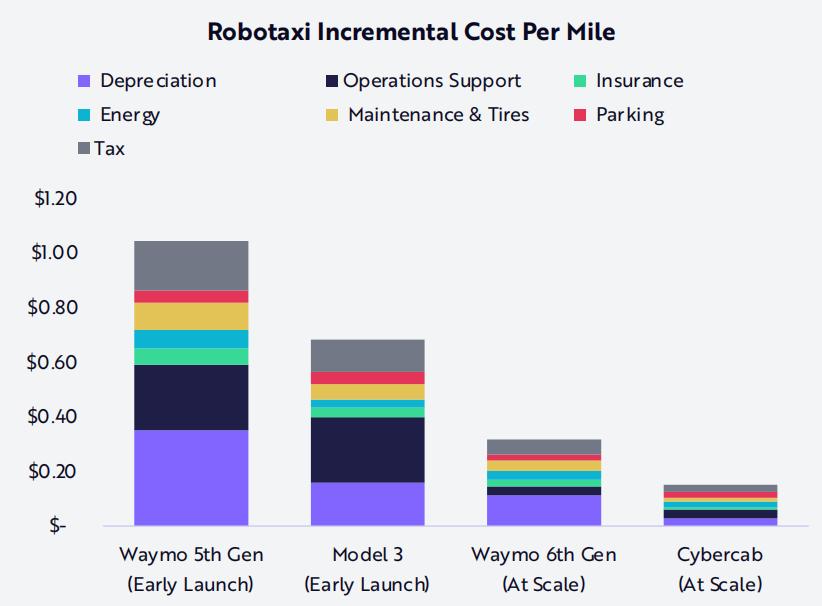
It is estimated that after reaching a certain scale, every mile the Cybercab drives can bring Tesla a net profit of 9 cents, which is literally a fully automatic money printer.
But this is not the full picture of Musk's ride-hailing dream.
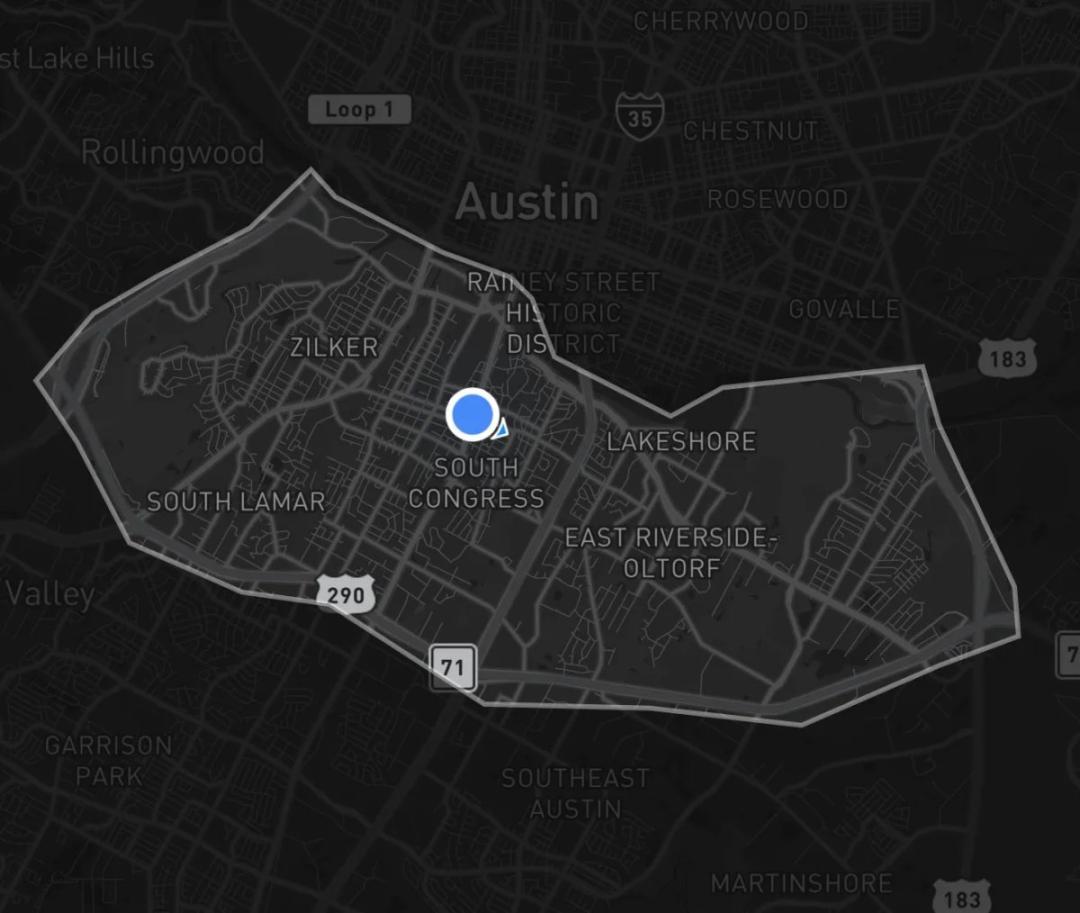
It should be noted that Tesla's robotaxi service has actually been in trial operation since June last year, but the coverage area was very small, limited to a 19-square-mile zone in South Austin.
The vehicles used were not Cybercabs either, but 10 2025 Model Y units.
In the following year, the operating scope of Tesla's taxi service kept expanding to Dallas, Miami, Houston and other locations, and the service was even extended from urban roads to highways, but almost all the vehicles providing the service were still Model Ys.
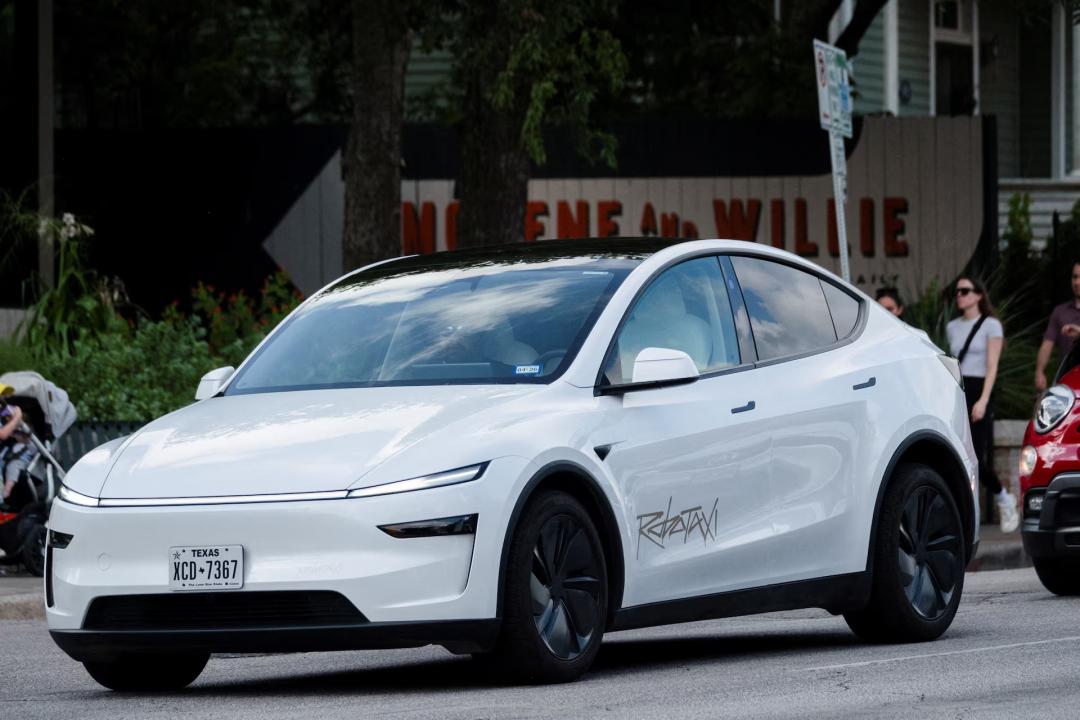
You can say that Tesla is letting the Model Y accumulate operational experience first, but this is actually a major strategic move that Musk has been planning for ten years: flexible transport capacity.
In 2016, Musk envisioned in his Master Plan that in the future, Tesla owners only need to tap a button on their phone to add their own vehicle to the Tesla shared fleet, so that the car can go out to provide services and earn money when not in use.
Tesla will take a cut of the revenue, and the rest will go to the vehicle owner.
Musk has stated on multiple occasions that this practice is essentially Airbnb for cars, where car owners earn money and Tesla takes a commission, creating a win-win situation for both sides.
According to their 2019 estimation, if people can put their vehicles into the ride-hailing fleet to run 150,000 kilometers a year, they can earn 30,000 U.S. dollars in annual income. Even for the Cybercab, Tesla will open up personal purchases in the future, allowing users to buy multiple units to form their own fleets to make profits.
