The bus did not stage a comeback to go viral, but it did not die out, and it just adopted a new way of operation.
A trending topic recently on the hot search list is quite interesting: "Passenger transport stations are disappearing, but intercity buses are unexpectedly making a comeback."
Does this hold true? It seems somewhat unreasonable.
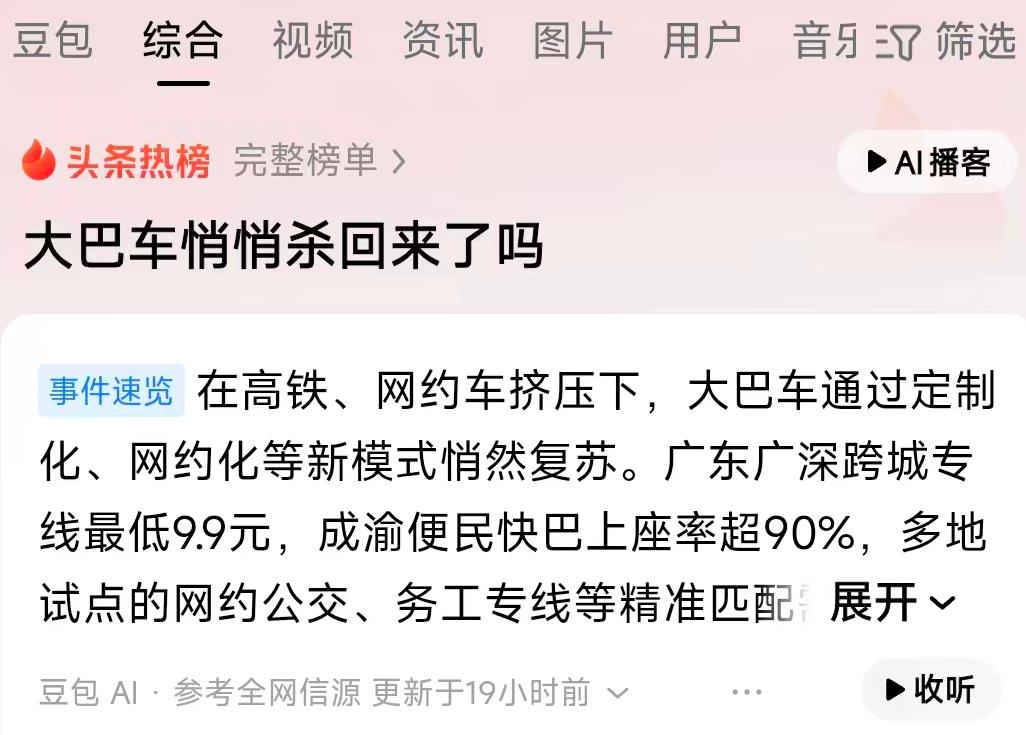
An increasing number of cities in China have access to high-speed rail services, and some regions even have high-speed rail connections at the county level. Coupled with ordinary speed trains, widely distributed metro networks, and the sharp rise in private car ownership, intercity buses appear to be products eliminated by the times against the backdrop of China's robust infrastructure development.
Data can also illustrate this point: from 2023 to 2025, more than 1,200 long-distance passenger transport stations across the country have been shut down or transformed, averaging over 30 stations per month.
On the other hand, the national commercial road passenger flow reached its peak at 35.57 billion person-times in 2012, while by 2025, the figure dropped to only 11.49 billion person-times, a year-on-year decrease of 2.4%.
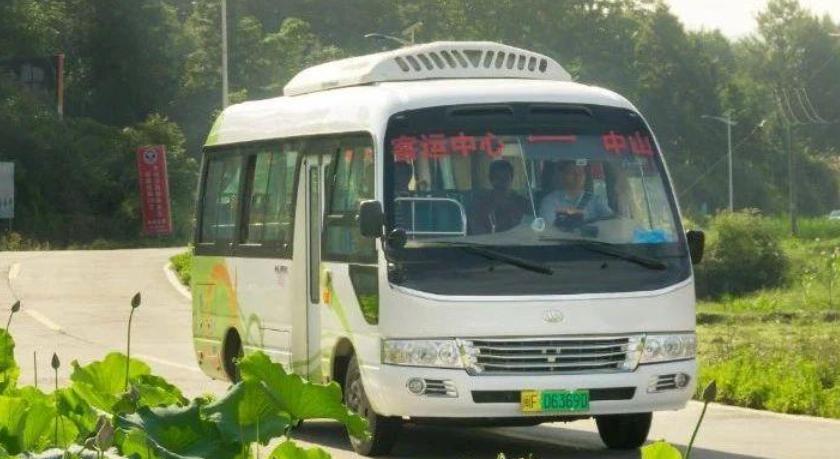
In the first half of 2026, the latest period, the road passenger volume was 5.642 billion person-times, a further 2.1% year-on-year decline. So why is it said that intercity buses are suddenly popular again?
Laohu believes that the main reason is that the outstanding transport value of intercity buses in some popular cities has gained public attention in the fragmented information dissemination, which perfectly coincided with the summer tourism peak.
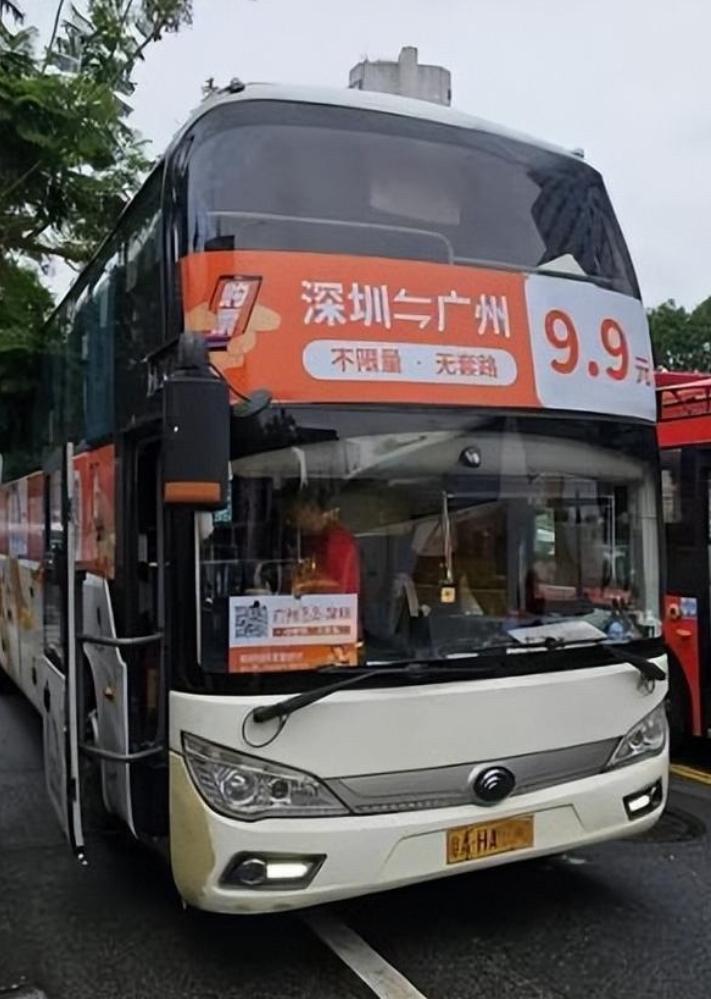
For example, in the Pearl River Delta region with well-developed high-speed rail networks, intercity buses connecting Shenzhen, Guangzhou, Zhuhai and other cities have resumed operation, and tickets for popular routes even need to be snapped up in advance.
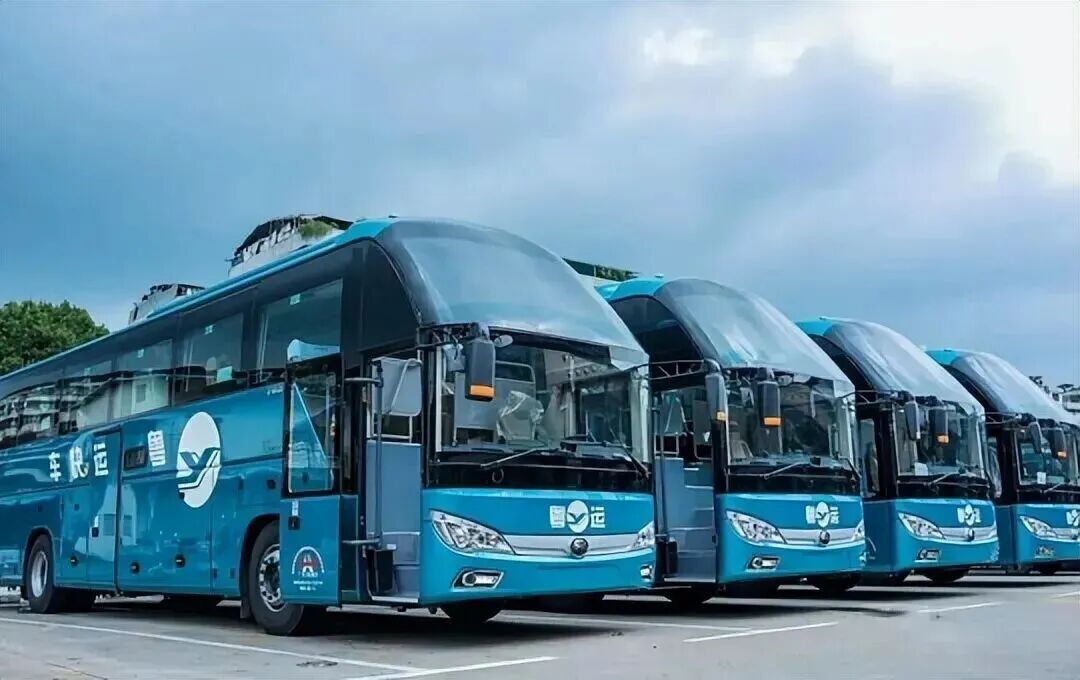
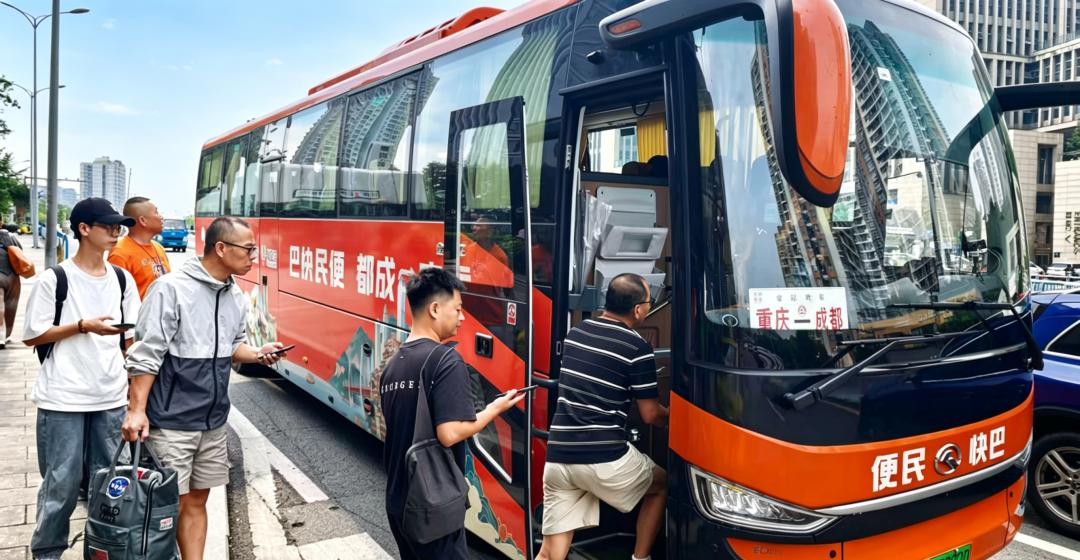
The intercity express buses connecting Chengdu and Chongqing regions were put into operation for the first time on June 26 this year, and the passenger flow exceeded 50,000 person-times in the first month.
It is undeniable that in intercity commuting in developed regions, intercity buses can make so many passengers give up high-speed rail, which clearly means they have achieved multi-dimensional upgrades in travel experience and ticket prices.
On the one hand, there is the advantage of convenience. After breaking away from the constraints of fixed passenger stations, intercity buses can, like public transport, plan several urban transfer stops according to the distribution of passenger groups before entering the expressway, so passengers do not need to gather at a unified passenger station, saving a certain amount of time.
At the same time, after arriving at the destination, intercity buses will also choose several bustling stops to facilitate passengers to get off as close to their destinations as possible.
In comparison, high-speed rail seems to have a short travel time, but the transit time to and from high-speed railway stations also takes a certain amount of time.
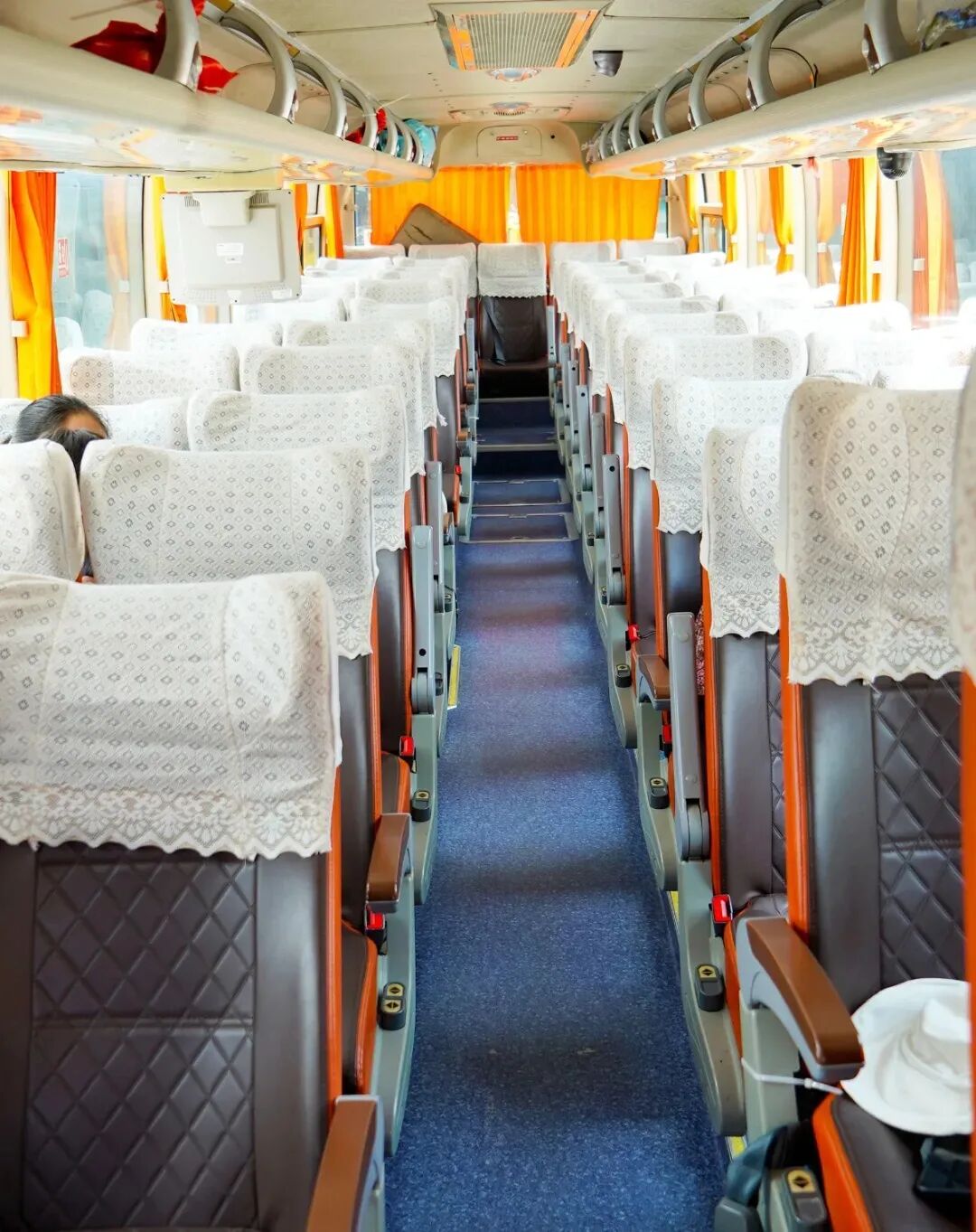
More importantly, there is the upgrade of riding experience. New-type intercity buses have bid farewell to the dirty and messy conditions of the past, and the vast majority of them are non-smoking. With a seat width of around 530mm and a seat pitch of around 820mm, they can meet the relatively comfortable riding needs of adults, and some high-end models are even equipped with seat heating, ventilation and massage functions, though the ticket prices are slightly higher.
Of course, the most direct impact comes from ticket prices. After new energy buses replace fuel buses, the energy consumption cost per kilometer of the vehicle has dropped directly from around 2 yuan to less than 0.6 yuan, and the daily operating cost of a single vehicle can be reduced by more than 450 yuan, a drop of over 60%.
This also makes the ticket prices of intercity buses more attractive.
For example, the ticket price of the direct pure electric bus on the route from Kunming, Yunnan to Xingyi, Guizhou is more than 60 yuan, while the traditional fuel passenger transport ticket price on this route used to exceed 100 yuan. The ticket price of the new energy intercity bus from Changchun, Jilin to Tonghua is about 50 yuan, while the previous traditional intercity bus ticket price was about 70 yuan.
For occasional single trips, the price difference compared with high-speed rail may not be that obvious, but for people who often visit relatives on weekends and work or live across cities, the difference in commuting costs is quite large when accumulated over time.
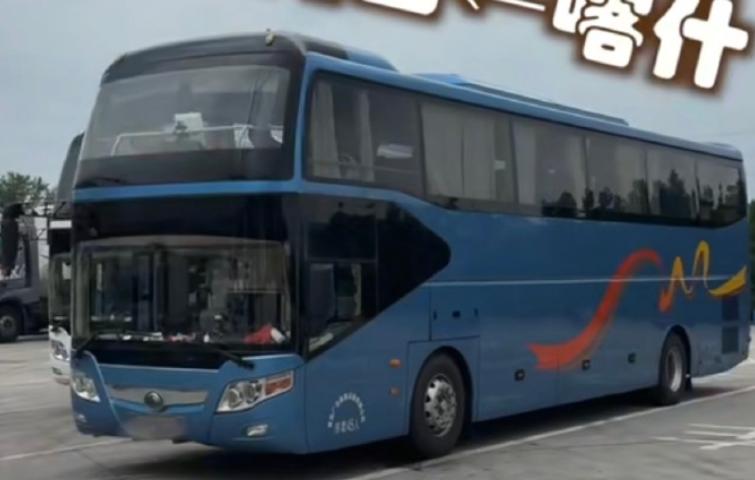
On the other hand, intercity buses are irreplaceable. In scenarios such as school shuttles, company employee buses, conference transfer services between airports, high-speed railway stations and urban areas, and short-distance cross-city tourism, no other type of vehicle can be competent for the task when a large number of people need to travel together except intercity buses.
As a frequent business traveler, Laohu is quite qualified to talk about this experience.
When I used to attend various press conferences, we usually took 5-seat SUVs or 7-seat MPVs from the airport or high-speed railway station to the hotel. But now, automakers facing poor operating efficiency have begun to use intercity buses for unified transfer. Apart from the slightly longer travel time, there is actually nothing bad about it.
When taking small cars before, it was a bit crowded with three people sitting in the back row, which is not as spacious as the intercity bus. The larger windows of intercity buses not only bring a more open sense of space, but also allow passengers to feel the unique local atmosphere of unfamiliar cities more clearly.
Data shows that by the end of 2025, about 3,600 intercity bus passenger transport enterprises across the country have launched customized passenger transport services, opened about 11,350 customized passenger transport routes, and put more than 70,000 vehicles into operation. The number of national customized passenger transport service platforms has reached 344, an increase of 42 compared with 2024.
Overall, the passenger flow of intercity buses in China is certainly not as high as that in the peak year of 2012. However, under new operation modes such as cultural tourism routes and customized urban commuting routes, intercity buses are finding new growth points for operation, which may produce greater effects with further development, and they are irreplaceable in some daily life scenarios.
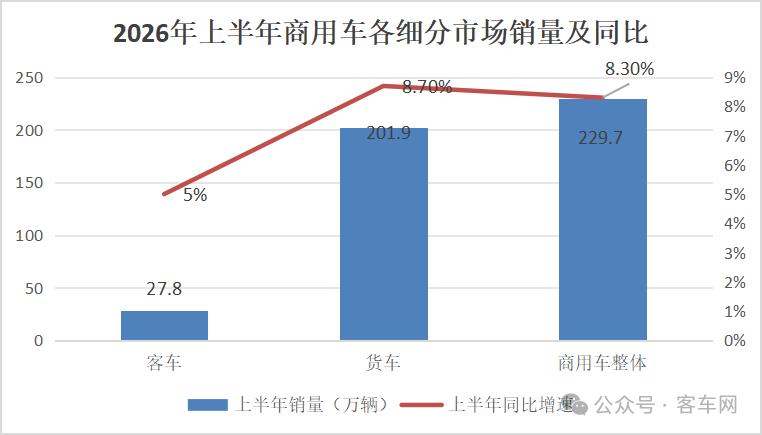
In the first half of 2026, the cumulative domestic sales of passenger buses reached 278,000 units, a year-on-year increase of 5%, which also proves that the market demand and operation status are stabilizing.
What is unexpected is the overseas market. In the first half of the year, the cumulative export of passenger buses reached 41,000 units, an increase of nearly 16% compared with 35,000 units in the same period of last year. BYD, Yutong Bus and Golden Dragon Bus are the major export players.
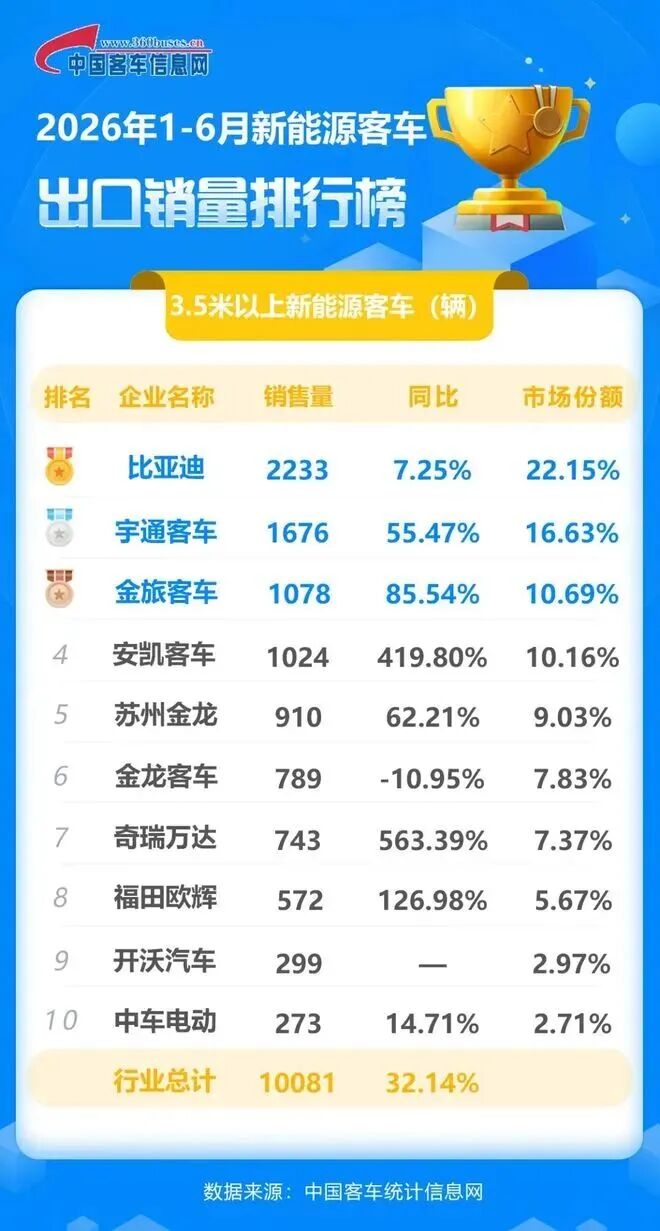
The year 2025 was already extremely impressive: the annual export of domestic intercity buses reached 78,000 units, with a net profit exceeding 26 billion yuan, and they received a huge number of orders in the overseas market. Moreover, the selling price of mainstream models in overseas markets is double that in the domestic market. For example, BYD K9 is sold at around 2.2 million yuan in China, but can be sold at about 4.5 million yuan overseas.
Laohu learned that the actual overseas expansion of domestic intercity buses was even earlier than that of passenger cars. In 2010, BYD won the first public bidding project for electric buses in the Netherlands, and then Yutong Bus obtained an overseas order worth 1.49 billion yuan.
A landmark turning point was 2018, when Yutong Bus participated in the official bidding project in Denmark for the first time and won the bid directly, which also dispelled the doubt that Chinese brands had no market in Europe.
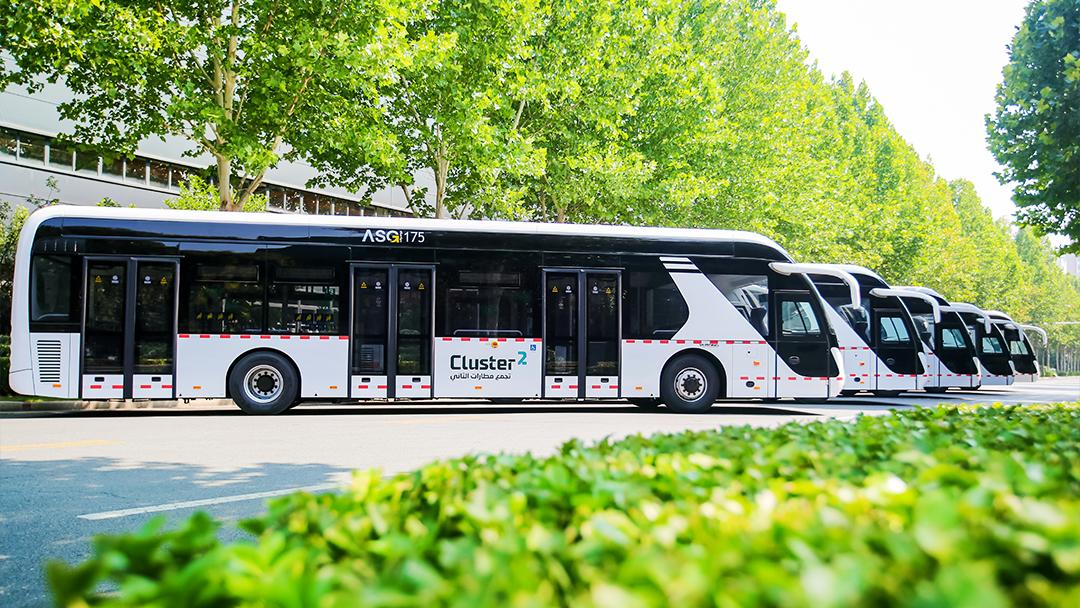
Around 2019, Yutong successively won bidding and procurement projects in European countries such as Iceland, Denmark, Finland and France. By 2024, its total vehicle sales in Europe had exceeded 8,000 units.
At the same time, BYD has also been recognized by European countries including the United Kingdom, Italy and Norway. Now in the US market, BYD's market share of electric buses has exceeded 50%.
Meanwhile, Zhongtong Bus and Golden Dragon Bus are also making efforts in the Middle East and African markets respectively. It can be said that domestic intercity buses are thriving across the overseas market.
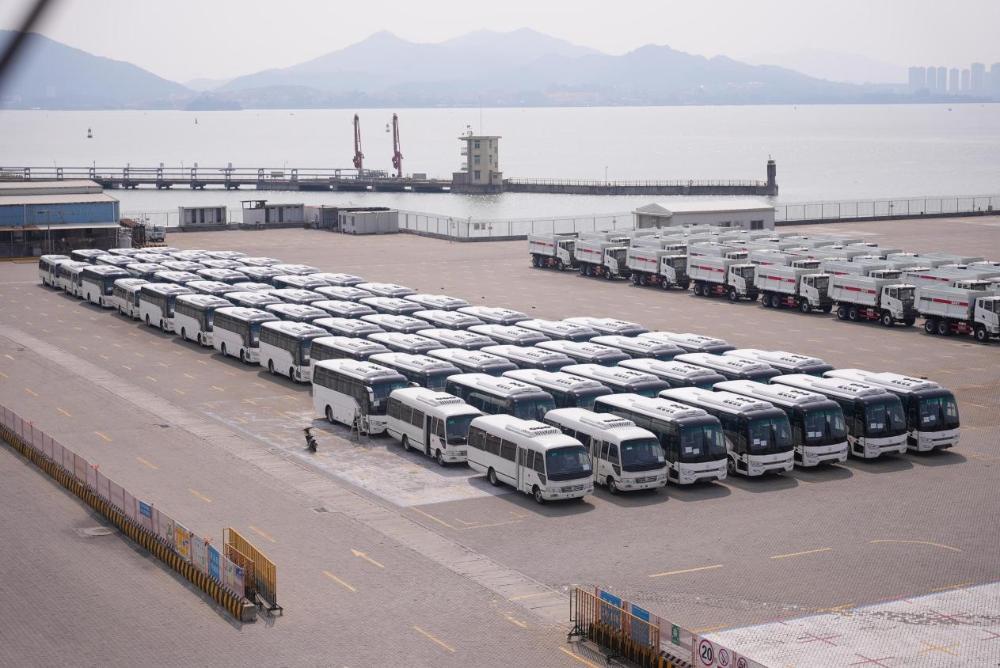
The performance of domestic intercity buses in the overseas market is more like a microcosm of the future of domestic passenger cars. On the one hand, domestic market demand and sales are declining, on the other hand, the overseas market has a broader space for survival. In this process, the new energy system with technical and cost advantages is still the key to breaking through difficulties.
In any case, as an important public travel tool, domestic intercity buses are a friendly business card that allows more overseas users to know and understand China's automobile manufacturing technology. But in the domestic market, the data shows that the popularity of intercity buses making a comeback is far less exaggerated than what is spread online.
This article is from WeChat Official Account "Tech Fox" (ID: kejihutv), written by Laohu, authorized for release by 36Kr.