When the features of new smartphones cannot be "trickled down" to lower-tier models, does that instead mean genuine innovation?
In the past, we at 3eLife have mentioned more than once that there has long been a severe "hierarchical disparity" in the mobile phone industry. Top-tier flagship chips not only deliver performance multiple times that of entry-level products, but also see a 20% to 30% or even higher performance boost with each generation update, while those entry-level main control chips may see no substantial progress for four or five consecutive years.
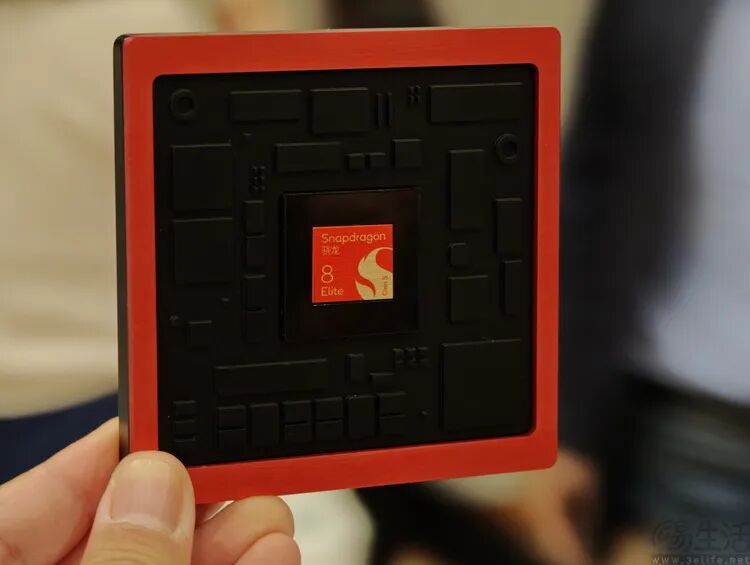
So what does this mean? On the surface, it means that "high-end phones" and "low-end phones" are two completely different worlds, with notable gaps in the user experience they can deliver and the apps they are compatible with.
At the same time, this also seems to imply that "old flagship phones" have excess performance?
However, if you think deeper, you will find that since software developers cannot make entry-level phones unable to run anything, such a huge performance gap will inevitably slow down the speed of software progress in practice.
This naturally leads to a phenomenon that high-end phones, especially old flagship models, have "excess performance".
In the perception of many users, only a handful of large-scale games can keep up with the performance improvement trend of the chip industry. These games always require the latest mobile phones and the latest flagship platforms to ensure smooth operation, and you will feel that your device is "outdated" once you use a device that is just one generation older.
But apart from these games, all other daily software, including the features developed by mobile phone manufacturers themselves, hardly require such high hardware specifications. Therefore, many enthusiasts often say that instead of chasing the latest models, it is better to buy flagship phones from one or even two generations ago. These old flagships have reasonable prices while delivering the same experience as the current generation counterparts.
But is this really the case? The situation seems to have changed recently.
When new features no longer rely on computing power, the cost-effectiveness of old flagship phones will decrease accordingly
A few days ago, Google released its new Pixel 11 series flagship phones. These devices are equipped with the self-developed Tensor G6 processor, and have achieved some very interesting new features based on it.

For example, Google Rambler can understand users' natural language with astonishing accuracy and convert it into organized, clear text that is easy to use. In the official demonstration, even if the user rambles incoherently or even speaks unclearly, it can accurately identify the useful information.

Obviously, considering that many users (especially elderly users) are not good at typing on the screen, this ultra-high-accuracy voice AI conversion technology is extremely practical. But if you expect this feature to be ported to other devices, or even to older Pixel flagship phones, you may be wrong. Google has clearly stated that a series of new on-device AI features represented by Google Rambler are deeply bound to the new TPU unit in the Tensor G6 processor, and it is completely impossible to port them to any other devices.
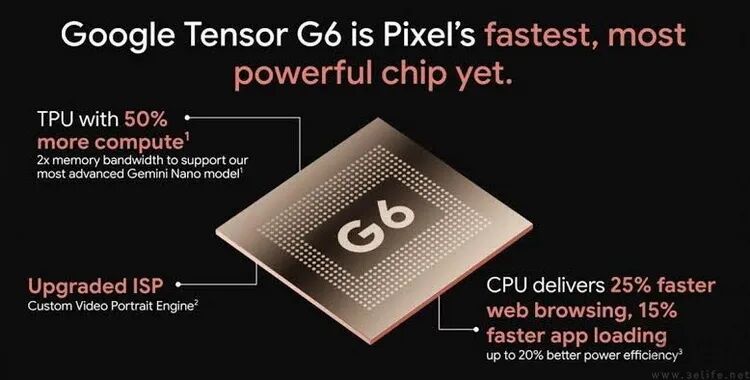
In other words, Google has realized the binding of new features to new devices through deeply customized hardware, which has nothing to do with the "general performance" of the hardware. Even though everyone knows that the CPU and GPU performance of Tensor G6 is mediocre, far inferior to other flagship SoCs of the same period, its AI features cannot be "ported" and cannot be used by more devices.
Customized hardware reduces "cost-effectiveness" but promotes innovation
Then the problem arises. Is Google's practice of the Pixel 11 series that binds new features to hardware innovation, leaving old devices and old users no way to access new features except replacing their phones, a niche approach?
Unfortunately, similar situations are actually not rare.
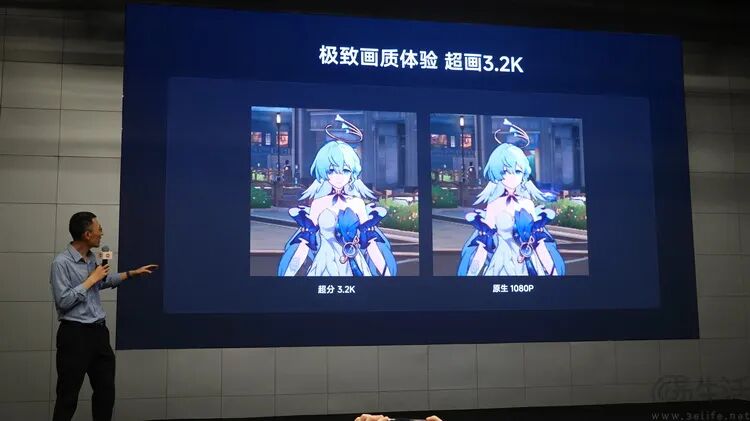
For example, the newly released Xiaomi Ring O3 and the upcoming Qualcomm Snapdragon 8 Gen 6 Super Supreme Edition will add a new AI unit to the GPU. This allows them to achieve native GPU game frame upscaling and resolution upscaling without relying on NPU or an external discrete graphics chip.
This technology not only avoids the touch latency problem of external chips, but also is expected to solve the high power consumption shortcoming of NPU upscaling. But obviously, any mobile phone that does not use these latest platforms can never experience the subversive experience this new technology brings to games.
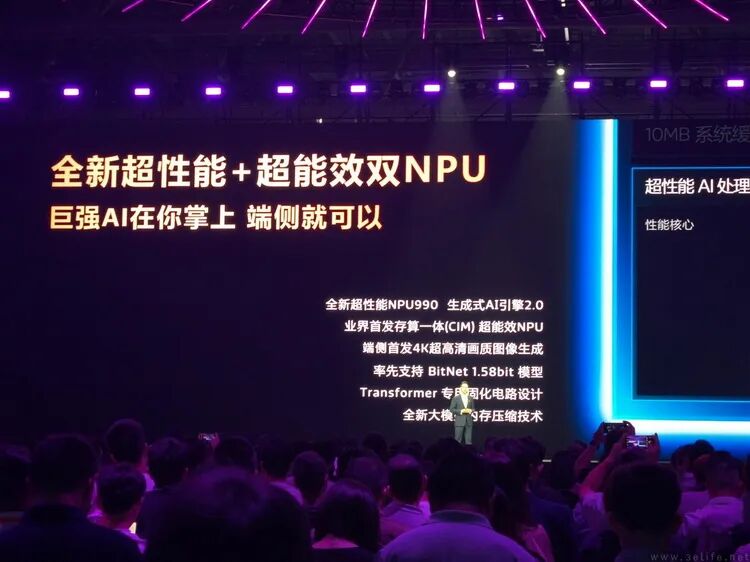
For another example, everyone knows that agents are destined to be the most prominent selling point at new phone launch events in recent years. But for agents to truly protect user privacy, on-device operation is essential. This means that the corresponding hardware must have a targeted AI acceleration unit, sufficient memory, and even may need an external AI processing-in-memory chip.
For old devices with insufficient local performance, is it possible to get the agent-related features through updates? It is not completely impossible, but most likely the whole process will have to rely on cloud computing. Such features cannot be used without internet, respond more slowly, and require continuous uploading of local files, which brings the risk of user privacy leakage.
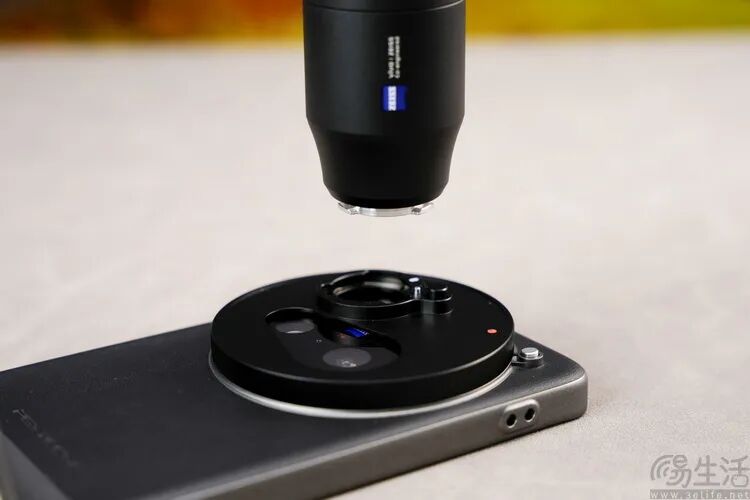
In addition, for many imaging flagship phones, it is very common that related imaging features are exclusive to new models because the new phones are equipped with new self-developed ISPs or newly designed special sensors. After all, these gaps cannot be made up even with extremely high CPU and GPU computing power, which makes these imaging features the unique charm of those imaging flagship phones.
Of course, from the perspective of consumers, such a design idea does reduce the use value of the "old flagship" in their hands. But from another perspective, when the functional experience of smartphones is no longer only linked to "performance", and when all manufacturers begin to attach importance to customized hardware innovation, this itself brings more vitality to the industry.
This article is from the WeChat Official Account "3eLife" (ID: IT-3eLife), written by San Yijun, and authorized for release by 36Kr.