The first step for young people to manage their finances: eat less duck neck.
How long has it been since you last opened a box of duck neck, paired it with a can of happy soda, and binge-watched your favorite variety shows and dramas on weekend nights like you used to?
If the trending topic "Why Juewei Duck Neck Is No Longer Selling Well" hadn't hit the hot search list, many people might have forgotten the once joyful duck neck time.

After all, in recent discussions, "falling out of favor" is becoming a label that duck neck products cannot shake off.
Especially as the former "top player in the duck neck track", Juewei Duck Neck has handed over another unsatisfactory performance report.
In 2025, its annual report showed that Juewei Food achieved a total operating revenue of 5.467 billion yuan for the whole year, a year-on-year decrease of 12.62%; its net profit was -191 million yuan, with a decline rate as high as 184.11%.
With its first loss after listing, the "top player" filter has been completely shattered.
Up to this year, the situation has not improved —
In more than two years, 6600 stores have closed down, which means an average of 7 stores shut down every day.

Source: Weibo topic
Not only Juewei, other peers in the industry are also having a hard time.
Juewei Food saw both its revenue and profit decline.
Zhou Hei Ya achieved revenue growth but no profit growth.
In the first half of the year, it recorded a revenue of 1.461 billion yuan, a year-on-year increase of 19.5%; its attributable net profit for the first half year was about 91.496 million yuan, a year-on-year decrease of 15.2%.
Huangshanghuang was the only company that achieved double growth in both revenue and net profit in the first half of the year.
However, the growth of its overall performance mainly comes from its two subsidiaries — one is Zhenzhen Laolao, a rice dumpling brand; the other is Fujian Lixing, which produces freeze-dried fruits, vegetables, instant food and other categories.
Is the duck delicacy business getting harder to run?
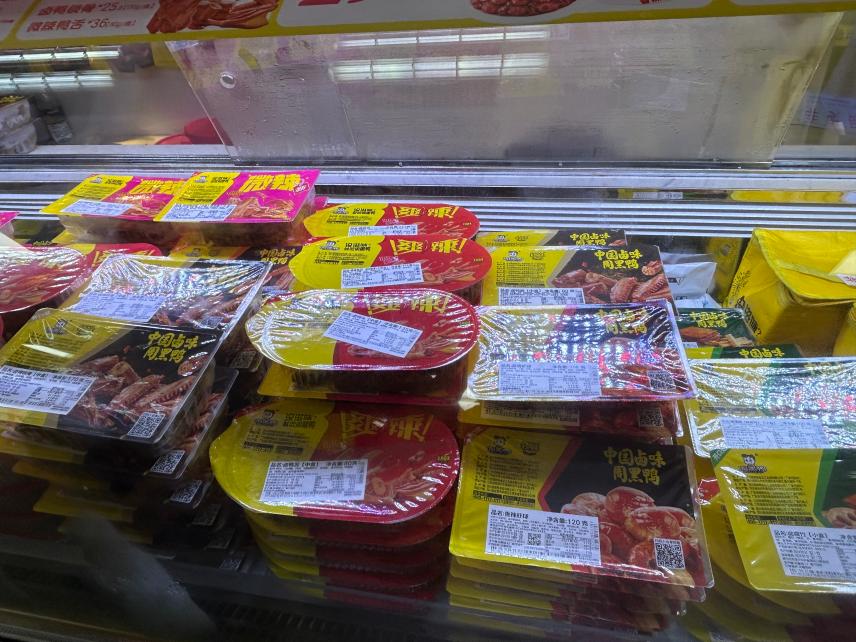
Source: Provided by the author
01 The Formation of the "10-Billion-Yuan" Duck Neck Myth
The history of braised delicacies dates back more than 2000 years, but the real accelerated development of the braised food industry started in the 1990s.
Riding the wind of the reform and opening-up, a number of later well-known brands rose from humble beginnings.
In 1993, in Nanchang, Jiangxi Province, laid-off female worker Xu Guifen started her business with a pot, a stove and a tricycle, founding Huangshanghuang.

Source: Huangshanghuang official website
The next year, in Chongqing, 19-year-old Zhou Fuyu went to Wuhan to learn how to make braised food from his elder sister and brother-in-law.
He and his sister improved the taste of braised food by combining the flavor of their hometown, not only opening the first Fuyu Strange Flavor Duck store in Wuhan, but also successfully registering the trademark "Zhou Hei Ya" in 2005.
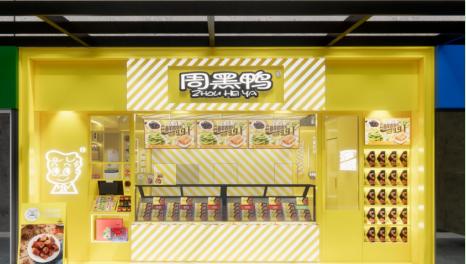
Source: Zhou Hei Ya official website
In the same year when "Zhou Hei Ya" was successfully registered, Dai Wenjun, a native of Wuhan, resigned from his position at Qianjin Pharmaceutical and devoted himself to the braised food industry.
He chose to compete in a staggered market gap against the pattern of "Zhou Hei Ya in Wuhan and Huangshanghuang in Nanchang", and opened the first Juewei Duck Neck store in Changsha, with the meaning of "absolutely unique deliciousness".
Source: Juewei Food official website
Although all these brands started from small braised food businesses, they developed rapidly in the era when people's consumption demand kept rising.
The pattern of "three giants of braised delicacies" located in Nanchang, Wuhan and Changsha respectively gradually took shape.
Among them, Huangshanghuang, which started the earliest, focuses on flavored sauced duck, and later adopted the "direct sales + franchise" model to successfully reach the top of the industry.
It was listed on the Shenzhen Stock Exchange as early as 2012, becoming the "first stock of braised food".
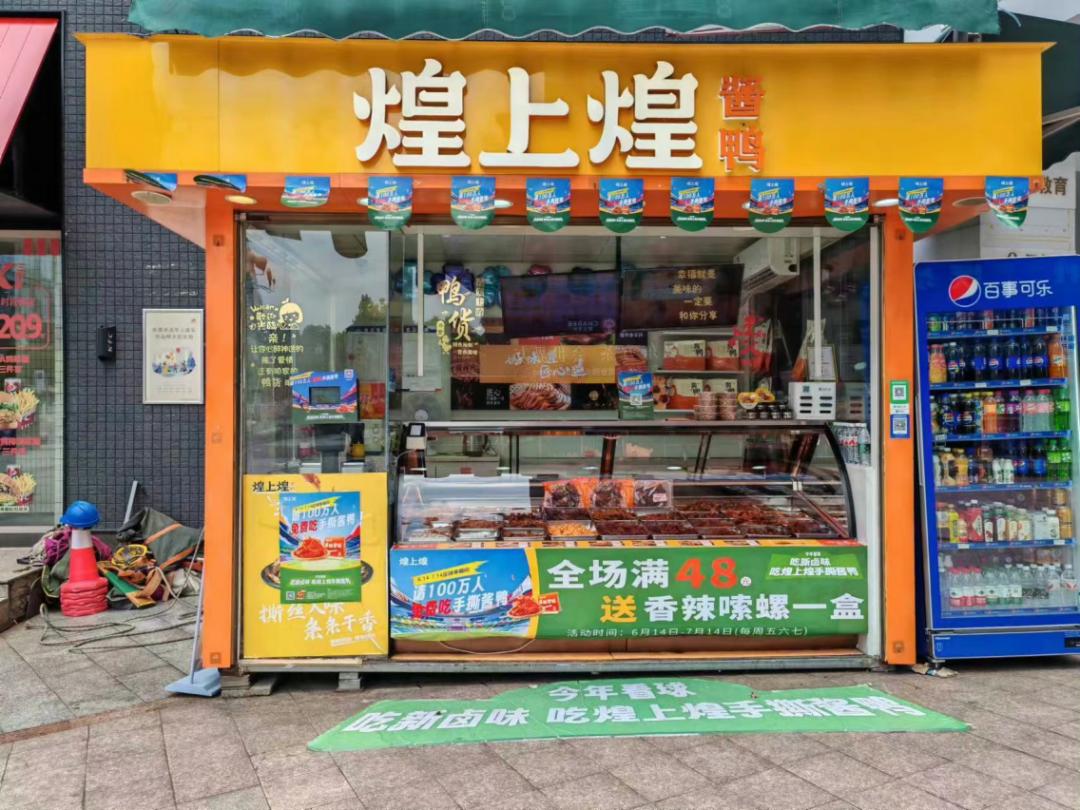
Source: Huangshanghuang official Weibo account
Juewei Duck Neck, the rising star, overtook all competitors along the curve with the marketing experience accumulated by its founder in the industry.
It was established the latest among the three giants but had the fastest development speed. From 2011 to 2016, Juewei Food's operating revenue increased by 147%, and its net profit increased by 883%.
Zhou Hei Ya was not to be outdone. In November 2016, it announced its listing on the main board of the Hong Kong Stock Exchange.
Different from Juewei Duck Neck and Huangshanghuang, Zhou Hei Ya in the early stage insisted on adopting the direct sales model.
This model is asset-heavy, with the disadvantage of relatively slow expansion speed.
As a result, a phenomenon emerged: in 2019, when Juewei Food had more than 10000 stores and Huangshanghuang owned 3706 stores, Zhou Hei Ya only had 1301 self-operated stores.
The turning point came in 2019, when Zhou Hei Ya opened up the franchise model, and the number of its stores has since kept rising.
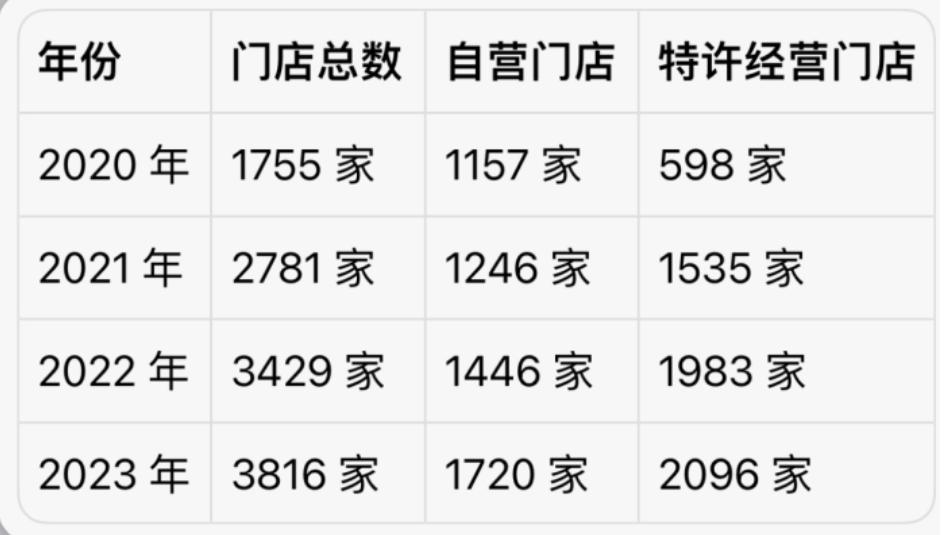
Changes in the number of various types of Zhou Hei Ya stores / Source: Jiemian News
In those years, braised food brands fought fiercely with each other.
At the end of 2023, the number of Juewei Food's stores reached 15955, most of which were franchise stores;
Huangshanghuang had 4497 stores, including 4235 franchise stores;
Zhou Hei Ya had 3816 stores, including 2096 franchise stores.
Apart from the white-hot competition, the hardships of braised food brands are best known by themselves.
According to Baidu Index, from 2012 to 2020, the braised food market was dominated by Juewei Duck Neck, Zhou Hei Ya and Huangshanghuang, and the search index began to decline significantly after 2020.
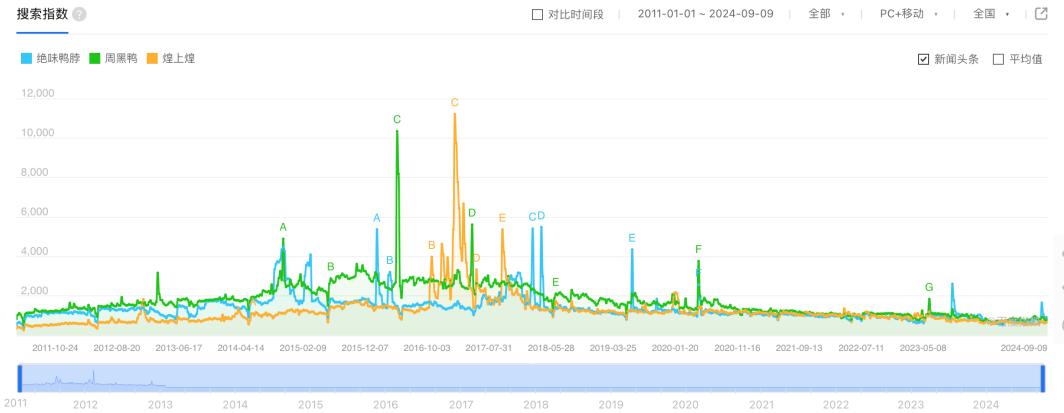
Screenshot from Baidu Index
The "unstoppable" downward trend is clearly reflected in the financial data of the three giants.
In the first half of 2024 alone, the number of Juewei Duck Neck stores decreased by nearly 1000 compared with the end of the previous year, and another 2908 stores were closed in 2025.
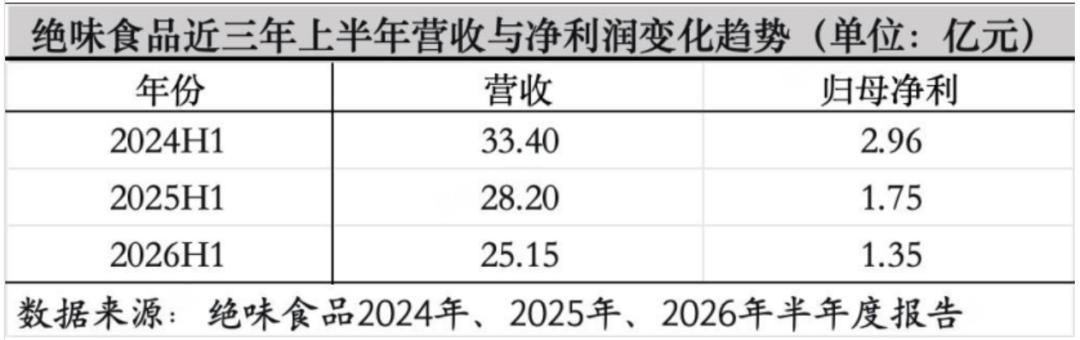
Source: Southcn.com
Huangshanghuang is also having a hard time.
At the end of 2023, the total number of its stores was 4497, which shrank to 2898 by the end of June 2025.
According to the monitoring data of Zhaimen Catering Eye, as of August 15, 2026, the number of operating stores of Huangshanghuang is 1252.
Zhou Hei Ya even pointed out directly in its semi-annual report:
"The braised food industry has long been highly fragmented. Its growth logic has shifted from store scale-driven to single-store efficiency-driven, and category competition has also moved from incremental competition to stock game."
To put it more plainly, it can be understood as —
In the past, the market space was large enough, and you could make money by opening more stores. Now the market cake is limited, brands have to compete with each other for business if they want to develop.
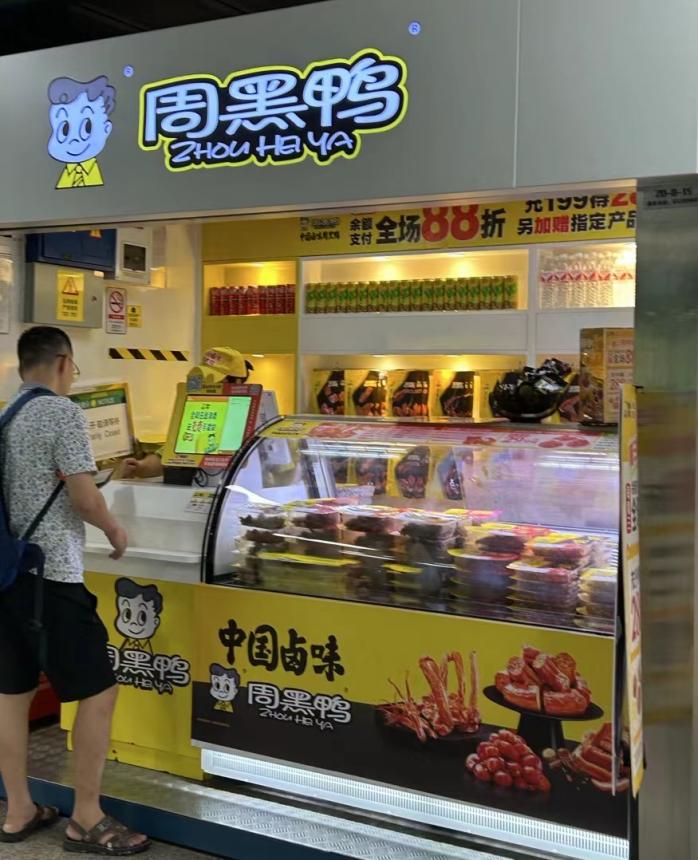
Source: Provided by the author
After all, along with the shrinking number of stores and revenue, consumers' enthusiasm for braised food is also fading.
02 Why don't young people eat duck neck anymore?
In the past, young consumer groups have always been the "number one fans" and the main consumption force of duck neck products.
A survey found that 64.5% of Chinese braised food consumers in 2021 were concentrated in East China, South China and North China.
Among them, female consumers accounted for 58.7%, and young and middle-aged people aged 22 to 40 accounted for 78.9%.
With the characteristics of ready-to-eat and popular taste, braised food's attributes of leisure, entertainment and social interaction fit well with young people's consumption demands.
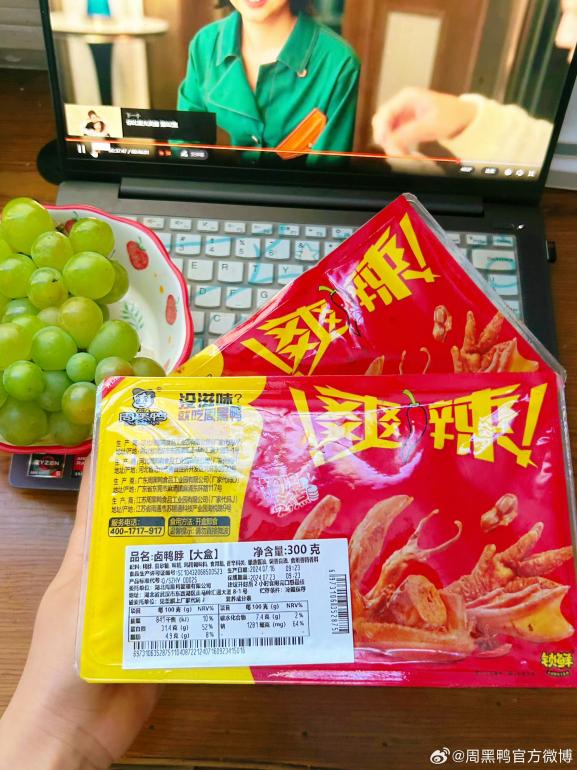
The process from "loving to eat" to "refusing to buy" that young people say goodbye to braised duck neck did not happen in just a few days.
More and more consumers point out that the "duck neck price assassin" is cheating consumers — "the price is getting higher and higher" and "clerks are used to adding extra weight when weighing".
"Buying two or three products costs more than 100 yuan in total, which is not as good as buying from the stalls around the community."
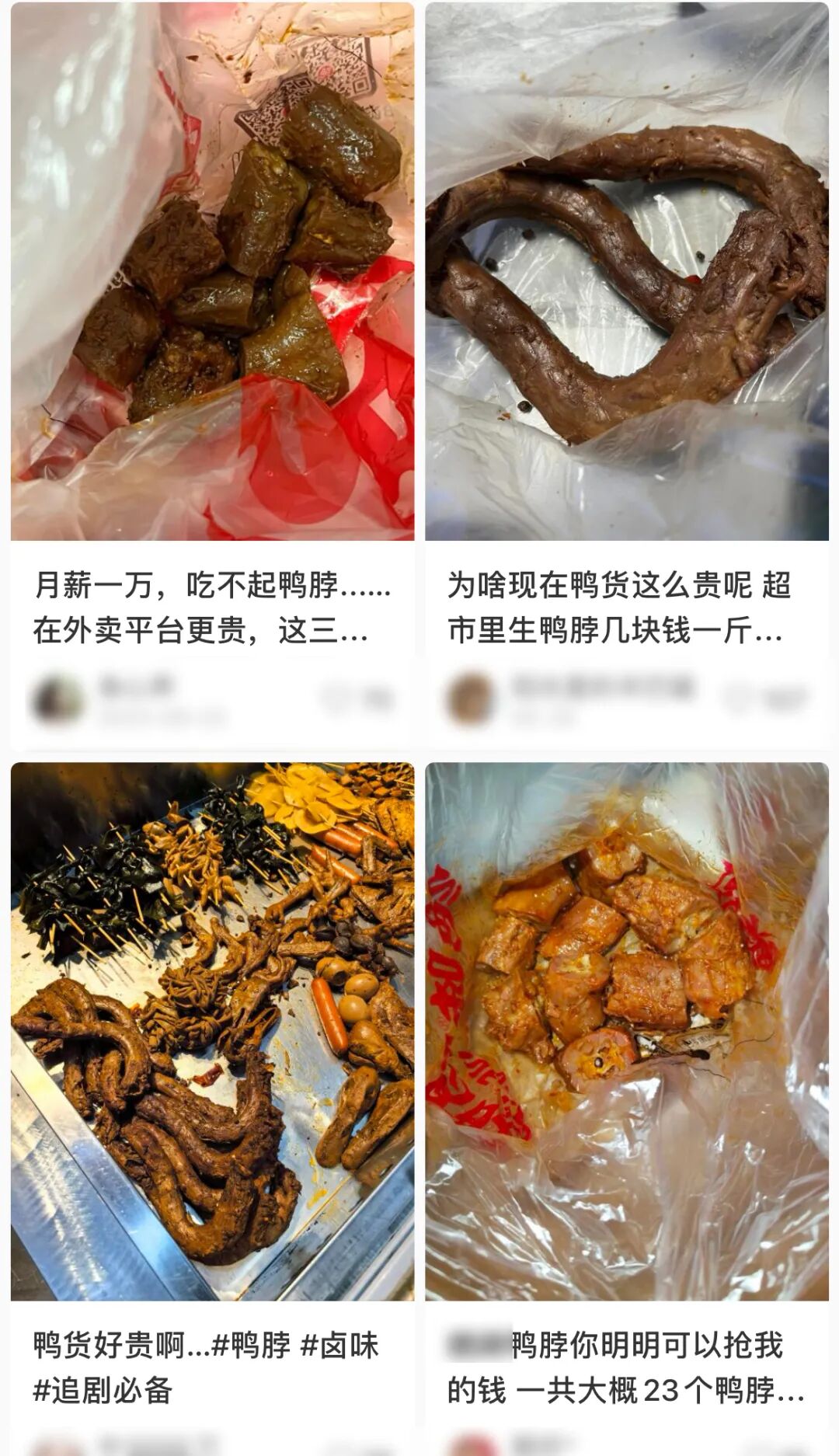
Netizens self-mock: With a