Half of America's top-selling children's electrolyte water is unexpectedly consumed by adults?
In the survey of Foodaily's special series "Electrolyte Innovation Observation", we found that with the explosion of the electrolyte water market, all major platforms are recently promoting a new product category — children's electrolyte water.
According to various mommy bloggers and nutritionist influencers, children have high activity levels and sweat easily, making them a group with high-frequency water replenishment needs, so children's electrolyte water is a drink that must be kept at home and taken out when going out.
However, some people question: Isn't children's electrolyte water just a new type of "IQ tax"? Can't ordinary electrolyte water be drunk by children?
The more mature US market in category development gives such an answer: Ordinary electrolyte water is drinkable, but there are more suitable choices for children.
Pedialyte under Abbott firmly occupies the first position in the US children's electrolyte water market. It was originally designed as an oral electrolyte rehydration product for children suffering from dehydration after diarrhea and vomiting.
Since its launch in 1966, Pedialyte has gradually become the No.1 rehydration brand recommended by American pediatricians and pharmacists by virtue of its professional rehydration formula and long-accumulated medical trust.

Image source: Abbott
This professional trust has also been converted into real market share. Abbott disclosed in a 2024 US federal court case that 5.8% of American households purchased at least one Pedialyte product in 2021; in the US ready-to-drink oral electrolyte rehydration product market, Pedialyte accounts for about 60% of sales.
What is even more surprising is that as a children's electrolyte water brand, more than 50% of its users are adults. It is secretly drunk by children's parents, hungover office workers, and young people after exercise. It was even forced by users to break out of the pediatric care scenario, embarking on an unexpected growth curve.
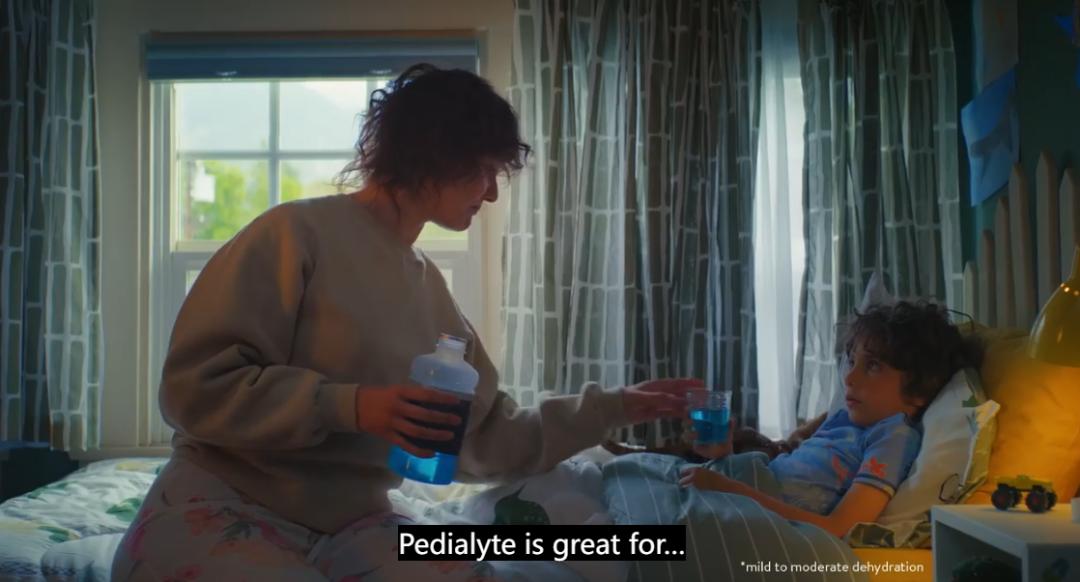
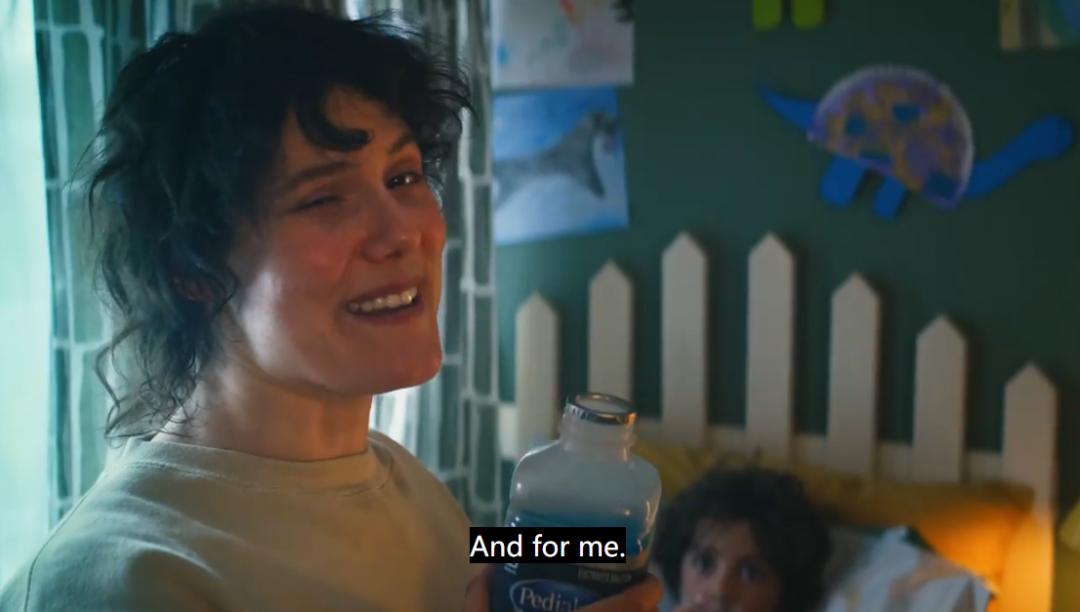
Image source: Abbott
Also making children's electrolyte water, why has Pedialyte firmly occupied the market for 60 years? Why can it break the mental shackles of "exclusive for children" and seize adult growth users to open up a second growth curve?
A medical-grade rehydration solution that American children rely on to "stay alive"
Have you ever thought that the electrolyte water on the market is not suitable for children at all?
In the 1960s, American doctors had the same question. They observed a dilemma that seems unimaginable today: once a child has severe diarrhea or vomiting, water and electrolytes will be lost rapidly, and in severe cases, even hospitalization for intravenous rehydration is required.
However, there was an obvious dilemma in the children's rehydration plan at that time.
On the one hand, intravenous infusion works quickly, but children are afraid of injections, and it can only be operated by medical staff in the hospital;
On the other hand, fruit juices and sodas that children are willing to drink can provide water, but they are not designed for diarrhea and dehydration scenarios. In the state of diarrhea, excessive sugar will aggravate the intestinal burden, and it is difficult to replenish the electrolytes lost by the body.
Thus, a key problem was placed in front of the researchers: Can we turn the water and electrolytes that originally needed to be "injected into the body" into rehydration solutions that children can "drink" by themselves?
As the physiological mechanism of "sodium-glucose co-absorption" was gradually clarified, researchers found the direction: when the ratio of glucose to electrolytes is in the appropriate range, water and electrolytes can be absorbed through the intestine.
This scientific breakthrough laid the foundation for the birth of special oral electrolyte products for children. In 1966, Pedialyte was officially launched to the market.
The product focuses on the rehydration scenario after children's diarrhea and vomiting, and provides an oral rehydration solution for mild to moderate dehydration with a customized combination of glucose and electrolytes. The products were initially mainly supplied to medical institutions, and began to enter retail channels around 1970.
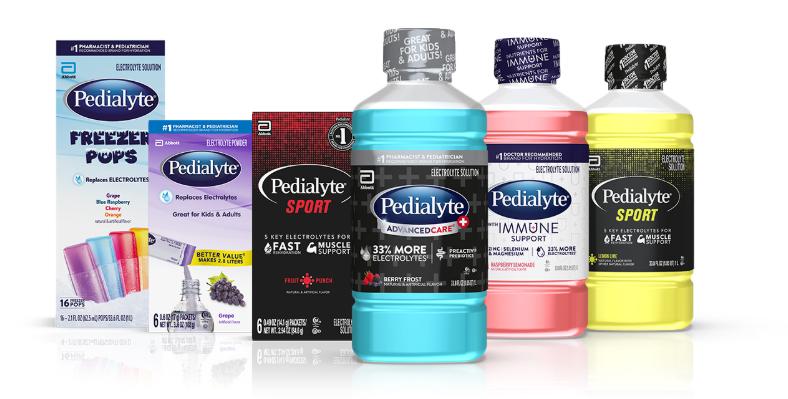
Image source: Abbott
In use, another very practical problem arises: having a professional medical formula does not mean that consumers are willing to use it, especially when the user is a child.
When the product was implemented, the R&D team quickly encountered practical contradictions: the formula framework could not be changed, and sugar must be strictly controlled, but children instinctively prefer sweetness. If children resist and are unwilling to drink, this product will not work in the household scenario.
Therefore, Pedialyte focused its optimization on taste. In addition to the tasteless version, it has successively added a variety of flavors such as mixed fruit, strawberry, grape, and bubble gum.
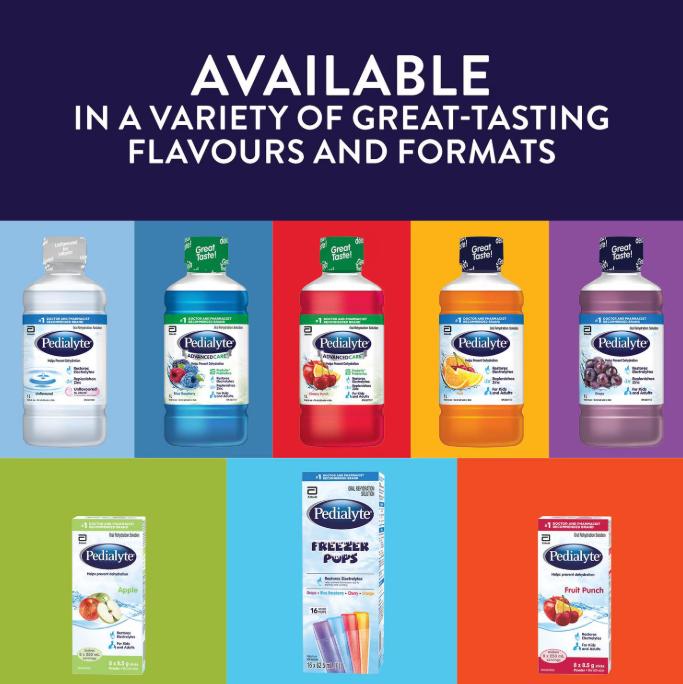
Image source: Walmart
The product form is also iterated synchronously with the family consumption scenario: there are Powder Packs that are suitable for carrying out and can be mixed with water to drink; there are even fruit-flavored electrolyte popsicles that can be drunk at room temperature or frozen into popsicles, coaxing children to replenish electrolytes while eating snacks.
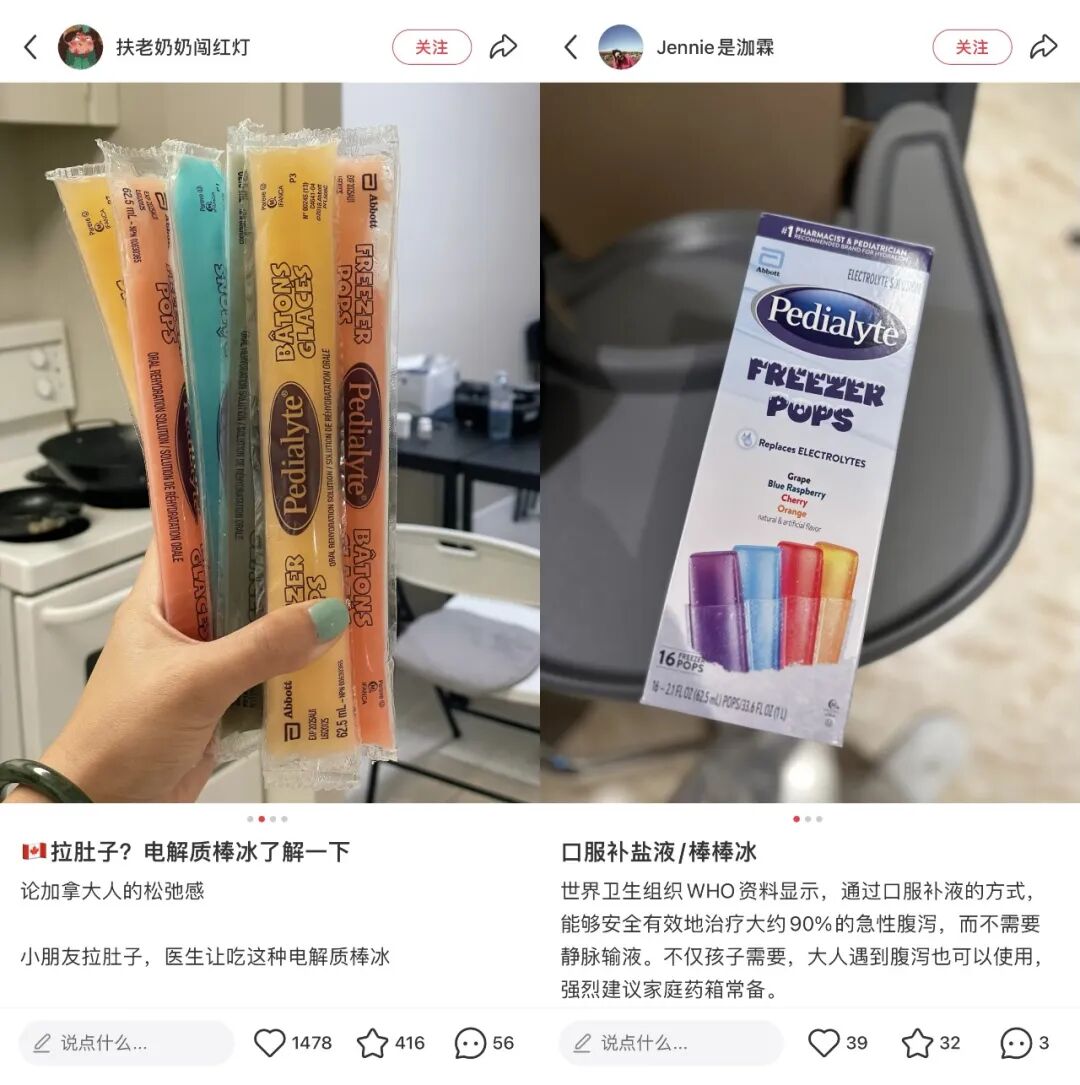
Image source: Xiaohongshu
After the taste and form were polished, Pedialyte still faced another obstacle: would parents be willing to trust these products and pay for them?
Try to put yourself in the perspective of American parents at that time: when you are shopping in the supermarket, the promoter tells you that this drink can improve children's diarrhea and dehydration and replenish electrolytes. Faced with a new brand and related to children's health, many parents will inevitably have concerns.
Pedialyte's solution is to place pediatricians and medical staff at the upstream of the trust chain. The sales team connects with pediatricians, outputs product materials to the medical group, and spreads content in medical journals at the same time.
For parents, the advice of medical staff is far more convincing than terminal promotion. After parents experience the product and see the effect, they will not only take the initiative to repurchase, but also share and recommend it to relatives and friends around them.
This is also the key turning point for Pedialyte to enter ordinary families from medical institutions. The medical-oriented product that originally only appeared in hospitals has been transformed into a rehydration solution that parents can purchase independently and store at home.
Pedialyte thus established a clear perception in the minds of American parents: When children have diarrhea, vomiting, and risk of dehydration, they think of Pedialyte.
After gaining the trust of parents, Pedialyte gradually moved from hospital-only channels to consumer retail, settled in infant shelves and pharmacies, and was sold as an over-the-counter drug, positioning to solve the dehydration problem caused by children's gastroenteritis.
Channel trust and product innovation have allowed Pedialyte to gradually establish an unshakable market position in the children's rehydration track. According to the brand's health education materials in 2013, Pedialyte was already the first oral electrolyte rehydration brand recommended by American pediatricians, with more than 45 years of hospital use experience.
Nielsen data shows that Pedialyte's retail sales reached 102 million US dollars in 2014, an increase of 22% over 2012.
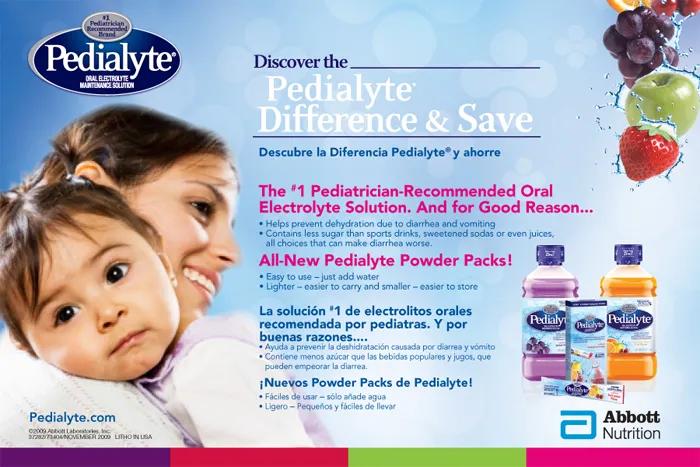
Image source: Abbott official
Relying on the label of "medical use, specially designed for children", the brand has built a competitive barrier, which to a certain extent allows it to avoid competition with "fast-moving consumer goods".
But this label also brings side effects: long-term binding to children's scenarios, business growth will soon hit the ceiling. Even if you are strong in the segmented track, it is difficult to break through the circle and reach other groups of people.
No one expected that the opportunity to break the deadlock came from spontaneous discussions among a group of drinking-loving users on the Internet.
Hailed by netizens as a "miracle hangover drink", adults and children rush to drink it
Drinking is cool for a while, but the hangover is terrible.
Headache, dizziness, thirst, fatigue, vomiting... The more painful the physical reaction during a hangover, the more people will try their best to "save themselves".

This "self-rescue" demand is particularly typical in the United States. CDC data shows that from 2009 to 2011, nearly 80% of young Americans drank alcohol in the past year, and about 4% had binge drinking every month. Drinking and hangover have long been two sides of the coin in young people's lives.
The huge group of drinking and binge drinking has spawned a large number of repair needs after hangover. Hot soup, fresh fruits, and traditional sports drinks are all long-standing folk relief methods, but there has never been a more suitable solution in the market.
In the end, the "hangover miracle drink" that was spread by word of mouth among the public turned out to be an electrolyte rehydration product specially designed for dehydrated children.
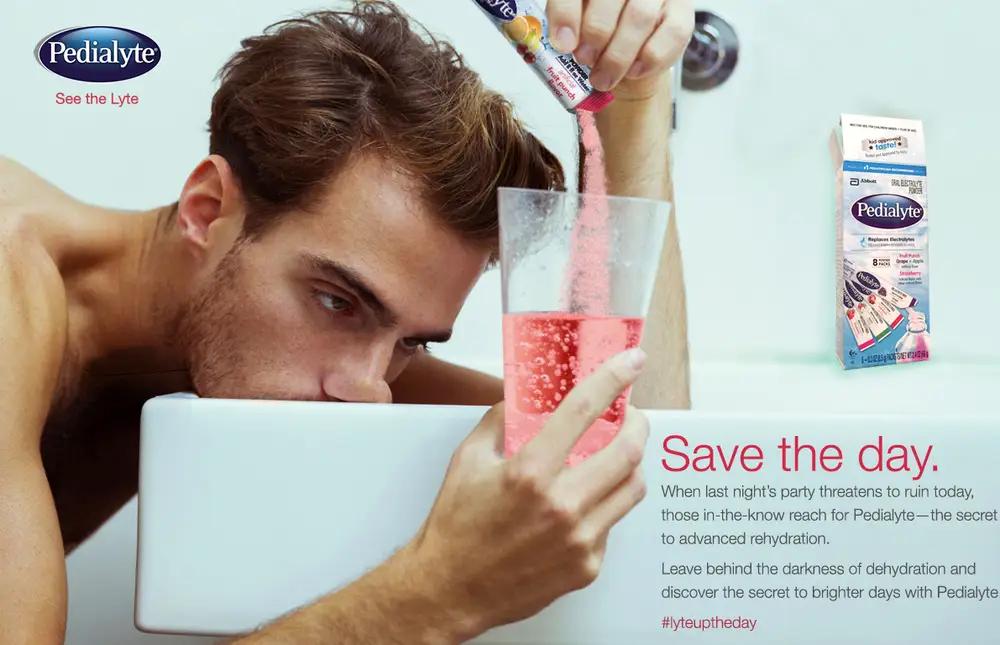
Image source: Abbott
In 2009, users began to share on Twitter: "Drinking Pedialyte can improve the physical state after a hangover!"
Even British actor Daniel Craig once shared his usage habits in an interview. He knew it was originally a children's rehydration product, but he would drink it the next day after excessive drinking to relieve physical dehydration.
In the following years, the topic continued to ferment, and a large number of real experiences of ordinary users emerged on the Reddit community: "I used to have a severe hangover reaction, tried many methods, until I met Pedialyte." "After an all-night party, we will directly mix vodka with Pedialyte to drink." "This drink is more effective than Gatorade."
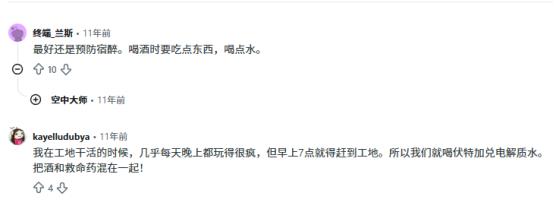
Image source: Reddit
After the word-of-mouth certification from "drunkards", this trend further spread.
Athletes, actors, rappers and other people from different circles spontaneously shared their drinking experiences, and musician Pharrell Williams also mentioned drinking it almost every day. It has also penetrated into pop culture, and Pedialyte has appeared in American drama plots and offline bar cocktail menus.
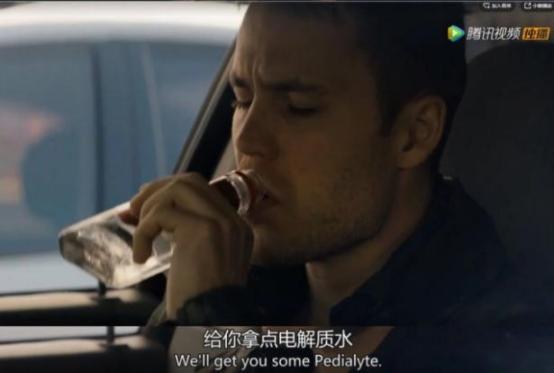
Image source: Tencent Video
Why did a children's rehydration product become popular in the hangover scenario? The core is that the culprit of many hangover symptoms is dehydration.
The US National Institute on Alcohol Abuse and Alcoholism (NIAAA) explains that alcohol inhibits antidiuretic hormones, accelerates the body's urination, and causes fluid loss; the