The Onslaught of Chinese-Made Goods: From Life-Saving Power Supplies to Robots, Japanese People Are Growing Dependent on Chinese Manufacturing.
People who have been to Japan may all share a similar feeling:
This country carries a unique cyberpunk texture: the conveyor belts in conveyor belt sushi restaurants can run at extremely high speed, change machines count coins fast and accurately, and that ultimate mechanical precision gives people a sense of extreme sophistication.
But when it comes to intelligence, the gap is far from trivial.
There is one exception though: Japan's acceptance of robots is surprisingly fast.
Japan's largest family restaurant chain group has been deploying robots in stores across Japan since 2022, rolling out 3,000 food delivery robots in about 2,100 outlets. The tray collection speed is improved, table turnover rate during peak hours is raised, staff walk far less every day, and both the restaurant owners and employees are very satisfied.
And all these robots that help deliver food and collect trays are made in China.
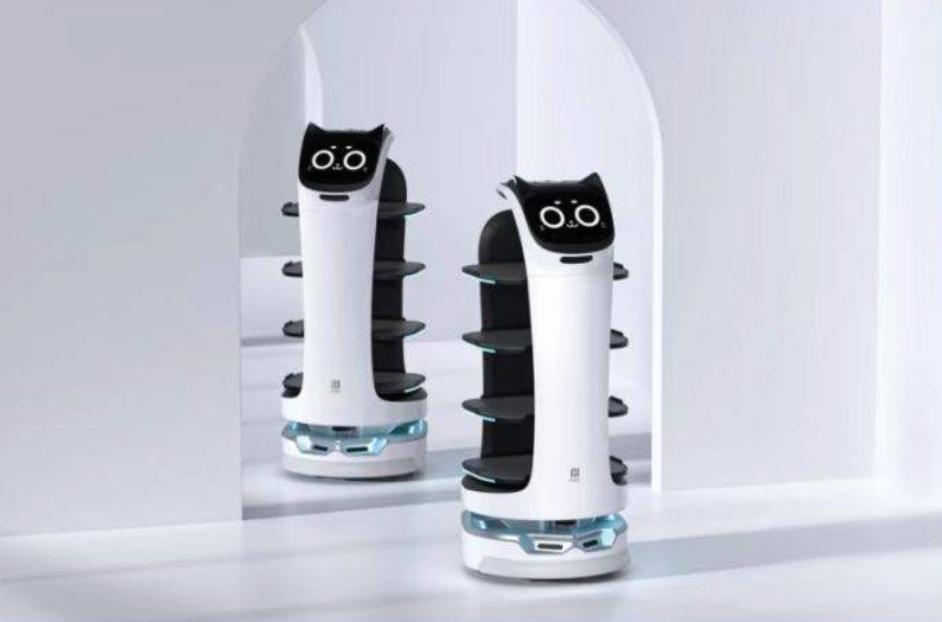
The distributors selling these robots are also very interesting.
SoftBank Japan, once a huge robot enthusiast: it developed Pepper on its own, which was once the face of Japanese robotics; it also acquired Boston Dynamics from the United States, the legendary company that inspired a whole generation of robotics entrepreneurs including Wang Xingxing.
Now it no longer manufactures robots itself, and has turned into a Japanese distributor for Chinese robots.
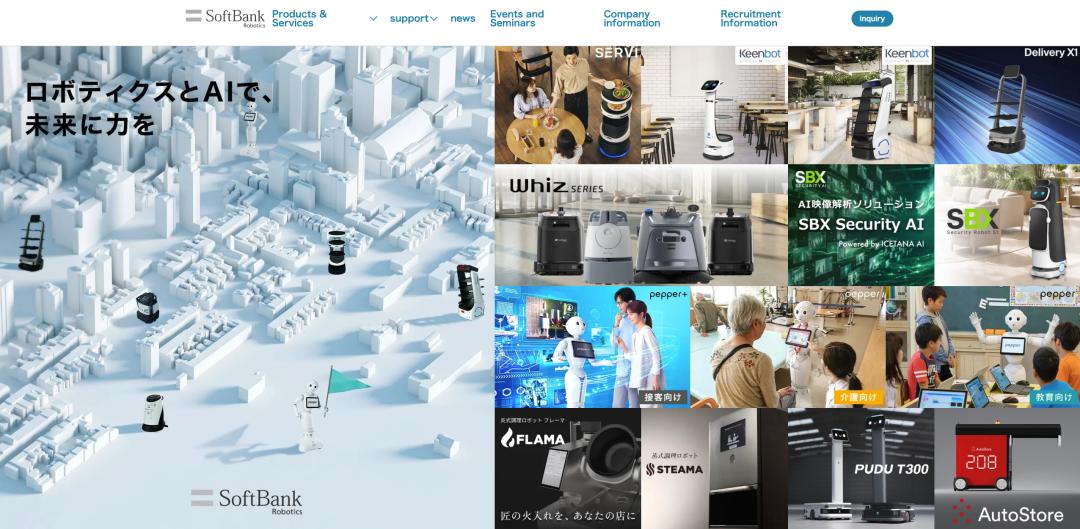
Image | SoftBank Robotics distributes products from two Chinese robotics firms Pudu and RoboPilot in Japan, and its other robot product lines are sourced from regions including Japan and Norway.
Even the latest humanoid robots have been put into use.
In May 2026, Japan Airlines introduced humanoid robots at Haneda Airport to carry luggage under the belly of large passenger planes and load goods onto conveyor belts. The biggest challenge facing the humanoid robot industry right now is finding viable deployment scenarios. The whole world is searching for applicable use cases, yet Japan has deployed these robots at the airport, a zero-error-tolerance site, which is also one of the busiest airports across the globe.
Two robots are on duty this time: one is 1.3 meters tall, from Unitree; the other is slightly taller, from UBTech. The two robots of different heights started their work at Haneda Airport, and strictly speaking, they are both foreign employees.
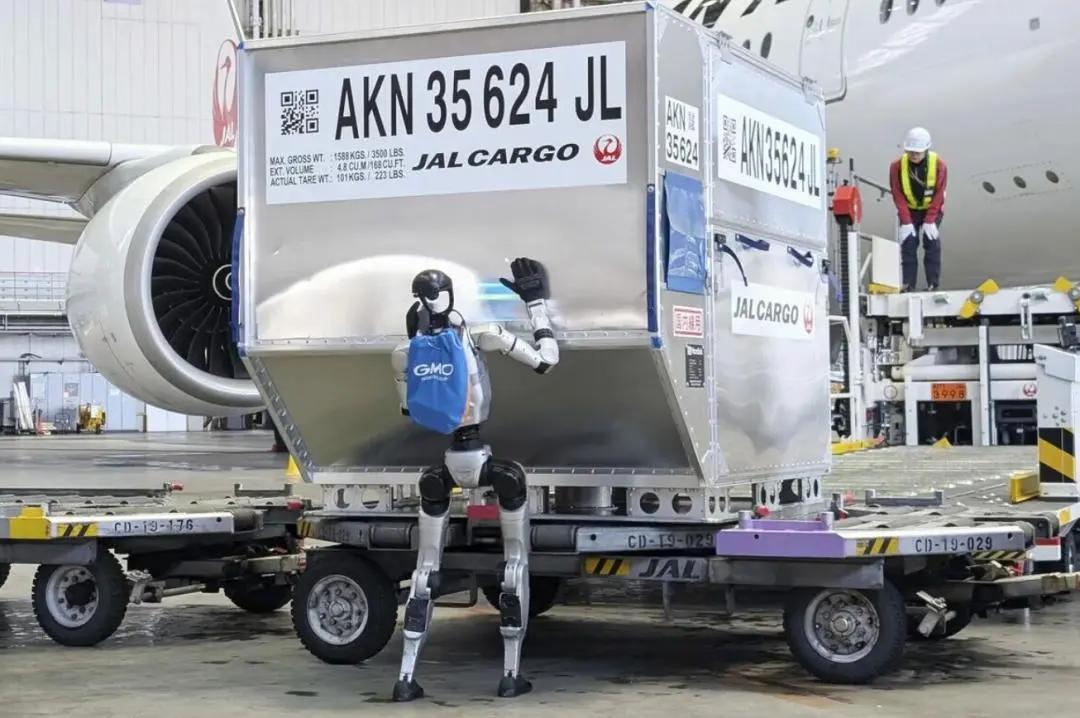
Image | Chinese-made robots are working at a Japanese airport
This is a microcosm: products made in China have already seeped into the daily lives of the Japanese people.
01 Items critical to survival are all purchased from China
It is widely known that Japan is hit by frequent earthquakes. Precisely because earthquakes happen so often, many Japanese families take "preparing for earthquakes" as a daily routine, and water, dry food and flashlights are all essential supplies stored at home.
In recent years, a new item has been added to the essential supply list. There is a saying in Japan's disaster prevention community, "One unit per household": every household should prepare a high-capacity portable power station to keep mobile phones and emergency lights running when power outages occur. This scenario is relatively unfamiliar to us, but it is taken very seriously in Japan. Portable power stations are placed at the top of recommended disaster supply lists; on bestseller lists of e-commerce platforms such as Amazon, brands including Anker, Jackery and EcoFlow have long occupied top positions, which are either pure Chinese brands, or brands registered in the United States but manufactured in China.
At the end of July, a magnitude 7 earthquake struck Kumamoto, the place famous for its mascot Kumamon. Fortunately, the casualties were minor, but many roads and bridges were destroyed, and about 40,000 households lost power. Aftershocks kept occurring, shelters were crowded with people, mobile phones were the only tool to contact the outside world, but the power level kept dropping, and there were long queues at charging points.
Only at such moments will you seriously think about one question: how much is a reliable high-capacity charging device really worth?
Less than an hour after the earthquake, some enterprises issued support statements. In the following weeks, various enterprises and organizations delivered thousands of portable power stations, hundreds of solar panels, as well as generators and car refrigerators to the disaster area. When you check the brands, they are still the familiar few names. There is a very specific example in Yatsushiro City: after the earthquake, the water supply was cut off for a long time, someone connected a portable power station to a well pump, and the water supply was restored.
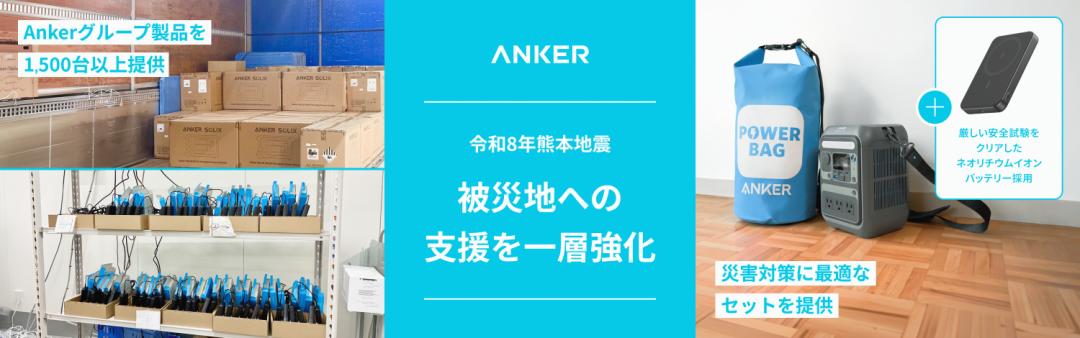
Image | Anker Innovations Japan announced its support action of providing portable power stations and emergency kits after the earthquake
This is not the first case. During the Noto Peninsula earthquake in early 2024, Chinese manufacturers delivered hundreds of power stations to the disaster area. A local small business owner who borrowed a power station once said a sentence more convincing than any advertisement: "You can bring water and food back home from the shelter, but you couldn't bring electricity before, and now you can."
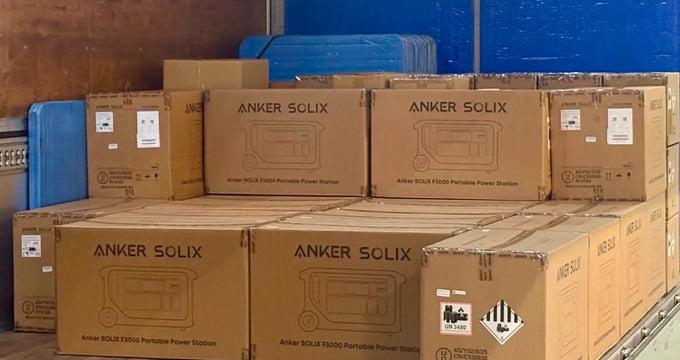
Later, several power station manufacturers including Anker and EcoFlow signed agreements with several largest communication groups in Japan: they will be responsible for ensuring emergency power supply when disasters occur.
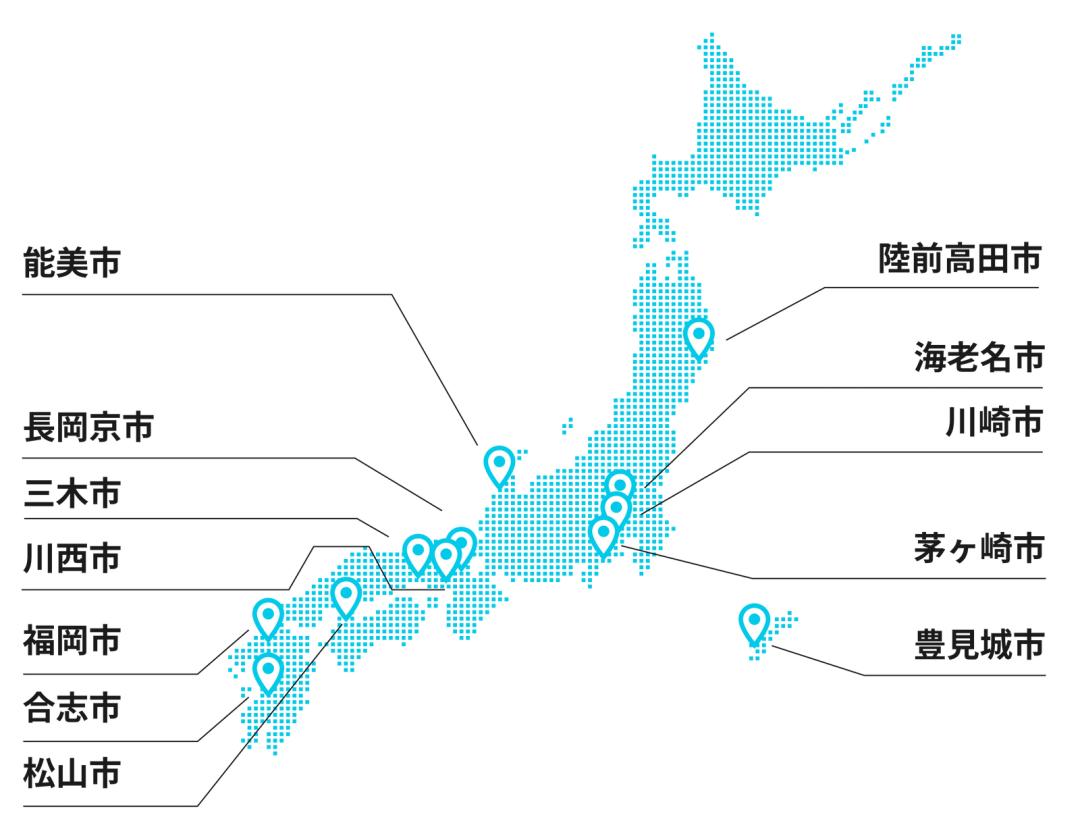
Image | The disaster prevention cooperation and material support network across Japan publicly released by Anker Innovations Japan
Chinese brands have been integrated into Japan's disaster emergency power supply system.
Being relied on at the most critical moment is the most genuine recognition for a product.
And their penetration into Japanese society is deeper than many people have imagined.
02 The former hardware kingdom no longer holds its glory
When talking about Japanese manufacturing, the first word that pops up in the mind of many older generations of Chinese people is probably "good quality".
This statement is true. If you still have a Sony TV or Panasonic washing machine you bought 20 years ago at home, it may still work properly. In that era, names including Sony, Panasonic, Toshiba, Sharp and Hitachi represented the ceiling of consumer electronics. Sony invented the Walkman, Nintendo and Sony dominated the game console market, Canon and Nikon led the camera sector, and Toyota and Honda swept the global automotive market.
But now the situation is changing one after another.
Japan lost its leading position in the TV market, and also lost its dominance in the white goods sector. Midea acquired Toshiba's home appliance business, and Haier took over Sanyo's white home appliance division. The same goes for the automotive industry: in 2023, China overtook Japan to become the world's largest automobile exporter.
In the field of robotics, Japan was once the most advanced player. They had Gundam (just a joke), and they had a globally renowned representative work: ASIMO.
Honda officially released this robot in 2000. Back then, it could walk, climb stairs, trot, carry a tray to deliver drinks, and even stand on the conductor's platform to conduct a full symphony orchestra. The whole world had seen ASIMO bow, and it was probably the most well-known robot on the planet at that time, enjoying unparalleled fame.
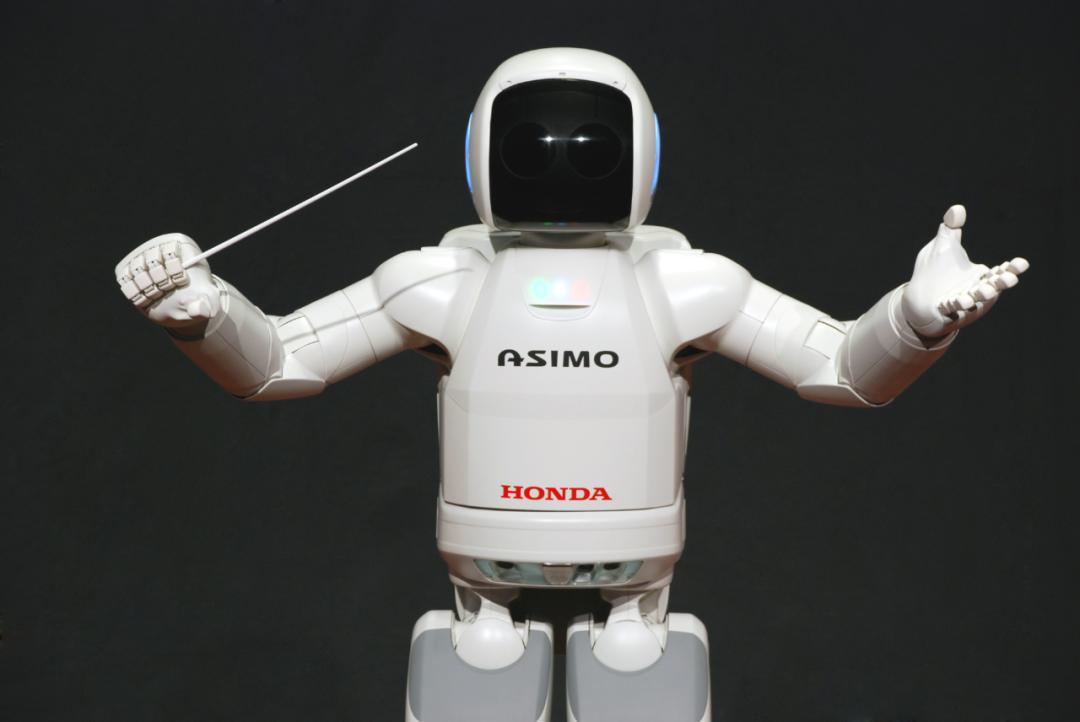
Image | ASIMO holds a baton to conduct an orchestra
But ASIMO never left the exhibition hall. For 20 years, it never did a day's work. It never swept the floor, never carried a box of goods, and never served in any factory or hospital.
Now it has been decommissioned. It reached its peak as soon as it debuted, and became a legend as soon as it retired, with zero actual working hours in between, a typical idol-style robot.
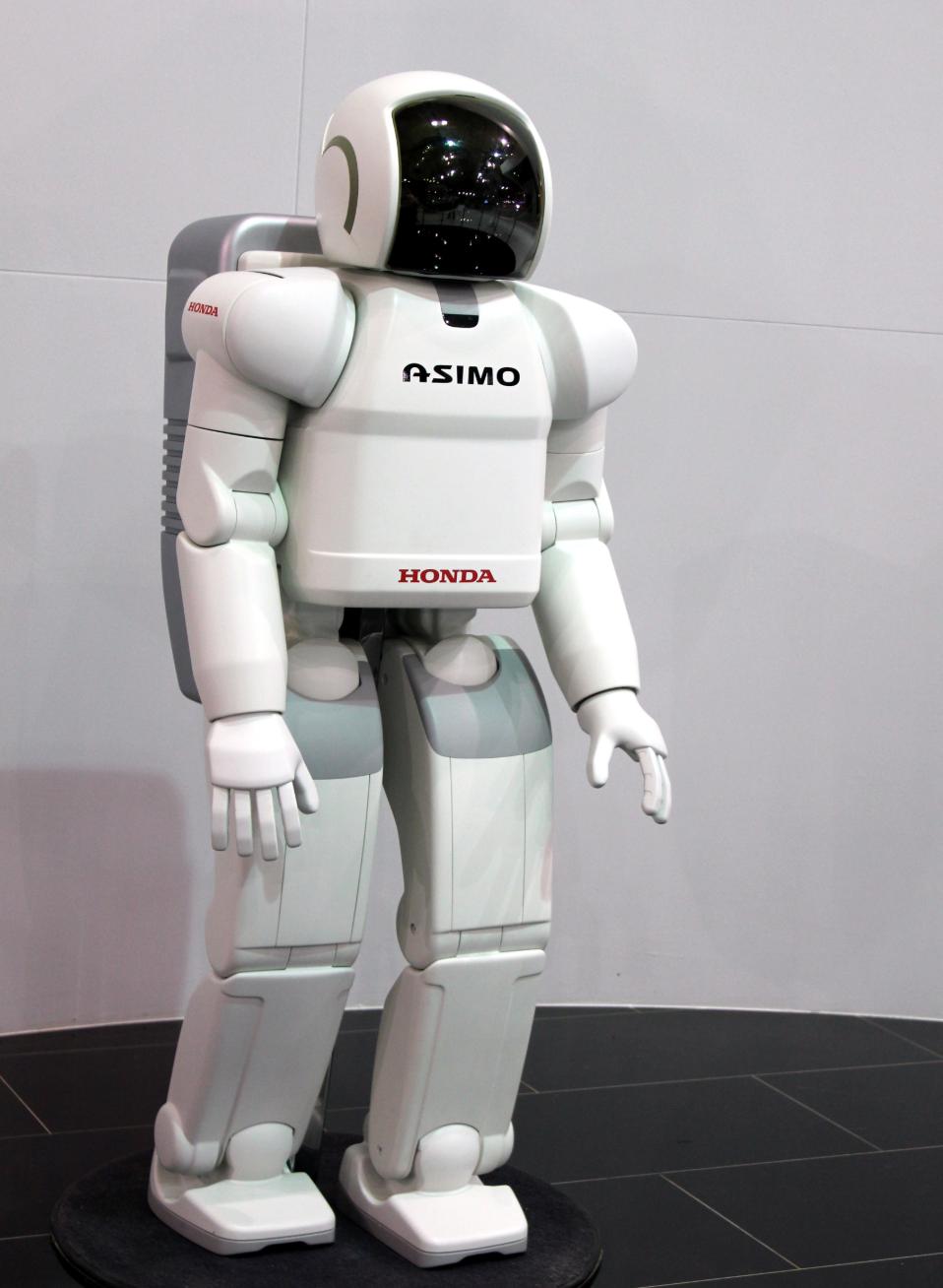
Image | ASIMO
Ironically, during the years when robots like ASIMO exited the stage, Japan's demand for robots rose to an all-time high. The Ministry of Health, Labour and Welfare of Japan has calculated that by 2040, Japan will need 2.72 million nursing staff, with a shortage of 570,000, which means one in every five positions cannot be filled. There is a labor shortage everywhere, from construction sites to airport ground handling services.
Their passion for robots also stems from this, but they cannot produce general-purpose robots that can help with all kinds of work like human beings. They can only watch the gap being widened.
RoboCup, the Robot World Cup, was initiated by Japanese scholars in 1997 with a romantic original intention: to promote the development of the whole field, and the goal is to build a robot football team that can beat the human World Cup champion team by 2050. Back then Japan was the leader in the robotics field, so it was reasonable for Japan to initiate such a competition.
Nearly 30 years later, the reversal of strength in this competition is extremely obvious. In the 2026 humanoid group competition held in Incheon, South Korea, 38 out of 49 participating teams used robot bodies from the same Chinese company, accounting for 78% of the total.
Nikkei used four words to describe this situation: Crustal Movement.
Japan, the initiating country, only managed to form one team. Hiroyuki Okada, chairman of the Japanese RoboCup committee, explained very frankly: the cheapest commercial humanoid robot with acceptable cost performance on the market costs about 2 million yen. Getting 5 robots for the competition costs more than 10 million yen. Adding transportation and travel expenses, the total cost of participating in one competition exceeds 20 million yen, equivalent to nearly 1 million RMB. Most university research labs in Japan simply cannot afford such an expense.
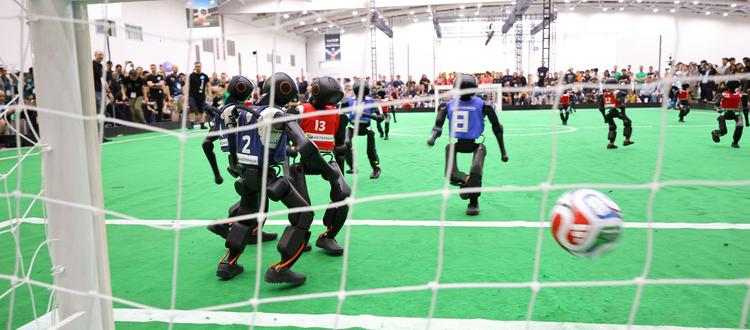
The competition they initiated has now become a stage for robots from other countries.
Not long ago, the World Humanoid Robot Games held in Beijing was a grand event that most people have seen on social media. The Olympic Games for human athletes pursue faster, higher and stronger. This games, only in its second edition, has already set records of being faster, higher and stronger than humans in multiple events, and the sprint speed is so fast that you can only see afterimages. This event attracted teams from 16 countries and more than 2,000 robots, most of which are of course made in China.
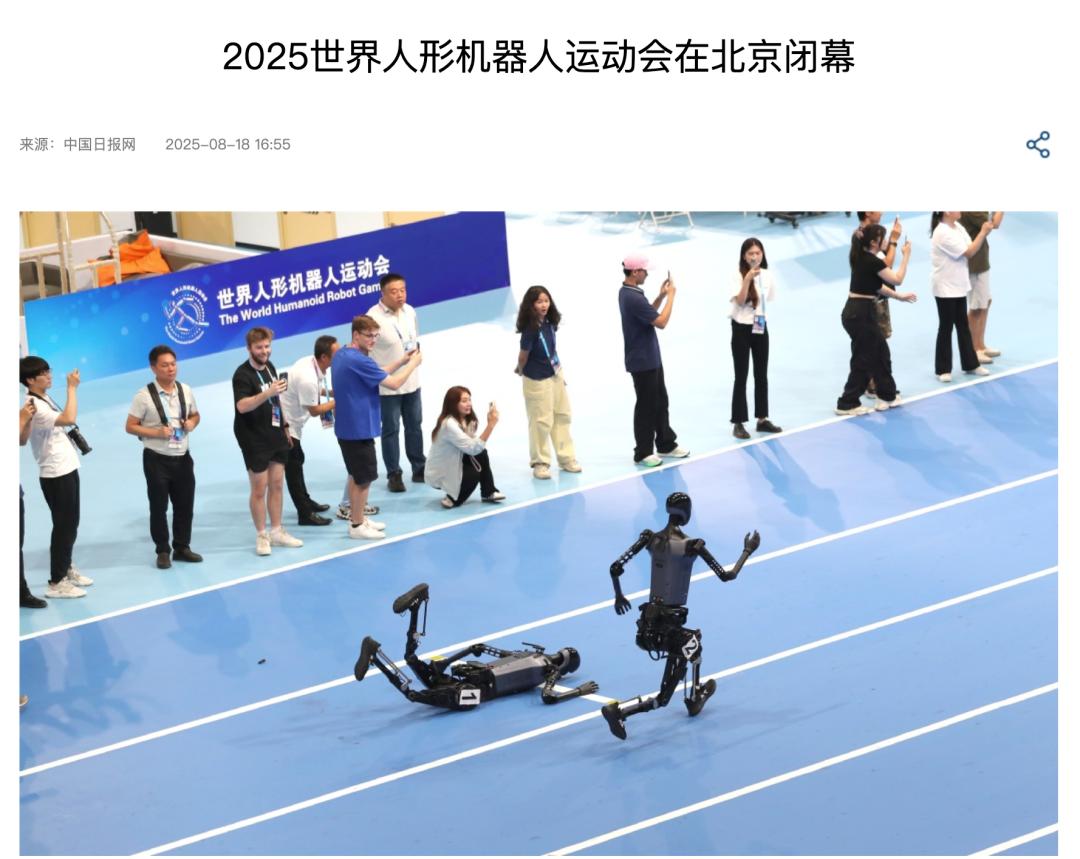
Japan also sent one team, with one robot.
This robot is called "Kohiro", which is quite popular on Japanese internet, and is affectionately called "Kohiro-chan". Its body is manufactured by Unitree Robotics, and the Japanese team is responsible for the control software. Strictly speaking, it is still a naturalized player.
There is no need to be harsh on its results: it ranked 10th in the 400-meter preliminary round and barely qualified, but it fell to the ground in the semi-final and dropped out; it finished the 1500-meter race completely, ranking 7th out of 35 robots, participation matters more than scores.
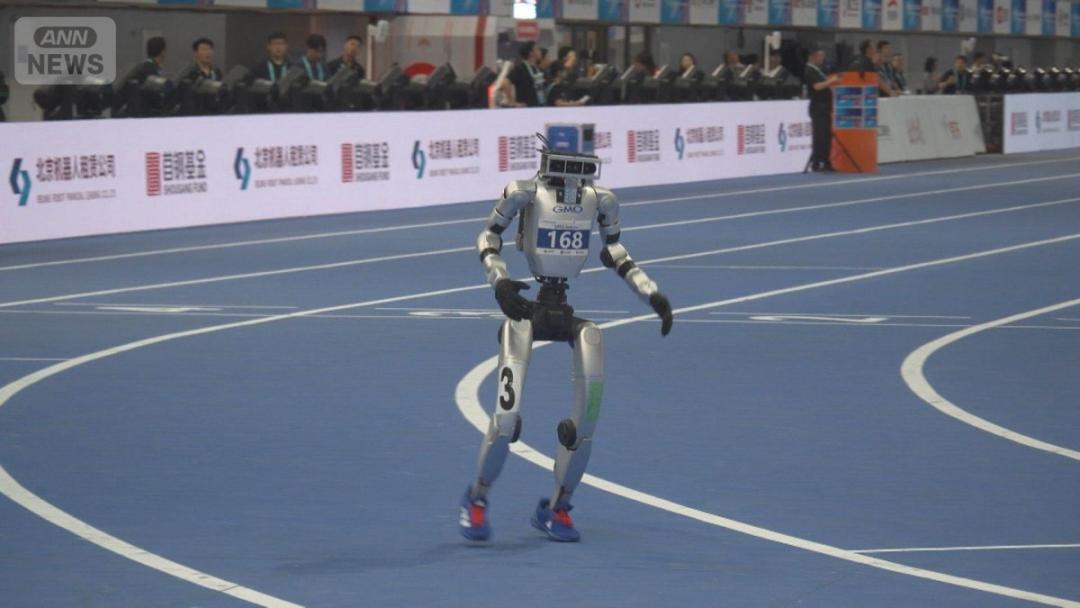
Image | The only participating robot from Japan
Only one robot came from Japan, but almost all Japanese media outlets dispatched their crews, including TBS, TV Asahi, TV Tokyo, NHK and Fuji TV, whose cameras shot at the Chinese robots on the field one by one. Professor Satoru Fukasawa from Takushoku University said on the TV Asahi program while watching the game: "In short, China has taken a clear lead." TBS reported a striking figure: in the first half of 2026, the global shipment of humanoid robots was about 19,000 units