La Mer places its bet on "cellular energy", as the high-end anti-aging sector shifts its focus to underlying biology | Frontline
Over the past decade and more, competition in the anti-aging market has revolved around several core keywords: Pro-Xylane, Retinol, peptides, collagen, and ever-higher concentrations of active ingredients. However, as consumers become more educated, the narrative centered on a single ingredient is losing its scarcity. For high-end brands, real competition is shifting to more underlying biological mechanisms — why the skin ages, and how to maintain a youthful state.
La Mer is betting on this direction.
36Kr learned that recently, La Mer has launched a new round of scientific communication around its The Rejuvenating Night Cream, with the core concept of "Nocturnal Bio-Thermal Technology". This technology attempts to bypass traditional physical thermal stimulation, and activate key pathways related to collagen maturation through biological mechanisms at normal temperature.
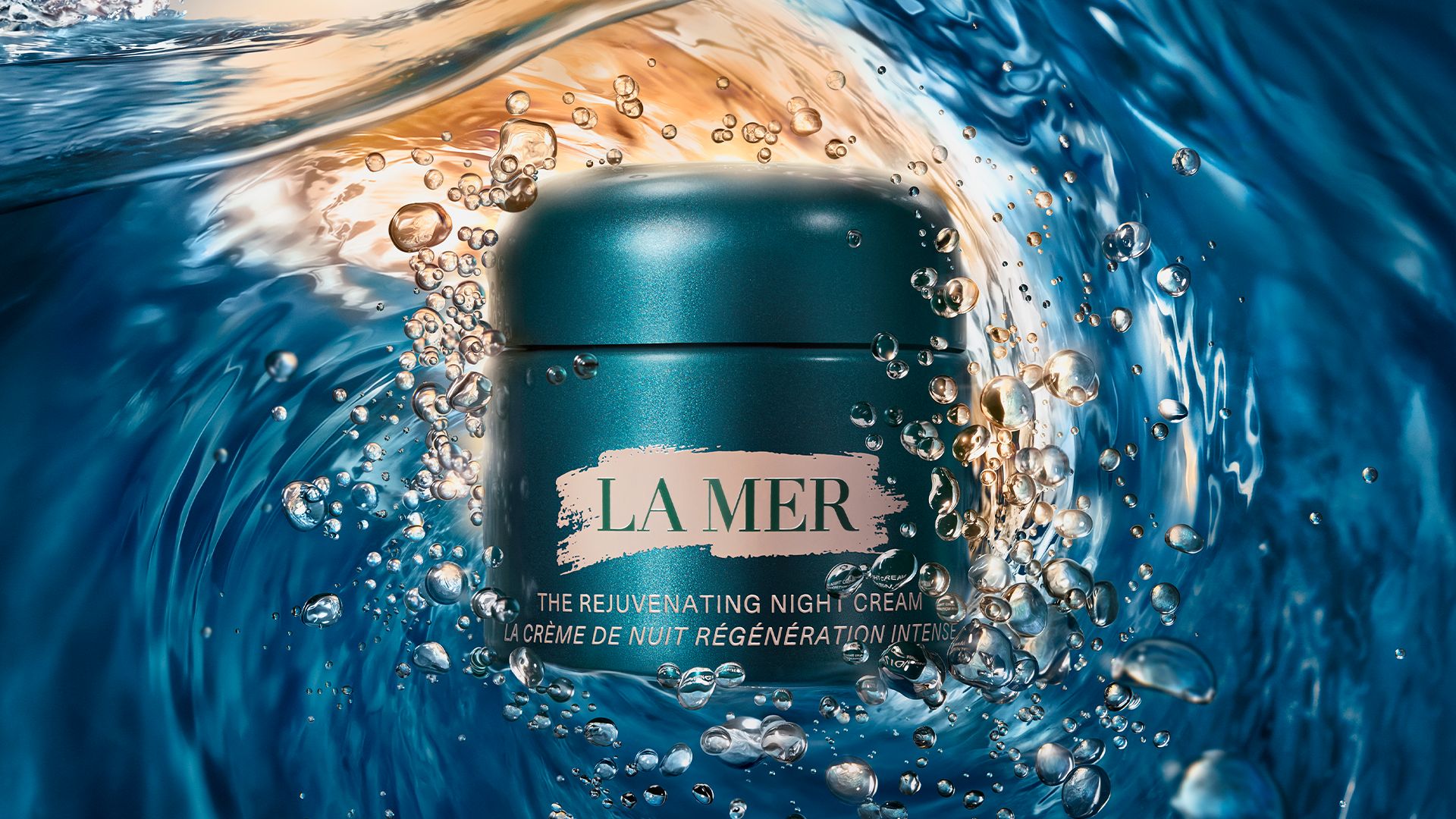
La Mer The Rejuvenating Night Cream
In the brand's technical logic, one of the key targets is HSP47 (Heat Shock Protein 47). It is a collagen-specific molecular chaperone, mainly present in the endoplasmic reticulum, responsible for helping newly generated collagen complete correct folding and maturation.
Simply put, collagen cannot perform its functions directly after being produced. It needs to go through complex processing and arrangement to form the network that supports the skin structure. As people age, the efficiency of this process decreases, which eventually manifests as reduced skin elasticity, deepened texture, and sagging contours.
What La Mer hopes to solve is exactly this link. According to the technical materials provided by the brand, The Rejuvenating Night Cream regulates related biological signals at a temperature close to the normal human body temperature through "Nocturnal Bio-Thermal Technology", activating the mechanisms related to collagen maturation. Internal brand data shows that in in vitro experiments, this mechanism can increase the expression level related to HSP47.
This is also part of La Mer's efforts to strengthen the narratives of "cellular energy" and "skin vitality" in recent years.
From "Reducing Wrinkles" to "Maintaining Youthful Functional Capacity"
"For a very long time in the past, anti-aging efforts focused more on the already visible signs of aging, such as wrinkles, sagging, and uneven skin tone, so the evaluation criteria also mainly focused on the improvement of these visible endpoints," Deng Binwei, Senior Director of Advanced Science and Technology at Estée Lauder Asia R&D Center and Chief Scientist of La Mer Asia Pacific, told 36Kr.
In her view, the biggest difference between Healthy Aging and traditional anti-aging lies in the shift of focus from "reversing changes that have already occurred" to "maintaining the skin's ability to function healthily in the long term".
Behind this change is also the evolution of the entire life science sector's understanding of aging.
In recent years, "Longevity Science" has become a new hot spot in the global scientific research and consumer fields. Researchers gradually believe that aging is not a change in a single organ or a single indicator, but is jointly caused by multiple factors such as decreased cellular energy, chronic inflammation, reduced tissue repair capacity, and imbalanced intercellular communication.
This shift is also reflected in the beauty industry. In 2026, Shiseido, Lancôme, Dior and Vichy are all advancing research related to skin longevity, integrating skin care into a broader preventive health ecosystem; L'Oréal called longevity "undoubtedly the strongest of all trends" during its earnings call in April this year. In fact, The Estée Lauder Companies made layouts even earlier. It launched the skin longevity platform at the end of 2023, shifting the focus of market communication from "fighting aging" to "visible age reversal".
La Mer's version is called Healthy Aging.
Deng Binwei breaks down Healthy Aging into several specific dimensions: sufficient cellular energy metabolism, efficient repair and renewal mechanisms, resilience when facing stress, and the ability of tissues to maintain structural integrity.
"In the future, the criteria for measuring youthful skin may no longer just be 'how young it looks', but 'whether it still functions as efficiently as young skin'," she said.
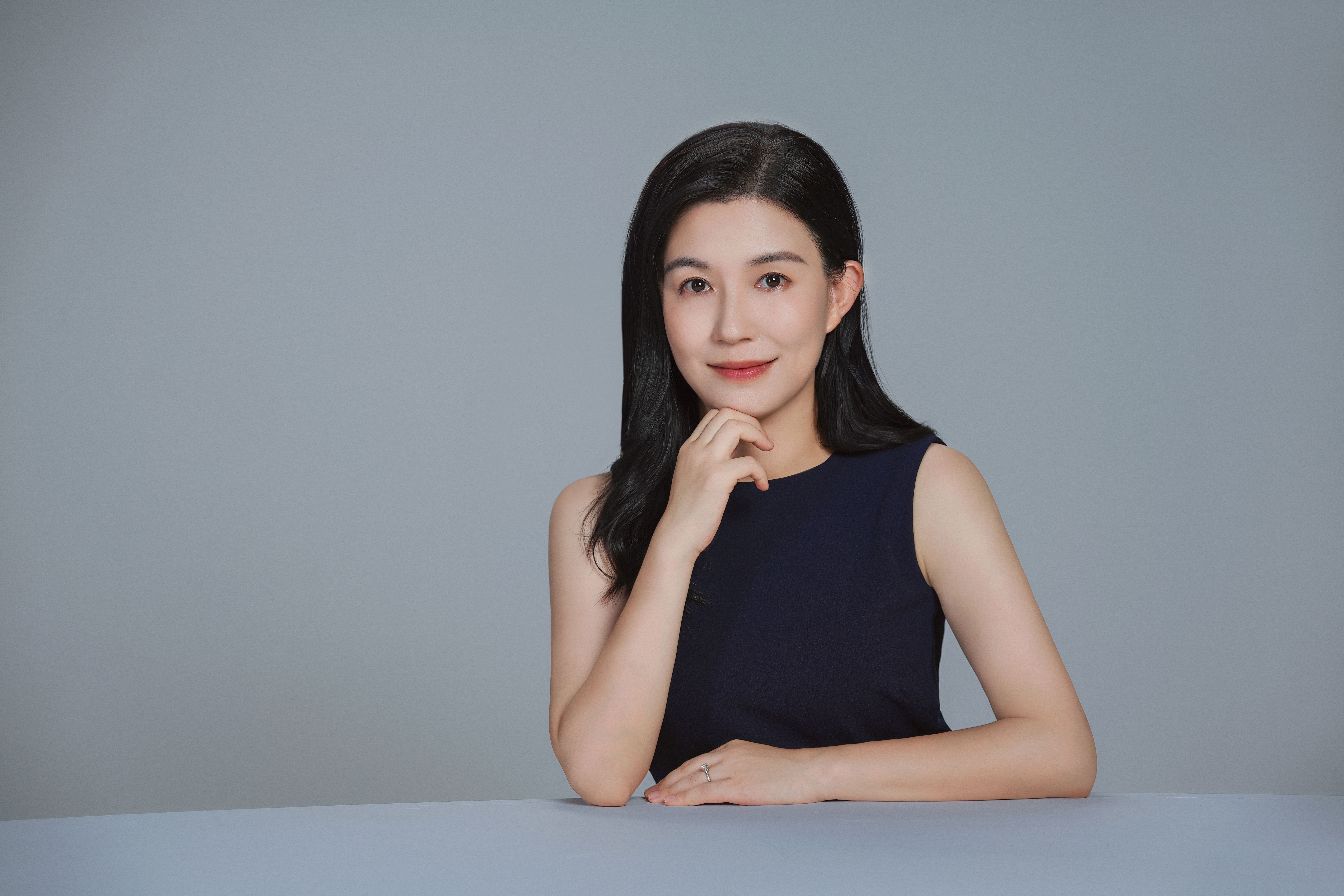
Deng Binwei, Senior Director of Advanced Science and Technology at Estée Lauder Asia R&D Center and Chief Scientist of La Mer Asia Pacific
From a Single Night Cream to Basic Science Partnerships
Supporting this long-term narrative is La Mer's investment in basic research in recent years.
Since 2024, La Mer has been collaborating with the Salk Institute for Biological Studies in the United States to study the relationship between the cellular transport system and energy metabolism during the aging process. The brand emphasizes that this collaboration is not intended to verify a single product, but to understand "why cells gradually lose their ability to maintain healthy functioning as they age".
The Salk Institute has long been renowned for its research in cell biology, neuroscience and aging. La Mer hopes to further translate its understanding of the internal mechanisms of cells into future skin care innovations through this partnership.
"The greatest value of this kind of basic research does not lie in immediately discovering a new ingredient, but in helping us gain a deeper understanding of the underlying biological laws behind skin aging," Deng Binwei said.
She believes that in the next 5 to 10 years, compared with the discovery of a single star ingredient, the real breakthrough in the skin care industry is more likely to come from new research frameworks and evaluation systems.
For example, in the past, the industry mainly evaluated anti-aging products through appearance indicators such as wrinkles, firmness, and pigmentation spots; in the future, more attention will be paid to mitochondrial health status, cellular transport efficiency, stress recovery ability and tissue homeostasis. "New active ingredients, I think, will be the natural outcome brought by the two above."
This long-term narrative is being translated into commercial results simultaneously.
The 2026 fiscal year financial report of The Estée Lauder Companies shows that the skin care segment achieved 4% organic growth, recording 7.34 billion US dollars in revenue. The group attributes the main growth momentum to La Mer and The Ordinary. In the Chinese mainland market, the group has outperformed the overall high-end beauty market for three consecutive quarters, with La Mer ranking first among the driving brands; during the Double 11 period, the brand ranked first in the luxury category on Tmall.
High-end Anti-aging Enters the "Cellular Competition" Stage
La Mer is not the only high-end brand shifting towards cellular science. At present, the high-end anti-aging market is developing in several different directions:
One category focuses on structural support, for example, improving skin support through the extracellular matrix (ECM) and collagen network; one category focuses on longevity mechanisms, such as gene expression, telomere stability and cell lifespan; the other category focuses on energy metabolism, including mitochondrial function, ATP production and cell vitality.
La Mer has chosen the direction of "energy and metabolism". In its communication system for The Rejuvenating Night Cream, the brand combines its Miracle Broth with cellular energy mechanisms, emphasizing the connection between the vitality of giant deep-sea kelp and nocturnal repair.
The brand tries to reinforce product value with clinical data. According to information provided by La Mer, The Rejuvenating Night Cream has undergone a SGS half-face controlled test, with 36 Chinese women aged 43 to 65 participating, comparing the performance of effects after 3 consecutive weeks of use with that of Thermage treatment. The test data shows that there is no statistically significant difference between the two groups in indicators such as nasolabial folds, jawline contour and fine line improvement.
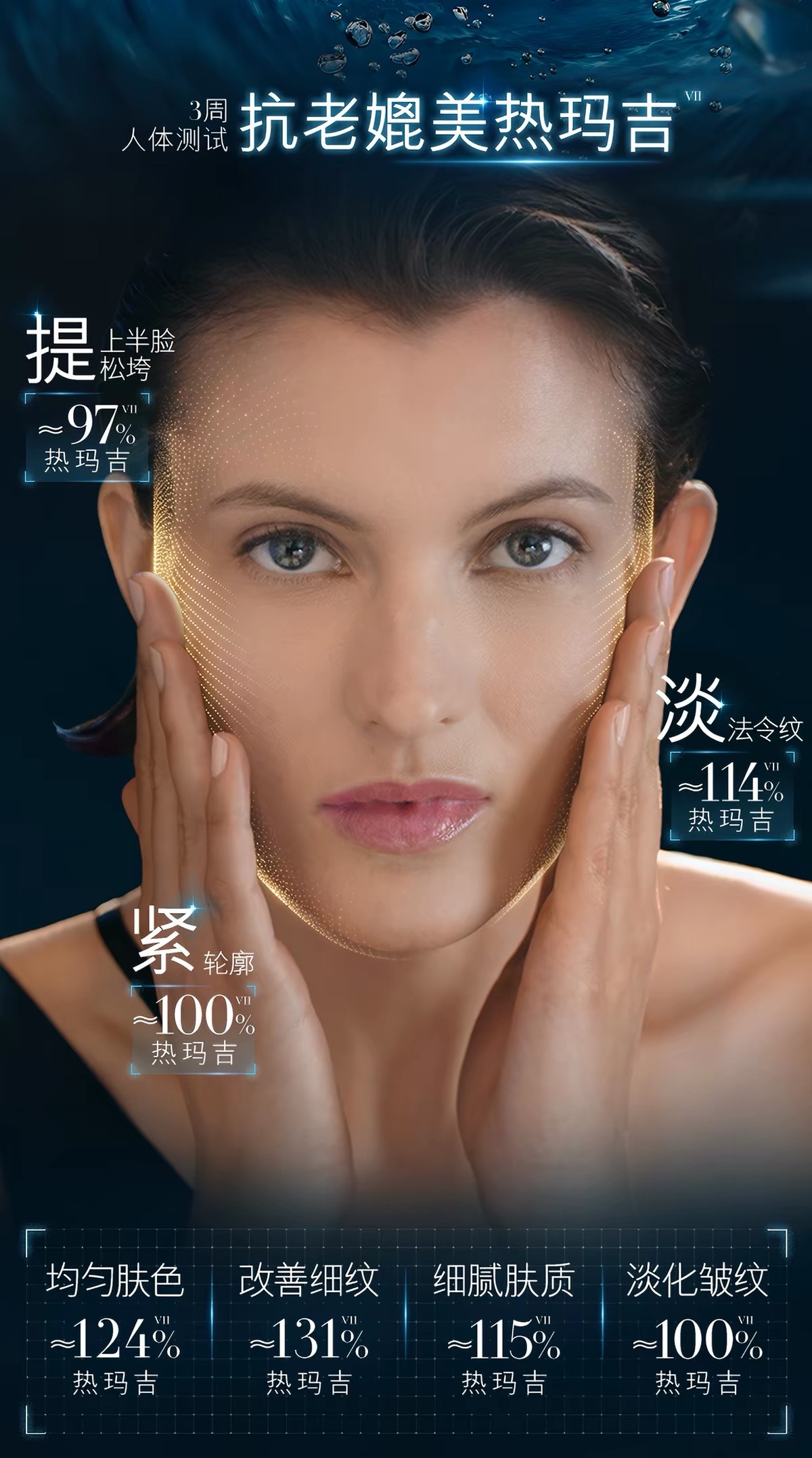
Image source: the brand
However, for the entire industry, the real challenge is not to come up with a new scientific concept, but to translate complex cellular mechanisms into experiences that consumers can understand and verify. After all, concepts such as "cellular energy", "biological age" and "Longevity Science" are rapidly entering the beauty market. When more and more brands start to use similar language, the evidence system behind the science will become a new competitive threshold.
The industry consensus reached at the InCosmetics conference this March is that longevity beauty requires evidence rather than claims — when terms such as cellular health, regeneration, and biological age are widely adopted, consumers and experts demand credible science, measurable results and well-founded claims. An industry study covering 1,654 consumers also points out that the winning brand will not be the one that makes the most exaggerated claims, but the one that consumers trust to truly translate science into real effects.
"The future development direction of anti-aging science will gradually move from 'looking younger' to 'functioning younger'," the chief scientist said.
This is also the new narrative that La Mer hopes to establish through Healthy Aging: youth is no longer just a superficial result left by time, but a biological state that can be maintained for a long time.