"Crazy" Rice: Half of the Beverage Industry Is Jumping on the Bandwagon, Some Brands Have Already Sold 100 Million Cups
Rice, the most humble staple food, has been going viral in the beverage industry recently.
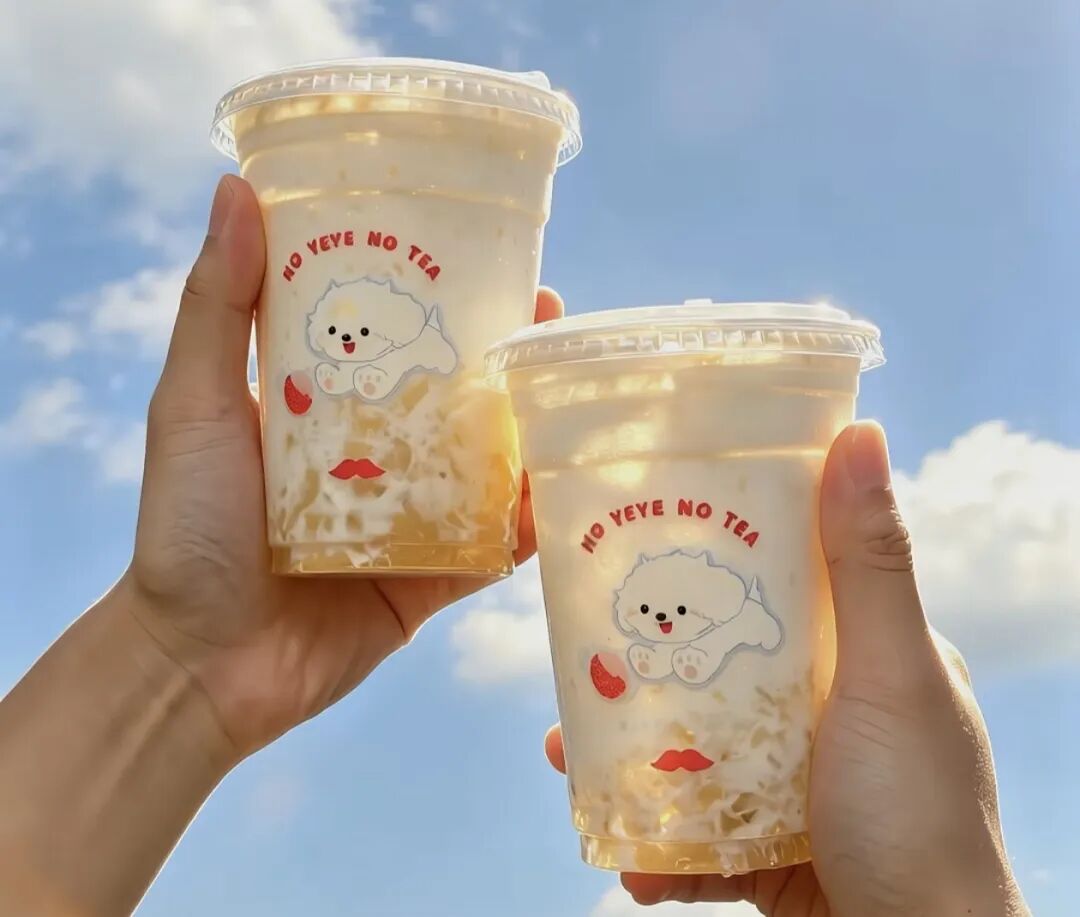
The cumulative sales of Grandpa No Tea Brewing's "Lychee Fermented Rice Drink" have exceeded 100 million cups, while BaWangChaJi, Moli Nai Bai, Luckin Coffee and Starbucks have all launched new related products; Manner launched the "Fermented Rice Osmanthus Latte", and Grid Coffee has cultivated coffee beans with rice fragrance flavor in Yunnan...
Rice is "breaking into" beverage cups in forms such as fermented rice, rice mochi, rice pudding, rice milk base and rice ice cream, transforming from a supporting ingredient to a core protagonist and setting off a flavor revolution.
One fermented rice product has sold over 100 million cups in total, major tea and coffee brands are rushing to "add rice" to their offerings
In the past August, a large number of new rice-related products were launched intensively, covering almost all beverage categories.
Looking first at the coffee industry, MANNER Coffee launched "Fermented Rice Osmanthus Latte" on September 1, integrating the rice aroma of fermented glutinous rice and the sweet freshness of osmanthus into the classic latte.
Previously, Luckin Coffee had launched "Osmanthus Fermented Rice Oolong" and "Osmanthus Fermented Rice Latte"; Peet's Coffee put "Golden Osmanthus Fermented Rice Latte" on shelves; Starbucks paired roasted brown rice grains with roasted tea to launch "Crispy Brown Rice Roasted Tea Latte".
The tea beverage sector has an even higher "rice content". After the cumulative sales of Lychee Fermented Rice Drink exceeded 100 million cups, Grandpa No Tea Brewing launched "Lychee White Glutinous Rice Milk Ice", which combines fermented rice, Wuchang white glutinous rice from Northeast China and added oat popping boba to create three layers of chewy texture.
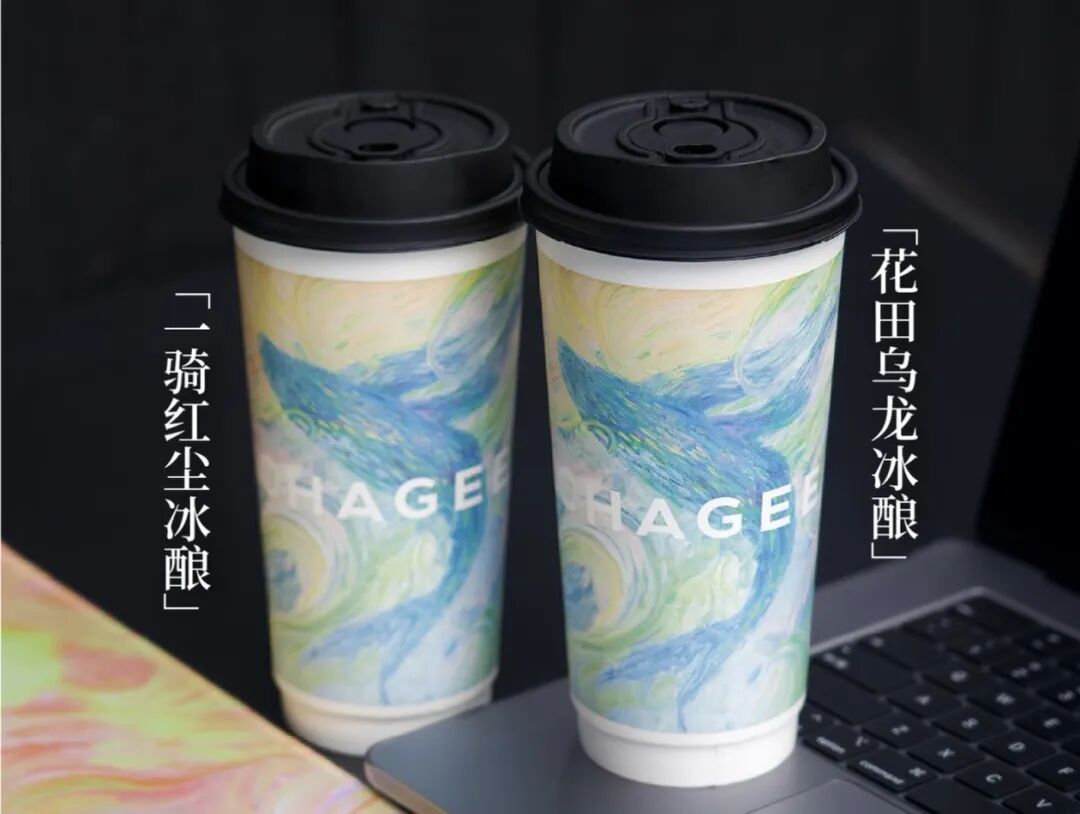
On August 28, BaWangChaJi launched the special tea-infused fermented rice drink series — "Riding Red Dust Fermented Rice Drink" and "Flower Field Oolong Fermented Rice Drink", where fermented rice, tea aroma and fruit flavor jointly define the core character of the products.
Moli Nai Bai launched the Yunnan limited edition "Salted Milk Brewed Rice Pudding Tieguanyin" at its new store in Kunming, combining rose fermented rice milk foam with rice pudding.
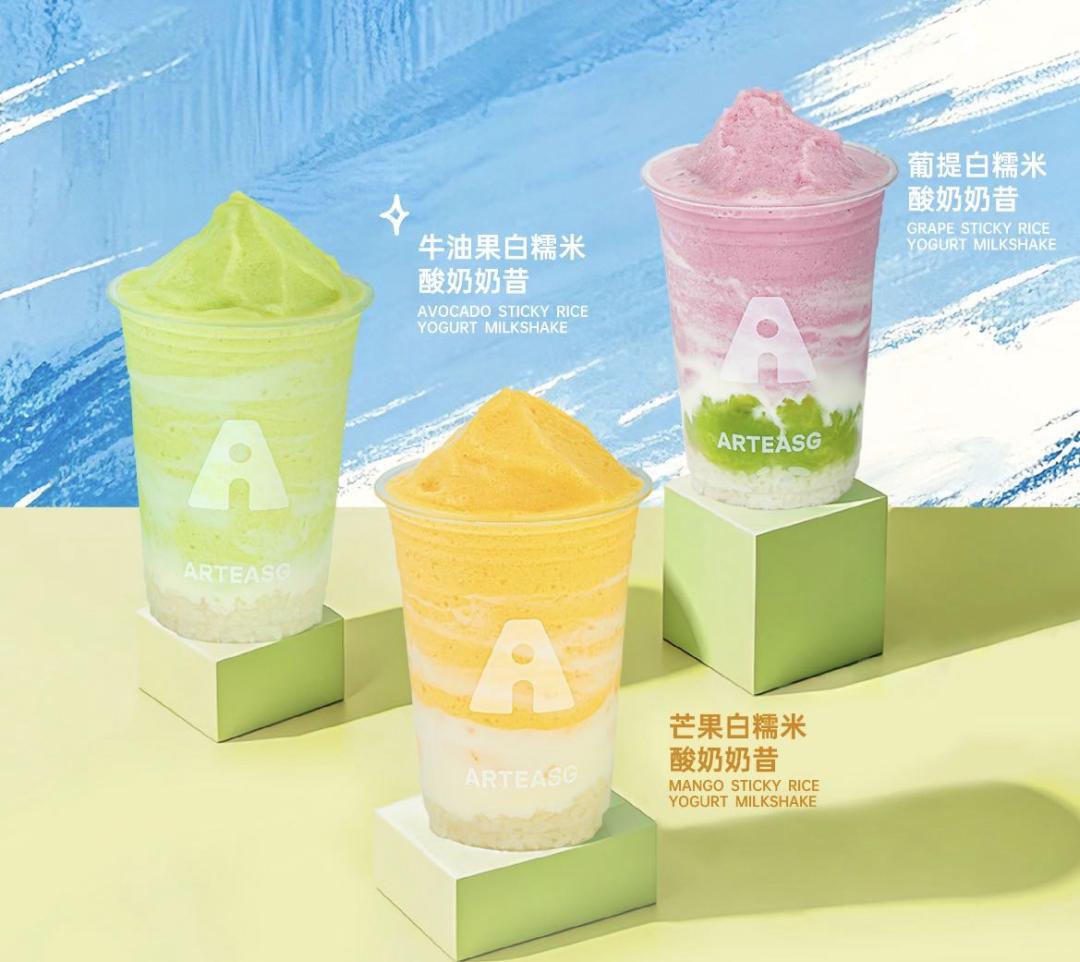
Baozhu Gong launched "Rice Covered Guava Milk", Baifen Cha launched "Sun-Ripened Melon Glutinous Rice Yogurt Smoothie"; ARTEASG launched three white glutinous rice yogurt smoothies with avocado, mango and grape flavors at one go; Mr. Wild launched "Osmanthus Fermented Rice Gelato"; A Yogurt Cow launched "Golden Apricot Sea Buckthorn White Glutinous Rice Yogurt".
According to the August 2026 beverage report from Kamen Beverage Power Lab, 23 out of the 235 monitored new products adopted rice-related elements.
From supporting role to protagonist, rice beverages are undergoing three key changes
Adding rice to beverages is not a new thing. But this round of "rice addition" wave has seen qualitative changes in product logic — rice is no longer just "something added into the product", but the core around which the entire product is developed.
1. The identity of rice has changed: from "adding rice to milk tea" to "making milk tea with rice"
In the past, the presence of rice in beverages was limited to the chewy texture — rice mochi, fermented rice and glutinous rice toppings have long been conventional options, but in this round, rice appears in multiple identities as base material, main ingredient and core flavor.
The special tea-infused fermented rice drink series of BaWangChaJi focuses on the interweaving of rice aroma, tea aroma and fruit flavor, allowing fermented rice, tea soup and fruit juice to jointly define the flavor framework of the whole cup of beverage.
Guming's "Rice Coming Latte" uses Thai jasmine rice ground into rice milk as the base; both Cotti Coffee and Luckin Coffee have long added rice milk to their coffee products.
The cumulative sales of Grandpa No Tea Brewing's "Lychee Fermented Rice Drink" have exceeded 100 million cups, and Moli Nai Bai's fermented rice series sold 560,000 cups in 5 days, which all confirm the market acceptance of rice flavor.
The role of rice has been upgraded from "granular topping" to "liquid base" and "hit flavor", and has successfully expanded to all categories including yogurt, ice cream and bottled beverages.
As the person in charge of the Cha Mi You Yan brand said: "The identity of rice has changed, from 'adding rice to milk tea' to 'making milk tea with rice'".
2. Varieties and forms are increasingly segmented, one single cup contains multiple types of "rice"
Brands are no longer satisfied with adding only one type of rice.
Based on the classic Xiaogan fermented rice, Grandpa No Tea Brewing adds Wuchang white glutinous rice from Northeast China and oat popping boba, and netizens commented that "it has three layers of texture with extremely rich levels".
Moli Nai Bai's Kunming limited edition "Salted Milk Brewed Rice Pudding Tieguanyin" presents two rice forms of rose fermented rice milk foam and rice pudding in one cup; its previous product, osmanthus fermented rice smoothie, even uses six types of glutinous rice from five different regions in one cup.
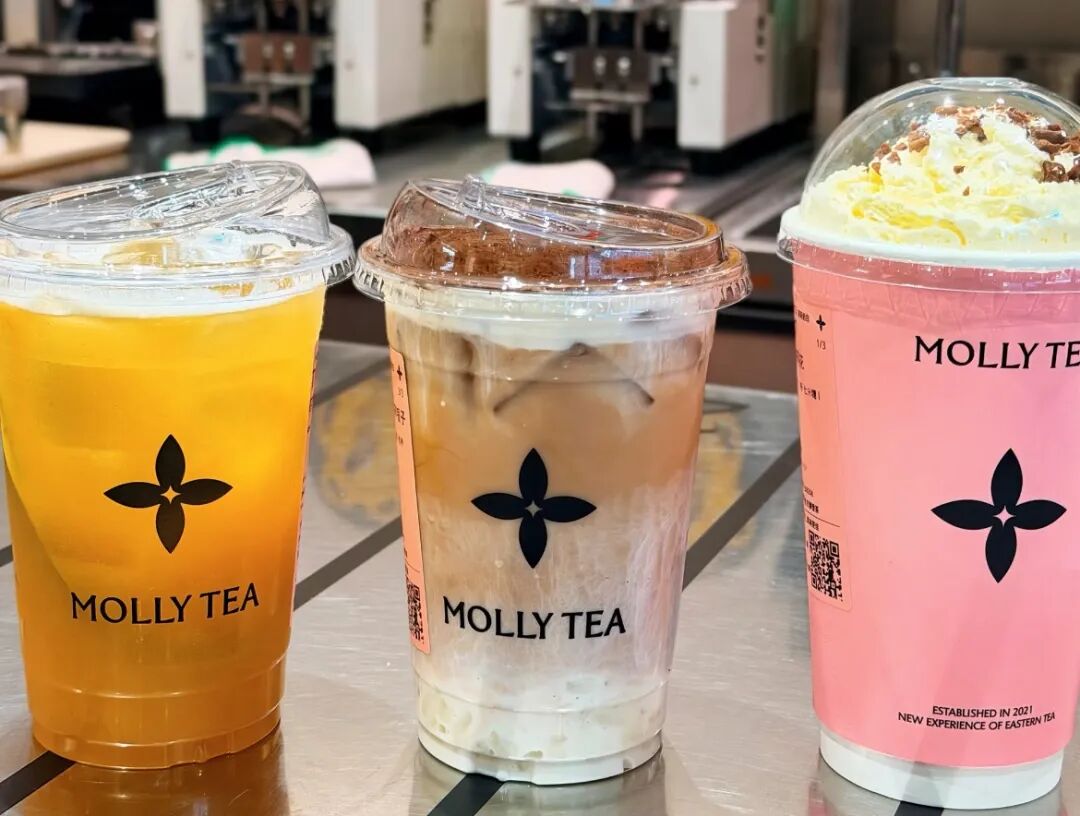
At the same time, brands begin to use origin labels to build differentiated recognition. Ma Wangwu's Anhui fermented rice, Grandpa No Tea Brewing's Xiaogan fermented rice, Cha Mi You Yan's Northeast Wuchang rice — every type of rice has a clear "origin".
When tapioca pearls and coconut jelly have become general raw materials, rice-based products are building their own quality narratives through origin segmentation and variety differences.
3. Leveraging the dessert trend, "edible and drinkable" products sell better
Rice-based raw materials naturally fit the dessert scenario — they have both chewy texture and a sense of satiety, and can also carry various collocations to extend to more complex flavor combinations.
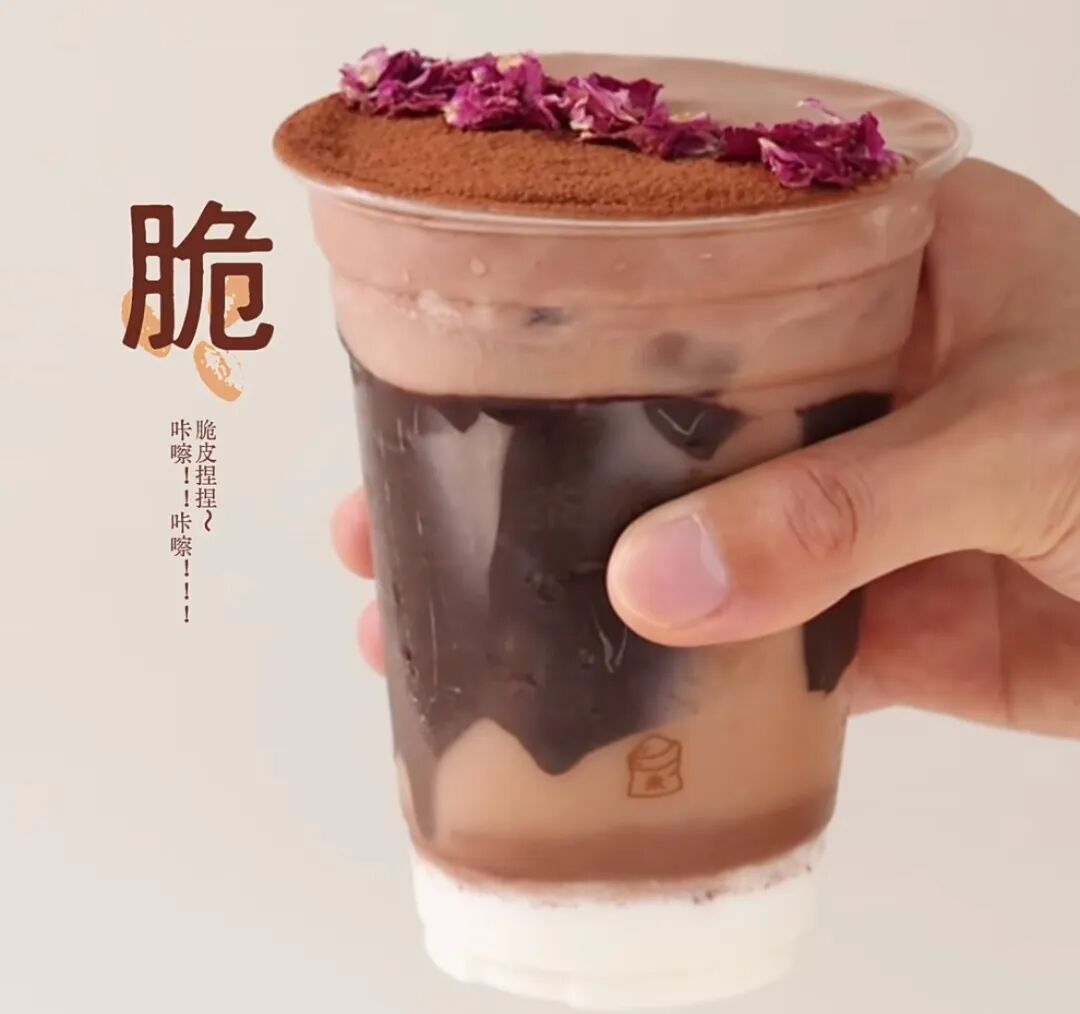
Cha Mi You Yan's newly launched "Triple Rich Dark Cocoa" uses the mildness of rice milk to bring out the mellow taste of cocoa, and leverages the strong inclusiveness of rice to explore the rich and thick expression of "super rich cocoa" suitable for autumn.
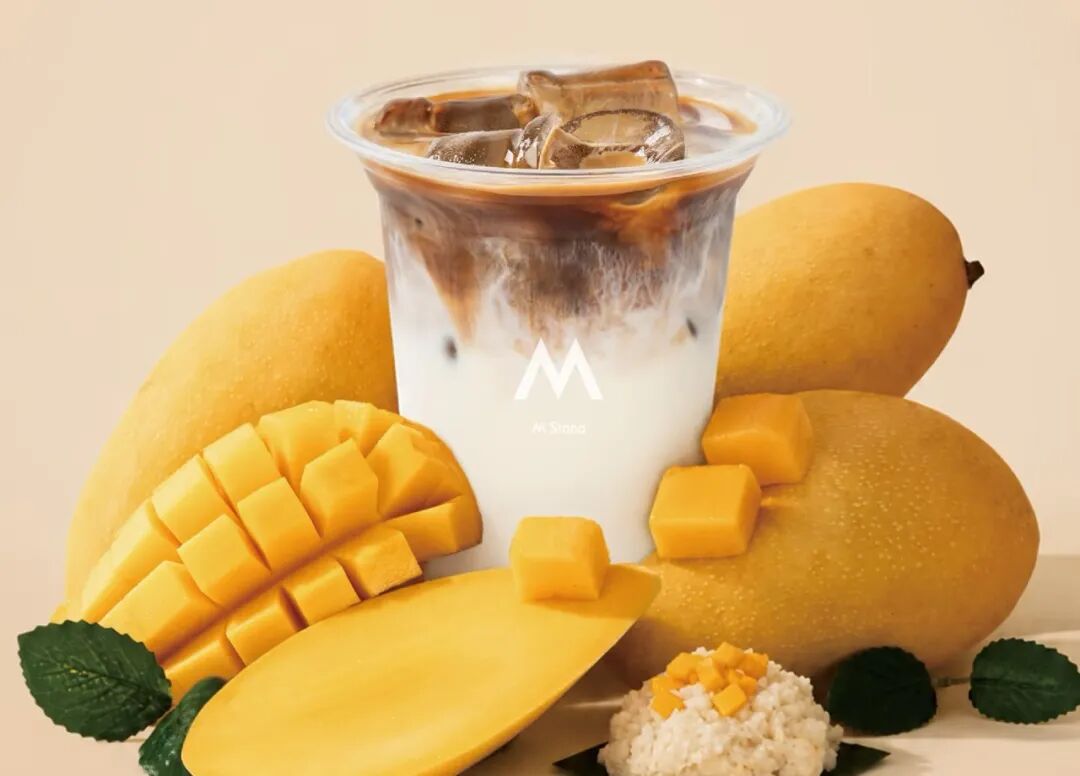
M Stand's "Mango Rice Pudding Latte" draws on the flavor logic of the classic Southeast Asian dessert mango glutinous rice, and is specially paired with a rice-flavored pineapple mango cake. Guming's "Rice Coming Latte" directly adds a whole rice ice cream ball.
Mixue's new products "Strawberry Milk Mochi" and "Mango Milk Mochi" add rice mochi toppings; Louxia Yogurt combines rice pudding with rice and seaweed to make a cold brew bowl that can be eaten with a spoon.
Rice beverages are no longer limited to "drinking", but keep extending to the composite experience of "both drinkable and edible".
The scent of rice wafts in coffee cups, "freshly made" is becoming the moat of rice beverages
The integration of rice and beverages is moving from "simple addition" to "symbiosis".
Earlier this year, Grid Coffee launched the "Impossible Project" and carried out the coffee-rice intercropping experiment in the high mountains of Yunnan.
In September, the experiment ushered in the first harvest, and the product was named "C0 Rice Fragrance". It adopts two processing methods: micro-anaerobic sun drying and rice water washing & honey processing. Due to the small output, it is only available for pre-order, and the market feedback is extremely enthusiastic, with many consumers waiting in the comment area to place orders.
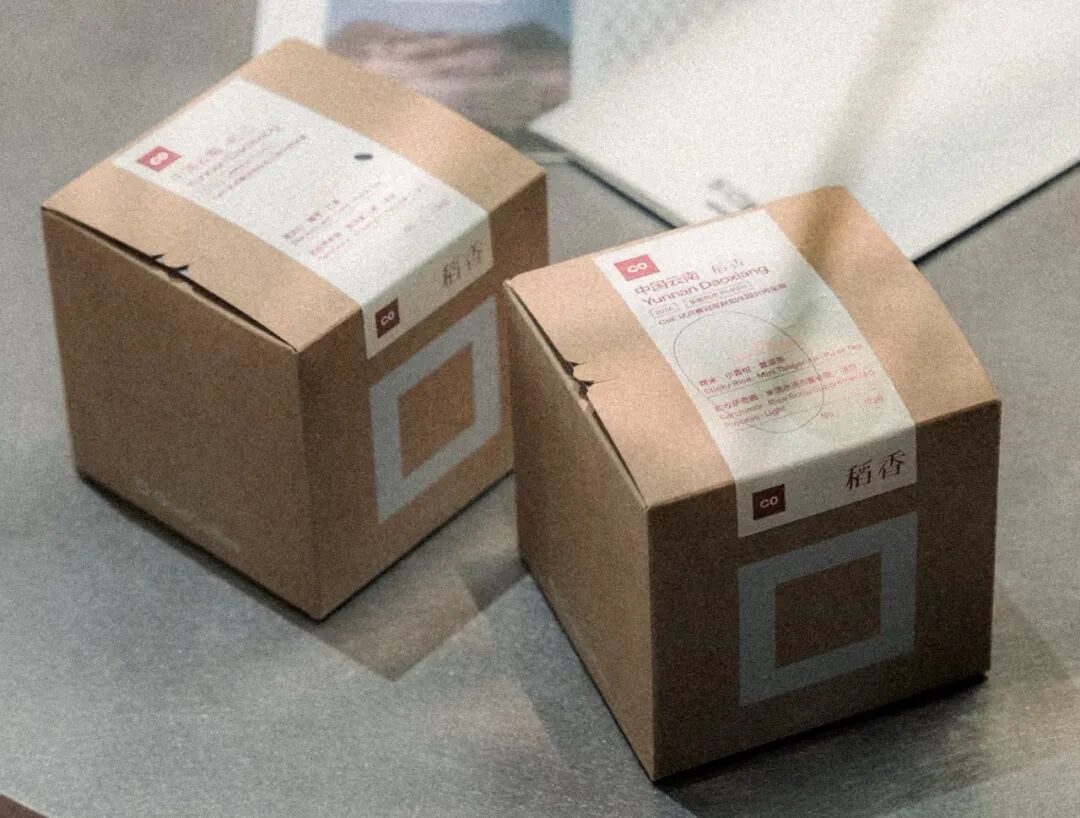
From "adding rice" to "planting rice", rice is becoming a flavor language that can be extracted, integrated and even grown by ourselves.
Another direction for rice product innovation is to "focus on handcraftsmanship".
Many brands emphasize steaming glutinous rice and grinding rice milk on site in their stores. Yang Shizhong, co-founder of Baifen Cha, pointed out the key point: these tedious steps are doing one thing — to let consumers "see" how a cup of beverage is made.
"The most unique value of rice products lies in this kind of 'perceivable freshness' — it is not a standard product uniformly distributed from the assembly line, but a product that is actually 'made' in the store."
The person in charge of the Cha Mi You Yan brand believes that for rice products, on-site production is not just a means of differentiation, but something that must be guaranteed.
"Rice has a relatively mild flavor, its fresh aroma, glutinous texture and smooth mouthfeel all depend on freshness to be maintained. Steaming, boiling, stir-frying and grinding on site are not extra points for rice beverages, but the basic bottom line for their taste."
Conclusion
Rice is not a unique case among grains. UBE (Philippine purple yam) flavor has been introduced into China by Starbucks, oat milk is deeply bound to coffee, and grains such as taro and corn are frequently appearing in new products of milk tea shops.
Grain-based raw materials are close to Chinese eating habits and more suitable for the "Chinese stomach".
From rice mochi to rice pudding, from fermented rice to rice milk base and rice flavor, the exploration of rice forms in beverages is far from reaching the end.
This autumn and winter, rice products are expected to usher in the second wave of popularity. This time, it may not be just a one-time novelty attempt, but the beginning of "regular drinking".
This article is from the WeChat official account "Kamen" (ID: KamenClub), written by Xiya, and published with authorization from 36Kr.