Japanese-invested retail sector in transition
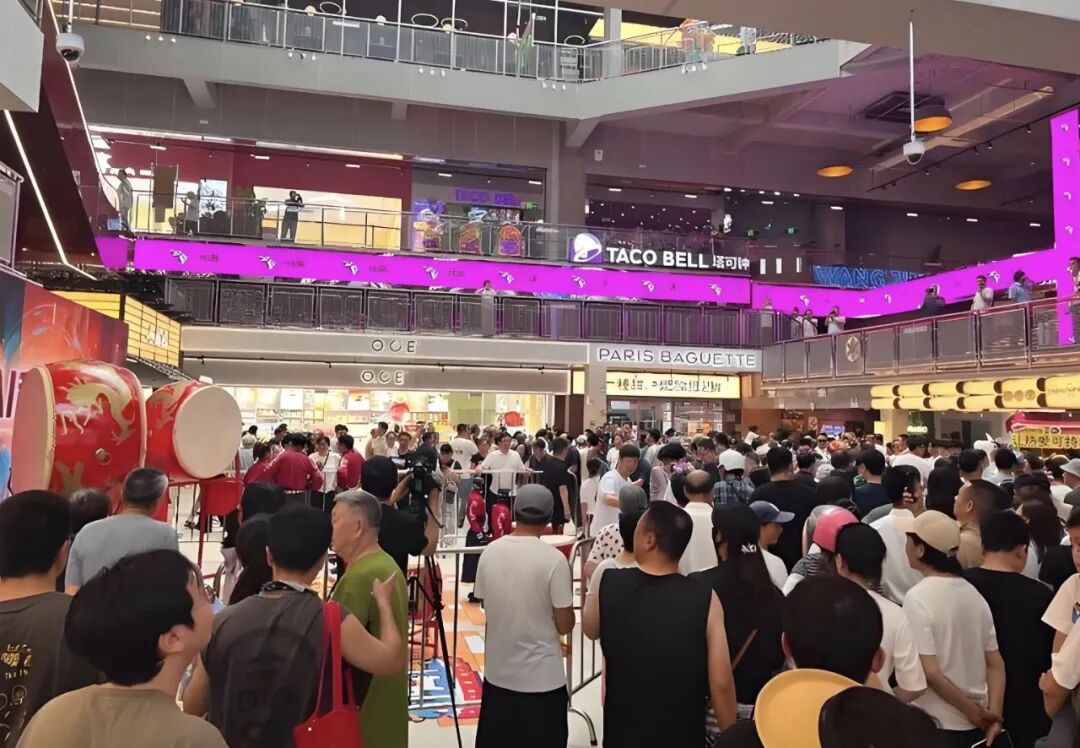
On August 22, 12 years after its departure, Ito Yokado returned to Wangjing, Beijing.
On the same day, the Wangjing V-HUB Urban Park opened, and the Ito Yokado Supermarket located on the B1 floor of the project also started operation. The new store covers an area of about 1,500 square meters, with its business focus on fresh food, cooked food, bakery, Japanese food, daily household products and other categories.
Four days later, AEON Commercial Co., Ltd., another Japanese-funded retail enterprise, issued an announcement, declaring that all AEON supermarket stores in Beijing, Tianjin and Hebei regions would cease operations. Starting from September 1, consumers can apply for refunds on their shopping cards.
One store has been downsized and returned to Wangjing, while another enterprise has ended its supermarket business in the Beijing-Tianjin-Hebei region.
The close timing of the two events makes the choices of the two companies present a contrasting implication: traditional hypermarkets are shrinking, while food retail, shopping centers and local cooperation are becoming another way for Japanese-funded retailers to stay in the Chinese market.
The Transformation of Japanese-funded Retailers
AEON's contraction in North China did not happen suddenly.
In 2022, its store at Beijing Chaoyang Joy City was closed; in 2023, the Changping store also ceased operation; in 2025, the Fengtai store in Beijing stopped operating. In February this year, in response to rumors such as "full withdrawal from China" and "complete store closures", AEON responded that the company had no plan to withdraw from China, and the adjustment of individual stores in North China was only an optimization of its operations.
By August 26, all its supermarket businesses in the Beijing-Tianjin-Hebei region had been shut down.
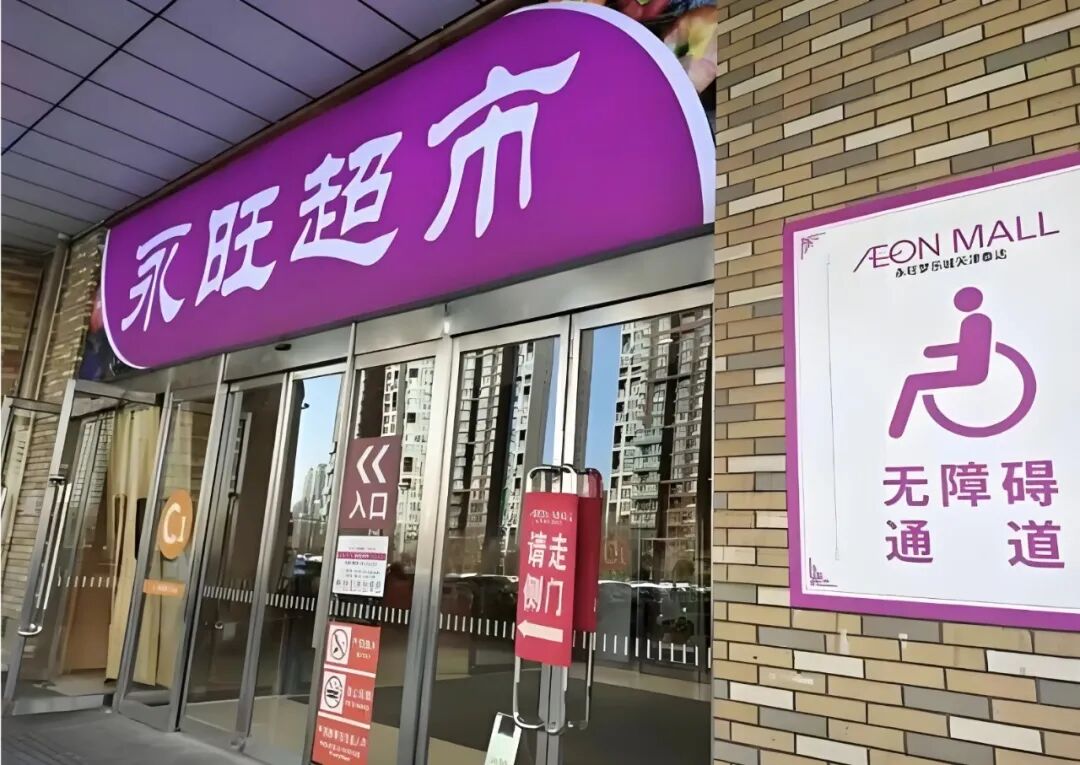
Before the announcement was released, some stores in Tianjin had already seen concentrated redemption of stored-value cards and a significant reduction in shelf products. For customers, the stores still opened as usual, but from the operational perspective, these stores had actually entered the final winding-up stage.
A retail industry insider analyzed to *Lingshou* that what AEON closed might not be just a few stores, but also the supporting procurement, logistics and management systems matching these stores.
After the number of stores decreases, the back-end costs that were originally shared by regional stores can hardly be diluted any more. Even if the remaining stores still have sales, they may not be able to support a complete operating system.
Competition is also clearly present.
In the Beijing-Tianjin-Hebei region, there are brands such as Sam's Club, Yonghui Supermarket, RT-Mart, Freshippo and 7FRESH, and vegetable markets and morning markets also have stable consumer groups. Consumers have no shortage of purchase channels, and it is difficult for AEON to grab enough customer flow from these channels.
In terms of price, distance and product differentiation, AEON has not formed a very distinct label either.
Financial performance constitutes another layer of pressure.
AEON's listed entity recorded an operating revenue of HK$3.931 billion in the first half of 2025, a year-on-year decrease of about 3%; the net profit attributable to owners of the parent was a loss of HK$217 million, compared with a loss of HK$171 million in the same period of the previous year. In the same period, the revenue from its mainland China business was HK$2.147 billion, a year-on-year decrease of about 0.4%, and it recorded a loss of HK$66.1 million.
AEON's mainland China business suffered losses in 2018, with a loss of HK$59.8 million that year. Since then, the company has promoted store closures, procurement integration and cost adjustment, but the profit pressure has not completely disappeared.
For a loss-making retail enterprise, the costs brought by inefficient regional stores are not just rent. Warehousing, logistics, procurement and personnel management all need to be shared by store scale.
Therefore, the withdrawal from the North China business is not only due to the store sales level, but also related to the fact that the regional scale can no longer support the original operating system.
The changes in store area and product structure more directly reflect Ito Yokado's adjustments.
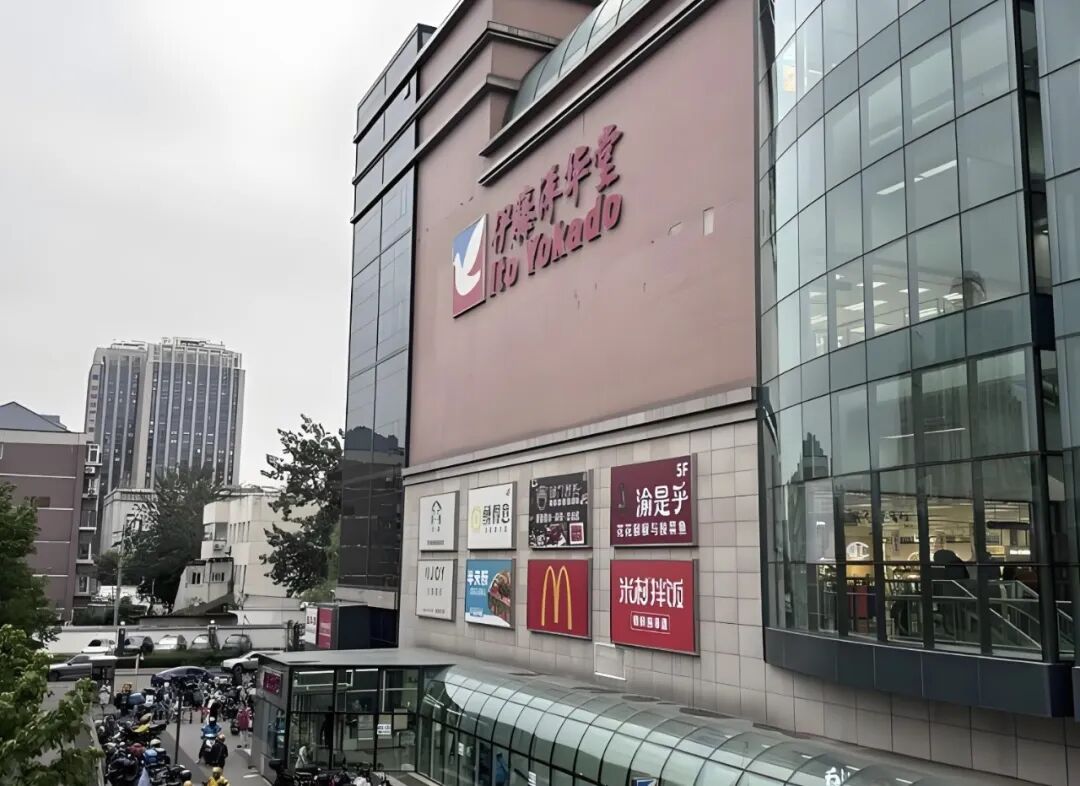
Ito Yokado entered Beijing in 1998, and Huatang Ito Yokado once had 11 stores in Beijing. The original Wangjing Ito Yokado Mall closed in 2014 covered an area of about 17,000 square meters, operating multiple categories including department stores, food, clothing, home appliances and home furnishings.
12 years later, when it returned to Wangjing again, the Ito Yokado Supermarket reduced its operating area to 1,500 square meters.
Low-frequency categories such as clothing, home appliances and large home furnishings were withdrawn, and fresh food, cooked food, bakery, ready-to-eat food and Japanese products became the main body of the store.
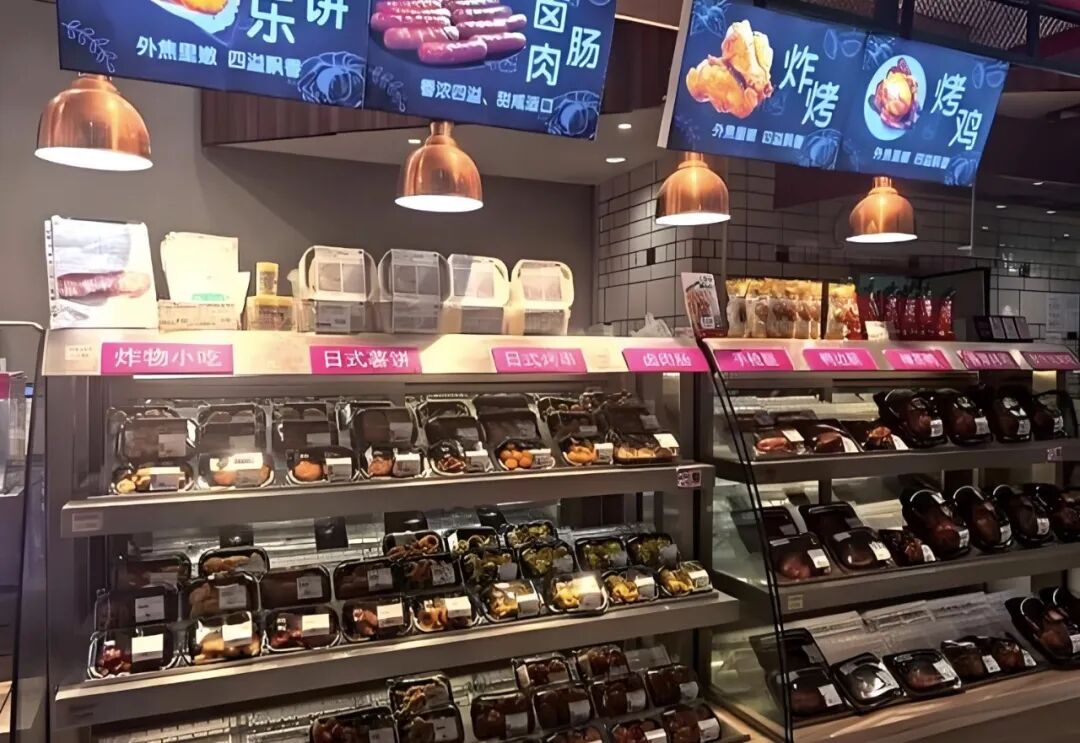
*Lingshou* observed on site that the fruit and vegetable area, bakery stall and cooked food area are located near the main aisle. Chinese food such as noodles with gravy, cold noodles, fried noodles and boxed meals are sold together with sushi, rice balls, sandwiches and Japanese bento.
The previous "large and comprehensive" model of general department stores no longer appears. The limited area is reserved for more food categories that can bring daily consumption and repurchase.
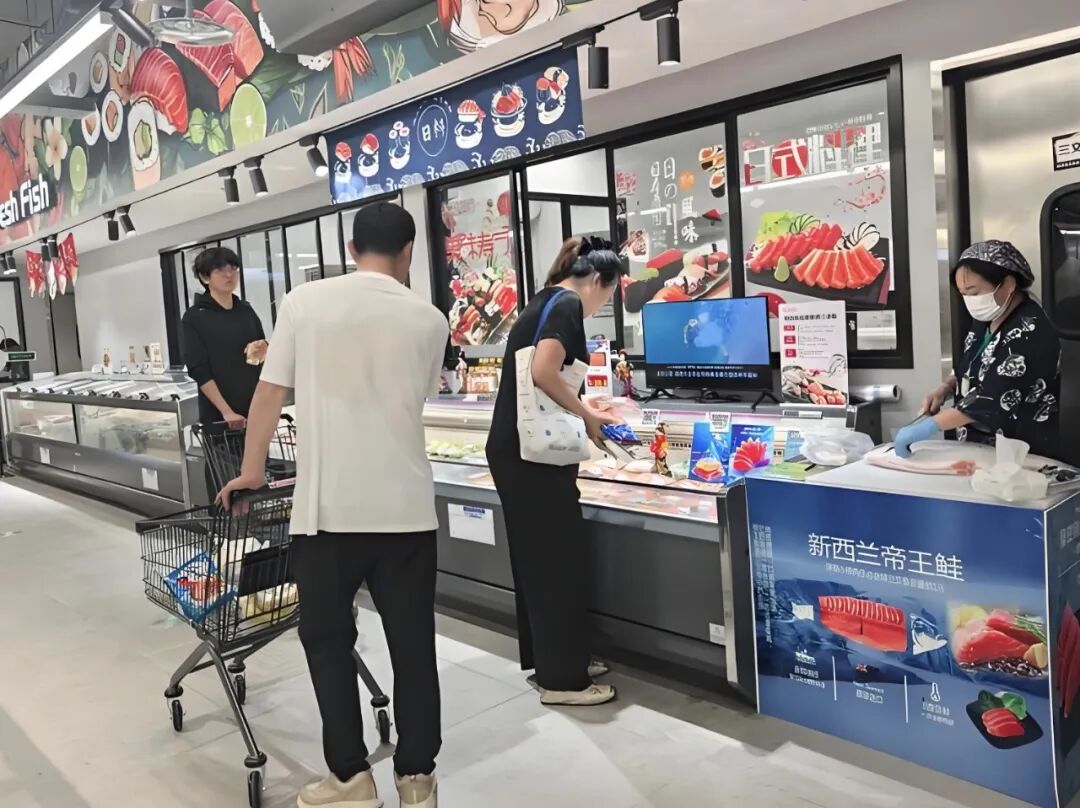
But Wangjing is not short of fresh food supply.
The new store is less than 500 meters away from Freshippo. Local consumers already have a variety of purchase channels for fresh food, cooked food and instant retail. For Ito Yokado, which has returned to Wangjing, the old brand can bring attention during the opening period, but it still needs to answer a more practical question with its products: why will consumers come back again?
At the beginning of 2026, 90% of the equity of Beijing Huatang Ito Yokado was transferred to Beijing Xinchen Supermarket Development Co., Ltd. Ito Yokado retained 10% of the equity and brand authorization, and the operational focus of its Beijing business was adjusted accordingly.
From a 17,000-square-meter hypermarket to a 1,500-square-meter supermarket, what has changed is not just the area.
Ito Yokado retained its brand and some product characteristics, but abandoned the past model of relying on large stores and full categories to cover consumers.
Restructuring Regional Business
After withdrawing from the supermarket business in the Beijing-Tianjin-Hebei region, AEON did not stop its investment in the Chinese market.
Rather than filling the gap left by the stores in North China, it has put more efforts into Guangdong and central China.
As of February 2026, AEON operated 70 supermarket stores in mainland China, of which more than 40 are located in Guangdong, accounting for more than half of the total.
Guangdong is the first market that AEON entered in mainland China. After years of operation, it has a relatively mature supply chain, store foundation and brand awareness here.
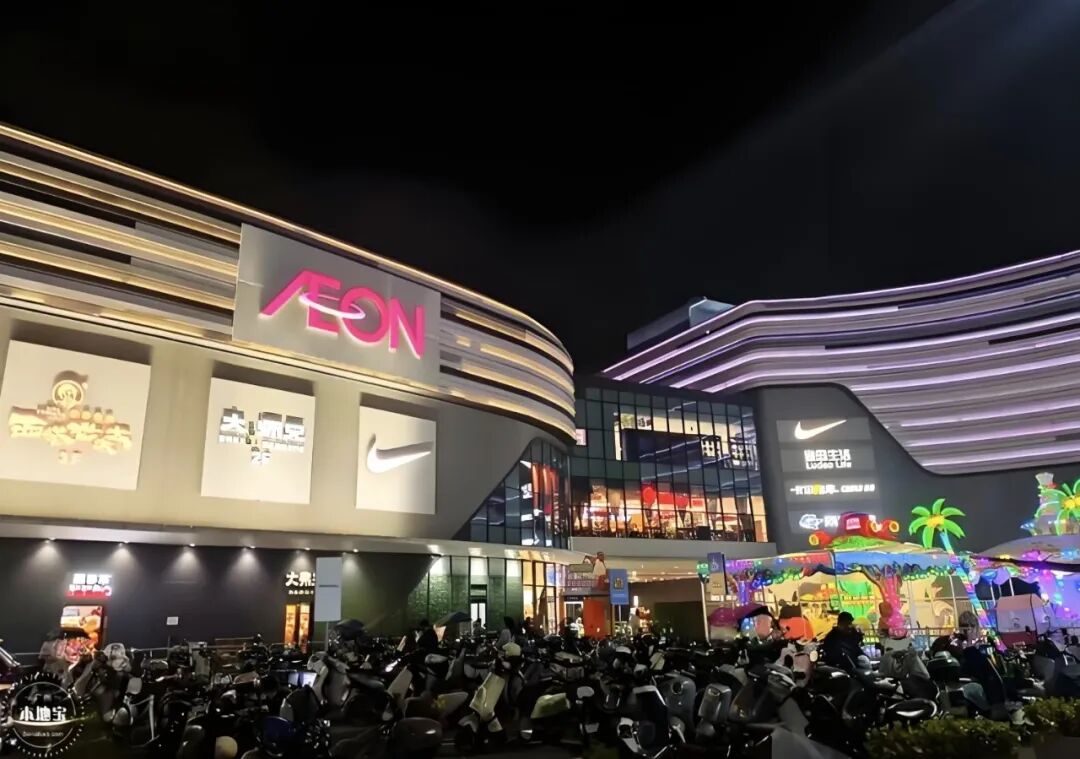
Therefore, Guangdong has also become one of the most important regions for AEON to adjust its store model.
In the second half of 2025, AEON opened 3 new stores in Guangzhou and Jiangmen. Among them, after the renovation of the Guangzhou Tianhe City store was completed, it reopened in the form of AEON STYLE. The store area is about one third of the original comprehensive store, and the product structure is adjusted to high-frequency categories such as food, fresh food, cooked food, ready-to-eat food and daily delivered products.
In Zhuhai, AEON plans to take over the original Yonghui Supermarket store in Huafa Shangdu, with a lease term of 15 years. Entering a mature commercial project can reduce the upfront investment in site selection, construction and customer flow cultivation. The subsequent opening time and operation arrangement of the project shall be subject to the official announcement.
The central China market undertakes another part of AEON's expansion plan.
There are currently 4 AEON MALL projects in Wuhan, and the company plans to increase the number to 7 by 2030. In November 2025, the AEON MALL Changsha project opened; in April 2026, the Xiaogan project in Hubei was announced to be launched. According to relevant disclosures, after the opening of the Changsha project, the number of shopping centers operated by AEON in China has increased to 23.
On the one hand, it withdrew from North China, and on the other hand, it continued to invest in Guangdong and central China.
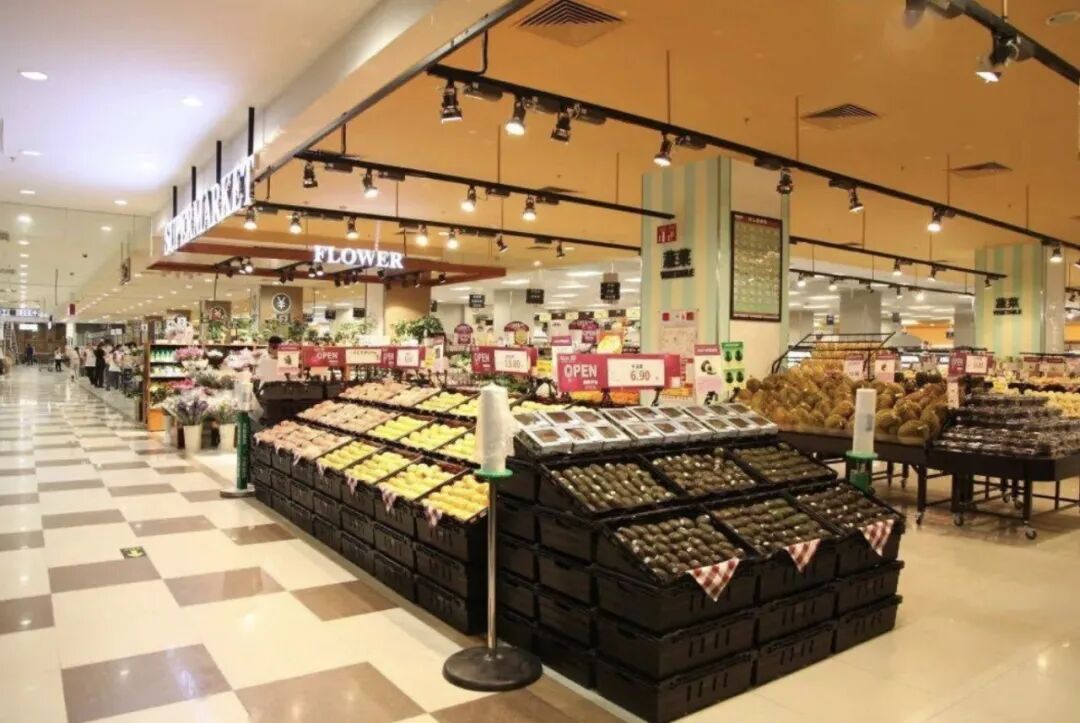
AEON is re-concentrating its resources in markets that it is relatively familiar with or where there is still room for growth. Guangdong has a supply chain and consumer foundation, while central China markets such as Hubei and Hunan have certain room for consumer growth.
Moreover, what AEON is operating now is not just supermarkets.
In the final analysis, the supermarket business is a business of products, and turnover, gross profit and loss determine the operating results. Shopping centers are different: they need to attract consumers through investment promotion and format combination first, and then obtain revenue from rent and commercial operation.
AEON MALL introduces formats such as catering, entertainment, parent-child experience, cinemas and brand stores, which essentially adds a reason for consumers to visit the stores.
AEON's official website in China proposes to transform shopping places into "platforms for communication and spaces for cultural creation". From this positioning, AEON MALL is no longer just a larger shopping place, but developing into a comprehensive consumption project.
Food retail is still an important part of it.
Stores like AEON STYLE reduce the area of the comprehensive mall, and reserve more space for food, fresh food, cooked food, ready-to-eat food and daily delivered products. The company is also increasing the sales proportion of its private brands, hoping to improve gross profit through differentiated products.
In the first half of 2025, the gross profit margin of AEON's mainland China division rebounded slightly, and the company listed the increase in private brand sales as one of the relevant reasons.
Ito Yokado has taken another path.
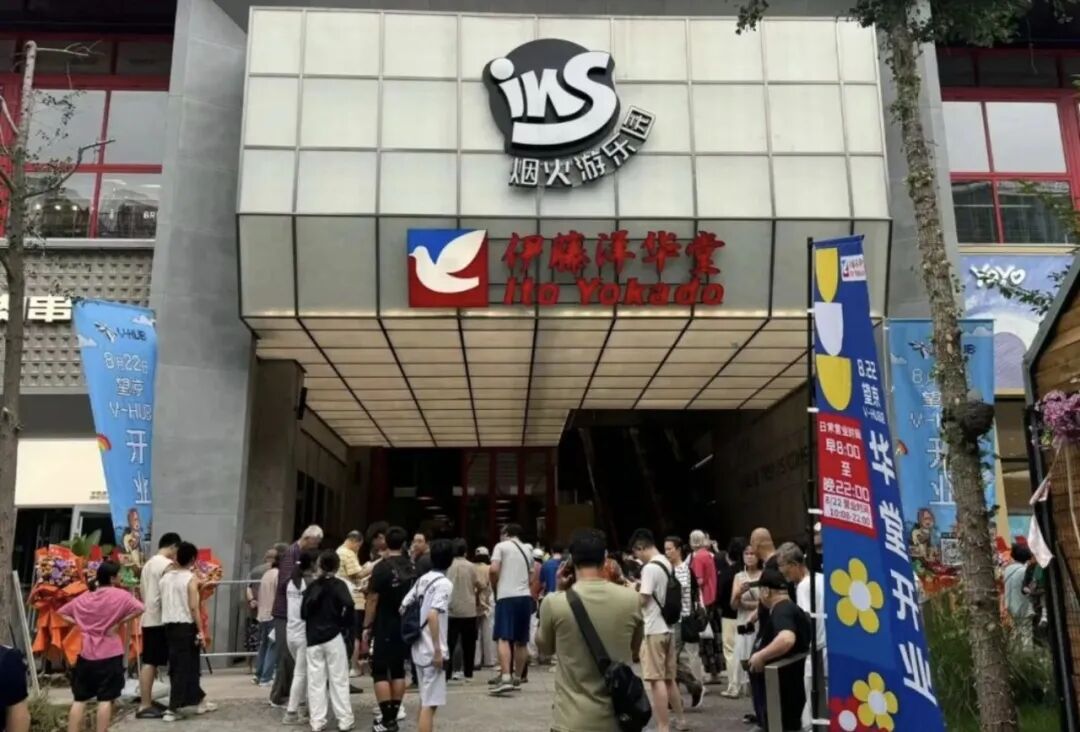
The Wangjing Ito Yokado Supermarket is led and operated by Xinchen Commercial, and Ito Yokado provides brand authorization. After Beijing Huatang Ito Yokado completed the equity adjustment, Ito Yokado retained 10% of the equity and brand authorization, and the Yayuncun store has also started the upgrading and renovation, which is expected to be completed by the middle of 2027.
From the perspective of this cooperation mode, it reduces the investment for the brand to re-enter the Beijing market, and part of the operation work is also handed over to local enterprises.
The Sichuan market retains the traditional general department store model. At present, Ito Yokado has 6 operating stores in Chengdu and Leshan.
It was not common in the past for the same brand to adopt different business models in different markets, but now it has become a more and more practical choice.
Guangdong, central China and shopping centers are the directions for AEON to invest resources, while in the Beijing market, Ito Yokado uses small food stores and local cooperation to reduce trial and error costs.
After the exit of traditional large stores, regional foundation, product efficiency and single-store operation capability have become more important than the number of stores itself.
The New Model Still Faces Full Challenges
Small stores and shopping centers have changed the operation mode, but they have not avoided the most basic problem in the retail industry: whether the store can continuously sell goods and finally make profits.
When supermarkets become smaller, the first thing they face is area efficiency.
After the store becomes smaller, the costs of rent, labor and equipment may not decrease proportionally. At the same time, the loss management of food, fresh food, cooked food and bakery has higher requirements instead.
With limited area, products cannot be placed too widely, but the sales volume still needs to meet the operating requirements. Reducing the area does not naturally mean higher operating efficiency. If the sales cannot keep up, the pressure on sales per unit area still exists.
Fresh food and cooked food can increase consumers' purchase frequency, but they also bring pressure on gross profit and loss at the same time. Japanese products have characteristics, but it is difficult to rely on them to support the daily customer flow.
In the end, the store still has to rely on products that local consumers buy frequently, such as fruits and vegetables, cooked food, bakery and daily delivered products, to attract consumers back again and again.
For AEON and Ito Yokado, this means that they need to adapt to the local market more deeply.
