Why has Tim Cook, who was bashed for 15 years, grown Apple's market capitalization tenfold?
If we talk about the most explosive news in the tech industry today, it is no other than the official step-down of Tim Cook as Apple's CEO.
In fact, this announcement was made public back in April this year. Apple released a press release at that time, stating that Cook would hand over the CEO position to John Ternus, Senior Vice President of Hardware Engineering, on September 1. Tony also shared this news with everyone back then.
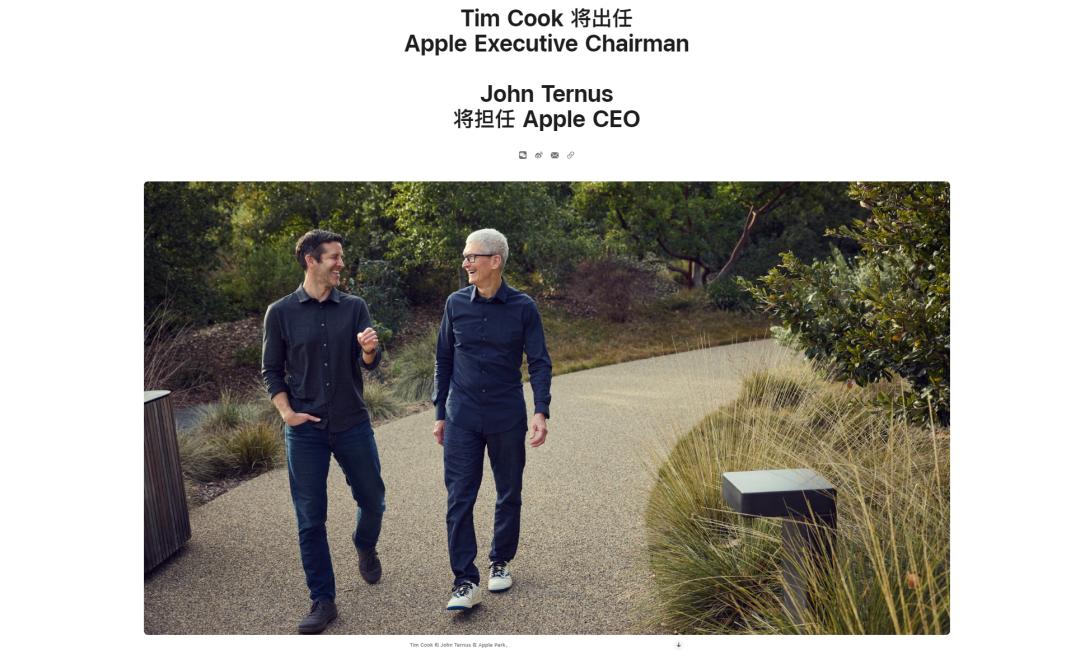
But the official announcement is one thing, and the feeling on the actual day is completely different.
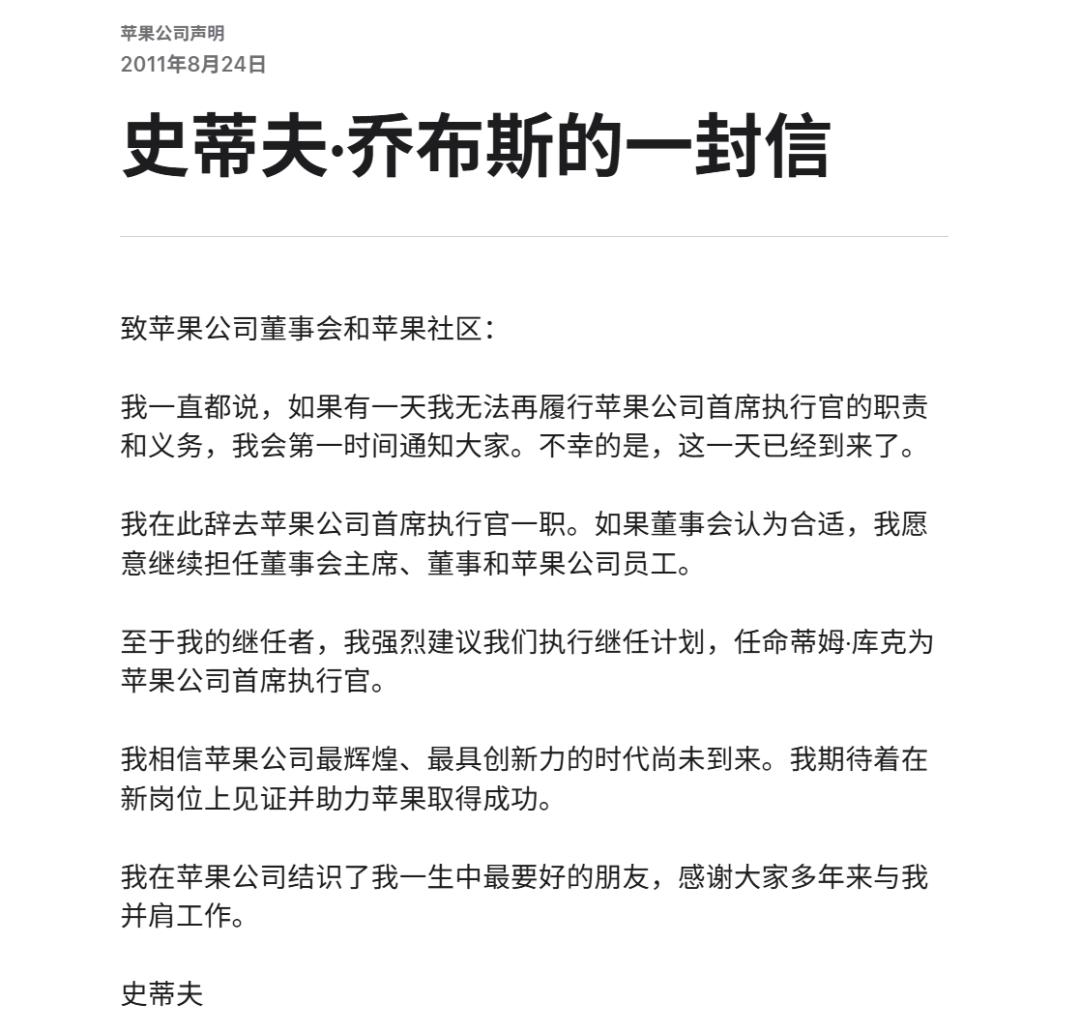
After all, it has been a full 15 years. Back in August 2011, Steve Jobs resigned and officially handed Apple over to Cook. At that time, Tony was still using the iPhone 4, and was hesitating whether to spend dozens of dollars on a game in the App Store.
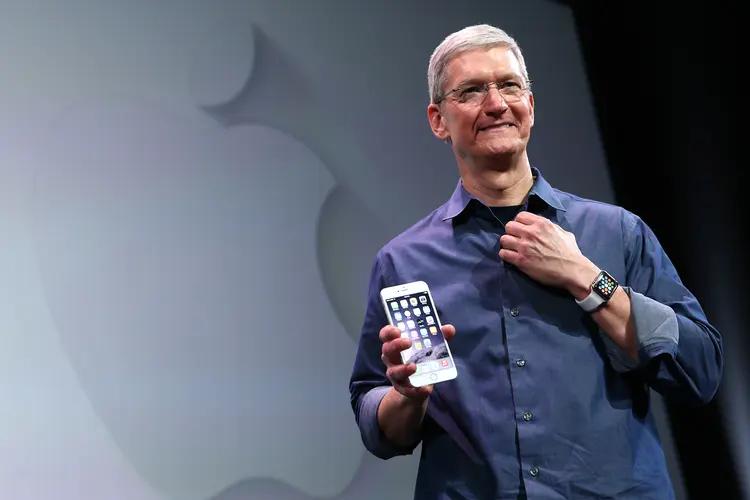
15 years on, the iPhone has been iterated all the way from iPhone 4 to iPhone 17, accompanying a whole generation from campus to the workplace, and witnessing the mobile internet develop from explosive growth to maturity. For many people, the iPhone is the first digital product they have ever come into contact with.
The Apple that Cook handed over is now a company whose market value once exceeded 4 trillion US dollars. Compared with the time when he took over, its market value has increased by more than 10 times, net profit has grown by more than 4 times, and the overall revenue scale is nearly 4 times that of the year. It is a well-deserved tech giant.
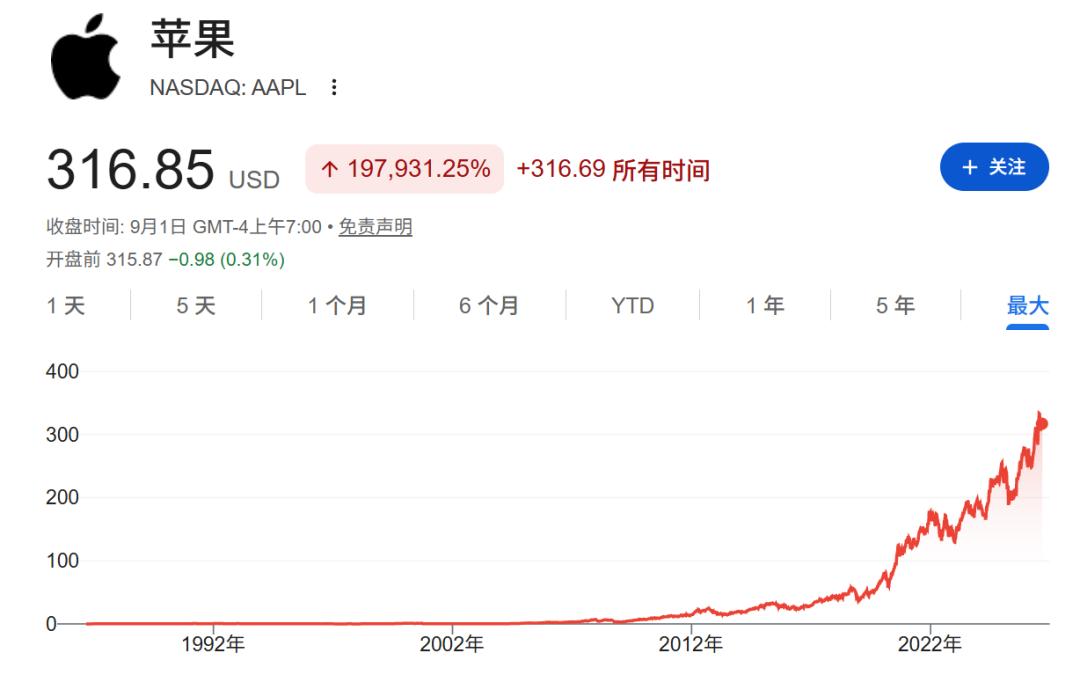
Even though he has delivered an almost impeccable report card, evaluations of Cook in the digital circle have always been divided every time people talk about him.
Some people think he is just a professional manager, steadily building on the foundation laid by Steve Jobs with little innovation. Others think he is an underestimated management genius. After all, around the world, there are only a handful of people who can push a company's market value to 4 trillion dollars.
Tony thinks that both statements are correct, but neither is complete. Today, as he officially hands over his position, let's sort through Cook's 15 years at the helm.
Let's travel back to 2011, the most glorious yet most dangerous year for Apple.
The glory part was that the iPhone 4 directly raised the ceiling of smartphones to a whole new level. Retina display, glass back cover, multi-touch, any of these features was a dimensional strike to the industry, and Apple became a byword for coolness and innovation in the eyes of many young people.
The dangerous part was that Steve Jobs' health was failing. In August that year, he officially resigned as CEO, and Cook, the then Chief Operating Officer, took over the position.
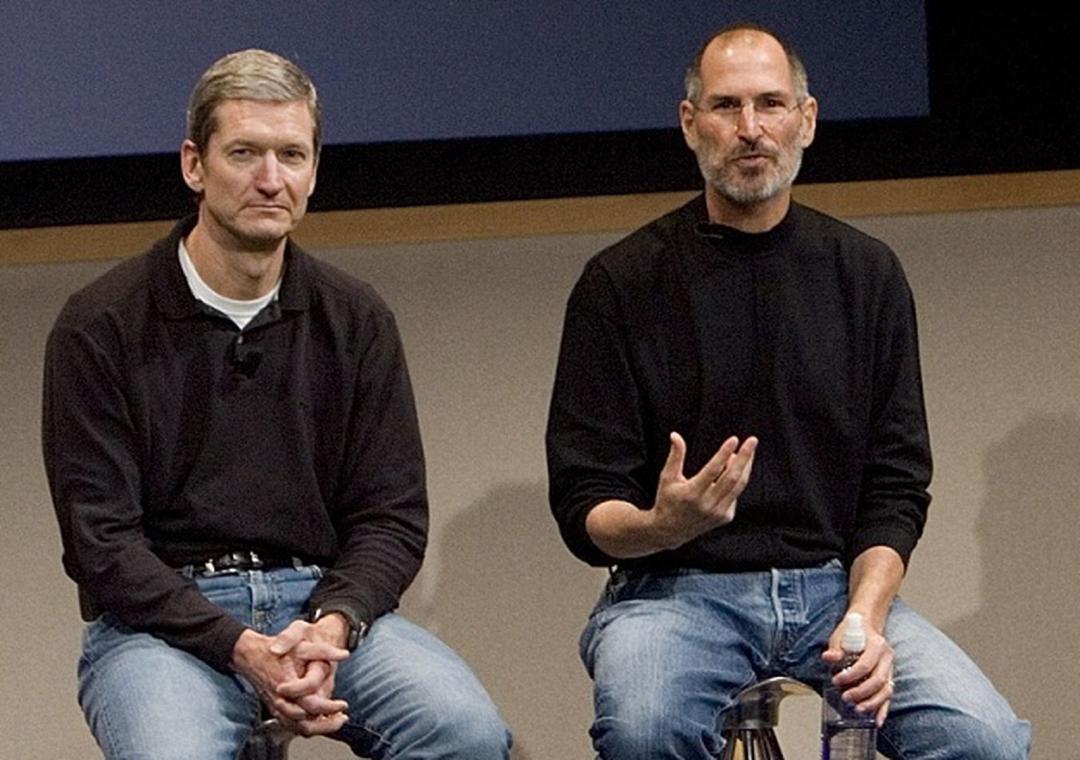
The news blew up the entire tech circle. It was not that people thought Cook was incompetent, but that in everyone's eyes, he was a completely different type of person from Steve Jobs.
What kind of person was Steve Jobs? He was a paranoid and perfectionist. He would ask designers to revise their work repeatedly if he was not satisfied with the line thickness or button size, and force engineers to tear down and restart the circuit layout if it was not elegant enough, even if users would never see it in their entire lives.
His product logic was always "I want to give users the best things", rather than "I will make whatever users want".
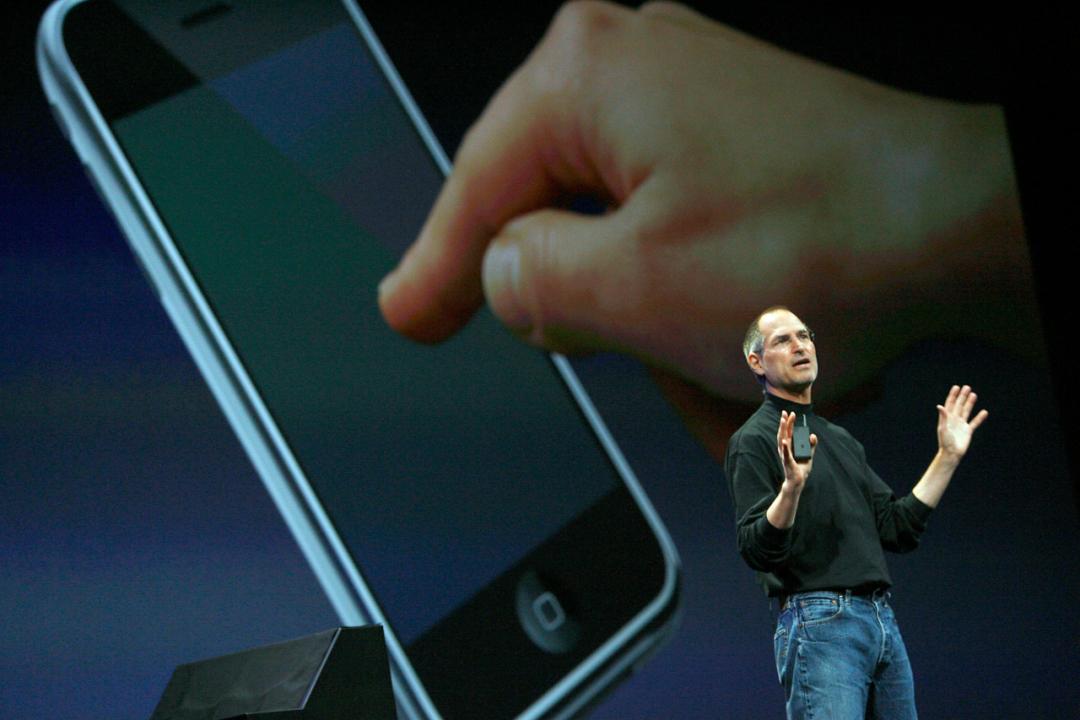
As for Cook, he is a typical rationalist who has worked in the supply chain field for more than ten years, and is best at calculating inventory, cutting costs and improving efficiency.
It is said that when he first joined Apple in 1998, Apple's inventory turnover cycle was 31 days. He first spent seven or eight months cutting it down to 6 days, and a year later compressed it to only 2 days. That number was almost impossible in the consumer electronics industry back then.
To put it simply, Steve Jobs excelled at creating stunning products from 0 to 1, while Cook was best at maximizing the advantages of the supply chain to make the most profits. Precisely because the two had completely different working styles, no one at that time thought Cook could take over the position well.
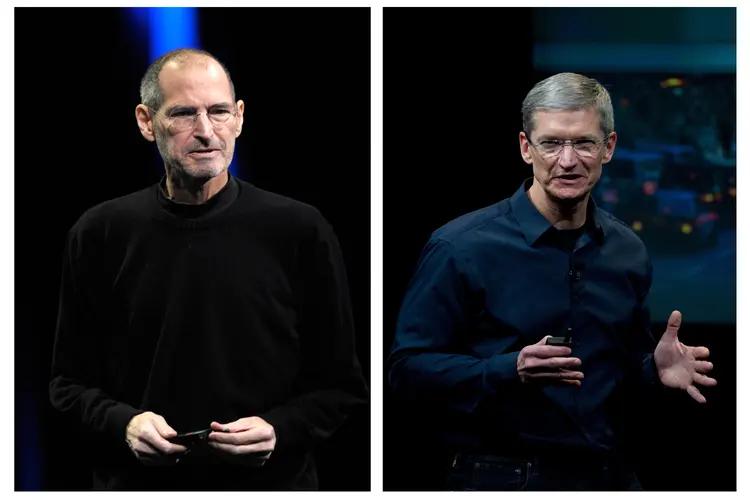
Looking back now, everyone underestimated Cook. He indeed could not become the second Steve Jobs, but he used his own way to bring Apple to a height that Steve Jobs had never reached.
After taking office, Cook did not carry out any drastic new official reforms. Instead, he did many things that others thought went against Steve Jobs' philosophy. The most famous one was that he overthrew Jobs' "ancestral precept" that "3.5 inches is the golden size".
Steve Jobs publicly stated many times during his lifetime that 3.5 inches was the perfect size for a mobile phone. But the second year after Cook took office, he launched the 4-inch iPhone 5. When it came to the iPhone 6, he released two versions of 4.7 inches and 5.5 inches, fully embracing the large-screen trend.
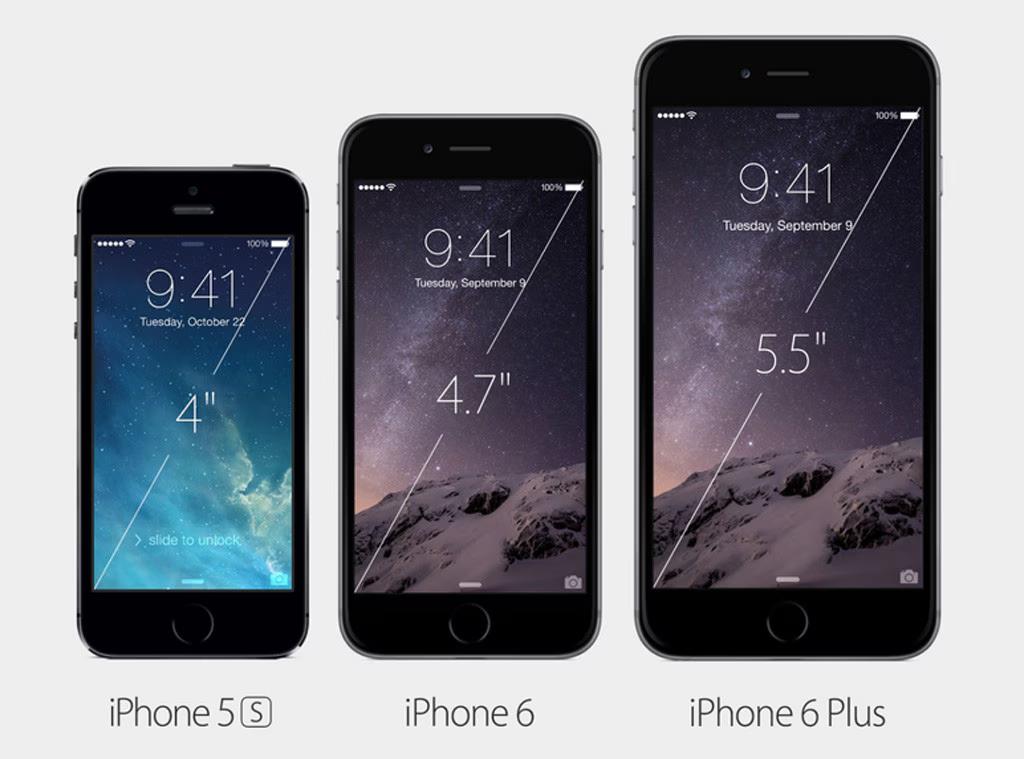
At that time, many Apple fans criticized him for losing Apple's original aspiration, but the market gave the most authentic feedback: the global sales of the iPhone 6 series exceeded 220 million units, which is still the best-selling model in Apple's history, directly pushing Apple's revenue to a new level.
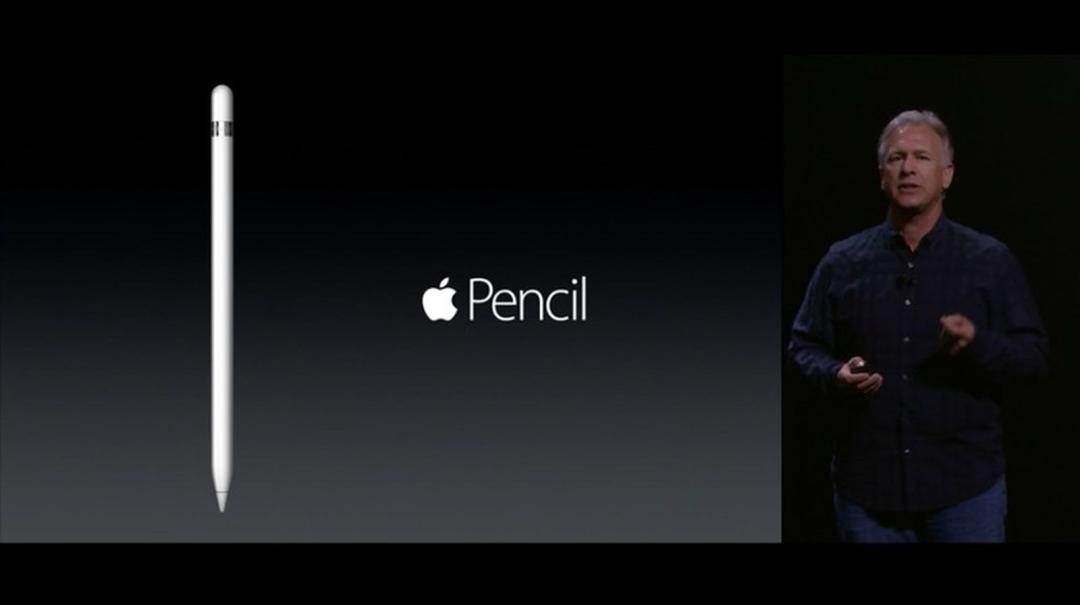
There was also the stylus that Steve Jobs publicly mocked when he released the first-generation iPhone, which Cook later turned into the best companion for iPad.
In 2015, the iPad Pro was released, and Apple launched the Apple Pencil, with extremely low latency and top-tier pressure-sensitive experience. It not only became a magic tool for designers and students to draw and take notes, but also turned the iPad from an entertainment tablet into a productivity device.
You can say Cook did not follow Steve Jobs' philosophy, but you have to admit that he truly understands what consumers want — the two most successful new categories in the Cook era were also widely criticized online when they were first released, but later turned out to be more popular than people expected.
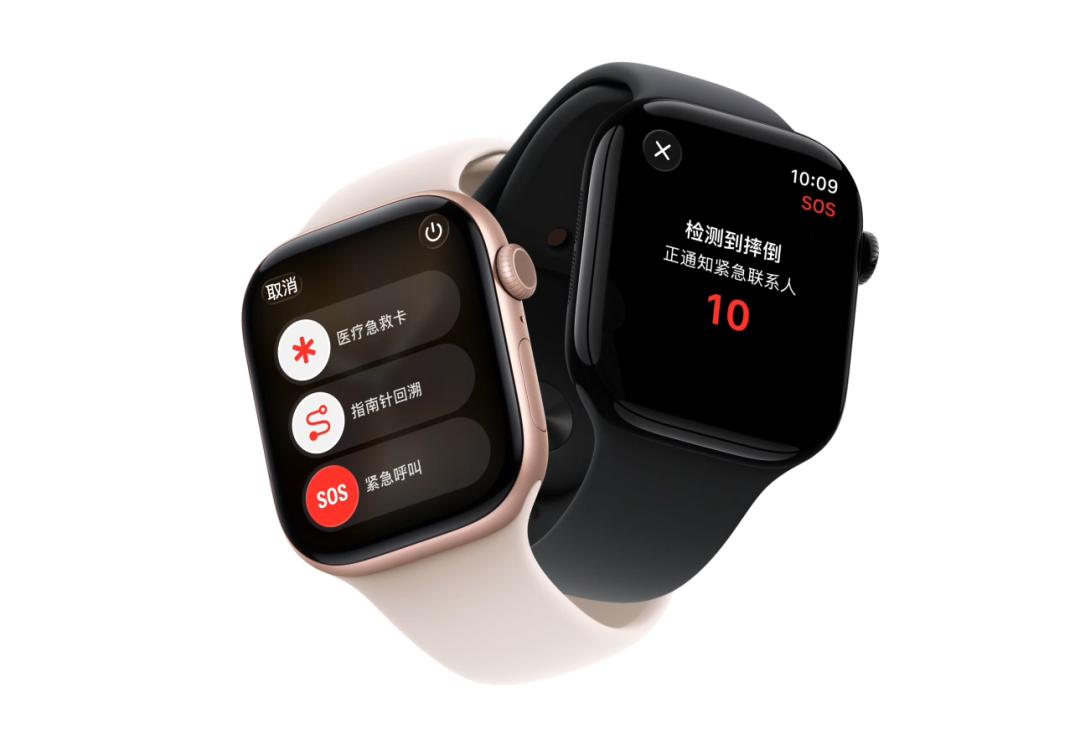
The Apple Watch was released in 2014, and the whole internet was full of complaints: it is a useless gadget that needs to be charged every day, and it is good for nothing but showing off...
But what was the result? Now the Apple Watch firmly occupies the top position of global smart watches, with annual shipments exceeding 40 million units. Its total shipments surpass the total export volume of the entire Swiss watch industry. Health functions such as heart rate monitoring, blood oxygen detection and fall alert have also saved many people's lives.
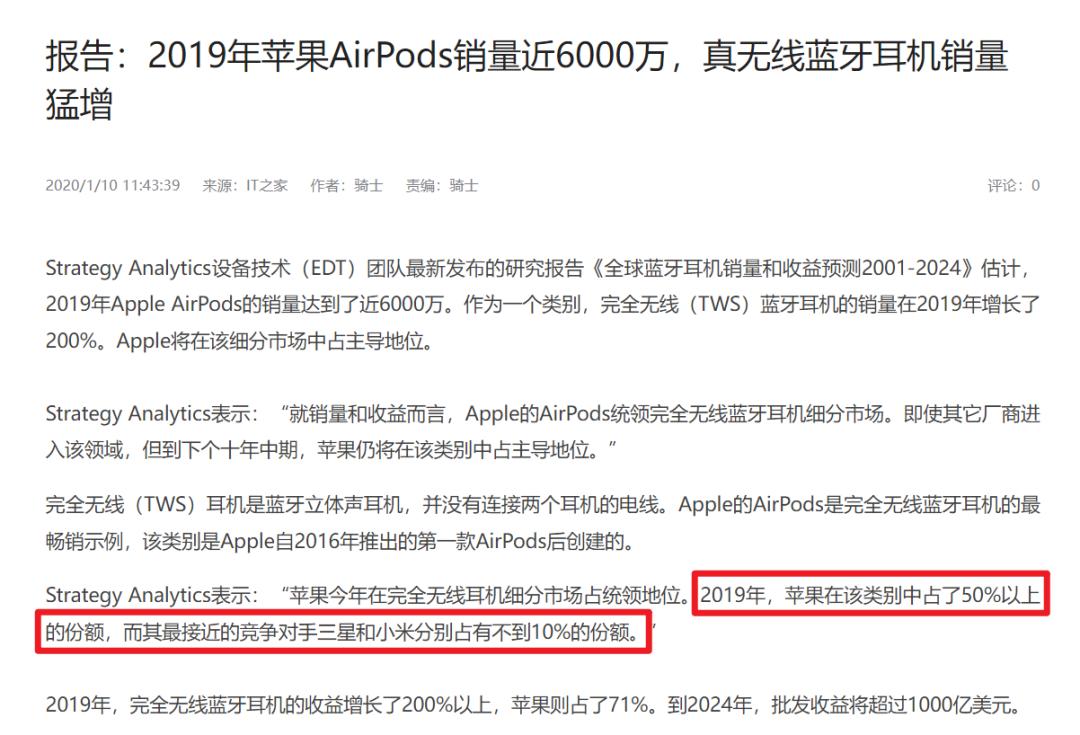
When AirPods was released in 2016, netizens' mocking voices were even louder: you would not even notice if it fell off while walking, and its sound quality was worse than that of a wired headphone worth dozens of dollars...
But what was the result? AirPods drove the entire TWS headphone industry. At its peak, 1 out of every 2 true wireless headphones sold globally was an AirPod. The peak annual revenue of this single category exceeded 20 billion US dollars, which was larger than the annual revenue of many listed companies.
Many people say Cook has no innovation, but his greatest strength lies here: He does not need to be the first to make a product. He only needs to identify the right direction, then use Apple's supply chain, ecosystem and brand to make his product the top in this track, and take away most of the profits.
This is the case for Apple Watch and AirPods, and it is also the case for the self-developed M-series chips.
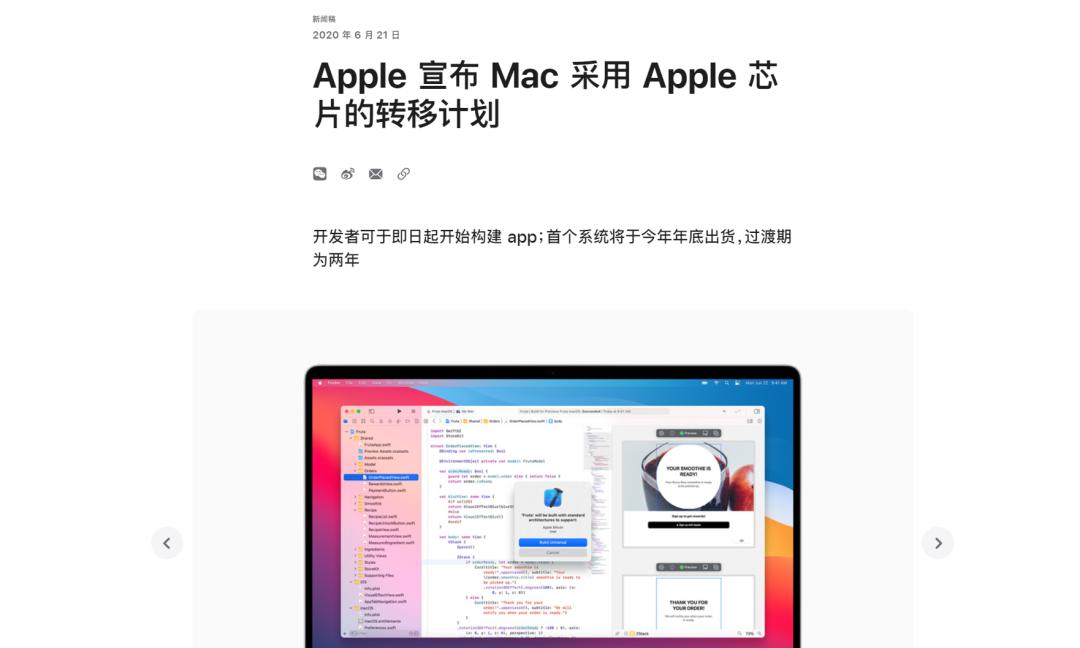
In 2020, when Apple announced that Mac would completely abandon Intel and switch to self-developed chips, many people were worried about Apple. After all, there were previous examples of failures when switching architectures. But when the M1 came out, its energy efficiency ratio directly stunned the entire x86 camp.
The MacBook Air equipped with the M1 chip has energy efficiency comparable to many high-end x86 processors, and its video playback duration directly reached 18 hours. The subsequent M2, M3 and M4 chips continued to upgrade the performance, which not only maximized the performance and reputation of Mac, but also empowered the iPad Pro.
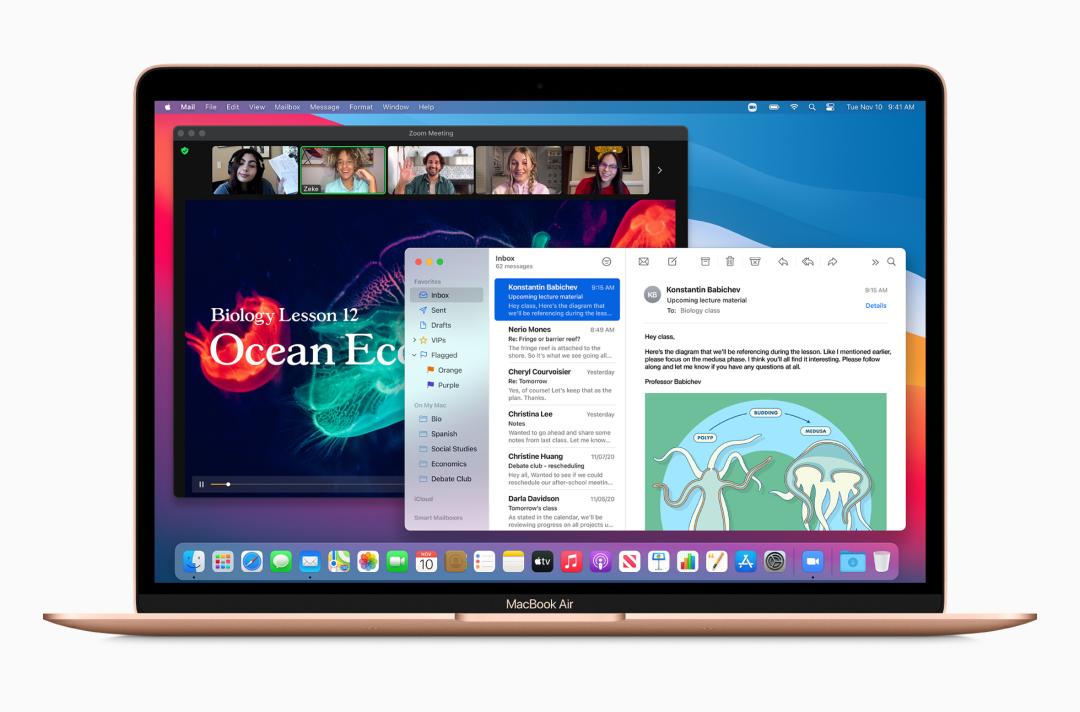
Since then, Apple has taken full control of the chips for the three product lines of iPhone, iPad and Mac — it can decide by itself what to upgrade and when to upgrade, without looking at other companies' faces or following others' plans.
Based on these increasingly complete hardware products, Cook has also grown a business that many people often overlook — services.
Before Cook took over, Apple was essentially more like a hardware company. After taking office, Cook not only continuously expanded the existing App Store and iCloud, but also successively launched many paid subscription services such as Apple Music and Apple TV+.
Now Apple's service business has an annual revenue of more than 100 billion US dollars, with a gross profit margin of about 75%. What does this mean? If this business is taken out as an independent company, its revenue scale is enough to rank in the Fortune Global 500, and it is one of the most profitable companies.
This also explains why Apple's market value can rush all the way to 4 trillion dollars. The capital market has always favored this kind of business that is stable, high-margin and can achieve continuous growth. As long as Apple keeps selling products continuously, it is a non-stop money printer.
