Tim Cook's 15 Years: Held Onto the Gold, Lost the AI Ticket
At the earnings conference for the second quarter, Tim Cook said, "Memory prices have seen a once-in-a-century surge. We are struggling with the supply chain, whose flexibility is far lower than usual."
It is hard to believe that the helmsman of a $4.6 trillion market cap giant would use the phrase "struggling" to describe the current situation.
In contrast, Lu Weibing's statement goes that "the memory price increase has exceeded Xiaomi's expectations. The upward trend of memory prices is expected to slow down in the middle of the third quarter, maintain a gentle upward trend in the fourth quarter, and gradually become controllable as a whole."
This small detail reflects Tim Cook's high emphasis on the supply chain.
Over the past 15 years, he has successfully built Apple into the world's first trillion-dollar technology company, raising its market cap to 13 times the level when he first took office.
However, what he left to his successor Ternus is an empire that has missed a series of opportunities such as automobiles and AI.
Expand and Strengthen the Business
In 2011, Tim Cook became the CEO of Apple. What he took over from Steve Jobs was a great company capable of creating epoch-making products that could change the course of human history.
Steve Jobs might have considered that if Apple continued to follow his own path, it could repeat the tragedy of the PC era. Therefore, he chose Tim Cook, who is better at supply chain management.
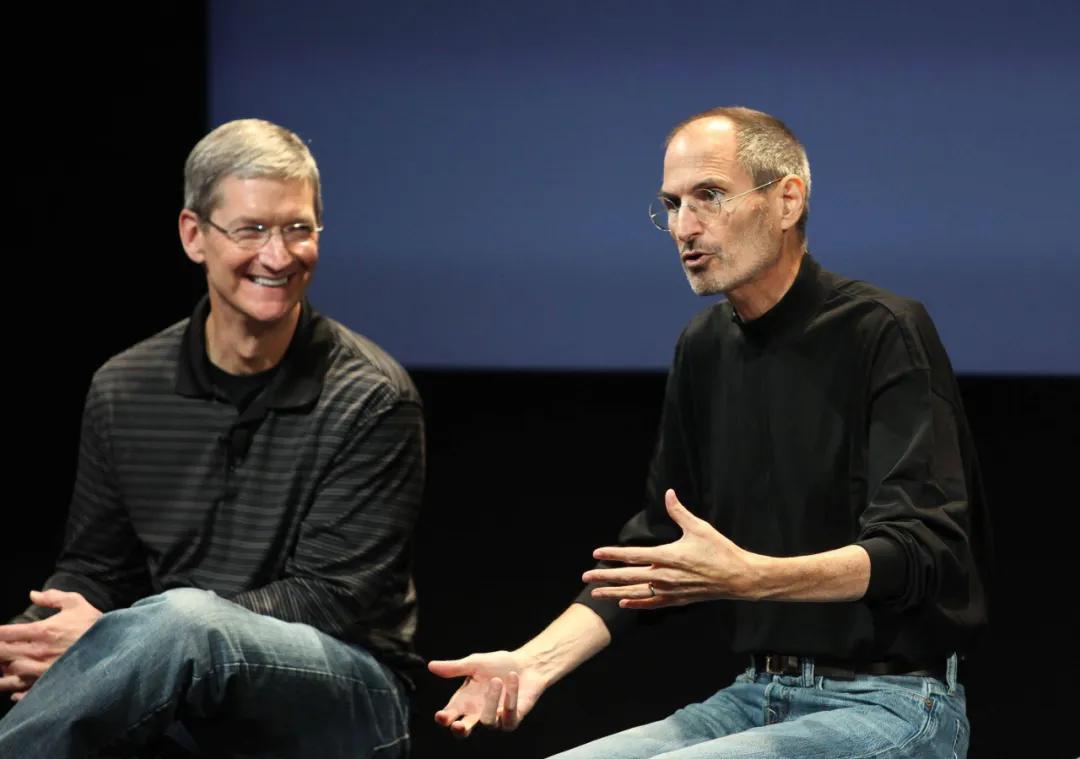
Before succeeding Steve Jobs, Tim Cook's most well-known achievement was promoting the reform of Apple's supply chain, shortening the inventory period from 30 days to 6 days.
Over the following 15 years, Tim Cook secured Apple's basic market, and "no unnecessary changes" became Apple's core philosophy.
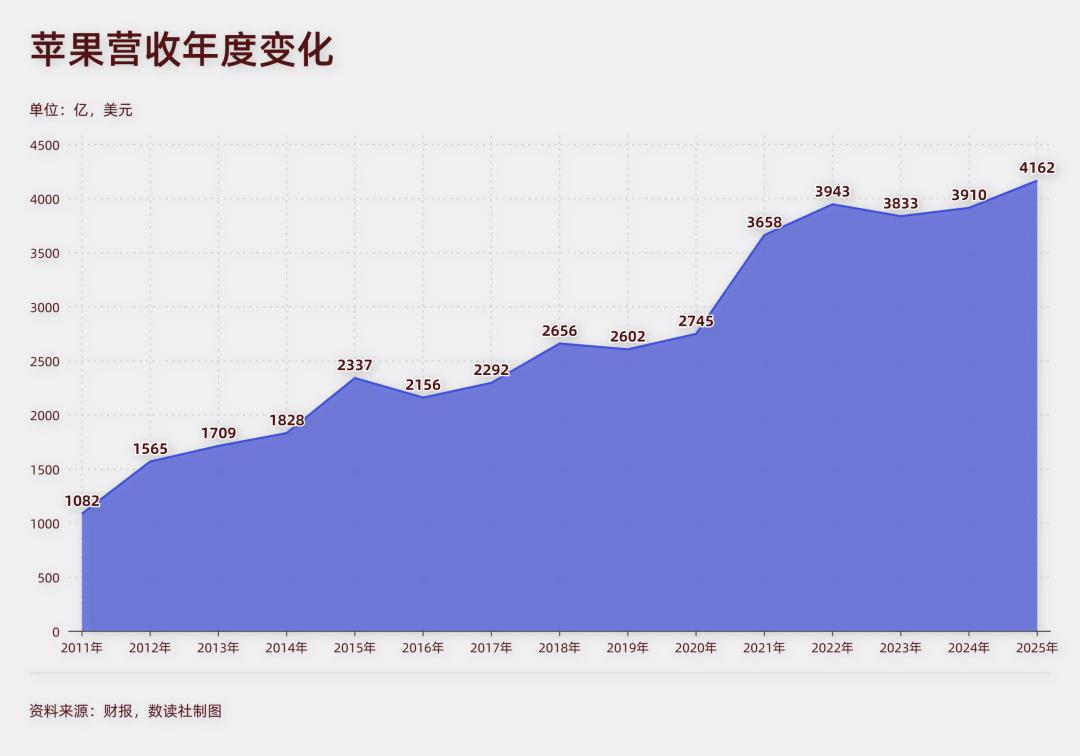
Under Tim Cook's leadership, Apple's revenue rose from $108.2 billion in fiscal 2011 to $416.2 billion in fiscal 2025, and Apple has long ranked among the top three most profitable companies in the world.
The inventory cycle has long remained at a low level. Inventory-clearing products such as iPhone SE and iPhone 16e have exhausted Apple's capabilities to reduce inventory.
Apple has made huge profits, using the App Store commission system to build a service revenue engine in the iOS ecosystem, maximizing the value of Apple's closed ecosystem.
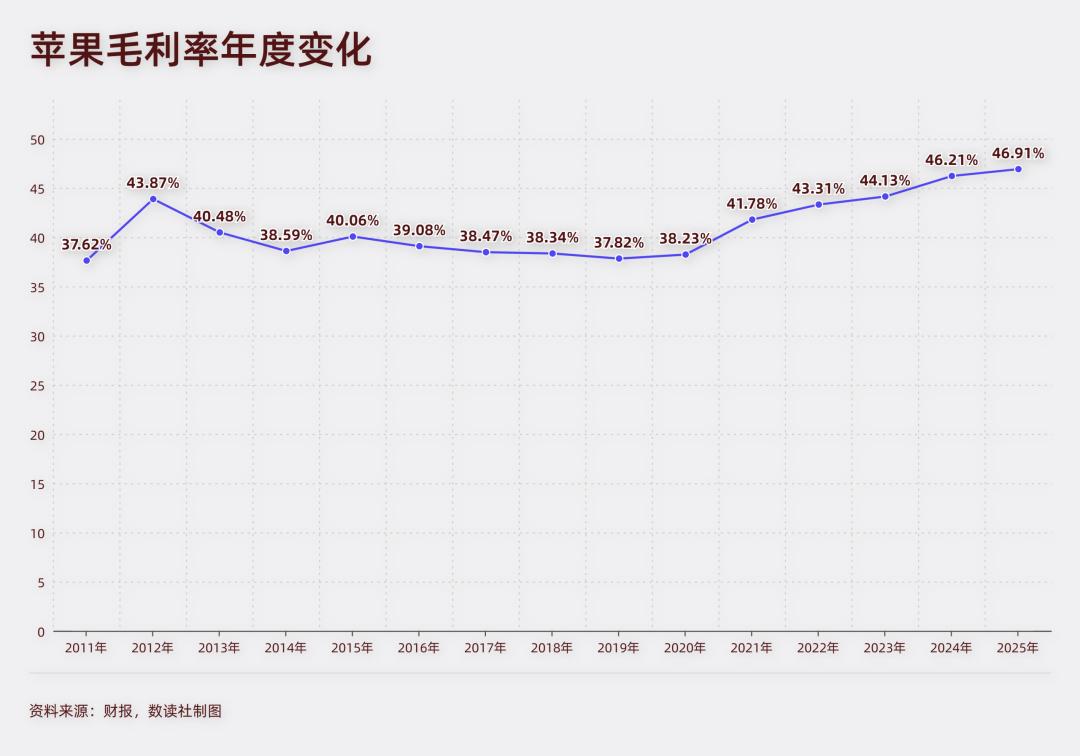
Apple maintained its profit margin, acquired Intel's smartphone baseband business, launched the M-series chips to control core hardware. Apple's gross profit margin has long remained at around 40%, and has even repeatedly hit new historical highs in recent years.
Apple expanded its product ecosystem. It entered the wearable market through Apple Watch and became the world's top smart watch by shipment. It launched AirPods, pushing the wireless headphone category to its peak. Although Apple Vision Pro has not made MR (mixed reality) devices popular for the time being, it counts as a major product breakthrough.
iCloud, Apple Music, Apple TV+, Apple Pay and other services have enriched and improved Apple's service ecosystem.
His expertise lies in the supply chain field. During his 15 years at the helm of Apple, he has been trying to maximize the value of Steve Jobs' legacy, pursuing incremental innovation instead of disruptive innovation.
It can be said that from a purely financial perspective, Tim Cook is the most suitable CEO for Apple in these 15 years. Even if Steve Jobs had not passed away, he would not necessarily have performed better than Tim Cook.
However, these seemingly innovative moves are actually just tweaks on the blueprint drawn by Steve Jobs.
Foldable Phones That Are Six Years Behind Schedule
On the 12th of this month, Apple will usher in the first press conference of the Ternus era.
At this conference, Apple will most likely launch a foldable smartphone. Apple users have been calling for it for 6 years, and finally the foldable phone is coming. But Android users have been using foldable phones for 6 years already.
This is not surprising. When the Android camp had achieved 20-30W fast charging, Apple had long stuck to the 5V1A charging standard, and Apple users have grown accustomed to the long waiting time for charging.
Over the past 15 years, Apple has not launched any disruptive product on the level of the iPhone or Macintosh.
The legacy left by Steve Jobs has been gradually abandoned amid Tim Cook's incremental innovation.
In 2011, the last phone Steve Jobs launched before his passing was the iPhone 4S, which introduced Siri very far-sightedly.
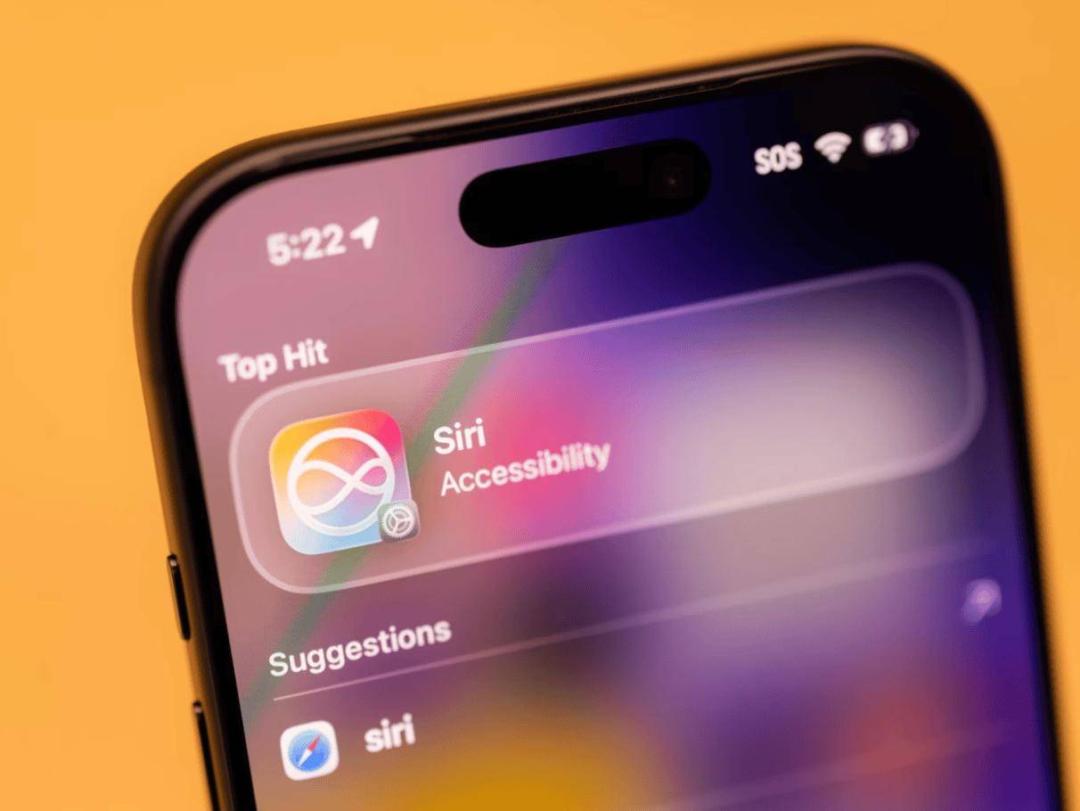
Steve Jobs regarded it as "the main entry point for human-device interaction", which was three full years earlier than Amazon's Alexa and also ahead of Google's Google Now. This is Steve Jobs' legacy.
According to the original plan, Siri was supposed to be an all-round assistant. If it had been developed properly up to now, it would have become a full-fledged Agent, and Apple's Agent-powered smartphones would have been far ahead of its peers.
However, under Tim Cook's leadership, Siri was gradually sidelined due to inconsistent user experience. After the rapid rise of Alexa and Google Assistant, Siri still frequently makes mistakes even in basic understanding and command execution, making it incapable of handling complex tasks.
In 2016, Apple's legendary designer Jonathan Ive announced his departure. The exit of Steve Jobs' "spiritual partner at Apple" meant the weakening of the design team's right to speak within Apple, and the entire company had marginalized industrial design. As a result, the position of the Apple logo and the design of the antenna bands have been changed over and over again.
Tim Cook once tried to create a new interactive platform, and smart vehicles carried this huge expectation.
In 2014, Apple launched Project Titan. It gathered more than a thousand automotive engineers and experts to secretly develop electric vehicles with autonomous driving capabilities.
After ten years of efforts and billions of dollars of investment, Apple finally gave up the electric vehicle project. Without a unique product concept and sufficient autonomous driving technology, it is difficult for Apple to build products that match its own brand status.
The automotive project is a microcosm of the lack of creativity at Apple in the Tim Cook era. On the eve of the even more critical AI wave, Apple has completely become a bystander.
The Wealthy Bystander
By the end of the second quarter, Apple's free cash flow reached as high as $110.2 billion. It is one of the few tech giants in the US stock market that has abundant cash reserves.
When talking about AI investment, Tim Cook said that Apple will continue to increase investment in AI, but adhere to a prudent strategy, "and will not blindly expand capital expenditure just to chase the AI boom."
In fact, at this stage Apple no longer has the ability to catch up on AI development.
The practical challenges are obvious. In the second quarter, Apple's revenue was $109.4 billion, up 16.36% year on year, the slowest growth rate among the seven major tech giants in the US stock market. The core reason is that Apple did not participate in the fastest-growing computing power business, so it cannot get a share of the huge profits.
In 2018, Apple recruited John Giannandrea, Google's former head of AI, to lead an independent AI team for Apple's foundational model and machine learning research, reporting directly to Tim Cook.
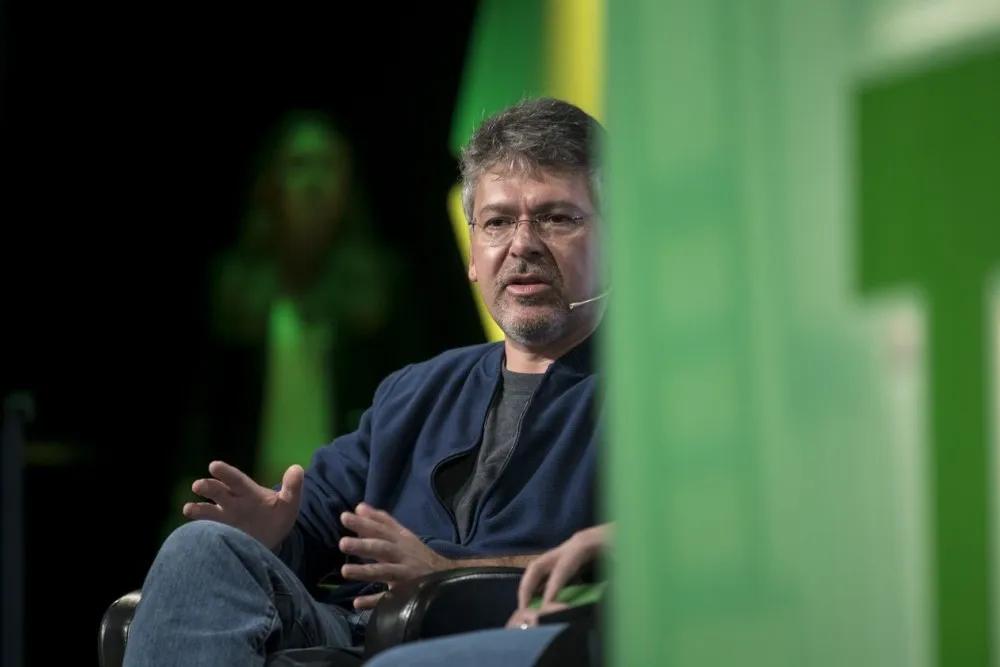
John Giannandrea is a key figure behind Google Search, who was deeply involved in the DeepMind project. He advocated significantly increasing investment in basic AI research, promoting self-developed large language models, and adopting Google's "cloud-first + data-driven" technical route. It seemed that Apple was fully prepared to make a big move in AI.
However, things did not go as expected. After joining Apple, John Giannandrea followed Google's style and encouraged researchers to publish more AI research results, but Apple has always been closed and highly confidential. This model hit a wall against Apple's corporate culture, and John Giannandrea faced obstacles everywhere.
On one hand, Siri is ultimately deployed on smartphones, and Craig Federighi, who is in charge of the software business, advocates promoting product features in an incremental way, and dislikes risky technical attempts like those from Google and OpenAI. These are two independent departments, and John Giannandrea does not have the authority to unify their leadership, making it impossible to apply AI capabilities to Apple's smartphones.
On the other hand, under Tim Cook's leadership, Apple attaches great importance to ESG. Removing the charging port and prioritizing user privacy are typical manifestations of this value. John Giannandrea's technical route runs counter to the core concept of "user privacy protection".
Apple emphasizes that user data will never leave the end device and Apple's private cloud iCloud, which means that Agent capabilities can only be based on on-device AI instead of cloud deployment. However, for large model training, the parameter carrying capacity of on-device AI is limited, with a gap of several orders of magnitude compared to large models deployed on the cloud. Technically, it cannot meet Apple's strict requirements.
For a long time, Apple has not made large-scale investments in the AI field to purchase computing power. According to reports, John Giannandrea once requested to purchase NVIDIA GPUs for computing power support, but the final approved purchase amount was cut in half, leaving his research without strong support.
In 2024, AI-powered smartphones have become an obvious trend, and Apple also released Apple Intelligence at the WWDC conference, trying to catch up with the AI wave on its smartphones.
Originally, Apple Intelligence was planned to be released with iOS 18, but it was finally delayed to launch with iOS 18.1.
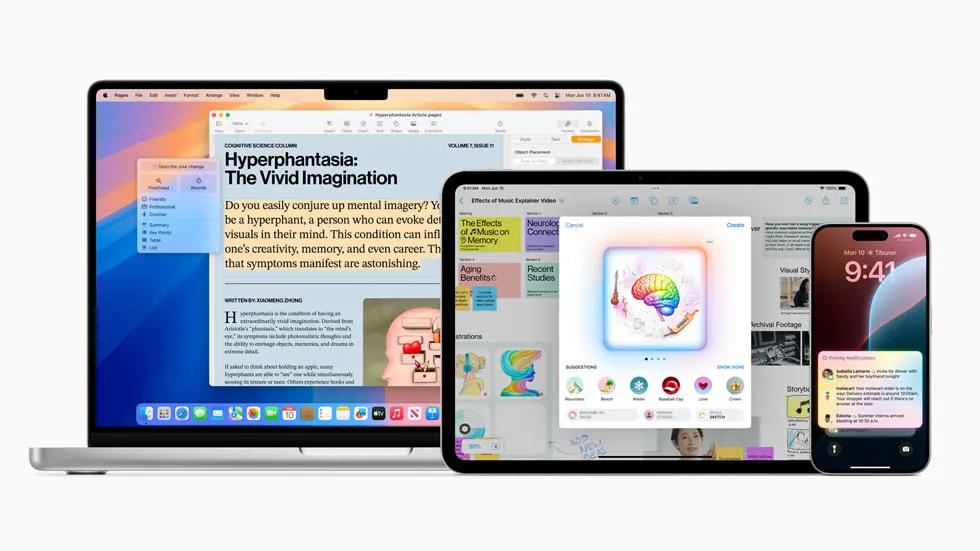
That is not even the worst part. In March 2025, a series of new Siri features under Apple Intelligence were postponed to 2026. According to media reports, Apple executives described this delay as "ugly" and "embarrassing" in internal meetings.
Without its own mature model products, Apple has no choice but to plan to introduce large language models from external parties. In the AI era, Apple cannot fulfill its Apple Intelligence dream on its own, and has to rely on Google to make it come true.
2025 was a year of turmoil for Apple's AI team.
In August, the head of AI foundational models left Apple for Meta. In September, the head of Siri and Search left his position. In October, the head of AI-powered web search left Apple, also joining Meta. By December, John Giannandrea announced that he would step down from his senior vice president position and planned to retire in the spring of 2026. In the same month, Alan Dye, vice president of Human Interface Design, was poached by Meta.
There is no doubt that over the 15 years since Siri was launched, Apple's performance in the AI field has been disappointing.
This lag is very likely to make Apple never catch up with the pace of the AI era.
Ternus Has No Choice But to Make Changes
The first product launched after Ternus takes office will most likely be a foldable smartphone. This seems to be a signal released to the outside world that Apple is seeking changes.
In fact, the Apple left by Tim Cook has reached a stage where changes are absolutely necessary.
Most smartphone manufacturers have missed this AI feast, and they do not seem to pose a substantial threat to Apple. But just like iOS and Android that overthrew Nokia in the past, the biggest uncertainty often does not come from direct competitors, but from dimensionality reduction attacks from another technical track.
Smartphones are currently the most important interactive devices. But in the AI era, it is highly uncertain whether smartphones will remain as dominant as they are now, or become the next generation of PCs. Apart from smart hardware, Apple has no other "cards to play", which will make Apple feel a constant sense of insecurity.
This uncertainty is the problem Tim Cook left for Ternus.
Ternus is not an innovator similar to Steve Jobs. From Tim Cook's perspective, disruptive innovation may not be suitable for Apple, but Ternus does have a certain degree of creativity.
After joining Apple's product design team in 2001, Ternus has participated in the engineering design of almost all of the company's major hardware products.
In 2020, he played a key role in the transition to self-developed chips. Since 2021, Ternus has frequently appeared at Mac and iPad launch events. The controversial Touch Bar was developed under his responsibility, and the iPhone Air released last year was also led by him. It is reported that he also participated in Apple's experimental R&D of foldable smartphones.
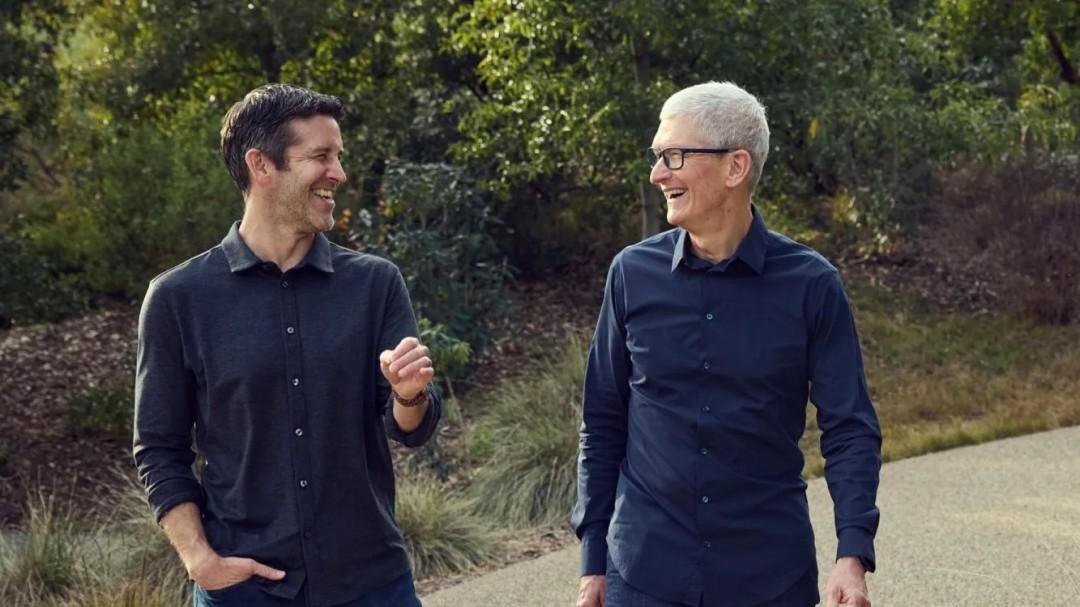
Combined with public reports, Ternus has a mild and calm personality, and is an excellent collaborator. This indicates that in the Ternus era, Apple may introduce more product innovations, but the overall route will remain focused on stability.
In the final stage of Tim Cook's CEO tenure, Apple introduced Google's large language model, marginalized the basic AI research team, and chose the mild and calm Ternus as the successor, which has basically set the tone for Apple. Refraining from unnecessary drastic changes cannot make Apple continue to lead the era, but it can indeed extend the downward curve of this giant as much as possible.
In *The Hobbit*, there is a giant dragon named Smaug whose body is covered with gold and gemstones forming a natural armor, except for a weak point on his left chest. He guards the treasure closely, which is very similar to today's Apple with abundant capital and a complete product line. But in the end, Smaug's only weak point