Cook has officially stepped down. What kind of company does the new CEO of Apple take over?
On September 1, Tim Cook, who has led Apple for 15 years, will officially pass the CEO baton to John Ternus.
The last time Apple completed such a handover was back in August 2011. Steve Jobs stepped down as CEO, and Cook took over Apple.
At that time, Apple was already one of the most important technology companies in the world. The iPhone was rewriting the mobile phone industry, the iPad, which had been on the market for only one year, had just opened up a new market, and Mac sales continued to grow.
Many people remember the worries at the time of that handover, but easily forget that what Cook took over was already a company with a market capitalization of over 300 billion US dollars that was still growing at a high speed.
Fifteen years later, the Apple Ternus takes over is larger, more profitable, and harder to keep growing.
Market Capitalization: An Increase of 800 Million US Dollars Per Day
In August 2011, Cook took over Apple from Steve Jobs. That year, Apple's market capitalization exceeded 300 billion US dollars, once surpassing ExxonMobil to become the world's most valuable listed company.
At that time, Apple was still accelerating all the way. The iPhone 4 was a hot seller, the iPad, which had been on the market for only one year, opened up a new market, and the Mac also maintained growth. In fiscal 2011, Apple sold more than 72 million iPhones, and its annual revenue exceeded 100 billion US dollars for the first time.
Fifteen years later, Apple's market capitalization has approached 4.7 trillion US dollars, roughly 12 times higher. That means during the period when Tim Cook led Apple, the company's market value increased by more than 4.3 trillion US dollars. Averaged over 15 years, that equals an increase of nearly 800 million US dollars per day.
In fiscal 2025, Apple's revenue reached 416.161 billion US dollars, and its net profit hit 112.01 billion US dollars.
To put it in a more tangible way, the net profit Apple earns in a year today is already higher than its total annual revenue in 2011.
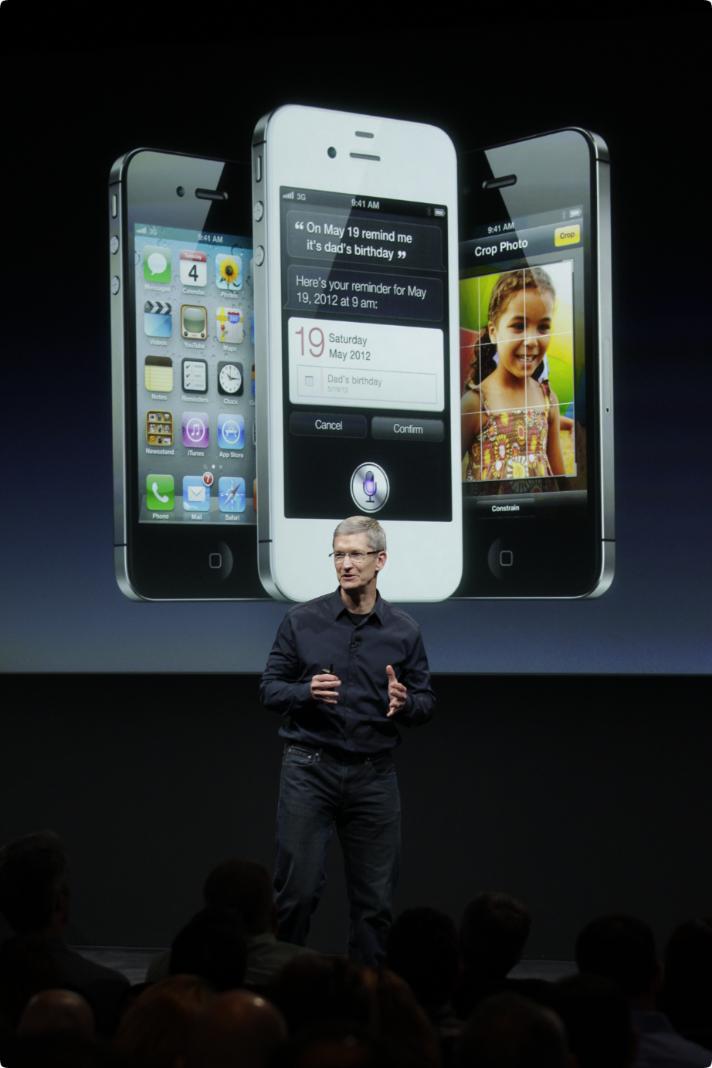
Photo | The Spokesman-Review
Cook's task back then was to sustain the rapid growth brought by the iPhone and iPad, and turn that momentum into a business that could operate globally for the long term. In other words, Apple at that time still had huge "growth dividends" to tap into.
The situation Ternus faces is completely different. Today, Apple generates more than 400 billion US dollars in annual revenue, drives a supply chain spread across the globe, and connects 2.5 billion active devices. Even a seemingly minor decision, when scaled up to this magnitude, can affect tens of billions of dollars in business.
The larger the scale, the harder it is to maintain growth.
At the same time, it is difficult for Apple now to significantly boost the company's overall growth rate with a single conventionally successful product. The market will not lower its expectations just because Apple is already large enough. Investors will still ask where the next wave of growth will come from, and what the next product that can change Apple's scale will be.
Thus, the first problem Ternus has to solve after taking over is to keep this behemoth operating stably, while proving as soon as possible that Apple can still find a new growth curve.
4 Products → 1 Ecosystem
Apple's product line in 2011 was not complicated. The Mac, iPod, iPhone and iPad made up almost its entire portfolio.
Fifteen years later, the iPod has exited the historical stage, and its former position has been filled by more products.
The Apple Watch brought Apple into the wearable device market. The AirPods later became one of the most successful new products during Cook's tenure. The HomePod entered households, and the Vision Pro carries Apple's long-term bet on the next generation of computing devices.
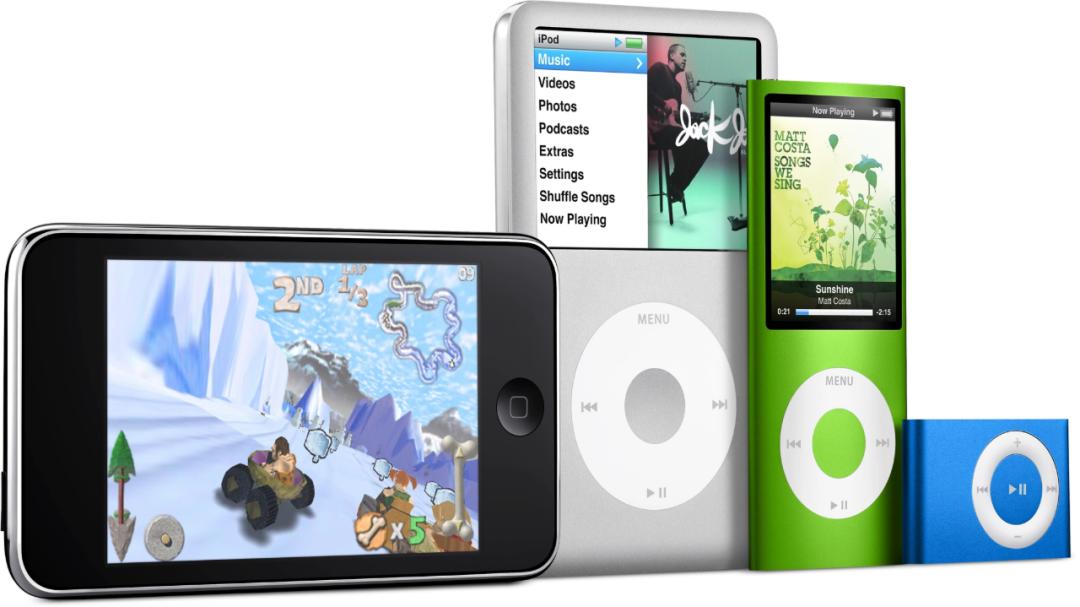
Photo | Apple Wiki
Existing products have also become increasingly complex. The Mac switched from Intel processors to Apple Silicon, the iPhone has more models covering a continuously expanded price range. Behind the hardware, Apple also needs to maintain software platforms including iOS, iPadOS, macOS, watchOS, visionOS and tvOS at the same time.
If Apple in 2011 was still a company operating around several star hardware products, today's Apple has connected chips, operating systems, devices, services and developers into a complete ecosystem. A change to one product often affects other devices and software platforms all along the line.
With more products, how to allocate resources has become a difficult problem. How many people should be assigned to the iPhone, how much budget AI should get, whether it is worth continuing to wait for the Vision Pro, and whether Apple should shift more resources to new hardware categories. The CEO cannot prioritize every path, and must make trade-offs.
In 2011, these choices were relatively straightforward. Today, they have become the most important, and likely the most difficult, part of an Apple CEO's job.
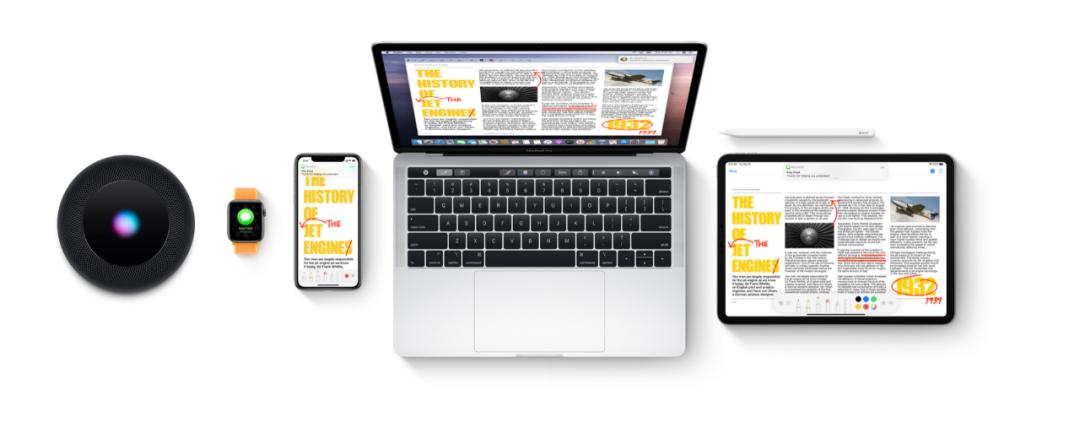
Photo | Medium
Service Revenue: 5.4 Billion → 109.2 Billion
The service business best illustrates the changes that have taken place at Apple in the Cook era.
In 2011, the iTunes Store, App Store and iBookstore generated a total revenue of about 5.4 billion US dollars. At that time, Apple did not separately disclose the service business in the sense we know today, and music and applications were only parts that had just grown up relying on the hardware business.
By fiscal 2025, service revenue composed of the App Store, iCloud, Apple Music, Apple TV+, AppleCare and payment businesses has reached 109.2 billion US dollars, exceeding Apple's total annual revenue in 2011. The gross profit margin of the service business reached 75.4%, which is far higher than the 36.8% of hardware products.
Photo | Apple
Cook spent 15 years building, on top of Apple's huge hardware business, another revenue-generating machine that brings in hundreds of billions of US dollars every year.
In the past, Apple's growth relied more on selling more iPhones, Macs and iPads. Now, even if users replace their phones every few years, as long as they are still using iCloud, continuing to buy apps, or subscribing to Apple Music, Apple can generate continuous revenue. The more active devices there are, the more solid the foundation of this business becomes.
At least according to current information, there will be no personnel change leading this business in the short term. Eddy Cue, who is in charge of Apple's service business, is still active on the front line of the company, and there has been no news that he plans to retire or leave in the near future.
For Ternus, who has just taken over, this means at least one less urgent issue to handle.
A department with an annual revenue of more than 100 billion US dollars can continue to operate with its familiar team led by the person who knows it best, and he does not need to restructure the management of the service business immediately after taking office.
This also makes the growth pressure Ternus faces different from what Cook faced in 2011.
Even if the next generation of hardware does not immediately create a new super cycle, the service revenue behind more than 2 billion active devices can still provide Apple with stable growth and profits.
This is the two layers of buffer Cook left for the next CEO, something he himself did not have 15 years ago.
R&D Investment: 2.4 Billion → 34.5 Billion
In fiscal 2011, Apple's R&D expenditure was only 2.429 billion US dollars, accounting for about 2% of revenue. By fiscal 2025, this figure has risen to 34.55 billion US dollars, accounting for about 8% of revenue, more than 14 times that of 2011.
The amount of money Apple spends on R&D in a year today has exceeded the total annual revenue of the entire Mac business in 2011.
These funds have been invested in many areas: self-developed chips, artificial intelligence, automobiles, head-mounted displays and health technologies, among others. There are also a large number of projects that have never been known to ordinary users. The Apple car project has been under development for many years and was eventually not released; the Vision Pro has been launched on the market, but it is still far from being a true mass-market product.
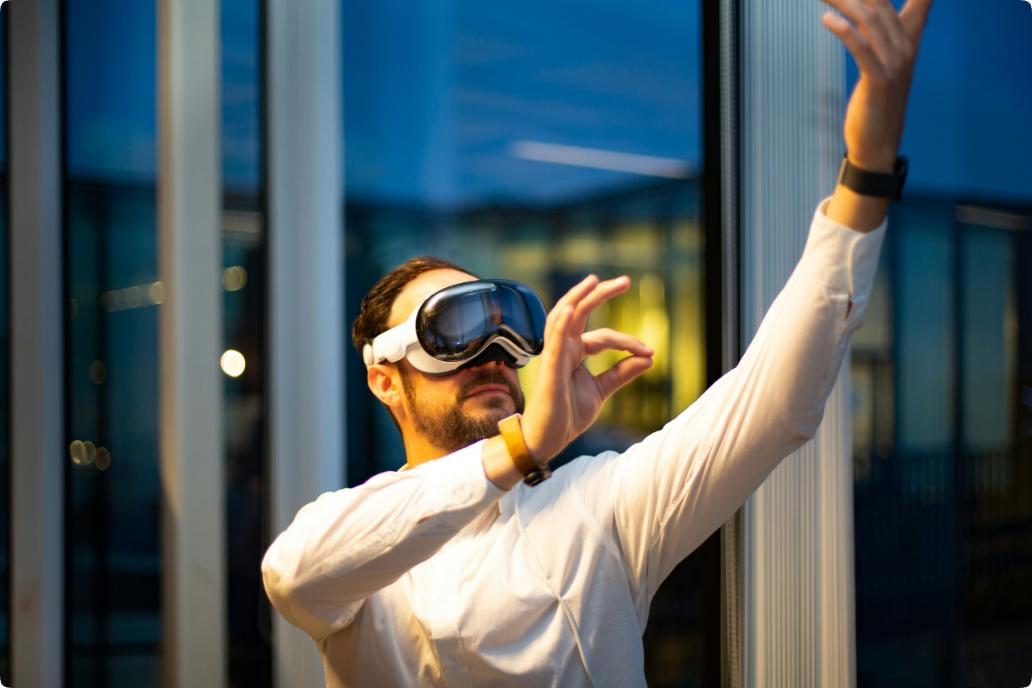
These projects exactly illustrate how costly it is for Apple to find its next major business. The car team once gathered thousands of employees. After the project was cancelled, some of the employees moved to the artificial intelligence department, while others left the company. The Vision Pro has pushed screens, chips and sensors to a very high level, but its sales volume is far from catching up with the iPhone or Apple Watch.
The fact that Apple is capable of developing a technology does not mean that it will definitely become a sufficiently large-scale business.
This also makes the choices Ternus makes after taking over critical: he has to make judgments on which projects should continue to receive investment, which should be stopped in time, and which technologies are worth waiting for a few more years.
Apple has the ability to run many R&D projects at the same time, but it cannot let all projects consume talents and funds indefinitely.
The annual R&D expenditure of more than 30 billion US dollars gives Ternus a large room for maneuver, and also places the responsibility of making trade-offs on his shoulders.
Ternus needs to give his own answer on where to invest the next sum of money.
The 50-Year-Old New CEO vs the 60-Year-Old Management Team
What Steve Jobs left to Cook, in addition to the iPhone and Apple's product system, was a management team that was in the prime of their careers.
In 2014, Craig Federighi was 44, in charge of software engineering; Jony Ive was 47, responsible for design. Dan Riccio, the head of hardware engineering, was 51 at the time, and Eddy Cue, who was in charge of internet software and services, was 49. They held several of Apple's most important product and technology departments.
Most of these people entered Apple's core management team during the Steve Jobs era, and later accompanied Cook through more than ten years of expansion.
For Cook, who had just taken over, he did not need to restructure the leadership team immediately. Key businesses including products, software, operations and services were supported by a group of managers who knew each other well and had cooperated for many years.
The situation Ternus faces is the exact opposite.
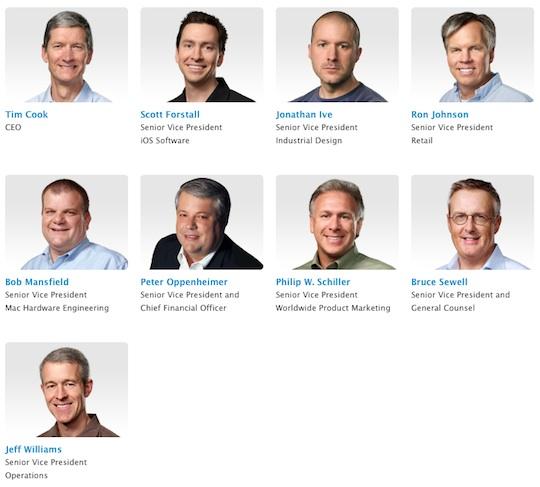
Fifteen years later, the group of managers who joined the core leadership during the Steve Jobs era are leaving one after another. Jony Ive, Peter Oppenheimer, Dan Riccio and Jeff Williams have left the company, stepped down from the management team or retired successively. The senior executives who still remain at Apple are mostly in the later stage of their careers.
In recent days, another veteran has started to fade out of the limelight.
According to Bloomberg, 66-year-old Phil Schiller has stepped down from his management responsibilities for the App Store and Apple's product launches. He will not leave Apple for the time being, and will retain his title of Apple Fellow, but for many Apple employees, this is more like another step towards his official retirement.
After Schiller steps down, the App Store will be re-integrated into Apple's service department. The person in charge of this department is exactly Eddy Cue mentioned earlier.
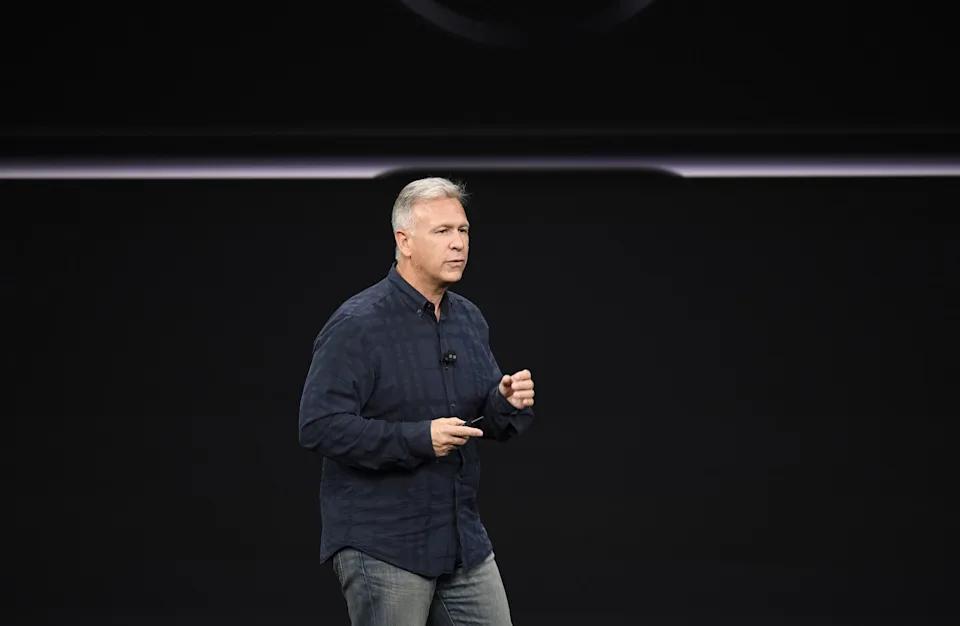
Cue also comes from the Steve Jobs era, having joined Apple in 1989, and is one of the most senior executives in the current management team. With the App Store back under his management, he will take on a more important role under Ternus's leadership.
Judging from the current division of powers and responsibilities, Cue is already de facto the second-in-command at Apple, and his actual status may even rank ahead of Craig Federighi and Greg Joswiak.
The veterans of the Steve Jobs era are stepping down one after another, and some key businesses will be temporarily handed over to the remaining senior executives who are still in office. Ternus needs to rely on people like Cue to maintain the daily operation of the company, while looking for and promoting the next generation of leaders.
What Ternus has taken over is a management team that is in the process of generational transition.
This means that in the next ten years, Ternus will not only complete the power handover of the CEO himself, but also need to finish the generational replacement of Apple's entire senior management team in the early stage of