From 18th-century mechanical illusions to the 2026 Robotics Conference: A history of the evolution of robot performances

King Mu of Zhou encountered a "being" that made him deeply unsettled.
As recorded in *Liezi · Tang Wen*, the artisan Yan Shi once presented a "performer" to King Mu of Zhou. This figure could sing and dance excellently, moving in perfect harmony with the rhythm, and even made eyes at the king's concubines before the performance ended, which enraged the monarch.
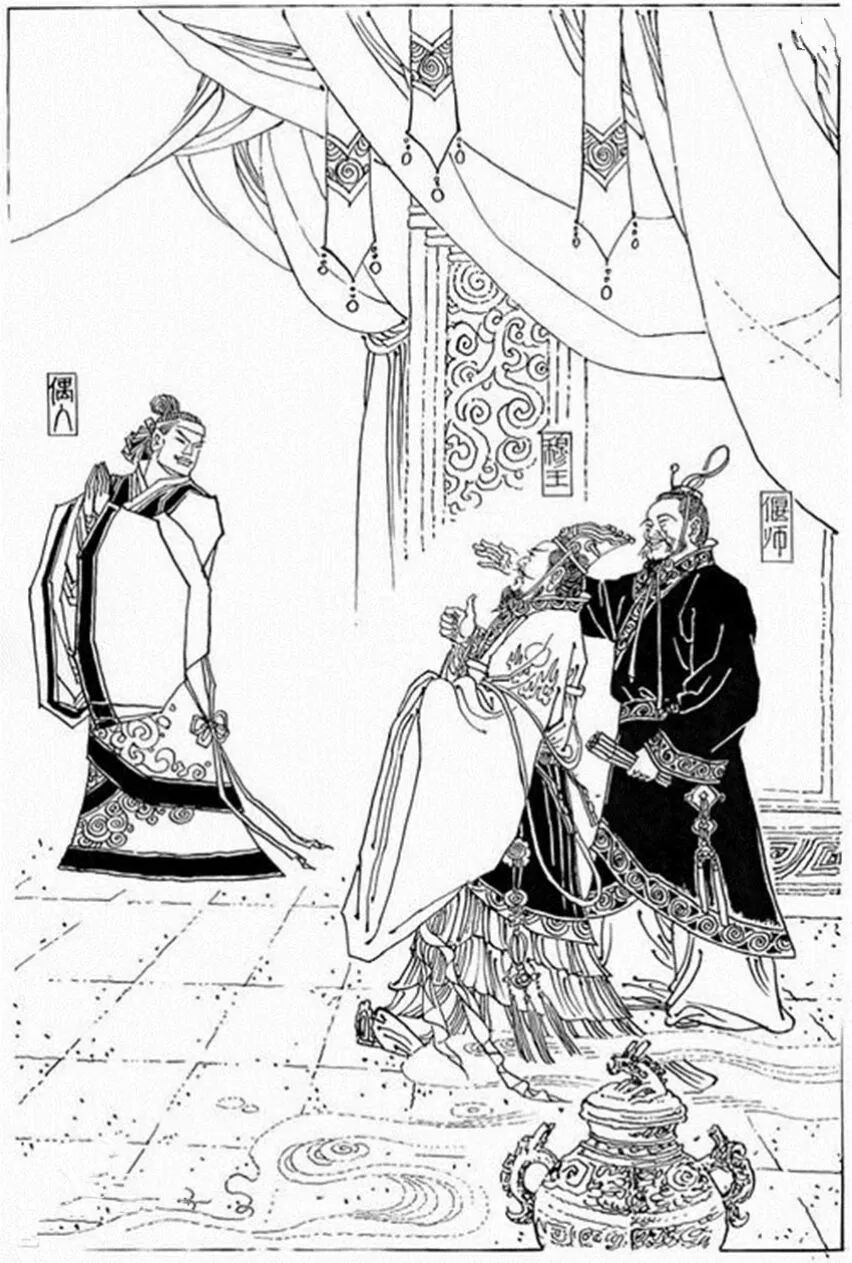
Seeing the king's anger, Yan Shi immediately disassembled the "performer": under the leather, wood, glue and lacquer, all internal organs, bones, tendons, and hair seemed to be fully in place. After being reassembled, it could stand up and perform again. This near-divine craftsmanship made King Mu exclaim: "Can human ingenuity really match the power of creation?"
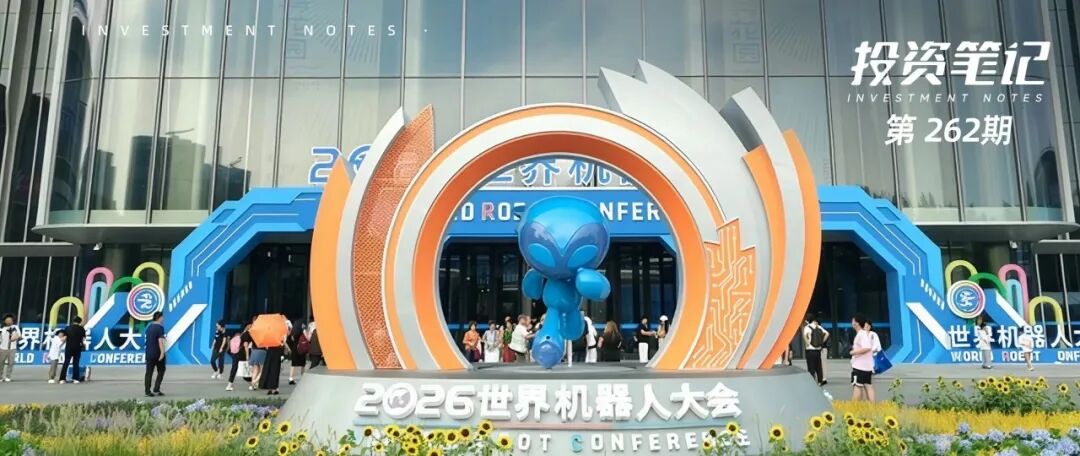
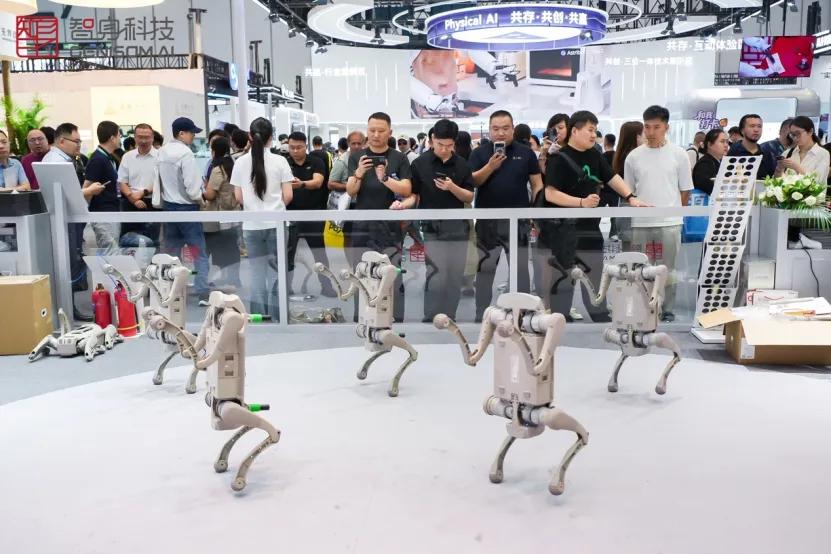
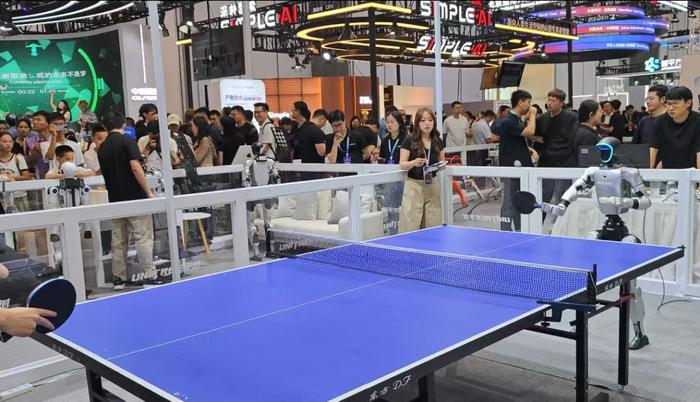
More than two thousand years later, at the 2026 World Robot Congress (WRC), when the stage turned into exhibition halls, and leather and wood were replaced by motors and chips, robots are still putting on one performance after another — boxing, table tennis, obstacle crossing, and even modeling Hanfu costumes. Every move they make is recorded by the mobile phones held high above the crowds around the booths.
From the ancient "performer" to modern embodied robots, why do robots always complete these seemingly simple, useless, and even "pleasing" tasks in public?

Automata, Born for Entertainment
In 1739, Jacques de Vaucanson, a French mechanic famous for making automatic devices, displayed a "Digesting Duck" in Paris. This duck could stretch its neck, flap its wings, drink water, and peck at food; most incredibly, people could observe the whole process of its "digestion" and "excretion".
Later people found that Vaucanson actually faked the digestion mechanism. The so-called excrement of the mechanical duck was pre-prepared bread crumbs dyed green. But this did not prevent the "Digesting Duck" from becoming a star in the history of automata.
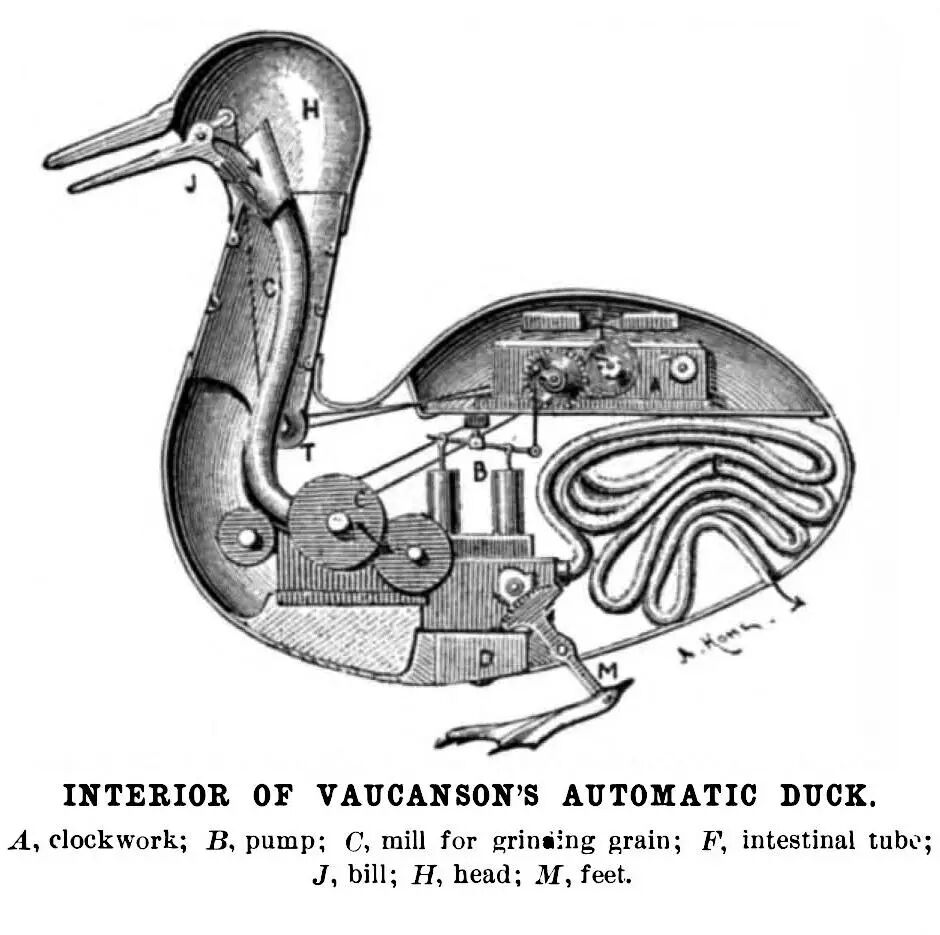
At that time in Europe, precision machinery did not have a broad industrial market. The complex gears, cams and escapement structures used by the mechanical duck were mostly housed in clock workshops.
The three humanoid automatons made by Swiss master watchmaker Pierre Jaquet-Droz and his two sons — The Writer, The Draughtsman and The Musician — were exactly the products of this era model.
Through an extremely complex system of cams and gears, these automatons can simulate human physical movements to complete writing, drawing and playing music. They are not only regarded as the peak works in the history of precision machinery, but also recognized as one of the early prototypes of modern computing technology and humanoid robots.
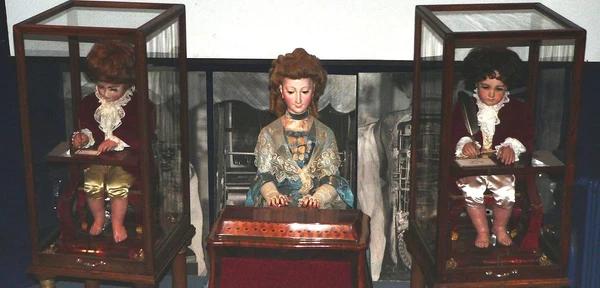
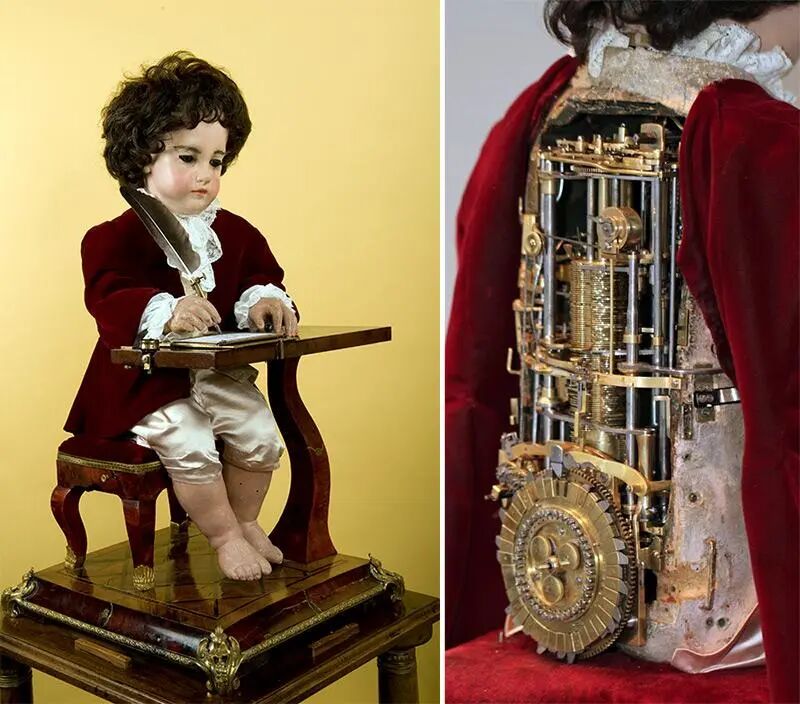
In the subsequent court tours, these humanoid automatons also became the most convincing advertisement for the Jaquet-Droz family's watchmaking craftsmanship. Even Emperor Qianlong of China showed great interest in Jaquet-Droz's creations. To this day, the Palace Museum still collects fine automatons and clocks made by Jaquet-Droz.
In the late 18th century, a robot figure closer to people's modern understanding appeared — the "Mechanical Turk". It was built by the Austrian inventor Wolfgang von Kempelen, originally to please the Austrian Empress Maria Theresia.
Kempelen claimed that the "Mechanical Turk" could defeat any chess opponent. In the decades from its birth to its destruction, Wolfgang toured around with it, and even defeated figures including Benjamin Franklin.
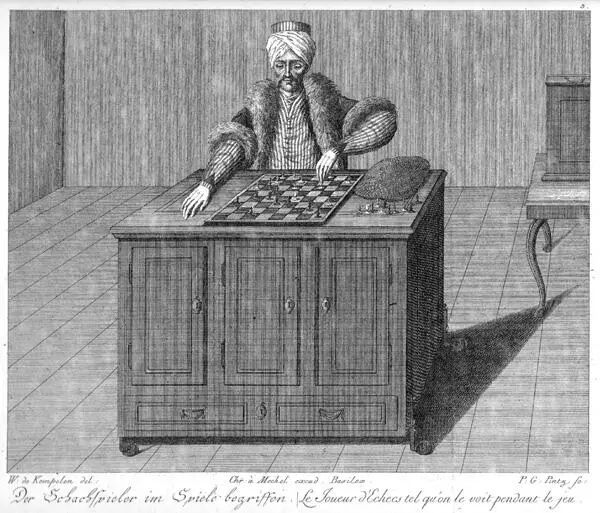
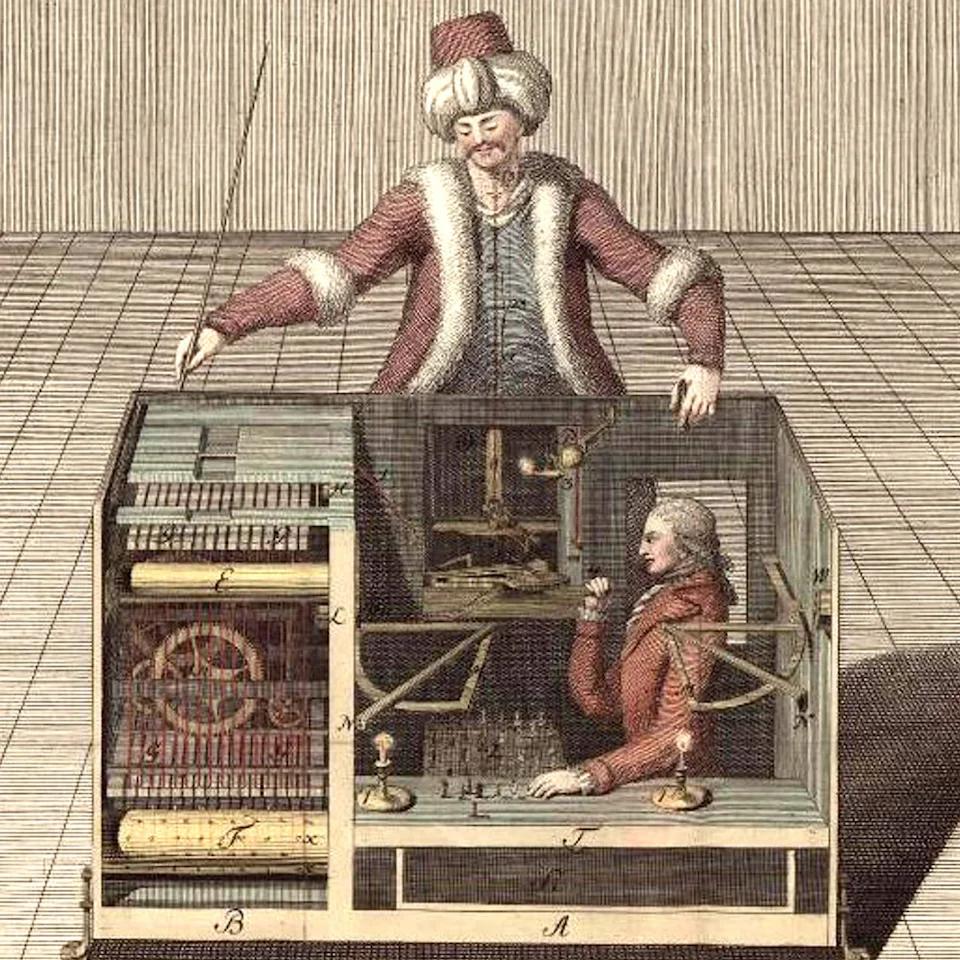
The "Mechanical Turk" caused a huge sensation at the time, while some people questioned that the intelligence it showed was just a disguise. The final truth proved that this was indeed a carefully planned hoax: Kempelen hired a chess master, hid him in the wooden cabinet, and controlled the chess-playing machine through devices inside the cabinet.
The "Mechanical Turk" sold the illusion of intelligence, and the "Digesting Duck" sold the illusion of life. No matter whether the displayed capabilities were real or fake, for early automatic mechanical devices, the performance itself was the value. However, in the subsequent industrial era, when robots began to enter production systems and create practical value, performances never faded away.

Before Mass Entry Into Factories,
Learn to Pour Beer First
In the late 1950s, Unimation, the world's first robotics company, installed the Unimate robot on General Motors' assembly line to handle die castings and complete part welding tasks. Taking over dangerous, repetitive work unsuitable for long-term human operation, Unimate became the first industrial robot in the world.
In 1966, Joseph Engelberger, co-founder of Unimation and known as the "father of robotics", brought Unimate to the live broadcast *The Tonight Show*. In the NBC studio, Unimate, which was built for industrial scenarios, began to show the audience how to pour beer, play golf, and conduct the live band.
The reason for this public appearance was extremely simple: there were few buyers at that time, and the TV demonstration was not only to show the practical performance of the robot, but also to promote sales.
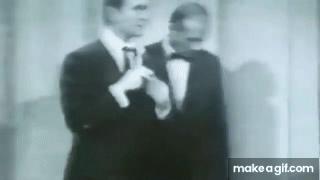

Times have changed, TV has declined, and the internet has risen, but the change of media has not changed the fate of robots showing off their skills. In the internet era, robots no longer just passively appear on programs, but also take the initiative to operate public communication and become "internet celebrities".
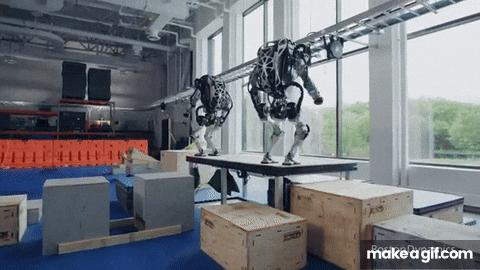
Even if you are not a technology enthusiast, you have probably come across videos of Boston Dynamics robots. Since 2009, this company with a strong industrial heritage has started to release product test videos to the public via YouTube. The robots in the videos stumble, and even kick each other. The near-real biological sense and strong visual impact have sparked heated discussions and reposts from netizens all over the world.
Boston Dynamics' star product, the bipedal robot Atlas, has even launched its legendary career through the internet. From its initial faltering steps to later skilled mastery of backflips, parkour and dancing, a single video of Atlas can sometimes reach tens of millions of views, which can be called the "growth-focused" representative in the robotics world.
From Unimate to Atlas, for a long time in the past, public displays are ultimately a means: through performances or skill demonstrations, technologies that have not yet formed a common public language are transformed into an easy-to-understand, communicable "instruction manual". Just like at the 2026 WRC, robots playing table tennis are not aiming to qualify for the Olympic Games, but because table tennis itself is extremely challenging. If a robot can complete the game, its capabilities such as latency perception, trajectory prediction, real-time response and motion control can all be proven.
Nowadays, a more subtle change is taking place — robots not only get attention through performances, but also start to make money from entertainment itself.

"Applause" Is Also Cash Flow
On New Year's Eve 2026, Galaxy General Robot Galbot appeared in the Spring Festival Gala New Year microfilm *My Most Unforgettable Tonight* starring Shen Teng and Ma Li; *Wu BOT* took over the baton from *Yang BOT* in 2025, and once again completed a performance that sparked national discussion.
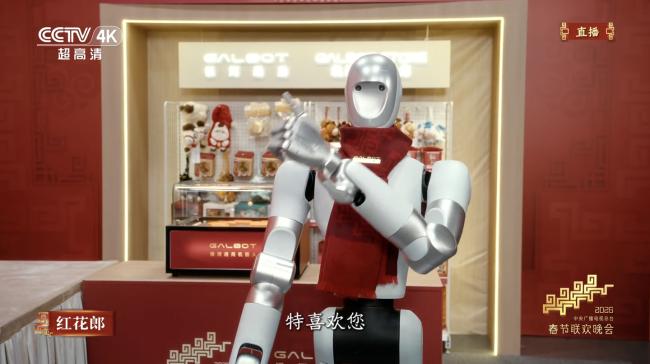
Apart from the Spring Festival Gala, in public events such as concerts, auto shows, shopping mall openings, cultural tourism projects and corporate press conferences in 2026, robots, especially humanoid robots, are appearing more and more frequently.
In such scenarios, "Being human-like" is value in itself. Humanoid robots have heads, bodies and limbs similar to humans, and this familiar form can quickly narrow the distance with the audience. In addition, the humanoid appearance is more likely to trigger anthropomorphic associations from the outside world, and is suitable for artistic and emotional expression that matches specific situations. Gradually, humanoid robots are fully booked for appearances.
Although this business seems far from "replacing labor", it may be one of the earliest established key product logics for robots. Market data also confirms this from the side: A considerable number of robots have begun to