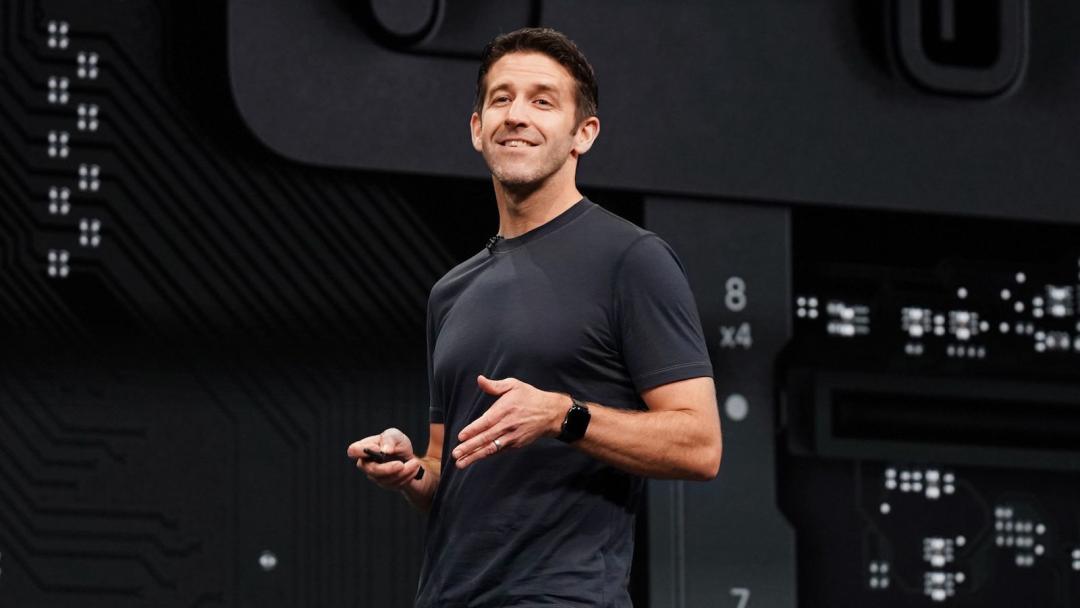
Today is Tim Cook's last day as CEO, and Apple has officially completed its top leadership transition.
August 31 marks Tim Cook's last day as Apple's CEO!
Starting from tomorrow, Apple will usher in the John Ternus era.
The 51-year-old veteran in hardware engineering, John Ternus, officially takes the helm of this nearly $5 trillion "super empire".
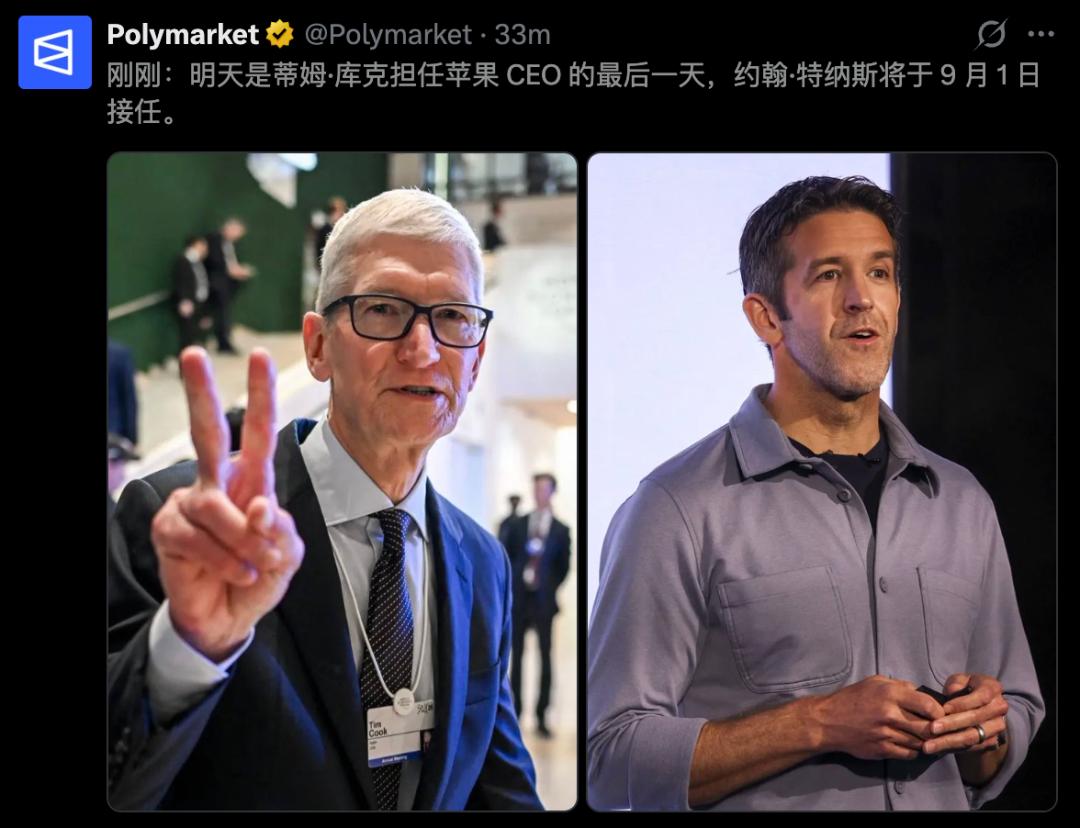
This epic handover has been in preparation for two full years.
The moment Tim Cook truly vacates the CEO's office, an era will have truly come to an end.
From Successor to Helm: Tim Cook's 15 Years at Apple
In August 2011, Tim Cook took over Apple from Steve Jobs. Less than two months later, Steve Jobs passed away.
The biggest concern from the outside world back then was: Without Steve Jobs, would Apple still be Apple?
Yet 15 years on, Tim Cook has delivered a flawless performance that is more than worthy of a place in global business history.
He did not become "the second Steve Jobs", but instead chose a completely different path.
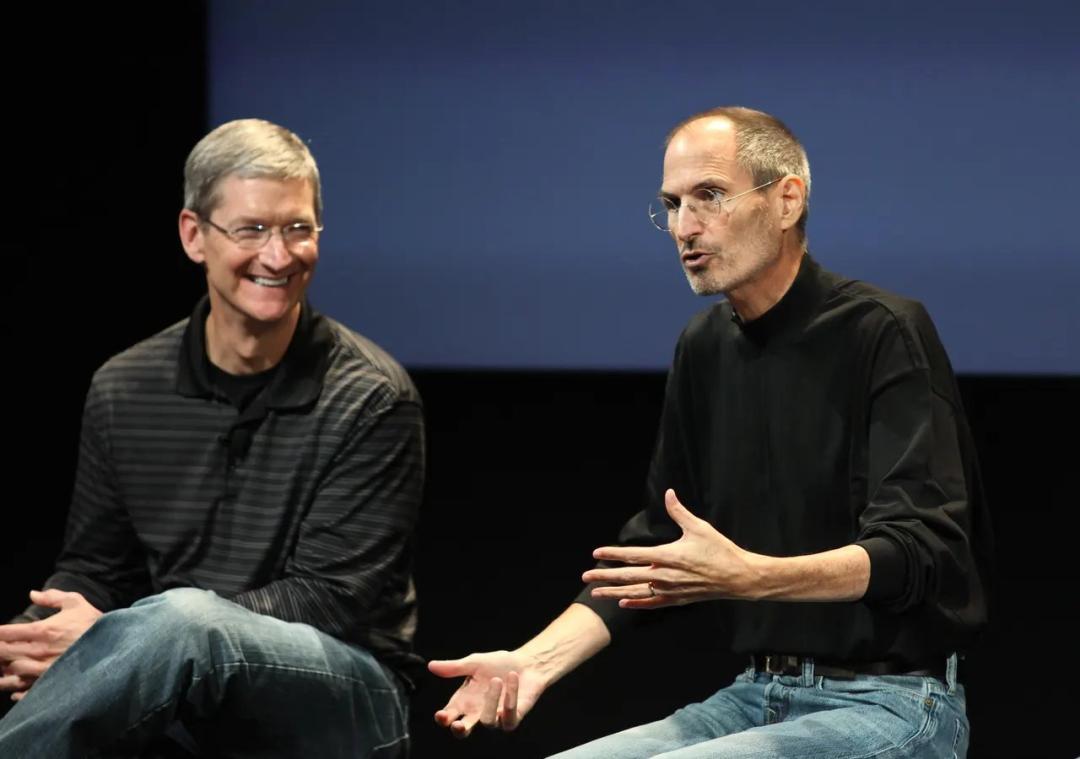
Shortly after taking office, Tim Cook first stabilized Apple's core team, keeping executives from the Steve Jobs era in their positions.
He then rolled out his most familiar strength — operational capability — across the globe, turning Apple into a precise, highly efficient "money printer".
Steve Jobs left behind world-changing products, and Tim Cook brought them to every corner of the world.
Over the 15 years, Apple's annual revenue surged from $108 billion to over $4160 billion, with its market capitalization crossing the $4 trillion threshold from roughly $3500 billion.
The services business also grew from around $9 billion a year to a new pillar generating over $100 billion in annual revenue.
The iPhone remains at the core, while the Apple Watch, AirPods and services business have diversified Apple's revenue structure.
Self-developed chips have further allowed Apple to take full control of the underlying technology of its products.
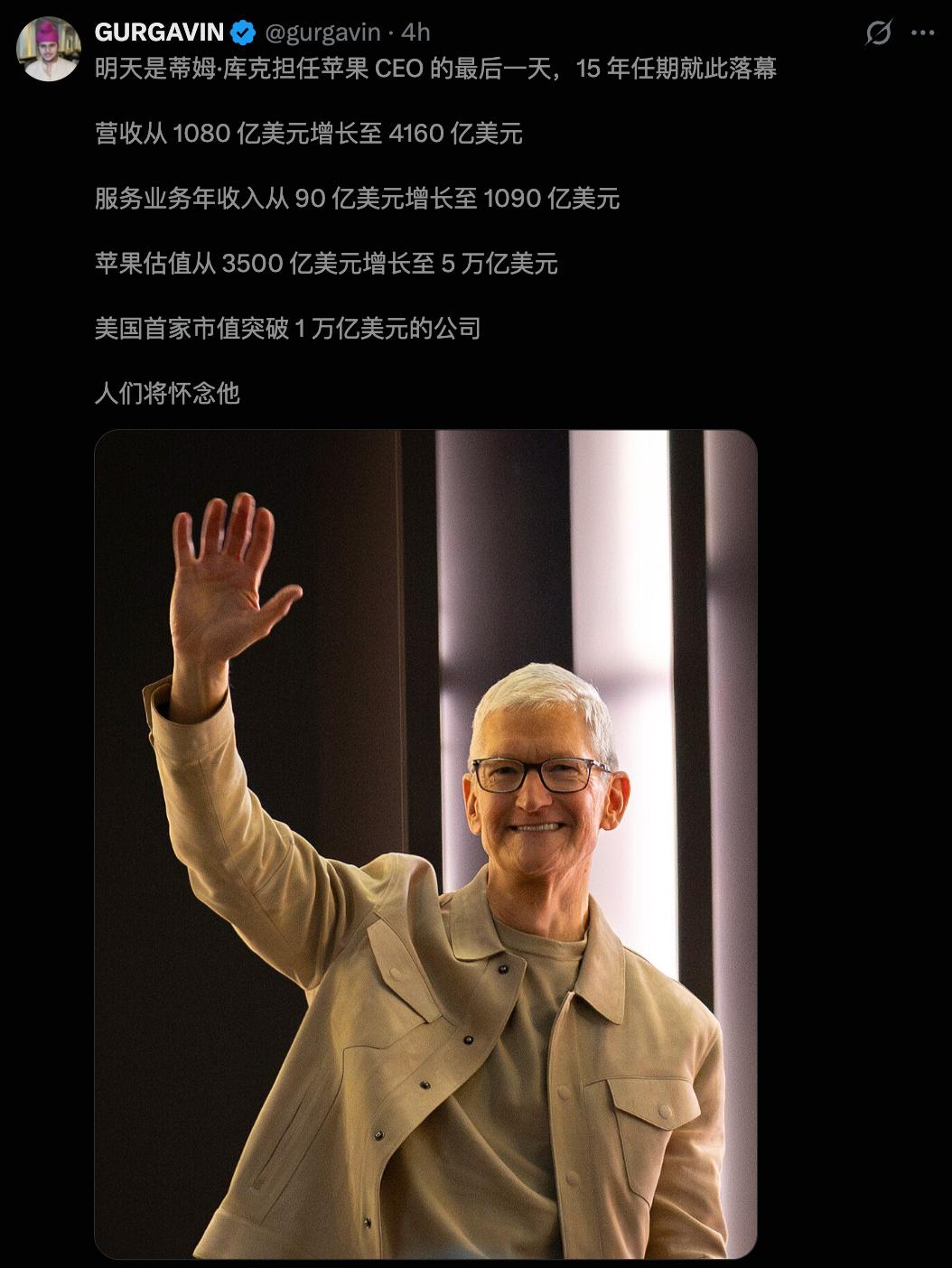
During this period, Tim Cook indeed did not create another landmark product that can match the impact of the iPhone.
But he turned AirPods and Apple Watch into massive bestsellers, and successfully launched Apple Pay and Apple Music.
These moves transformed Apple from a pure "hardware device maker" into an "ecosystem empire" with extremely high user stickiness.
Of course, there are regrets as well.
The HomePod speaker never became a mainstream hit; the autonomous vehicle project that took a decade and burned through tens of billions of dollars was shut down by his own order in 2024.
And the Vision Pro headset, which he placed high hopes on and intended to be his swan song product, still delivers dismal commercial performance to this day.
These 15 years have been Tim Cook's personal odyssey at Apple.
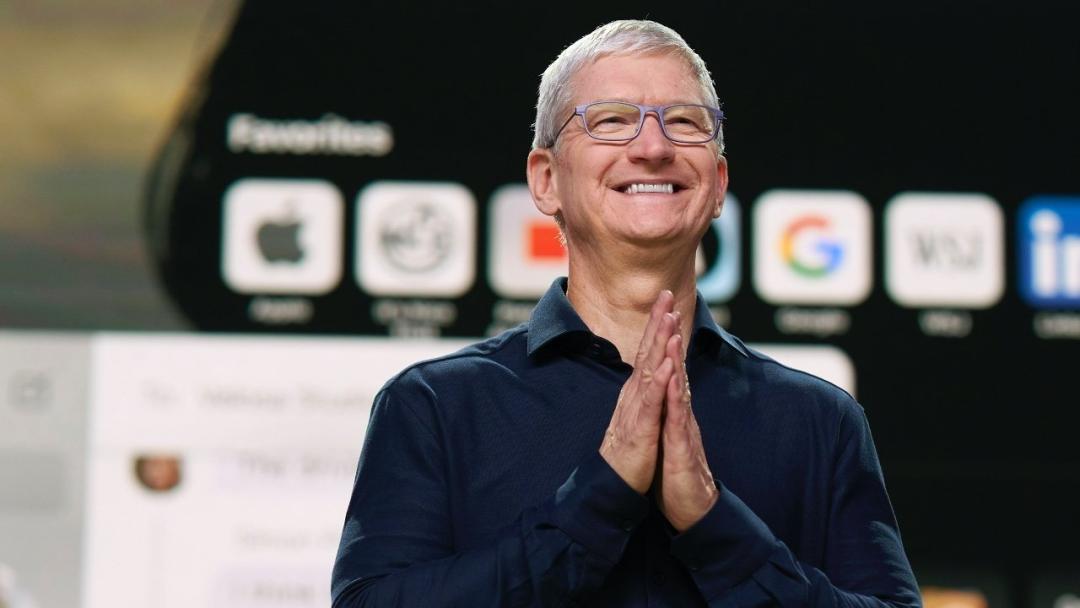
Interestingly, the 65-year-old Tim Cook will not truly "step away" after this resignation, and will stay on as Apple's "Executive Chairman".
Moving forward, he will continue to manage government relations, and treat Apple's affairs as his "top priority".
However, the unfinished AI exam that the Cook era failed to wrap up now falls entirely on John Ternus' shoulders.
Going All in on AI: The New CEO's No.1 Priority
Since joining Apple in 2001, John Ternus has worked deeply in the hardware engineering field for 25 years.
Starting as a design engineer for Mac, then taking charge of iPad, AirPods and iPhone, until he leads the entire hardware engineering department, he is a typical "Apple-bred" talent.
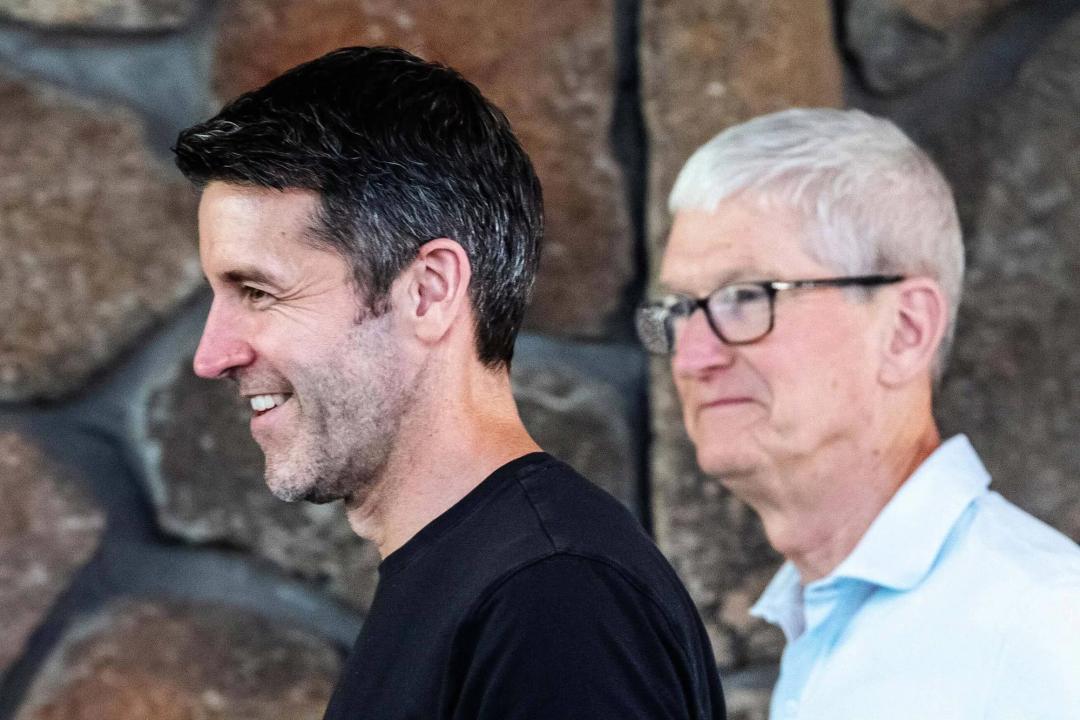
John Ternus' top priority after taking office is already very clear: Integrate AI genuinely into every Apple product.
It is undeniable that Apple has clearly fallen behind over the past three years.
After ChatGPT ignited the AI boom at the end of 2022, Apple's response was not slow: it trained its own large models, poached talents at high salaries, and searched for acquisition targets everywhere.
But the results are obvious to all: Apple Intelligence performed below expectations, and the upgrade of Siri was repeatedly delayed.
After the setback of its self-developed large model, Apple turned to pay for Google's Gemini to power the new Siri, and a major team reshuffle also led to the loss of AI talents.
This huge mess is still waiting for John Ternus to sort out.

The real test is coming this September, as WWDC is around the corner —
The brand new Siri AI will be launched on a large scale, going head to head against ChatGPT.
In the future, Apple also hopes to generate revenue through subscriptions or third-party application access.
But before discussing business models, they have to solve the most fundamental problem: Convince people that Siri is genuinely useful.
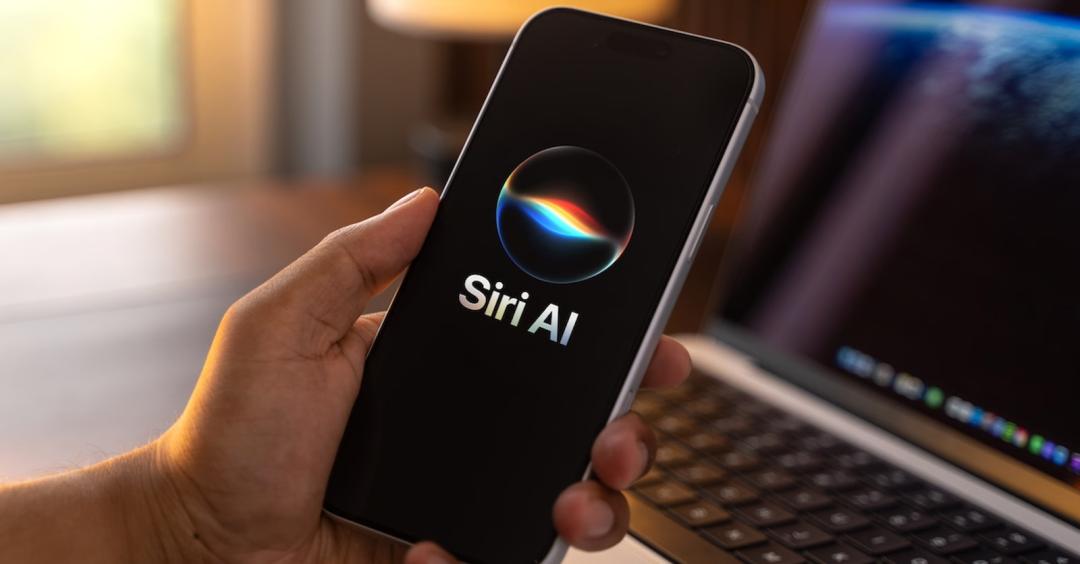
John Ternus' solution is very clear: endow AI with the ability to perceive and interact with the environment, then embed these capabilities into the hardware that Apple excels at making.
According to internal plans, the camera-equipped AirPods can understand surrounding objects and scenes; smart glasses can bring Siri from the phone right in front of the user's eyes; smart home screens can identify the speaker.
If implemented smoothly, AI will become a systematic capability that runs through iPhones, headphones, glasses and home devices.
In addition, AI will also be integrated into Apple's internal operations.
John Ternus has also launched a set of "AI platforms" to accelerate product development, hardware testing and reliability verification.
He tries to make AI the "super brain" for Apple engineers, which can solve technical blind spots in new product R&D by absorbing experience and lessons from past products.
Apple's AI battlefield is thus divided into two lines —
Externally, endow iPhones, AirPods, glasses and home devices with new perception capabilities;
Internally, use AI to shorten the R&D cycle and improve internal development efficiency.
Apple Undergoing Full Generational Transition of Its Workforce
There is another big headache for John Ternus after taking over: the management team.
Compared with the situation when Tim Cook took over back then, the starting points of the two are completely different.
15 years ago, Tim Cook inherited an executive team that was in its prime, full of ambition and extremely loyal to the company.
Looking at the present, what John Ternus takes over is a "senate" that has dominated Apple's corporate culture for decades, but its members are already in their 60s and have accumulated staggering wealth during their tenures.
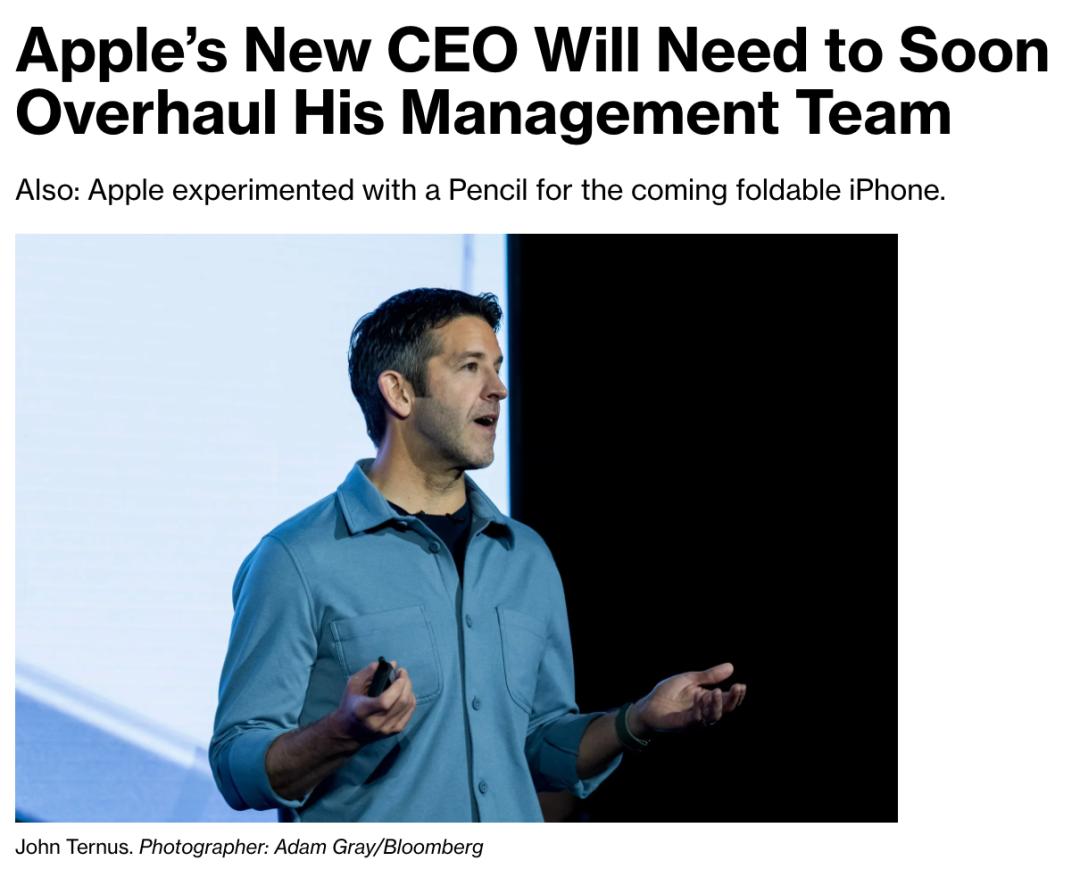
Insiders revealed that in the next few years, half of Apple's executive team may choose to leave.
The most critical figure, Johny Srouji, the soul of the hardware and chip team, is highly likely to resign within one or two years after the handover stabilizes.
In addition, the heads of marketing, services and retail have all served the company for nearly 40 years, and a retirement wave is coming soon.
John Ternus has to carry out a generational reshuffle of this aging executive team while taking over the company.
First Battle in September: The Foldable iPhone Makes Its Debut
The most anticipated event is Apple's upcoming autumn launch event.
This fall's new product lineup is a batch of "ambitious works" that John Ternus has spent a long time developing and leading personally.
Apple's first foldable-screen iPhone is about to make its official debut. The most notable highlight is the deep integration of Siri AI.
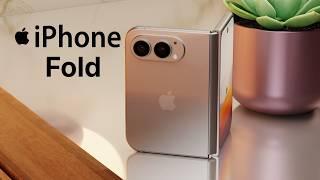
The first foldable iPhone will become the flagship product with the highest level of AI integration
At WWDC26, the newly unveiled Siri AI is a completely different generation from the Siri on our current devices, and it is equipped with the following capabilities:
Personal Context Awareness: It can retrieve information from data such as emails, text messages, and photos;
Screen Perception: It knows exactly what you are looking at right now;
Cross-App Operation Capability: It can directly execute actions across different applications;
It can call on internet knowledge to answer real-time questions
For example, if you are booking a hotel, you can directly ask Siri: How far is this hotel from the place where I will have a meeting this afternoon?
It can combine the content on your screen, the addresses in your calendar and emails to continue processing the request. Apple has even developed a standalone app for Siri, where you can save and continue previous AI conversations.
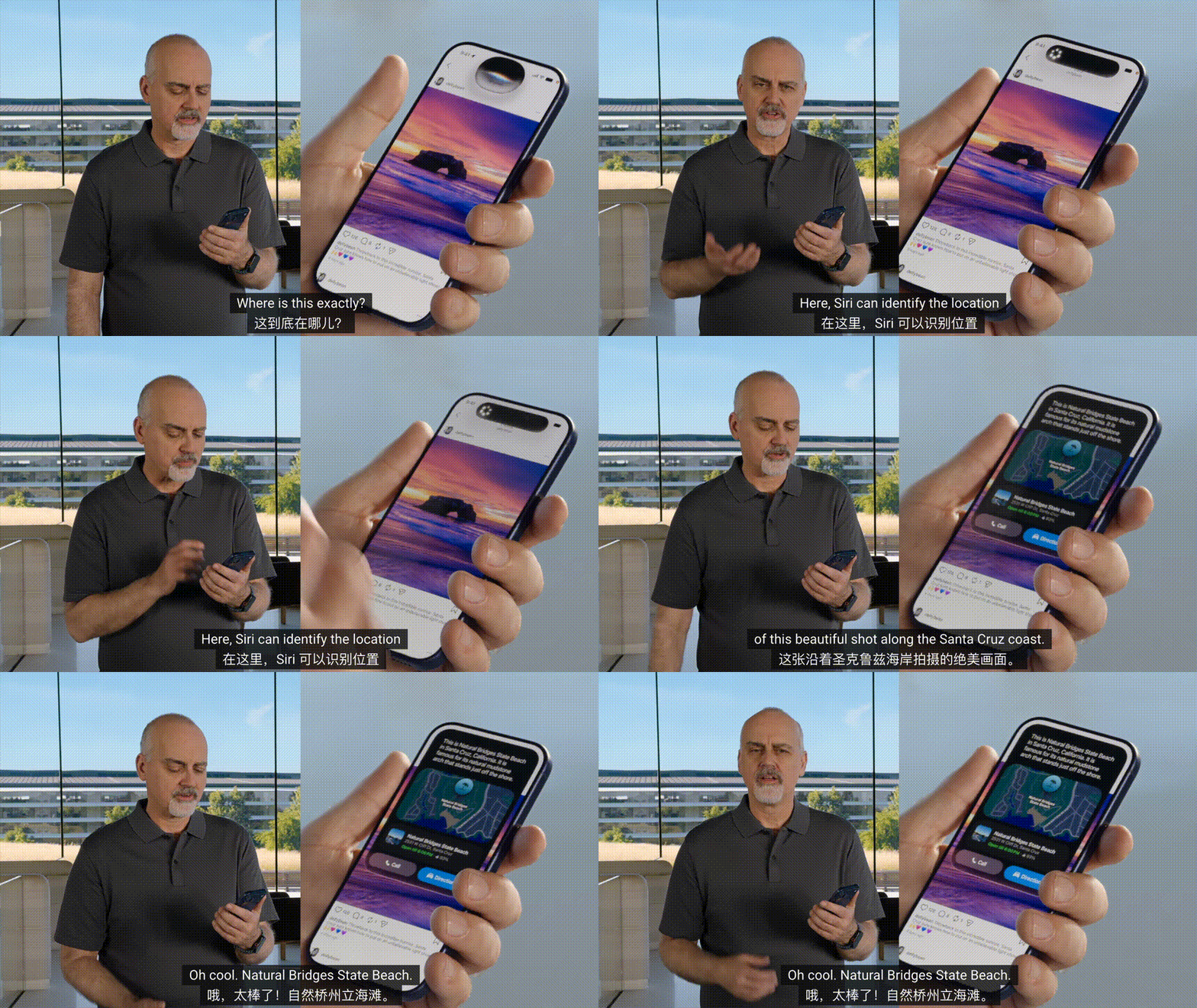
Another point that may be easily overlooked but is technically very important.
Sources say the foldable iPhone will come with 12GB RAM, and can run Apple's most powerful on-device AI model.
Only this configuration can support the advanced capabilities of Siri AI, such as more accurate speech-to-text conversion, and more precise Siri voice performance control.
Not only that, the first foldable iPhone will also become an "AI visual workstation".
Siri AI is directly embedded in the camera: point it at the real world, and it can understand information about objects, text, food and more, then continue to execute corresponding operations.
At the same time, it can also understand pictures and text on the screen, identify nutritional information of dishes, search for items in front of you, understand articles on the screen, and more.
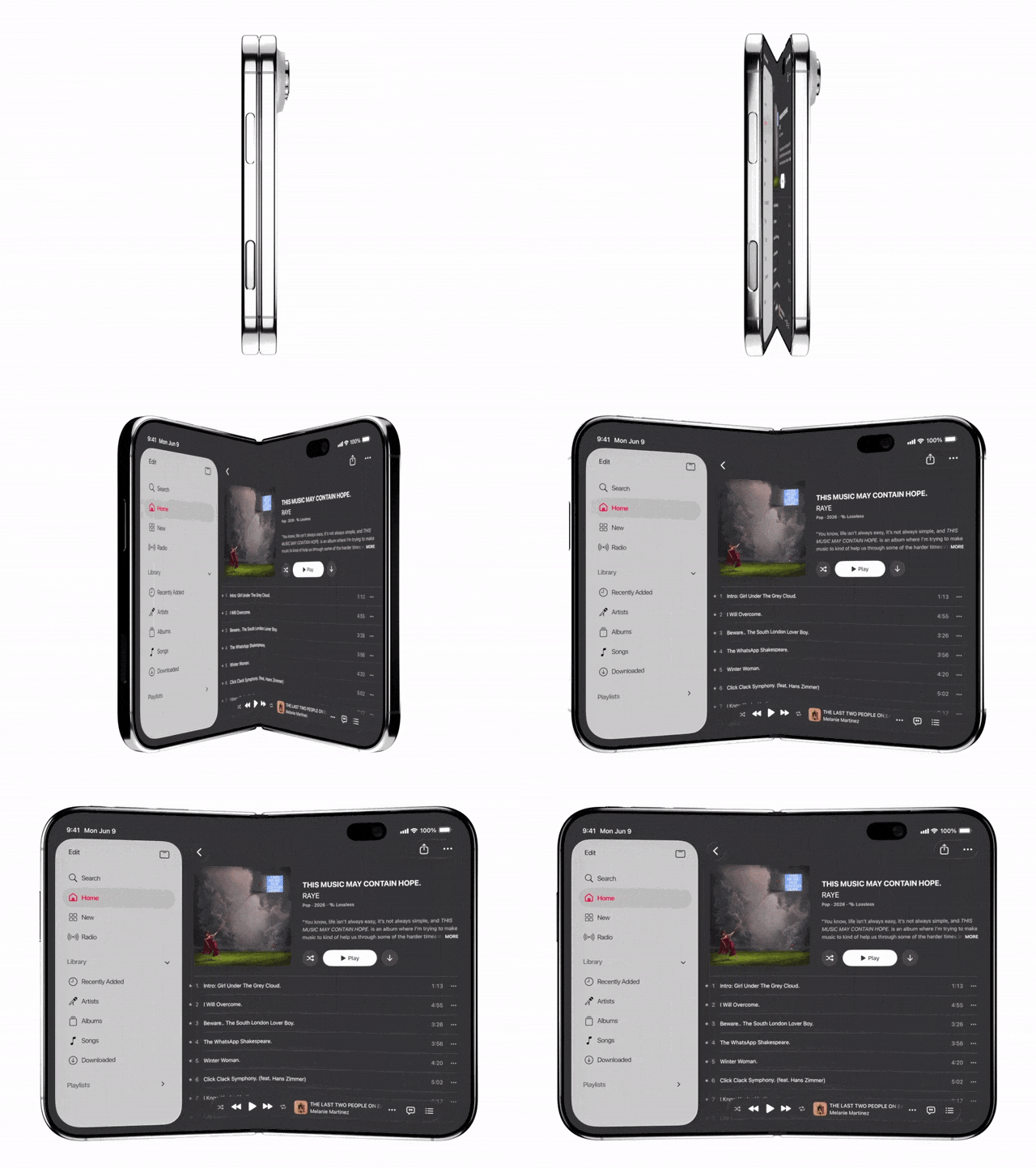
This capability has a natural advantage on the foldable screen:
You can put pictures/PDFs/web pages on the left half of the screen, and let Siri understand, summarize, search and execute operations on the right half directly.
This is already very close to the AI usage logic on the iPad.
It has to be said that the upcoming foldable screen iPhone will most likely become the iPhone with the most complete on-device AI capabilities of this generation of Apple products.
Apple Sets Sail for Its Next Voyage
On September 9, Apple's annual autumn new product launch event will officially kick off.
Tim Cook may sit in the front row, but he will no longer take the stage as the lead host.
John Ternus will stand alone under the spotlight, showing the world Apple's new report card in the AI era.
Tim Cook's odyssey has reached its shore, while John Ternus's AI expedition has just sounded its whistle.