Plaud has released its first AI headset, but the core highlight is not the headset itself.
Among all AI hardware startups in the past two years, Plaud is undoubtedly the most prominent one.
Focusing solely on the AI meeting minutes track, Plaud has launched products from the early Plaud Note that attaches to the back of mobile phones, to the NotePin that can be clipped onto clothing. Relying on these two new categories of hardware, it has carved out a path in the red ocean of the consumer market.
Now, it has integrated all these features into a pair of earbuds.
On August 27, Plaud launched its new product line Plaud One, and rolled out the first product of this line —
Plaud One Explorer Edition.
This is a pair of wireless earbuds priced at $249.99, with a global limited run of 2000 units.
This choice makes me curious. Plaud has already proven the market for dedicated AI recording devices with its card-shaped and clip-on products. Why did it choose to break into the earbud market, which is already extremely mature?
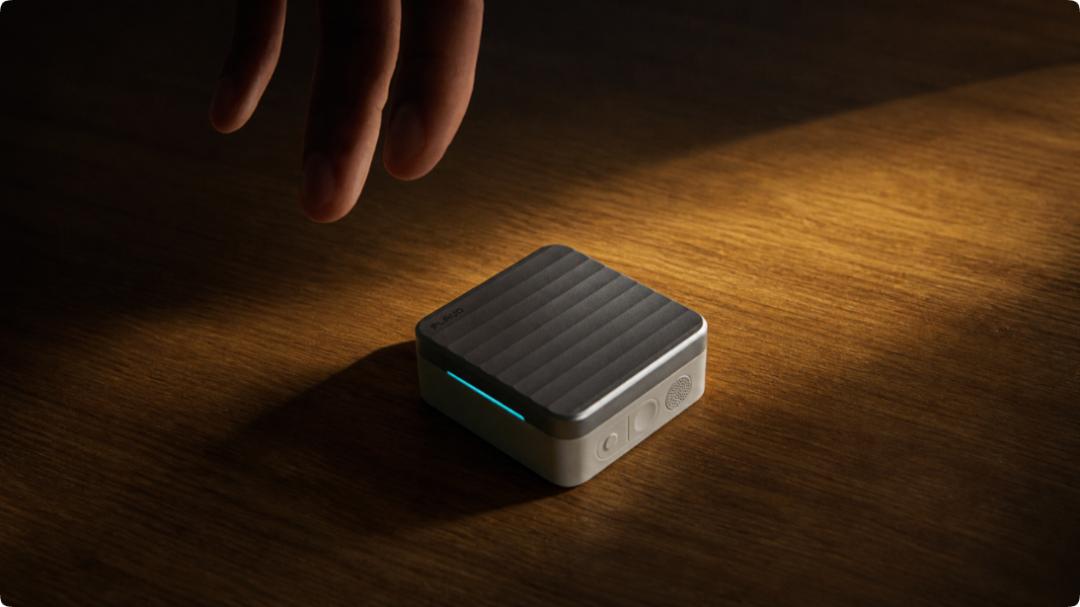
Photo sourced from Plaud
Putting the recording card into earbuds
Putting AI aside for now, the configuration of Plaud One earbuds is quite comprehensive.
It adopts a semi-in-ear design, each unit weighs about 4.5 grams, is equipped with a 12mm dynamic driver, supports LDAC, transparency mode and adaptive active noise cancellation of up to 40 decibels. When noise cancellation is turned off, the earbuds can play for up to 6 hours on a single charge, and can reach 36 hours with the charging case.
In the mid-to-high-end true wireless earbud segment, this set of specifications is not shabby. But what makes Plaud confident that people will pay $250 is obviously its signature meeting recording function.
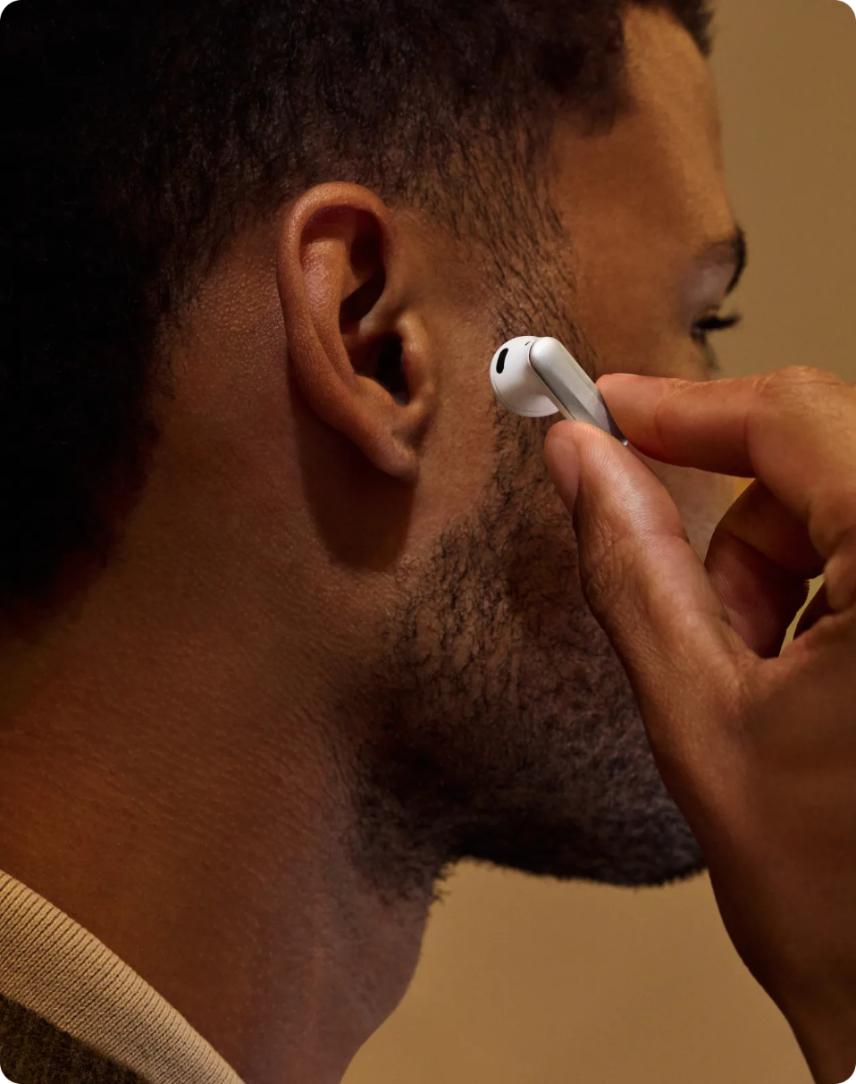
Each earbud is equipped with three MEMS microphones and one VPU, which can record phone calls, online meetings and face-to-face conversations. The earbuds can record continuously for up to 6 hours, with a face-to-face sound pickup distance of about 2 meters.
The highlight is the charging case.
Plaud has also installed four MEMS microphones in the case. Combined with beamforming, the sound pickup distance is about 5 meters. Take off the earbuds and place the case on the meeting table, and it becomes an independent recorder that can record continuously for up to 25 hours.
The charging case is also equipped with an independent speaker, a recording button and a dedicated Agent button. More importantly, it has built-in 4G LTE and eSIM, which can connect to the internet without a mobile phone or Wi-Fi.
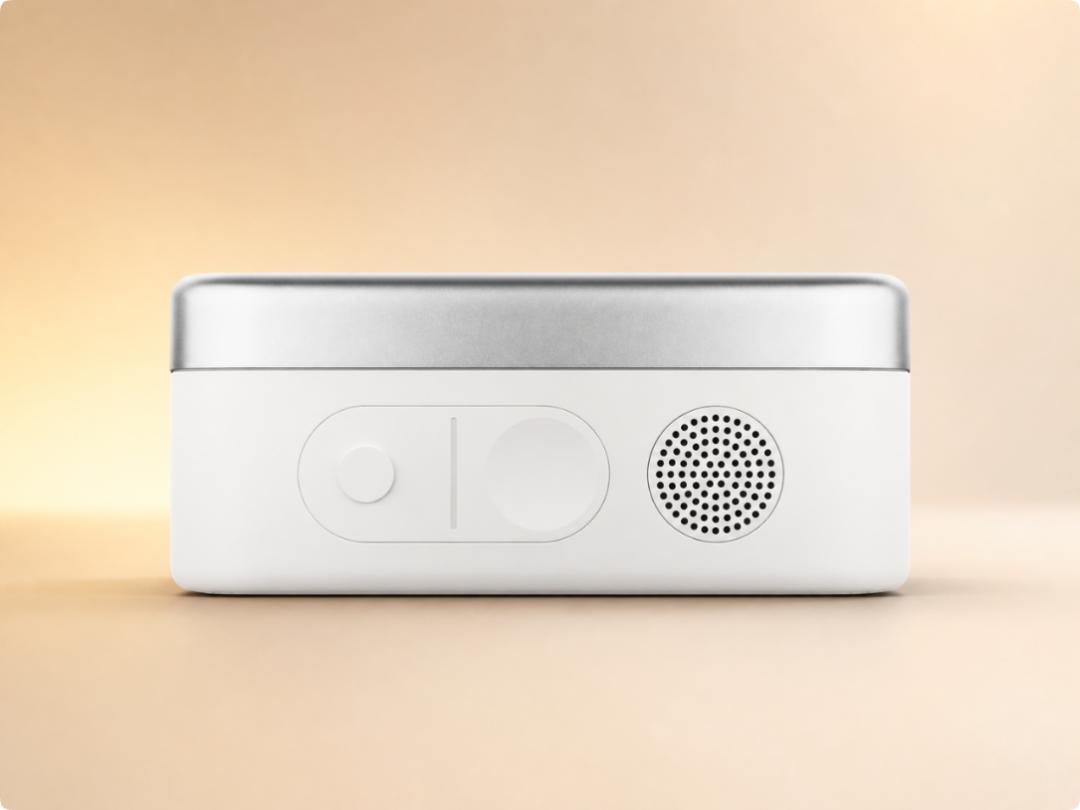
This design covers two most common scenarios. When you are wearing the earbuds, it records phone calls and online meetings. After you take off the earbuds, the charging case takes over to record on-site conversations. Plaud has integrated the desktop recording features of the Note series and the call sound pickup that earbuds are inherently good at into one single device.
From the card-shaped recorder, clip-on recorder to earbuds, the hardware form has been changing all the way, but Plaud's product logic has always been consistent.
After the recording is finished, the content will be imported into Plaud Intelligence. The software is responsible for transcribing, organizing summaries, extracting key points, and users can also feed the results into their own workflow.
In our previous experience articles about Plaud Note and Plaud NotePin, we also introduced many efficiency use cases built on Plaud Intelligence: I used an AI voice recorder for 1 month, here are 3 secrets that make me smarter | with guide
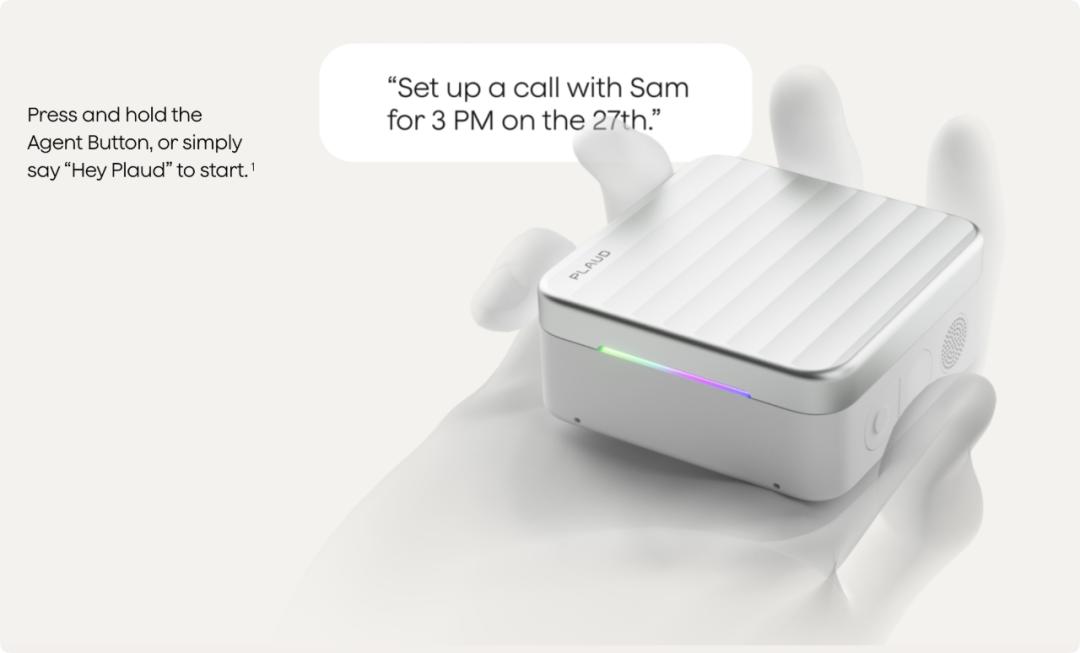
The new Agent button on Plaud One extends this idea further.
According to Plaud's vision, after a meeting ends, the system can create a calendar event. After a salesperson finishes talking with a client, it can draft a follow-up email. The official website also demonstrates capabilities such as generating documents, connecting to external services and invoking Skills.
At present, a considerable part of these Agent capabilities are still in the testing and gradual rollout stage. Plaud notes on its product page that some features may vary by region, language and software version, and some integrations are waiting for subsequent updates.
The software business behind 2 million units of hardware
Judging only from the product form, Plaud can easily be regarded as an "AI recording hardware company".
This definition is biased.
As of June this year, Plaud has sold more than 2 million devices in total, and the annual recurring revenue (ARR) of its software business has exceeded 100 million US dollars.
In June 2025, the number of devices it deployed globally just exceeded 1 million units. One year later, the cumulative sales have doubled.
Software revenue is growing even faster. According to the data released by Plaud, the company took two years to increase its software ARR from 1 million US dollars to 100 million US dollars, expanding its scale by 100 times.
What can better illustrate the situation is the payment conversion rate.
Hardware users can use part of the AI transcription and summary functions for free. If they need higher usage or want to use more features, they need to subscribe to the Pro or Unlimited plan. Xu Gao said that nearly half of the device users will eventually upgrade to a paid plan.
This set of figures explains why Plaud keeps launching new devices. Every time a Note, NotePin or Plaud One is sold, the hardware revenue is collected immediately, and at the same time, it gains one more software user who may subscribe continuously for several years.
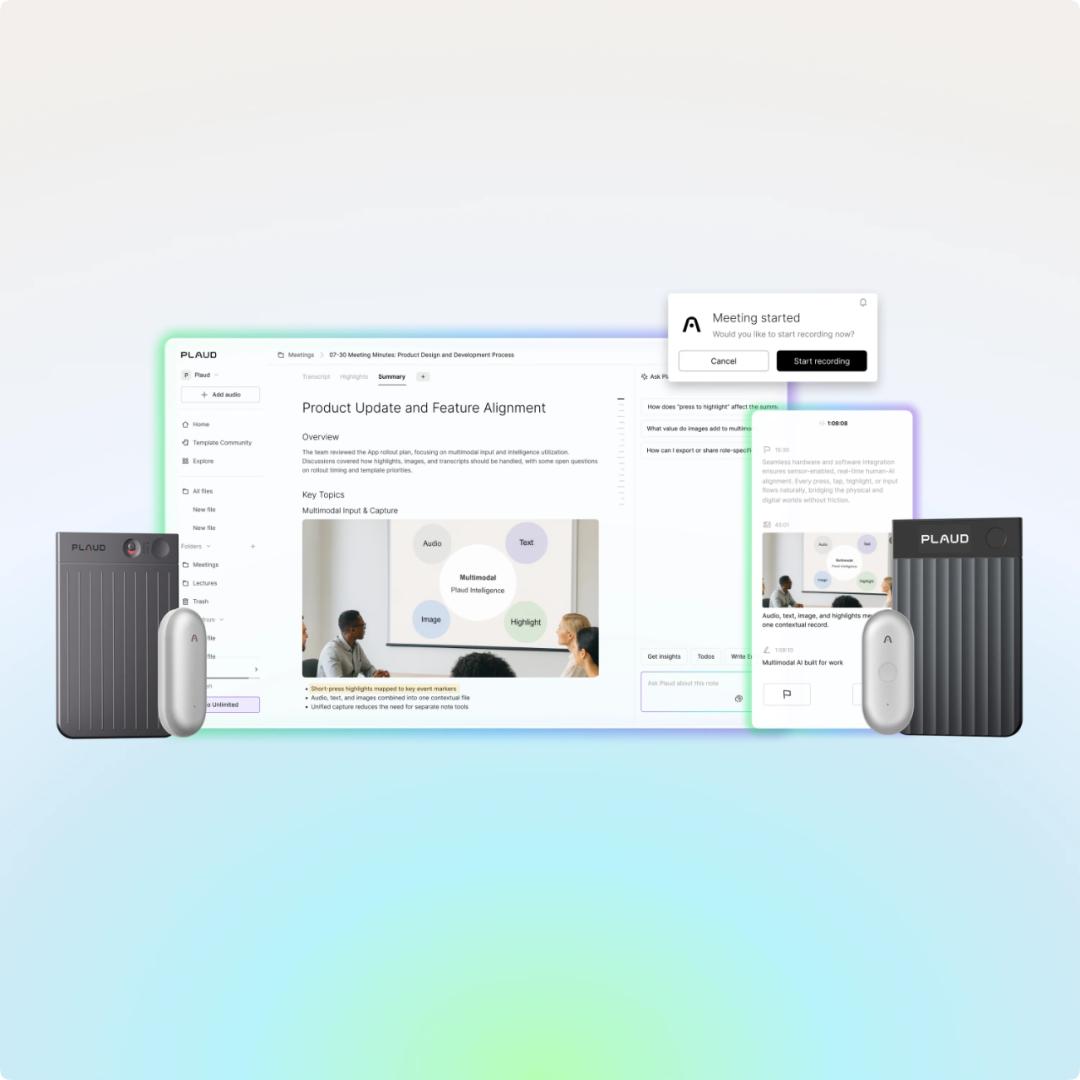
The barrier Plaud has built is to make the post-recording software experience itself a differentiated advantage.
If it is only about realizing the process of "recording - transcription - AI summary", the technical threshold of such products today is not as high as imagined. Software products such as Granola, Fathom and Read AI have also made meeting recording very mature, and hardware manufacturers such as Anker and Shokz are also adding recording capabilities to their earbuds.
What can really widen the experience gap is whether users can continue to process the information in their own working way after the recording is completed.
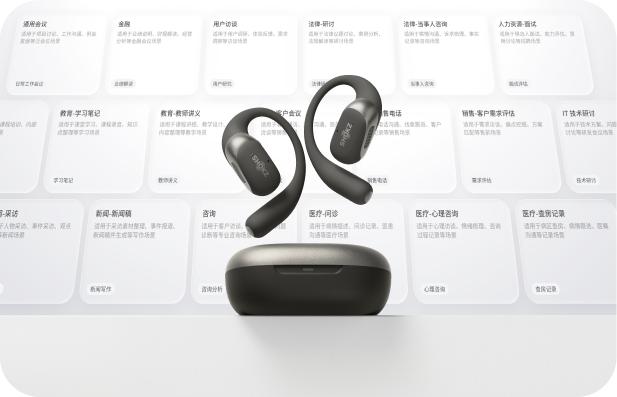
Photo sourced from Shokz
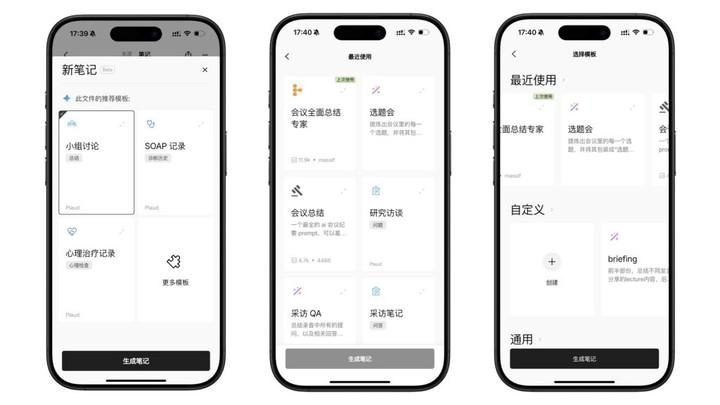
Users can save their own summary templates. When the same conversation is handed over to people of different occupations, the content they want to retain varies greatly. Journalists will focus on facts and quotable content, while salespeople need to sort out customer demands. Doctors and lawyers also have their own fixed record formats. Once the template is saved, subsequent recordings can be processed according to the same requirements.
Plaud also provides MCP services. After user authorization, tools such as ChatGPT, Claude and Cursor can directly read the recordings, transcriptions and summaries in Plaud. A meeting does not have to end with the meeting minutes, it can further be turned into emails, to-dos, or materials needed for the next meeting.
In this way, what Plaud sells is no longer just a device that "makes recording more convenient", but a complete software experience that continuously converts, processes and invokes real-life conversations.
Note and NotePin have already verified this product model in commercial terms: hardware is responsible for capturing information and bringing in users, while Plaud Intelligence is responsible for processing this information and keeping users in the continuously used software service.
So even if the hardware form changes, the role they play actually remains the same. No matter it is a card-shaped recorder, clip-on recorder or earbud, the ultimate goal is to bring real-world conversations into Plaud Intelligence.
Earbuds also have a very practical advantage. Card recorders and clip-on recorders require users to accept a new product category first, while earbuds do not need explanation for where to wear them. They are something that many people carry and use every day by default, so the acceptance threshold is much lower.
For Plaud, this means that it does not need to persuade more people to buy an AI recorder first, and it also gets the opportunity to bring Plaud Intelligence to a broader consumer group.
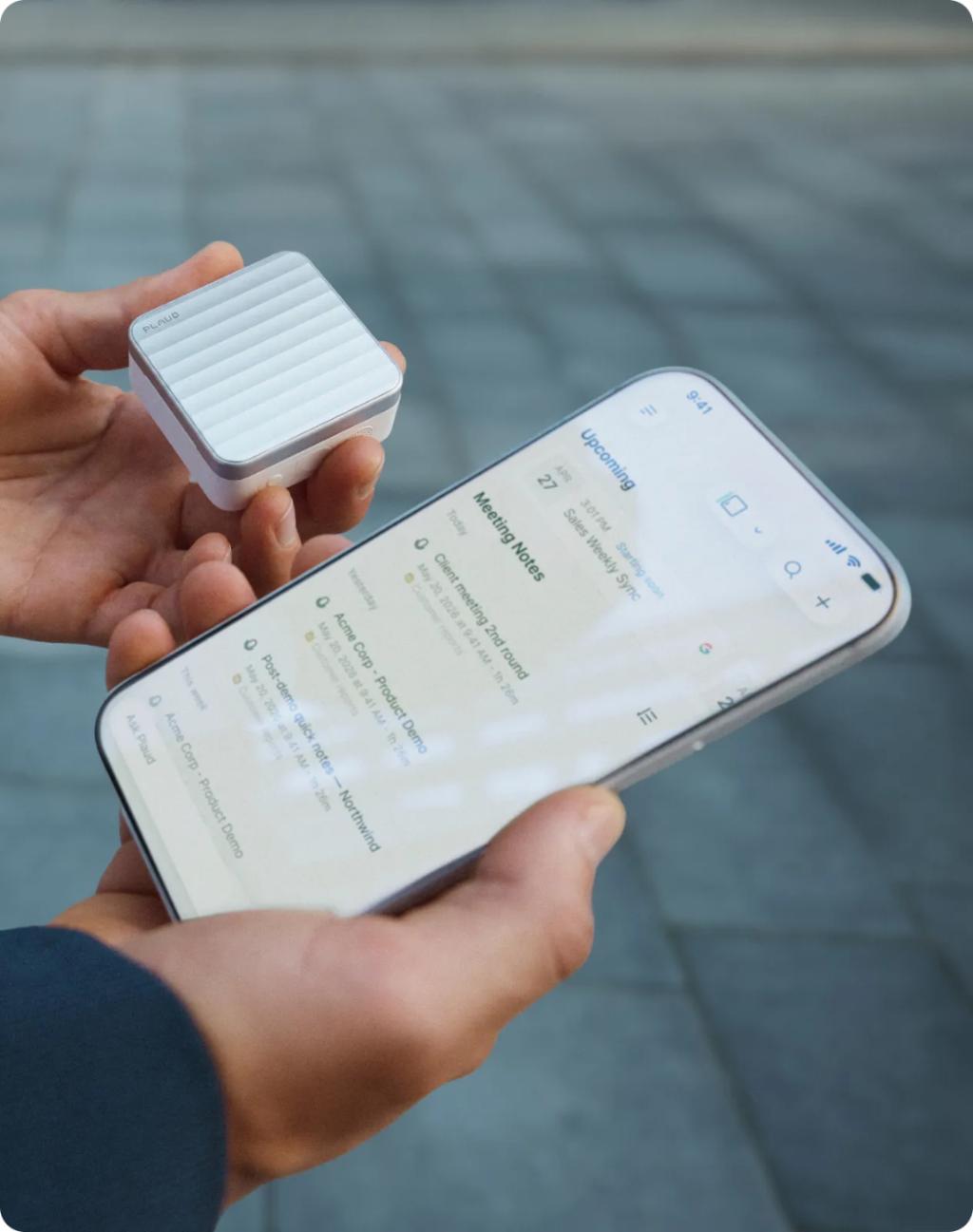
This also explains why Plaud chose to enter the earbud market, which is far more crowded than the AI recorder market, after Note and NotePin.
It does not necessarily suddenly want to become an earbud company, but is looking for a more daily-used software entry point with larger coverage than card-shaped and clip-on products.
This path is significantly different from that of traditional earbud manufacturers. For traditional earbud manufacturers, AI is usually a new capability attached to earbuds. Real-time translation, voice assistant, meeting summary can all become new selling points of next-generation products, but the ultimate goal is still to make consumers choose this pair of earbuds.
Therefore, Plaud One has a rare advantage.
Before Plaud One was launched, it had already built a complete AI software system, subscription system and user workflow through Note and NotePin. What it needs to do now is not to build AI services from scratch starting with a pair of earbuds, but to connect the earbuds to a system that is already running.
Traditional manufacturers are adding AI to earbuds, while Plaud is looking for new hardware entry points for AI.
The entry point competition of AI earbuds
The AI recording device market where Plaud Note and NotePin are located is still relatively niche, so Plaud can establish its position relying on clear functional differences. The competition rules of the earbud market have long been finalized. Sound quality, noise cancellation, wearing comfort, battery life and connection stability are all areas guarded by mature brands.
The Plaud One Explorer Edition priced at $249.99 has directly entered the price range where brands such as Apple, Sony and Bose have long competed. For a brand that makes earbuds for the first time, it is unrealistic to surpass all of them in all traditional indicators such as sound quality, noise cancellation, wearing comfort, battery life and connection stability.
But Plaud probably does not need to win in all these dimensions.
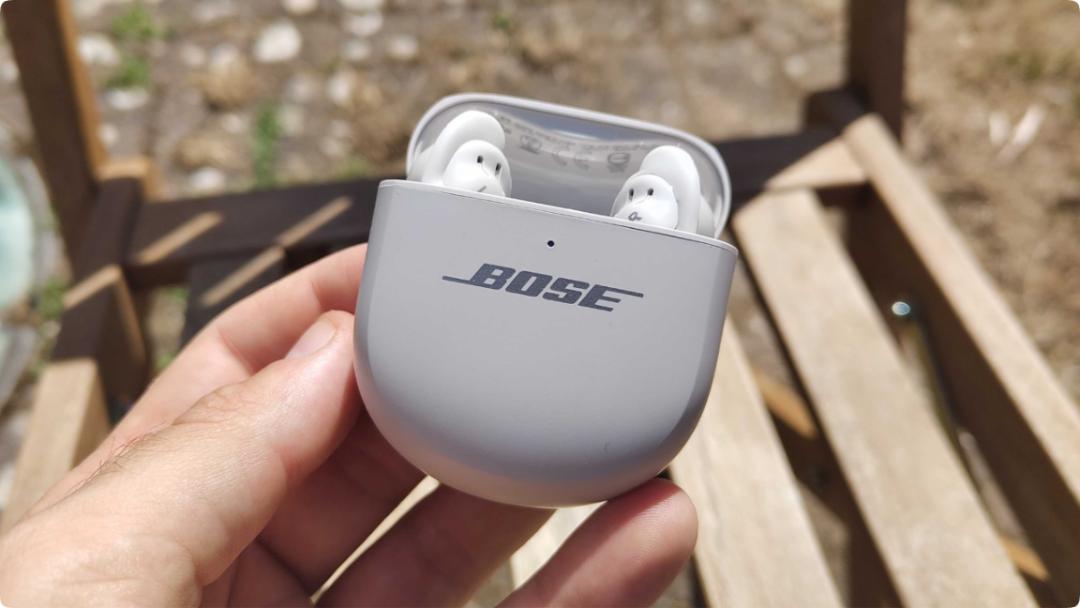
Photo sourced from Bose QuietComfort Ultra Earbuds 2nd Gen
It does not need to define what a better pair of earbuds is, it only needs to change the weight of various demands when specific users buy earbuds.
For people who have to attend meetings, do interviews, visit clients or process a large amount of conversation information every day, if a pair of earbuds can not only play sound well, but also automatically turn all the conversations of the day into transcriptions, summaries, to-dos, emails and even subsequent workflows, then "recording and processing information" itself may become a purchase reason as important as or even more important than sound quality and noise cancellation.
Of course, whether this model can be replicated from the AI recorder market to the earbud market still has no answer for now.
Although Plaud One has been released, the first batch of pre-orders is only open for the Limited Explorer Edition, with a global limited run of 2000 units. Plaud has not announced when the regular retail version will be launched, what its pricing will be, and what kind of software package it will be equipped with.
Judging from the description on the official website, Plaud One is indeed still in the exploration stage, and the actual usage and feedback from the first batch of users will also help Plaud judge where to go next for this product.
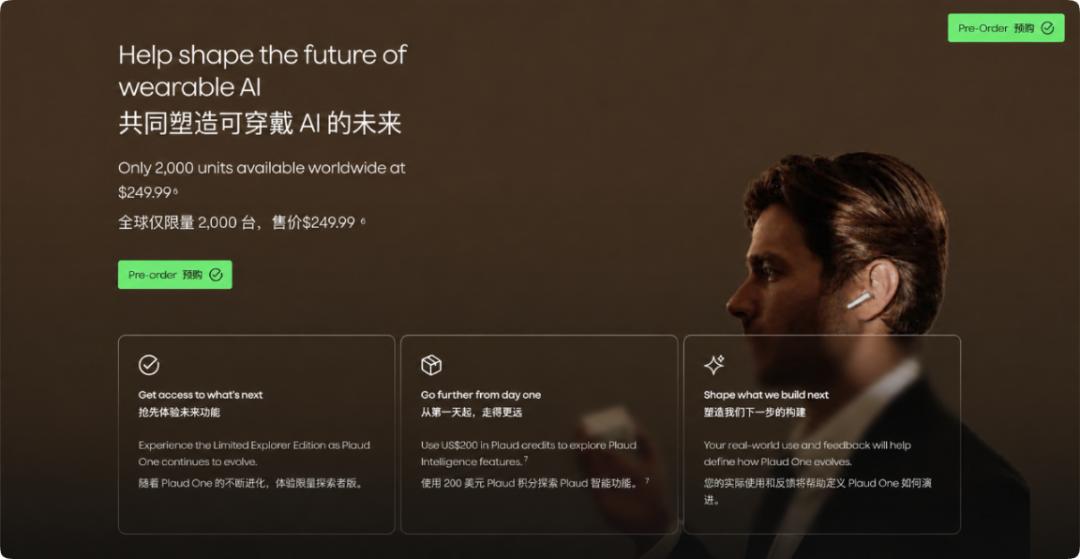
2000 units is obviously just a very small-scale attempt for a consumer hardware brand that has sold millions of devices. Whether consumers are willing to put aside their familiar earbud brands for