An average of 200 cups per day! "Screws" were found in the coffee, yet young people are still vying to check in?
A screw in your coffee? Most people's first reaction would be to file a complaint.
Recently, at a coffee shop in Qingdao, a latte with a "screw" floating on top not only received no negative reviews, but also attracted a large number of young people to make special trips to check in.
It turns out that this is a hardware-themed coffee shop with quirky yet well-executed designs. How did it pull this off?
Screw Latte, Wrench Desserts
Hardware-Themed Coffee Shop Serves 200 Cups Daily on Average
First things first: the "screw" in this latte is not a stray metal part that accidentally fell in.
"Screw Latte" is actually a Gold Brick Sugar Pop Latte, similar to a caramel cameral latte. The "screw" is a candy made from white sugar and baking soda, which customers can add to their coffee themselves to boost flavor and create a sense of ritual.
This creative drink comes from "Screw Coffee", an original coffee brand under the Qingdao Taitong Hardware Store. The first floor is a hardware sales area, and the second floor is a coffee space with an industrial metal aesthetic.
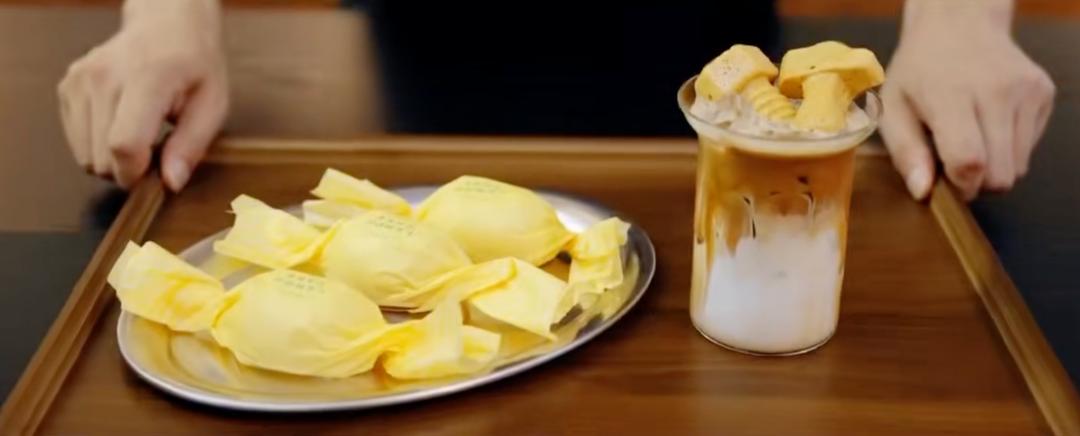
The menu takes hardware elements to the extreme.
The product names are very bold. In addition to the Gold Brick Sugar Pop Latte, the highly popular "The Wonderful World of Concrete" is a rich, flavorful black sesame Dirty.
In addition, there are many signature coffees such as Cement Latte, Screw Cream Mocha, and Jackhammer Americano. It also offers Qingdao-exclusive drinks like Tsingtao Beer Americano and Laoshan Apricot Jam Americano, with each cup priced between 21 and 35 yuan.
The dessert section is the main driver of foot traffic. Hardware tool shapes such as wrenches, pliers, and weights are incredibly realistic, making them perfect material for posts on social media moments with just a quick photo.
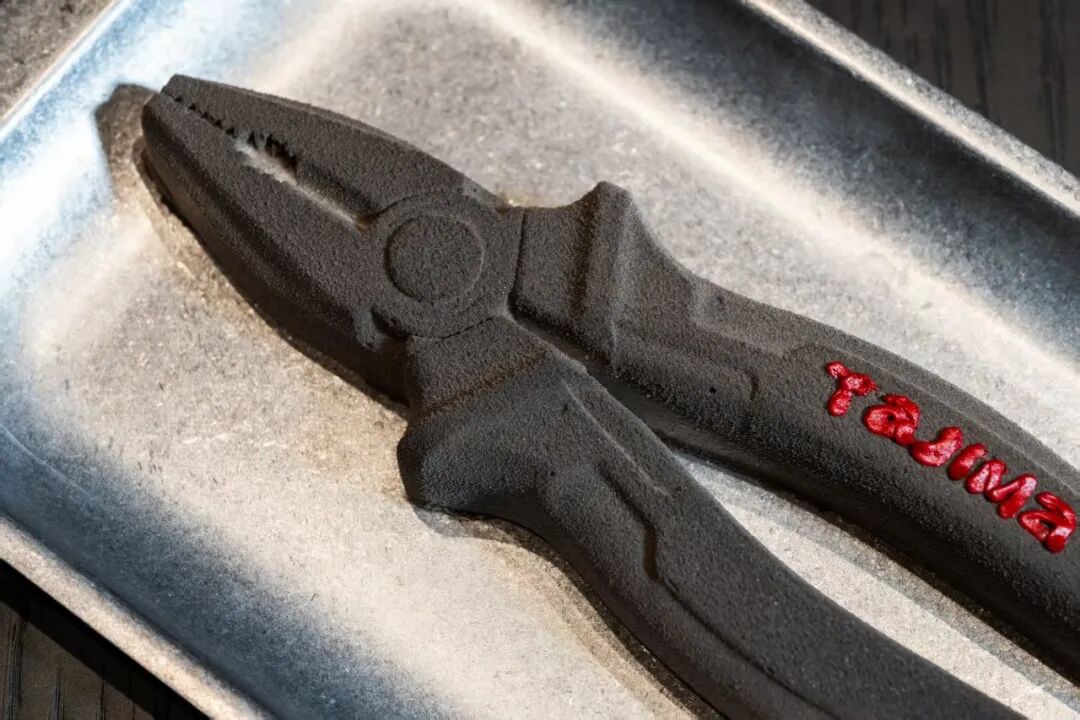
Surprisingly, this shop is not just another "internet-famous store that's only good for photos".
A large number of users on social platforms say their experience exceeded expectations: "The product quality is great! It's not just a gimmick", "Delicious food and drinks, 5-star recommendation". Many customers came initially out of curiosity, but ended up being won over by the products and became regulars.
According to Zhao Yang, the shop's owner, after the store reopened after renovation in early August, the average daily cup output has remained stable at around 200 cups, which is 2 to 3 times the previous figure.
In her opinion, the combination of hardware and coffee has a natural sense of contrast. "The development process is very fun. The difficulty lies in continuous innovation: while the appearance is creative, the taste must not fall behind."
Copper Hot Pot Coffee, Soy Sauce King Americano
Behind the Quirky Appearance is a Qualified Cup of Coffee
Apart from Screw Coffee, I have also observed multiple new creative coffee cases, all with quirky shapes and a full sense of ritual.
A hutong coffee shop in Beijing recently launched "Old Beijing Hot Pot Double Set Meal": a mini brass pot filled with iced latte, accompanied by 5 plates of exquisite side dishes. Its appearance is realistic enough to fool people.
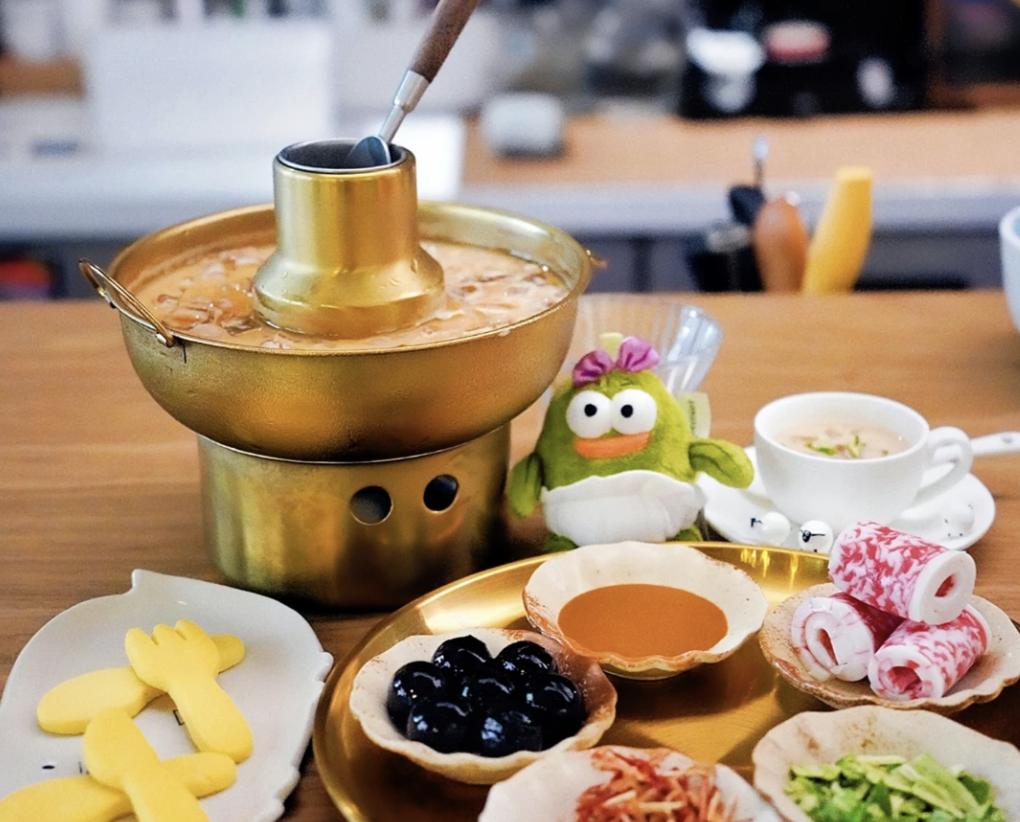
Image from Xiaohongshu @ Shanmu 0505, used with authorization
In fact, the "snowflake meat roll" is strawberry mousse, the "hot pot ball" is grass jelly, the "scallion and coriander" are recreated with freeze-dried vegetables such as kale, the "fermented bean curd" is made with strawberry jam, and there is a plate of authentic sesame paste. While drinking coffee, consumers get the full ritual experience of "Old Beijing mutton hot pot".
SIMPLE Coffee in Guangzhou has won countless fans with a cup of "Whole Chicken Latte": corn panna cotta is made into the shape of a whole white cut chicken, and pouring coffee liquid over it instantly turns it into a soy sauce chicken, full of fun.
Recently, it launched "Soy Sauce King Americano", where the Americano is served in a soy sauce pot, and mango and panna cotta recreate the shape of rice rolls, delivering an immersive Cantonese morning tea experience.
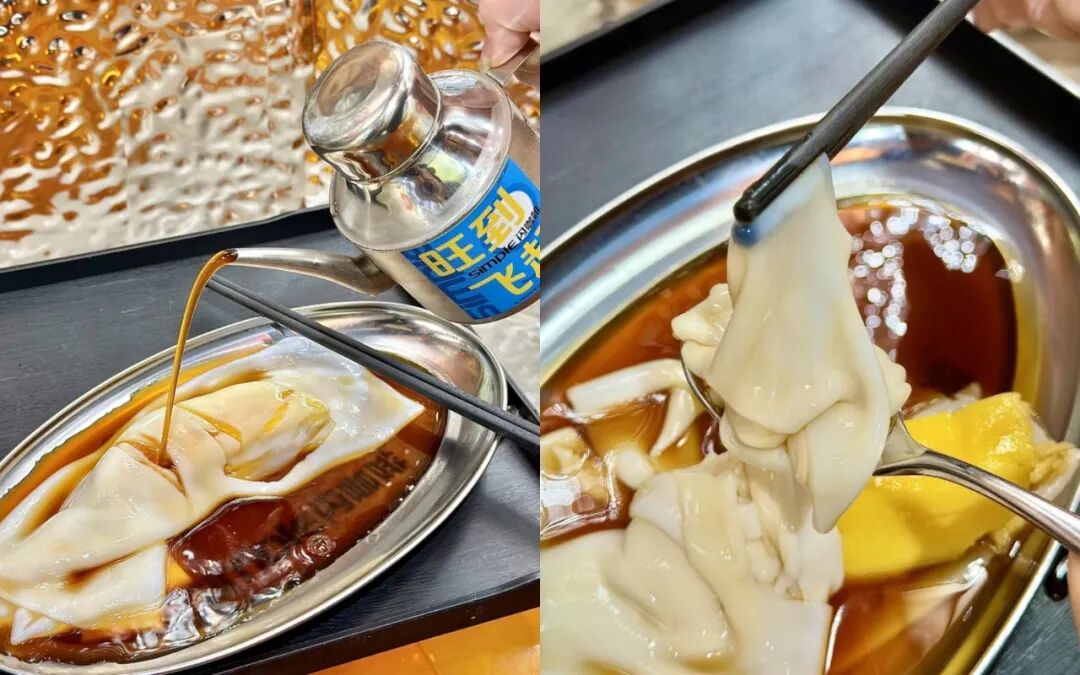
Image from Xiaohongshu @ Bbbanana ya, used with authorization
The common point of all these cases is: The coffee itself is well-made and does not cut corners.
The copper pot holds proper iced latte, not some weird liquid mixed with hot pot base; the white cut chicken is corn panna cotta, not real chicken soaked in coffee; what pours out of the soy sauce pot is Americano, and the rice roll is also a dessert.
In other words, they use a seemingly "absurd" outer shell to serve a qualified cup of coffee.
Recalling the octopus coffee, preserved egg latte, insect coffee that once appeared... they often fell into the controversy of being "dark cuisine". They relied on heavy novelty and piled up cross-border ingredients, sacrificing the flavor of coffee itself to grab attention, and were quickly abandoned by consumers once the hype faded.
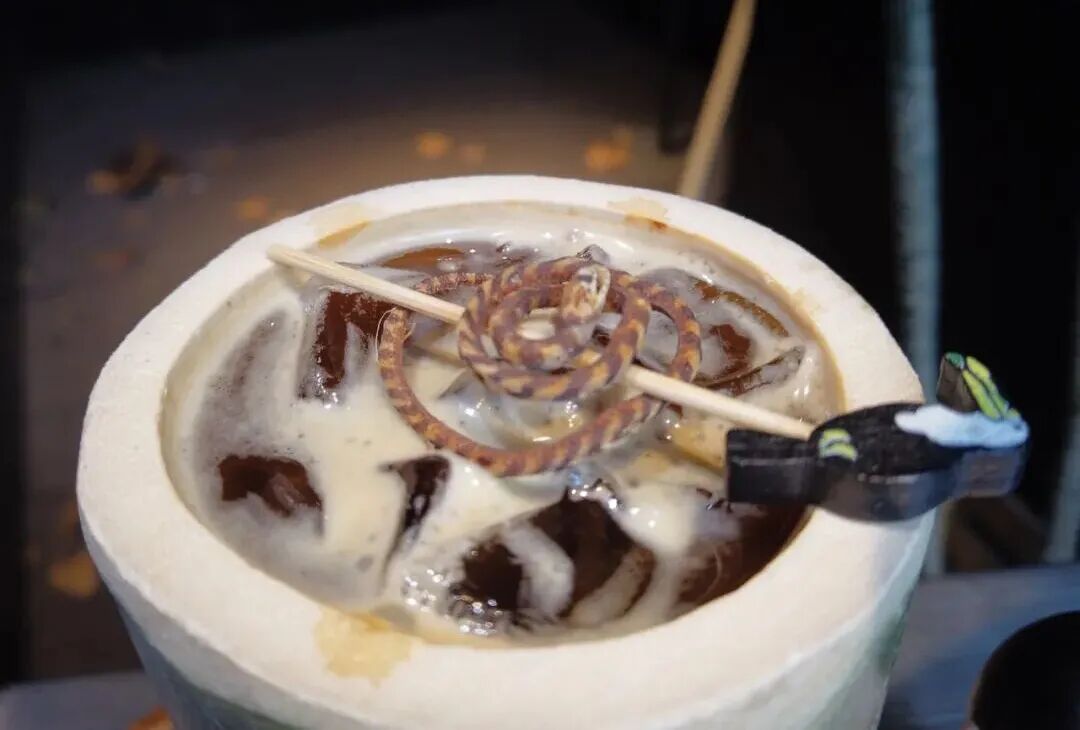
But the creative coffees that are popular now no longer come at the cost of taste. The products seem wild and imaginative, but surprisingly reasonable when you taste them carefully. The focus is more on shape, scene and sense of ritual — Gimmicks are a plus, but good taste is the bottom line.
This is a proven mature strategy that has been verified by countless independent coffee shops.
BATHE COFFEE, founded in Shanghai in 2019, became popular for its soap-shaped cakes and bathhouse-style decor. It has since continuously launched creative signature drinks, frequently appears at major coffee festivals, and is still a must-visit spot on Yongkang Road.
Chain Store Ratio Approaching 43%
The Way Out for Independent Coffee Shops Lies in "Emotion and Expression"
Of course, the popularity of this batch of creative coffee does not mean that all independent shops can copy the model.
Screw Coffee, copper pot latte, they only solved the problem of "being noticed" with creativity. What really retains consumers is still the product taste, service experience and store atmosphere.
The 2026 China Urban Coffee Development Report shows that in 2025, the national coffee industry reached a scale of 354.9 billion yuan, a year-on-year increase of 13.3%. The per capita coffee consumption across the country reached 28.57 cups, a further increase from 22.24 cups in 2024.
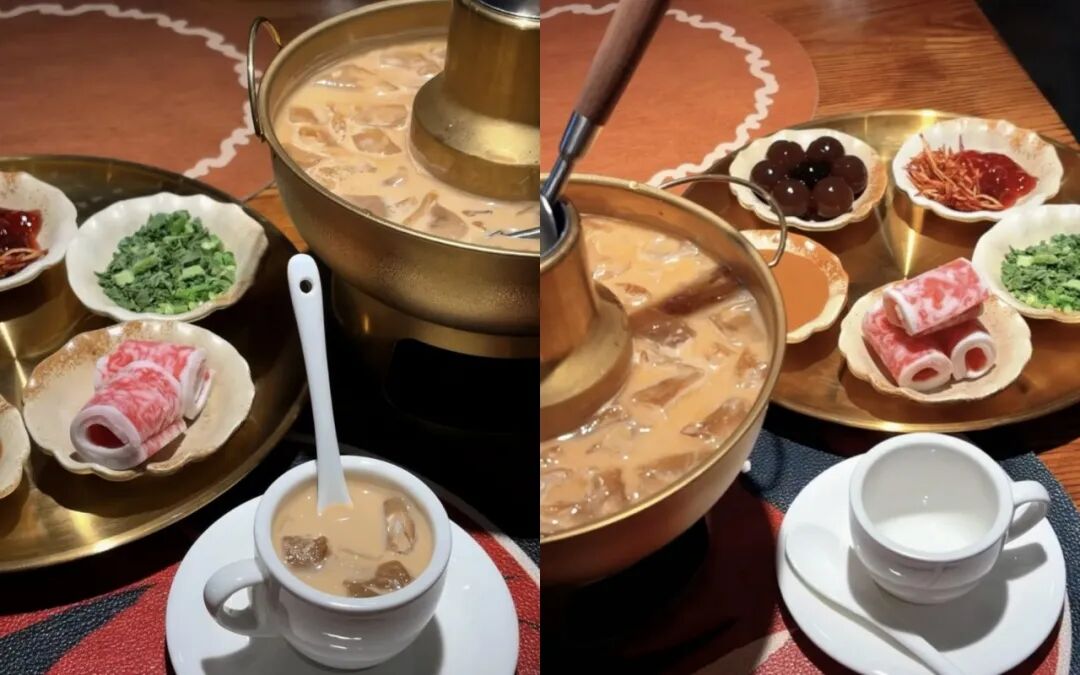
Image from Xiaohongshu @ Bitong Dawang, used with authorization
As the market pie grows bigger, the survival pressure on independent coffee shops keeps increasing.
Data from Zhaimen Can Yan shows that as of August 2026, the chain store ratio of coffee shops in China has reached 42.52%, a steady rise from 31.42% in 2024 and 37.84% in 2025.
In this context, if independent coffee shops still stay on the idea of "my beans are great" or "I have a unique style", and simply compete on hardware and cost performance, they will hardly stand a chance.
The real breakthrough lies in competing for what large chains can never standardize: emotion and personal expression.
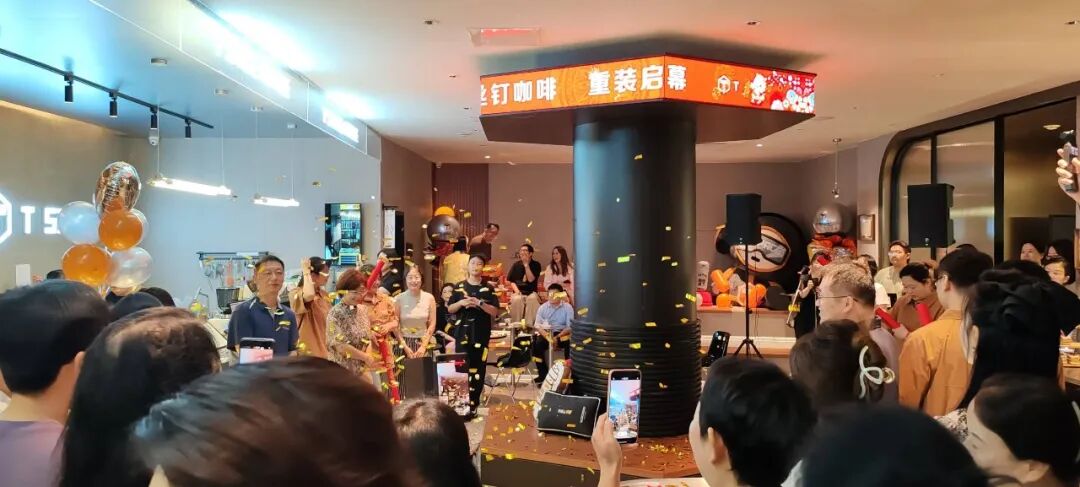
At present, a large number of independent coffee shop owners are not professionally trained baristas: there are office workers, designers, photographers, and cross-industry entrepreneurs. For them, running a coffee shop is not just a business, but also an outlet for self-expression.
They integrate their unique life experiences into the store, attract like-minded people with their aesthetic tastes, values and lifestyles, and meet more refined consumer demands with personality and depth.
Chain coffee shops compete for efficiency, specialty coffee shops compete for flavor, and characteristic independent coffee shops compete for experience. The coffee track is never a one-way street: it can accommodate the rapid expansion of 10,000-store chains, and it can also accommodate the "small absurdity" of selling coffee in a hardware store.
Behind young people's novelty-seeking check-ins, what they are really looking for is a one-of-a-kind emotional experience in a cup of coffee.
On the basis of making good products, the passion and thoughts poured in by the shop owner are the best way out for independent coffee shops.
This article is from the WeChat official account "Kamen" (ID: KamenClub), written by Zhang Jin, republished with authorization from 36Kr.