Tomorrowland Returns: If you truly understand young people, go to the live scenes they love.
Written by | Yang Liu
Cover Source | Budweiser Official
Today's young people are increasingly particular about "what to pair with their drinks" when consuming alcohol.
Compared with the business dinners, social engagements and toasting persuasion familiar to the older generation, young people prefer to follow their interests with their glasses: going to their favorite performances, hanging out in Livehouses, dancing from afternoon to late night at music festivals, or even just drinking because they have just met someone they can chat well with. Beer is more like a "vibe buddy" — gathering people who share the same passion and bringing them to clink glasses casually.
At the most popular music festivals right now, we find these changes are being amplified concentratedly: young people's beer socialization is evolving, and the relationship between them and brands is also being redefined.
An International Electronic Music Festival, A World Of Shared Passion
There are many music festivals in the world, but there is only one Tomorrowland.
DJ Azure, a user of Xiaohongshu, still remembers the scene when it first landed in Shanghai in 2025: that night, tens of thousands of people crowded into the venue, the stunning Paperworld stage unfolded in front of everyone, the lights swept across the crowd, and the low-frequency beats hit the chest again and again. Some people moved to the rhythm, while others met new friends in sweat and lights. After the show, he wrote: "Everyone who was there will remember this moment for a lifetime."
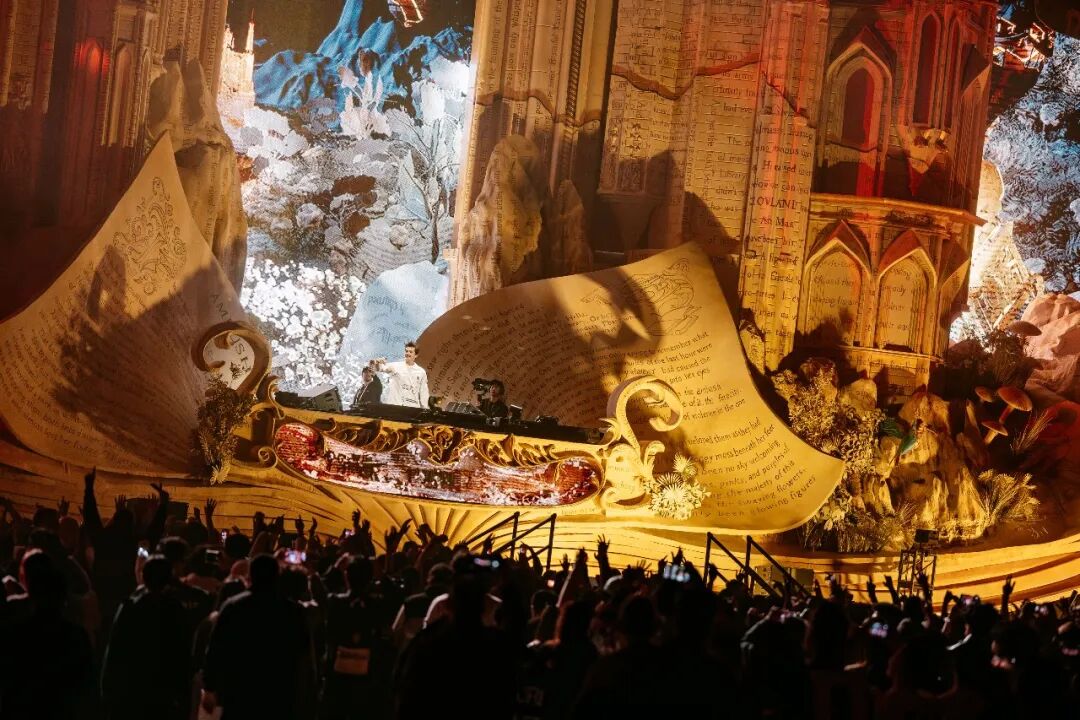
The main stage of 2025 The Magic of Tomorrowland
Born in the small town of Boom, Belgium in 2005, Tomorrowland has become one of the most iconic electronic music IPs in the world with its top electronic music lineup, highly imaginative stage design and immersive experience. But what makes it truly unique is not just offering a performance, but building a "world" that fans can step into personally through thematic artistic narration and community culture. Here, music is the common language, and freedom, inclusiveness and connection form the deeper cultural foundation.
Now its main venue in Belgium spans two weekends every year, attracting 400,000 music fans from all over the world, and is regarded by many electronic music players as a pilgrimage site that "you must visit at least once in your life".
Che Qi, Chief Marketing Officer of Budweiser China, first visited the scene more than ten years ago, and still remembers one scene: when the countdown to the park opening sounded, "Ten, nine, eight..." the gate opened, the first group of people rushing in even cried while walking.
This year, this "electronic music carnival" will appear in Shanghai again. On October 17 and 18, Tomorrowland will join hands with global partners Budweiser, Hero Esports and INS LAND New Paradise to land at Shanghai Hero Dome for the second time.
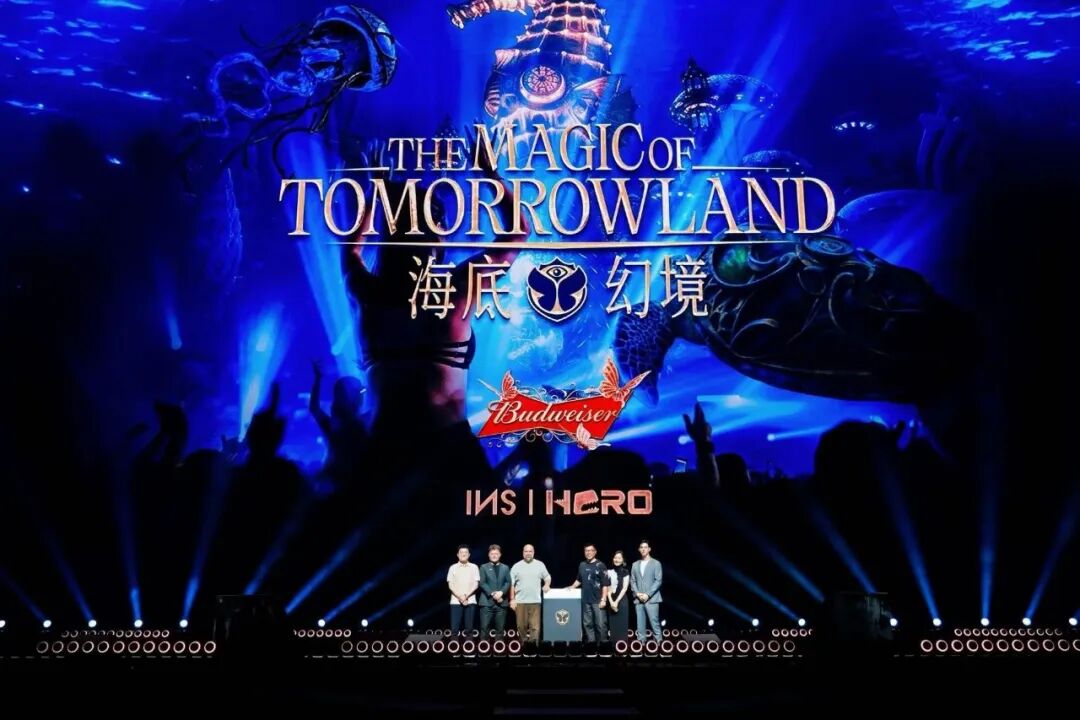
The launch site of 2026 "The Magic of Tomorrowland · Subsea Fantasy"
In fact, Tomorrowland's arrival in China is not a sudden "surprise landing". Budweiser Group's global cooperation with it started in 2016. Since then, it has continuously brought the wonderful live scenes of Tomorrowland to domestic social media, and also taken Chinese electronic music fans to Belgium for "pilgrimage". It is one of the earliest brands participating in the spread of domestic electronic music culture. From IP sponsorship to co-creation of content and offline experience, the cooperation boundary between the two sides has been expanding continuously.
The key opportunity came in 2023. Michel Doukeris, CEO of Budweiser Group, proposed at the International Business Leaders Advisory Council (IBLAC) for the Mayor of Shanghai that he hoped to introduce iconic event IP with global influence to enrich the city's cultural and consumption experience. Two years later, this super electronic music IP landed in China for the first time, opening at Hero Dome · The Bund, the trend landmark of Shanghai's nightlife.
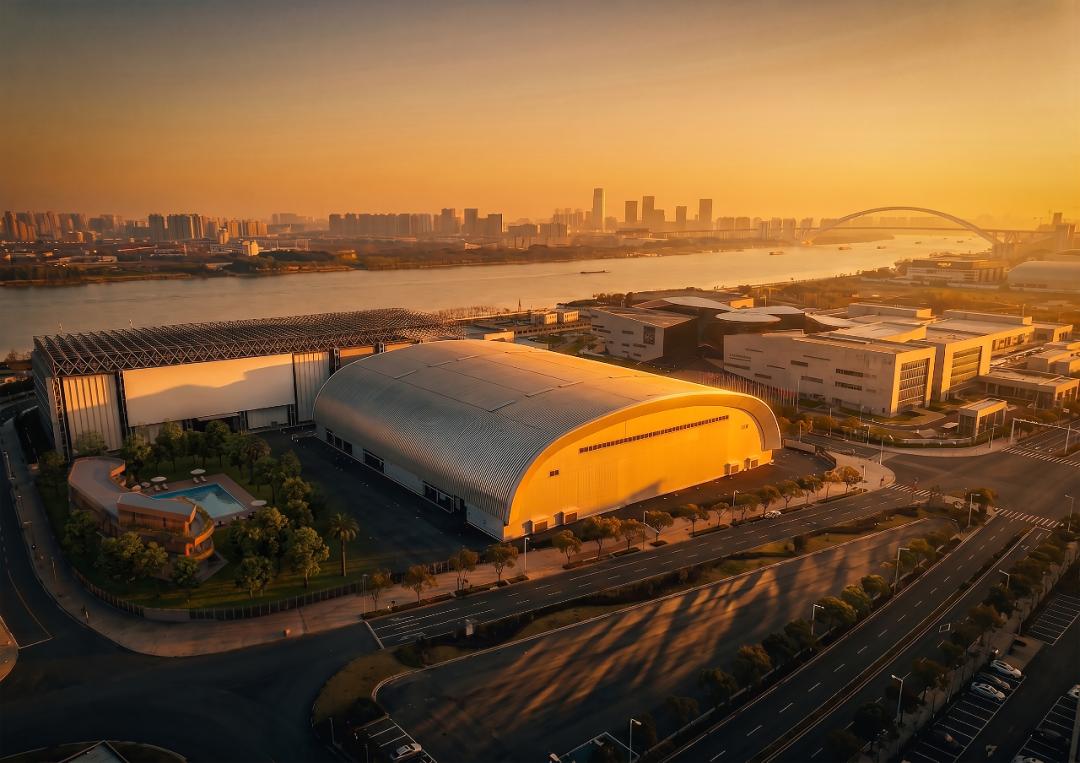
Shanghai Hero Dome · The Bund
And this year, everything will continue to be upgraded. This year's main stage will take Planaxis "Subsea Fantasy", the classic theme of Tomorrowland, as its inspiration, with giant ocean imagery, lights and immersive vision jointly constructing a surreal world; the two days will feature different artist lineups. Budweiser will also set up an immersive experience area built based on the concept of Budweiser Live, and create multiple on-site surprises to integrate music, beer and celebration together.
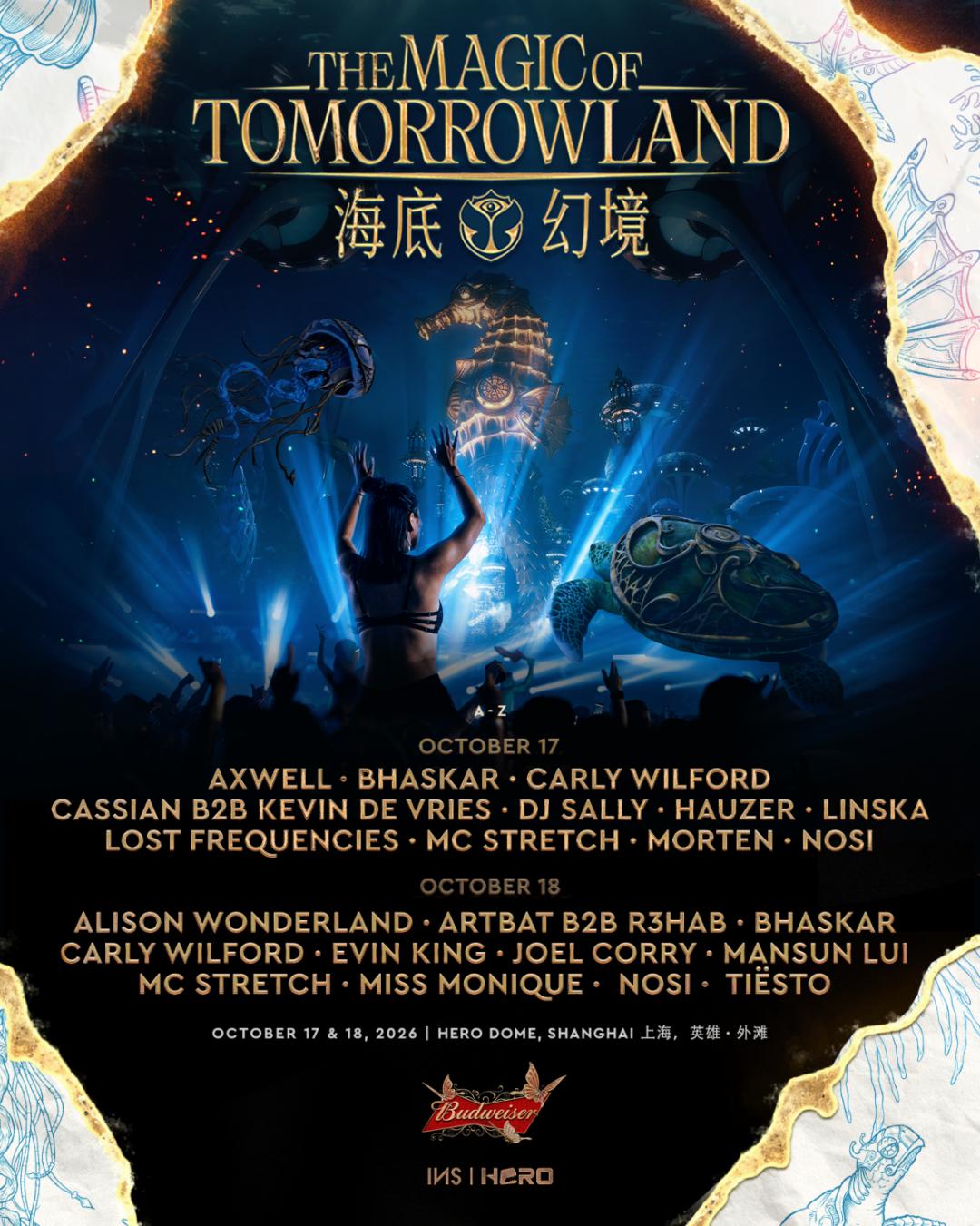
Why Budweiser and Tomorrowland? The answer is not just the natural fit between "electronic music" and "beer".
The spirit of Tomorrowland is "Live Today, Love Tomorrow, Unite Forever". At the scene, the first sentence strangers meet is often "Where are you from?" Flags of different countries float in the crowd, but identity, position and income are temporarily left outside the door. "Even if you are the CEO of a company, it doesn't matter there, everyone is free." Che Qi told "Post-wave Research Institute".
Many fans at the Shanghai scene last year said that it doesn't matter whether you speak the same language or not, nor where you come from. Pass a glass of beer and you can start a conversation in a few words.
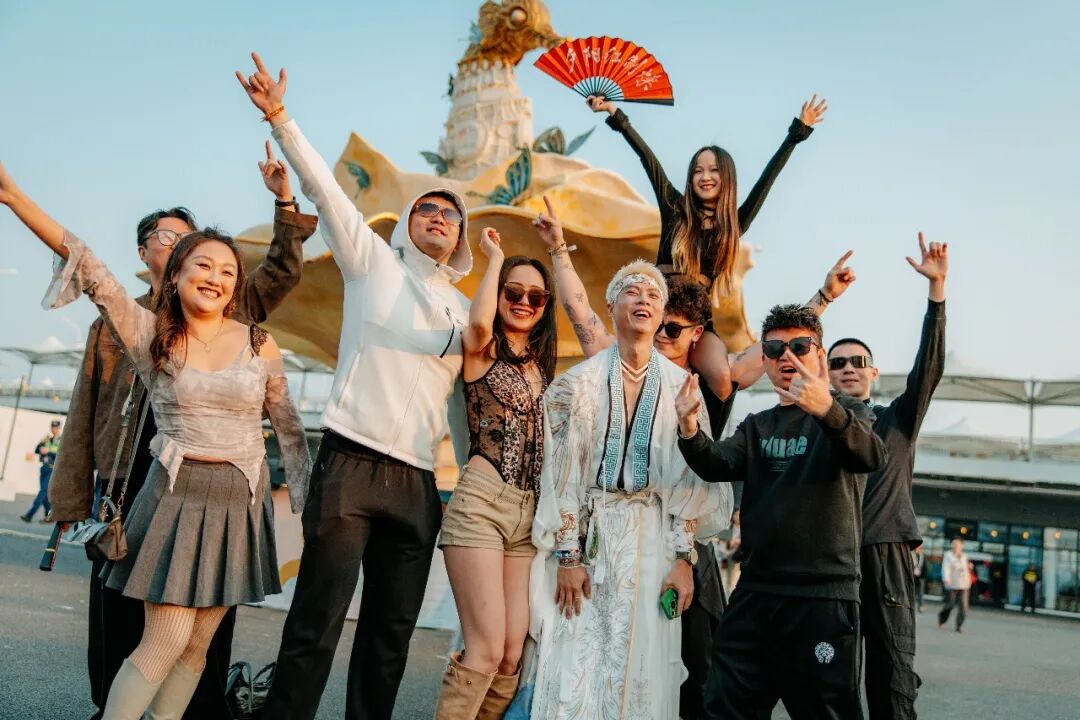
2025 The Magic of Tomorrowland Scene
Tomorrowland presents a very obvious change in the "beer socialization" of young people today: they don't drink for the sake of socialization. Instead, with favorite music, similar interests and shared emotions, beer naturally has a reason to appear. It makes clinking glasses a part of celebration, and also gives strangers a reason to start a conversation.
Following this more proactive and attitude-driven social way, Budweiser also launched the "Subsea Fantasy" limited edition Budweiser Black Gold this year. As the high-end product line of the Budweiser brand family, Budweiser Black Gold has a richer and smoother taste, which fits the warm and enjoyable atmosphere of the music festival.
Budweiser Black Gold is brewed with a blend of two types of malt, with an extended brewing time: it has the burnt aroma of roasted malt, while retaining the mellow aroma of classic malt. With 5% alcohol content, it still tastes smooth with a slight sweet aftertaste, which is in line with the consistent quality sense of the Budweiser brand family.
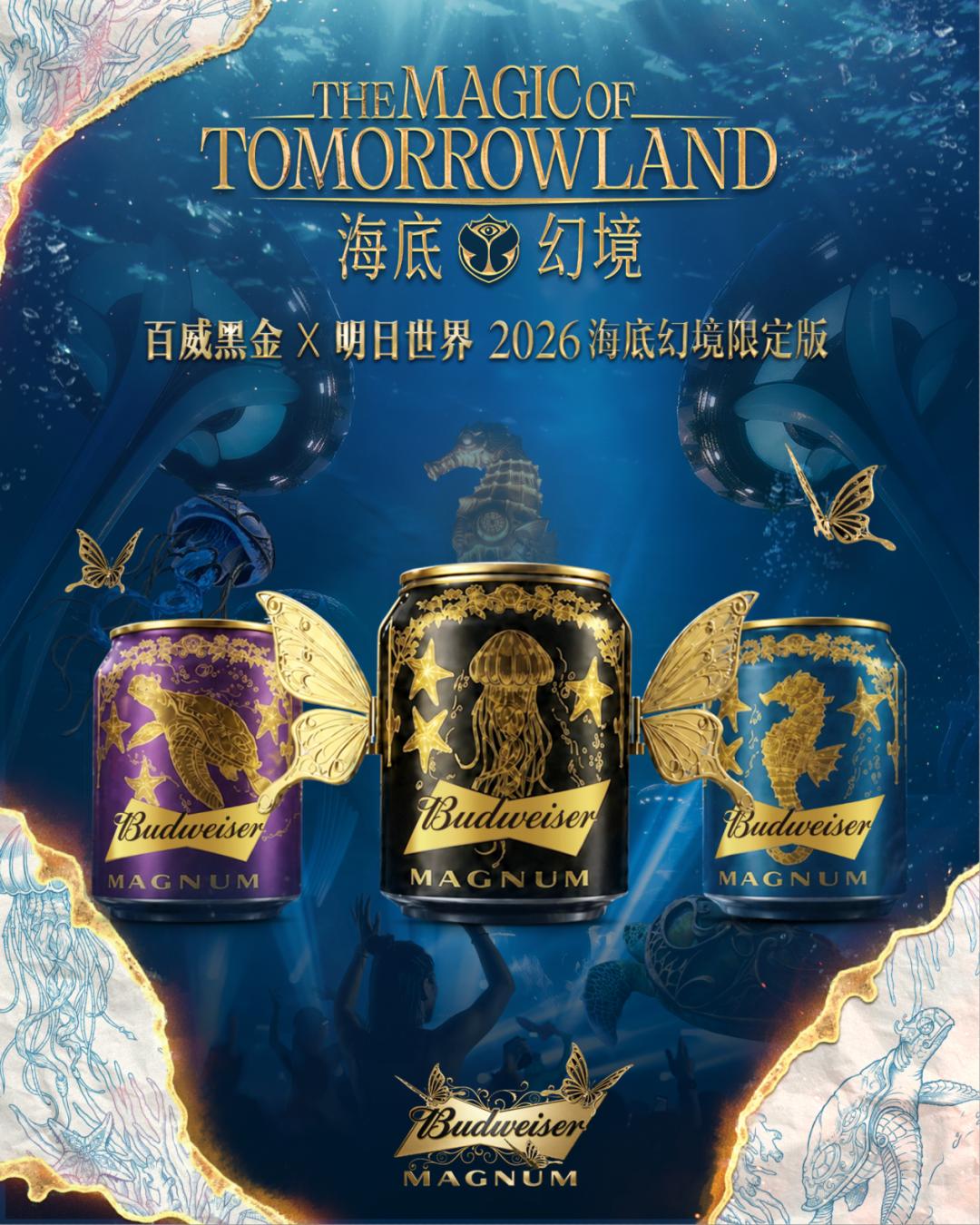
The packaging also has a sharp style. The black and gold color scheme inherits the classic elements of Budweiser, but adds a bit of edge; the limited packaging integrates the mystery and dreaminess of "Subsea Fantasy" into the classic black and gold color scheme. Che Qi described it this way: a little maverick, "cool but not aloof, with a very soft heart inside". Placed at the Tomorrowland scene, this personality is very appropriate — the music is explosive, the beer is stronger, and everyone has more fun.
Music brings people with shared passion together, and beer becomes a way to share this moment. A wonderful night just happens in this way.
From Selling Beer To Young People, To Living In Young People's Passions
Nowadays, it is increasingly difficult for consumer brands to make friends with young people.
They are exposed to too many advertisements every day, and have long been used to swiping away the straightforward "promotion" quickly. Compared with what the brand says on its own, a more effective way is to appear in the places they really love, and have fun with them.
After last year's event, Budweiser received some unexpected feedback.
There were only 20,000 people at the scene, but many electronic music players voluntarily posted their on-site experiences on Moments and social media. "Budweiser is awesome, they can bring such an international music festival here" "Budweiser even has its own Freedom Stage"... One offline event quickly sparked the second and third rounds of discussions beyond the core players.
"When young people in Shanghai are willing to talk about Budweiser on weekends, this thing itself makes me very happy." Che Qi told "Post-wave Research Institute". For a consumer product that is readily available, becoming a topic that young people actively discuss is itself a rare brand asset.
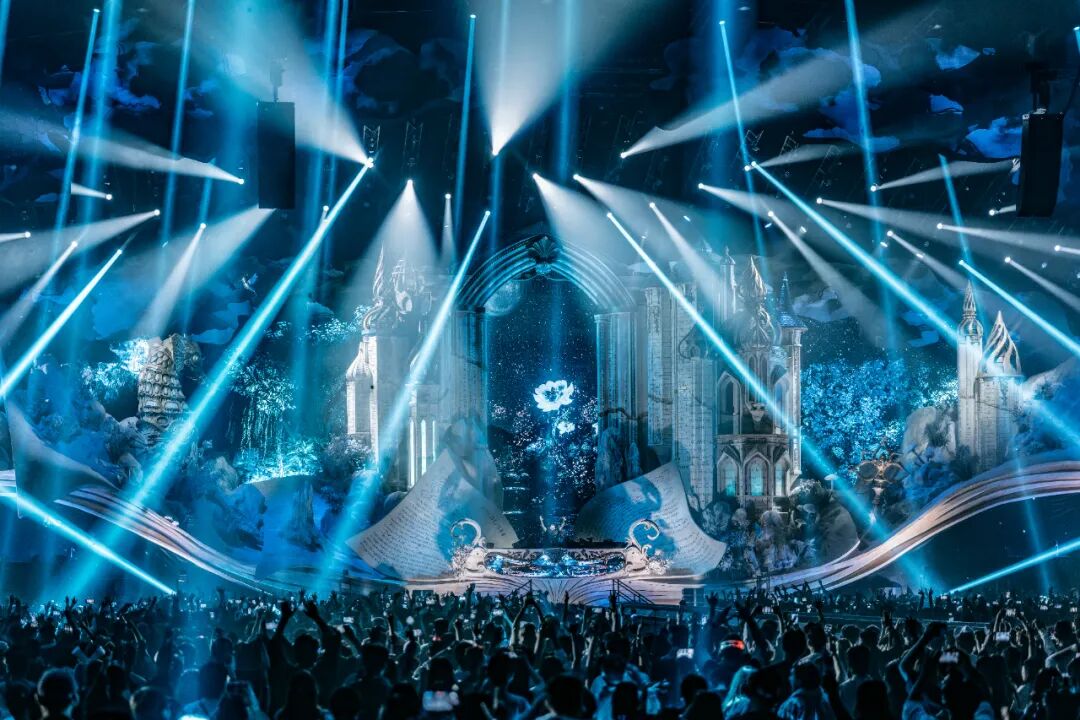
2025 The Magic of Tomorrowland Scene
This also catches a change in young people's consumption today: interests are getting more and more segmented, but the circles have increasingly strong spillover capabilities. A 2025 Z-generation consumption survey shows that cultural and entertainment experiences such as music festivals and Livehouses have become important emotional consumption options for young people; compared with the brand's unilateral creation of buzz, real sharing spreading from "fanatics" to the general public is more likely to enter the vision of young people.
So in Che Qi's opinion, the most important indicator to measure Tomorrowland is not how much beer is sold at the scene.
"Any large FMCG brand that does large-scale sponsorship is most likely to be asked about sales." But from the very beginning, he made it very clear to the sales team: this event will not be evaluated by the sales volume of the day or the month. Compared with an immediate conversion, Tomorrowland is more like "planting something" in the hearts of consumers — Budweiser is trendy, international, and understands what I like.
This invisible influence later appeared in the data. Budweiser's monthly brand health survey shows that after the event, young consumers' recognition of Budweiser's favorability, trendiness and internationality has improved; the change is even more obvious among people interested in music and electronic music.
Its influence also spills over the brand itself. Data from Budweiser shows that 63.4% of the audience at last year's scene came from cities outside Shanghai in China, and 18.2% came from overseas. The average foreign tourists stayed in Shanghai for 3 to 5 days. From music festivals to hotels, catering, entertainment and night consumption, one event eventually became a "city business card" that attracts young people to Shanghai.
In fact, Tomorrowland is just a microcosm of Budweiser's search for "super cultural entry points".
The "Mega Brands & Mega Platforms" strategy promoted by Budweiser Group in recent years has a simple logic: concentrate resources on the most important brands, and also on the places where consumers are most willing to invest time and emotions — music and sports.
Therefore, from music festivals such as Tomorrowland and Creamfields, to BUD LIVE which debuted in Shanghai in 2025 and invited OneRepublic, from FIFA World Cup, Olympic Games to NBA, Budweiser Group keeps entering the interest scenes of young people, and builds continuous relationships with different circles.
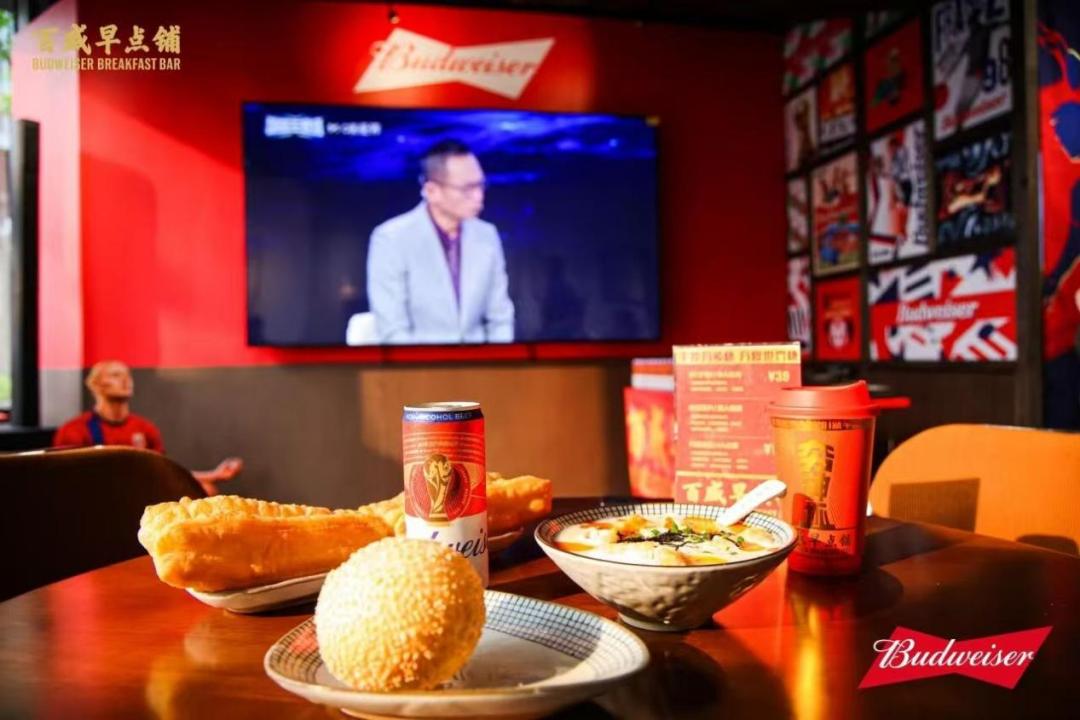
"Budweiser Breakfast Shop" during the World Cup
This year's World Cup, this set of tactics even adopted a more down-to-earth approach for China. Aiming at the fact that many matches are held in the early morning, Budweiser moved the "match watching party" to breakfast time — the brand's "Budweiser Breakfast Shop" covered 300 cities across the country and 11,000 stores, combining match watching, breakfast and Budweiser non-alcoholic beer, accompanying Chinese fans to watch the World Cup in a different way.
This is probably the true meaning of "being with young people": "Live in the passions of young people, and young people will naturally understand you."
From simply selling a bottle of beer, to entering the world of music, sports and social relationships, Budweiser is making beer a way for young people to build connections with their interests, identities and emotions.
A Glass Of Beer Makes "Everything Worth Celebrating"
As the domestic beer market matures, the competition between brands is no longer just "who has more channels", but "who understands young people's lifestyle better".
In the past, when talking about nightlife, people usually thought of bars, KTVs and nightclubs; now, young people may eat at bistro, listen to songs in Livehouse, laugh until they slap the table at an open mic talk show, or on weekends, a few friends put on music at home, order takeout and open a few bottles of beer.
Gatherings are getting smaller, and