Teaming up to run businesses, they are striking gold in the "diversified operation" space.
When the new generation of consumers are no longer satisfied with the purpose-driven consumption of "buy and go", but turn to pursue scenario-based, one-stop, experiential diversified values, brick-and-mortar businesses in 2026 have also begun to explore new growth points within their limited store space.
As a result, composite operation has become a trial direction for more and more physical stores. This type of business format that integrates two or more complementary formats to realize spatial symbiosis and customer flow sharing has also reconstructed the profit model of offline stores due to its outstanding performance in extending customer stay time, activating secondary consumption, and improving sales per square meter and repurchase rate.
1. Laundromat + Café: New Business Opportunities During Waiting Time
Against the backdrop of continuous expansion of urban rental groups, young people living alone, and office workers, self-service laundry has gradually become a high-frequency and rigid-demand life service for urban residents. However, traditional single laundromats only focus on basic washing and care services, lack leisure, social and experiential attributes, cannot drive customers' secondary consumption, and have very limited room for business growth. Thus, the composite exploration of "laundry +" came into being and became a brand-new direction for the transformation and upgrading of traditional laundry stores. Among them, cafes are inherently endowed with the scenario attributes of leisure and light social interaction, which are highly compatible with the laundry waiting scenario, making them the most popular and most suitable cross-format partner for laundry stores at present.
In recent years, innovative composite stores of "laundry + coffee" have been launched in many domestic cities first. For example, the "ifunwash" store in Changsha creates a Japanese-style bright composite space, where consumers can drink coffee, work from home or socialize for leisure during their free time waiting for laundry; "City Laundry Coffee" has also emerged in Qingdao, the store divides an independent coffee leisure area and a full-category fine washing area, which can complete one-stop washing and care of clothes, shoes and luxury goods; Shenzhen's "DrumUp Cafe" is rooted in Longhua Community, focusing on trendy industrial style space design, integrating self-service washing and drying, specialty coffee and light food, deeply combining housework laundry with daily leisure and convenient services...
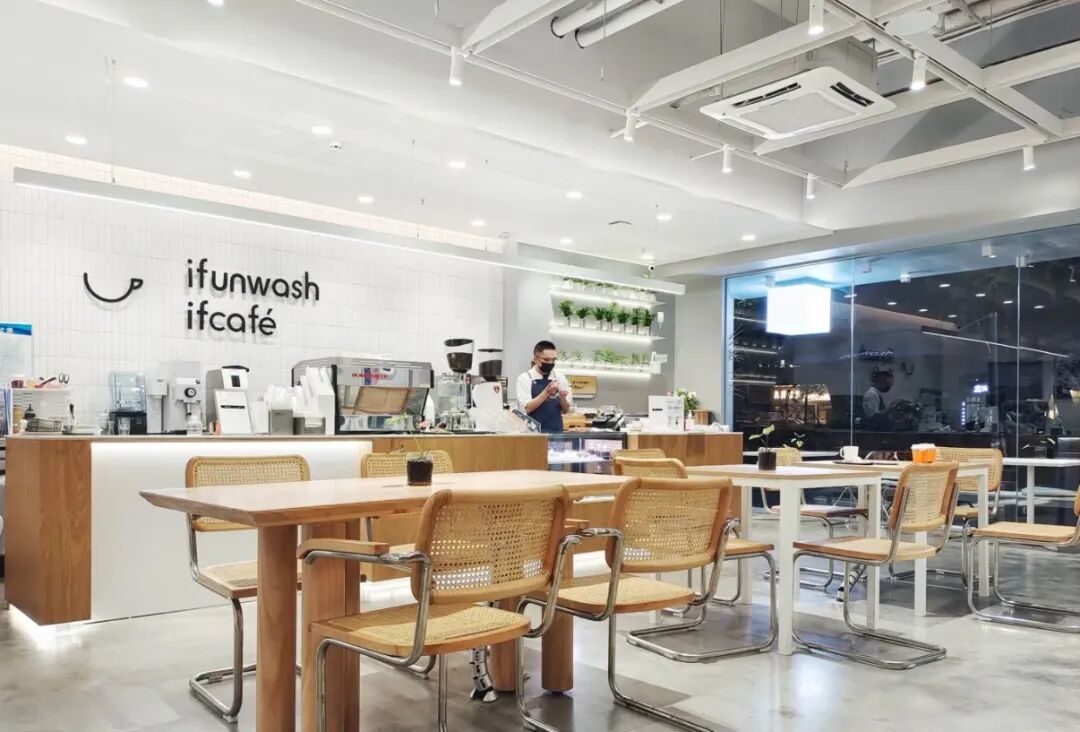
*Image source: ifunwash Dianping account
In fact, this innovative format has long had mature operating stores overseas. For example, "Brainwash" in San Francisco, USA and "Freddy Leck" in Germany are both representative laundry cafes. It is worth mentioning that the cross-border idea of the laundry business format is far more than matching with coffee.
For example, "LAUNDRY HOLIDAY" in Ehime Prefecture, Japan is renovated from an old warehouse, with complete self-service laundry equipment on one side and an ice cream stall on the other. The long laundry table in the store can be converted into a table tennis table. While waiting for the laundry, people can eat, drink and interact for leisure, turning the housework waiting time into a relaxed social time, and it also sells laundry bags and washing peripherals to build its own brand.
Although this format has scenario advantages and mature overseas references, the domestic market is still in the initial trial stage on the whole. According to the observation of Jingzhe Research Institute, at present, most domestic stores, whether independent individual stores or chain brands, only conduct single-point store tests, and have not formed a standardized and scalable replication system, with the overall penetration rate of the industry being relatively low. Moreover, the closure of well-known domestic cross-border brands EnjoyLaundryCafe in Chengdu and Xika in Nanjing also highlights the practical difficulties in the domestic operation of this format, confirming that there are still many shortcomings in the localized adaptation of the model.
Considering the current industry status and format characteristics, the "laundry + coffee" model is especially suitable for deeply cultivating the surrounding convenient consumer market. However, restricted by multiple factors such as the transformation cost of store scenarios, the operation difficulty of composite formats, and the differences in national consumption habits, this format can only exist as a characteristic niche store at present, and has not become a popular mainstream commercial form among the public.
2. Wet Market + Museum: Art Originates From Life and Boosts Life
For a long time, the public impression of traditional wet markets has always remained at the level of messy, noisy and single-functional livelihood consumption places, whose core value is only limited to the sale of fresh ingredients, and the consumer groups are mostly middle-aged and elderly people, so the spatial value and cultural value have been ignored for a long time.
But this year, with the continuous advancement of urban renewal and the gradual rise of street culture tourism, the functional positioning of wet markets has ushered in iterative upgrading, becoming a core public scenario that carries the urban atmosphere of daily life, inherits regional culture and preserves folk memories.
Under this trend, the cross-border integration of wet markets and museums has become a new breakthrough for the transformation and upgrading of traditional wet markets, deeply binding the public's high-frequency daily consumption scenarios with low-frequency immersive cultural experiences, creating a new composite format of "street commerce + local cultural tourism". The core competitiveness of this format is concentrated in complementary customer flow, scenario upgrading and diversified profitability, and it has achieved initial results in practice, with many representative projects with unique features emerging across the country.
For example, Henan Museum cooperated with Juancha to create "the museum in the wet market", placing replica cultural relics such as the Lotus and Crane Square Pot and the Green Glazed Pottery Dog in the fruit and vegetable stalls, matching with IP roaming, treasure hunting and stamp collecting activities, which quickly attracted a large number of young people to check in; Tianjin Lele Wet Market opened folk custom performance and cultural and creative sales areas while retaining the complete fresh food format, and now it has become a must-visit city landmark for foreign tourists; Hangzhou Xixi Wet Market relies on the wetland fishing and farming culture to create a "corner museum", showing the local culture of Jiangcun, wetland plants, traditional delicacies and old farming methods through the form of "physical objects + specimens + texts".
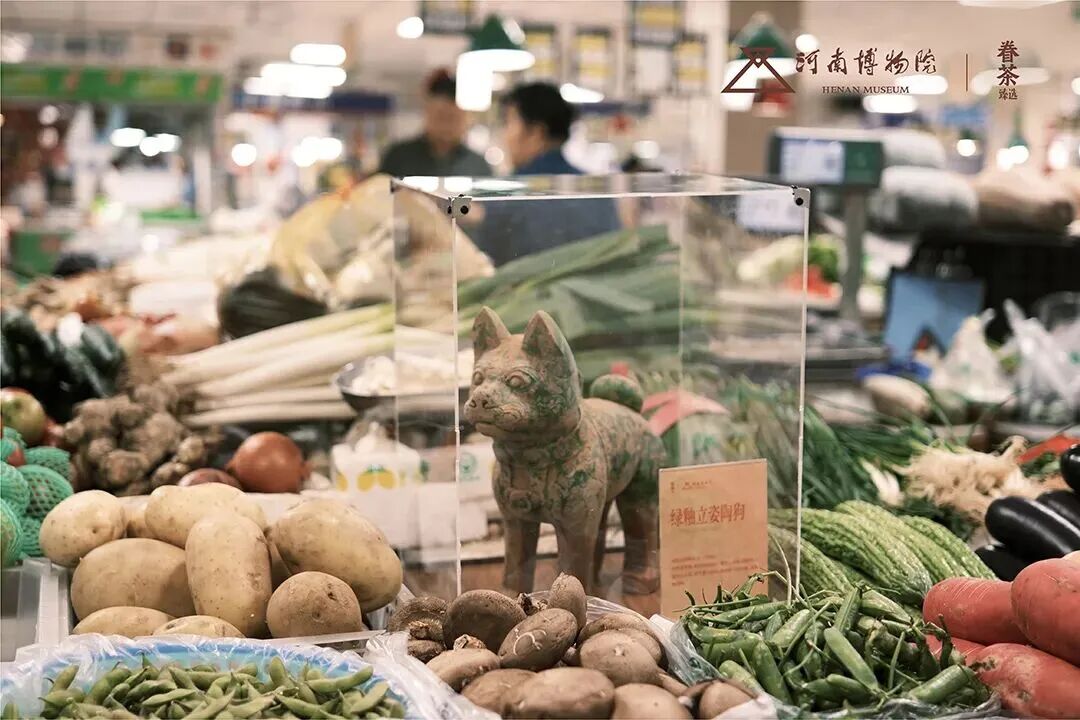
*Image source: Henan Museum official WeChat account
In the process of pursuing popularity and popularity, the transformed "internet-famous wet market" has also encountered new problems: with the massive influx of tourist passenger flow, many markets have gradually shown signs of price fluctuation and environmental disorder. As the number of visitors who come specially to take photos and commemorate is increasing, while the number of consumers who really come to buy vegetables has decreased instead, the daily purchasing habits of local residents and the internal ecology of the market have been affected accordingly. In addition, continuously updating cultural exhibits requires additional funds and planning manpower, with a high cost threshold. Excessive preference for cultural tourism transformation will raise operating costs and damage the basic livelihood function, while excessive emphasis on sales will lose cultural characteristics.
It can be seen that although the integration of wet market and museum is a high-quality format suitable for the upgrading of urban business districts, with both public welfare cultural value and commercial development potential, its long-term development still needs to face up to many contradictions. In the process of implementation, only by accurately grasping the balance between the rigid demand for people's livelihood and cultural tourism experience can we achieve sustainable win-win results of economic and social benefits.
3. Barbershop + Bar: Get a Haircut in the Day, Drink at Night
As Generation Z becomes the main consumer force, the consumption logic of the beauty industry has ushered in in-depth iteration. Different from the single demand of traditional consumers who focus on the final effect of hairdressing, young groups pay more attention to the sense of relaxation, ritual and social attributes in the consumption process. Under this trend, the competitiveness of traditional barbershops with solidified models and single services continues to decline. Coupled with the industry's homogeneous involution and weak performance growth, the transformation and upgrading of the beauty industry is imminent. As a result, the cross-border composite Barbershop format of "hairdressing + drinks" has quickly become popular and become a core new track for the industry to break through.
Since 2021, domestic composite hairdressing stores have achieved explosive growth. This boom is the result of the combined effect of the upgrading of public aesthetics, the iteration of consumption concepts and the improvement of men's social needs: street and hip-hop trend culture is widely penetrated, men's fine appearance management has become a new consumption trend, exquisite styling and capable appearance have become the daily standard for young men, and men's consumption demand in the beauty industry continues to be released. At the same time, such cross-border stores generally extend their business hours to late night, breaking the time limit of traditional barbershops, integrating hairdressing services and leisure social scenarios, creating an urban "third space" different from family and workplace, which accurately meets the leisure and social needs of young people.
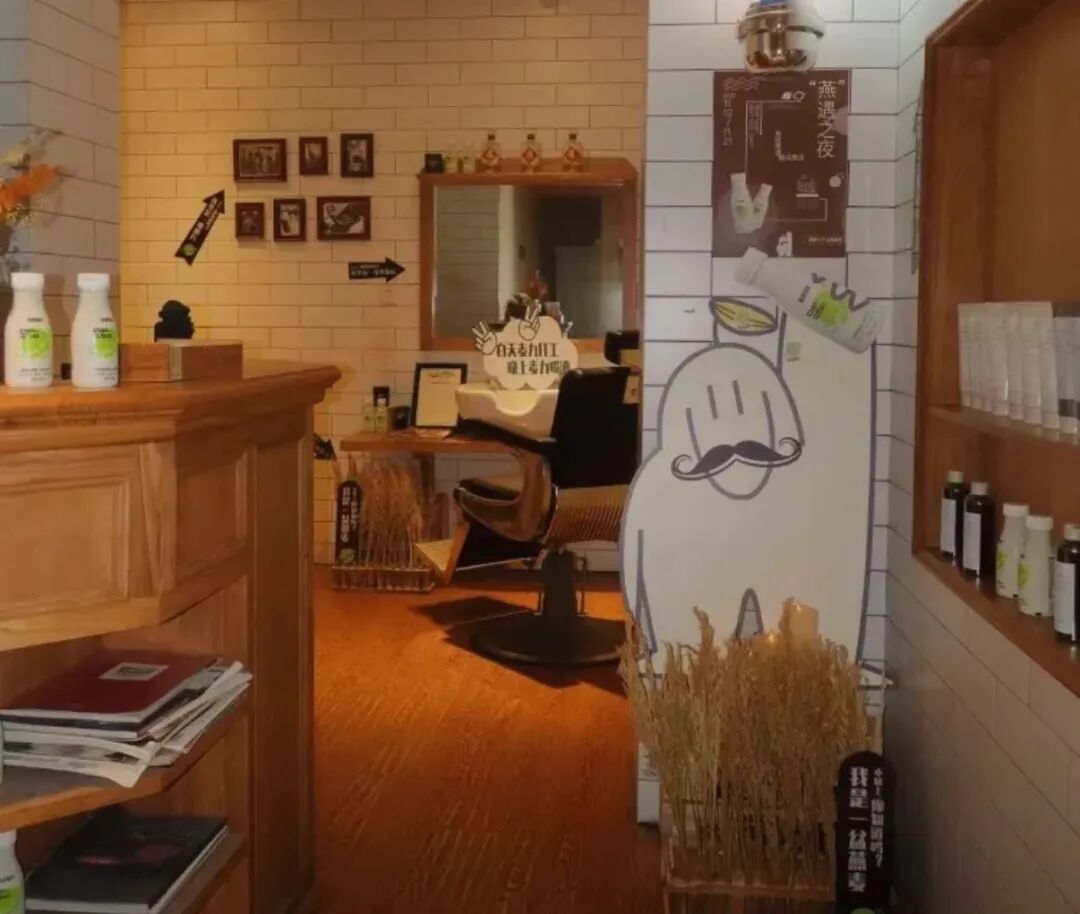
*Image source: BARBER SHOP Dianping account
This innovative format was first launched in internet-famous blocks and young business districts of first- and second-tier cities, building core competitiveness with differentiated immersive scenarios. Taking Shanghai as an example, the American retro style Barbershop on Yongjia Road creates a unique experience with the characteristic design of entering through a hidden door controlled by a wine bottle mechanism; W Hotel also once cooperated with a brand barbershop to launch a pop-up space combining retro haircut and afternoon tea. Characteristic scenarios, high-value decoration and immersive experience make such stores get rid of homogeneous competition. Consumers not only need to make appointments in advance for consumption, but also the stores have become popular social check-in spots for young people, maintaining high popularity continuously.
Behind the rising popularity, the integration of the two formats puts forward extremely high requirements for the comprehensive capabilities of the store. The store must not only ensure the professionalism and stability of core hairdressing services such as haircutting and washing, but also control the output quality of craft beer and drinks. At the same time, it needs to maintain the scene atmosphere for a long time and optimize the whole process of services, which poses great challenges to the team's professionalism, operation ability and detail service standard. The limitations of customer groups and scenarios are also prominent. This format is highly focused on young consumer groups, extremely dependent on high-quality passenger flow such as core business districts and university towns, and it is difficult to adapt to the business model of community stores. On the whole, hairdressing + drinks is a niche high-quality format targeting the needs of Generation Z, with prominent differentiated competitive advantages, but narrow applicable scenarios and high operation threshold.
4. Study Room + Flower Shop: Spiritual Massage for Exam Takers
Against the backdrop of the continuous expansion of groups preparing for civil service exams, postgraduate entrance exams and professional qualification exams, paid study rooms have become a rigid-demand scenario for urban youth. According to the forecast of iiMedia Data Center, the industry user scale will rise to 11.76 million in 2026, nearly 13 times higher than 850,000 in 2018, with sufficient growth space.
However, traditional study rooms have a single profit structure, relying heavily on venue leasing, and are easily trapped in the dilemma of low-price involution under the impact of homogeneous competition and AI study rooms. In this context, the composite format of "study room + flower shop" has quietly risen, providing a brand-new idea for the traditional study room industry to break through.
The popularity of this cross-border model is fundamentally derived from the high adaptation, complementary and symbiosis of the two formats of study room and flower shop at the customer group and scenario level. From the perspective of consumer groups, the core customer groups of study rooms are mainly students, office workers preparing for exams and young working women, and these young groups are exactly the main consumer groups of flower art consumption. From the perspective of space experience, traditional study rooms generally have the problems of monotonous atmosphere and weak experience, while fresh flowers and green plants have the inherent characteristics of healing and soothing, which greatly optimizes the immersive experience of consumers.
At present, many entrepreneurs have captured this market opportunity. According to the report of "Xinyu Youth", Deng Qi, the owner of the "Qiuri Heguang" store in Xinyu Ancient Village, insight into the psychological needs of contemporary youth who are under great pressure in exam preparation and urgently need a relaxed and healing learning space, upgraded and transformed the original store. On the basis of retaining the characteristic courtyard flower art space, an immersive self-service study area is added, so that exam takers can effectively relieve their exam preparation anxiety while studying at their desks.
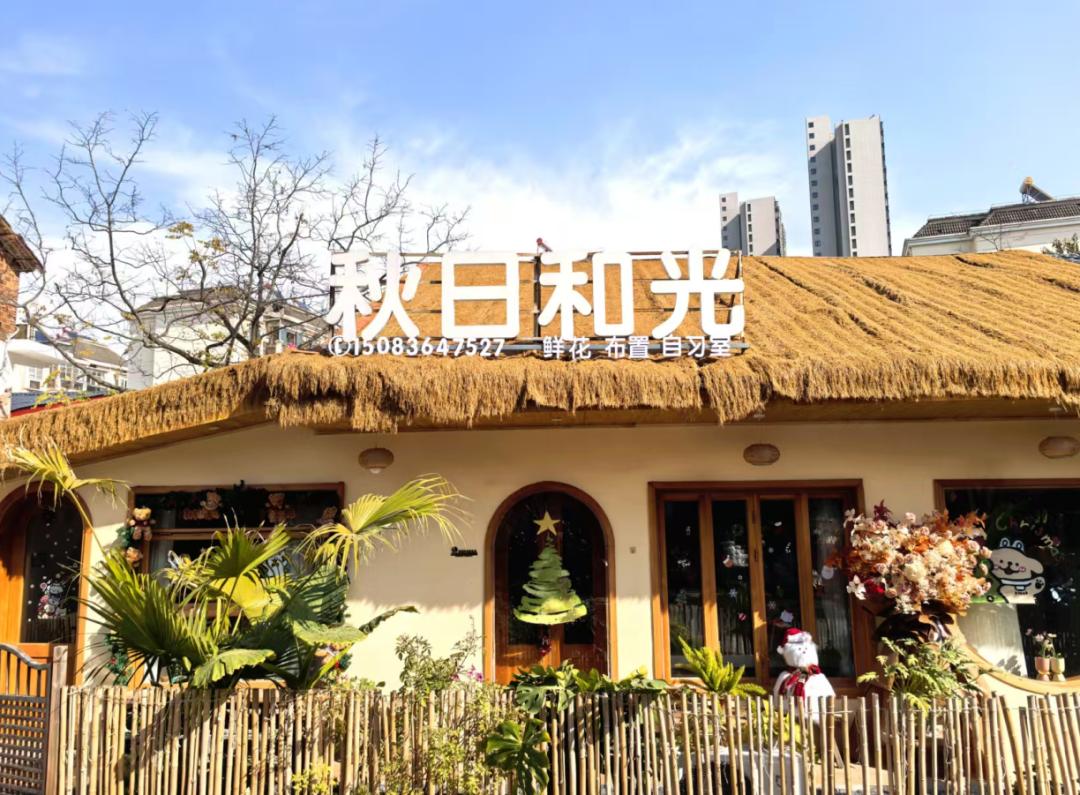
*Image source: Xinyu Youth official WeChat account
Compared with the single business model of traditional study rooms, the core advantage of the cross-border integration model of "study room + flower shop" is that it broadens the revenue boundary and profit space of the store. On the premise of retaining the basic and stable revenue of study room's regular time leasing, monthly cards, quarterly cards, annual cards and other membership services, we rely on the flower art format to extend a diversified value-added service system and tap new profit growth points. Through personalized and diversified businesses such as daily fresh flower retail, holiday custom bouquets, flower art arrangement for weddings and commercial scenarios, offline flower art experience courses, and potted green plants sales, we create a multi-level and all-round profit matrix, greatly improving the market competitiveness and sustainable operation ability of the store.
At the commercial level, the two formats of study room and flower shop realize resource complementation, mutual benefit and win-win in terms of traffic, scenario and revenue, providing new ideas for the transformation and upgrading of the traditional study room industry; at the social level, this space model with both temperature and texture can not only relieve young people's exam preparation anxiety, heal physical and mental pressure, and help students achieve their goals, but also endow the monotonous commercial consumption space with a warm humanistic background, making the niche entrepreneurial scenario have unique social significance.
5. Gym + Light Food Bar: You Can Work Out and Eat Healthily at the Same Time
Nowadays, post-90s and post-00s generations have gradually become the main force in the consumer market, and the concepts of healthy diet and scientific exercise have also spread across the catering industry. Data from iiMedia Research shows that as early as 2024, the domestic light food market size has exceeded 3.2 trillion yuan, with a year-on-year growth rate of 41.7%, and it is expected to exceed 5 trillion yuan by 2026. Against the background of rapid expansion of the track, the brand-new integrated model of "light food + gym" came into being, directly solving the long-standing pain point of "three points of practice, seven points of diet" in the fitness circle.
For the fitness business format, being equipped with healthy meals can become the core highlight of the store's differentiated services; for light food brands, relying on the precise vertical customer groups of gyms can effectively solve the dilemma of unstable passenger flow and scattered audiences. More importantly, stores can flexibly customize differentiated products such as fat-reducing meals, muscle-building meals and body shaping meals according to different training goals of fitness people, which can not only match user needs, but also greatly increase the customer unit price.
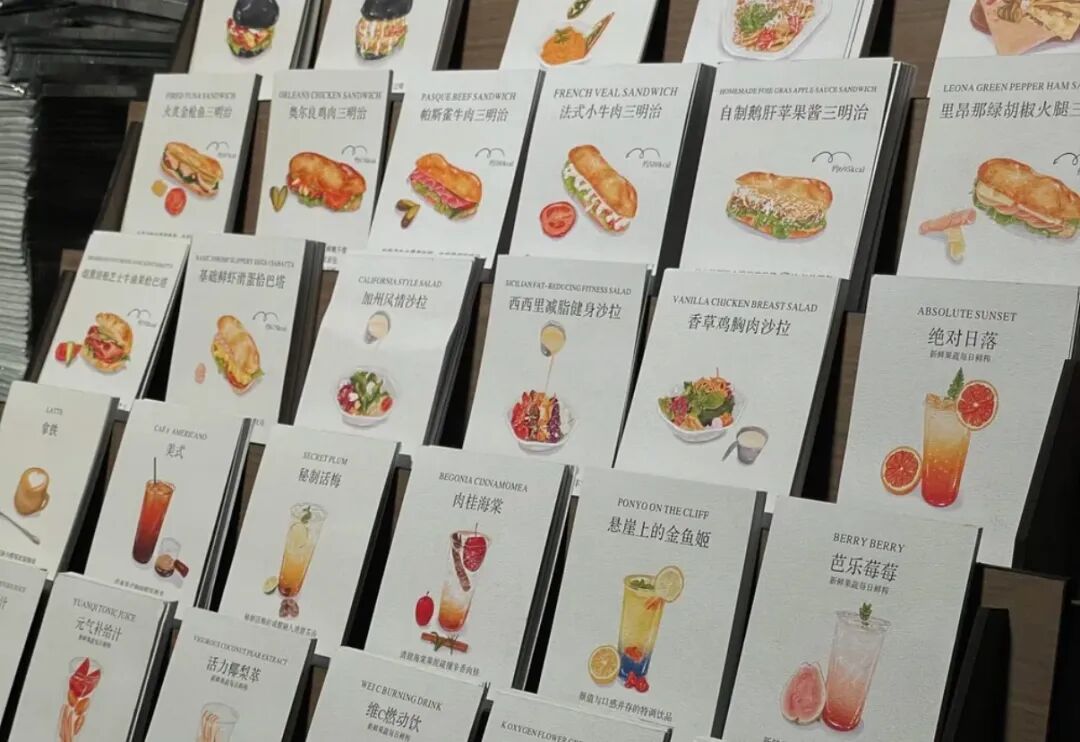
*Image source: BUSHI Fitness Dianping account
Based on these two-way advantages, more and more brands are beginning to explore the in-depth integration of "fitness + catering". Taking Leke Sports, a leading domestic fitness brand, as an example, in 2025, Leke released a multi