Starbucks' "purple milk tea" has become a smash hit, what on earth is the UBE flavor that has gone viral across the entire internet?
Recently, Starbucks has made a "purple milk tea" a huge hit.
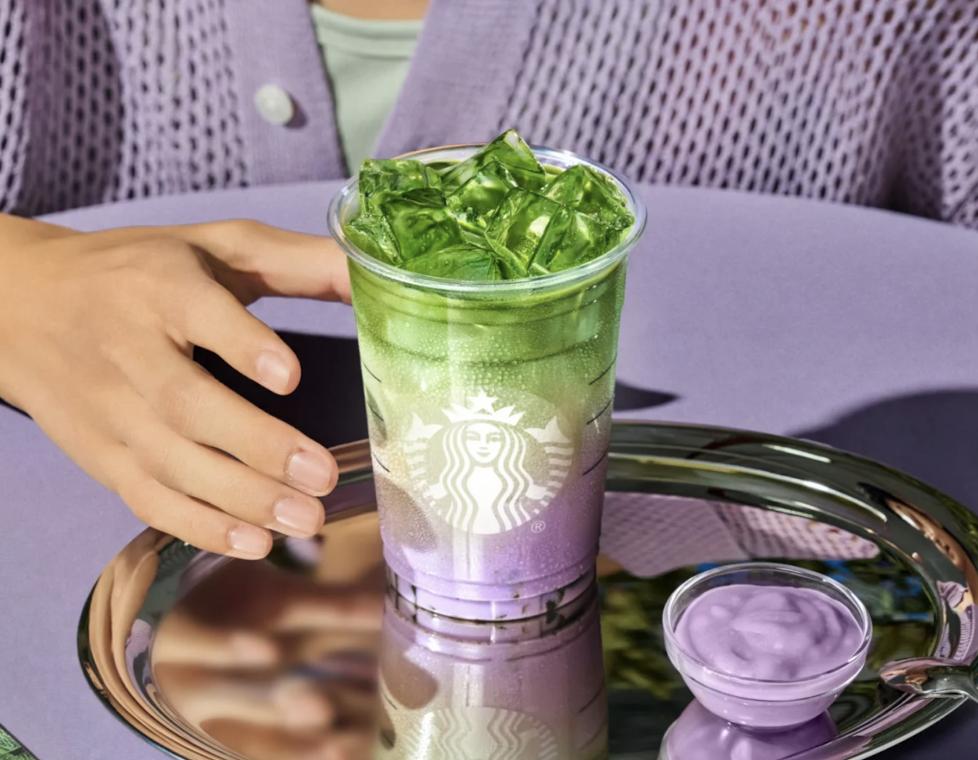
Named "Iced UBE Flavored Matcha Latte", it quickly went viral on social platforms with its taro ice cream flavor and purple-green gradient layering effect.
Meanwhile, the new concept of "UBE flavor" has also sparked discussions in the beverage industry: What exactly is it? What product trends does it bring?
1
Starbucks Makes "Purple Milk Tea" a Sensation
A New Flavor Goes Viral
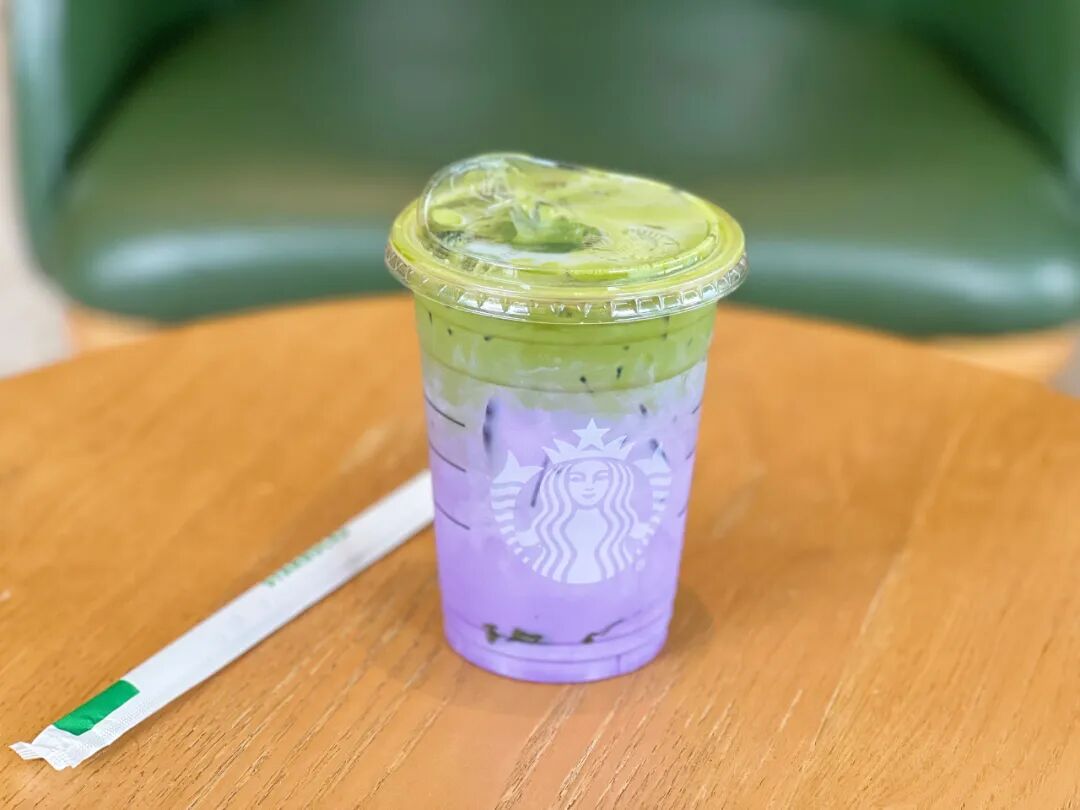
On August 18, Starbucks China launched its new tea latte series, among which one of the 4 new products stands out particularly — Iced UBE Flavored Matcha Latte.
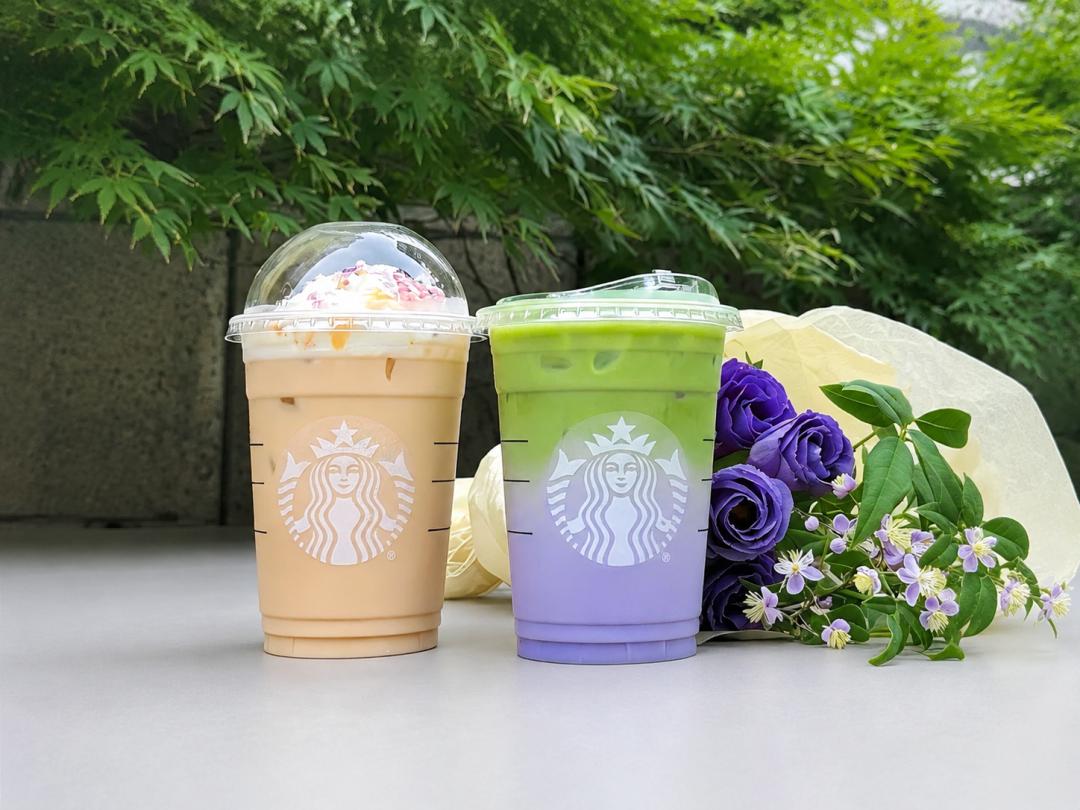
The most eye-catching part is its appearance. With a gradient of Morandi purple and matcha green, it has an inherent oil-painting texture, and you can take Instagram-style shots without any filters, which makes consumers exclaim that it is "gorgeous".
What is more impressive than its appearance is its flavor. I placed an order for experience as soon as possible. The first sip brings a light nutty aroma and vanilla cream note. After stirring, it forms a unique taro ice cream flavor mixed with coconut milk and matcha, which is sweet, smooth and has rich layers of taste.
This new product not only prompts a large number of netizens to share and recommend it voluntarily, but also excites many returnees and international students: "This flavor has been popular overseas for a long time, and we can finally drink it in China."
I learned from Starbucks China that UBE flavor has been widely praised in Starbucks' North America and other overseas markets, and the combination with matcha is called "the next generation of matcha".
Many young people have known UBE-flavored drinks through overseas social platforms or personal experiences, and they have also "reverse recommended" this product on domestic social platforms, building anticipation for its launch.
I found that in addition to North America, cafes and dessert shops in the Philippines, South Korea and other regions have incorporated UBE flavor into products such as coffee, ice cream, cakes and biscuits.
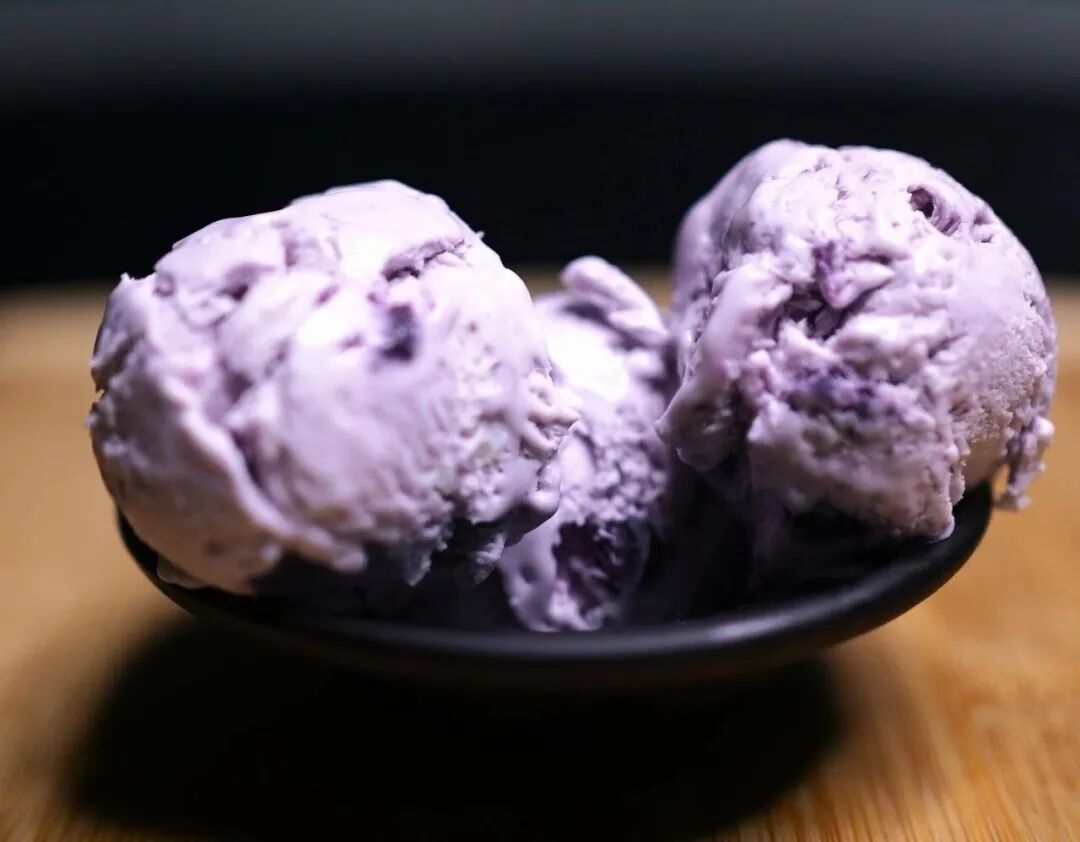
This new launch of Starbucks can be regarded as the first time that UBE flavor has "broken the circle" in the domestic beverage market.
2
Let's Get to Know This New Category
What Exactly Does UBE Flavor Taste Like?
While the popularity of this product continues to rise, related discussions have also emerged:
What on earth is UBE flavor? Is it the familiar taro or purple sweet potato flavor? Many R&D teams also have knowledge gaps in this area.
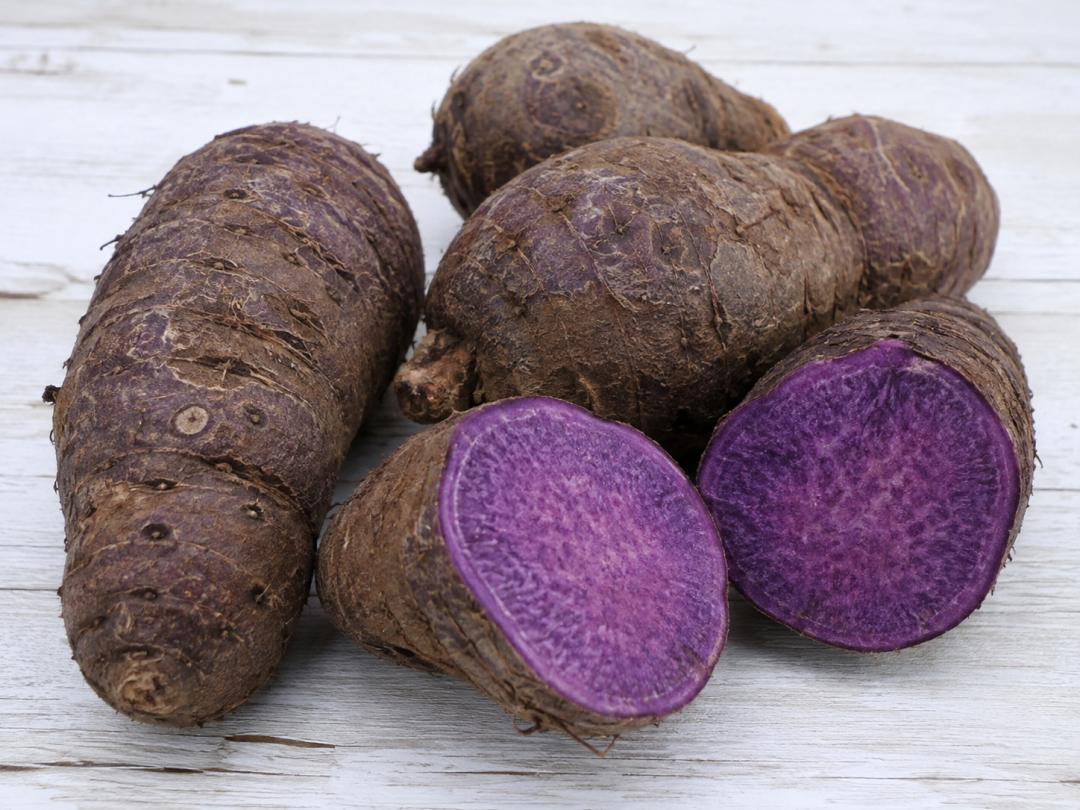
In fact, UBE flavor is a flavor extracted from UBE, a characteristic rhizome plant in the Philippines. This plant, known as purple yam, belongs to the genus Dioscorea in the Dioscoreaceae family. Due to regional pronunciation characteristics, it is sometimes translated as "taro" in some scenarios.
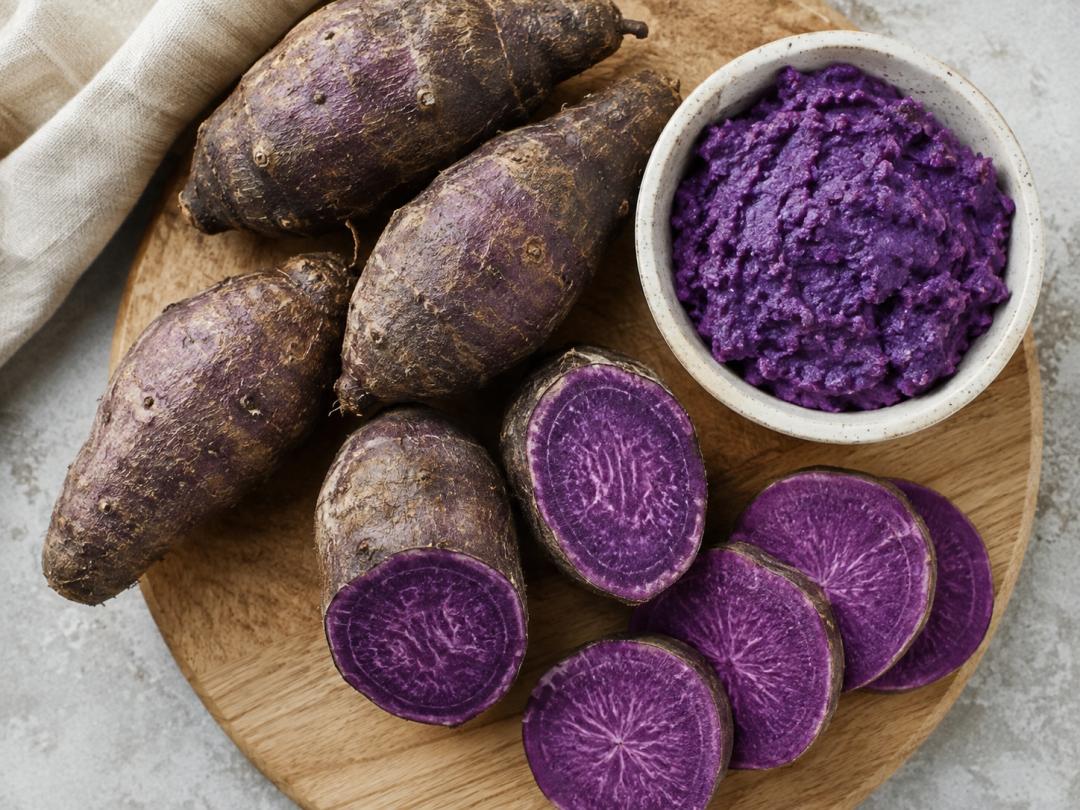
The public tends to confuse it with ordinary taro, but they are completely different in fact.
Arjun, a beverage R&D specialist from the top R&D center, summarized three core features that distinguish purple yam from purple sweet potato and taro:
More inclusive aroma. It has light nutty and vanilla notes, no strong earthy smell as purple sweet potato has, and its aroma is not as overwhelming as that of taro, so it has higher adaptability.
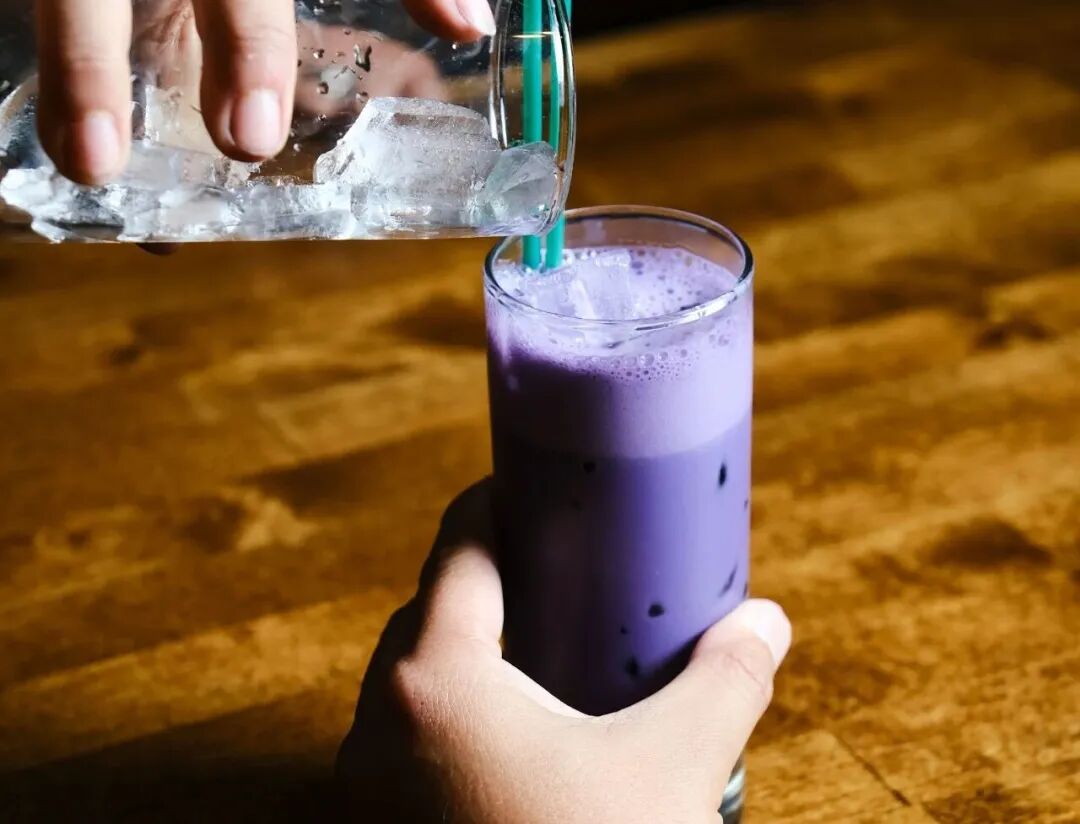
More photogenic color. The whole purple yam is of uniform purple, which is the visual effect brought by natural anthocyanins, while purple sweet potato is mostly purplish red, and taro is off-white.
Silkier taste. It has relatively fine fibers, which will form a uniform paste texture after being made into raw materials. It tastes dense and smooth with no granular sensation; the fibers of purple sweet potato are relatively hard and easy to agglomerate after cooling down; taro is sticky and easy to stick to the mouth.
It is worth mentioning that purple yam does not only have purple varieties, there are also white varieties, but purple is the mainstream in beverage and dessert applications.
Starbucks China further explained the reasons for choosing UBE flavor:
In the current domestic tea and coffee track, flavors such as matcha, pistachio and taro paste have become highly homogeneous, consumers are in need of brand-new flavors with high recognizability, photogenic visual effect and rich story connotation.
The "dreamy purple" of Iced UBE Flavored Matcha Latte comes from the natural color of the ingredients, which has extremely strong visual expressive force and is suitable for social media check-in and communication; the sweet flavor of UBE similar to purple sweet potato and taro has a certain cognitive base in China; the overseas trendy ingredients bring a sense of novelty.
"UBE flavor has mild sweetness, tastes smooth like taro ice cream, and is highly compatible with the fresh and sweet aftertaste of matcha tea base. It can well empower Starbucks' tea latte product line and help attract more non-coffee customers."
In addition, UBE flavor has extremely strong product compatibility. It can not only be matched with coffee base, but also suitable for tea lattes and Frappuccinos, and can even be extended to baked desserts; it can be made into both hot drinks and cold drinks, with application scenarios in all four seasons.
It not only meets the demand of taking photos for check-in, but also can adjust the sweetness to adapt to the daily taste of the public, with huge room for expansion.
3
UBE Flavor Is More Suitable for Creating "Topic-Driven Products"
When a new flavor emerges, the question that people in the industry care most about is always:
Can it be added to their own menu? Can it be applied on a large scale?
In this regard, Arjun holds a relatively cautious attitude. He summarized several practical thresholds for the implementation of UBE flavor in domestic stores:
First, the supply chain cost is relatively high. Real UBE is produced in the Philippines, with limited output and difficult transportation, so its cost is much higher than that of purple sweet potato and taro. At present, some UBE flavors on the market are blended with essence.
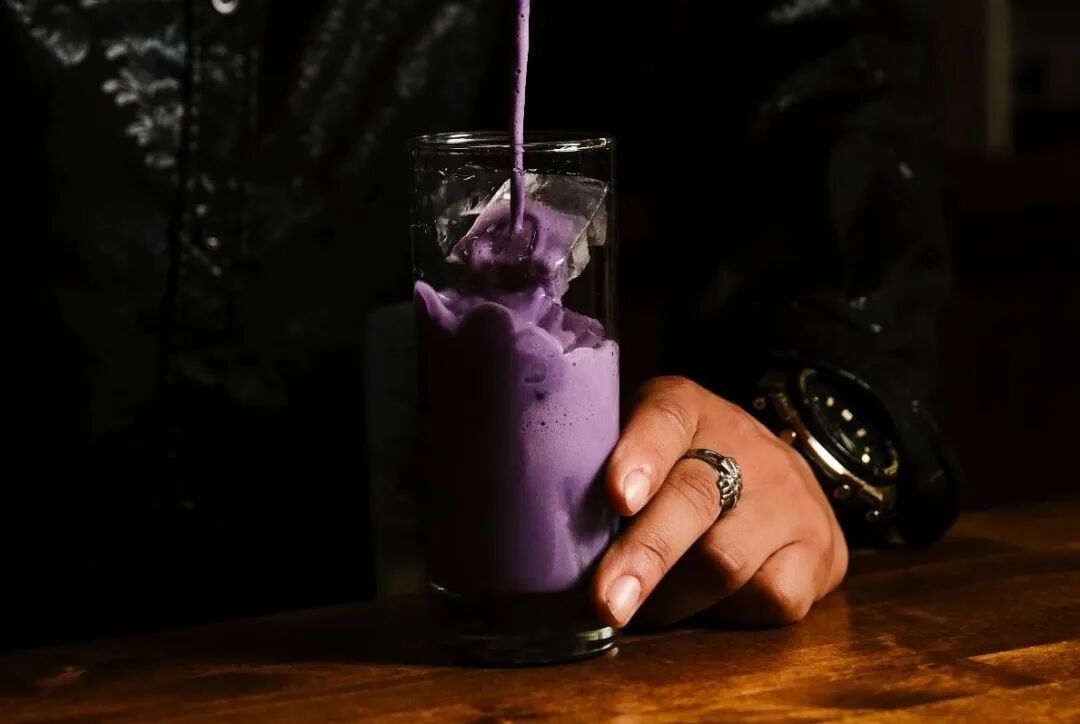
Second, the technology is not mature. The anthocyanin in UBE is very unstable, extremely sensitive to acid and heat, and the color changes greatly. It is difficult for stores to carry out storage and quality control.
Third, consumers' cognition is vague. Most domestic consumers can't tell the difference between UBE, purple sweet potato and taro. The raw materials imported at high cost may be regarded as "a cup of taro milk tea".
In other words, UBE flavor is more suitable for creating "topic-driven products" in the short term, and there is still a long way to go before it becomes popular in the domestic beverage industry.
4
"The Value Upgrading of Starch Raw Materials Is Worth Paying Attention to"
Apart from the difficulty of popularizing UBE flavor, from the perspective of product innovation, its emergence has certain reference significance for the industry:
It creates a "familiar yet unfamiliar" consumer experience.
The popularity of UBE flavor hits two key points: the sweet aroma of rhizomes is a familiar taste for the public with a low acceptance threshold; overseas ingredients and unique color and aroma bring sufficient sense of novelty.
Following this line of thinking, Pan Shengyi, a senior R&D specialist in the industry and person in charge of catering supply chain, pointed out:
The value upgrading of traditional starch raw materials does not necessarily only refer to grinding them into powder or pulp, but also can be re-interpreted as flavors that modern consumers can easily understand.
Lipu taro, sweet potato, yam, millet, sweet corn, black rice, glutinous rice, buckwheat, lotus seed, chestnut... All of them can be further developed into flavored syrup, high-concentration sauce, grain milk, fermentation base, mousse milk cap or granular crispy material, and then combined with milk, tea and coffee.
"Upgrade an ordinary agricultural product into a modern flavor IP with distinct color, unique aroma, rich texture and cultural memory." There is still huge product space behind this.
Back to UBE flavor itself, it has opened a new window for the beverage industry, but what value it will finally bring to the industry remains to be tested by the market.
This article is from the WeChat public account "Kamen" (ID: KamenClub), written by Zhang Jin, and published with authorization from 36Kr.