The 8-year-old old mobile phone can still access the internet, while the car that is also 8 years old unexpectedly loses its network connection.
Last Sunday night, after finishing a short weekend trip and driving my whole family back to the basement ramp of our residential compound, I noticed a self-developed luxury full-size SUV of a certain brand following close behind. When I parked my car in the designated spot, I saw that car was also reversing into the parking space diagonally opposite mine.
"Congratulations, Mr. Li! You made such a decisive move to change your car?" "Ugh... I had no choice but to do this!"
The person who pushed the car door open and stepped out was exactly the owner of that parking space, Old Li who lives in the adjacent building of our compound, I joked casually. What I didn't expect was that this man showed no joy at all like most new car owners, instead, he looked rather resentful.
Following our subsequent conversation, I learned that Old Li's previous car had encountered a "network disconnection" issue. The mid-size flagship SUV of a second-tier luxury brand he used to drive was equipped with an early 3G T-box. Since domestic mobile communication service providers began to phase out 3G network services on a large scale at the start of this year, the vehicle completely lost its internet connection.
Not only the remote start and function control features, which were regarded as luxury car configurations a decade ago and once envied by many car owners, completely failed, even the one-touch emergency call button after traffic accidents stopped working entirely. Old Li said that he actually spotted the problem back at the start of this year, but the reply he got after negotiating with the dealer was that "the vehicle can still run normally" and "the shutdown of network support is beyond the control of the enterprise".
Seeing that no progress had been made after half a year of disputes, plus the car was "already 8 to 9 years old, I really don't want to bother with this anymore, so I simply sold it and bought a new one while the state subsidies are still available".
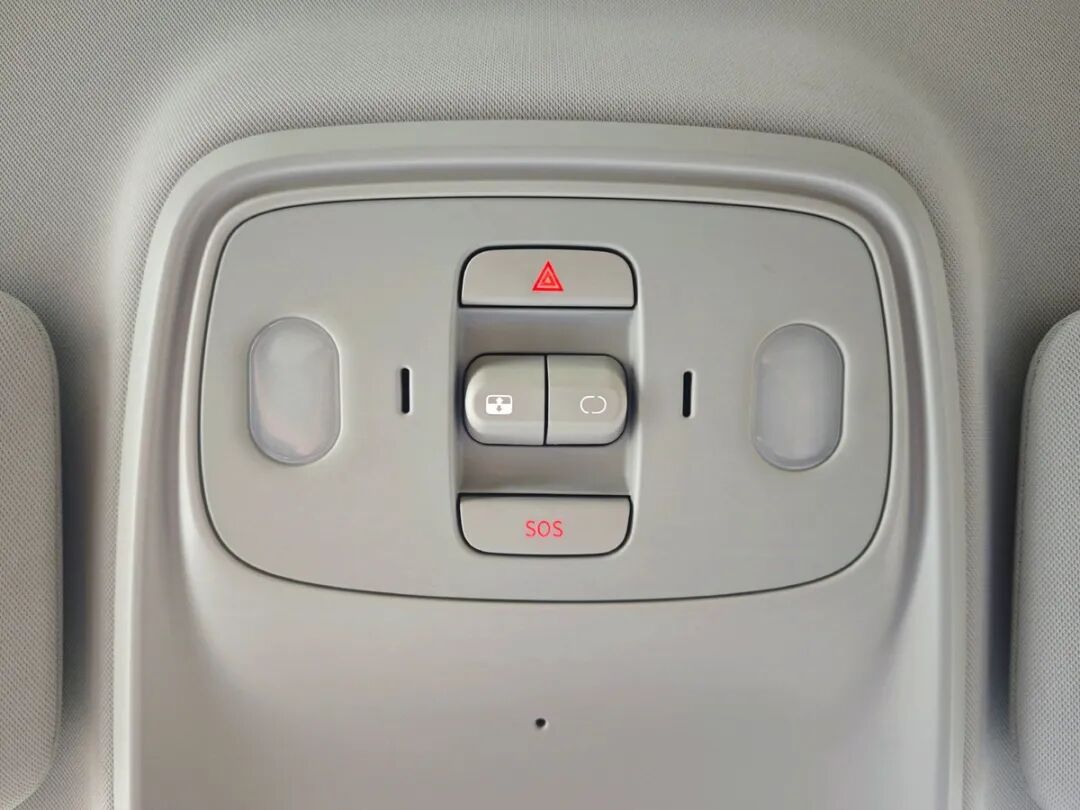
▲ It is really outrageous that even the network for emergency calls is cut off
"What bad luck! My old mobile phone from 8 years ago can still connect to the internet, but a car made 8 years ago lost its network..." Before we parted in the basement and walked back to our respective buildings, Old Li was still brooding over this: "I hope this new car won't have all its services shut down again after a few years of use..."
Old Li's experience is not new to me. The only surprising thing is that I never expected someone around me would actually run into this kind of problem.
Around January this year, a large number of car owners exposed on major domestic automotive forums, car owner communities and self-media platforms that the internet connection function of their vehicles suddenly failed. Subsequent reports explained the whole story: models produced between 2017 and 2020 were "disconnected from the network" involuntarily because base stations stopped supporting 3G networks.
Back in January this year, among the more than 12 million mobile communication base stations across the country, 4G and 5G base stations already accounted for 93%. The 3G era is fading into history as base stations shut down their services. However, a large number of car owners like Old Li have suffered misfortune along with it. A considerable number of the first-generation internet-connected vehicles produced in China before 2018, which are only equipped with 2G/3G internet of vehicles modules, have successively lost functions such as remote control, in-vehicle real-time navigation, and SOS emergency call.
Ironically, these functions were once recommended by manufacturers and dealers as core selling points ten years ago.
But not all car owners who encountered "network disconnection" faced this kind of "force majeure event". Many of them also encountered rather speechless "commercial risks".
Hangzhou Traffic 91.8 released a report earlier this month: a car owner of a luxury brand received an official SMS when his car had been used for 3 years, saying that core functions including remote start, Amap customized navigation and L2 assisted driving were disabled because the free service period had expired.
It doesn't mean these functions can never be used again. To continue enjoying them, the car owner needs to pay. After inquiring with the official agent, he got the reply that the full intelligent driving internet package costs about 7000 yuan a year, and the 6-year bundled package costs 28000 yuan.
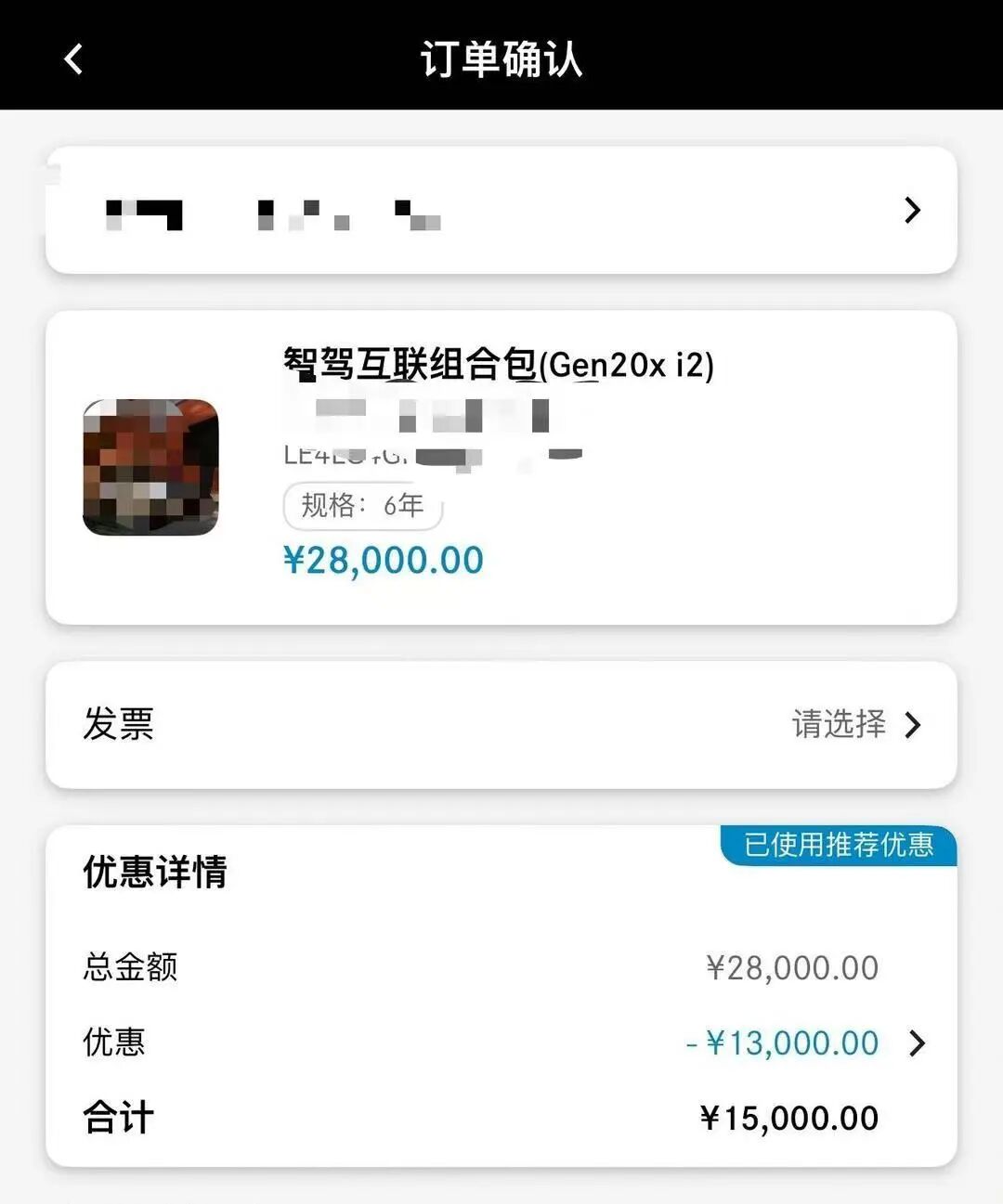
▲ In fact, there are quite large discounts for the 6-year package. But the problem is that a considerable number of car owners think the service is not worth that price at all based on their actual experience.
The quotation of nearly 30,000 yuan only covers 6 years, so the car owner certainly refused to accept it. However, all these terms were clearly written in the car purchase contract in advance, so he could only complain helplessly: "I spent 500,000 yuan on this car back then, but it seems that what I bought is just an empty car body..."
01
The Conscience of Enterprises: Are You Buying a Product or a "Service" When Purchasing a Car?
At the end of the third quarter of 2026, no one will question the statement that the automotive industry is undergoing unprecedented changes in a century. However, five years ago, when the saying of "unprecedented changes in a century" first became popular, few people would ask: who will bear the cost?
IBM's definition of Software Defined Vehicle (SDV) clearly describes this change: modern cars are no longer just machines, but computers on wheels. This architectural revolution has brought three irreversible consequences: exponential expansion of code volume, sharp rise in the proportion of software and service revenue (currently accounting for 15% of the total industry revenue, and expected to reach 51% by 2035). The most direct result is that the cost over the vehicle life cycle will be completely reconstructed.
First of all, about the network support issue. The Ministry of Industry and Information Technology clarified the technical direction of 2G/3G network phase-out as early as 2019, and explicitly mentioned in the 14th Five-Year Plan for Information and Communication Industry in 2021 that it would "accelerate the phase-out of 2G and 3G networks".
This actually points out that the practice of vehicle enterprises still installing 3G modules on a large scale between 2017 and 2019 is a typical "short-sighted" operation. A truly responsible enterprise should have fully considered the matching problem between the physical life of vehicles and the support system, and reserved sufficient hardware redundancy and technical interfaces when carrying out the initial planning for subsequent models back in 2014 and 2015.
However, what was the price of a T-box supporting 4G network 11 or 12 years ago? To put it bluntly, the essence of the network disconnection incident is that enterprises went too far in cost control. After all, no matter how modern enterprises package themselves and beautify their practices with rhetoric, their essence is still a commercial institution that is responsible to their own shareholders and takes financial statements as performance assessment indicators. So it is not surprising that we end up with this result.
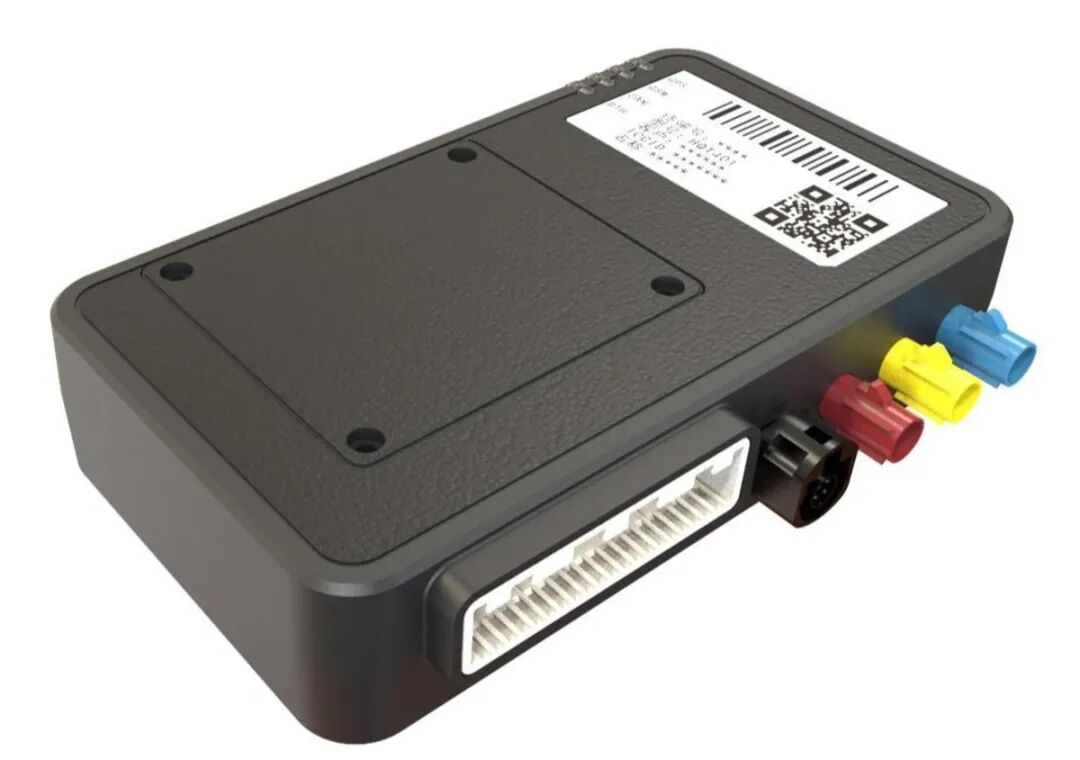
▲ Taking 2017 as the time node, the price difference between a 4G-supported T-box and a 3G-only model was only about 40 yuan. But for OEMs that strictly control costs and squeeze every penny of profit, even the leg of an ant counts as meat. However, this 40-yuan price difference has dug a huge pit for many car owners several years later.
But the problem is that not only the entertainment internet functions of many vehicles failed, but also safety functions including SOS emergency call and road rescue. If OEMs and dealers use the statement that "the stop of network services is not our responsibility" to evade liability, even if it is legal and compliant, once a car owner has an accident in an area with no signal and causes huge public outcry, won't the enterprise still have to bear the loss?
The "function locking" incident of luxury cars represents another kind of problem.
A few years ago, every vehicle enterprise was clamoring to build an SOA architecture. Its core is to divide different functions on the vehicle end and the capabilities of corresponding hardware into different "services" through a brand-new automotive electrical and electronic architecture, and standardize and encapsulate the interfaces of each service component.
With the help of SOA architecture, vehicle manufacturers can encapsulate the native capabilities of intelligent vehicles into standardized service interfaces, which can be called by the application layer in the form of services.
But the point is that the benefits of SOA architecture are far more than just convenient OTA. As its basic description says, it can split all functions of the vehicle. In other words, these functions can be charged one by one.
I believe that for the car owner reported by Hangzhou Traffic 91.8, the sales consultant must have warned him before he signed the car purchase contract that the network service is only free for a limited time, and he needs to renew the fee to continue using it after expiration. But the problem is that decades of previous habits have made car owners generally believe that a car is a "once and for all" product: as long as they pay the car loan normally, pay all kinds of taxes and fees on time, and accept the annual inspection in accordance with the law after getting the car, they own the permanent property right of their vehicle. There is a huge cognitive inertia behind this idea.
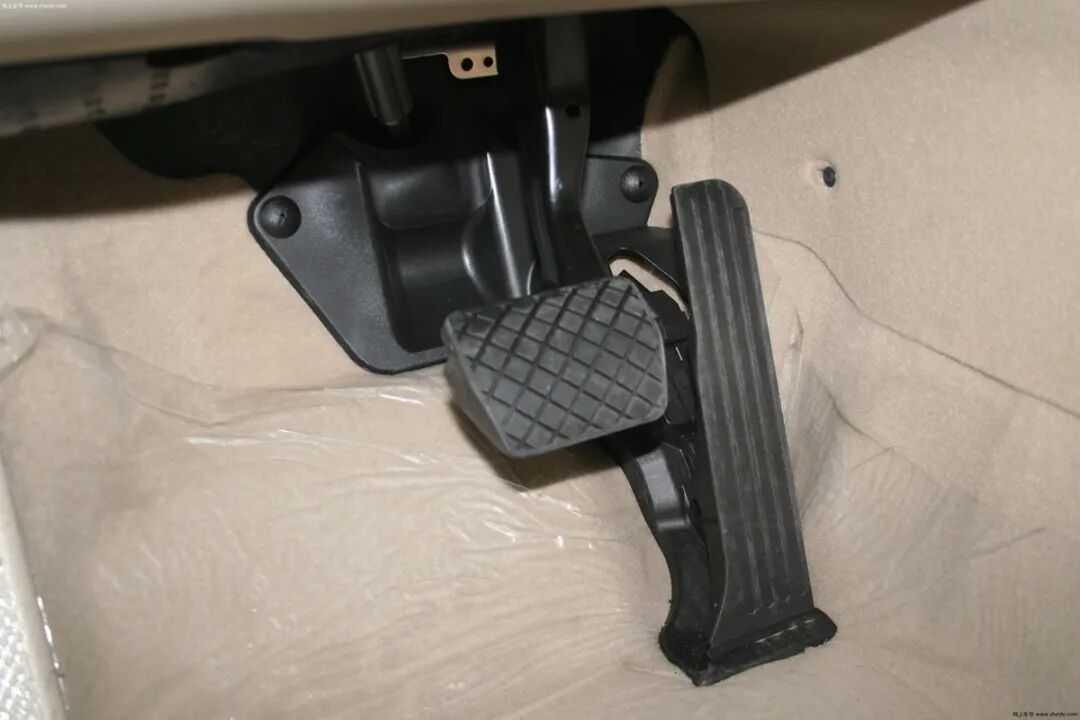
▲ The SOA transformation of automotive electrical and electronic architecture has many benefits, but one point is worthy of extreme vigilance: it can really realize charging for braking by the time of use.
What's more, almost no one would object if it is only the renewal fee of the in-vehicle network. Most people can also accept the monthly subscription of intelligent driving services. But what about those other network services? There have even been previous reports that some OEMs are considering charging monthly subscription fees for comfort functions such as seat ventilation and heating, as well as rear-wheel steering assistance and even braking distance adjustment, which is really astonishing.
02
The Rationality of Car Owners: Establish New Dynamic Expectations While Embracing Changes
Facing the rapid development of technology, car owners also need to change their mindset from the traditional one-time transaction to dynamic service consumption. After all, the times have really changed.
Of course, this transformation does not require car owners to unconditionally accept the pricing strategies of enterprises, but to establish a more rational and mature consumption concept. First of all, we must accept the objective law that modern cars need continuous updates.
The design life of a car's body structure is at least 15 years, but the computing power cycle of the in-vehicle chip may only be 3 to 5 years. Car owners need to understand that the basic mechanical quality of the vehicle (such as chassis, engine, body safety) is stable for a long time, but functions such as in-vehicle interaction and assisted driving will be updated continuously or even iterated just like mobile phone systems.
When buying a car, people should pay more attention to the mechanical quality and safety redundancy of the vehicle, instead of just being attracted by cool large screens and immature "futuristic" functions. At the same time, we need to realize that the 4G network phase-out has been put on the agenda: domestic 4G networks will start phased phase-out in 2030, and complete large-scale frequency band clearing in 2035. Paying attention to whether the T-BOX of the car you choose now is 4G or 5G is taking care of yourself ten years later.
In addition, car owners need to have a rational awareness of rights protection. When signing a car purchase contract, car owners should take the initiative to ask and clearly record: which functions are permanently free? Which services have a time limit? What is the standard of data traffic charges? According to the car owner who turned to the media to pour out his grievances, the core of his dissatisfaction is that "the salesperson didn't mention a word about what will happen after three years the whole time", and there is no clause about "paying renewal fees after three years" in the contract or instruction manual.
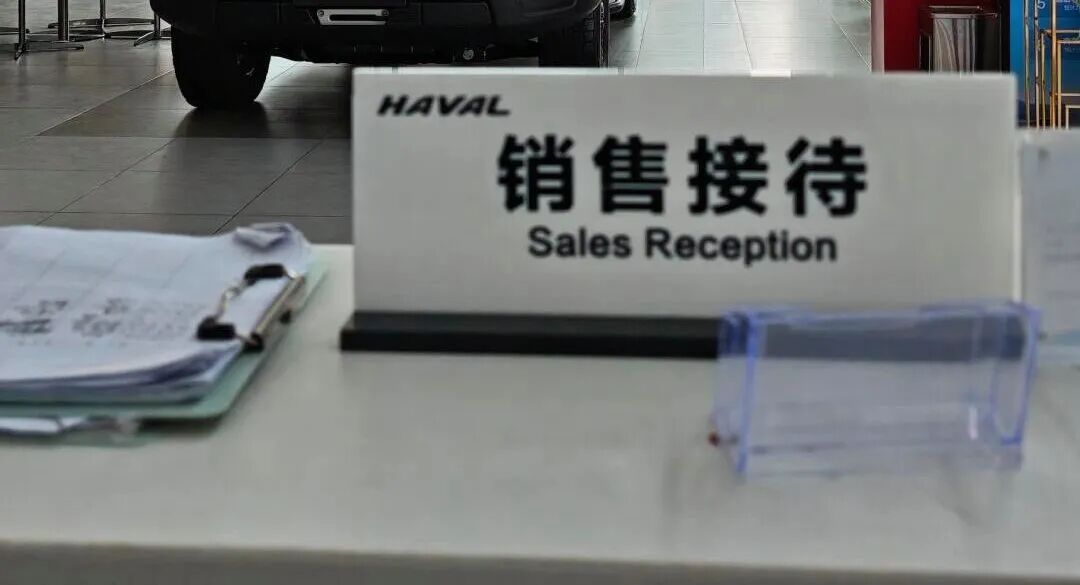
▲ Sales consultants are also working for a living, especially when the industry is in such a difficult situation at present. So I just want to say one sentence here: each of us is the first person responsible for our own interests and safety.
The three-year period is not too short, but it is really not long either. For the verbal promise of lifetime free services from sales personnel, it must be implemented in the paper contract or the rights list of the official APP. When encountering situations such as 3G network phase-out or enterprises unilaterally changing service terms, we must bravely safeguard our legitimate rights and interests in accordance with the Consumer Rights and Interests Protection Law. Legal professionals clearly pointed out that the Ministry of Industry and Information Technology publicized the network phase-out plan many years ago. Car companies that knew the technical trend clearly but still used the modules that were about to be eliminated, and failed to fulfill the obligation of risk notification, were suspected of violating consumers' right to know. For the adaptation defects at the product design level, car companies should bear corresponding responsibilities.
Last but not least, in this era, each of us should develop a mindset of using technological products that "appropriately look ahead and refuse unnecessary anxiety". After all, this is the period of explosive development of electronic products and software technologies. No matter it is a car or a mobile phone, the top configuration today may become the standard configuration or even obsolete product tomorrow. Car owners don't have to feel anxious for every technological iteration, and don't have to demand that all functions of the vehicle remain young forever.
For those core functions, such as communication modules, safety support and so on, we must ask clearly about the "ten years later" issue when buying a car, and implement it in a legally binding contract.
03
Conclusion: A Distant Journey Tests the Horse's Strength, and Responsible Enterprises Will Be Remembered by the Market
Of course, not all enterprises chose to remain silent or shirk responsibility in the "network disconnection" storm. A thought-provoking positive case is OnStar. When the North American market shut down services on a large scale due to 3G network phase-out in 2024, General Motors adopted a completely different strategy in the Chinese market: it continued to promote service renewal for existing users, and did not blindly follow the rhythm of North America. Behind this "different treatment for China and foreign markets" is the respect for the actual vehicle use cycle of Chinese car owners.
The continuous operation of OnStar in the domestic market proves that as long as enterprises are willing to bear the cost of hardware iteration, the rights and interests of old car owners can be guaranteed. This should not be an individual case, but should become the industry consensus.
