Beverage manufacturers, exercise prudence in pursuing "novelties"
Since 2026, leading domestic beverage manufacturers have collectively hit the brakes and abandoned the horse-racing-style expansion of new products, and the boundary-free, high-cost radical innovation has cooled down in an all-round way.
The reason is simple: beverages are no longer selling well.
In Q2 of this year, leading beverage manufacturers have significantly slowed down the launch of new products. There were 679 new ready-to-drink juice products, 503 fewer than the same period last year, making it the sub-category with the largest reduction in new products in the beverage category. The number of new products launched in other categories has also decreased to varying degrees.
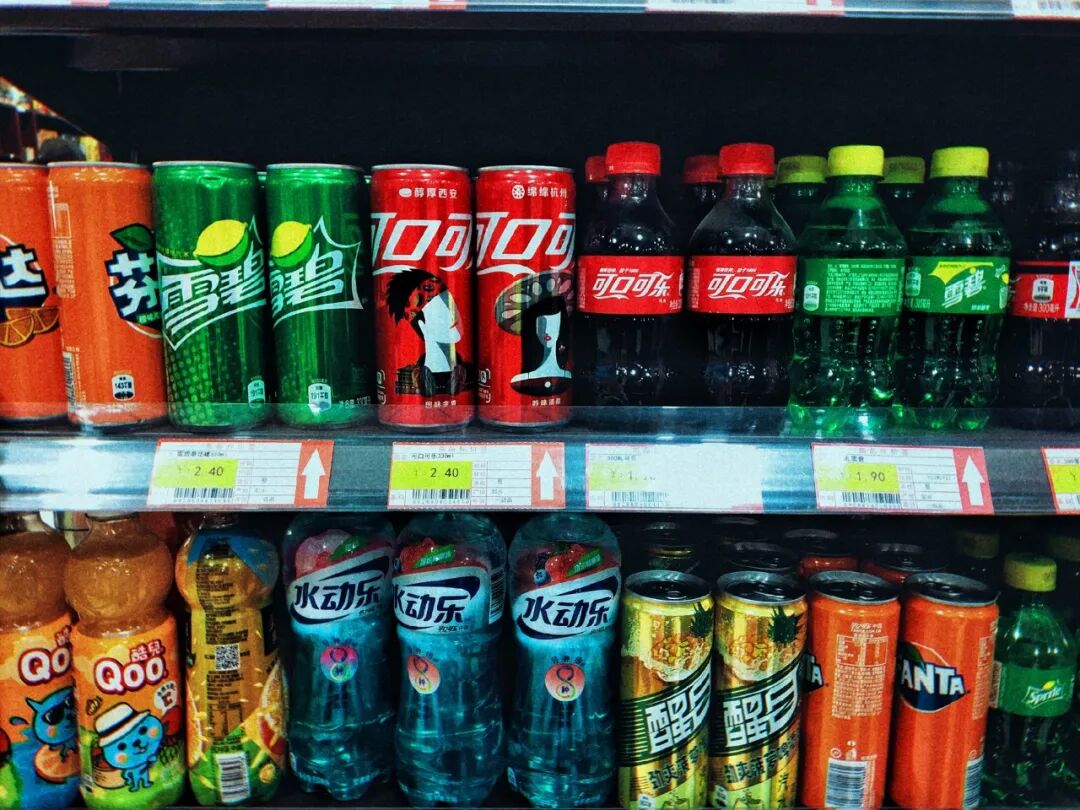
The common problem faced by beverage manufacturers is that the overall market is sluggish, and the trial-and-error cost of new products has risen sharply. It is not difficult to find in current supermarkets and convenience stores that products on the terminal shelves are basically old models. Manufacturers only complete minor iterations by adjusting specifications and updating packaging, and simultaneously reduce advertising investment. The industry is pervaded by conservatism and prudence, and a quiet transformation is underway.
Full Defensive Strategy
Have you noticed that this summer, there are far fewer new beverage products on the shelves of supermarkets and convenience stores? Even if there are occasional new products, many of them are iterated from old products by adjusting specifications and packaging. At the same time, manufacturers have cut the frequency of elevator and outdoor marketing advertisements.
The market performance reflected in specific data is even more severe. Public data shows that in Q1 of this year, offline beverage sales decreased by 3.77% year-on-year; Q2 is the traditional peak season for beverages, and the year-on-year growth rate of offline sales expanded to -11.78%, ranking first among all FMCG categories.
Offline products are not selling well, and the deterioration of channel profitability has led to the inventory cycle increasing from 30 days in previous years to more than 90 days. As a result, there are more and more near-expiry discounted beverages on e-commerce platforms.
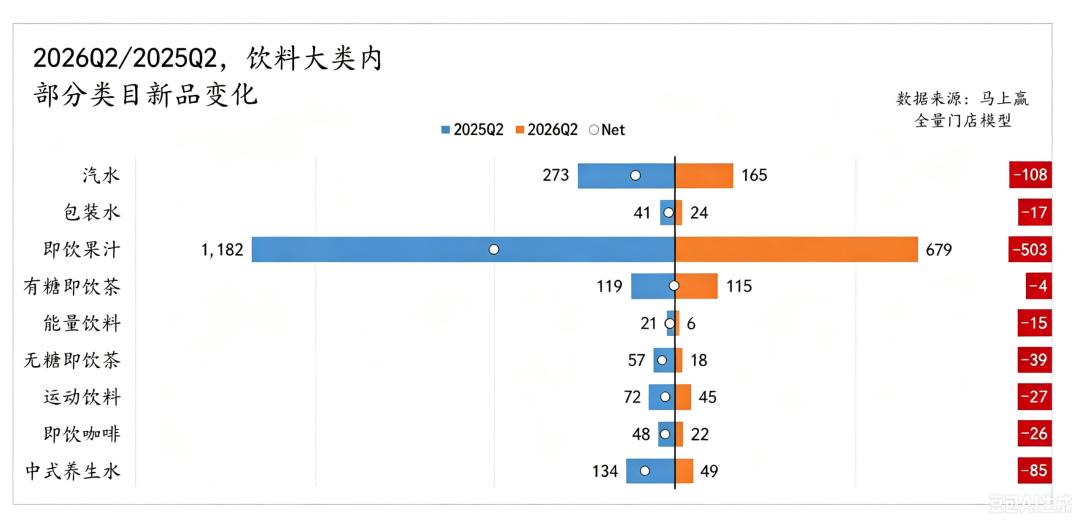
According to the market monitoring of WinBrand CT, in Q2 of this year, the rhythm of new product launches by leading beverage enterprises slowed down significantly. Among them, 679 new ready-to-drink juice products were launched. Although the scale of new products ranks the highest in the category, the overall scale decreased by 503 units compared with 1182 new products in the same period last year.
During the same period mentioned above, the number of new soda water and Chinese-style health water products decreased by 108 and 85 respectively compared with the same period last year; the number of new products in categories such as sugar-free tea, sports drinks, ready-to-drink coffee and packaged water also showed a decline of varying degrees.
Sales are also declining simultaneously. In Q2 2026, only sugar-free tea and ready-to-drink coffee achieved positive growth, increasing by 16.10% and 0.35% year-on-year respectively. The sales of Chinese-style health water, ready-to-drink juice, packaged water, soda water, energy drinks and sports drinks decreased by 20.10%, 14.84%, 9.27%, 12.23%, 8.40% and 8.84% year-on-year respectively.
In the past year, the WinBrand Price Index has never broken through the 100 benchmark line, which means that the industry terminals have long relied on promotions to drive sales, product prices are under continuous pressure, and profit margins are constantly being compressed.

Theoretically, this year's World Cup should have boosted beverage consumption, but it only drove the sales of sports drinks and energy drinks in the short term, which could not offset the shrinking overall demand for carbonated drinks, fruit juices and traditional tea drinks, and was difficult to reverse the overall downward trend of the industry.
Another reason is that most regions in China have had more rainfall and lower temperatures this year, weakening the advantages of traditional heat-relief products such as iced black tea and soda water. Instead, health-focused products are highly sought after, and sugar-free tea has achieved counter-trend growth leading the market.
However, there are always exceptions in the industry. According to public reports, in the first half of 2026, Dongpeng Beverage launched 13 new products, a year-on-year increase of 44.4%, and it is also the only enterprise in the beverage industry that has increased new product investment against the trend. The new products are concentrated in the three booming tracks of electrolytes, sugar-free tea and ready-to-drink coffee, and continue to seize the incremental market of healthy drinks relying on mature terminal channels.
Strategic Adjustment
The slowdown in the pace of new product launches by leading beverage manufacturers is not a short-term phased adjustment, but a long-term strategic choice under multiple constraints such as market demand, channel profitability and production cost. The once popular "wide net casting, betting on hit products" model has completely failed.
First of all, the success rate of new product incubation has dropped significantly, and the large investment in new products is seriously out of balance with the output.
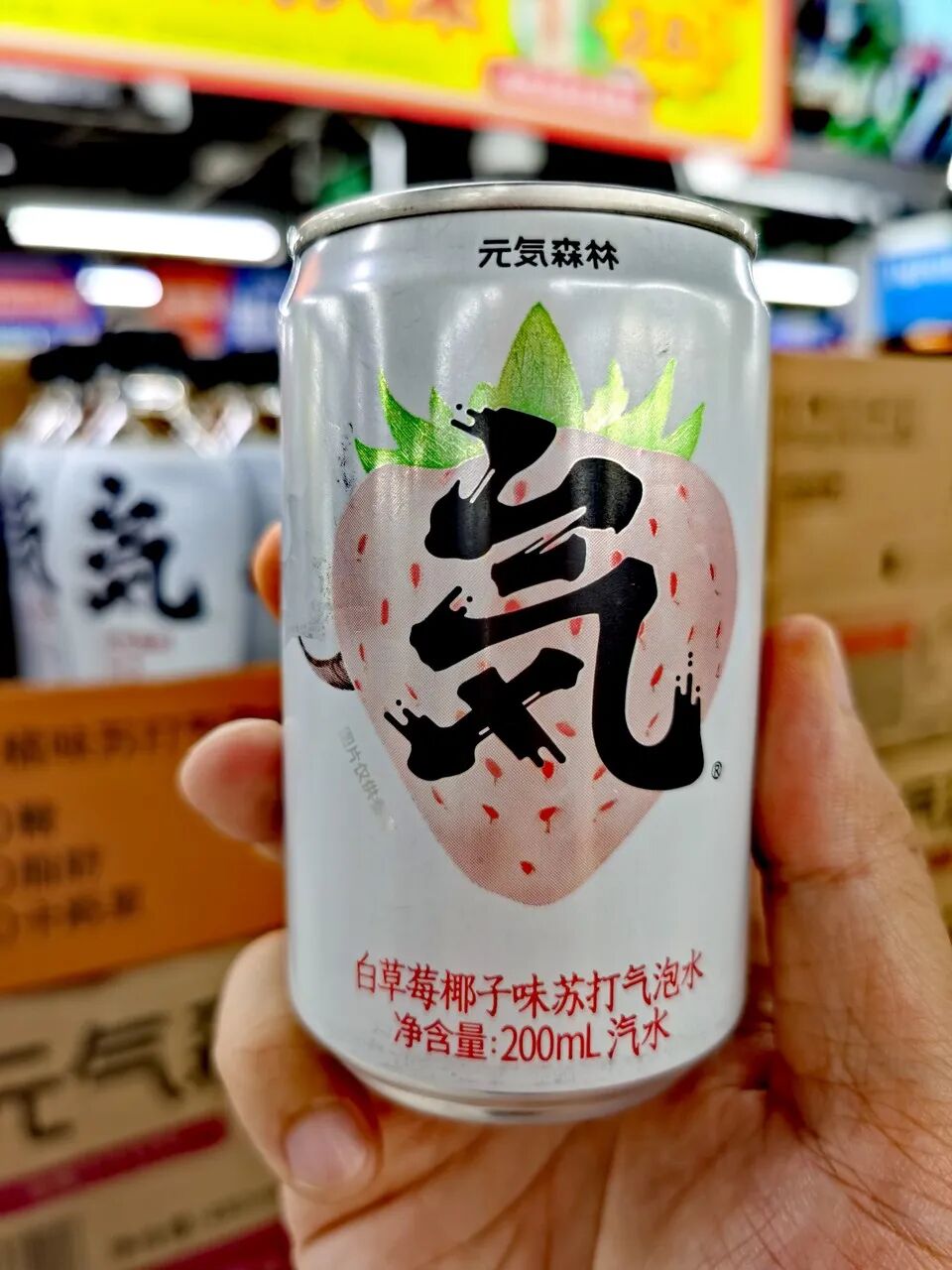
In February this year, Yuanqi Forest clearly put forward three core strategies of cost control, price system control and SKU control in its internal letter, actively slowed down the expansion pace and concentrated important resources on core products.
Founder Tang Binsen proposed to avoid unnecessary changes and blind expansion, behind which is the cruel market reality: under the mass distribution of new products, there are very few hit products that can retain users and form stable repurchases. Since its establishment 9 years ago, Yuanqi Forest has only secured its basic market with sparkling water and Alien electrolyte water.
The research report of Huatai Securities also confirms the industry dilemma: the overall growth rate of the industry is slowing down, product homogeneity is serious, the life cycle of single products continues to shorten, and the probability of generating 10-billion-level blockbuster products is greatly reduced.
Around 2017, Want China launched more than 50 new products at one go, trying to replicate the myth of the second 10-billion-level "Wangzai Milk", but most of the products received mediocre market response. This historical lesson that the return of mass new product investment is less than expected has also prompted the company to actively tighten the pace of new product development and no longer blindly expand the product line. In the 2025 fiscal year, only the sales scale of children's pure milk exceeded 100 million yuan, and the annual sales scale of several other new products was about 30 million yuan.
In 2025, Uni-President, Master Kong, Coca-Cola, PepsiCo and other enterprises still adhered to the strategy of mass SKU distribution. After a large number of new products entered the terminals, the investment in marketing expenses and channel expenses increased, which failed to effectively drive revenue growth, but continued to erode the overall profit.
Second, structural changes have taken place in consumer demand, and the demand for traditional sugar-containing tracks has continued to shrink. Today's consumers pay more attention to the ingredient list of products. Low sugar, sugar-free and clean labels have become the core selection criteria, and the audience for high-sugar carbonated drinks, bottled fruit juices and old-style milk tea is shrinking.
At the same time, offline new-style tea drinks and chain freshly ground coffee are continuously diverting the consumption scenarios of bottled beverages, and the overall scale of traditional beverage market continues to shrink; the market increment is highly concentrated in the three tracks of sugar-free tea, electrolyte water and ready-to-drink coffee, and the growth space of other sub-categories is limited, so enterprises have insufficient motivation to continue to invest in new products.

Third, with both raw materials and channels under pressure, enterprises have actively reduced the budget for new product R&D and launch.
The cost of PET bottles, sugar and dairy raw materials has been at a high level for a long time. New product R&D, packaging mold opening, production line switching and terminal entry will generate additional fixed expenses. Frequent new product launches continue to increase the comprehensive operating cost. Coupled with high channel inventory and dealers' working capital occupied by goods, it is easy to cause channel loss and price collapse.
Taking China Resources Beverage as an example, its net profit attributable to shareholders in 2025 dropped by nearly 40% year-on-year. The core goal of this year is to control costs and increase profits, and the compression of new product R&D and channel investment expenses has become the focus. The company planned to launch 1 to 2 new products every month in 2025, with a total of 14 new SKUs launched throughout the year. Such a new product launch plan is no longer realistic this year.
On the whole, the industry's business ideas have been completely switched. Last year, the industry generally adopted the extensive expansion model, relying on a large number of SKUs to be placed on terminal shelves and betting heavily on potential hit products; this year, the strategies of leading beverage manufacturers have fully shifted to pragmatism and conservatism, and most of them are iterating on mature growth tracks.
For example, Nongfu Spring focuses on sugar-free tea, coffee and electrolyte water; Dongpeng Beverage supports "Hydrate" to become the second growth pole; Coca-Cola and PepsiCo seek increments in sugar-free tea and ready-to-drink coffee, and no longer blindly open up new categories.
Simplifying SKUs Becomes the Main Line of Development
Sugar-free tea, electrolyte water and ready-to-drink coffee are growing against the trend, mainly because they accurately catch up with the national health consumption trend. The market increment is highly concentrated in the three directions of natural, sugar-free and functional, which also establishes the long-term product layout logic of the beverage industry in the future.
From the perspective of consumer mindset, the public has limited memory capacity and can only remember 1 to 1 benchmark hit products; continuously launching a large number of segmented flavors will continuously dilute brand awareness, which is not conducive to the long-term mindset precipitation of the brand.
At the same time, the beverage industry has fully entered the stock game, the overall market demand has peaked, the survival rate of new products continues to decline, and a large number of long-tail SKUs will continuously occupy the cash flow, terminal storage and channel resources of enterprises, dragging down the overall operating efficiency.
The logic of industry competition has been completely transformed, from competing on product quantity to pursuing single product volume. Only 1-billion-level annual sales blockbuster products can grasp the discourse power of terminal channels and capture user mindset; niche segmented SKUs cannot build long-term competitive barriers, and simplifying product lines is an inevitable choice for industry development.
From the perspective of channel operation, a large number of inefficient SKUs have been unsalable for a long time, which will eventually cause resistance from channels and terminals; simplifying SKUs can optimize the product sales structure, restore the trust relationship between manufacturers and distributors, and stabilize the unified national price system.
Simplifying SKUs is also the mainstream trend of the industry, which has formed a long-term strategy in Coca-Cola and PepsiCo, both of which continue to cut about 20% of inefficient SKUs. Master Kong, Uni-President and Nongfu Spring are also doing the same.
Of course, simplifying SKUs does not mean completely stopping new product launches, but concentrating superior resources to iterate blockbuster products, shifting from scale expansion to value operation, and completely ending boundary-free, high-cost radical innovation.
This article is from WeChat Official Account "Zebra Consumption" (ID: banmaxiaofei), written by Chen Xiaojing, published with authorization from 36Kr.