All the devious scheming I have never encountered in my entire life is all concentrated on trademark-related matters.
01
The Hidden Tricks Behind Deceptive Trademarks
Where is the most cunning place on the entire planet?
Is it the political institutions of various countries? Wall Street where capital flows in and out? Or the interest disputes in office buildings of all sizes?
Wrong, none of the above. When it comes to underhanded tricks, no one can beat those "deceptive trademarks" on product packages across China.
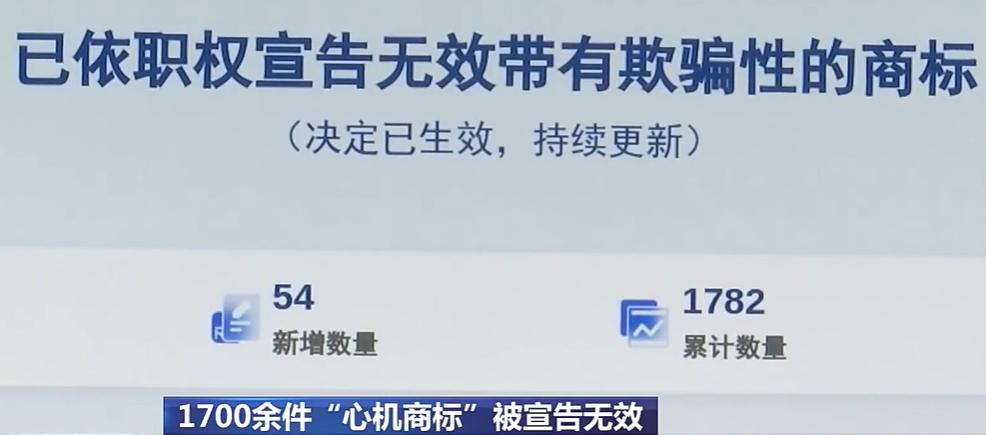
The number is so large that the official website updates dynamically
Recently, the website of the Trademark Office of the China National Intellectual Property Administration published a batch of "deceptive trademarks declared invalid ex officio", and a total of 1782 relevant trademarks in this batch were declared invalid.
Don't assume all of them are unknown no-name brands, there are quite a lot of familiar names on the list: Jinmailang, Midea, Freshippo, Qianhe, White Elephant are all included.
Different from directly selling counterfeit and shoddy products, the essence of "deceptive trademarks" lies in those brilliant word games that make people gasp in surprise.
Let's see how they play with consumers' psychology step by step.
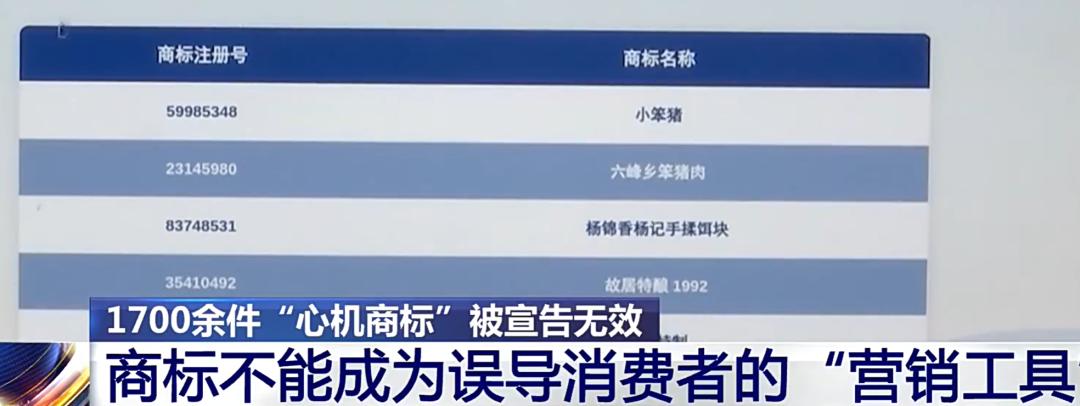
Every brand registers its own funny trademarks
Creating self-defined concepts.
As the most commonly used trick, brands do not create an exclusive product vocabulary from scratch, but deliberately pick the most easily understood words by the public as a cover.
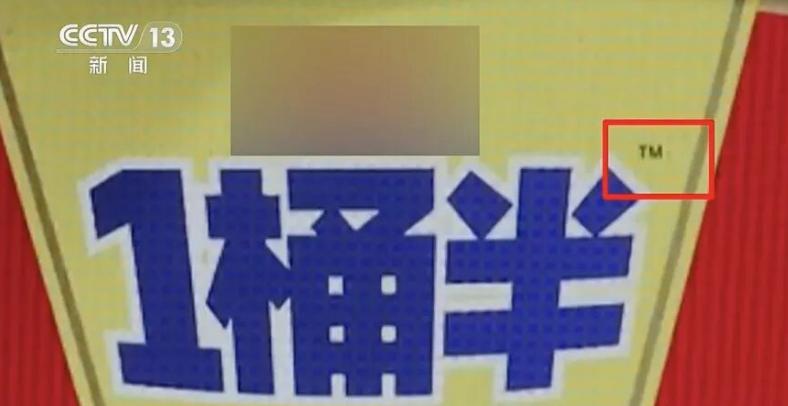
The most iconic example is Jinmailang's years-old trademark "One and a Half Bucket".
One is huge, the other is tiny
Even people who hardly eat instant noodles will hardly fail to notice the eye-catching "One and a Half Bucket" when shopping in supermarkets. In addition, the enlarged bucket body, the slogan "doubled portion", and even the photo of Jia Ling before she lost weight printed on the package, as if explicitly telling everyone that the portion has been greatly increased.
It was not until CCTV exposed the incident that people found a tiny ™ mark behind the big words "One and a Half Bucket", indicating that it was being used as a trademark.
Coincidentally, the word "Most" on White Elephant's "Most Portion Noodles" is also a trademark.
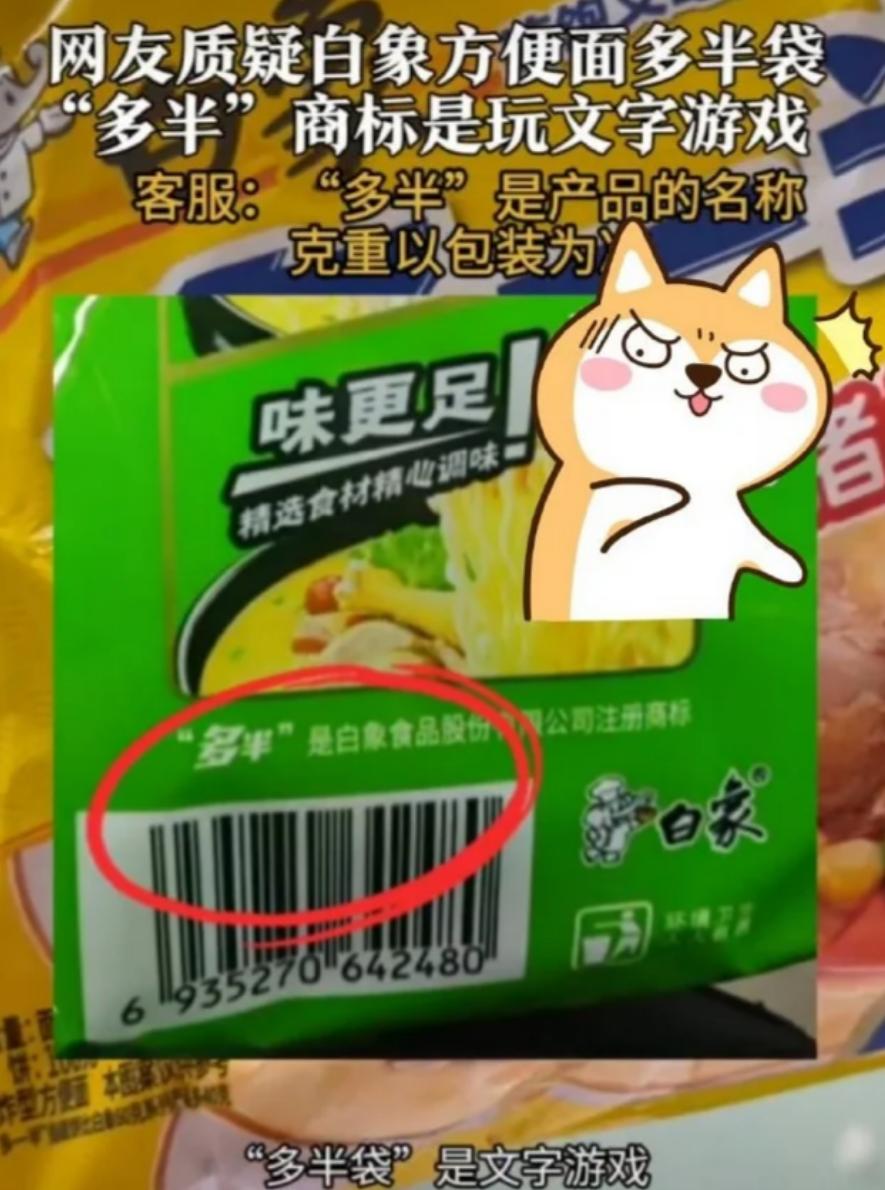
Customer service: please refer to the actual net weight
After journalists' actual measurement, the net content of a instant noodle claiming to be "most portion" is only 25g more than the old version, which is only one fifth to one quarter heavier, far from being "most of the bag".
Here comes the abstract part: In fact, when applying for trademarks, expressions like "most of the bag" and "most of the bucket" were rejected, but the merchants immediately came up with a workaround, and directly used the word "most" as their product trademark. The noodle portion is not increased by half, but the merchants' trickiness is more than doubled.
This is so funny that you can't help laughing even when you just hear it.
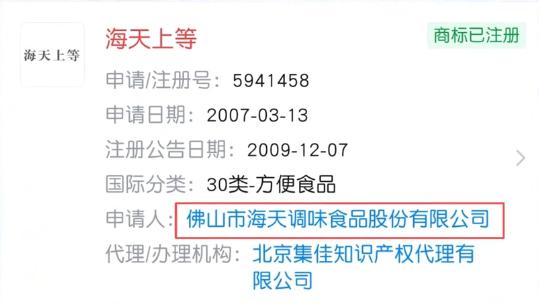
I declare that I am "superior to others"
Following this set of tricky operations, there are many other merchants playing even more fancy tricks.
Words like "Haitian Premium Oyster Sauce", "Haitian Premium", "Haitian Premium Fresh" are all trademarks in fact.
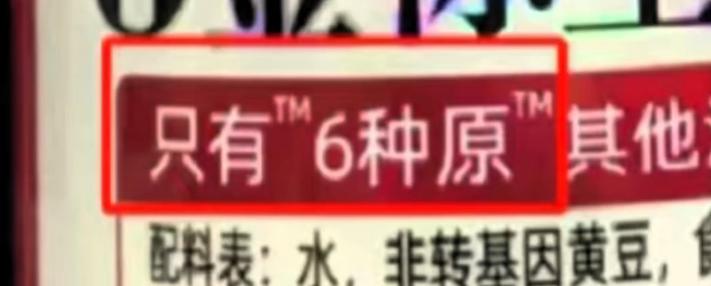
You thought you were paying for a high-quality product, but actually you paid for a trademark premium. Even the "Only ™6 ™Raw Materials" advertised on the bottle, every key word is followed by a trademark symbol, which is a perfect application of the ancient movable-type printing technique in a tricky way.
There is also the well-known "Midea Power Saver King" in the past, which has been widely used on product packages since its registration in 2016. But because it was used as a trademark, it was finally declared invalid by the Trademark Office in 2025 on the grounds that "using it as a trademark is easy to cause public misidentification", which is indeed suspected of exaggerating product efficacy.
Giving yourself an undeserved title.
This type of trademark uses consumers' cognitive inertia on common words, making them believe that the content which is actually a trademark represents the real product attribute.
Who doesn't know how to praise one's own goods when selling them?
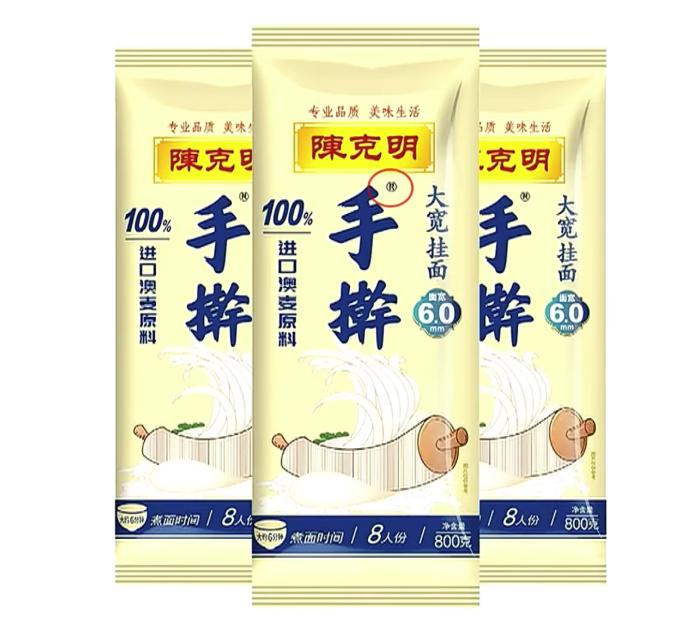
The most intuitive example: a large number of dried noodles labeled "handmade", "handcrafted", "hand-rolled" are all mass produced by machines, while those descriptive words are all registered trademarks.
There are also many brands stacking buffs. For Chen Keming Northern Tough Dried Noodles, "Northern Tough Dried Noodles" is a trademark.
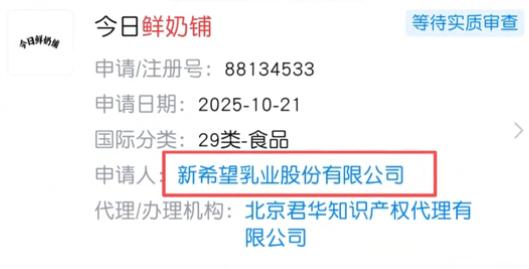
For New Hope Today Fresh Milk Shop & Fresh Pasture, you should already be able to answer immediately, yes, "Today Fresh Milk" is also a trademark.
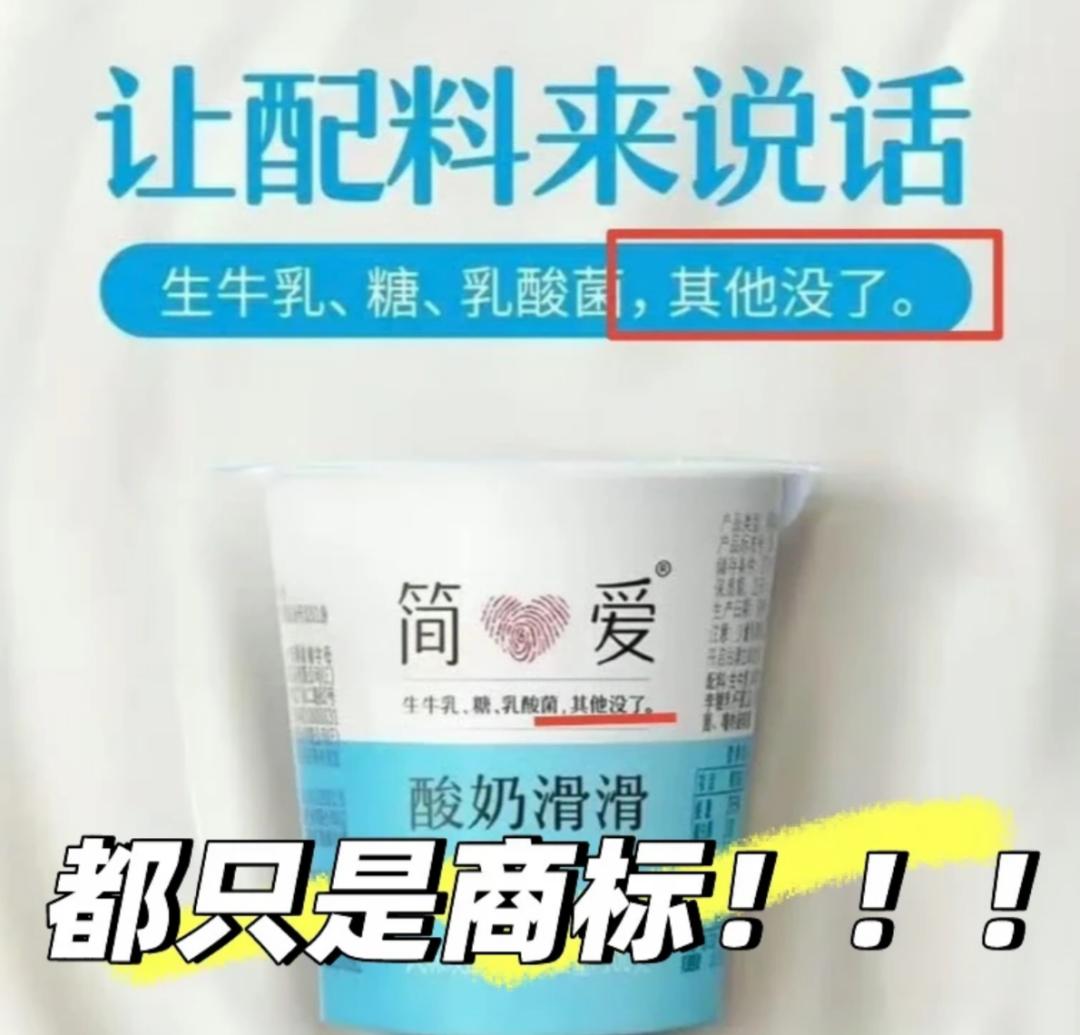
Even for yogurt brands that take "clean ingredient list" as their biggest selling point, after writing "raw material: milk", they directly add a trademark "Nothing Else", which is really hard for consumers to guard against.
Creative confusion.
Qianhe 0 Added soy sauce is a top player in this track.
The brand promotes its name very loudly, especially the huge character "Zero", which is even bigger and more eye-catching than the brand name, so that many consumers understand it as "no additives at all".
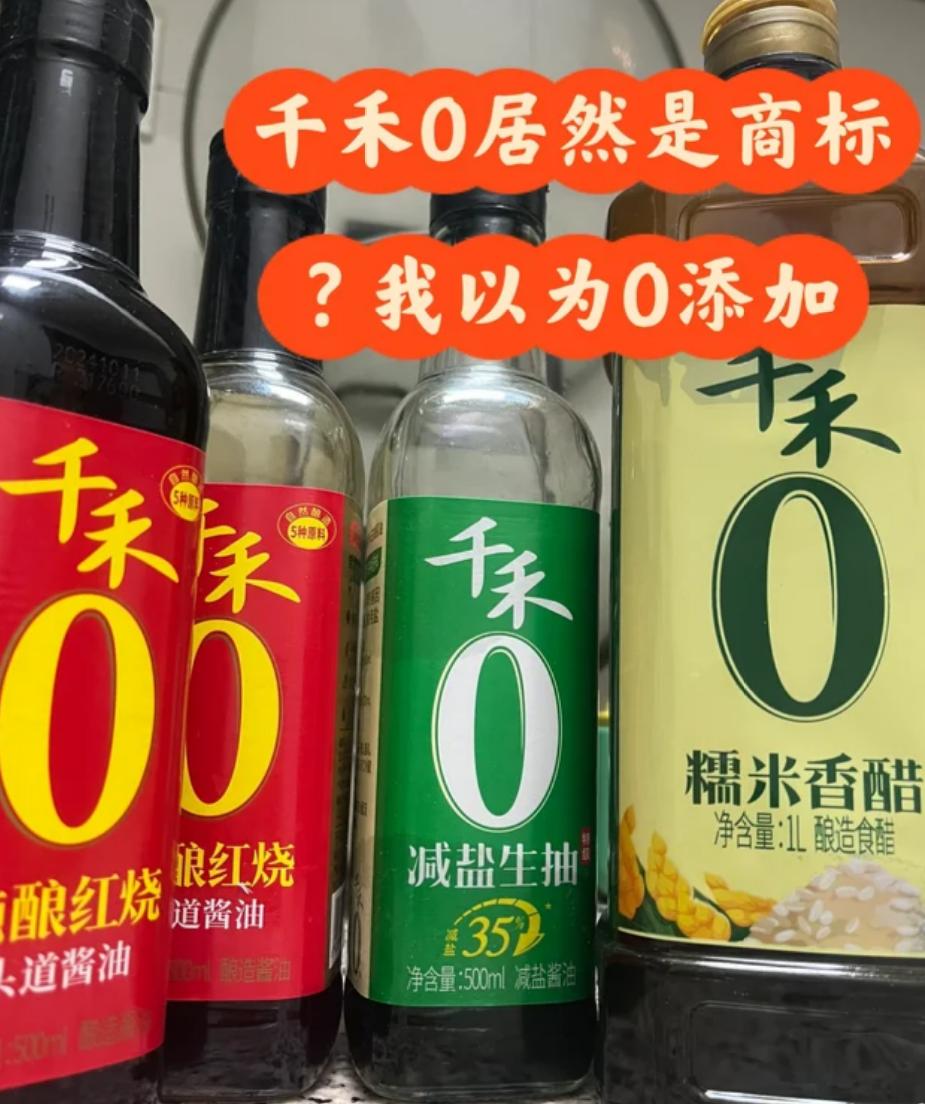
Zero signs are everywhere
It is worth noting that for "zero added" products, Qianhe defines it as no addition of common additives such as monosodium glutamate, sodium glutamate, preservatives, flavor enhancers, cyclamate, acesulfame potassium and so on.
Even so, there is still a big gap between this definition and the real "0 additive" standard. But if they want to reach the real standard, the product cost will rise a lot. What can they do?
Of course, word game is the fastest way to get results.
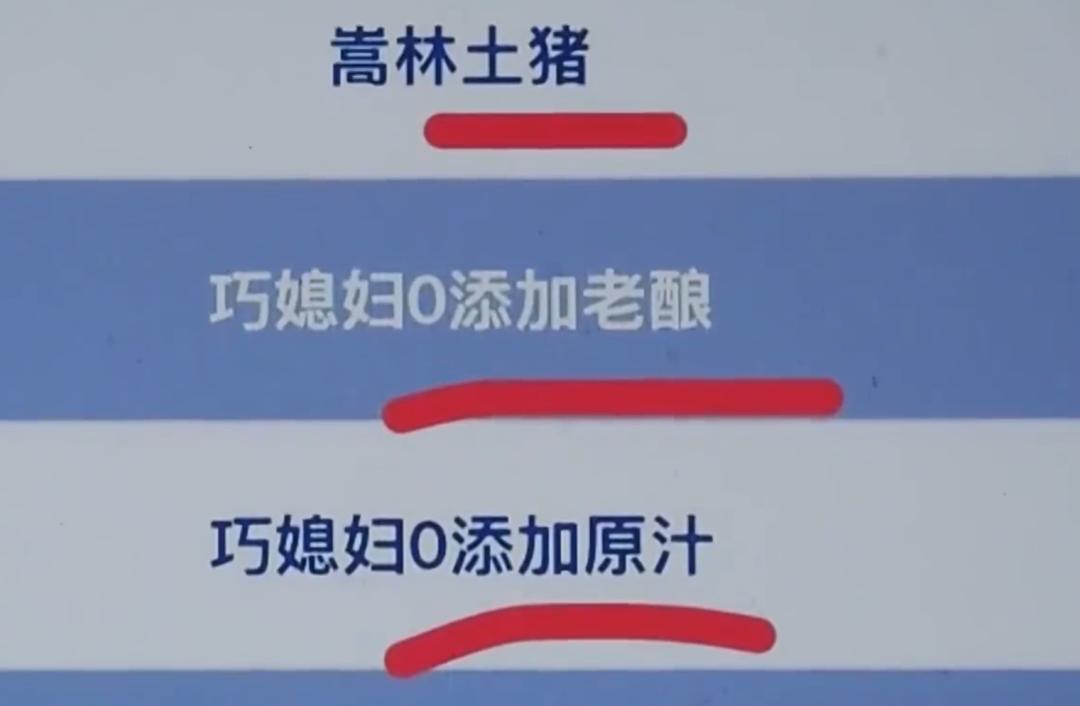
Qianhe is not the only brand playing this trick
Qianhe chose to register "Qianhe 0" as a trademark, perfectly bypassing the constraints of the national standard for real "0 additive", and adjusted the relevant expressions in different proportions to mislead consumers visually, finally achieving the effect of "stealing the identity".
Similarly, Huiyuan, the well-known national juice brand, no matter in its advertisements or product packages, makes the "100%" number extremely large just like Qianhe 0.
However, 100% is not a trademark, but "Huiyuan 100%" is the real registered trademark.
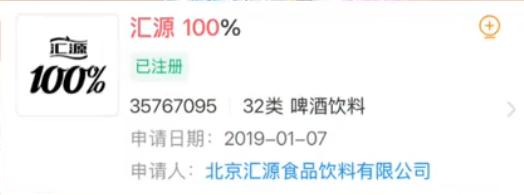
Many familiar labels like "0 sugar", "0 additive" are actually abused as trademarks rather than real product parameters.
In addition, many chargers claiming "120W" charging power are also playing the same trademark trick. You thought you got a super fast charger at a bargain, but the actual charging power is only a dozen watts. Many unethical merchants are eating up the market share of compliant 120W fast charger manufacturers through this confusing trick.
"Place name confusion".
By taking advantage of the reputation endorsement of well-known producing areas or places that people subconsciously consider reliable for authenticity and good quality, merchants use trademarks to steal the fruits of others' honest work.
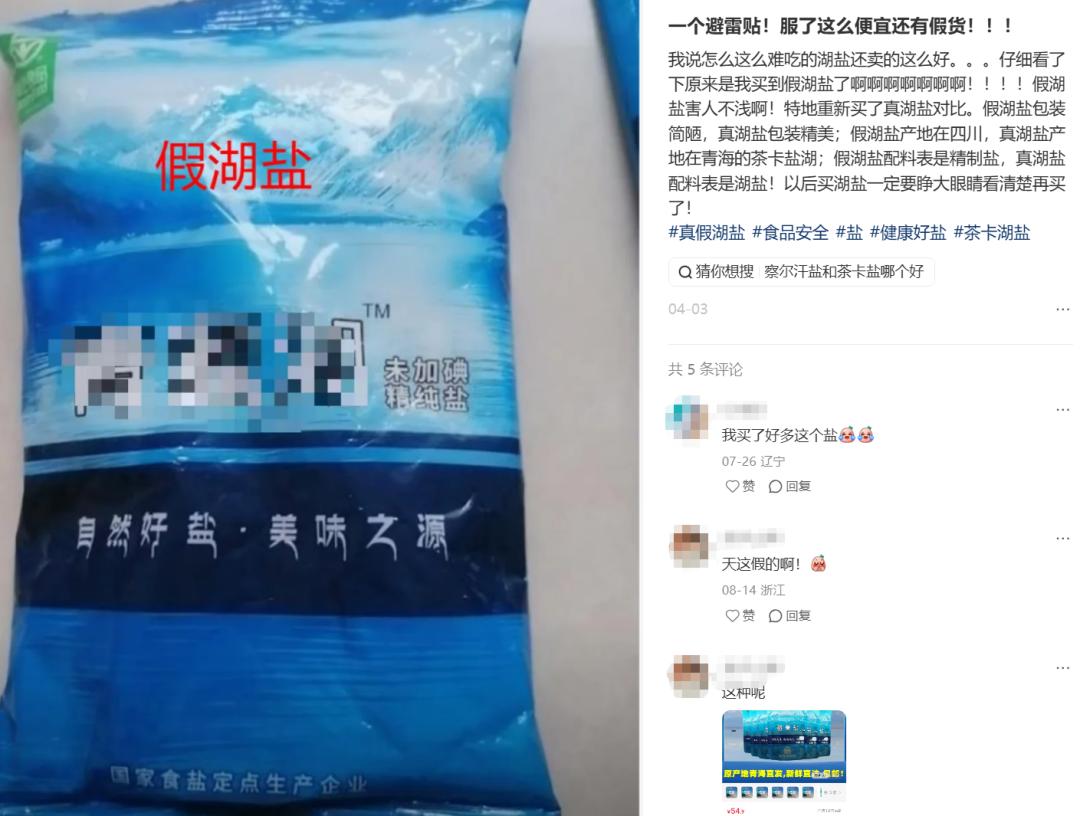
You thought you were buying Qinghai Lake salt, but it turned out to be refined salt produced in Zigong, Sichuan, and "Qinghai Lake" was used as a trademark.
Similarly, there is "Northeast Rice" produced in Hubei, "New Zealand Pasture Milk". If they can't register New Zealand as a trademark, they will register "New Zealand Pasture" instead.
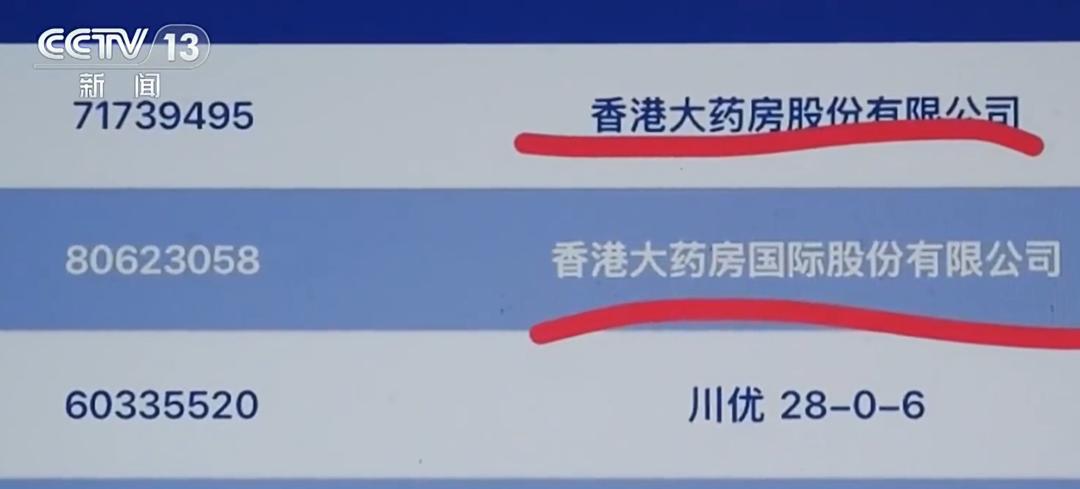
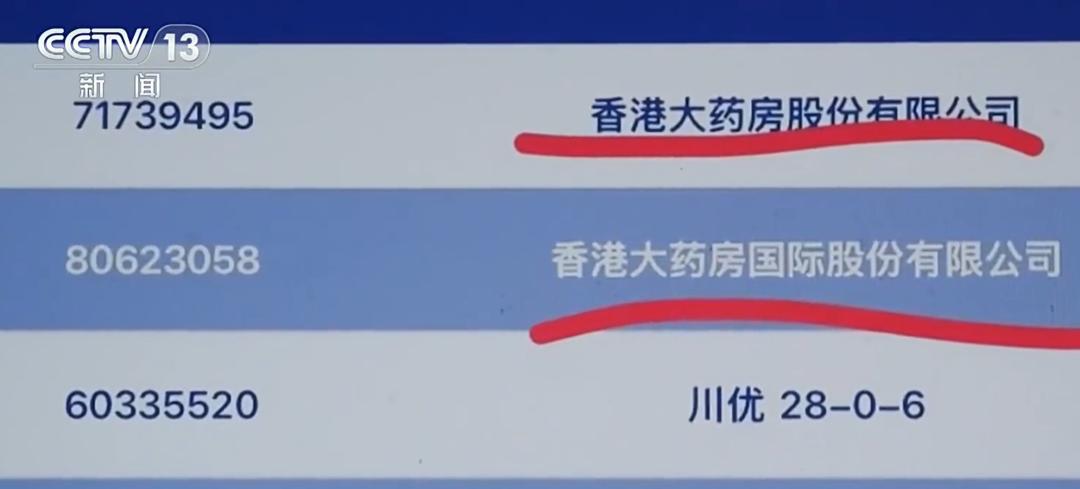
Many merchants also take advantage of consumers' cognitive inertia towards "Hong Kong goods", and labels like "Hong Kong Pharmacy" and "For Hong Kong Supply" are still trademarks.
That's not all. Even many places that do not have actual producing areas can use the same trick to mislead consumers.
Labels like "fruit picked from the tree", "from the mountain", "fished from the lake" and so on, there are no real mountains, forests, lakes or seas at all, only trademarks waiting for you.
Sometimes you can't help but sigh that the Chinese language is so profound and extensive.
"Extra long stories".
All the tricks we saw before are short and compact little tricks, and some merchants even directly register the whole advertising slogan as a trademark name.
The essence is the same. Ordinary consumers can hardly find the short trademarks that play word games with punctuation breaks, and they are also hardly aware that such a long paragraph is also a trademark: