Have the number of passengers on the most crowded subway lines in Beijing, Shanghai and Guangzhou started to decline?
More and more subway lines are put into operation, yet the passenger flow is on the decline. Is it true that "no one takes the subway anymore"?
"The most frustrating part of taking the subway is not failing to get a seat, but being unable to squeeze into the car when it arrives."
The summer vacation is drawing to a close. The ordinary commuters in first-tier cities, who have been experiencing this harsh reality the whole summer, finally start to feel a subtle sense of relief.
The latest urban rail transit operation data released by the Ministry of Transport on August 18 shows that in July this year, the total passenger flow of urban rail transit in 54 cities across China hit 2.94 billion person-times. Five cities including Beijing, Shanghai, Guangzhou, Shenzhen and Chengdu all recorded a monthly passenger flow of over 200 million person-times, leading the first echelon of the national subway passenger flow ranking.
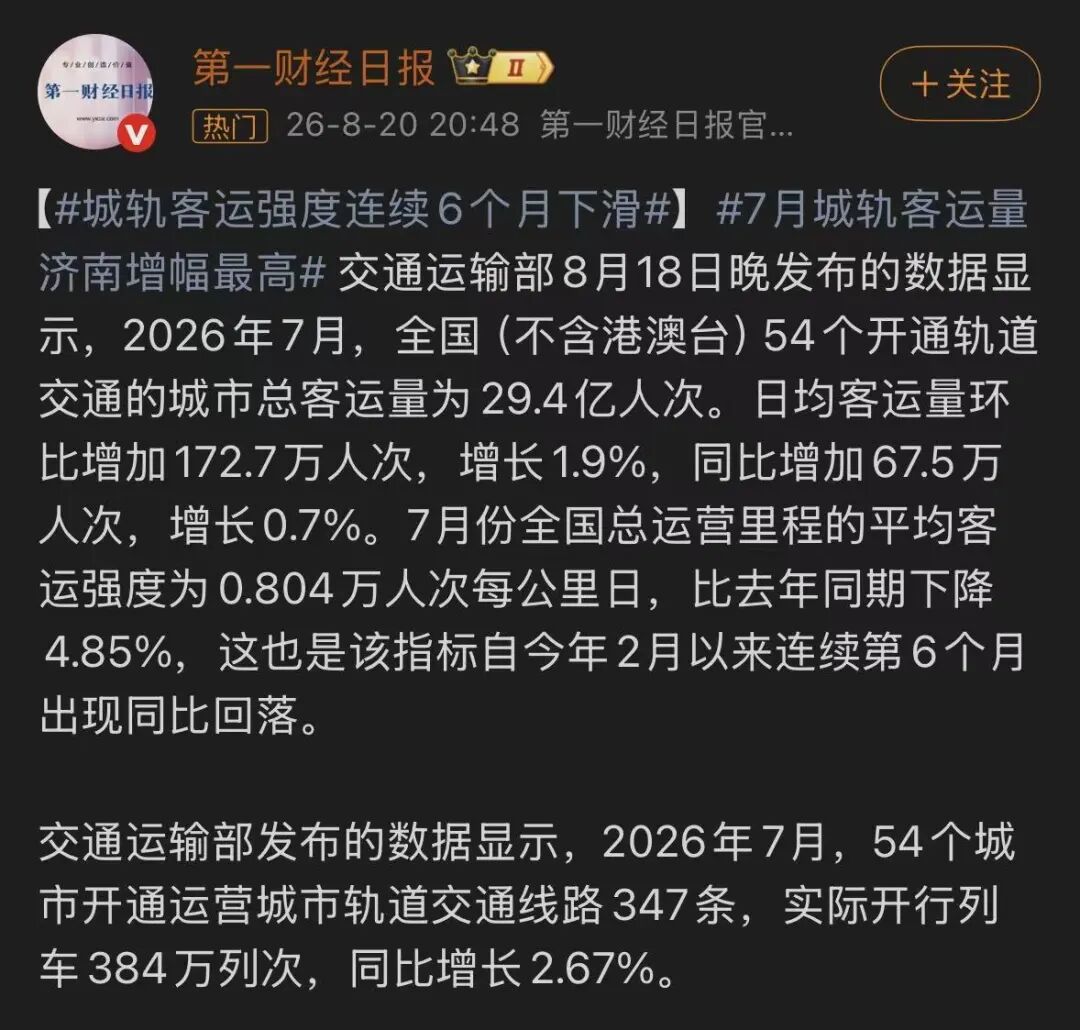
The average passenger intensity of urban rail transit across China is slipping. (Photo/Screenshot from social media)
In fact, you may still be squeezed in the commuting carriage struggling to catch your breath, but counterintuitively, the average passenger intensity of national urban rail transit is declining. The operation data also reveals that the average passenger intensity of the total operating mileage of urban rail transit across the country in July this year was 8,040 person-times per kilometer per day, down 4.85% year on year, marking the 6th consecutive month of year-on-year drop since February this year.
In 2025, 58 cities in China operated 382 urban rail transit lines with a total mileage of over 13,000 kilometers, of which more than 10,000 kilometers are subway lines. Almost every city with subway has a notorious "Line X of Doom" that makes people feel a mix of love and hate. In many large first-tier cities, subway trains during morning and evening rush hours are crowded like sardine cans. Once there is any minor incident, it will immediately top the local trending search list.
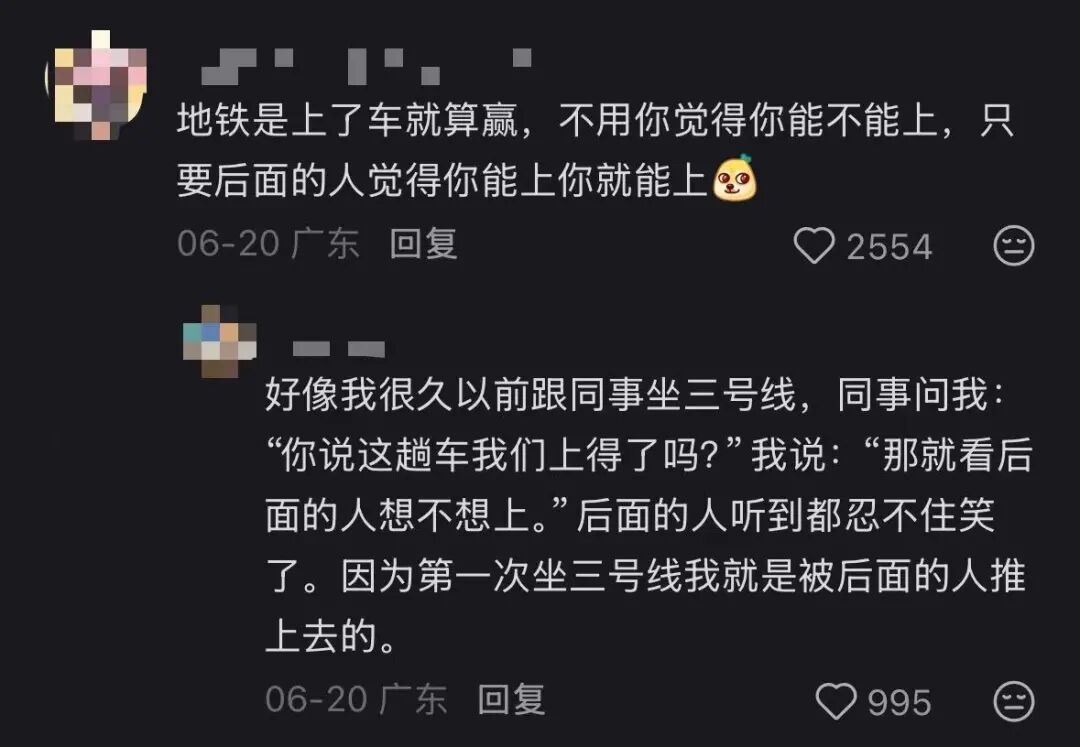
You can get on the train as long as people behind you are trying to squeeze in. (Photo/Screenshot from social media)
It seems unbelievable that the passenger flow drops even as more and more subway lines are built. Judging only from the total number, you may directly draw the conclusion that "no one takes the subway anymore": "Is this done deliberately, or is it just an accident?"
But changes are indeed taking place. For example, a passenger in Guangzhou mentioned that on some stations of the well-known Metro Line 3, where people used to queue for 20 minutes to pass the ticket gate during morning rush hour, now the queue only appears on the platform, and passing the ticket gate has become much smoother.
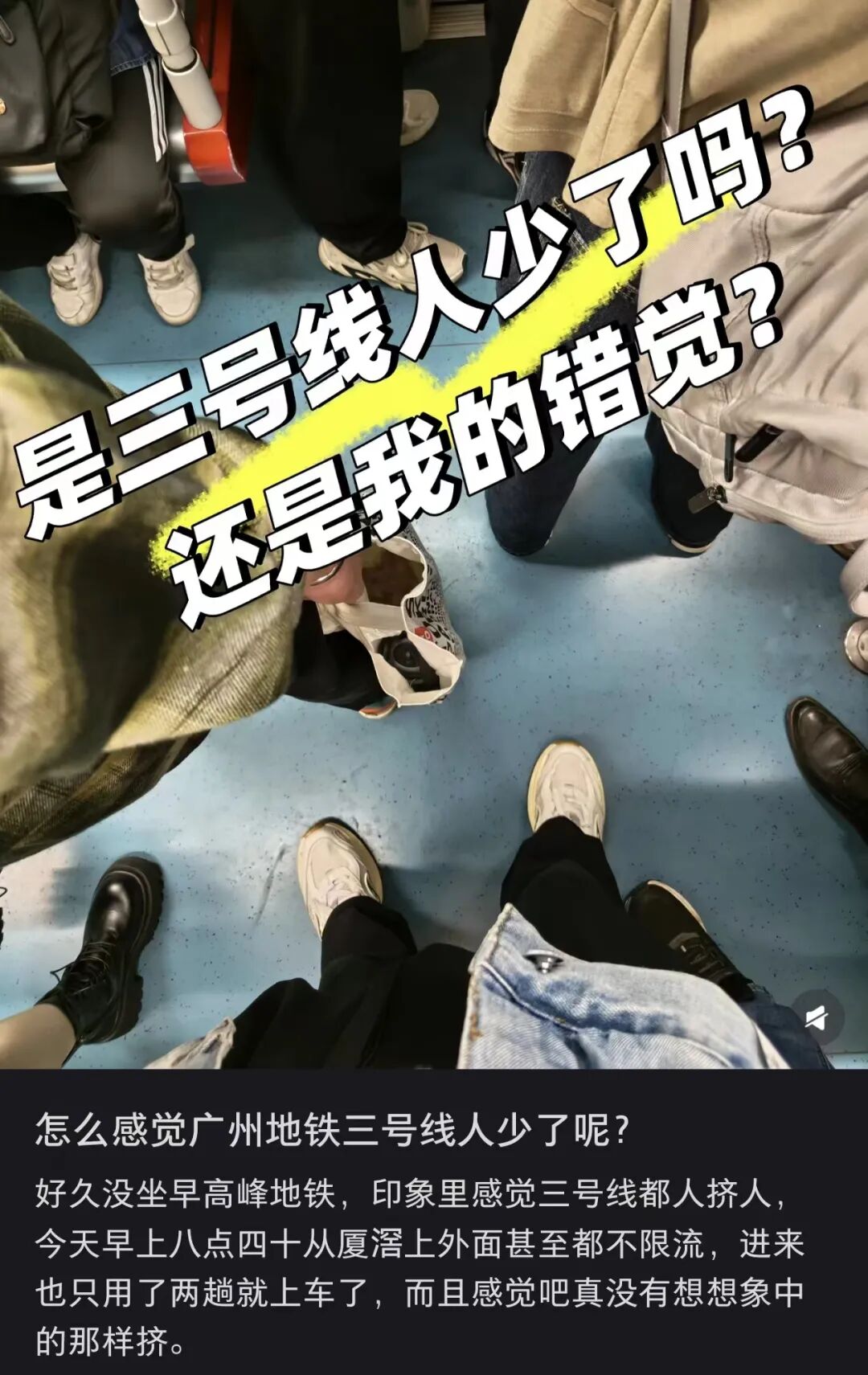
Guangzhou Metro Line 3, known as the "Line of Doom" among local residents, has recently been found that queues only appear on the platform, and passing the ticket gate is much smoother. (Photo/Screenshot from social media)
01
Subway lines are completed, yet there are not enough passengers
This counterintuitive trend is accelerating to become a reality, no matter in cities with dense subway networks like Beijing, Shanghai and Guangzhou, or in second-tier cities with only a small number of subway lines.
One direct reason is the intensive opening of new subway lines.
According to the 2025 Statistical and Analysis Report on Urban Rail Transit released by China Urban Rail Transit Association at the end of March this year, 55 new urban rail transit lines (mostly subway lines) were opened across the country last year, with a net increase of mileage exceeding 900 kilometers.
The four first-tier cities of Beijing, Shanghai, Guangzhou and Shenzhen all opened new lines last year, but the real "growth leader" is Jinan. The city, which has long been teased for "being unable to build subways properly" due to its spring karst geological conditions, opened 4 subway lines at once in December last year, with a net mileage increase of 121.2 kilometers, ranking among the top across the country in terms of growth rate.
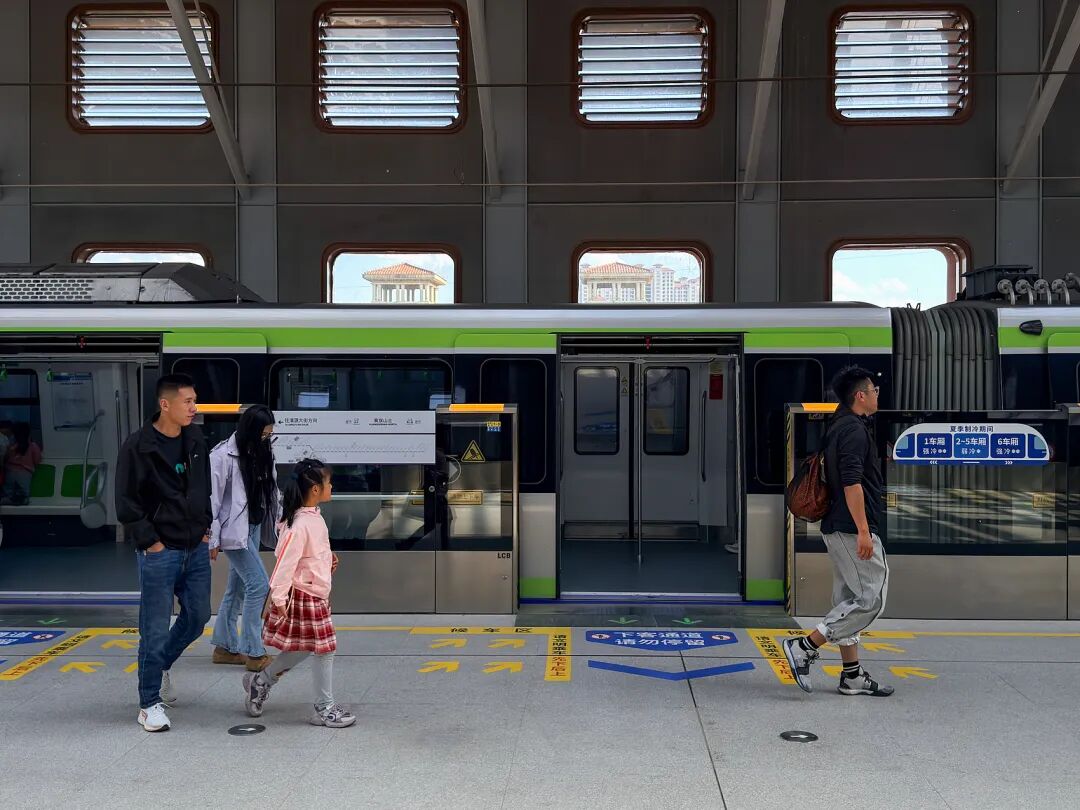
Jinan opened 4 subway lines at once in December last year, with a net mileage increase of 121.2 kilometers, ranking among the top across the country in terms of growth rate. (Photo/VCG)
For cities with mature subway networks, the most obvious effect of opening new lines is passenger flow diversion. Both the 2025 annual report released by Guangzhou Metro and the 2025 Analysis Report on Shanghai Rail Transit Passenger Flow released by the Transport Command Center of Shanghai Municipal Transportation Commission show that the opening of new lines has significantly diluted the passenger flow of existing lines.
The well-known backbone subway lines including Guangzhou Metro Line 3 (including its branch) and Shanghai Metro Line 2 have all seen a drop in average daily passenger flow, while new lines completed and opened in the past two years such as Guangzhou Metro Line 11 and Shanghai Airport Line have witnessed continuous rise in average daily passenger flow and passenger intensity. In other words, passengers on the subway have not disappeared, but are "picked up" by different lines.
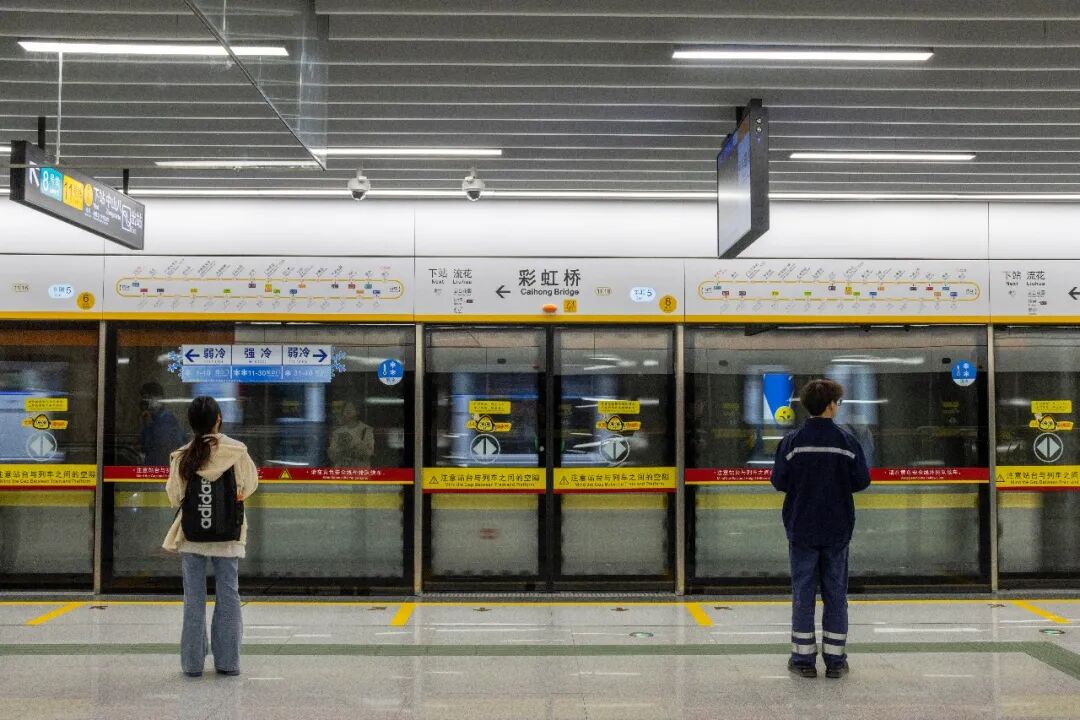
Guangzhou Metro Line 11, opened at the end of 2024, has already diverted a large number of passenger flow from old subway lines. (Photo/Liang Hao)
This difference is also related to the change of population mobility trend. Many cities have been making efforts to develop sub-centers in recent years, with residences, shopping malls and jobs spreading outward, so people living outside the downtown no longer have reason to go to the city center.
Data also confirms this trend. The permanent resident population in Beijing's central urban area has decreased by 2.029 million compared with the peak in 2015; in 2025, the passenger flow of Shanghai rail transit within the outer ring on workdays decreased by 1.2% year on year, while that outside the outer ring increased by 1.5%; the population in old urban areas of Guangzhou such as Liwan and Yuexiu continues to flow out, while the peri-urban areas such as Baiyun and Panyu maintain net inflow.
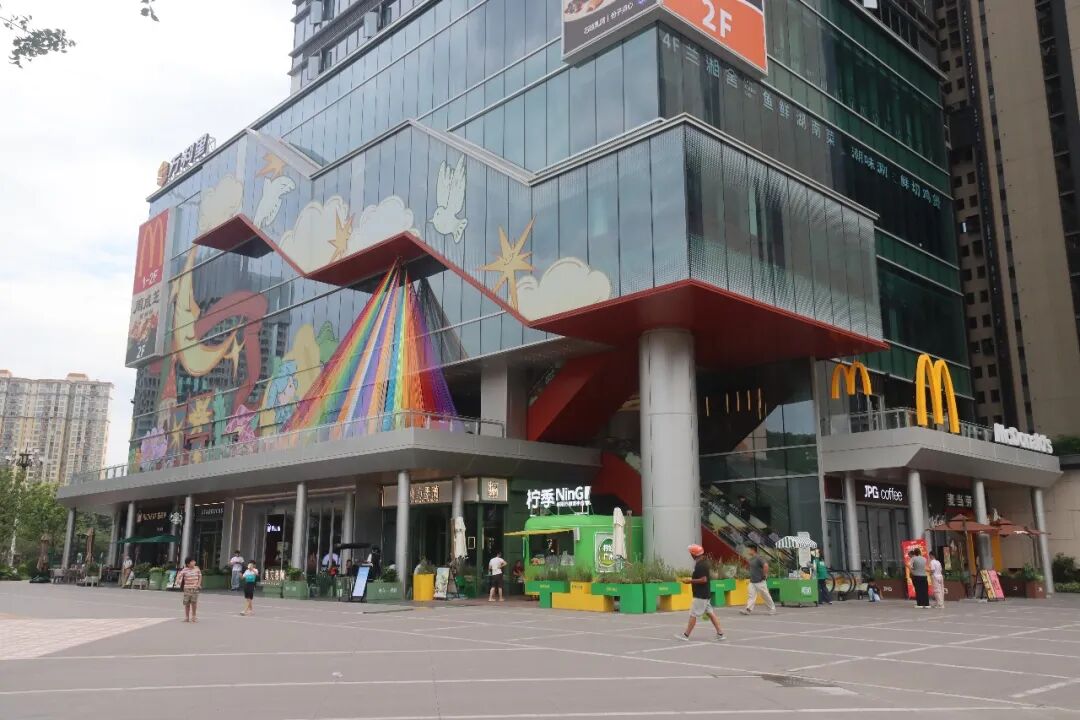
As residences, shopping malls and jobs spread outward, large-scale commercial complexes we are familiar with such as Wanda, Wuyue, Vanke Mall and Impression City are now commonly seen in suburban areas. (Photo/Liang Hao)
As people move to the suburbs, the subway leading to the core area is naturally less crowded.
Another unignorable fact is that there are more and more cars on the roads of Chinese cities. Low-carbon and eco-friendly new energy vehicles have become civilian consumer goods, giving frequent subway riders a reason to abandon the subway. At the end of 2019, the ownership of new energy vehicles in China was just over 3.8 million, and this figure has now increased by more than 10 times.
Not to mention the electric two-wheelers that are popular all over the country. The ownership of electric two-wheelers in Beijing, Shanghai, Guangzhou and Shenzhen has all exceeded 6 million, and Shanghai has long passed the threshold of 10 million. In 2025, the average daily riding volume of electric two-wheelers in Guangzhou was about 9.68 million person-times, larger than the average daily subway travel volume of 9.312 million person-times throughout the year, which further dilutes the subway passenger flow.
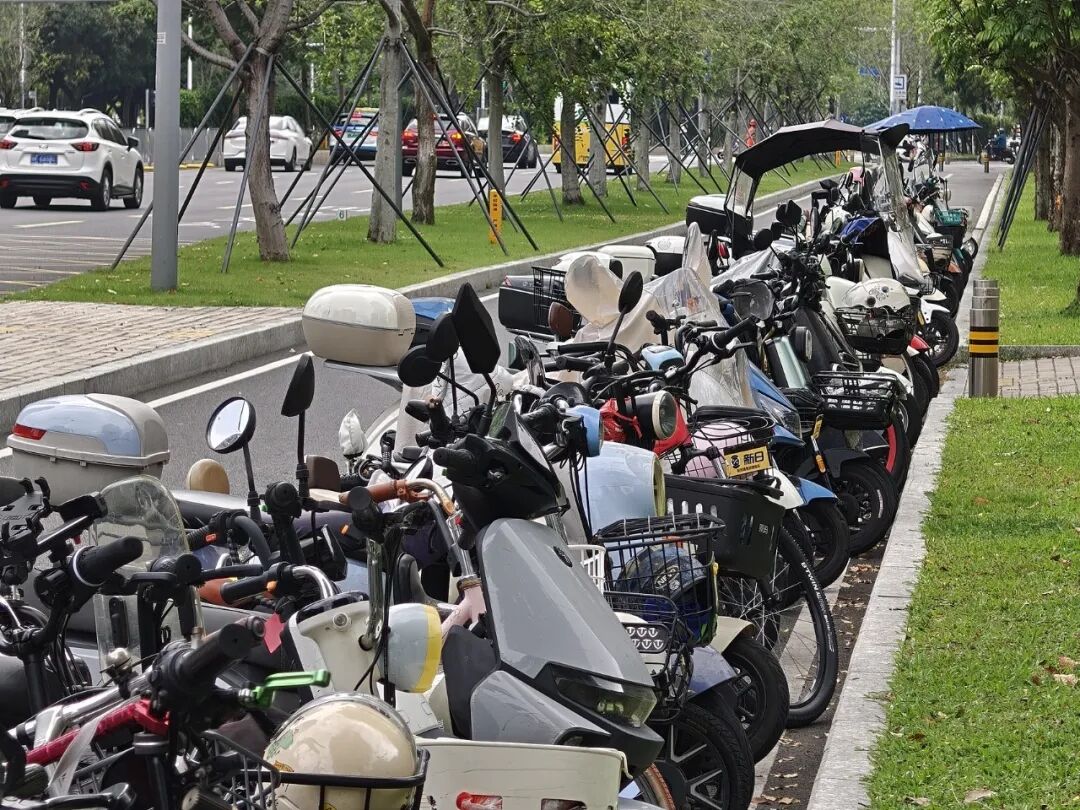
In addition to private cars, electric two-wheelers popular across the country also have a great impact on subway passenger flow. (Photo/VCG)
2019 was the peak year of China's subway passenger flow. In that year, the subway travel volume of almost all cities hit a historical record, but in the following years, the operation rhythm of the subway was once interrupted. Even though it has gradually recovered now, few cities can replicate that peak again.
In other words, even if you are still squeezed into a crumpled chip in the subway during morning and evening rush hours, the empty carriages after the peak will make you feel confused. This contrast will most likely become more and more common in the future.
02
What should the subway do if the passenger flow fails to meet the standard?
To judge the real efficiency of a subway line, neither the absolute value of passenger flow nor the contrast between crowded and empty time periods is the key, but the "passenger intensity". According to the requirements of the National Development and Reform Commission, the passenger intensity of a proposed subway line in the initial operation stage (usually within 3 years after opening) shall not be less than 7,000 person-times per kilometer per day — specifically, a subway line with a total length of 30 kilometers shall have a daily passenger flow of at least 200,000 person-times.
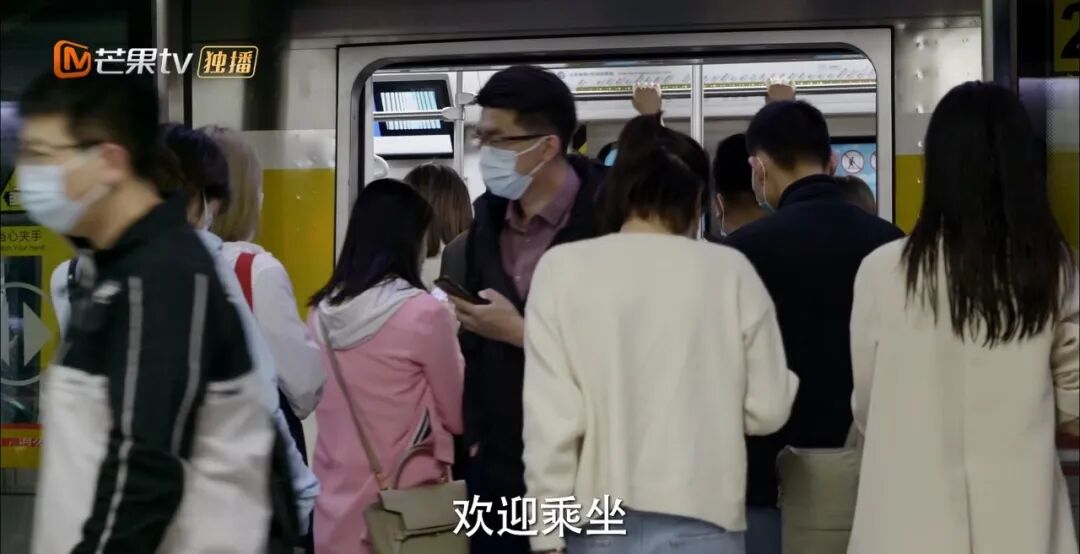
To judge the real efficiency of a subway line, we should not only see whether the carriage is crowded like sardines or completely empty. (Photo/ Being a Hero in My Hometown)
According to the 2025 Statistical and Analysis Report on Urban Rail Transit, the average passenger intensity of 41 cities with subways across the country is 7,300 person-times per kilometer per day. Although it has decreased by 3.97% year on year, it is still above the passing line on the whole. However, when looking at each individual city, only 14 cities meet the overall passenger flow standard.
The latest data from the Ministry of Transport shows that Shenzhen ranks first across the country with a passenger intensity of 15,100 person-times per kilometer per day, while Wenshan in Yunnan ranks at the bottom with only 100 person-times per kilometer per day.
According to the explanation of Shenzhen Metro Group, the passenger intensity of Shenzhen subway in July continued to rank first across the country and the passenger flow realized year-on-year growth, which is the result of the combined effect of rigid commuting demand, diversified summer travel passenger flow and the release of network efficiency. In contrast, Wenshan, which only has one modern tram line, is highly related to the Puzhehei Scenic Area. Its passenger flow is obviously affected by the peak and off-season of tourism, with full capacity in peak season and low operation level in off-season, so the fluctuation of passenger intensity is within expectation.
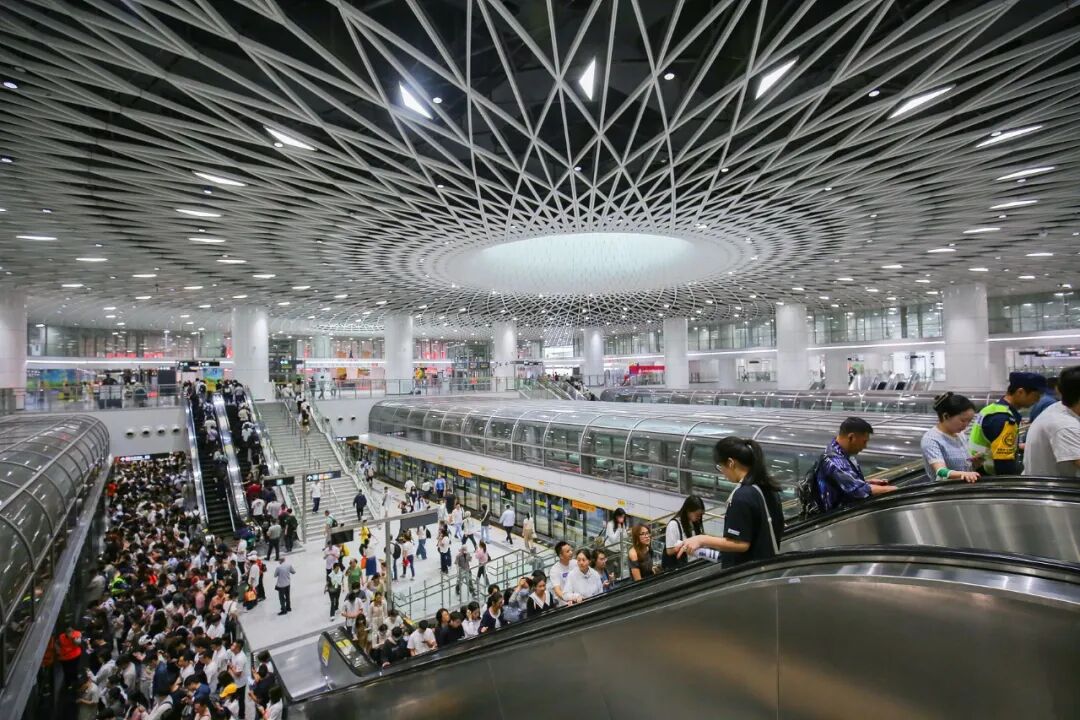
Shenzhen ranks first across the country with a passenger intensity of 15,100 person-times per kilometer per day. The picture shows Gangxia North Station of Shenzhen Metro. (Photo/VCG)
Most ordinary subway cities whose passenger intensity fails to meet the standard for a long time usually get less public attention.
Last November, Dalian Metro adjusted the operation schedule of multiple lines, extending the departure interval to more than 10 minutes, and even up to 20 minutes in some time periods, which made local residents feel very helpless. Kunming, which announced to raise subway ticket prices in 2025, once caused public discussion as early as 2023 due to financial difficulties such as default on employee salaries and continuous overdue bills.
Not to mention those "loneliest subway stations" scattered across the country and out of the public sight. Foziling Station in Nanning, Caojiawan Station in Chongqing and Fengbei Station in Hangzhou were once widely controversial for being located in remote wild areas, which is mostly related to the over-advanced urban expansion. Whether these forward-looking developments are worth it can only be tested by time.
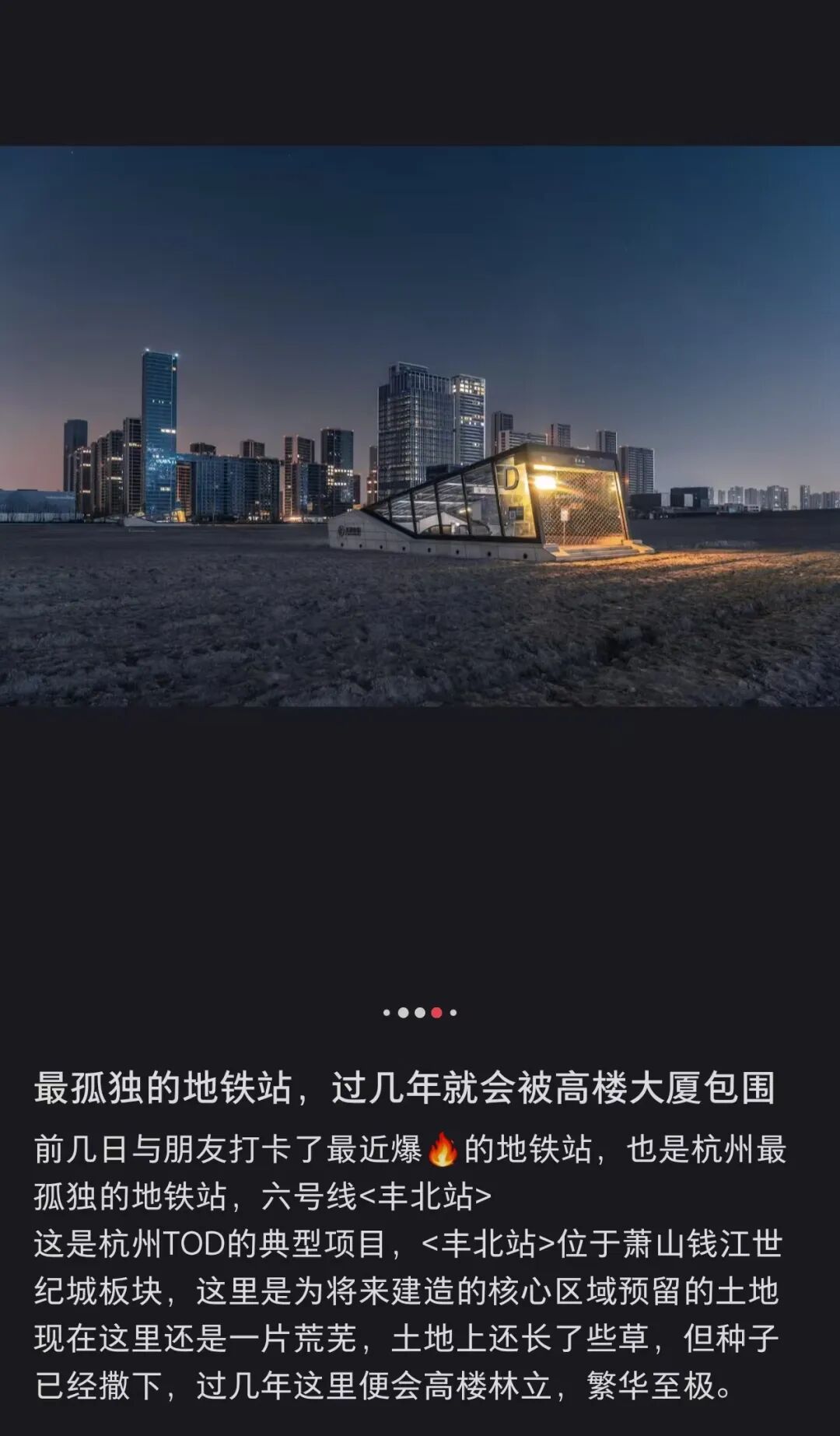
The surrounding area of Fengbei Station of Hangzhou Metro used to be a wasteland, attracting many local residents to check in. With the holding of the 2023 Hangzhou Asian Games, the original wasteland has been transformed into a green park. (Photo/Screenshot from social media)
Over the past decades, China's urban subway network has developed rapidly, and the total length of operating lines is leading the world. Subway has become a necessity for cities