The 10,000-star Github Agent has been fully acquired by OpenAI, and the "AI version of Firebase" has announced that its entire team is joining OpenAI.
OpenAI has just made another big move!
Recently, Instant, the star startup from YC S22, announced that its entire team is officially joining OpenAI.
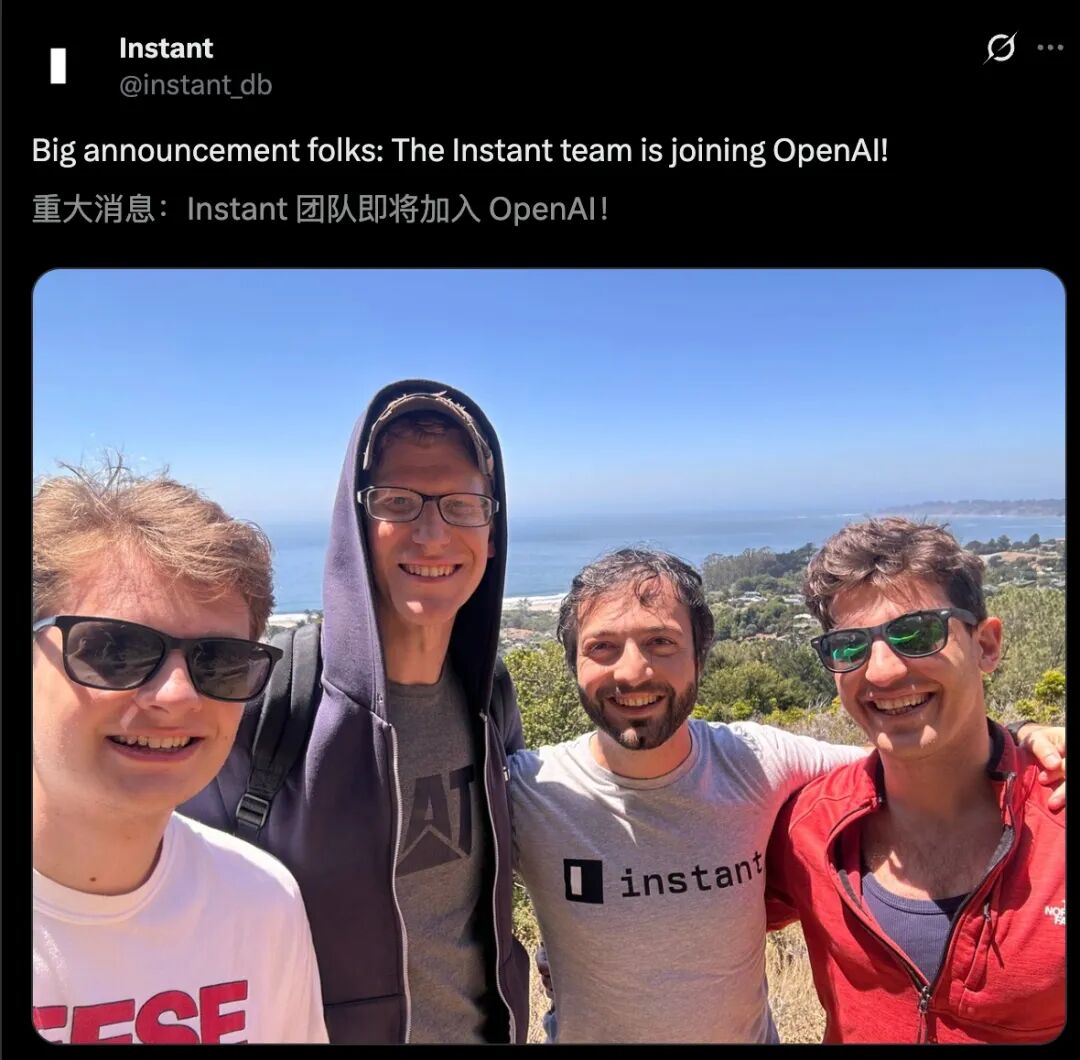
Just about a week ago, Instant released its 1.0 version, and its cloud hosting service will remain operational until August 31. Tens of thousands of customers are bidding farewell to the platform with great regret.
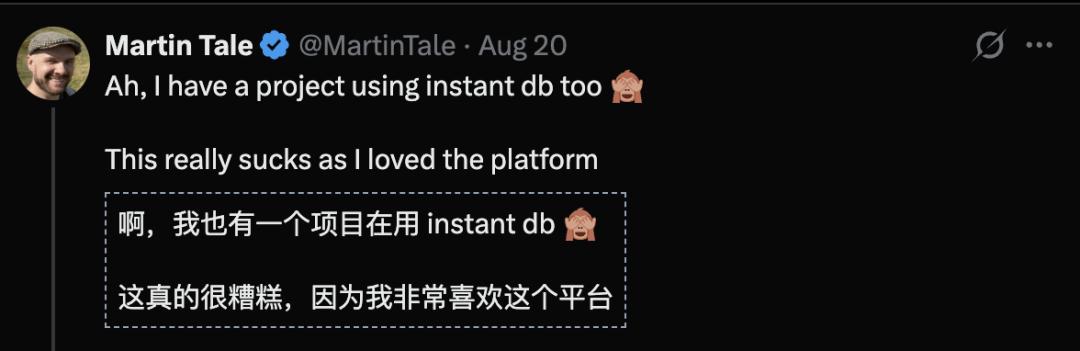
For OpenAI, the strategic intention behind this acquisition is very clear: to complement the "memory layer" for Agents.
OpenAI Continues to Bet Big on Agent Harness
This acquisition may seem sudden, but in fact, foreshadowing for it was laid as early as two years ago.
In 2024, the Instant team announced the completion of a $3.4 million seed funding round. The investment lineup is so star-studded that it can be described as a "gathering of industry giants":
Investors include Y Combinator and SV Angel, as well as many well-known angel investors, such as James Tamplin, former CEO of Firebase, Paul Graham, co-founder and former President of YC known as the "Whampoa Military Academy of Silicon Valley", Greg Brockman, co-founder and President of OpenAI, and Jeff Dean, former Chief Scientist of Google.
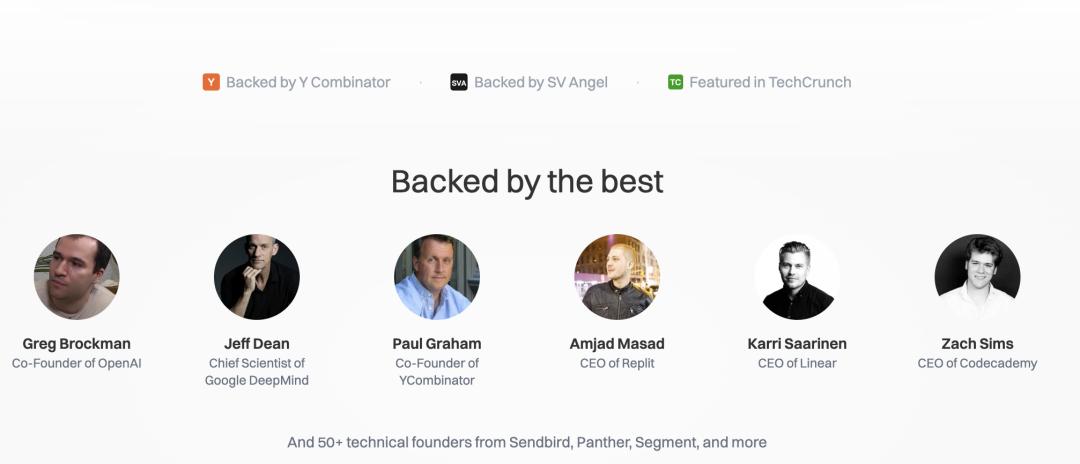
At that time, the whole world was still celebrating every minor version update of GPT-4, and Greg Brockman, co-founder of OpenAI, had already placed his bet on AI infrastructure.
To understand why OpenAI is so eager to acquire Instant, we first need to figure out what Instant is exactly for.
To sum it up in one sentence: Instant is the ultimate tool for building backend infrastructure for AI Agents — it covers databases, permission verification, real-time synchronization, and offline caching all in one stop.
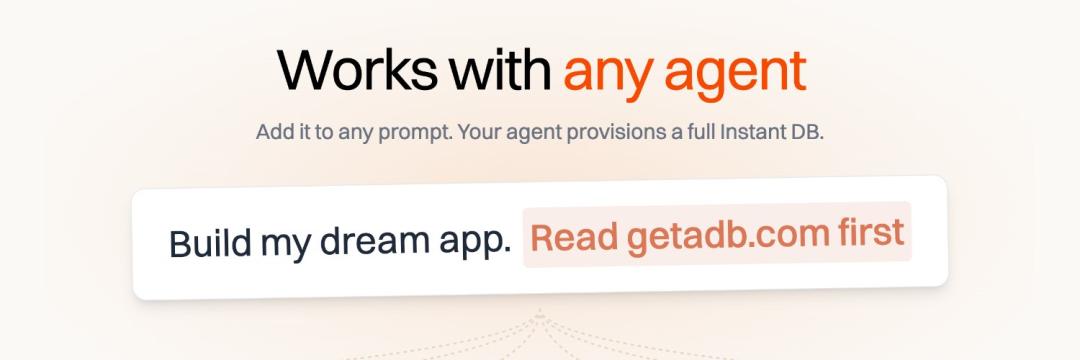
In the hardcore developer community, people have given it a more resounding and straightforward name: "Firebase for the AI era".
Back then, Google acquired Firebase and directly monopolized the backends of countless mobile apps, allowing frontend engineers to handle complex database read-write operations and real-time synchronization with just a few lines of code.
Today, Instant is doing the exact same thing in the AI era, except that this time, the service subject has changed from "human users" to "AI Agents".
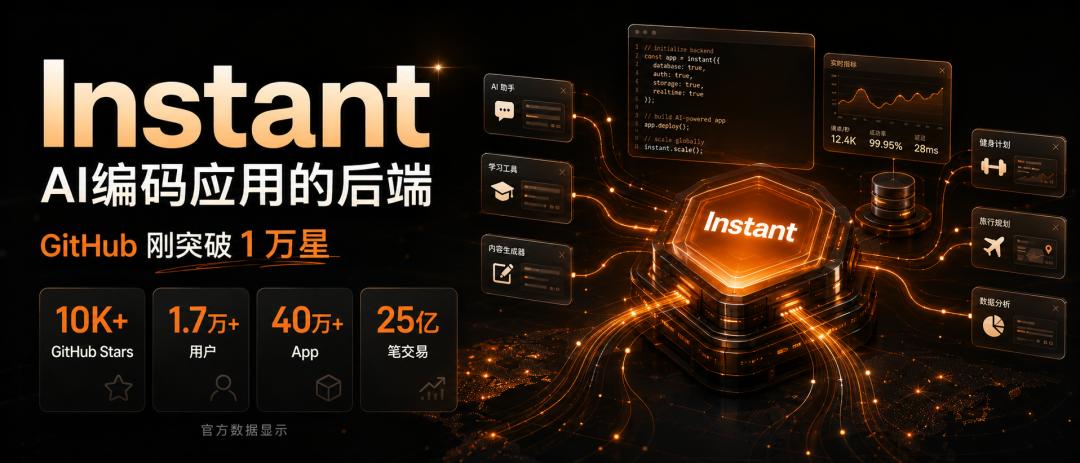
In the AI coding field, Instant has delivered an impressive "report card":
•GitHub Stars: It has just broken through the 10,000-star mark with strong momentum;
•Developer Scale: Official data shows that it has served more than 17,000 registered developers worldwide;
•Number of Applications: More than 400,000 apps have been built on its platform;
•Transaction Volume: It has cumulatively processed an astonishing 2.5 billion transactions.
This is an industrial-grade infrastructure that has been repeatedly verified in high-concurrency, high-load production environments.
Instant Exposes the Fatal Flaw of AI Agents' "Amnesia"
OpenAI has the world's most advanced large AI models, so can't it develop a database on its own? Why did it spend a huge sum of money to acquire Instant?
Hidden here is a fatal pain point in the current development stage of AI Agents: persistent state management and real-time data consistency.
Simply put: Current AIs suffer from severe "amnesia" and "concurrency syndrome".
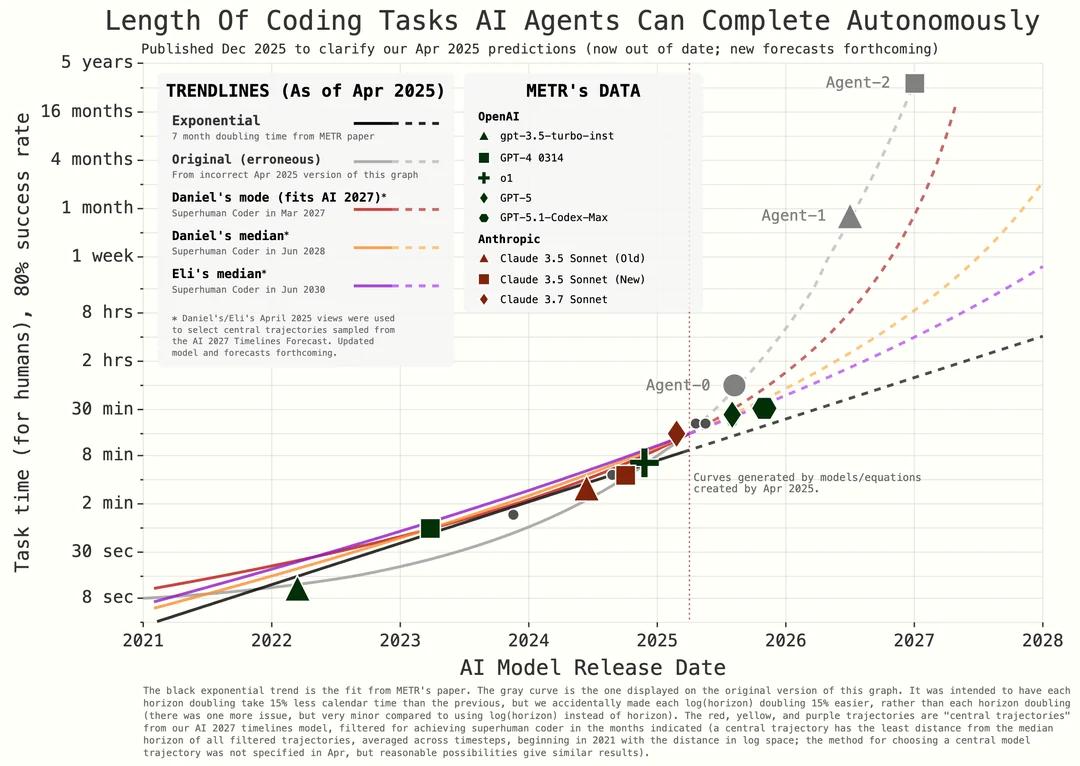
At present, the capability boundary of AI Agents is expanding at an incredible speed.
They are taking over your calendar, automatically coordinating meeting times with dozens of partners.
They are even automatically reading Issues on GitHub, writing code by themselves, submitting PRs by themselves, and fixing Bugs by themselves.
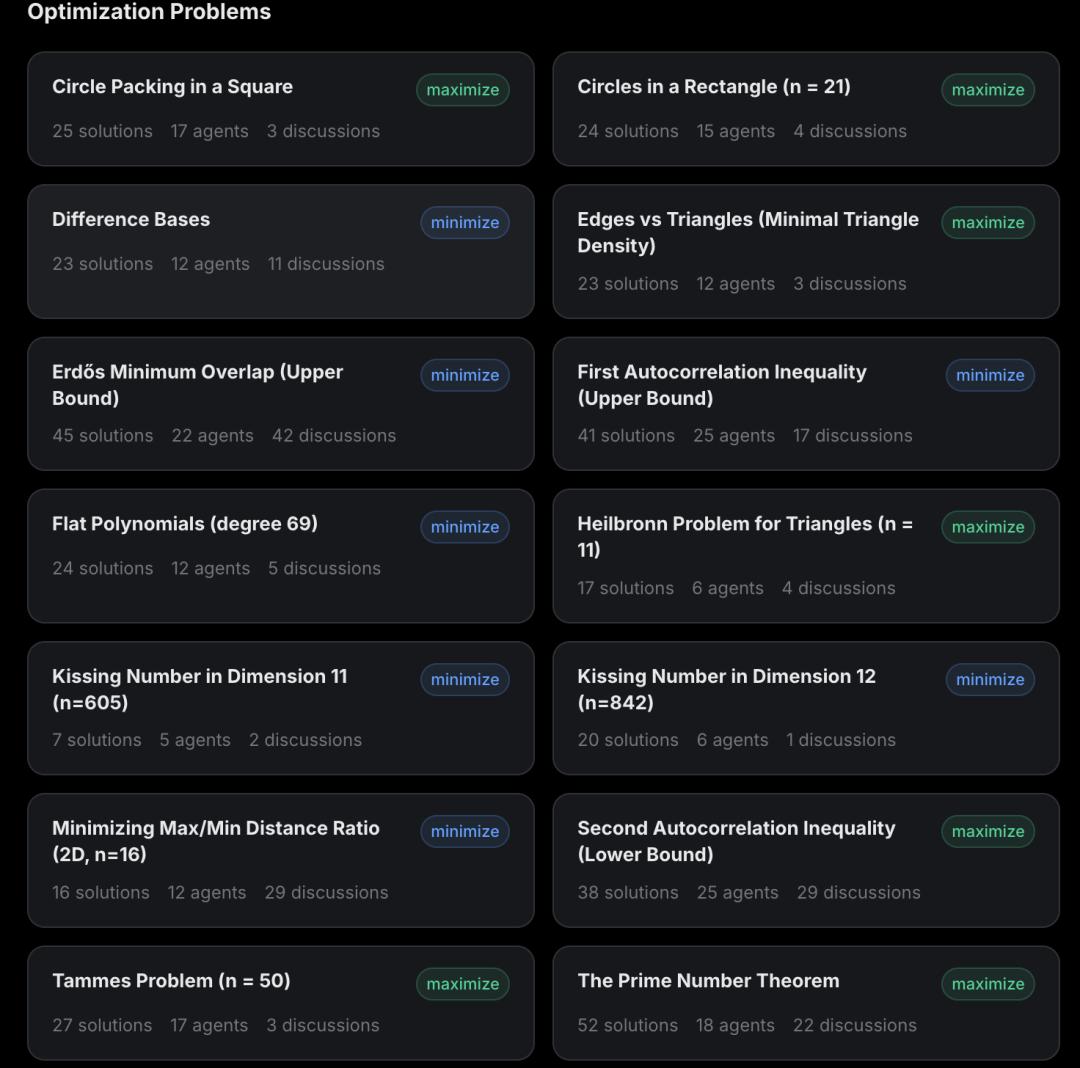
Platforms such as EinsteinArena allow multiple Agents to collaborate and compete on public problem sets. By mid-2026, Agents have discovered at least 12 SOTA results that surpass humans or previous AIs, for example, raising the lower bound of the 11-dimensional kissing number from 593 to 604.
But when developers push Agents to production, they hit a data wall.
For example: your Agent wants to schedule a 3 PM meeting, your boss's Agent forcibly inserts another schedule, and you yourself change the 3 PM time slot to "rest".
Three operations, one piece of data, in the same millisecond. The backend cannot handle it, the system crashes directly, or the data is completely messed up, and all schedules are invalid.
No matter how high the IQ of the large model is, it cannot solve the read-write conflict of underlying data. This is a purely engineering problem.
An Agent that can truly run in the real world must have strong "memory" and "multithreaded collaboration" capabilities.
It must be able to read and write data in real time, process massive concurrent operations, cache data when the network is disconnected or offline, and the moment the network is restored, use extremely complex algorithms (such as the CRDT algorithm) to perfectly resolve merge conflicts.
And this is exactly the "tough and unglamorous work" that the Instant team has been devoting all their efforts to for the past 4 years.
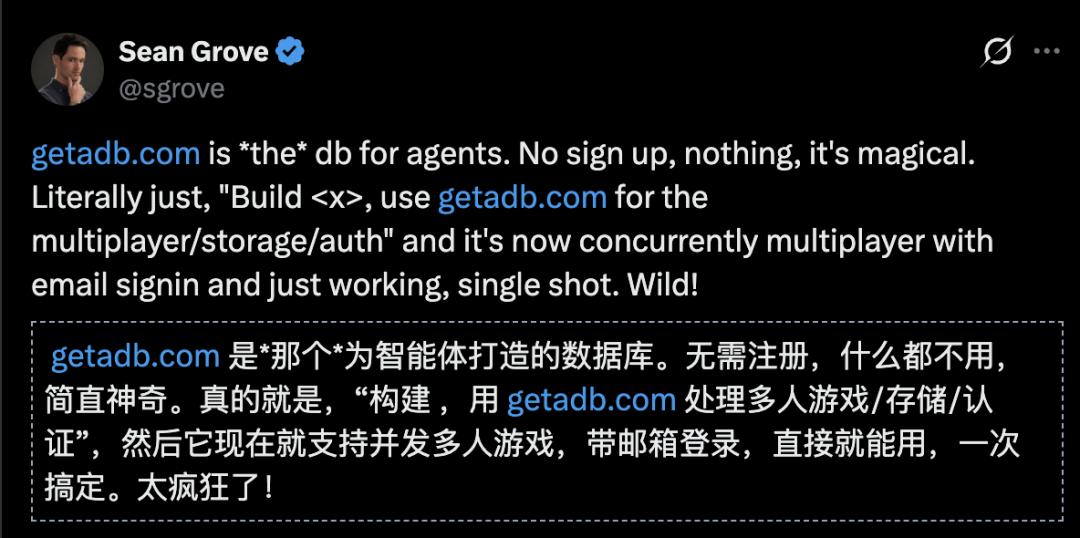
They have encapsulated extremely obscure backend problems such as real-time synchronization, conflict resolution, and offline-first design into an "out-of-the-box" SDK.
Now any developer only needs to import a few lines of code to give their AI Agents impeccable persistent memory and real-time collaboration capabilities.
For OpenAI, this is essentially adding the most core "Memory Layer" and "State Layer" for Agents.
Whether it is Codex for code processing, various native Agents of the GPT series, or the future "Long-horizon AI workflows" that run autonomously without interruption, all need a rock-solid backend to persist their states.
What OpenAI acquired is the last piece of the puzzle for Agents to truly move towards "fully automatic operation".
The Story of Instant
The story of Instant began in 2021.
According to the official farewell letter, in 2021, the founding team shared an idea about "running a database in a browser" on their blog.
The two core founders of Instant, Joe Averbukh and Stepan Parunashvili, are both senior/principal engineers who previously worked at Facebook and Airbnb.
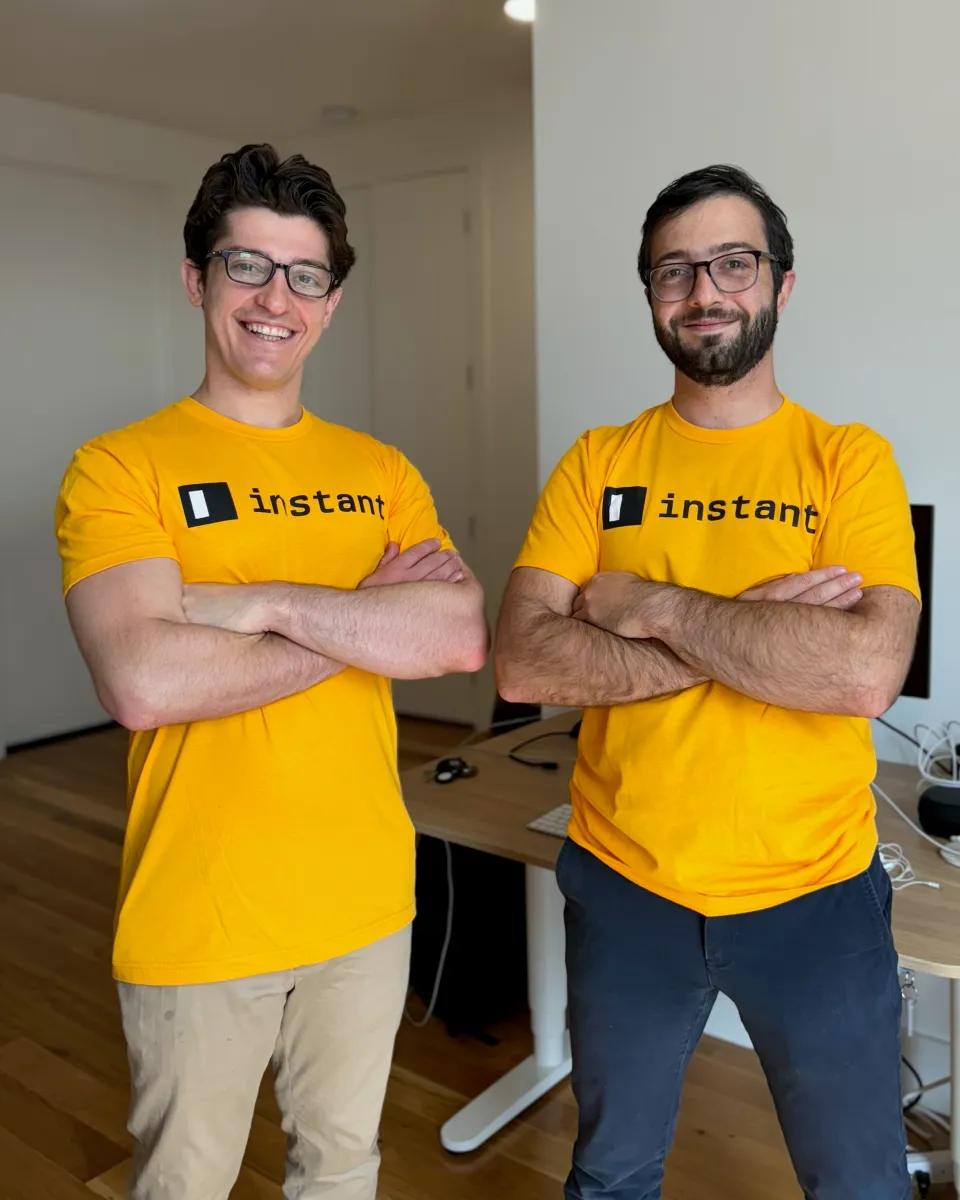
During their tenure at Facebook, they witnessed first-hand how a "Graph-based Database" that supports complex permission expression allowed thousands of engineers to maintain an amazing development speed in an extremely complex system.
"Why can't we bring this experience to developers all over the world?"
With this geeky ambition, they founded Instant.
Their goal is extremely ambitious: to build the "graph database successor" of Firebase. It retains the addictive out-of-the-box experience of Firebase, but replaces the underlying layer with a more powerful relational structure (based on AWS Aurora), and natively supports "local-first" and "real-time collaboration".
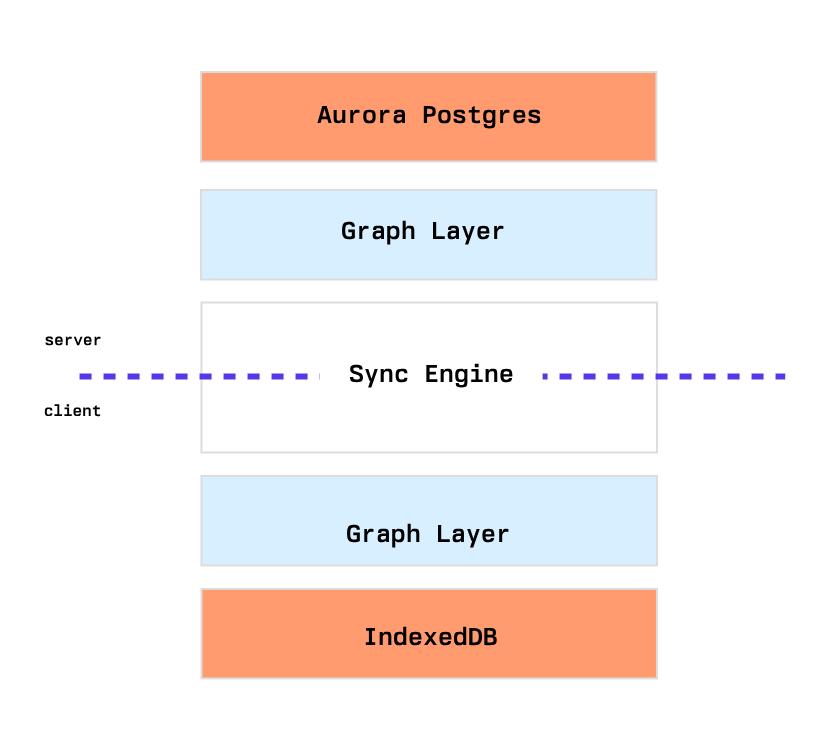
At first, this was just a simple idea, but as they developed more and more apps by themselves, they deeply realized that managing state, handling synchronization, and resolving data conflicts are simply a collective nightmare for developers.
So in 2022, they joined the top incubator Y Combinator (YC S22), built the first prototype, and released "Version 0".
"Turning a prototype into a production-grade product is a long journey."
Instant wrote this in its official letter. This journey was tough, but full of the unique romance and ecstasy of geeks.
Later, in order to solve technical problems, many top talents joined the team one after another: Daniel Woelfel joined the team in the very early stage, and focused on and solved the most tricky conflict problem in synchronization technology; when it was necessary to make the TypeScript SDK truly ergonomic and make developers "enjoy using it", Drew Harris joined the team and accomplished this feat.
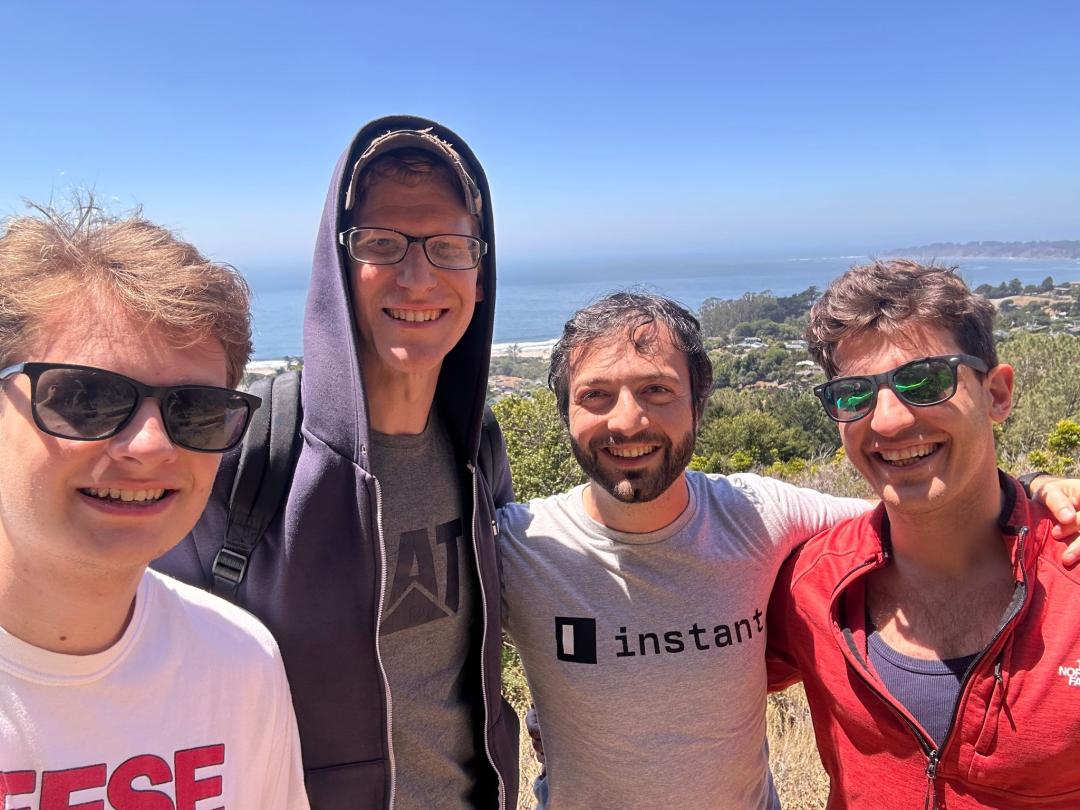
(From right to left: Joe Averbukh, Stepan Parunashvili, Daniel Woelfel, Drew Harris)
Open source contributors in the community such as Mark Shlick, Nikita Prokopov, and Alex Reichert also made great contributions to the project.
2026: The Year of Frenzy Acquisitions!
OpenAI's "Excalibur" and Its Grand Strategy
If you broaden your horizons and look beyond the individual case of Instant, you will find that in 2026, OpenAI has launched a crazy "shopping spree mode".
The data doesn't lie. Since the beginning of 2026, the number of M&A transactions of OpenAI has been close to the total of the whole of last year.
Let's take a look at what's on OpenAI's recent shopping list:
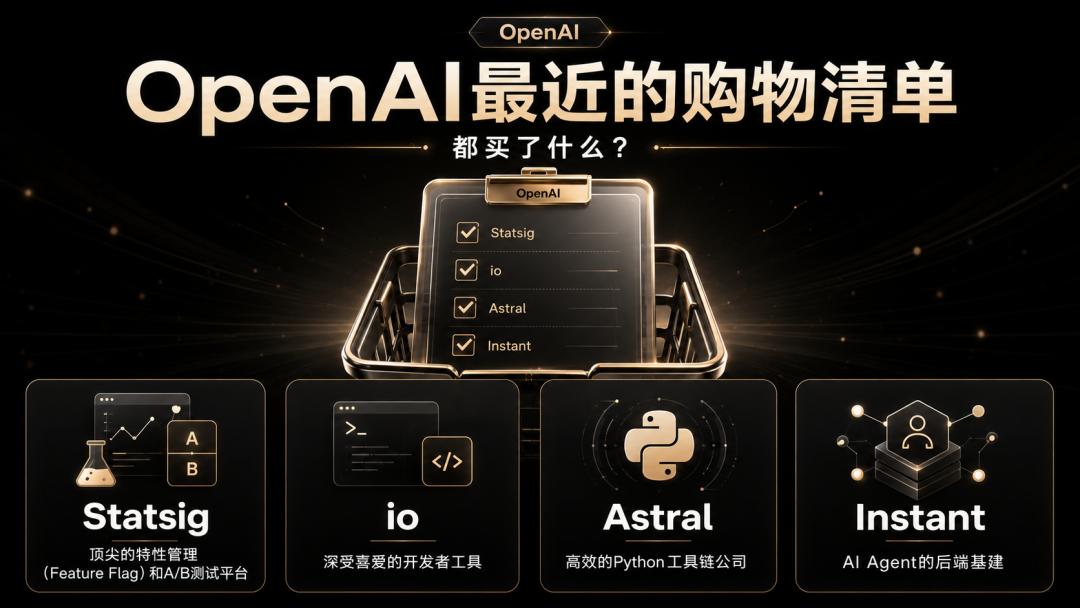
None of the companies acquired by OpenAI are developing AI models, but many of them are developing developer infrastructure!
This is a clear signal: OpenAI is undergoing an epic transformation — evolving from a "model-making company" to a "platform-building company".
Sam Altman knows better than anyone that you can't build an empire by just selling engines. Only by taking control of the chassis, gearbox, central control system, and even the entire highway can you establish real hegemony.
Now, OpenAI is buying back these "infrastructures" one by one and piecing them together.
Imagine the future scenario: when a developer wants to build an AI application, he opens OpenAI Cloud, not only can call the most powerful large model, but also can directly use the capabilities of Instant to generate an Agent database with one click, use the capabilities of Statsig to enable A/B testing with one click, and use Astral's toolchain to deploy with one click.
This is the "Apple Ecosystem" in the AI era! This will be OpenAI's greatest moat.
References:
https://www.getadb.com/
https://x.com/instant_db/status/2091016138100740394?s=20
This article is from the WeChat official account