Is the promotion of ethanol gasoline meant to pay for corn?
Not long ago, Xiaomi's statement "Full compatibility with 92, 95 and 98 multi-grade fuels" sparked a heated debate across the public.
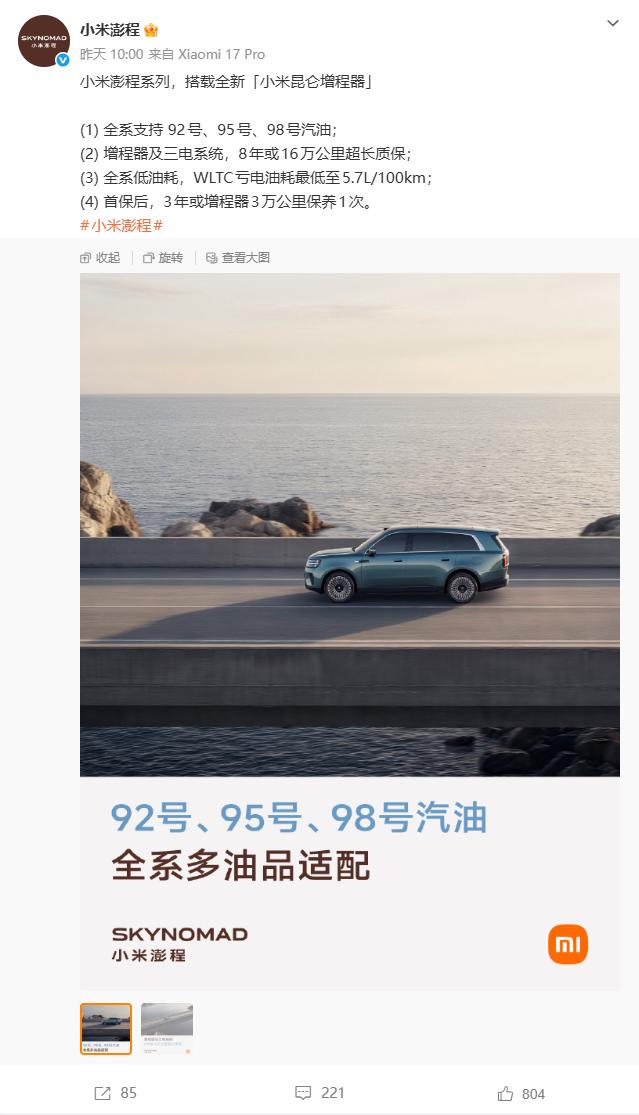
Many netizens thought Xiaomi had just stated a useless obvious fact, but in my opinion, Xiaomi was still too conservative, and it should have added another line: "It is also fully compatible with ethanol gasoline".
Many people will definitely ask, ethanol is just alcohol, right? Can an engine actually run on that? I happen to have half a jin of Erguotou liquor at home, I'll pour it into the fuel tank tomorrow to give it a try...
But some other people may have a totally different question: "Wait, there is gasoline sold that does not contain ethanol at all?"

Let's align our definitions first. In fact, in some regions of China, such as the three northeastern provinces, Henan, Hebei, Anhui and other places, gas stations provide "blended fuel" with an ethanol concentration of about 10%, referred to as E10, while other regions sell pure gasoline.
What's the difference between the two? Their prices are roughly the same, but the energy content of ethanol per unit volume is only two-thirds of that of gasoline. Compared with pure gasoline, ethanol gasoline is significantly less fuel-efficient, with fuel consumption possibly 3%-7% higher.
That's why most people don't like ethanol gasoline. Gas stations in some "border areas" between ethanol and pure gasoline regions often aggressively promote pure gasoline as a major selling point.

Apart from that, many people also worry about another problem.
Suppose you are a native Beijinger who only uses pure gasoline when refueling in Beijing, but Hebei is not far away and very nice, right? When you go to Hebei for the weekend, you have to use ethanol gasoline instead. If you switch between the two types of fuel frequently, will it cause any damage to the engine?
After all, a car marked for 98-octane fuel can't even run properly on 92-octane. It's like someone who's used to drinking Moutai will cough if they switch to Fenjiu all of a sudden...
In fact, we are not the only ones worrying about this issue. Ordinary people in India are also protesting against ethanol gasoline.

In April last year, to reduce crude oil imports, India raised the ethanol proportion in national gasoline from 10% (E10) to 20% (E20). It should be noted that E20 requires corresponding adaptation adjustments for vehicles, but in India, vehicles that meet the relevant standards did not hit the road until 2023. What about all the older vehicles produced before that?
The official position has always been to deny that E20 causes any damage to engines, acting as if they dare anyone to prove them wrong.
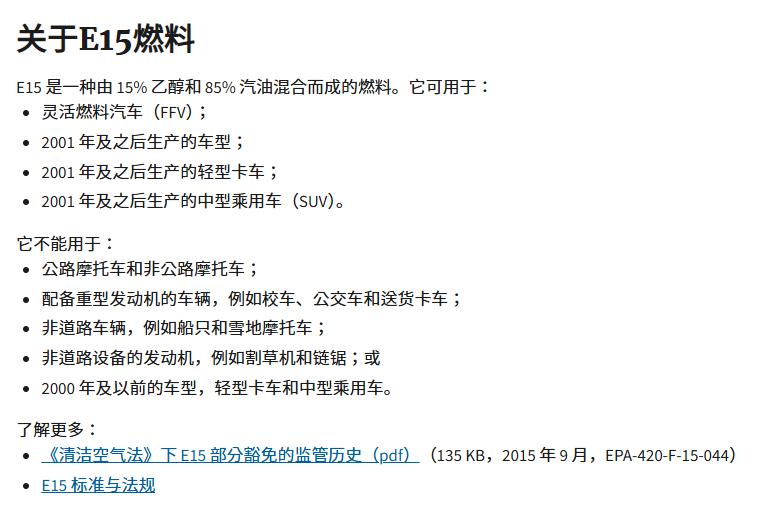
But Indian citizens are not cut off from the internet. In the United States, only vehicles manufactured after 2001 are allowed to use E15, and a special "Misfueling Mitigation Rule" has been issued for that purpose. How can India just push E20 nationwide with a single statement?
Not to mention that the Society of Indian Automobile Manufacturers previously warned that the chloride and moisture content in Indian ethanol gasoline is on the high side, which may cause corrosion and wear of auto parts. But later, they claimed that the data was wrong and retracted the statement immediately. It's hard not to suspect that there was some under-the-table deal behind it, which completely enraged local car owners.
Why is the Indian government so confident? Aren't they afraid of accidents if there is real damage?
I'll give you the most straightforward answer: If the vehicle model is not adapted, there will definitely be damage, but the process will be very gradual and imperceptible.
First of all, ethanol mainly causes aging of some rubber and plastic parts, such as fuel pipes, fuel injector seals, fuel pumps and so on.
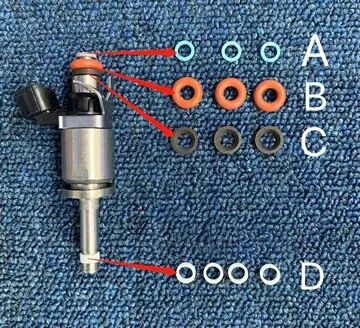
The principle is just like a sponge absorbing water. The rubber parts in old cars are generally designed based on the properties of pure gasoline, so they are not receptive to gasoline or water, but have no resistance to ethanol. After absorbing a large amount of ethanol, they will swell and soften, and are prone to cracking over long-term use, leading to much higher replacement frequency.
Secondly, due to the low energy density of ethanol gasoline, more fuel needs to be injected to achieve the same power output. But the adjustment range of old vehicles is limited, so the engine cannot perform at full capacity, resulting in weaker power output, and even stuttering or stalling.
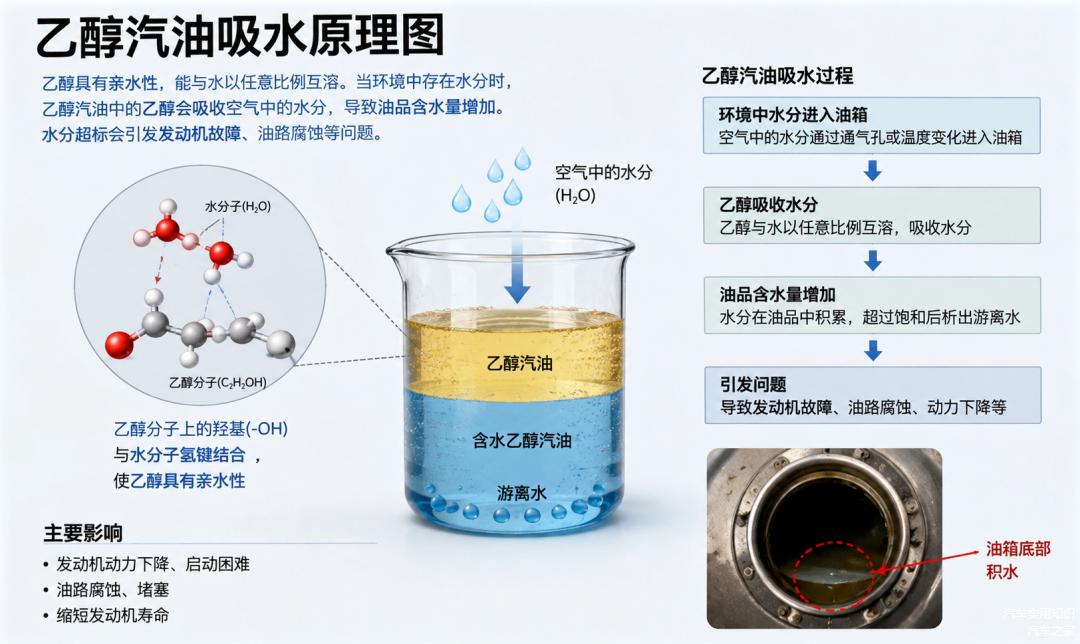
Finally, ethanol has another feature: it is extremely hygroscopic. Especially in many very humid areas of India, the blending, storage, transportation and sales of ethanol gasoline must be strictly managed. Otherwise, excessive water will be mixed into the gasoline, which not only increases the probability of metal rusting, but also may cause water to flow into the engine.
To sum up, ethanol gasoline does not necessarily pose a safety risk after use, but it mainly affects the service life of the engine, and ends up draining ordinary people's wallets.
But this also depends on the content. As the saying goes, talking about toxicity without mentioning the dose is pure nonsense.
Ethanol gasoline is generally classified into E10, E15, E20, etc. according to its ethanol content. For example, E10 is not only used in China, but even the standard in some countries in the US and Europe.
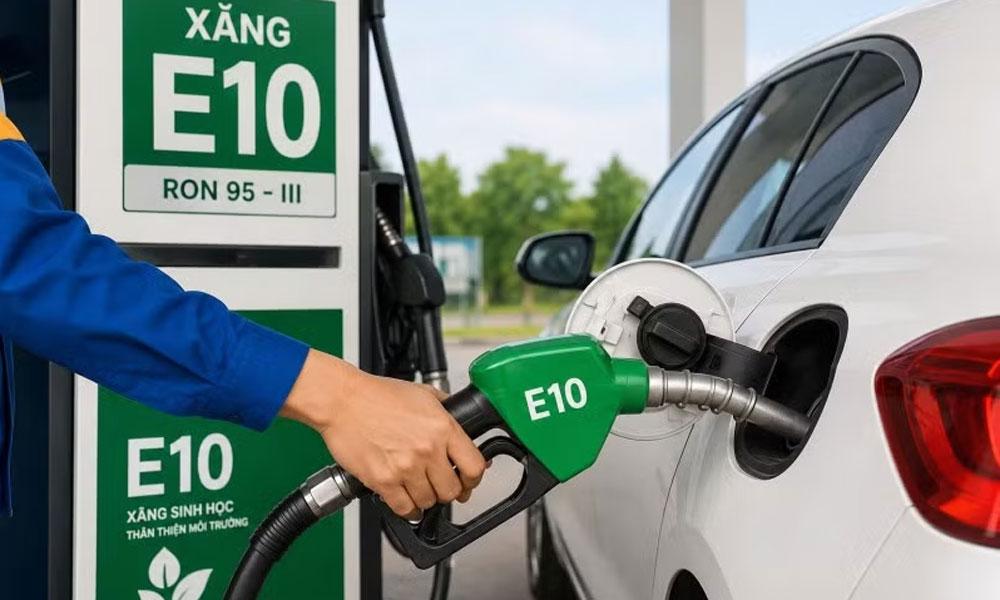
A study by the U.S. National Renewable Energy Laboratory shows that the chemical property difference between E10 gasoline and pure gasoline is extremely small, and all vehicles produced in the past 50 years are compatible with it, and it will not cause corrosion or deterioration of engine or fuel system components.
However, E15 needs to be matched with Tier 1 (China National III emission standard) vehicles produced after 1994, and E20 needs to be matched with Tier 2 (China National IV emission standard) vehicles produced after 2004.
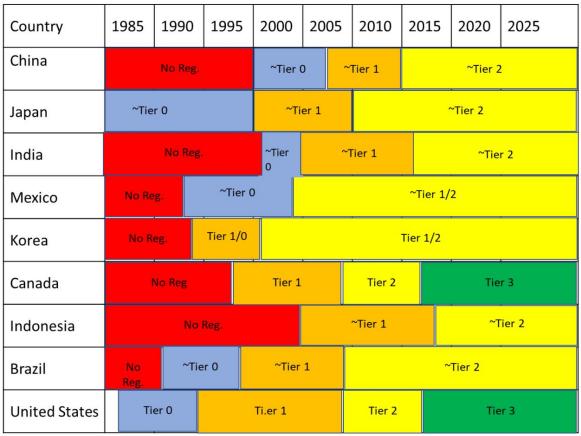
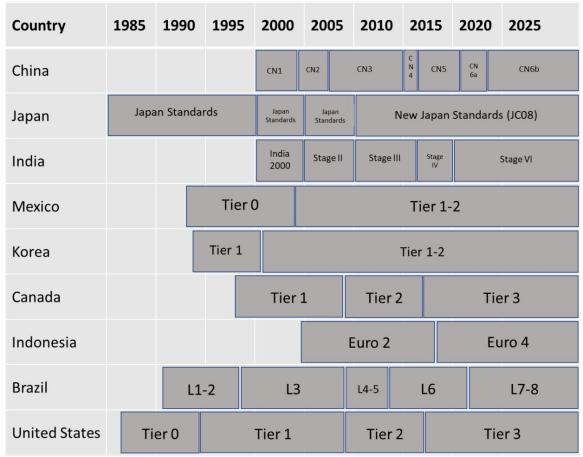
Why is it related to emission standards? The main reason is that vehicles with higher emission standards are not only optimized in ECU and fuel injection systems, but also have sealing materials with stronger durability, which basically offsets the impact of ethanol.
So now, China has already implemented the China National VI B emission standard. New cars bought in recent years do not need to worry about E20 at all, let alone our domestic E10.
However, some countries have adopted more aggressive approaches. For example, in Brazil, the ethanol proportion in gasoline has risen from 30% to 32%, and will be increased to 35% in the future. There are even many E100 pure ethanol fuels in use.
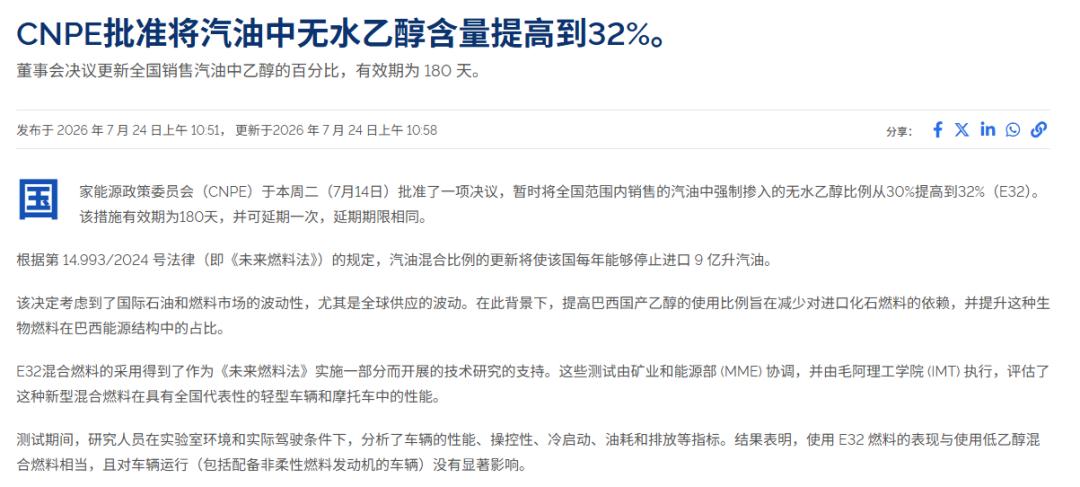
Compared with Brazil, India's current E20 policy is far from that. Why don't people in Brazil protest? The reason is that they have made full preparations long ago.
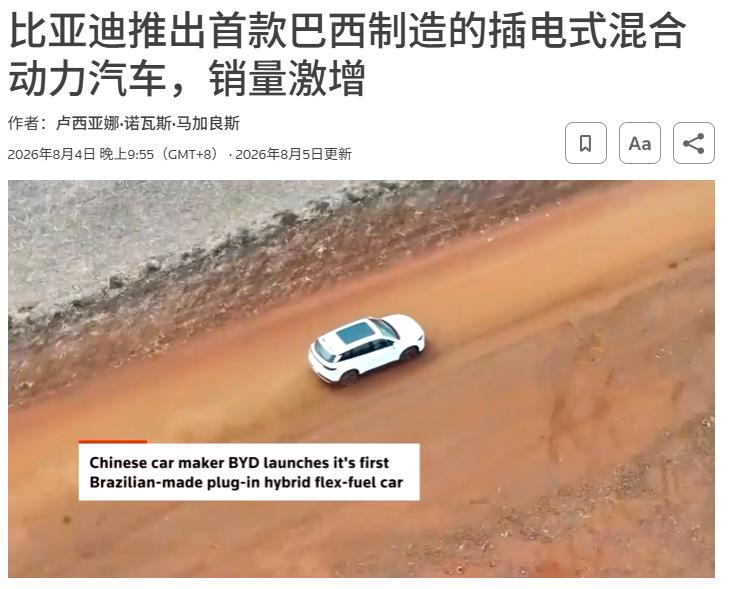
In Brazil, there is a type of vehicle that can run on ethanol of any concentration, known as "flex-fuel vehicle". For example, recently, BYD has produced the first domestically manufactured flex-fuel hybrid vehicle that can run on ethanol in Brazil.
The principle is not complicated. To make the fuel system adapt to ethanol of all concentrations, first of all, the oxygen sensor and fuel sensor must be designed to be extremely sensitive to identify what type of fuel you are using, then a fuel injection system with a larger adjustment range is equipped, and the ECU adjusts the operation status in real time. Finally, all parts in contact with fuel are made of ethanol-resistant materials.
In short, as long as the vehicle model is adapted, let alone ethanol gasoline, even running purely on ethanol will not cause big problems. Therefore, the increasing ethanol concentration in gasoline may indeed be an inevitable trend.
But some people will definitely ask, pure gasoline works perfectly well, why do we have to use this less fuel-efficient ethanol gasoline?
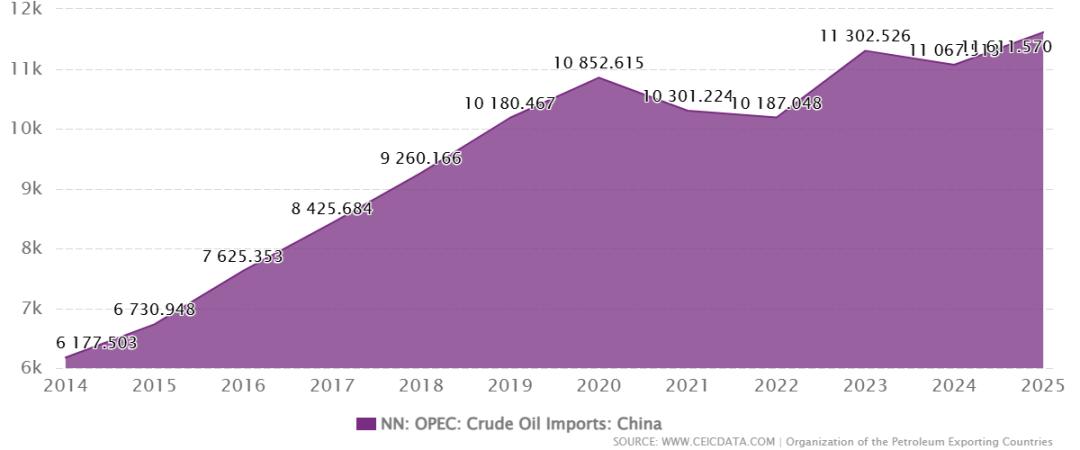
The first reason has been stated by India: to reduce gasoline imports, which can not only save foreign exchange, but also ensure national energy security.
The other reason you might have guessed is environmental protection.
But this is highly controversial. Although the carbon monoxide and hydrocarbon emissions from ethanol combustion are indeed lower, it does not mean that it will not cause pollution.
In short, with only 10% ethanol added, the environmental impact is quite limited. The real driving force behind the promotion of ethanol gasoline is actually to subsidize agriculture.
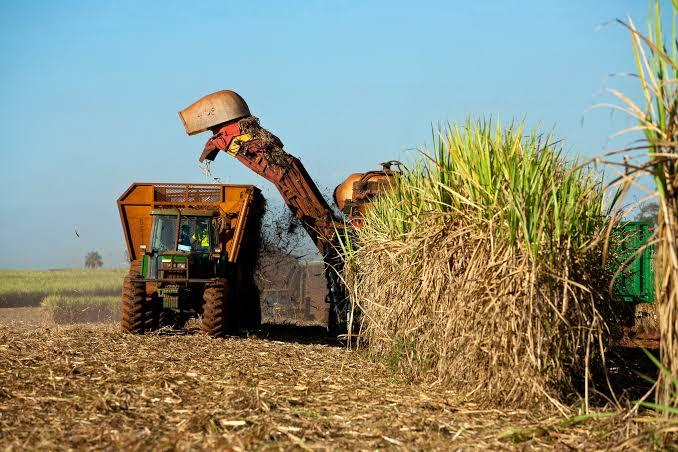
For example, Brazil's vigorous promotion of high-concentration ethanol gasoline is essentially because the local area is rich in sugarcane, which is extremely suitable for producing ethanol, and the supply is almost unlimited. In the United States, 40% of corn is used to produce ethanol. If there were no ethanol gasoline, the corn production capacity would be seriously oversupplied.
The same is true in China. You will find that provinces that promote ethanol gasoline are generally major agricultural provinces.
From the 1990s to around 2000, China experienced an explosive grain production increase, especially for corn, whose inventory was almost overflowing.
Therefore, in 2001, we launched a vigorous ethanol gasoline pilot program, starting from corn planting areas in Heilongjiang, Jilin, Liaoning and some parts of Henan, and the scope of the program continued to expand later.
However, the main reason