Securing the "only in East China" admission ticket, the city with a GDP approaching 2 trillion yuan is poised to take its seat at the table.
The hub is becoming the "keyword" of Nanjing's development.
Recently, the "15th Five-Year Plan for Hub Economic Development of Nanjing" was released, drawing a "panoramic blueprint" for development in the next five years and launching a "general offensive" against the hub economy once again.
Apart from the plan, policy signals are becoming more intensive. Earlier, Zhou Hongbo, Secretary of the Nanjing Municipal Party Committee, conducted a special survey on the construction of transportation hubs, positioning "Hub +" as an important strategic task related to the city's current and long-term development. In foreign affairs activities, he also continuously promoted to the outside world that "Nanjing is striving to build a two-way open hub and supply chain center".
Nanjing's efforts are obvious to all. The "dual airport" vision has been incorporated into the plan, and the construction of the "m-shaped" high-speed railway hub has also entered the "countdown" stage. As the only "five-type" logistics hub bearing city in East China, Nanjing is poised to convert "transport corridors" into "economic momentum" and improve its "global resource allocation capability and supply chain resilience".
Nanjing is at a critical node of development. Its GDP reached 1.94 trillion yuan last year, failing to hit the "2 trillion yuan" target set in the outline of the 14th Five-Year Plan; its permanent resident population stood at 9.6385 million, also falling short of the "10 million population" target by a small margin.
As the "goalkeeper" among China's top 10 GDP cities, Nanjing needs to gather industrial and demographic resources at a faster pace in the face of Ningbo's catching-up momentum in recent years. Ningbo, which boasts a world-class large port, is exactly a beneficiary of the hub economy.
The question is, can Nanjing further gather traffic, retain sustained development momentum, and truly promote the implementation of the hub economy?
Gap
There is a common saying that "Nanjing has no large leading enterprises", but in fact, many well-known enterprises are backed by "Nanjing genes".
Xu Yangtian, the founder of Shein, the global fast fashion benchmark, once worked at Allto Technology, a well-known search engine optimization (SEO) enterprise in Nanjing; in 2012, Shein's predecessor Sheinside relied on SEO technology to sell clothes from the Guangzhou Thirteen Factories wholesale market to Europe and the United States.
As the "first stock of panoramic cameras" listed on the Sci-Tech Innovation Board last June, Insta360's founder Liu Jingkang is also a graduate of the Software Engineering major of Nanjing University, and the project was originally a campus project based on VR technology.
It can be said that Nanjing's strong software industry has formed a similar starting point for the development of these two enterprises. However, compared with Guangzhou and Shenzhen where the enterprises finally settled, Nanjing's gap lies in the supply chain.
Shein's success in achieving breakthroughs with "small orders and quick response" is ultimately attributed to Guangzhou's strong supply chain and convenient cross-border e-commerce channels. 644 professional wholesale markets distributed in Guangzhou have formed a closed loop of clothing from design, production to wholesale and retail, and the developed route network of Guangzhou Airport can quickly deliver products to all over the world, realizing Shein's supply chain efficiency of "complete supporting facilities + fast response + abundant new arrivals".
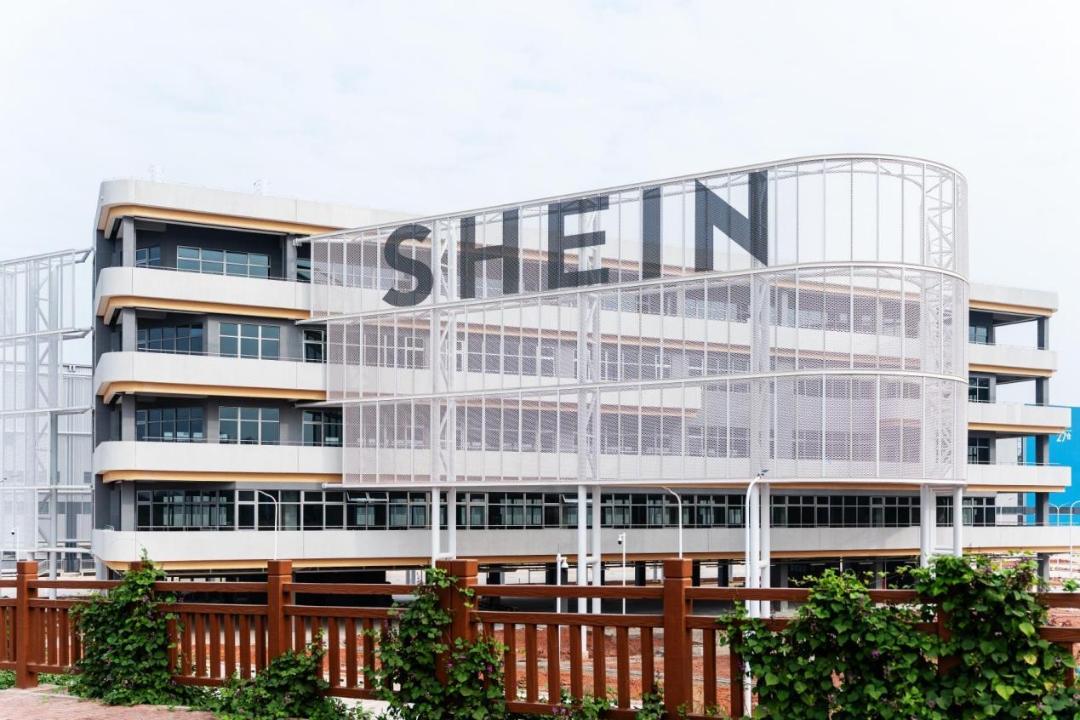
Image source: Guangzhou Daily
Shenzhen, where Insta360 settled, has Huaqiang North that forms a "1-kilometer industrial chain" of electronic information. With Shenzhen as the core and supporting facilities from cities in the Greater Bay Area, it jointly promotes the formation of a trillion-level electronic information industrial cluster. There is a popular saying that here you can "adjust the circuit in the morning, modify the circuit board in the afternoon, and deliver the sample in the evening". Nowadays, Huaqiang North is further upgrading to the AI hardware supply chain, and AI cameras are a representative category among them.
Why is Nanjing lagging behind in the supply chain? In addition to the internal factors widely mentioned by the outside world, that is, the differences in industrial choices brought about by the city's industrial structure and enterprise structure, and the relatively weak consumer supply chain scenarios, the shortcomings in the development of the hub economy constitute an important external factor.
As many experts and industry insiders analyze, Nanjing's transportation hub still mainly stays at the level of "transit point", and is insufficiently upgraded to a "value conversion point", resulting in a relatively weak global organization capability for the industrial chain and supply chain, which affects its level of resource allocation in a larger scope.
Overtaking
There is a consensus that the supply chain connects all links of production, distribution, circulation and consumption. At present, the restructuring of the global supply chain, industrial chain and value chain continues to deepen, and the level of supply chain often affects the industrial development level of a city.
For Nanjing, improving the supply chain level has become an urgent priority to stimulate economic vitality and enhance urban energy level. The outline of Nanjing's 15th Five-Year Plan takes "focusing on improving hub capacity and building a high-level supply chain center" as one of the four strategic priorities for development in the next five years.
In a previous interview, Li Zhongjun, Mayor of Nanjing, pointed out that the "high-level supply chain center" is the direction for Nanjing to go beyond short-term growth and focus on in-depth industrial development and future layout, which will help make the city's industrial image more distinct and deeply rooted in the hearts of the people.
More importantly, Nanjing is continuously accumulating the foundation for sprinting towards a "supply chain center".
Since the beginning of this year, Nanjing has continuously increased its efforts in hub construction. The main leaders of the municipal party committee and municipal government have conducted many investigations, and high-level conferences have been held one after another, behind which is the infrastructure "strength" that is accelerating to be noticed by the outside world.
The released "15th Five-Year Plan for Hub Economic Development of Nanjing" once again mentions that "the construction of Nanjing's hub zones has achieved remarkable results".
Among them, Lukou Airport has joined the ranks of super-large airports operating with two runways and two terminals; the 12.5-meter deep-water channel below Nanjing section of the Yangtze River has been opened, and the pattern of three major multimodal transport hubs of Longtan, Xiba and Xinshengwei has been basically formed; at the same time, the "m-shaped" high-speed railway network is being built at an accelerated pace.
What attracts more attention is that the plan clearly states that Nanjing will build a "five-type" logistics hub. This is also the further implementation of the "national-level" opportunity after Nanjing was approved as one of the only three "five-type" logistics hubs in the country last year.
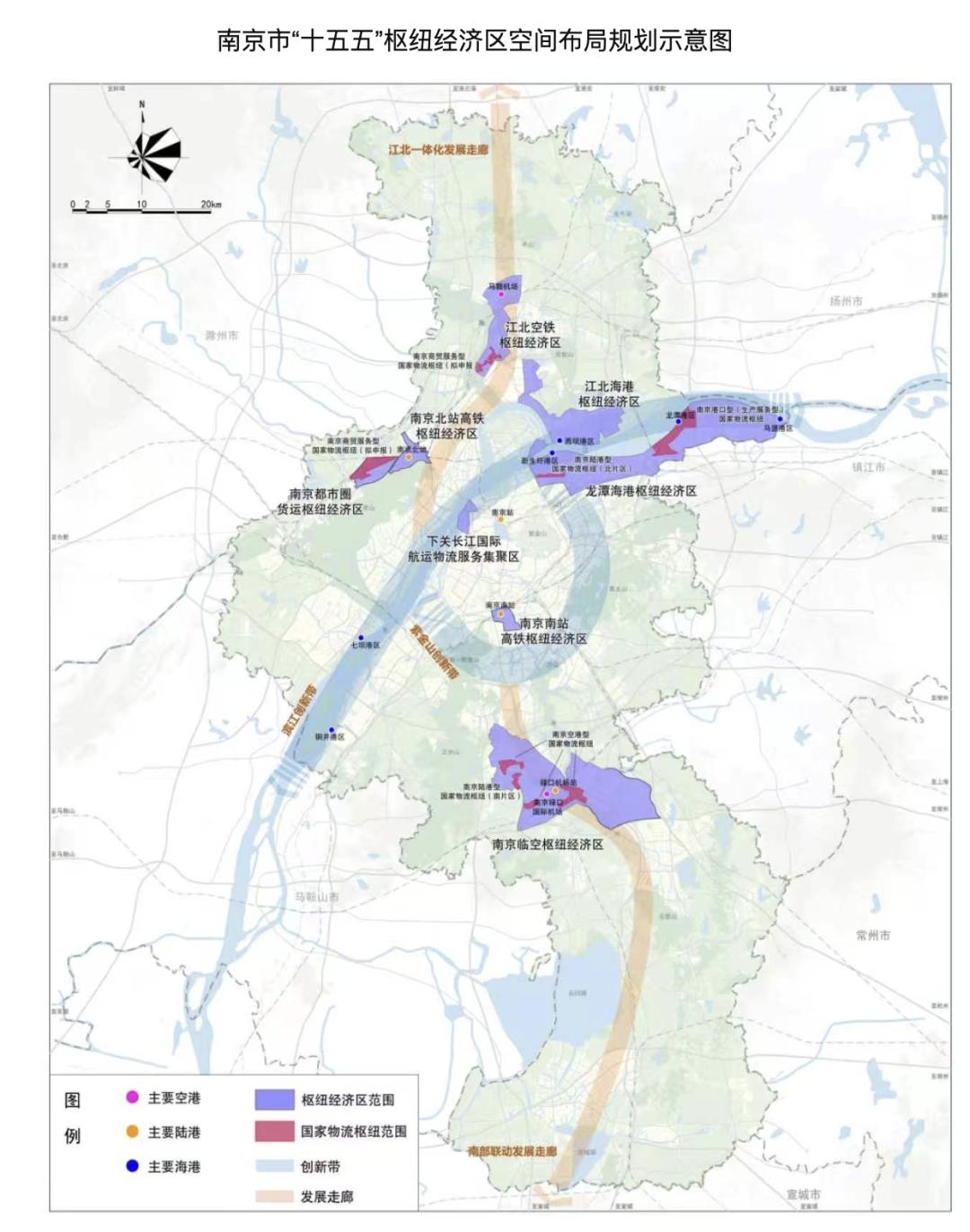
However, it should also not be ignored that after the "hardware" level is greatly upgraded, how Nanjing should improve its "soft power" to truly enable the hub economy to empower industrial development?
Sun Jiaran, chief researcher of Jiangsu Logistics and Supply Chain Research Institute, once wrote that there are two core problems in Nanjing's hub economy.
First, the transformation from logistics to supply chain has not been realized. More than 60% of the cargo at Nanjing Port is transit cargo from the upper and middle reaches of the Yangtze River, and 70% of the cargo and mail at the airport are express items, which are "unloaded as soon as they arrive and dispatched immediately after unloading". Second, the in-depth integration of logistics and industry has not been realized. Nanjing is more like a "transit and distribution hub" rather than a "key node of the industrial supply chain".
This is particularly reflected in the logistics relationship between Nanjing and other Yangtze River Delta cities such as Shanghai and Ningbo. A report released by Jiangsu Logistics and Supply Chain Research Institute once disclosed a set of data:
In 2024, Nanjing Port had only 18 near-ocean and ocean routes, which was a gap of order of magnitude compared with Shanghai Port (nearly 350 routes) and Ningbo Zhoushan Port (246 routes). Its container throughput was only 7.2% of that of Shanghai Port, resulting in about 80% of the local foreign trade goods being transported by road to Shanghai and Ningbo for export, and the "port siphon effect" has intensified the "hollowing out" of Nanjing's hub status.
Behind this is the difference in institutional innovation. The report further analyzes that in areas such as customs clearance facilitation, cross-border e-commerce support, and foreign investment access, most of Nanjing's policies are based on following and copying, lacking original institutional supply with national influence. In contrast, Ningbo relies on the "single window" to realize one-stop handling of ship customs clearance.
Pattern
It cannot be ignored that in the development of Nanjing's hub economy, there is no lack of forward-looking planning that broadens the pattern, enabling it to continuously break through its own limitations and make up for shortcomings.
As early as 2006, the State Post Bureau signed an agreement with the Jiangsu Provincial Government to locate the then leading air express logistics distribution center in Asia at Nanjing Lukou Airport. This positioning made Nanjing Airport go beyond the geographical scope of East China and become the "heart" of China Post's aviation network across the country. Similar cooperation between Ezhou Huahu Airport and SF Express came at least 10 years later.
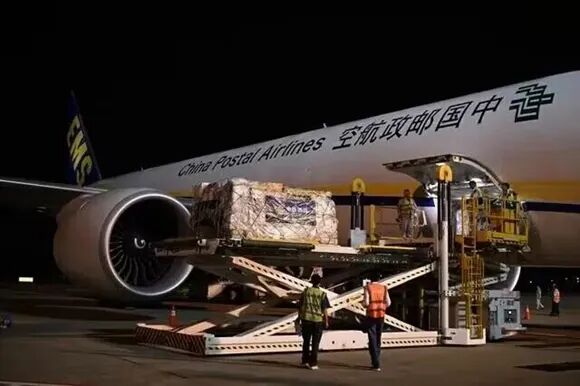
Image source: Jiangsu Post
The expansion of port routes is Nanjing's attempt to break through its own constraints, produce a "seaport ace" despite not being a coastal city, so as to allocate resources globally.
The realization of this seemingly impossible task stems from Nanjing's full opening of the 12.5-meter deep-water channel, which makes Nanjing the westernmost point where 50,000-ton large ships can reach all year round. As a result, Nanjing gets rid of the identity of an inland port on the Yangtze River, and international routes extend directly outward from here. The export of goods from Nanjing and surrounding enterprises no longer needs to go to Shanghai and Ningbo for transit, making it possible to change from "transit point" to "origin point".
Some enterprises have already taken this "shortcut". Taking new energy vehicles as an example, the ro-ro routes originating from Nanjing Port shorten the port gathering time by 2 to 3 days, reduce the port gathering cost per vehicle by 30%, and directly send goods from "the doorstep" to Europe, the United States, Russia and other countries.
From a higher perspective, Nanjing is also trying to bridge the gap between logistics and industry.
In April this year, the 10th China International Logistics Development Conference and 2026 Nanjing High-quality Logistics Development Conference were held, with a series of policies released at the same time. In Sun Jiaran's view, these policies are different from the previous ones, which further calibrate the direction, increase the intensity of introducing and cultivating cargo airlines, virtual carriers and comprehensive logistics service providers, and make industry the protagonist of logistics development.
The latest plan released this time also focuses on "building a modern industrial system" and "expanding internal and external supply chains" to "build a trade hub and supply chain center that links the whole world and radiates the whole country".
Ningbo is a useful reference.
Last year, Ningbo Zhoushan Port completed a cargo throughput of more than 1.4 billion tons, ranking first in the world for 17 consecutive years. Financial writer Qin Shuo once pointed out that the benign interaction between manufacturing industry and export, especially the transformation and upgrading of Ningbo's manufacturing industry, is the key to Ningbo Port becoming "the world's top".
In February this year, when the Ningbo delegation inspected in Nanjing, Zhou Hongbo, Secretary of the Nanjing Municipal Party Committee, specifically mentioned that Ningbo has many experiences and practices in building a strong manufacturing city and open hub that are worthy of Nanjing's learning.
Of course, building a hub is not a simple copy. Tian Qing, then a lecturer at the Department of Economics of the Party School of the CPC Nanjing Municipal Committee, once wrote that urban development does not need to excessively pursue the complete closure and comprehensive collaboration of the supply chain, value chain and spatial chain in the region. Instead, based on the full analysis of the traditional advantages, realistic advantages and potential advantages of the region's industrial development, we should carry out the stock and adjustment analysis of the regional traditional advantageous industrial structure.
In the past few years, Shein and Insta360 have successively settled their relevant R&D centers in Nanjing, completing the "return" to Nanjing. For Nanjing, how to effectively choose among industries will also be a key topic affecting its hub development.
This article is from WeChat official account "Urban Evolution", author: Yang Qifei, published with authorization from 36Kr.