Thai milk tea is taking the market by storm! Luckin Coffee sells it for only 9.9 yuan, and the tea brand Yeye Bu Pao Cha notches up 150,000 cups in daily sales.
Thai milk tea is back with a vengeance.
Luckin Coffee made a strong entry into the track with its 9.9-yuan Thai milk tea product, Yeye No Paocha followed closely to launch new offerings, and brands including Guming, Hushang Ayi, Jasmine White Tea, Shuyi and other players are also scrambling to place bets. This distinctly regional beverage has once again been pushed to the center of the stage by leading chain brands.
This time, can Thai milk tea transform from a viral internet hit to a permanent staple category?
Luckin Coffee breaks into Thai milk tea market at 9.9 yuan, Yeye No Paocha sells 150,000 cups per day
On August 17, Luckin Coffee launched new products of the "Thai Milk Tea Series", including two drinks "Classic Thai Milk Tea" and "Original Thai Milk Tea Yuanyang Latte", as well as a dessert "Thai Tea Cocoa Basque".
The large cup of Classic Thai Milk Tea is priced at 9.9 yuan, and the Thai Milk Tea Yuanyang Latte is 11.9 yuan. The new products were highly popular on the day of launch, and many stores sold out as early as 10 a.m.
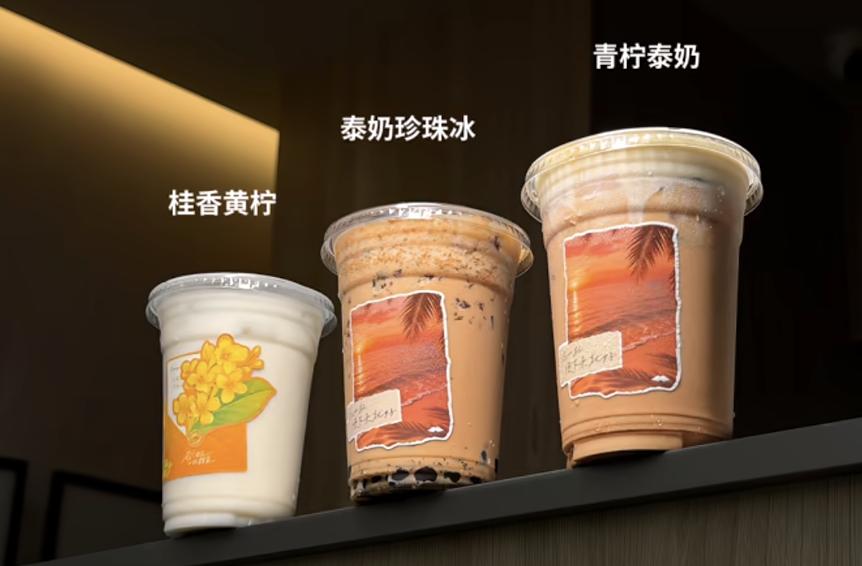
On August 18, Yeye No Paocha launched the Qixi "Thai Milk Flavor" series in all its national stores: Thai Milk Tea Pearl Ice, Lime Thai Milk Tea, with a promotion of buy one get one free at 17 yuan. According to the brand, more than 150,000 cups of new products were sold on the first day of launch, of which Thai Milk Tea Pearl Ice exceeded 100,000 cups; the sales volume of Lime Thai Milk Tea increased by 49.1% month-on-month the next day.
The two major chain brands launched new products simultaneously, and the discussion volume on social media surged sharply.

The Thai milk tea topic continues to ferment on platforms such as Xiaohongshu and Weibo, with polarized evaluations: some people say "the classic Thai milk tea has a smooth taste and properly blended tea aroma" and "lime Thai milk tea has an extra refreshing flavor compared with traditional Thai milk tea", while others directly point out that "it is very sweet even without adding sugar", "it has a vanilla creamer flavor" and "the taste is bland".
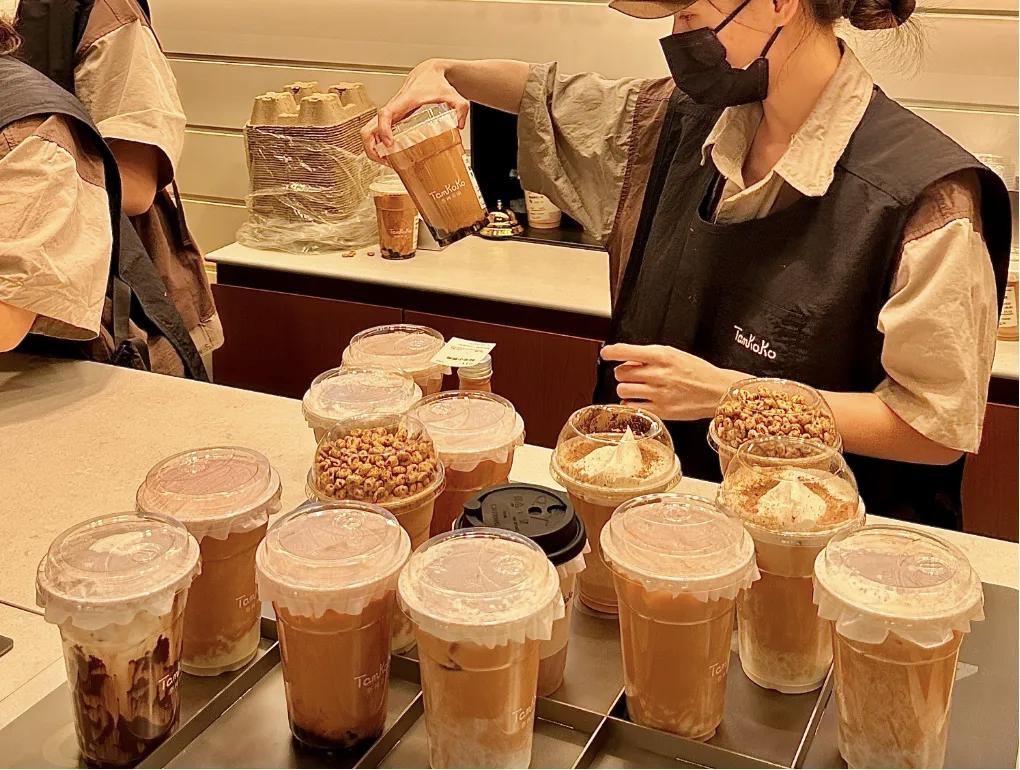
Thai milk tea was once a hit last year. As the specialty store Tamkoko Thai Tea Garden became popular, many chain brands followed up to launch new products.
Guming launched "Salty Cheese Thai Milk Tea" and "Coconut Thai Tea", focusing on the collision of salty and sweet flavors; Shuyi Burn Grass Jelly replaced the black tea base with green tea base and launched "Thai OK Banged Lemon Tea"; McCafé launched "Thai Milk Tea Snow Ice"; Lele Tea launched "Extra Strong Thai Milk Tea Iced Cocoa" and other products.
In addition, Heytea, Jasmine White Tea, Hushang Ayi and other brands have also launched Thai milk tea related products.
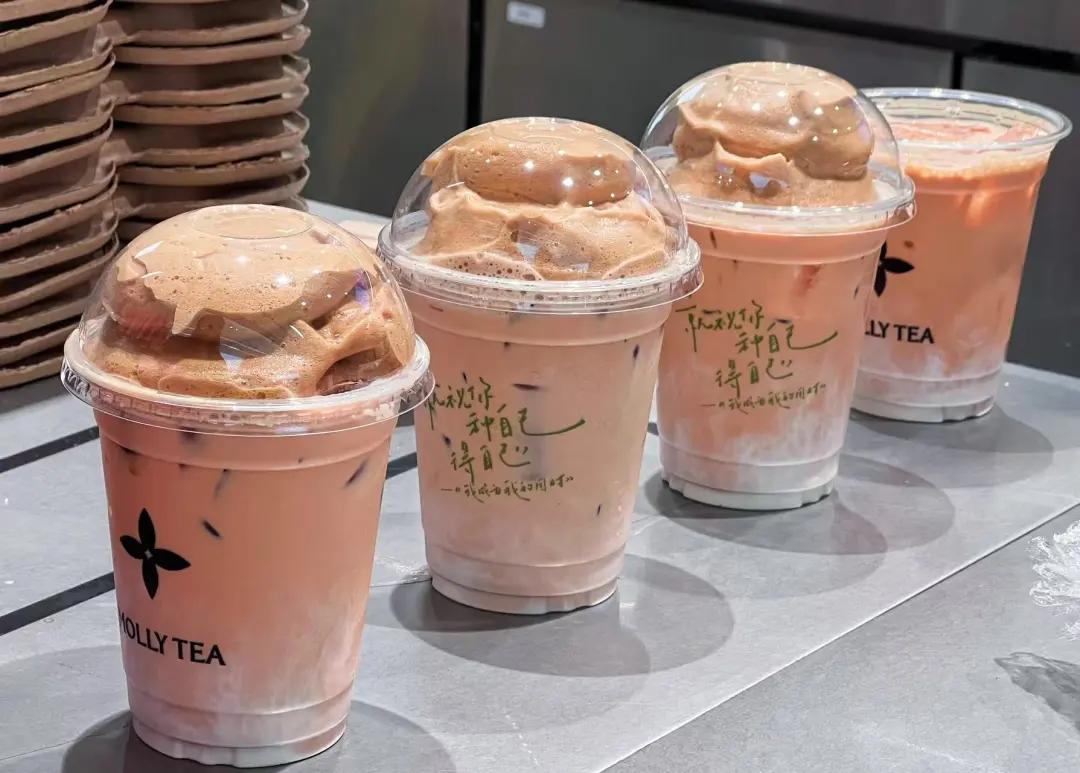
According to statistics from Kamen Drink Power Laboratory, in the first half of this year, 18 new products from 41 tea drink brands used Thai tea base (Thai black tea / Thai green tea). Public data shows that the sales volume of Shuyi Burn Grass Jelly's Thai milk tea series reached nearly 1.75 million cups in the first week of its launch.
Thai milk tea specialty stores are also growing rapidly. According to data from Zhaimen Canyan, Tamkoko Thai Tea Garden has developed 366 stores covering 31 provinces in more than a year since its establishment; Chunlai · Laos Iced Coffee · Thai Milk Tea has 564 operating stores, with a relatively stable development trend.
Thai milk tea seems to be transforming from a viral internet hit to a dark horse category in the tea drink track.
Brands are scrambling to enter the market, Thai milk tea is ushering in accelerated popularization
In previous years, with the novel form of "bagged milk tea" and tropical style, a number of "Southeast Asian milk tea" brands rose rapidly, but later some products were gradually abandoned by consumers due to their overly sweet taste and heavy drinking burden.
In the past year, as a new generation of Thai milk tea specialty stores such as Tamkoko Thai Tea Garden adopted healthier raw materials and improved the overly sweet formula, Thai milk tea became popular again, and this round of rise has a completely different underlying logic.
First, top chain brands have all entered the market collectively.
In particular, the distribution capacity of Luckin Coffee's 36,000 stores is equivalent to completing the "mass market education" for Thai milk tea at a very low cost. When Thai milk tea appears on Luckin Coffee's national menu, it has been upgraded from a "menu embellishment" to a "common choice".

"In the past, Thai milk tea was mostly used as an accompanying drink in Thai restaurants, or a niche specialty in specialty stores, and never entered the core of the mainstream chain menu. The biggest difference in this round is the industrialization of the category and traffic movement led by top chain brands."
Liu Zejian, champion of the 8th Kamen Tea Drink Finals, pointed out that Thai milk tea used to rely on regional characteristics, and this round relies on rapid supply chain integration and strong marketing promotion.
Second, it is the "dimensionality reduction strike" at the 9.9-yuan price point.
Luckin Coffee's Thai milk tea is only sold for 9.9 yuan, and Yeye No Paocha's product is 17 yuan for buy one get one free, which forms a sharp contrast with the general pricing of 18-28 yuan per cup in Thai milk tea specialty stores.
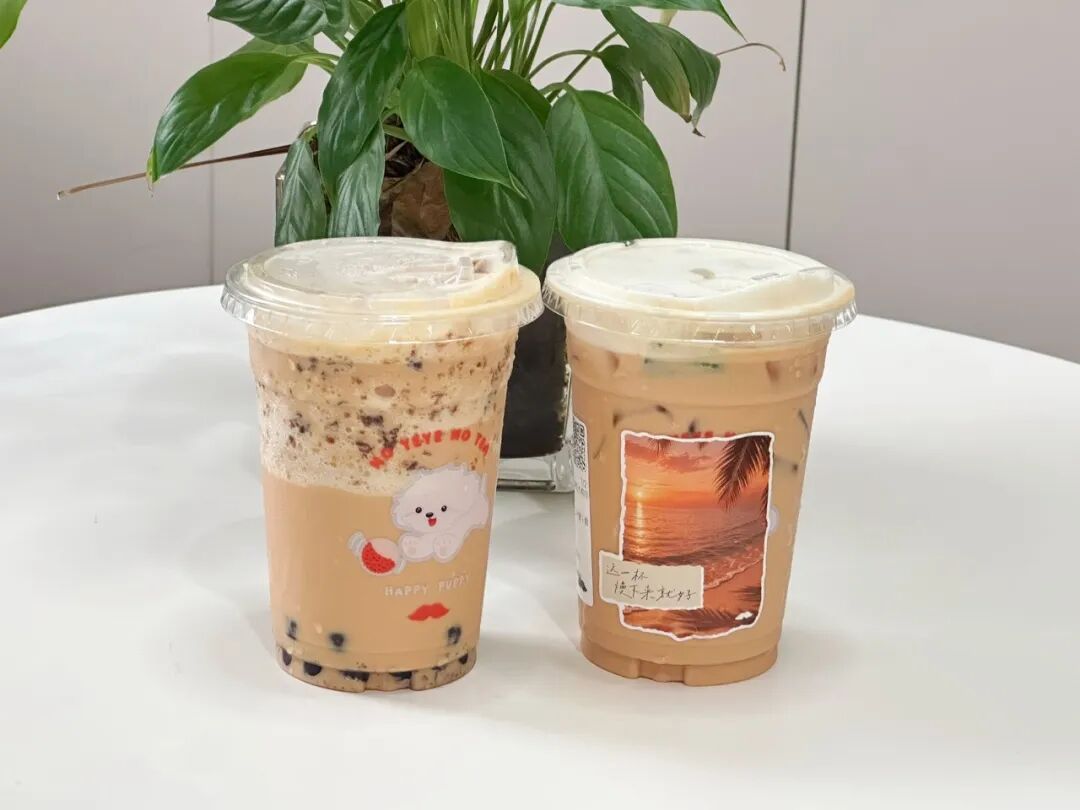
Liu Zejian believes that Luckin Coffee has locked in consumers' psychological price for the Thai milk tea category at 9.9 yuan, making it much more difficult for small and medium-sized brands to sell Thai milk tea at 15-25 yuan later.
"Being able to sell a freshly made tea drink that requires specific tea leaves and condensed milk at 9.9 yuan while still having profit margins shows that Luckin Coffee has achieved the ultimate scale effect in the supply chain. It is easy to follow the trend, but it is difficult to compete on price."
Third, it is the diversified improvement of flavors.
This round of large chain brands making Thai milk tea have modified the fixed formula to varying degrees.
For example, in the past, Thai milk tea basically followed the fixed formula of "Thai black tea + dairy products". This year, Luckin Coffee combines Thai milk tea with coffee, broadening the consumption scenarios and time periods for Thai milk tea.
Yeye No Paocha's Lime Thai Milk Tea adds lime milk cap on top of Thai milk tea, which "does not rely on the strong acidity of the pulp, but manually beats the lime to release the aroma of the peel essential oil, and uses the lime aroma and soft fruit acid to offset the heavy sweet taste of the milk drink."
The person in charge of the brand introduced that this series draws inspiration from the local eating habits in Thailand, superimposes the internal technical precipitation of lemon milk, and forms the integrated innovation of "rich Thai base + hand-beaten lime process".
In addition, Shuyi Burn Grass Jelly launched "Thai OK Banged Lemon Tea" with green tea base, taking the refreshing and greasiness-relieving route. Some other brands directly make Thai milk tea into smoothies for richer taste.
Cheng Yao, R&D staff of Kamen Drink Power Laboratory, concluded that there are roughly several innovation directions for Thai milk tea in the future: compound flavor of "Thai milk tea + coffee"; smoothie texture; rich and upgraded toppings; fruit flavor integration.
"In autumn and winter, more fruity Thai milk tea blended with citrus, lime, mango and other fruits may appear, and more toppings will also be added to Thai milk tea, among which glutinous rice and milk jelly are very suitable for matching."
What else is missing for Thai milk tea to become a permanent staple?
This is the most concerned question in the industry.
Yang Shizhong, co-founder of Baifencha and head of the R&D center, holds a cautiously optimistic attitude: Thai milk tea has a unique flavor, and the combination of Thai elements with milk, cheese and fruits is highly flexible. The more down-to-earth products after improvement may be more acceptable to consumers.
In his opinion, some Thai milk tea products on the market are made purely, close to the original taste of Thai milk tea, and have become the unique recognition of the brand. "Taste will not lie. Low-priced products may attract consumers to try, but they may not form continuous repurchase."
Liu Zejian's judgment is: "Thai milk tea has the potential to become a permanent menu item, but it is far more difficult than Coconut Latte. The final form is most likely not 'pure Thai milk tea', but 'Thai-flavored milk tea'."
Thai milk tea has visual impact and seasonal adaptability that Coconut Latte does not have - it has a rich, orange-red color, and is suitable for both iced and hot drinking. As long as leading brands continue to invest in market education, it has the opportunity to be precipitated as a long-term category.
But the challenges are equally obvious.
First, color and taste. The orange hue of original Thai milk tea comes from pigments and specific tea fermentation. Chinese consumers are averse to artificial pigments, but the market recognizes this color. For Thai milk tea products entering the Chinese market, how to use natural raw materials to adjust to an attractive color without making the tea taste bitter and astringent is a technical difficulty.
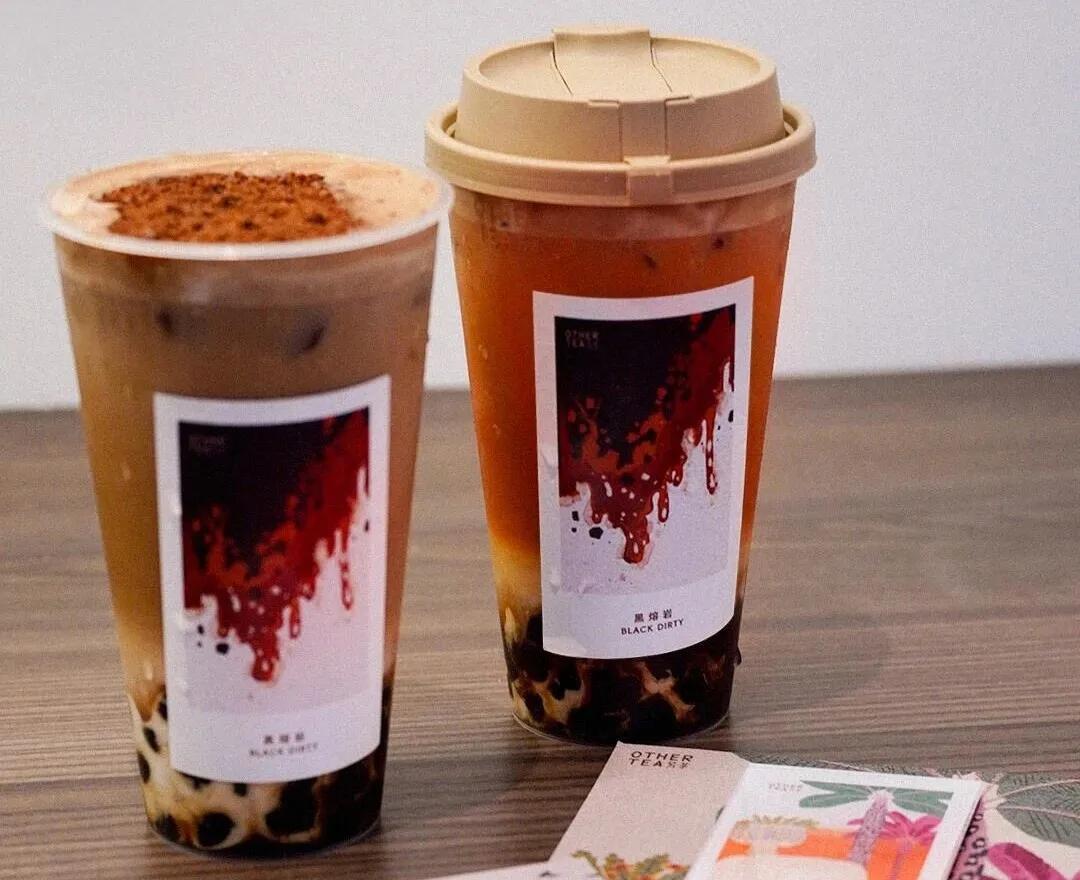
Authentic Thai milk tea relies on condensed milk and evaporated milk, which has extremely high sugar and fat content, conflicting with the mainstream consumer mindset of "less sugar and low calorie". "It is necessary to retain the unique vanilla or cardamom aftertaste of Thai tea while making the taste light." Liu Zejian said.
Second, the stability of the supply chain. The hand-marked Thai tea powder has a classic flavor, but it is costly and relies on imports. To become a permanent product, there must be a stable blended tea supply chain in China.
The person in charge of Yeye No Paocha pointed out that the most efficient logic for launching new products is not to create formulas from scratch, but to transplant the capabilities that the brand has already verified to new categories - retain the core of the category, superimpose existing capabilities, and match new demands.
Third, the pricing dilemma. Innovation of Thai milk tea products requires investment, but Luckin Coffee has set the price anchor at 9.9 yuan, making it difficult for subsequent entrants to obtain higher premium.
In general, the traffic and price offensive of leading brands in this round has opened up the market situation, but as Yang Shizhong said: "Consumers vote with their taste buds."
From internet hit to long-term popularity, what is missing is never a hot search, but a good product that consumers are willing to order repeatedly.
This article is from the WeChat official account "Kamen" (ID: KamenClub), written by Xiya, authorized for release by 36Kr.