Robots are taking over! At the World Robot Conference, they are not just showing off with cool dance moves, but also busy carrying out all kinds of practical tasks.
Why did I run into familiar faces at the World Robot Conference? The trend of practical robots has fully taken the world of robotics by storm.
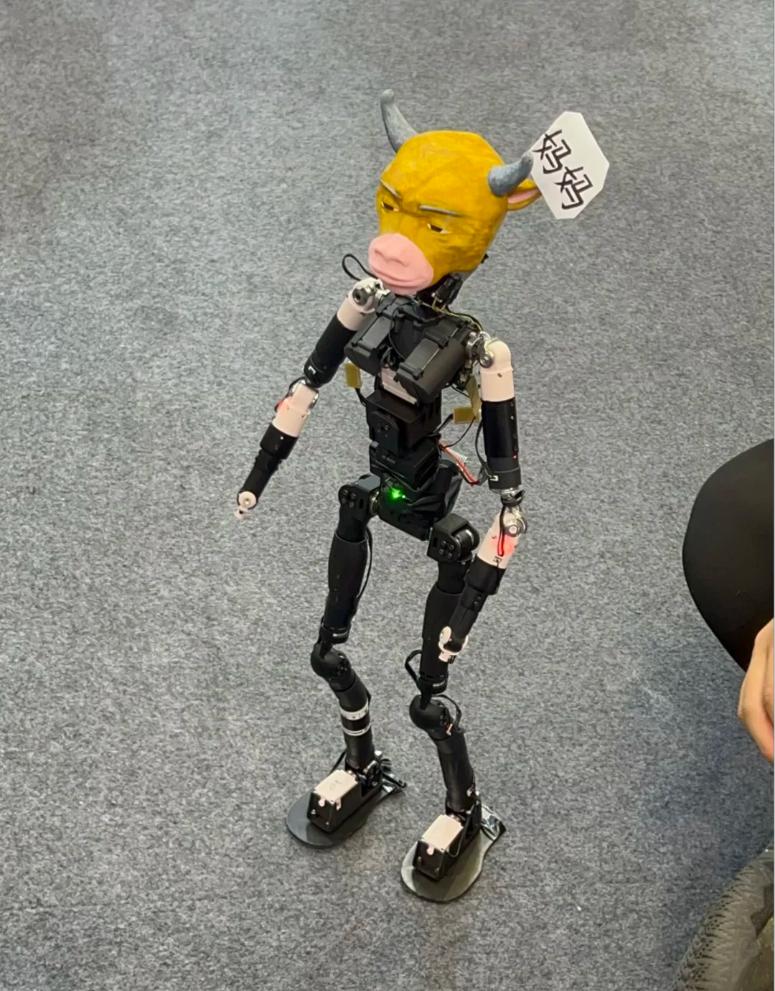
From August 19 to August 23, the 2026 World Robot Conference is being held in Beijing. As the world's largest robotics exhibition, this event features more than 300 enterprises and over 2,000 exhibits on display.
Even though it is a weekday, almost every venue is packed with visitors, and the event is far more popular than expected. The editor almost couldn't squeeze into the venue.
Walking into this year's conference, a clear shift in focus can be observed.
On one hand, robot performances and dancing remain the center of public attention, but there are more and more scenarios demonstrating robots performing practical work.
Many foreign visitors speaking Korean, Japanese and English can be seen at the site, as well as parents bringing their children along.
Here, you can see robots helping with housework, dancing a full waltz with human partners, sorting express packages as skillfully as experienced workers, and robotic dogs that can climb slopes and move through fire.
Follow the footsteps of our tech editor, and take a virtual tour of the conference together!
Performances still attract wide attention, star robots make collective appearances
Among all the exhibition booths, the most popular ones are definitely those star robots that put on wonderful performances.
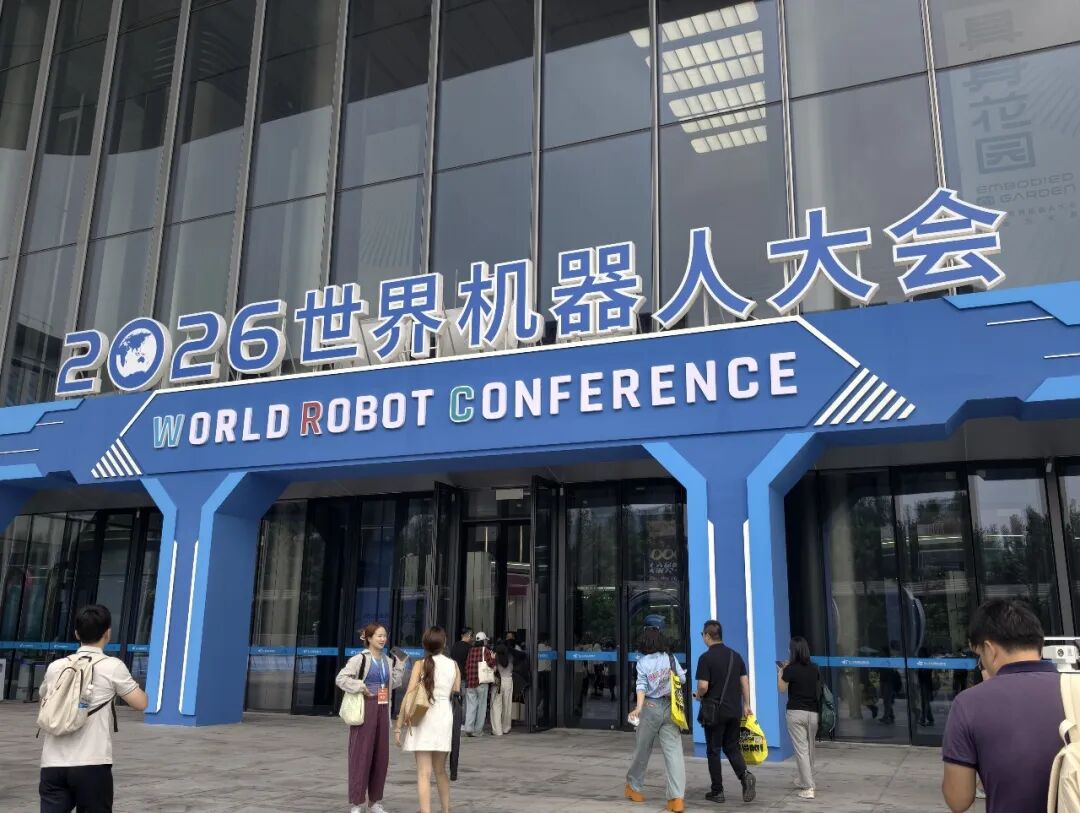
For example, the newly listed Unitree Robotics has specially divided a large performance area, where robots take turns performing martial arts and combat on the stage, making them the absolute hit of the event.
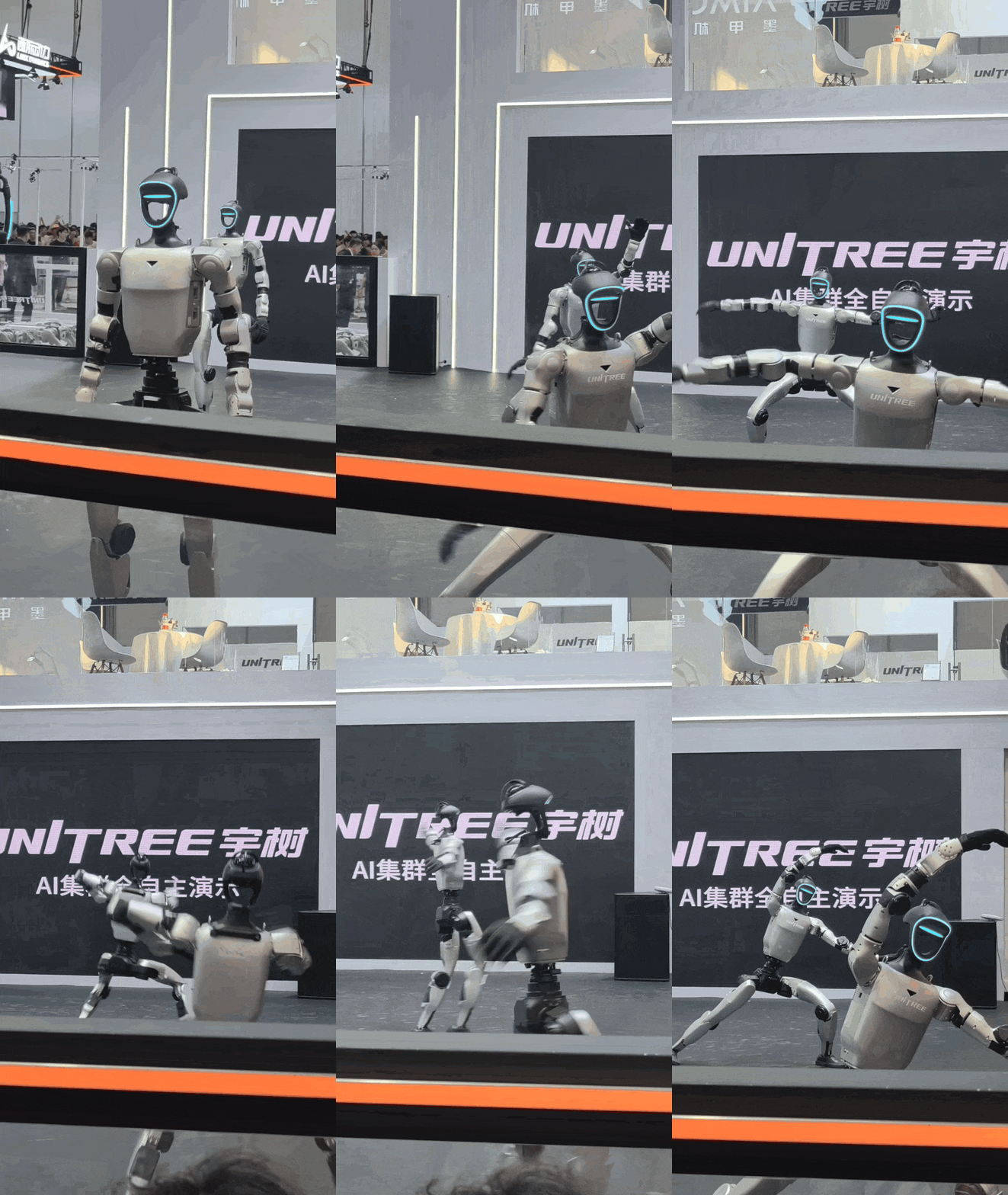
The day after its listing, Wang Xingxing, founder of Unitree, appeared at the main forum of the World Robot Conference without delay and delivered his first public speech after the company went public.
He said that the ChatGPT moment for embodied intelligence will come in 2 to 3 years at the fastest, or 5 to 10 years at the slowest. When robots can independently complete about 80% of tasks, the industry will reach a critical inflection point.
At the site, he still looked rather serious and exhausted. People can't help but understand why he doesn't look happy even after the company's listing: even the boss can't stand such high-intensity work!
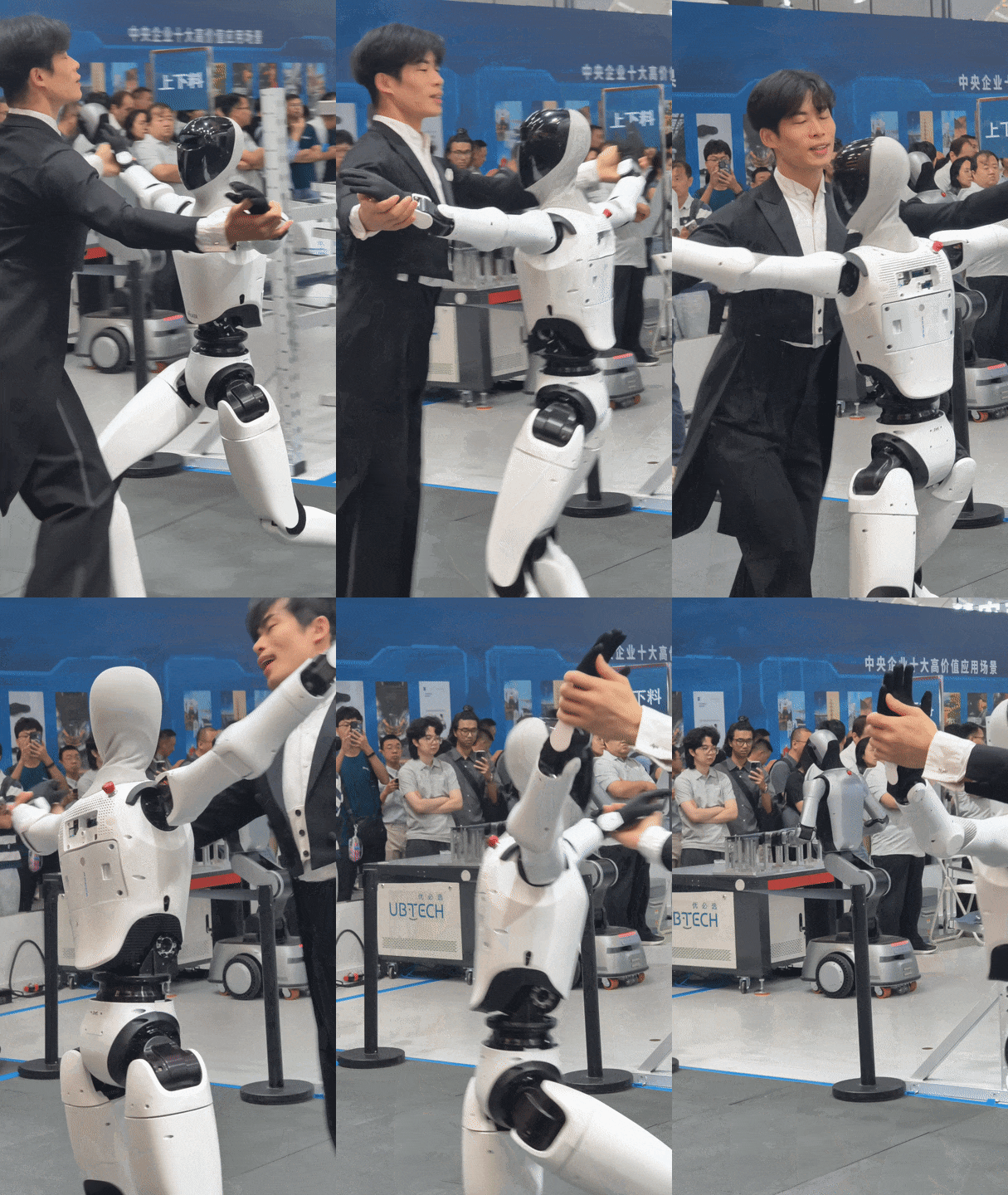
Opposite Unitree, UBTech brings a strong visual impact to visitors.
This time, it not only exhibits robot couples, but also showcases a new super bionic robot wearing a light blue sequined dress and holding a bouquet of flowers. The robot can tilt its head and blink, with a delicate appearance.

The robot on site also partners with a human to dance a complete waltz.
In the Intelligent Integration Pavilion, the booth of Qianqing Robotics is also crowded with visitors.
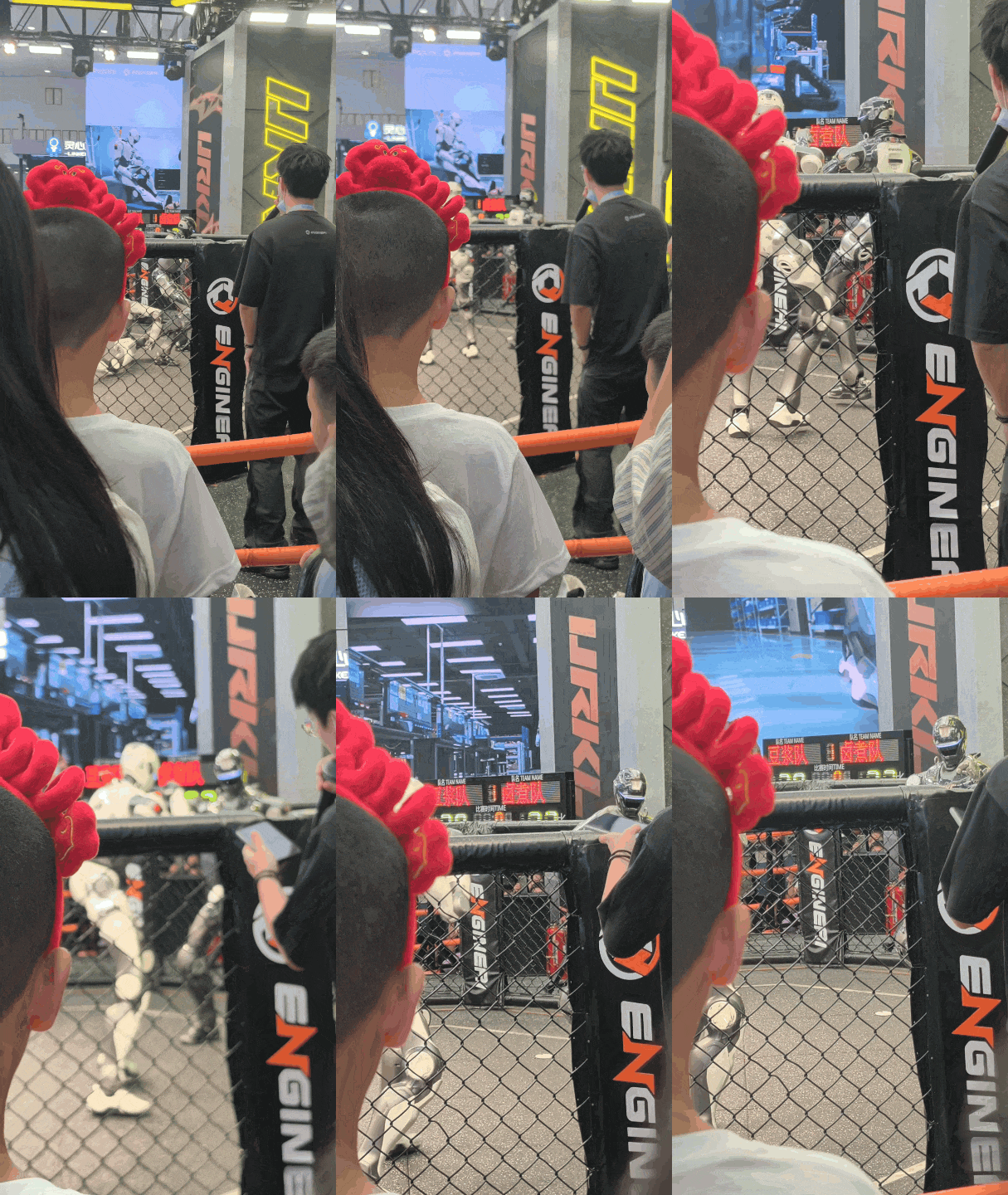
As soon as you step into the pavilion, you will see layers of crowds surrounding the Qianqing booth. The booth is divided into two parts: on one side, robots act as hosts to introduce their products one by one.
The other side is the combat zone, where two T800 humanoid robots kick each other in the ring without holding back. After the winner is decided, the winning robot will even dance to taunt its opponent.
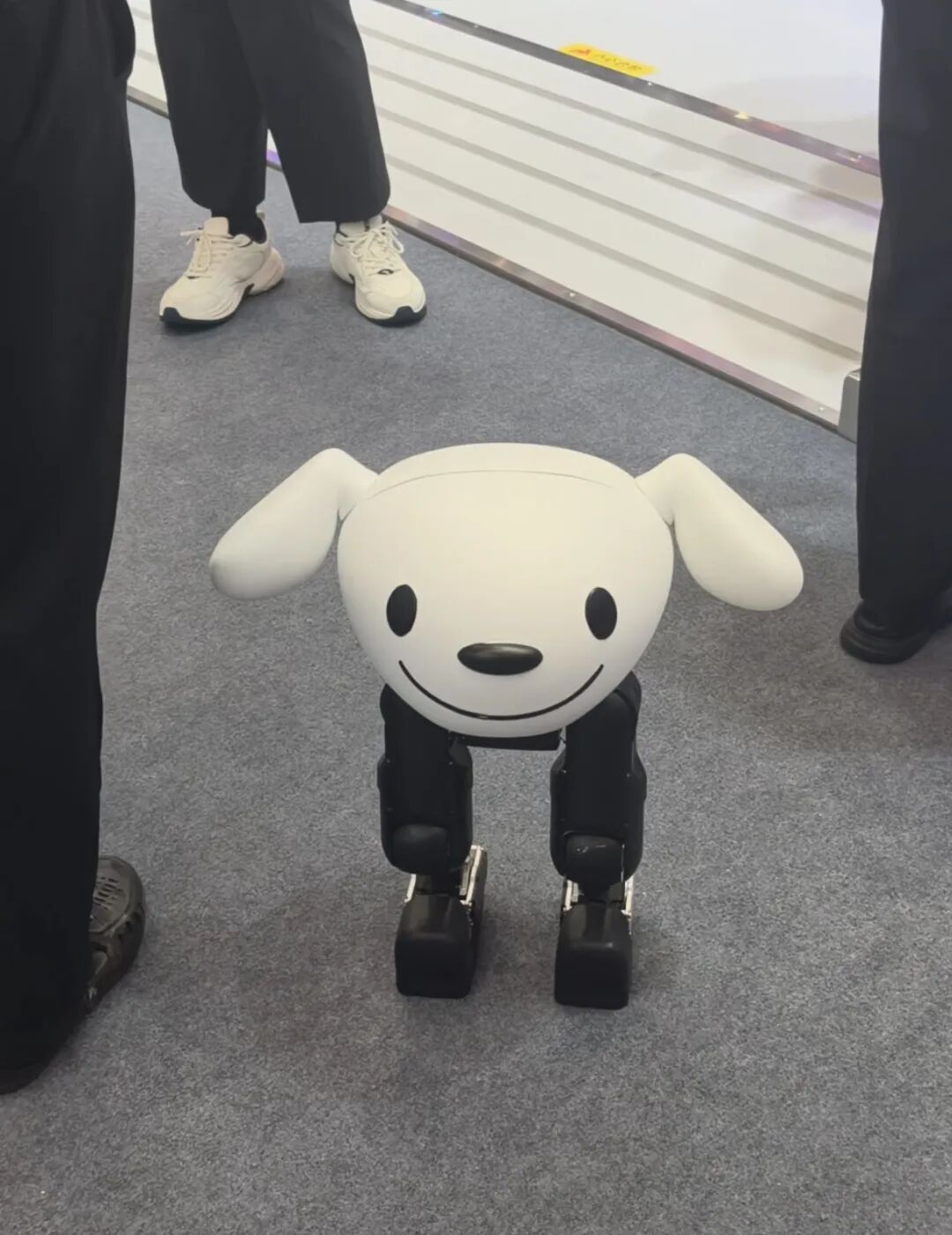
The familiar Doubao robot is not seen at the conference, but there is a two-legged JD Robotics robot on display.
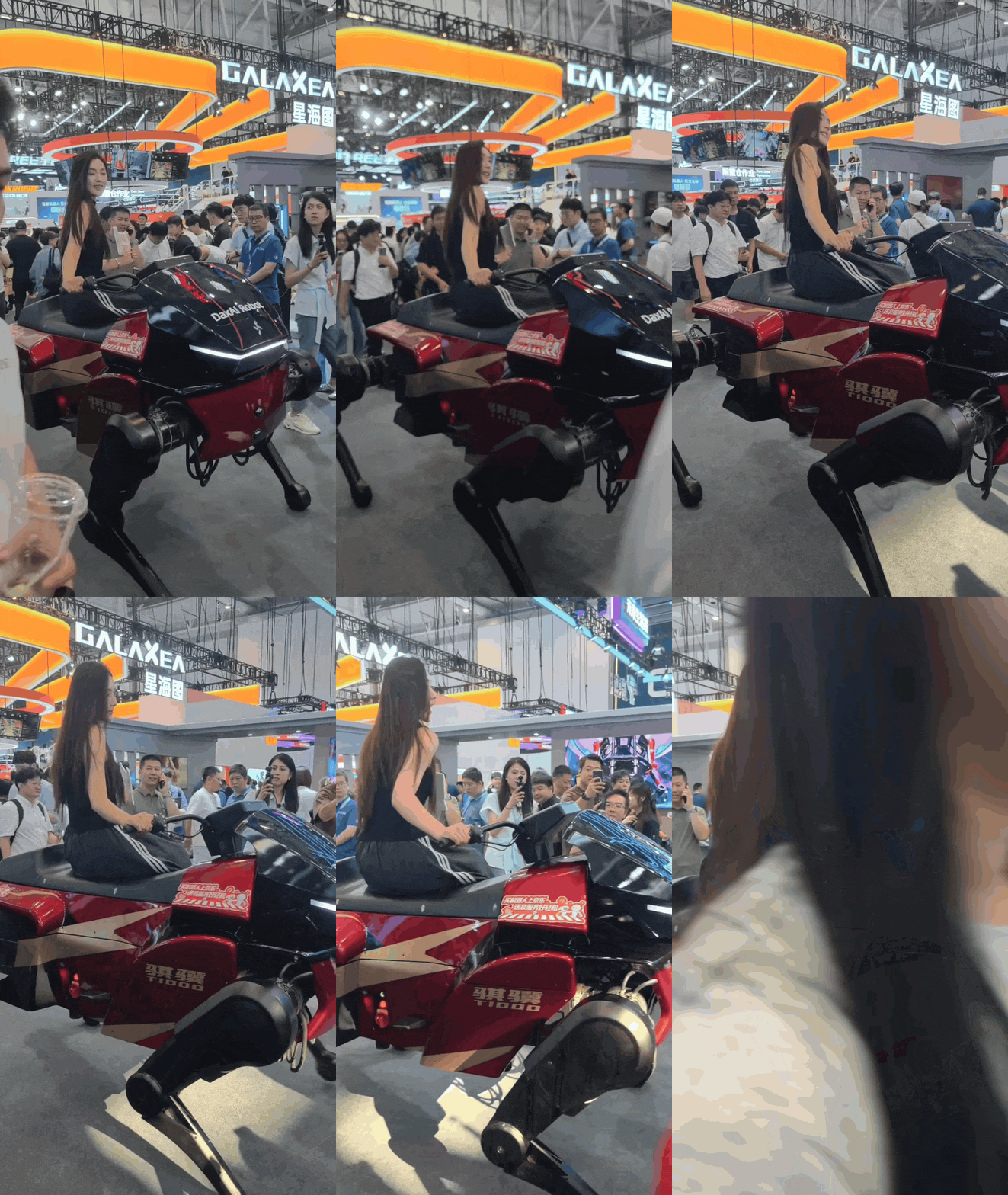
The Qiji robotic horse debuted by Daka Robots supports automatic following, autonomous driving and autonomous riding. A staff member rides it to walk around the venue, drawing countless eyes from visitors.
Practical work becomes the mainstream, but robots with independent thinking capabilities are still rare
Although the conference has all kinds of fancy skill demonstrations, overall, showing how robots perform practical work has become the mainstream.
However, most of the practical work demonstrations only show the cerebellar capabilities of robots, that is, motion control. They can carry items and perform repeated grasping, but it is difficult for them to handle abnormal or unexpected situations on their own.
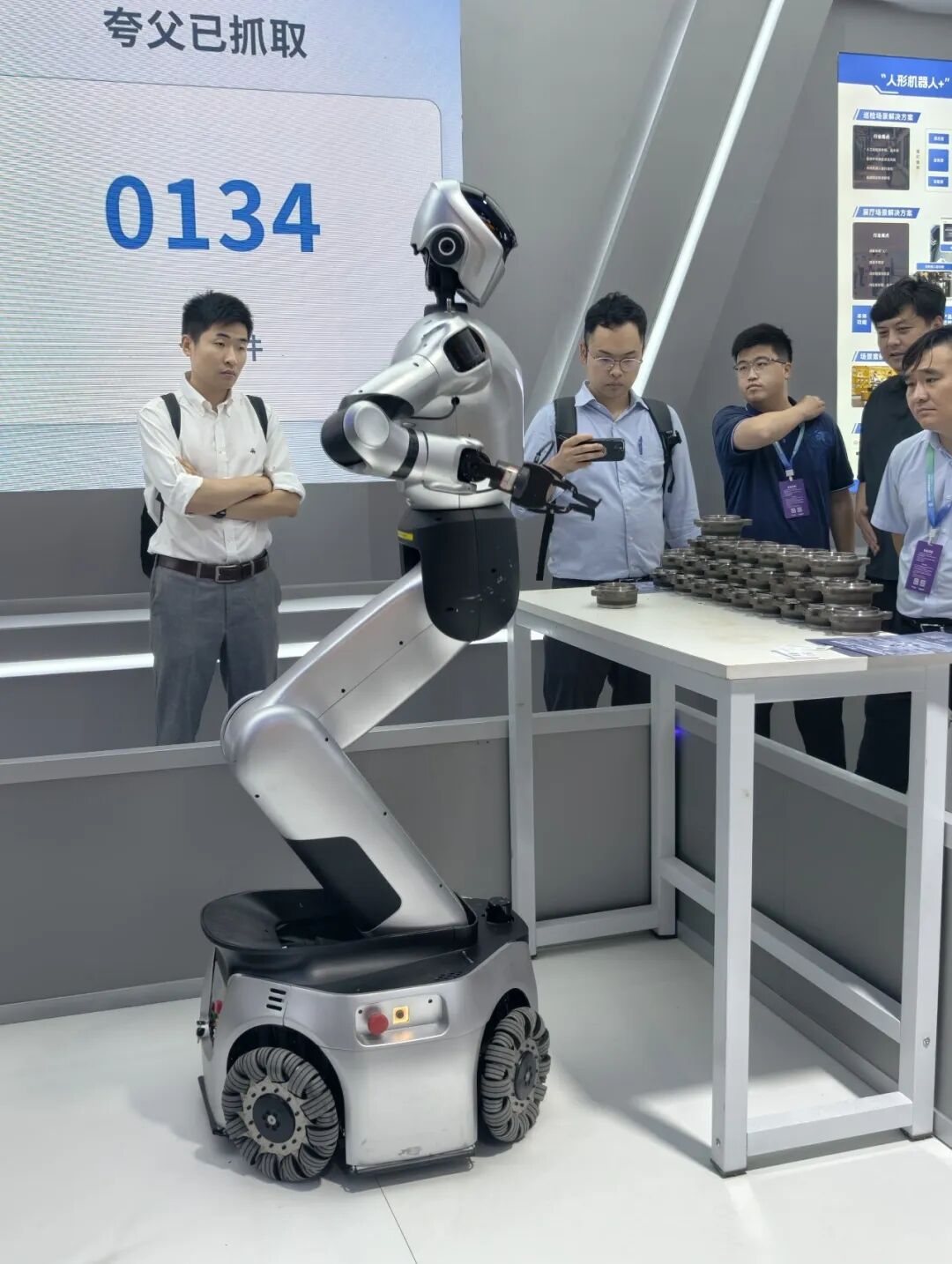
For example, the Kua Fu 5-W robot under Leju demonstrates carrying cartons and loading small parts at the site, and the company has already reached cooperation with automotive enterprises including FAW Group and Hongqi.
But the demonstration also exposed its limitations: materials can only be placed in roughly fixed positions, and grasping errors occasionally occur, requiring staff to manually adjust the position of materials.
Only a very small number of enterprises can demonstrate the autonomous decision-making capability of robot brains, which do not rely on pre-set performances or remote control operations.
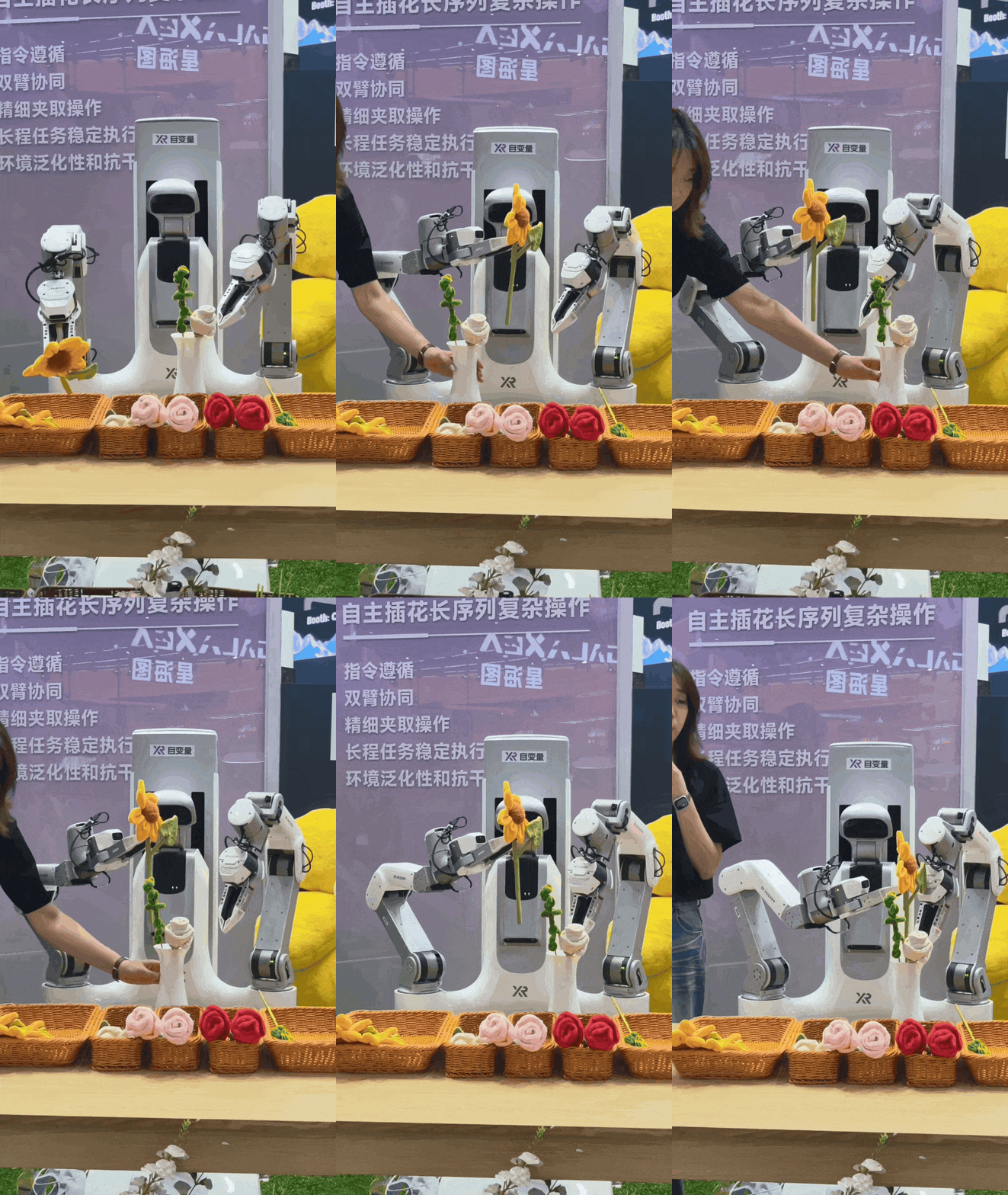
At the booth of Zibianliang Robotics, two robots left a deep impression on visitors.
One of the robots arranges flowers according to the host's instructions. When the host randomly moves the position of the flowers halfway, the robot can still accurately identify the change and continue to complete the flower arrangement task.
The other robot is conducting a non-stop live broadcast of express sorting. Facing parcels of different shapes, it will independently choose actions such as clamping, pushing, toggling and flipping. When encountering parcels without packaging or labels, such as dolls and laptop bags, it will automatically sort and reject them.
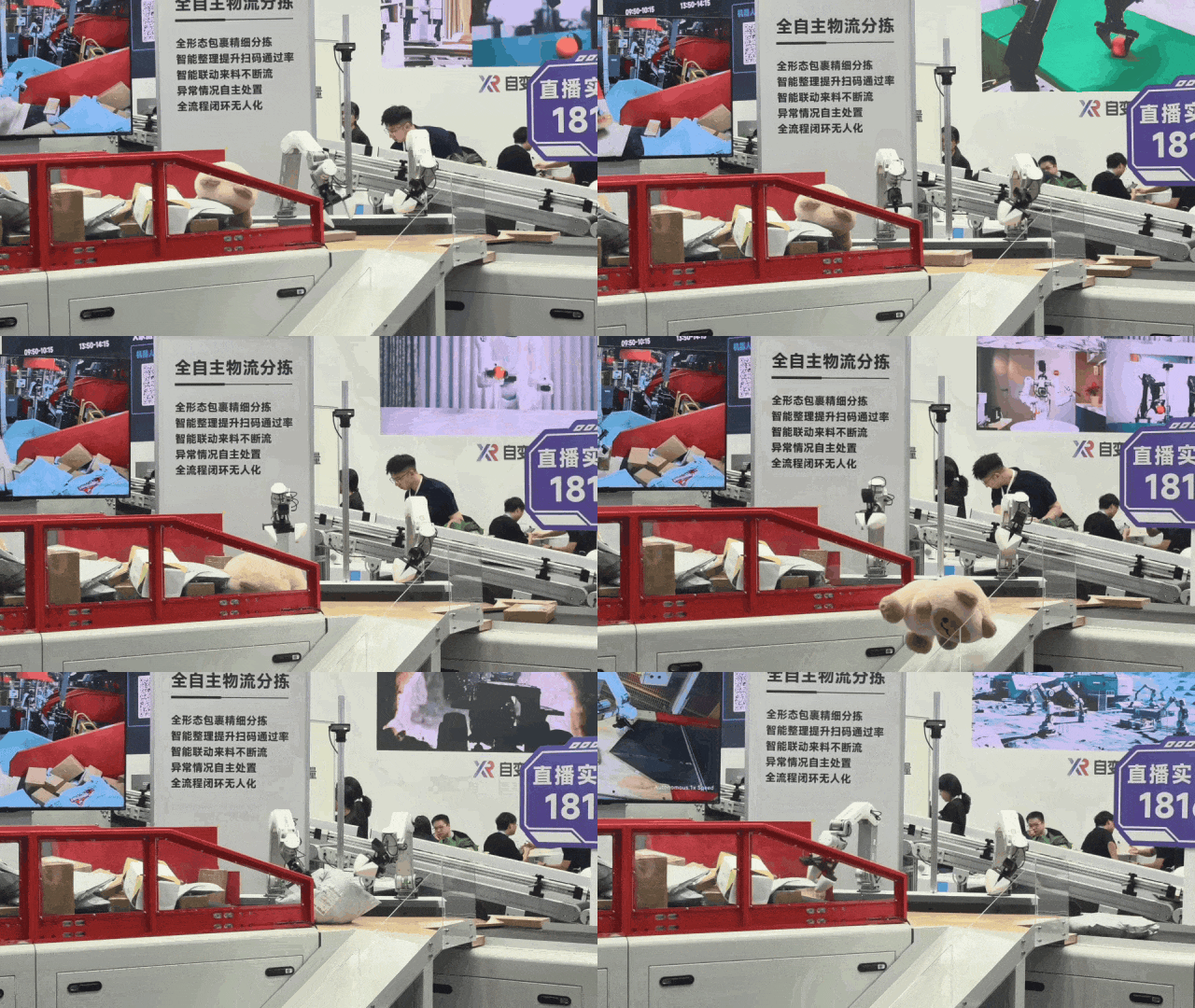
You can intuitively feel how fast it works at the site, with an officially measured speed of 1816 pieces per hour.
An ordinary skilled sorting worker can handle about 800 to 1200 parcels per hour, and this robot is more efficient than skilled workers.
This figure is more than 45% higher than the 1248 pieces per hour record of top US humanoid robot enterprise Figure AI set in May this year.
All these robots are based on Zibianliang's Wall-B unified world model, which integrates vision, language, tactile sense, motion and physical prediction into one neural network, allowing robots to learn to understand the physical laws of the real world: gravity, friction, object deformation, without writing separate programs for each type of parcel.
Similarly, at the booth of Starward Era, the M7 column-type operation robot also reproduces a real express sorting assembly line on site.
It is equipped with the self-developed XHAND-1 five-finger fully direct-driven dexterous hand, which can complete the whole process of identification, grasping, flipping, scanning codes and putting in, with a speed slightly slower than that of Zibianliang's robot.
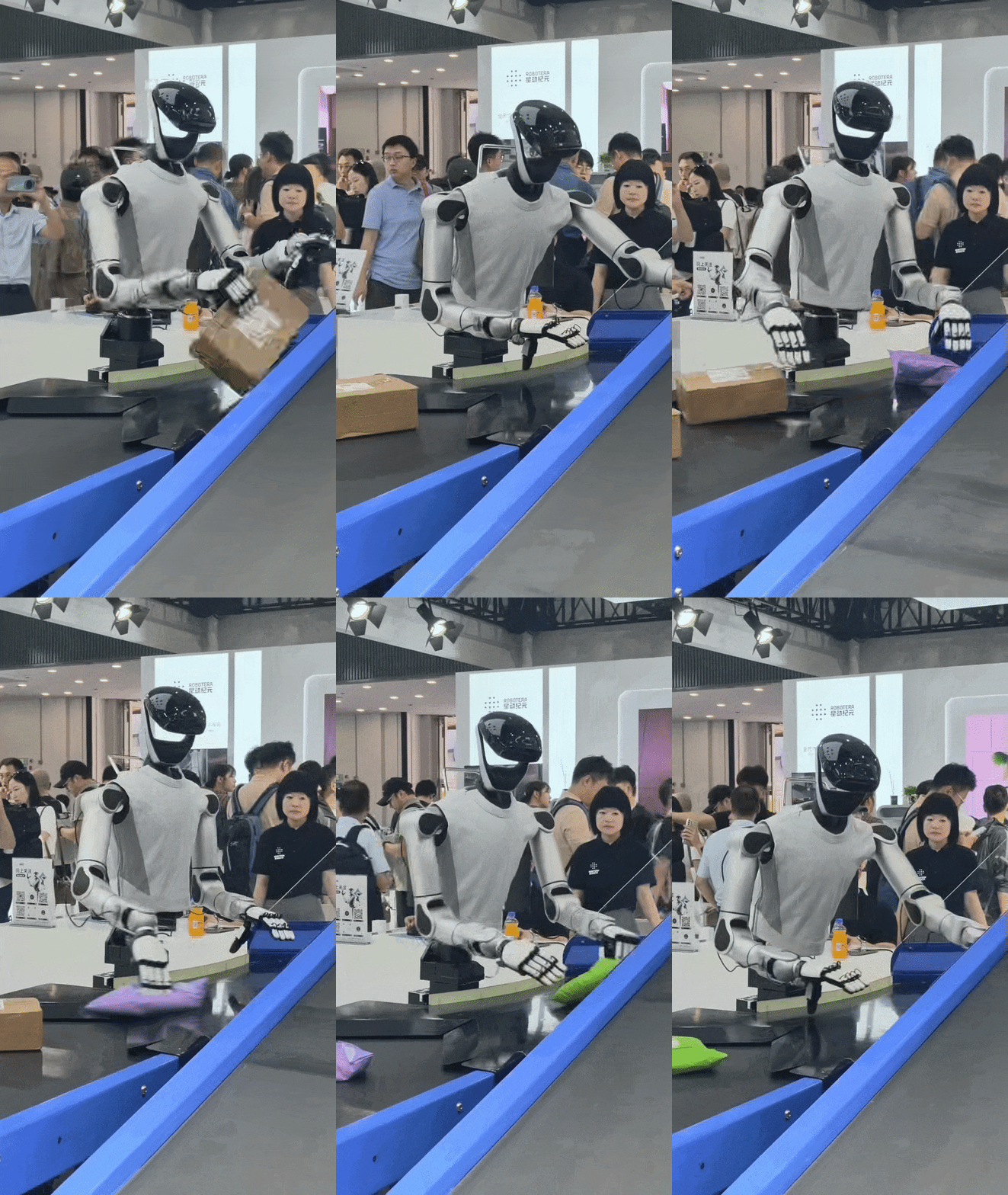
This model has been deployed in multiple logistics centers including SF Express and China Post, and it is one of the few robots in the industry that have actually entered real express warehouses.
Starward Era adopts a full-stack development route that focuses on both the "brain" and "cerebellum" of robots. It has not only independently developed the ERA-42 embodied large model and the Ctrl-World controllable world model, but also independently developed all the joints, motors, reducers and controllers.
Not far from Zibianliang's booth, Galaxy Universal mainly showcases its Galbot G1 wheeled dual-arm robot, which also performs impressively.
It demonstrates toasting bread, folding clothes and sorting sundries at the site. Even when staff create interference by moving the plate and bread, the robot will independently follow and adjust its actions.
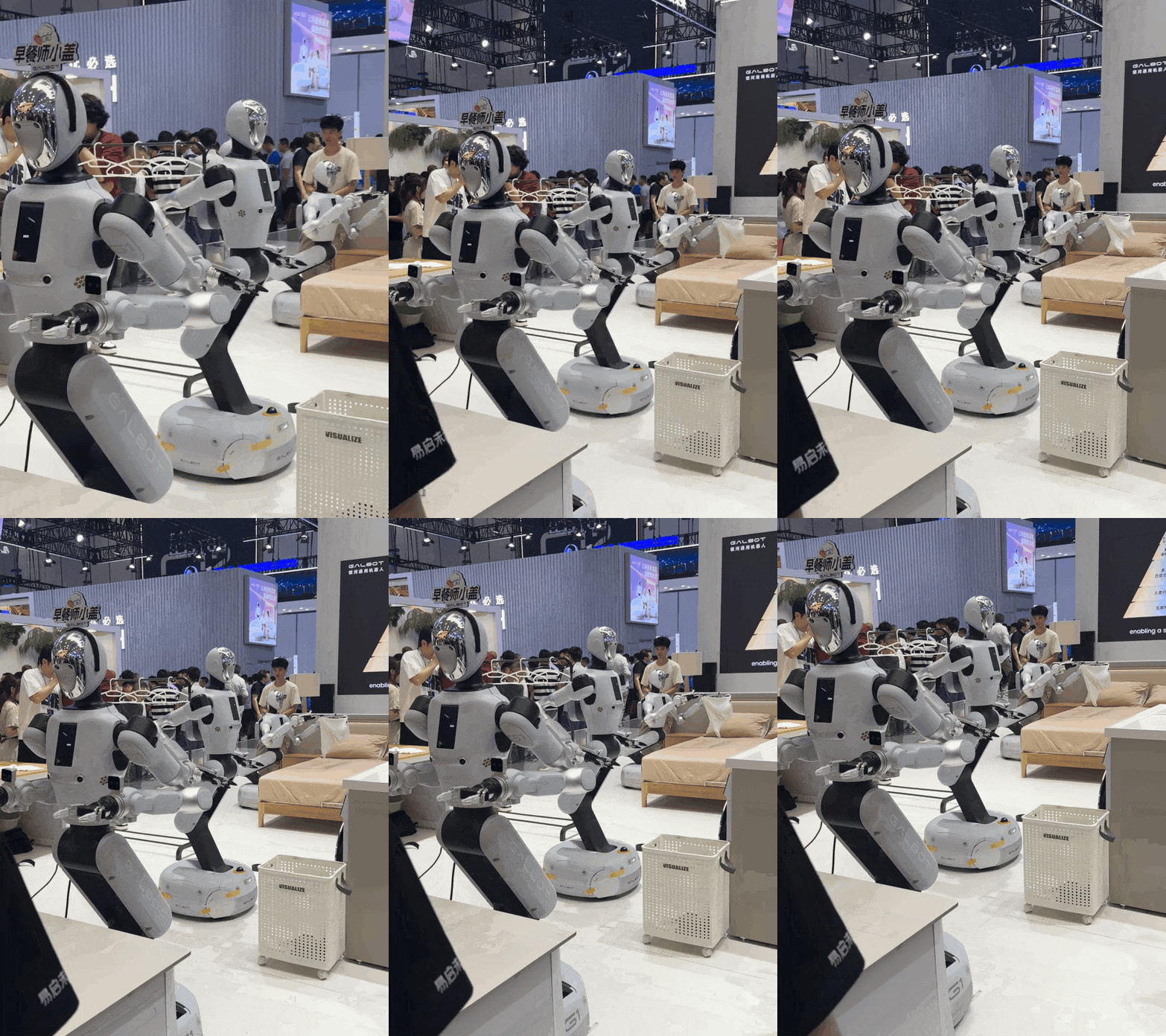
The capability is supported by Galaxy Universal's self-developed "Galaxy Star Brain", an end-to-end embodied large model.
Different from many product large models that are only responsible for thinking and leave motion control to traditional controllers, Galaxy Star Brain is not only responsible for understanding the environment and planning tasks, but also outputs motion capabilities that traditionally belong to the cerebellum, such as limb coordination and posture balance, through the large model.
However, no matter Zibianliang, Starward Era or Galaxy Universal, they can only deal with small-scale and mild interference at the current stage. To adapt to the real world, a huge amount of high-quality real physical interaction data is still needed.
The "cerebellum" of robots has matured, while the "brain" still needs further development
At present, the entire robotics industry has reached a consensus: The "cerebellum" of robots has been fully developed, but the core "brain" has not kept up with the pace of development.
The "cerebellum" refers to motion control, limb coordination, balance and precise operation. Relying on hardware entities and underlying algorithms, after years of development, this set of basic capabilities of domestic robots has reached the world's top level.
No matter difficult stunts such as somersaults and martial arts, or practical tasks such as carrying boxes and sorting parcels, as long as the goals and paths are set, robots can perform stably and smoothly with almost no mistakes.
However, no matter how flexible their limbs are, many robots still cannot think flexibly. The "brain" of robots is responsible for understanding the environment, making independent judgments, making flexible decisions and breaking down tasks, which is the core for robots to truly evolve from demonstration products to practical tools.
Most of the smooth operation demonstrations at the exhibition are completed in ideal and regular environments: items are placed neatly, there are no extra sundries, the moving path is fixed, and there are no unexpected situations, so robots only need to execute according to the pre-set programs.
But the real environment in factories, warehouses and homes is never perfect. In reality, parcels vary in size and are placed in disorder, obstacles may appear at any time during work, and task requirements may change at any time.
It is precisely because of this that this year's exhibition has fewer eye-catching fancy stunts and more pragmatic thinking. Major manufacturers no longer blindly pursue cool movements, but devote more energy to scenario implementation and polishing.
Standing at the critical node of industrial upgrading, only by filling the short board of the "brain" and allowing robots to truly learn to think independently and work flexibly, can robots be widely deployed in factories, integrate into the daily life of ordinary people, and truly empower thousands of industries.