Edison Chen opens a restaurant? Combining trendy streetwear culture with pork chop rice, "Clot Ice Room" breaks into the Hong Kong-style cha chaan teng track.
Edison Chen makes a surprise foray into the catering sector. Will "CLOT Ice Room" become the next viral restaurant with endless queues?
Edison Chen has opened a Hong Kong-style tea restaurant?
On August 18, CLOT, the streetwear brand founded by Edison Chen, opened its first Hong Kong-style tea restaurant "CLOT Ice Room" in Shanghai, marking the brand's first official entry into the catering industry.
As soon as the news came out, there were no shortage of comments on social media like "another celebrity coming to harvest fans' money" and "celebrity-owned restaurants can never survive for more than three months". But this is not the first time CLOT has dabbled in the catering industry: in 2024, the brand launched a one-month pop-up space of "CLOT Ice Room" at Dong Fa Dao in Shanghai. At that time, many fans visited the store after hearing about it, and after the pop-up ended, some people proposed to extend the event, and even hoped that the store could open in Guangzhou and Shenzhen.
Now, this proposal has been realized in another way — CLOT chose to open a tea restaurant on Nanjing West Road in Shanghai, positioned as "fast, good and affordable" with full authentic Hong Kong flavor.
CLOT was founded in Hong Kong, China in 2003 by Edison Chen and Kevin Poon, and was once hailed as "the top streetwear brand in China". However, it is quite thought-provoking that the brand chooses to enter the catering industry at this time. In the past few years, Hong Kong-style tea restaurants on the Chinese mainland market have been experiencing a long-term decline. From old street stores to chain brands, contraction and withdrawal have become the common trend.
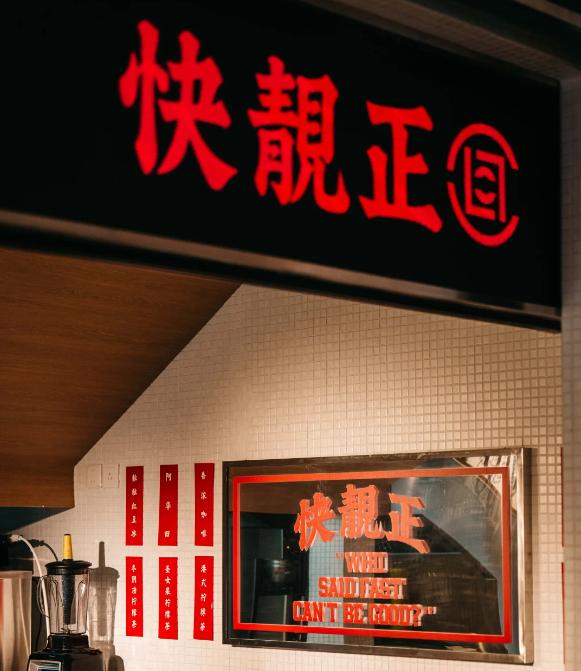
△ Image source: Official Xiaohongshu account of CLOT Ice Room
A streetwear brand chooses to enter the market when the industry is on the wane. Is it the courage to go against the trend, or just overconfidence in its brand power?
01. CLOT opens tea restaurant, focusing on "fast, good and affordable"
From the perspective of site selection, it is not difficult to understand that CLOT opens its first CLOT Ice Room store on Nanjing West Road in Shanghai.
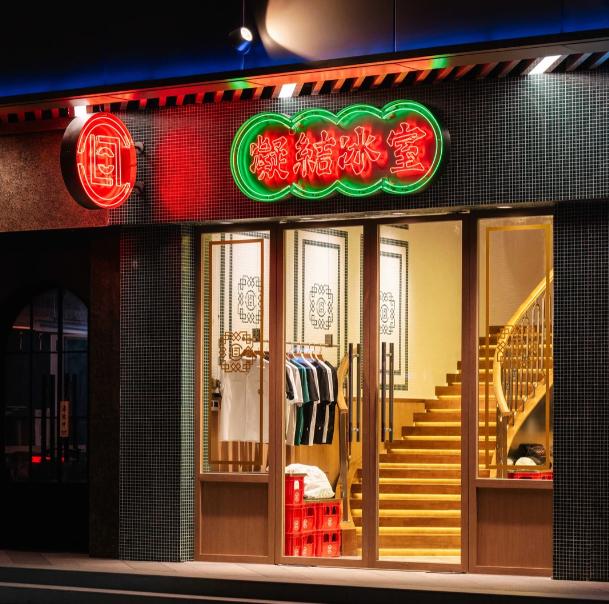
Shanghai is inherently the "super test field" for domestic trend consumption and lifestyle. Young people here have seen countless "concept stores" and "pop-up stores", and have a high degree of acceptance of new things. Nanjing West Road, in particular, is one of the business districts with the highest density of high-end and trend brands in Shanghai and even the whole country. For example, LV's giant "Louis Vuitton House", Apple's largest flagship store in the Chinese mainland, Balenciaga's largest store in China, and the largest LOEWE boutique in Asia are all gathered here.
CLOT Ice Room is located among these stores, less than one kilometer away from Shanghai Taikoo Hui. The site selection itself is a declaration of the brand's strength.
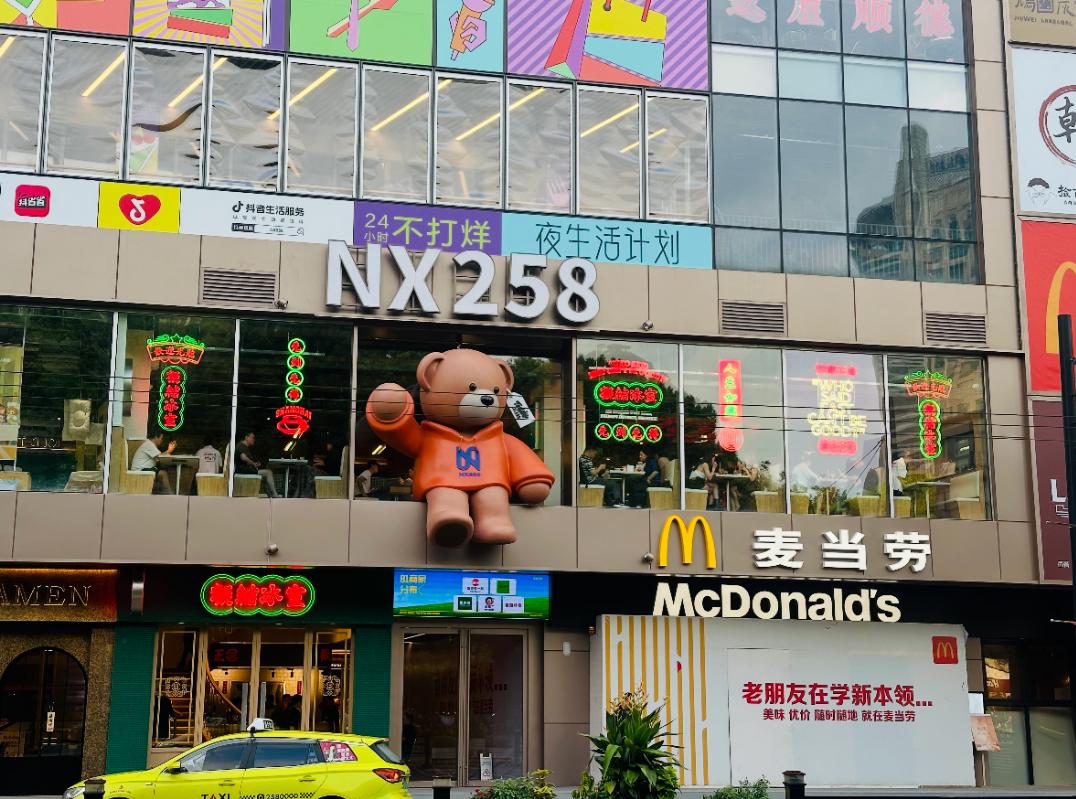
△ Image source: Xiaohongshu screenshot
Walking into the store, the whole space is divided into two floors.
At the entrance on the first floor is the CLOT peripheral retail area, full of CLOT Ice Room limited T-shirts, canvas bags and hats. Next to it is an open bar for making drinks such as iced lemon tea and Hong Kong-style milk tea, which supports takeaway and self-pickup for immediate consumption, with drinks priced between 19 and 22 yuan.
The second floor is the dining area, with booths and round tables for diners to sit down and order meals.
Looking through the menu, there are many classic dishes of Hong Kong-style tea restaurants. Signature noodle dishes include beef macaroni in tomato thick soup and ginger onion pork chop Nissin instant noodles. Staple food includes tomato sauce pork chop rice, barbecued pork and scrambled egg beef rice, etc., priced between 38 and 68 yuan. There are also new Cantonese and Hong Kong-style dishes such as charcoal-grilled Iberian black pork ribs, aged huadiao wine marinated squab, and butter tiger prawns for a la carte, which are moderately adjusted on the basis of traditional recipes, with individual dishes priced from 108 yuan to 138 yuan.
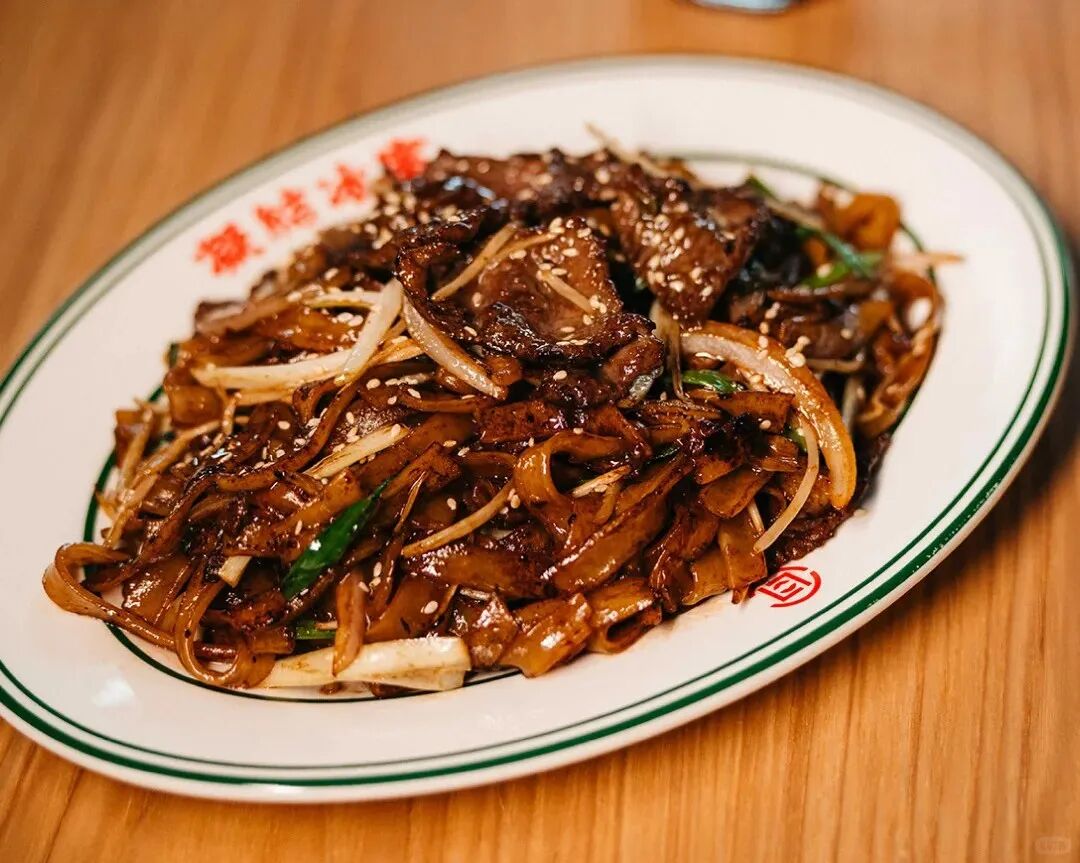
△ Image source: Official Xiaohongshu account of CLOT
The store also launched two set meal series: among them, the "fast, good and affordable" set meal has four options A, B, C and D, with staple foods of beef macaroni in tomato thick soup, baked pork chop rice with fresh tomato, stir-fried beef ho fun, and CLOT condensed milk toast, each set comes with a free cup of silk stocking milk tea, priced between 42 and 78 yuan, to meet the demand of single-person dining.
The limited-time optional set meal is more abundant: you can pick 1 snack from 4 options (CLOT golden pork chop bun, Satay Cheung Chau big fish ball, Typhoon Shelter chicken wings, scallop wonton soup), 2 side dishes from 8 options, 1 signature staple food from 4 options, and 2 drinks from 8 options.
Overall, what CLOT Ice Room wants to build is not just a tea restaurant. It is more like an experiential cultural space, which condenses CLOT's 23 years of brand genes into a space where people can eat, hang out and take photos.
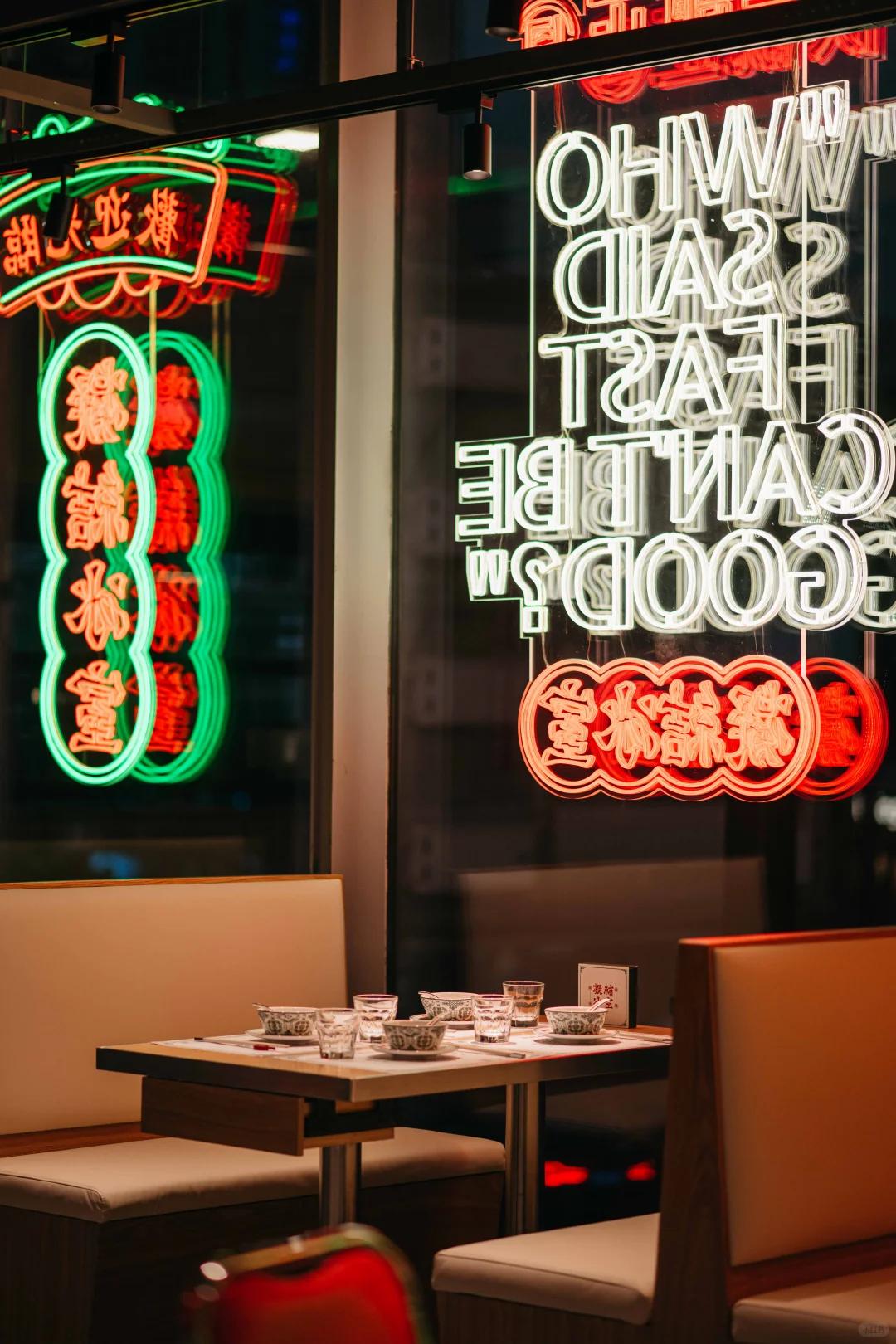
△ Image source: Official Xiaohongshu account of CLOT
Since its opening, the discussion about CLOT Ice Room on social platforms has remained very high. Some long-time fans said, "As a fan of CLOT for many years, I am not here just for a meal, but more like a pilgrimage." But some diners who came specially to check in said: "I came here with extremely high expectations. The atmosphere at the entrance is great, it feels like a real Hong Kong-style tea restaurant, and the service is very thoughtful, but the cost performance is really not high. Some dishes that best reflect the skills of Cantonese chefs do not meet expectations."
02. The "polarizing situation" of Hong Kong-style tea restaurants
The opening of CLOT Ice Room has special implications in the current development landscape of Hong Kong-style tea restaurants.
In the past two years, Hong Kong-style tea restaurants are still experiencing a downturn.
In Beijing, a number of old stores that have accompanied diners for decades have closed one after another. At the end of July, the 24-year-old Golden Lake Hong Kong-style Restaurant closed; in June, the Di'anmen branch of Richang Restaurant, the "originator" of Beijing's 28-year-old Hong Kong-style tea restaurant, was also exposed to be shut down. In March this year, Stone Street Hong Kong and Macau Restaurant, which entered the Guangzhou market in 2017, also closed its Wanlinghui store, and completely withdrew from Guangzhou since then.
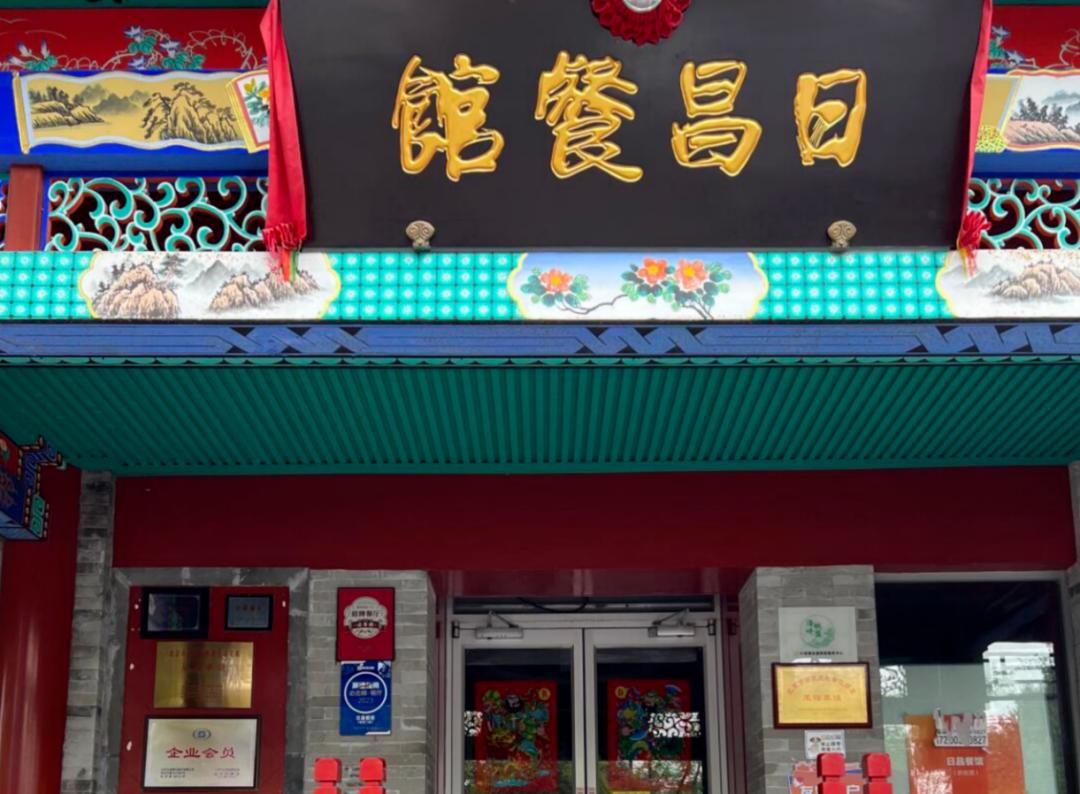
△ Image source: Xiaohongshu screenshot
Chain brands are also shrinking their business lines. In the past two years, the number of stores of brands such as Tai Hing Restaurant and Tsui Wah Restaurant has decreased to varying degrees.
However, on the other side of the contraction, leading brands are also seeking breakthroughs in different ways.
First, close inefficient stores to maintain the bottom line of profit.
Closing stores is to seek more living space. Chain enterprises such as Café de Coral, Tai Hing Group and Tsui Wah have all adopted the same strategy of actively optimizing and integrating underperforming stores to maintain profitability.
A noteworthy detail is that after reducing the number of mainland stores, the profitability of the above-mentioned enterprises has rebounded. For example, Tai Hing Group's full-year profit in 2025 increased by 72% year on year, and the profit growth in the first half of 2026 is expected to be as high as 76% to 91%. This to some extent shows that what the market is eliminating is not the category itself, but the inefficient production capacity.
Second, on the price side, launch cost-effective set meals to adapt to the trend of increasingly rational mass consumption.
For example, in May this year, Café de Coral launched a 16.9-yuan "free mix" three-piece set for workdays in some areas of the Chinese mainland, covering breakfast and afternoon tea time periods, with up to 22 optional combinations; during dinner hours, 19.9-yuan single-item pork chop rice and 24.9-yuan set meals were also launched, which are currently in the trial operation stage in some stores. The regular customer unit price of Café de Coral is between 30 and 40 yuan, while the free mix set meal is priced at less than 17 yuan, which accurately fits the psychological price of commuters, and is called "budget-friendly poor meal" by consumers.
The purpose of this pricing strategy is not simply to cut prices, but to use a lower threshold to activate the time periods with weak passenger flow in the past, and maximize the utilization rate of existing stores.
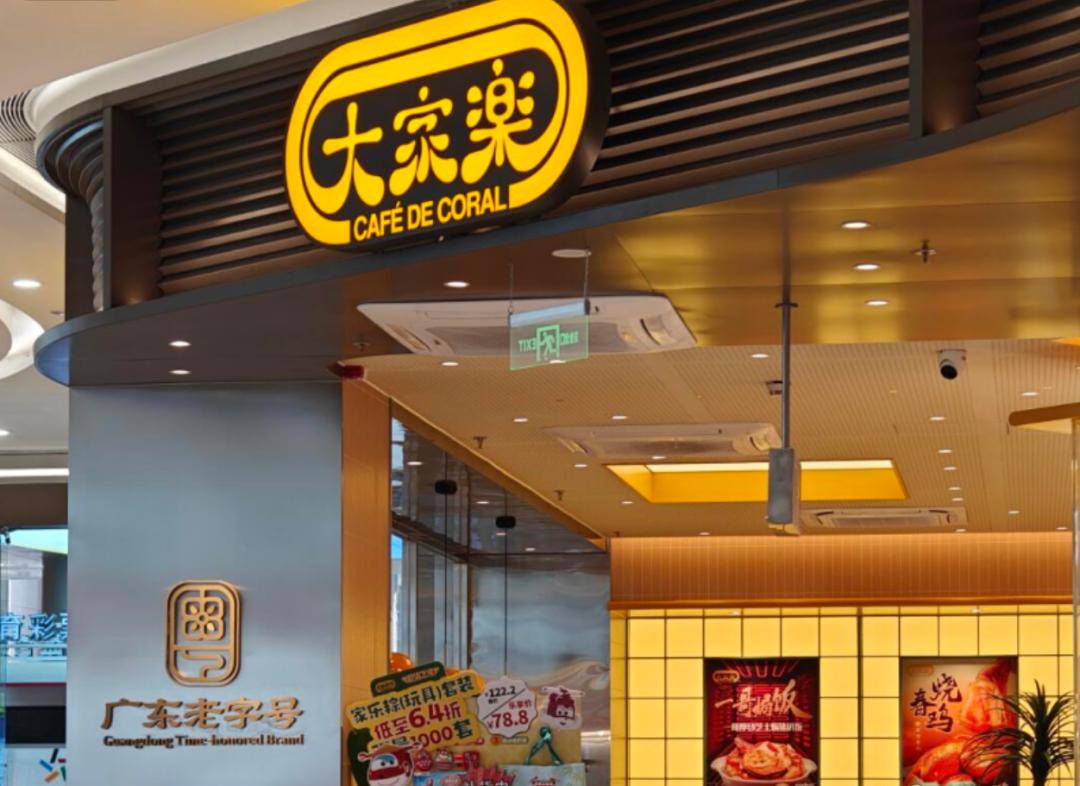
△ Image source: Xiaohongshu screenshot
Third, adjust the site selection strategy to tap more potential channels.
Brands no longer blindly pursue high exposure in core business districts, but pragmatically enter scenarios such as third- and fourth-tier cities, transportation hubs, and university campuses. These locations have stable passenger flow and clear consumption purposes, making the single-store operation model easier to succeed.
Tsui Wah chose to withdraw from some ordinary stores in core business districts, and instead bet on high-potential locations, concentrating resources on hubs with stable passenger flow and clear consumption scenarios such as airports and universities. This year, it opened three new branches of T2, T3 Express and T3 at Guangzhou Baiyun International Airport, and entered the campus scene by opening a new store at Fudan University in Shanghai.
Café de Coral, on the one hand, continues to penetrate into third- and fourth-tier cities with growth potential, and on the other hand, focuses on high-quality and underdeveloped commercial areas to seek site selection opportunities with long-term value.
Fourth, implement smaller and lighter store models at the store end.
Multiple brands have successively launched innovative store types such as satellite stores and takeaway-only stores, trying to reduce fixed costs by shrinking the store area. Tsui Wah Restaurant launched the small "Tsui Wah Express" stores; Kowloon Ice Room also launched a more compact store form "Kowloon Mini Ice Room" at Dongshankou, Guangzhou. Café de Coral also clearly shifted from the large store model to the small store model, with the target store area as low as 1500 square feet (about 140 square meters).
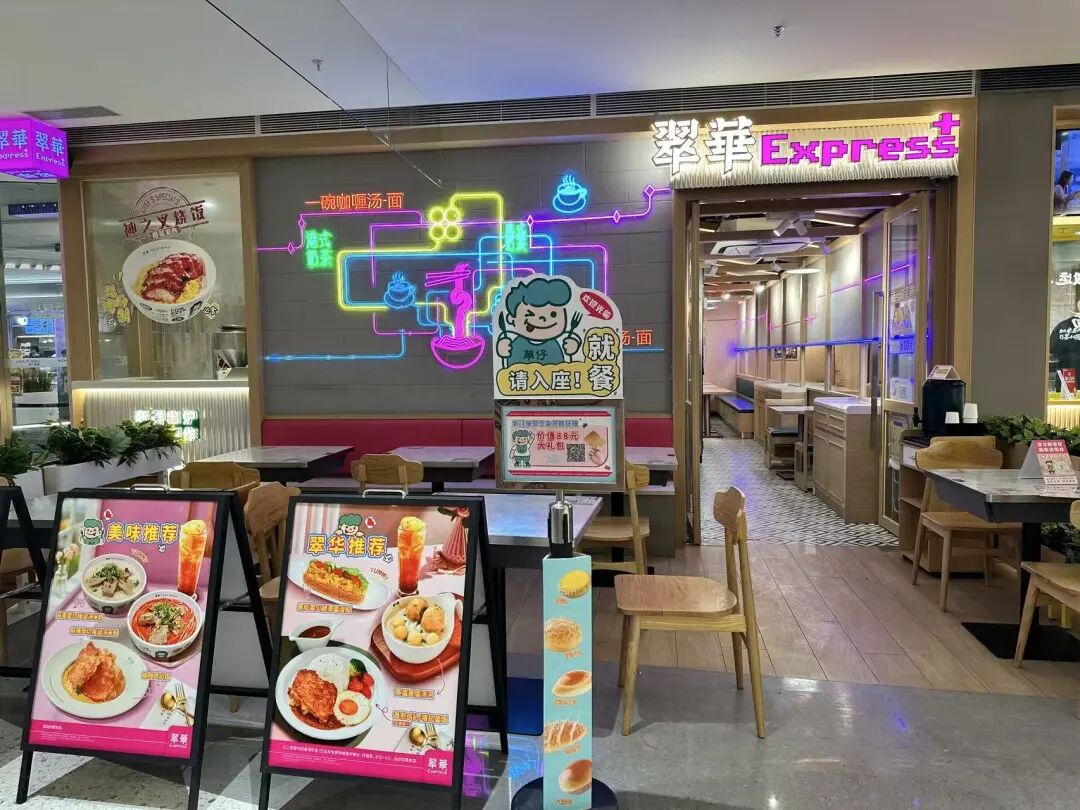
△ Image source: Photo by Hongcan.com
From "large" to "small", the essence is re-calibration of the cost structure. The reduction in area means that rent and labor costs are reduced simultaneously, and the ability to resist risks is improved accordingly.
Overall, the industry is undergoing a structural reshuffle. What are the odds of CLOT winning when it enters the market at this time?
Its advantages are obvious. CLOT's streetwear brand influence and years of IP accumulation naturally have the "first-mover bonus of check-in trend", which is the traffic leverage that traditional tea restaurants do not have.
But the core competitiveness of tea restaurants, in the final analysis, is "delicious food at reasonable prices". It is still uncertain whether CLOT Ice Room can break the curse of celebrity or streetwear brand cross-border catering that "long queues in the first month, cooling down in the second month".
The greater challenge lies in the operation side. CLOT lacks catering operation experience. In 2024, CLOT once created a pop-up space of "CLOT Ice Room" at the Dong Fa Dao Tea Ice Room Xintiandi store in Shanghai, with Dong Fa Dao providing food support at that time.
Now it operates independently, from menu design to quality control to kitchen workflow, every link is a new variable. There is also uncertainty about whether the quality can be kept stable.
When the Hong Kong-style tea restaurant industry is going through a rigorous screening process, there are still many problems that CLOT Ice Room needs to answer after entering the market at this time.
This article is from WeChat official account "Hongcan Wang", Author: Zhou Mo, Editor: Qian Jun, published with authorization from 36Kr.