Foreign-funded retail makes a "comeback" in the Beijing market
Foreign Retailers Are Shifting Gears
Foreign-funded retailers are making a "return" to the Beijing market.
After 12 years of absence from Beijing, Ito Yokado is set to come back to Wangjing on August 22. Its new store is located in Wangjing V-HUB, which is renovated from the former Fangheng Shopping Center. The new outlet was originally scheduled to open in June, but the launch was later rescheduled to August.
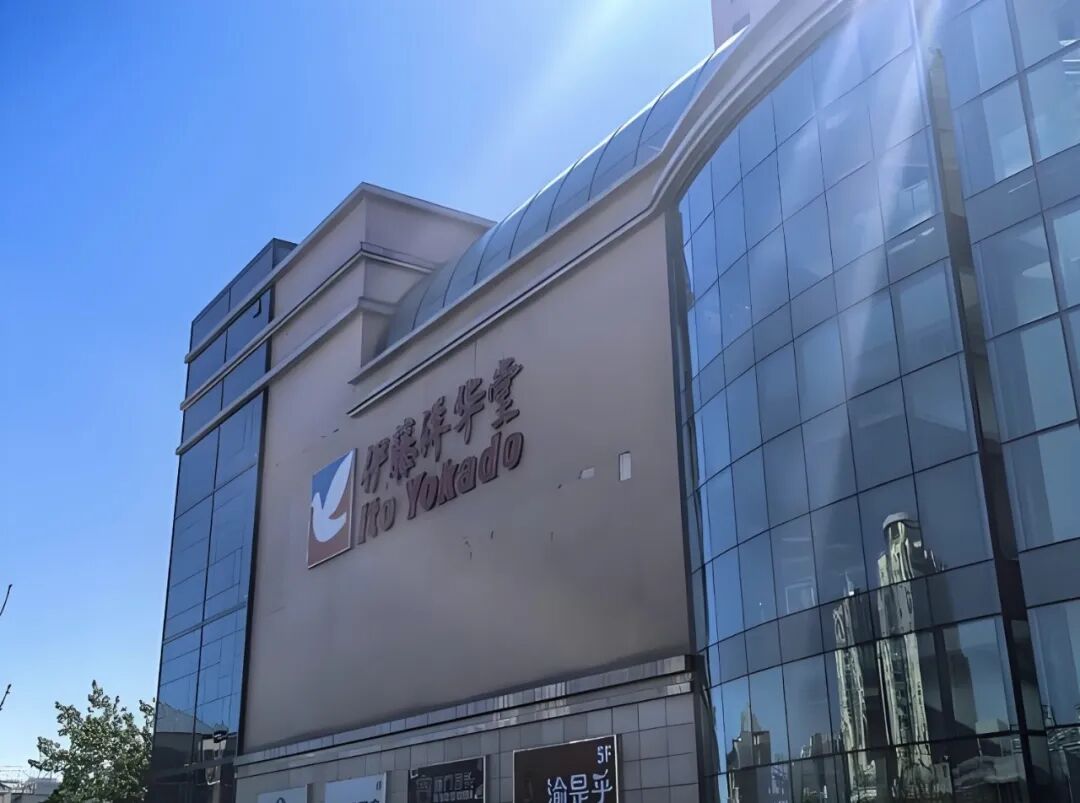
The new store is not far from the original Wangjing store that closed in 2014, and the two commercial projects are located on both sides of "Wangjing Little Street". 12 years later, Ito Yokado returned to almost the same business district, but adopted a brand new store format.
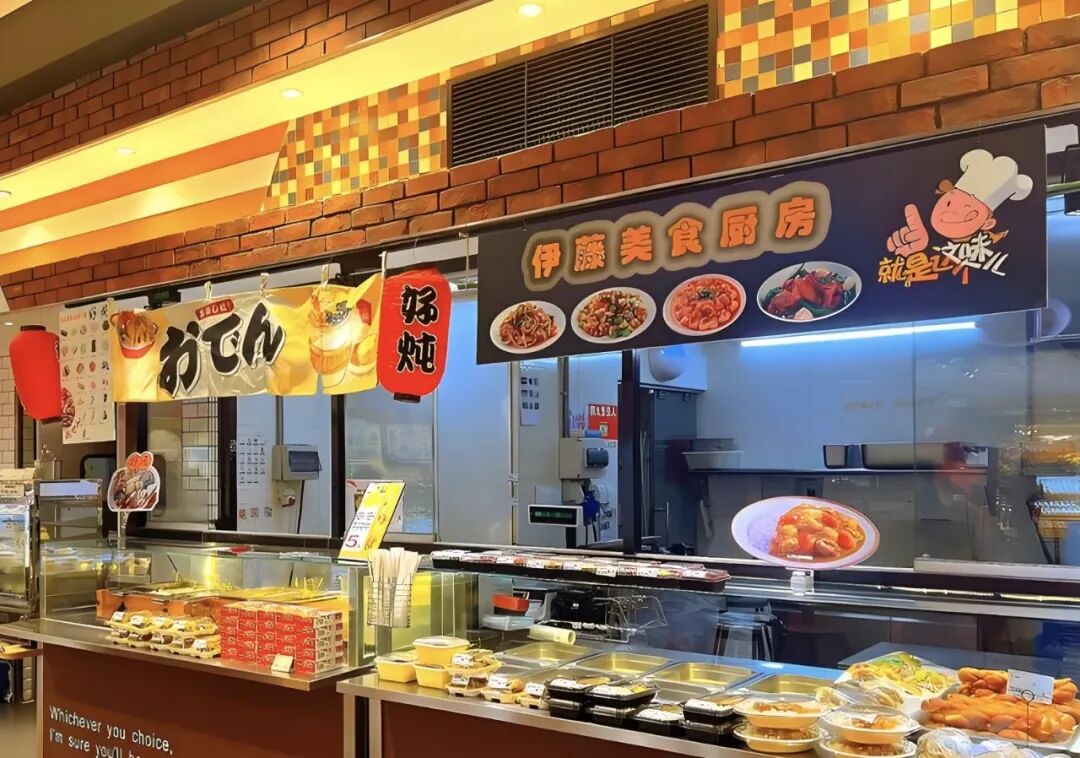
This returning Ito Yokado is a mini store covering an area of about 1,500 square meters. Low-frequency large commodities such as clothing, large home appliances and large home furnishings have been cut off, while fresh food, freshly cooked food, bakery, light meals and Japanese imported food are taken as the priority. Commodities are designed to highlight freshness, convenience and small portion sizes.
After entering China in the 1990s, Ito Yokado once expanded rapidly in Beijing, and had 11 stores at its peak. In 2014, the Wangjing store that had been operating for eight years was shut down. After that, Ito Yokado gradually scaled down its business in Beijing. This time when it returns, its operation mode has also changed from direct operation to local cooperation and brand licensing.
From a general department store to a food-focused mini store, Ito Yokado no longer tries to cover multiple demands including clothing, home appliances, home furnishings and food, but concentrates its limited store space on categories with higher consumption frequency.
As consumption of clothing, home appliances and home furnishings continues to shift online, fresh food, cooked food, bakery and light meals have become important categories for physical stores to increase in-store foot traffic.
What Ito Yokado is testing when it returns to Wangjing this time is exactly this store model with smaller area and more concentrated categories.
After foreign-funded retailers re-enter Beijing, this is also an epitome of the widespread changes in store formats and commodity structures.
Walmart is also preparing to restart its expansion in Beijing.
According to reports, Walmart plans to "restart" the expansion of its Beijing stores in 2026, with a focus on planning new-generation stores and community stores. At present, the detailed site selection, number and opening time of new stores have not been fully announced.
Referring to the models that Walmart has tested in other cities, the new-generation store covers an area of about 3,000 square meters with roughly 10,000 SKUs; the main format of community stores is about 500 square meters with around 2,000 types of commodities, mainly including fresh food, cooked food, bakery and daily necessities.
The new-generation stores retain relatively complete shopping functions, while community stores are responsible for daily restocking and meal consumption; the App provides fulfillment services such as instant delivery, scheduled delivery, city-wide delivery and nationwide delivery.
Walmart's adjustment is not only to shrink the traditional hypermarket, but also to distribute the consumer demands that used to be concentrated in one large store to stores of different scales and online channels.
Sam's Club continues to densify its store network in Beijing.
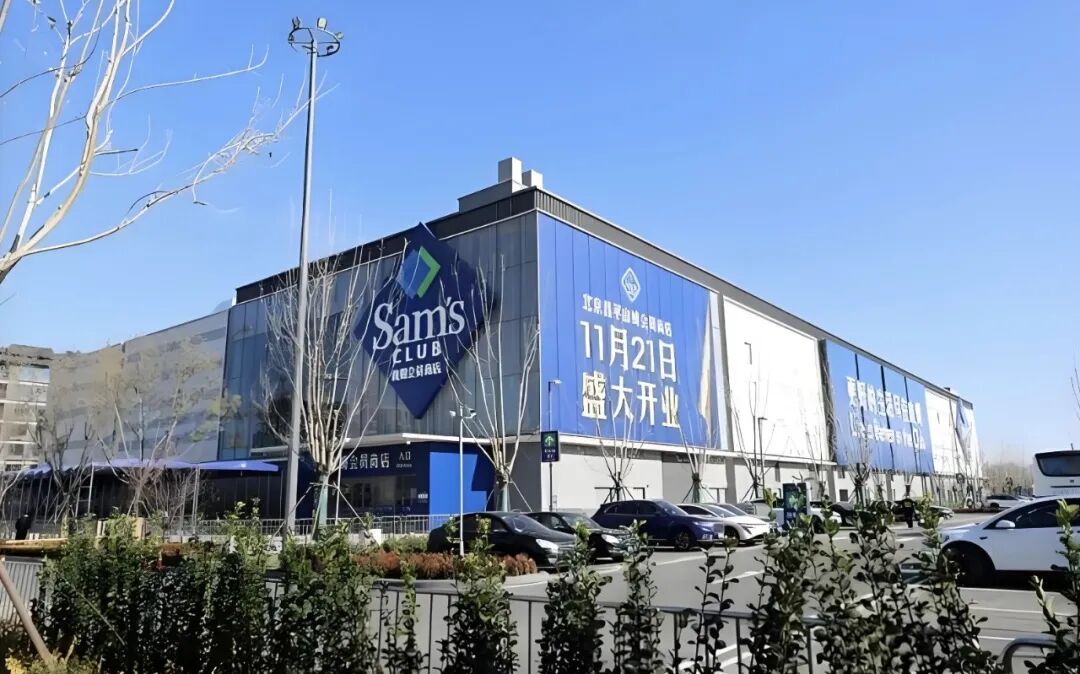
Up to now, 5 Sam's Club stores have been opened in Beijing. Combined with the projects under construction and the approved planned projects, the total number of Sam's Club stores in Beijing is expected to reach 9, making Beijing one of the most densely distributed cities of Sam's Club in China.
Iceland and Costco have chosen two other entry methods.
Iceland did not copy the full-category supermarket model. Instead, it entered the Beijing market with frozen food as its entry point, combined with livestreaming, supply chain R&D and local brand cooperation.
Costco has not opened a physical store in Beijing yet. It sells commodities through the JD platform and local regional warehouses, and first reaches out to Beijing consumers through online channels.
Ito Yokado has shrunk its store size to 1,500 square meters, Walmart has split its store hierarchy, Sam's Club continues to expand its member stores, Iceland focuses on frozen food, and Costco enters the market from online channels first. None of these enterprises have returned to a unified store format. The shopping demands that used to be centrally undertaken by large hypermarkets are being redistributed by different stores, categories and channels.
Foreign-funded retailers have returned to Beijing, but the operation mode of traditional hypermarkets has not come back together.
There Is Still Room in Beijing
Why are foreign-funded retailers targeting Beijing again?
To a certain extent, the consumer demand in Beijing has been split from comprehensive procurement into multiple specific scenarios.
For example, the same consumer may do family shopping at member stores on weekends, turn to community stores for dinner on workdays, and rely on instant retail for temporary restocking. Of course, they occasionally go to premium supermarkets to buy cooked food, bakery or imported food.
At different times and distances, consumers will have different priorities and changes in their demands for commodities, and they will not always stick to one specific supermarket.
Therefore, for retailers, competition is no longer just about fighting for a fixed customer group, but about participating in a certain purchase, a certain meal and a certain temporary demand of consumers.
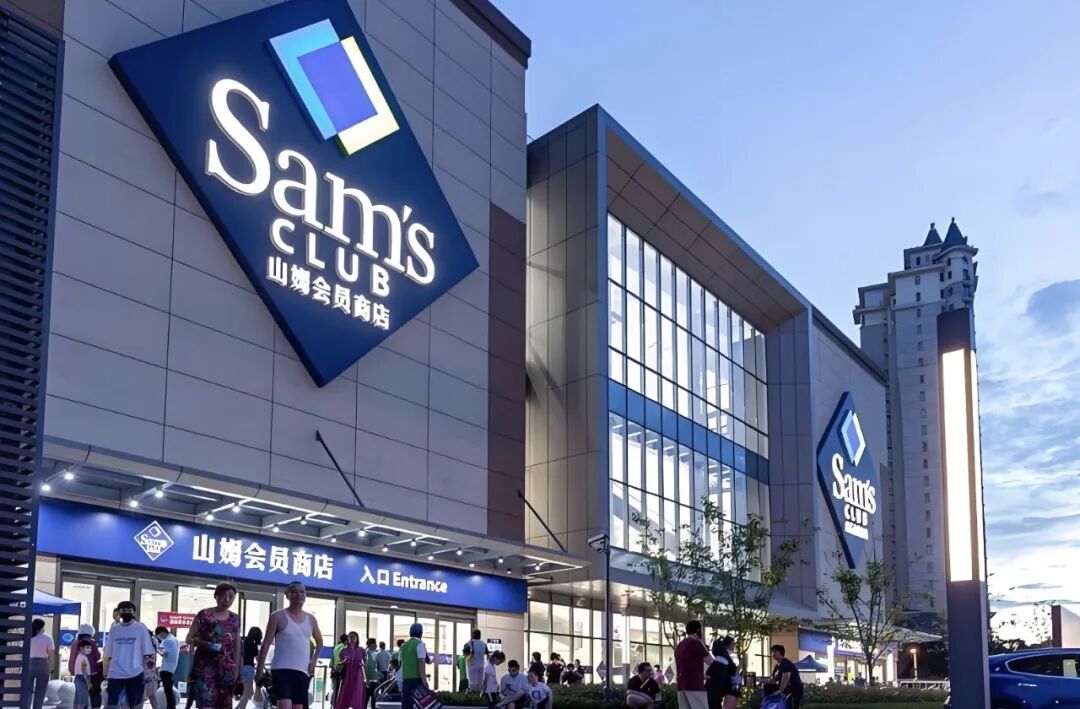
A head of investment promotion for a supermarket chain told Lingshou that Sam's Club undertakes centralized family procurement, community stores are close to residential areas, Ito Yokado's mini store focuses on cooked food, fresh food and Japanese food, while Iceland and Costco cut in from frozen food and online channels respectively. Although supermarkets in Beijing are also very dense, different formats do not completely replace each other, and there is still room for segmentation in terms of commodity structure, consumption radius and service mode.
The stratification of demand is also extending to peripheral areas.
The aforementioned person in charge said that residential population and industrial population are continuously flowing into areas such as Fangshan, Tongzhou, Changping, Shunyi and Yongfeng. Some areas have formed family customer groups of a certain scale and corresponding consumption capacity, but the supply in terms of warehousing retail, high-quality fresh food and specialty food has not kept up completely.
As residential projects, industrial parks and transportation facilities are gradually improved, some peripheral areas have begun to form relatively independent consumption radii. Consumers no longer rely entirely on the central urban area to complete high-quality consumption. Large member stores, high-quality fresh food and specialty food also need to enter the consumption radius near consumers' residential areas or workplaces.
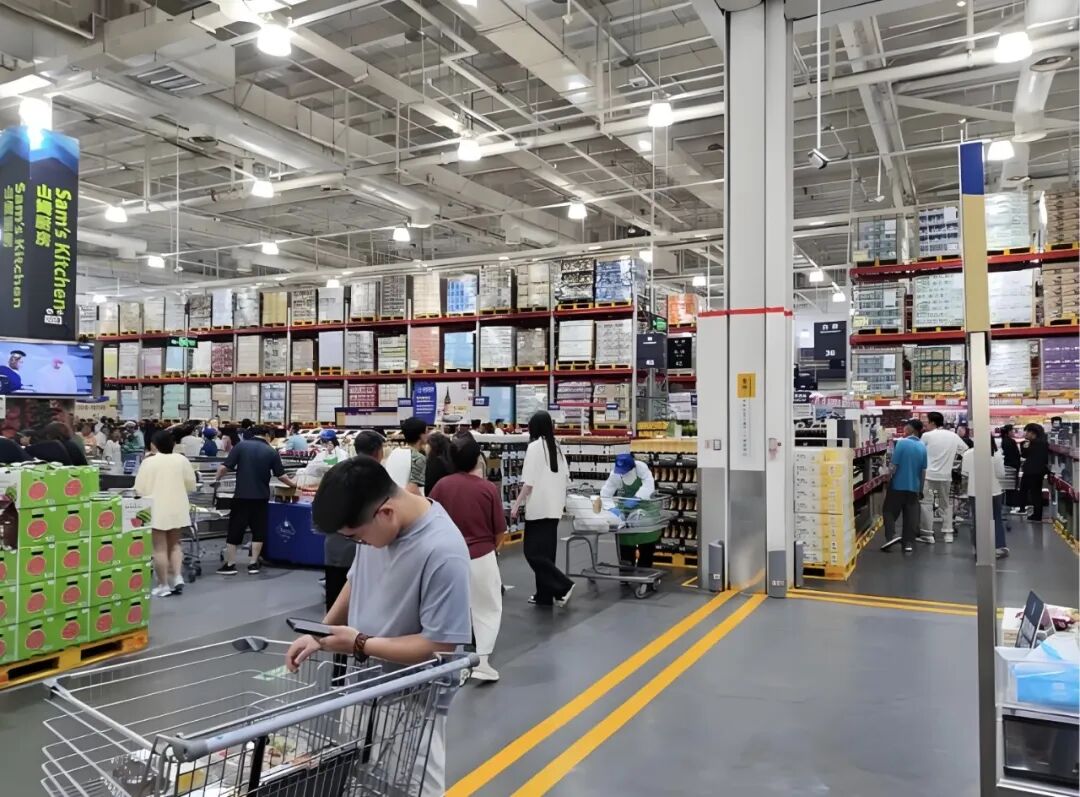
Take Sam's Club as an example. The projects currently under promotion are distributed in Fangshan, Songzhuang of Tongzhou, Yongfeng of Haidian, Sunhe of Chaoyang and other areas, which are no longer concentrated in the traditional core business districts. The Songzhuang project in Tongzhou mainly covers the sub-center of the city and surrounding family customer groups, and the Yongfeng project undertakes the consumption demand brought by the growth of industrial and residential population in northern Haidian.
Member stores require relatively large operating space, parking conditions, and a stable group of family customers. As the population and industries migrate to the periphery, some places have gradually acquired the basic conditions to support such stores.
When foreign brands enter Beijing at this time, there is another prerequisite: the store formats they bring are not built from scratch.
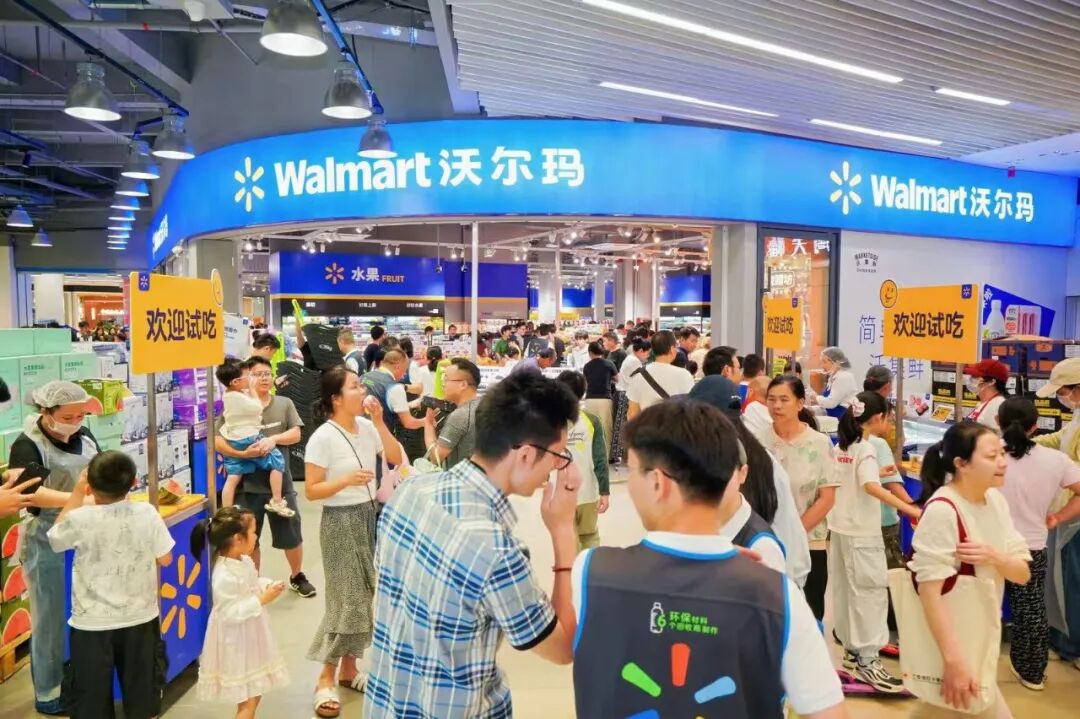
Walmart plans to layout new-generation stores and community stores in Beijing, and it has already carried out trials in other cities. The new-generation stores of about 3,000 square meters, the community stores of about 500 square meters, and the fulfillment method combining physical stores and instant delivery have accumulated certain operating experience.
Ito Yokado also has the foundation of cross-regional operation. Although the Wangjing mini store is its new attempt after returning to Beijing, Ito Yokado has accumulated rich experience in freshly cooked food, fresh food, daily dairy products and Japanese commodities during its long-term operation in Chengdu. This time, the Wangjing store compresses this operation mode to about 1,500 square meters, and lands in Beijing through local cooperation and brand licensing.
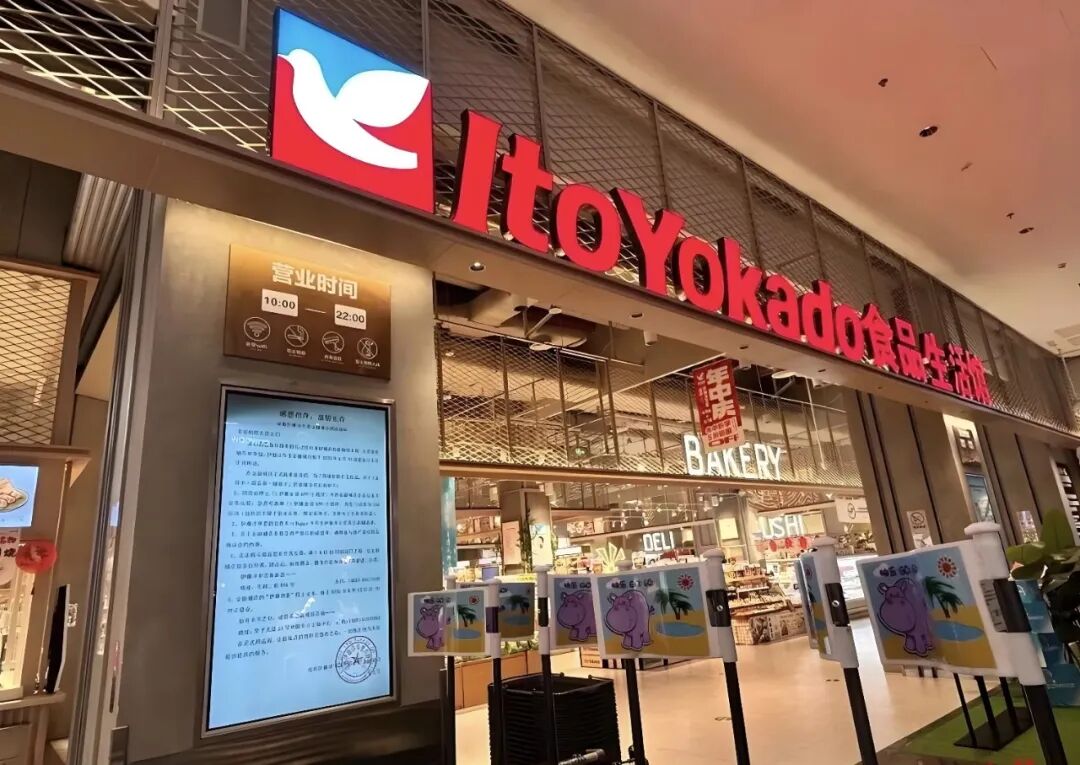
Both Walmart and Ito Yokado's layout in Beijing this time are based on the exploration in other cities. The existing experience reduces the cost of redesigning store formats and commodity systems, and also provides a foundation for cross-regional replication.
With the operational foundation of the store model, suitable properties are also needed to support the business.
In recent years, some department stores, hypermarkets and premium supermarkets have been closing stores or adjusting, and the mature business districts in the past have thus released a number of stock commercial spaces.
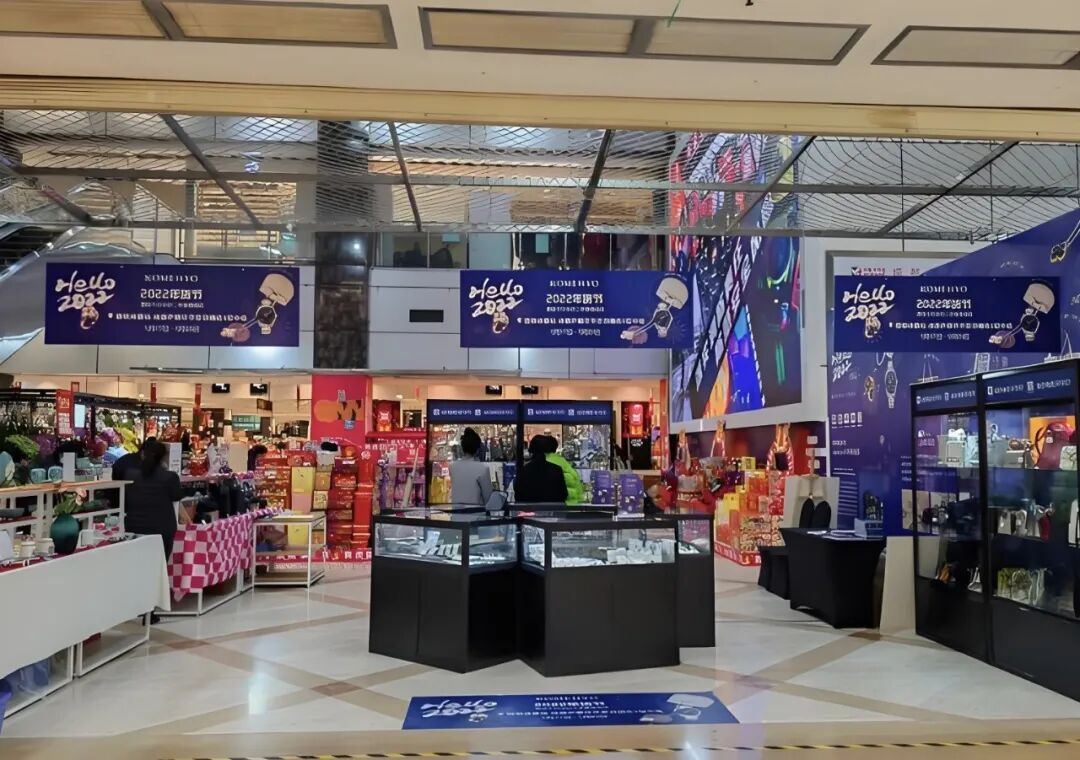
According to public information, after the BHG Premium Supermarket store in Beijing DT51 is closed, the relevant property will be renovated into a Walmart supermarket. Ito Yokado's Wangjing store is located in Fangheng Department Store, which is also in the time window of commercial project adjustment and upgrading.
For retailers, entering existing commercial projects means they do not need to build large comprehensive stores from scratch; for project parties, food retail can supplement the daily consumption functions of the original commercial complex.
The aforementioned person in charge of investment promotion said that the closure of supermarkets not only releases vacant area, but also does not mean that all locations can be directly converted into new stores. Food retail has requirements for floor location, unloading conditions, cold chain facilities, fire protection standards and distribution routes. What can truly undertake new business formats are the commercial spaces that have been renovated and meet the corresponding operating conditions.
From the stratification of consumption scenarios, to the spread of population and industries to peripheral areas, to the formation of a replication foundation for store formats in other cities, and to the release of part of the stock properties after the closure of traditional supermarkets, the superposition of these changes constitutes the realistic conditions for foreign-funded retailers to re-layout Beijing.
After Replication
The exploration in other cities has shortened the trial-and-error cycle for foreign-funded retailers to enter Beijing. After entering Beijing, the next step is to convert the existing experience into operating capabilities that adapt to the local market.
First of all, it is necessary to adapt to the new cost structure.
The rent, labor and fulfillment costs in Beijing are higher, and the competition in the supermarket industry is more intensive. With the same area, commodity structure and customer unit price, the requirements for sales per square meter, turnover and repurchase rate are different when entering different cities and different business districts.
Walmart has previously explored the collaboration of hierarchical store formats, private labels and online fulfillment in other cities, and these experiences have laid a foundation for it to cover different consumption scenarios in Beijing. After entering Beijing, this system needs to be further adjusted in combination with the customer density, consumption radius and purchase frequency of different business districts.
In addition to operating efficiency, the problem of localization also needs to be solved.
The retail model can be replicated, but consumers' tastes and purchasing habits are not easy to replicate directly.
Ito Yokado has accumulated operating experience in freshly cooked food, fresh food, daily dairy products and Japanese commodities in Chengdu. The Wangjing store compresses this model to about 1,500 square meters, but Beijing and Chengdu are different in terms of consumption preferences, price acceptance and supply chain radius.
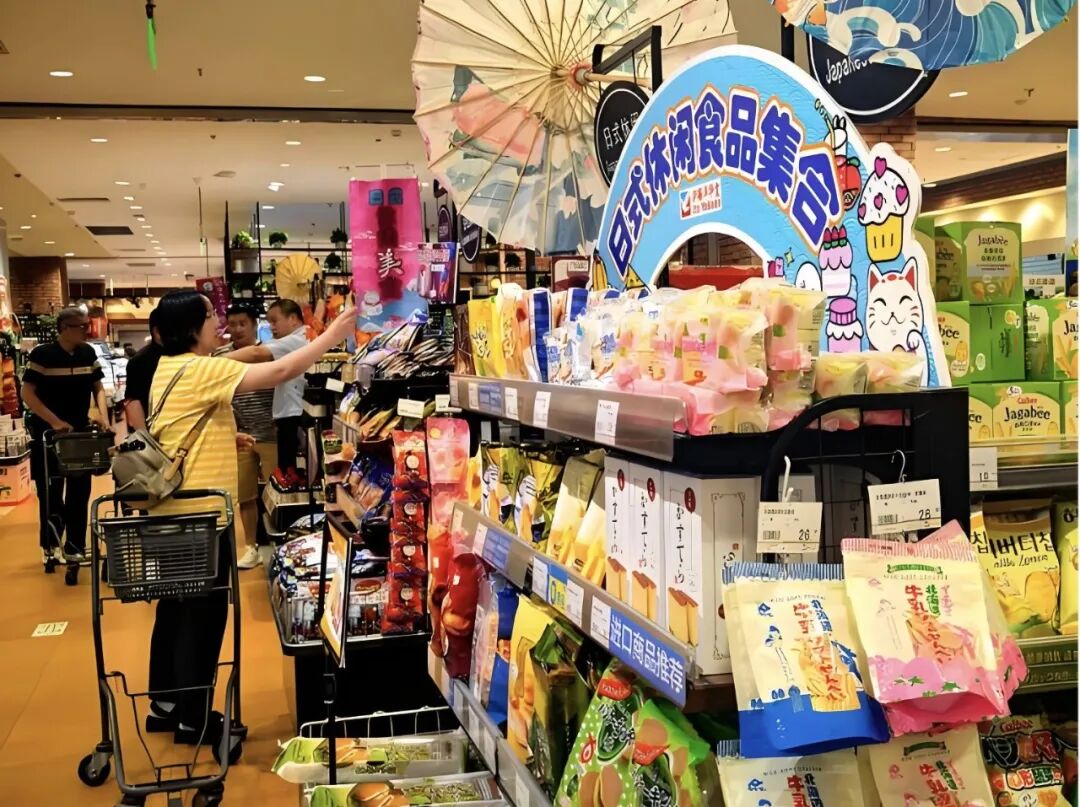
Japanese-style cooked food, bakery and imported food can bring unique recognition, but to change from trial commodities to daily consumption, they still need to adapt to Beijing consumers' judgment on taste, portion, quality and price.
Iceland is also facing similar problems. Frozen food provides it with a different entry point from full-category supermarkets, and overseas supply chains can also bring differentiated commodities. However, for these commodities to enter the daily procurement of Beijing families, they still need to conform to local people's eating habits, cooking methods and price expectations.
After completing localization, it is necessary to maintain stable commodity quality and operation standards during cross-regional replication.
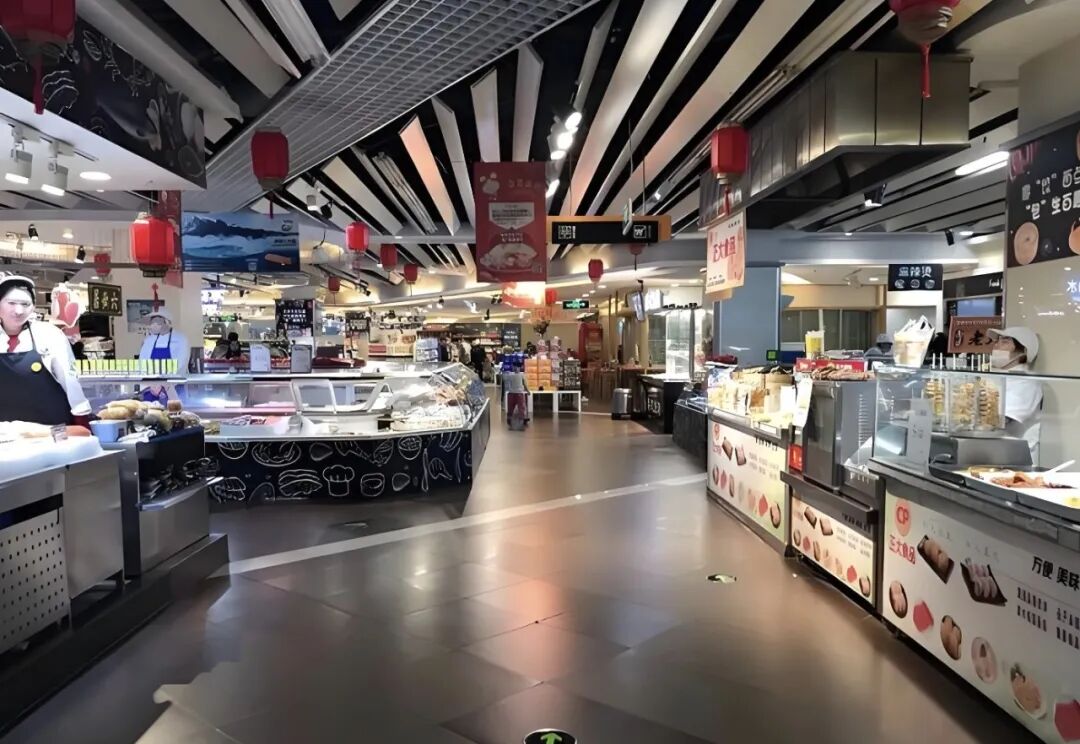
This time, Ito Yokado returns to Beijing through local cooperation and brand licensing, which reduces the investment in capital and operation, and can also leverage the local team's understanding of business districts and consumers. However, whether this asset-light model can continue to expand depends on whether the commodity system, supply chain standards and operation methods can be stably replicated and implemented