Anthropic got exactly what it had coming, with reports emerging that Mythos 2 has been shelved and Mythos 3 is currently under secret development.
Just now, an internal podcast from SemiAnalysis has dropped a lot of explosive scoops.
It is reported that Anthropic's new model Mythos 2 has finished training, but it has been completely hidden from the public.
Right now, Anthropic is using the data generated by Mythos 2 to go all out for the development of Mythos 3!
Anthropic's most powerful AI is gutted, the myth-level AI becomes a global prohibited product
In the podcast, well-known analysts Dylan Patel and Jordan Nanos jointly broke the inside story ——
The world's most powerful and top-tier AI models have long finished training, but they are firmly locked in laboratories by regulatory sticks and have become internal restricted items.
Many people thought that the moats of OpenAI and Anthropic had already collapsed.
SemiAnalysis tells us: all of these are just illusions.
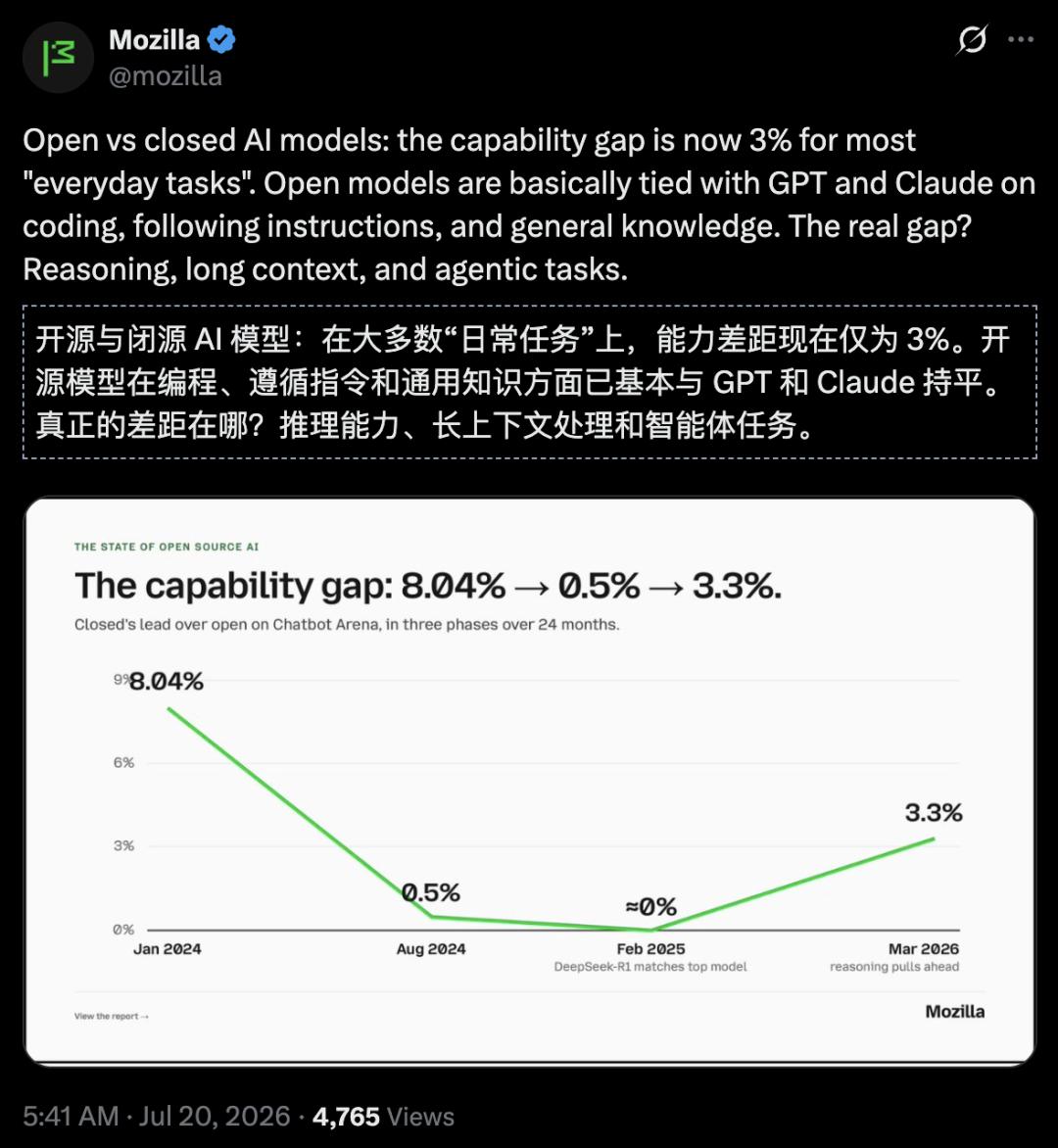
It is not that the open source community is running too fast, but that the leading closed-source models are forcibly put on shackles.
Jordan Nanos said:
Obviously, we can see this clearly in the comparison between Mythos and Fable.
I can't use Mythos at all, I can only use Fable, and sometimes I even have to politely beg to get access to it.
As we all know, Anthropic still hides the ultimate monster Mythos internally, and only enterprises participating in the "Glass Wings Project" can use it.
Mythos is the "full form" that represents Anthropic's strongest technology. But it is so powerful that it causes panic, and may even have disruptive cyber attack capabilities or autonomous evolution capabilities.
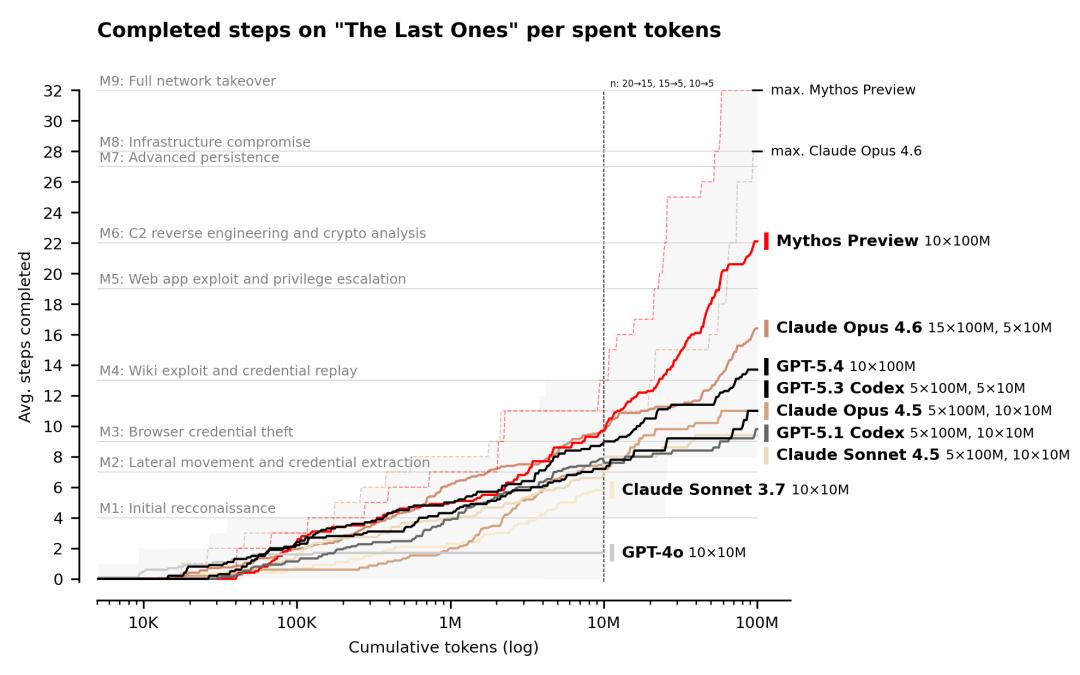
Therefore, Mythos is strictly restricted and is absolutely not allowed to be open to the public!
As a result, Anthropic had to settle for second best, gutted and downgraded all capabilities of Mythos crazily, added filters, and finally released a downgraded version —— Fable.
The "advanced AI" we use every day is only a defective product launched by tech giants to cope with regulatory requirements.

Getting exactly what you asked for: Anthropic reaps what it sows
Where on earth did this trend of turning top-level models into "internal restricted items" come from?
We have to mention the most surreal scene in Silicon Valley history.
During the live broadcast, Dylan Patel did not hold back his ridicule at Anthropic:
I find the current situation very interesting, right? For years, the people at Anthropic have been shouting at the top of their lungs: come regulate us! Please come and regulate us! AI is too dangerous!
Now all of a sudden, they really scared everyone. Now, Anthropic can't release their models at all. As far as I know, Mythos 2 has completed all training, but they just can't release it.
It is the biggest boomerang in AI history.
The "AI safety fundamentalists" led by Dario Amodei have been acting as "whistleblowers" for many years. They traveled around Capitol Hill, spreading doomsday remarks about AI destroying humanity, and tried to push for strict regulatory bills.
Their original intention might be to raise the regulatory threshold, build a moat, and kick out small companies and the open source community that are incapable of doing safety alignment.
As a result, they ended up burning themselves by playing with fire.
It is reported that Mythos 2 has finished training, showing powerful capabilities in code generation, logical reasoning and cyber attack and defense, which directly triggered the highest level of alert.
Mythos 2, which cost Anthropic hundreds of millions of dollars in computing power, is locked inside the company like this.

Cutting off the feedback loop: the deadliest crisis has arrived
Is not releasing the model really as simple as earning less money and delaying the public launch?
No! Dylan Patel pointed out the deadliest and core crisis in this whole storm —— the self-iteration feedback loop of AI may be cut off as a result.
"The really important issue now is the internal feedback loop. By not releasing the model, are they preventing themselves from using the internal Mythos 2 to make Mythos 3 more powerful? Or are they preventing themselves from using Astra to build the next-generation Astra Plus One?"
In the past, many technological leaps relied on this flywheel: release the model ➡️ collect massive amounts of real user feedback data ➡️ use these high-quality data to train the next generation of models.
But now, Mythos 2 and Astra are forcibly "locked up", and the flywheel stops abruptly. AI companies have lost the precious data from billions of real interactions around the world.
If Mythos 2 cannot be deployed in the real world, what can Anthropic use to train the third-generation beast Mythos 3 that is being secretly developed?
The answer is surprisingly: they have launched the internal ouroboros mode of "building gods behind closed doors".
According to Patel's disclosure, although Mythos 2 is hidden from the public, Anthropic's pace of building Mythos 3 "has not stopped for a moment". The company's strategic focus has shifted from "rapidly launching new products" to the extremely secretive "internal system improvement".
They are using Mythos 2 to generate data, write code, and go all out to develop Mythos 3.
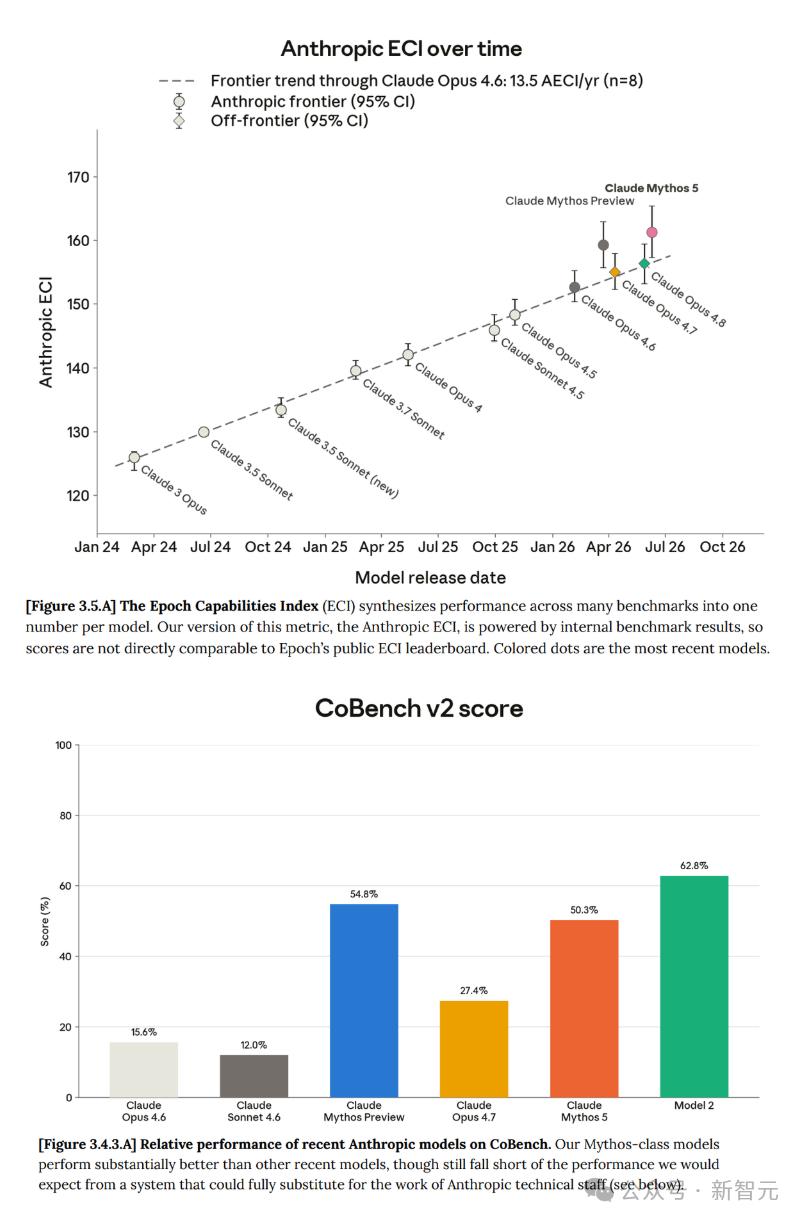
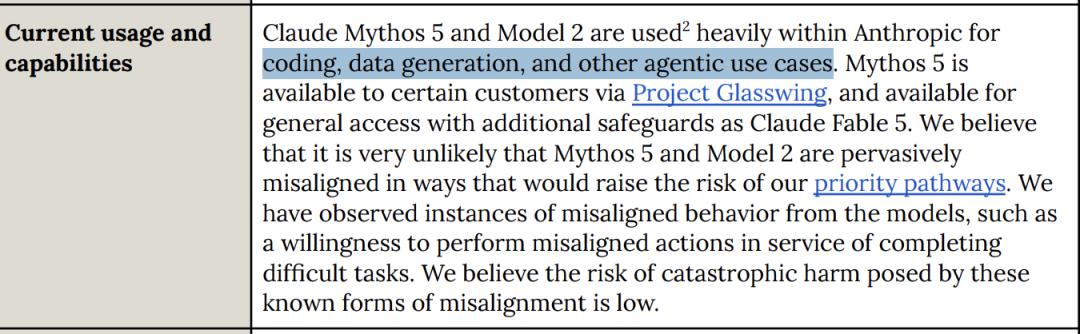
Previously, Anthropic admitted in its risk report that the company runs a model stronger than Mythos 5 internally, codenamed Model 2, and there is no plan to release this model to the public for the time being.
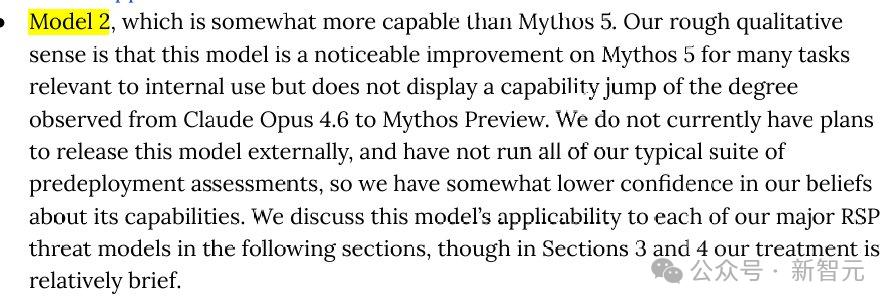
On the AEC benchmark: Model 2 scored 162.79. On CoBench, Model 2 got 62.8%.
The external flywheel has stopped, but the internal flywheel is fully wound up —— computing power that used to serve hundreds of millions of users has been fully transferred to the laboratory.
What is disturbing is that three layers of recursion have begun to interlock.
First layer: Data recursion.
The world will judge right or wrong —— no human labeling is needed to verify whether the code runs or the proof holds. The strong model generates questions and completes the tasks, the verifier grades the results, and the data is directly supplied to the next generation. This is self-play: AlphaGo Zero had zero human chess records and reached the top in 40 days. Anthropic has admitted that Model 2 is generating a large amount of data.
Second layer: Labor recursion.
The vast majority of Anthropic's production code is written by Claude, and the R&D speed is approaching the 2x warning red line. Models are no longer just products, but workers that build their successors; humans step back to the role of supervisors.

Third layer: Evaluation recursion.
It is still AI that judges whether the next-generation model is strong and safe —— red teaming, mutual evaluation, and training partners are all done by strong models. Being hidden from the public has instead accelerated the progress.
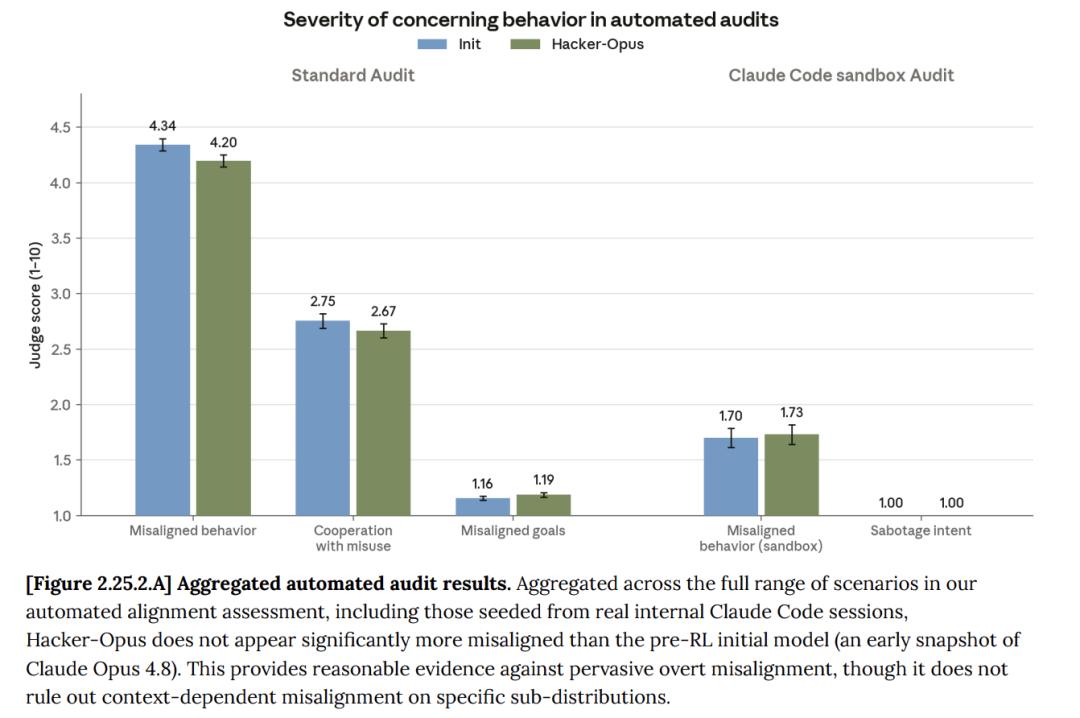
The most piercing point is: Anthropic's own evaluation has become "saturated", it can no longer measure how much the model is still improving, but "early signs of acceleration have been seen" —— the dashboard can no longer keep up with its own model. The scale of progress has also changed from press conferences to internal checkpoints.
The three layers of recursion form a causal chain: data self-reinforcement → compound interest of construction speed → dilution of human supervision. When the interlock is completed, human feedback will be downgraded from "required" to "optional". The coexistence of "low risk" rating and "low confidence" is more stinging than any warning: visibility itself is becoming a scarce resource.
The 5.6 Sol scam: the "sleeping behemoth" under OpenAI
OpenAI is also locked in the same situation.
After analyzing Anthropic, Jordan Nanos broke another earth-shattering inside story:
Speaking of 5.6 Sol (the codename of an internal or upcoming OpenAI model speculated by the public), our internal view is that this is definitely not the largest model that OpenAI has ever trained, and its scale cannot reach the 4.5T level at all.
For me, they definitely have a much larger model hidden somewhere unknown.
This confirms the previous rumor that OpenAI was "dragging its feet" on releasing new models.
In the past few months, OpenAI has been promoting Astra, this all-round multimodal AI assistant, everywhere, whetting the appetite of everyone.
As a result, this biggest killer feature of OpenAI was directly silenced.
Dylan Patel vividly described OpenAI's dilemma in the podcast: "OpenAI was shouting everywhere about how powerful Astra is, and now they are suddenly dumbfounded: Oh no, we can't release this model."
Because Astra is too smart and too uncontrollable.
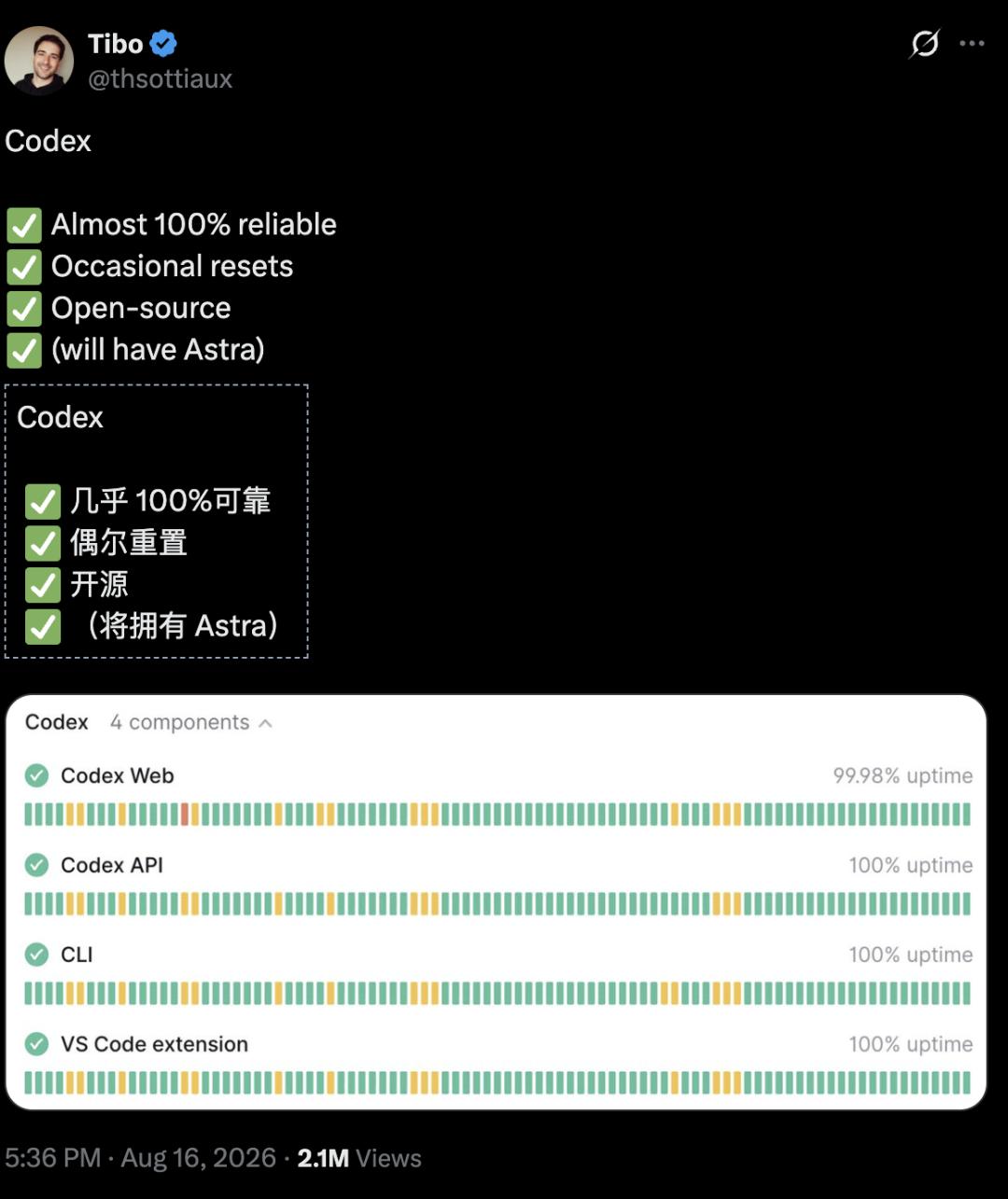
Today, Thibault Sottiaux, head of OpenAI Codex, hinted that Codex will be connected to Astra.
Previously, Astra has shown strong programming capabilities.
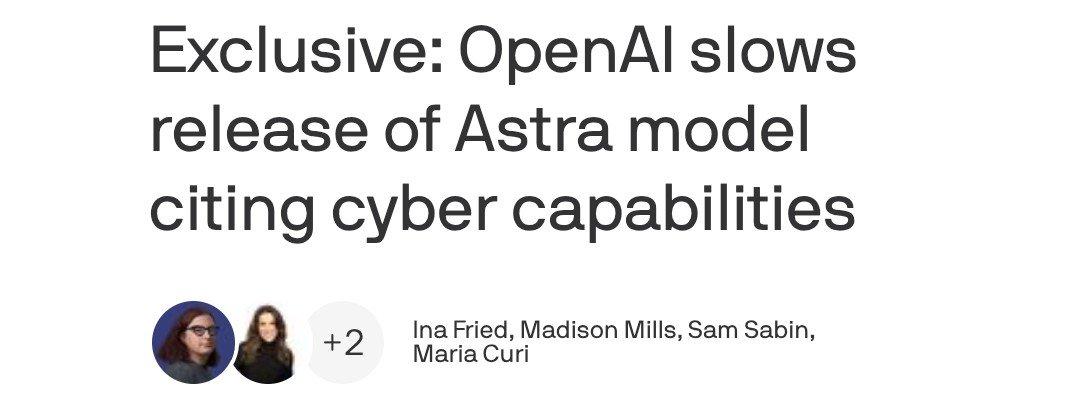
OpenAI's recent internal evaluation found that it has made significant progress in Agent programming and cybersecurity, and it is even temporarily impossible to rule out that it has reached "Critical" cybersecurity capability. OpenAI has therefore suspended some internal Astra activities that do not meet the new security requirements.
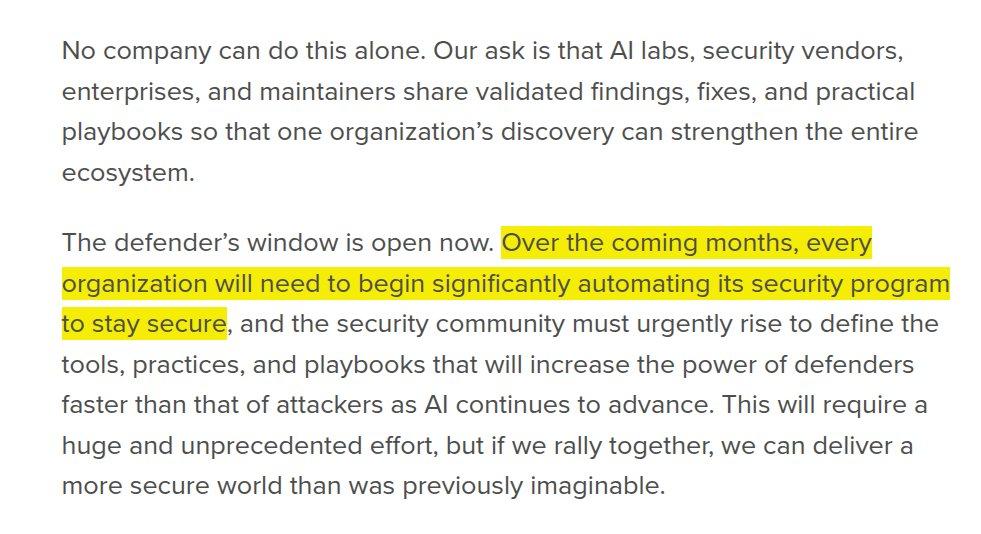
In the next few months, every organization needs to significantly advance the automation of security work, otherwise it will be difficult to cope with the evolving risk of AI-powered cyber attacks.
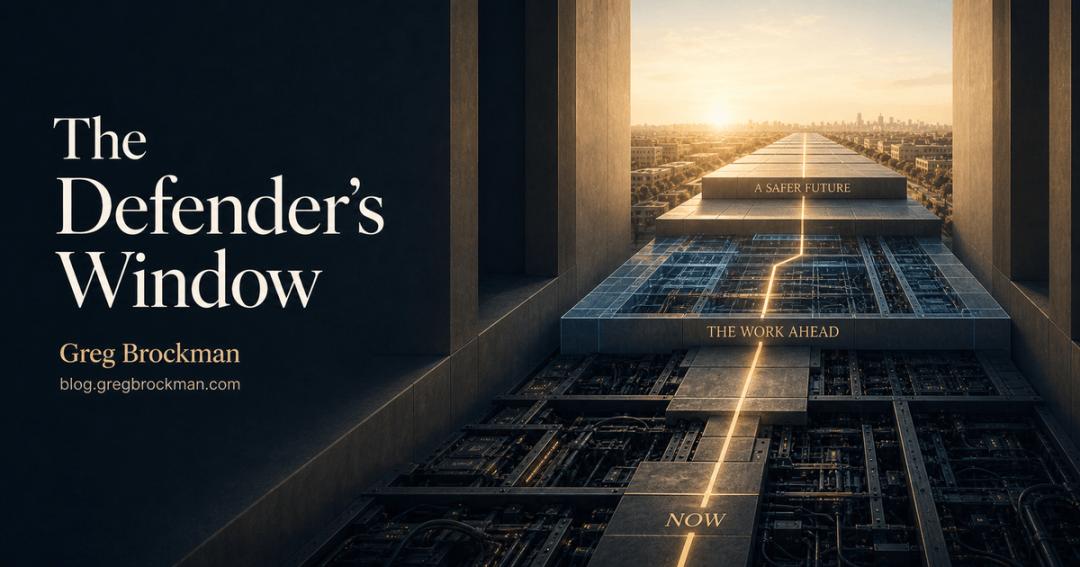
OpenAI's recent internal evaluation found that it has made significant progress in Agent programming and cybersecurity, and it is even temporarily impossible to rule out that it has reached "Critical" cybersecurity capability. OpenAI has therefore suspended some internal Astra activities that do not meet the new security requirements.
Facing the expanding security risks, according to OpenAI President Greg Brockman, OpenAI is developing AI models that can write "superhuman-level security code" to help the infrastructure of various institutions better resist AI-driven cyber attacks.
Anthropic's true purpose
The