The "Survivor Game" of AI short dramas: Who is making money and who is getting eliminated?
The AI short drama industry never lacks hot topics, nor controversies. On one hand, a flood of people are flocking into this track with great enthusiasm; on the other hand, there are commercial doubts that "only 1 out of 1000 AI short dramas can become a hit". Some call it a new blue ocean in the content industry, while others argue that the industry has reached a state of cutthroat competition, where content success relies on luck, and it is extremely difficult to make sustainable profits.
Li Rang, a recent graduate, started running his social media accounts last December, and gained more than 800,000 followers on Douyin in just over half a year.
Even Li Rang, who is already well-known in the circle, admitted, "For social media creators, people only see the top tier: there are only a dozen or 20 creators who receive widespread public attention. Very few AI accounts can be incubated successfully from scratch, and those that make it are extremely lucky. At present, most of the existing AI content accounts are migrated from other content tracks. The content industry is brutal, with constant reshuffling and extremely fast iteration speed."
Judging from the overall data, the number of creators and AI dramas that can be noticed by the market like Li Rang is only the tip of the iceberg.
According to DataEye statistics, in the first half of the year, 221,900 new AI dramas and animation dramas were launched on Douyin alone, averaging more than 1,200 titles per day. Among them, 1,055 works recorded over 100 million views, with a hit rate of 0.48%. Taking 50 million views as the break-even baseline, a total of 2,886 new dramas crossed this threshold in the first half of the year, accounting for only 1.3% of all released works.
Is AI short drama still a profitable business at present? Our reporter conducted in-depth interviews with multiple frontline practitioners in the AI short drama sector, trying to restore the real current status and changes of the industry.
During the interviews, many practitioners stated that the early traffic dividend period of the industry has passed, and the era of monetizing by harvesting traffic in batches with low-quality content is long gone. Unlike many early players who entered the market with the mindset of making quick money, the industry is now iterating towards standardization and high-quality output.
Who is entering the game, and who is exiting?
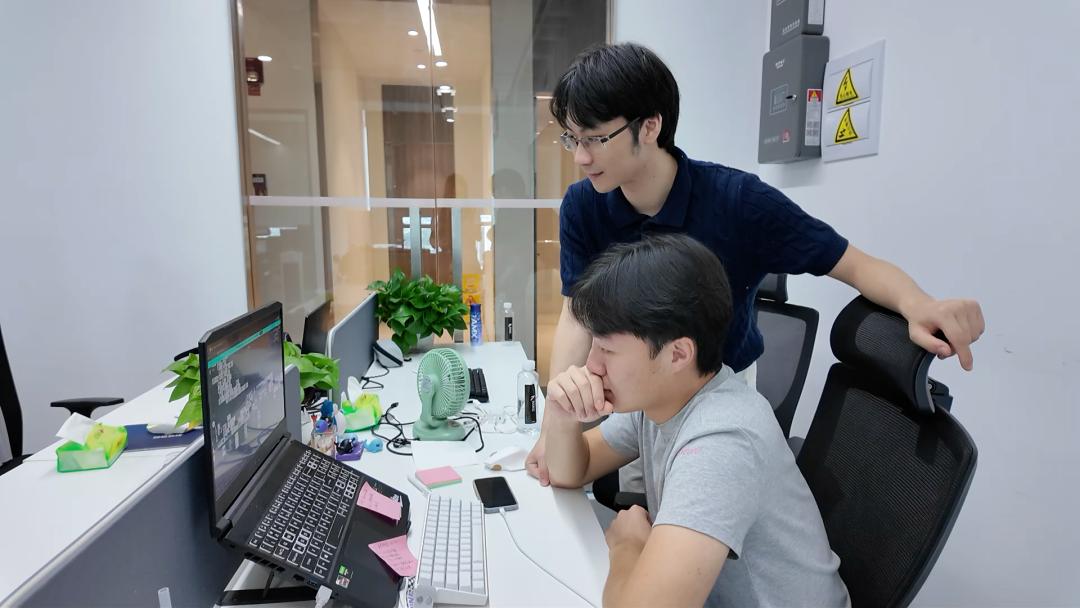
Li Rang, 22 years old, just graduated from university this year. His most impressive label is his dual identity: he used to be a classical dancer, and now he is an AI video creator. He is a very typical representative of creators in this industry: young, with no historical burden, and highly sensitive to internet culture.
Many AI content creators are used to releasing works only after completing full plots and storylines during production. But Li Rang is different: he started with Ultraman, a popular anime character he loves, tested several videos mostly lasting for more than ten seconds, received good feedback after release, and then launched a series of 2D animation videos riding on the momentum.
He started his social media account before graduation last December, and in just over half a year, he has gained a certain reputation in the AI video field. At present, he has 826,000 followers on Douyin alone, with total likes exceeding 26.158 million. After his AI videos became viral, Li Rang, who has never worked for a company before, chose to start his own business right after graduation, built his own AI team, and moved into a new office.
From the earliest anime series to the later "First Person Perspective" and "Memorable People" series, he has tried many different types of content. Excluding the element of luck, "My advantage may lie in my social media thinking. For example, the 3-second hook at the beginning of the video, emotional resonance guidance, and I choose topics within my own interest range, such as anime, and historical figures like Lu Xun." Li Rang said.
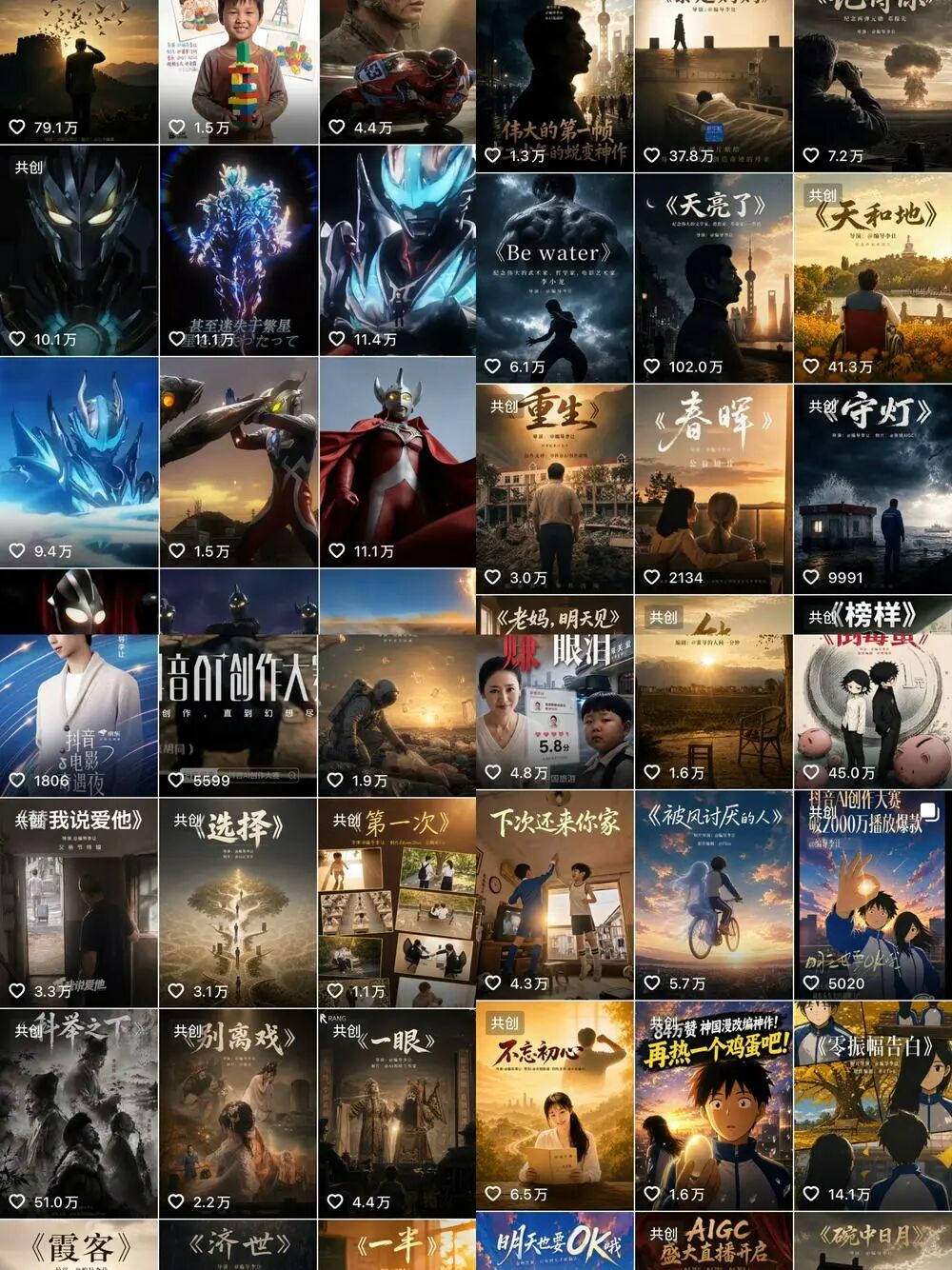
Content released by the interviewee's account
In the creative field, personal experience and perception have also become the unique traits of the account. During the interview, Li Rang mentioned that he loved writing novels in high school, and when he was dancing as a student, he would observe camera scheduling: "Where the lead character stands, I follow behind him, and how the camera expresses emotions and loneliness."
The "Creation Guidelines for Micro Dramas" released by China Netcasting Services Association shows that in the first quarter of 2026, 128,000 micro dramas were launched across the industry, of which 122,000 are AI micro dramas, accounting for more than 95%. In the second quarter, a total of 239,000 micro dramas were launched in China, including 153,000 AI micro dramas, with the number further increasing.
The "2026 H1 Domestic AI Drama and Animation Drama Data Report" shows that the total number of relevant practitioners and individual creators in the AI drama and animation drama sector has exceeded 500,000 in the first half of the year. During the interview, the reporter found that among people entering the AI video industry, besides practitioners from the traditional film and television industry, a large number of people come from cross-industry backgrounds, and many of them directly choose OPC entrepreneurship after graduating from university.
On the 9th floor of SenseTime Seko Industrial Base, the reporter found that most AI micro drama teams are composed of several people, and many of them settle here in the form of OPC. There are no obvious boundaries and partitions between teams. Even by the windowsill or in the lounge booth, setting up a computer means you have an independent AI content creation company.
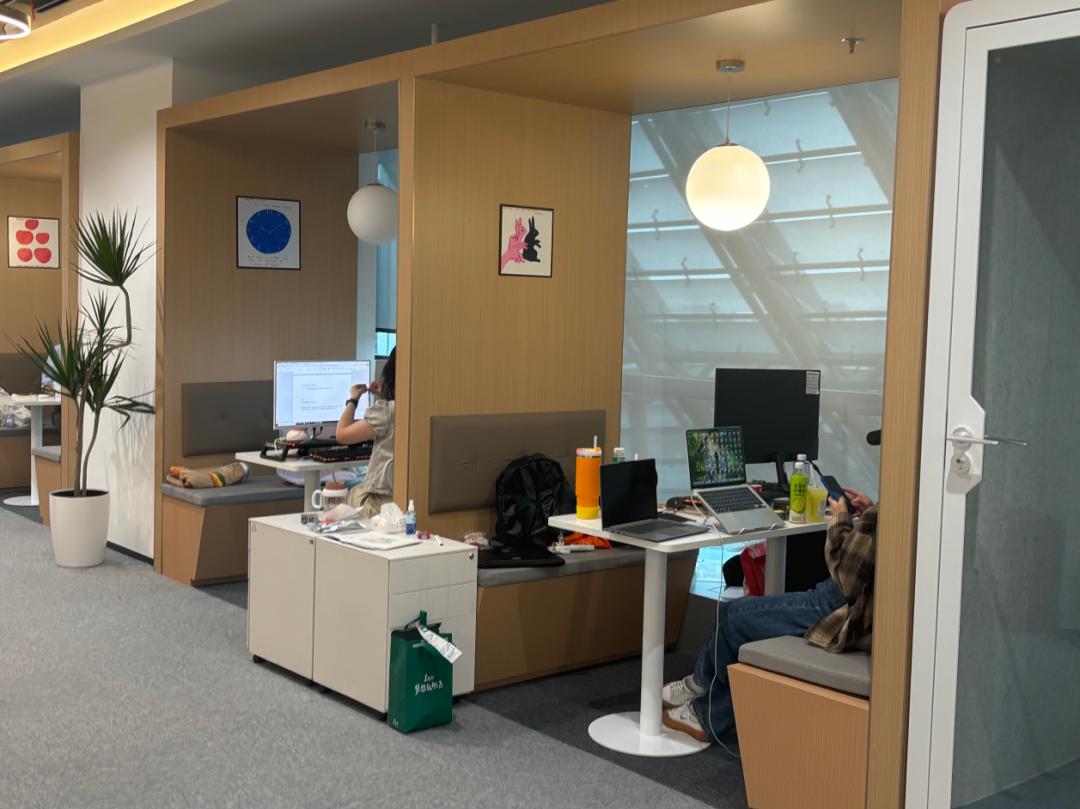
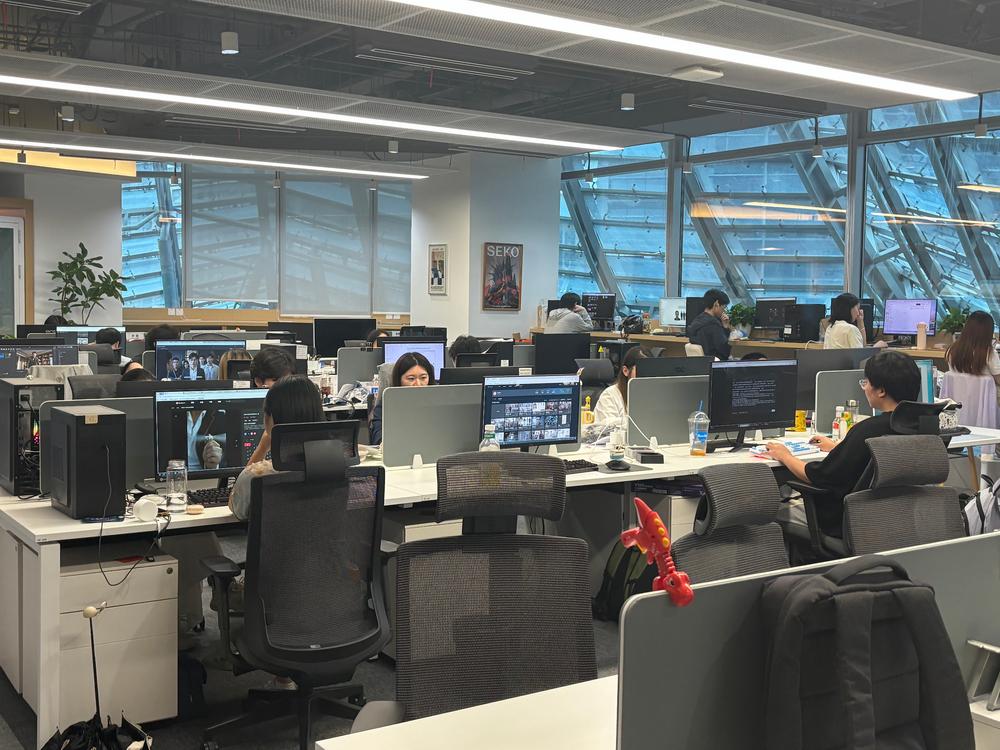
Pan Yuxi is the person in charge of Dimeng (Shanghai) Technology Co., Ltd., who settled in the SenseTime Seko Industrial Base in July this year. She used to work in the financial industry, and cited her own experience as an example: "I couldn't draw before, but I love art and those beautiful anime characters very much. With AI and my own aesthetic, I can generate those works."
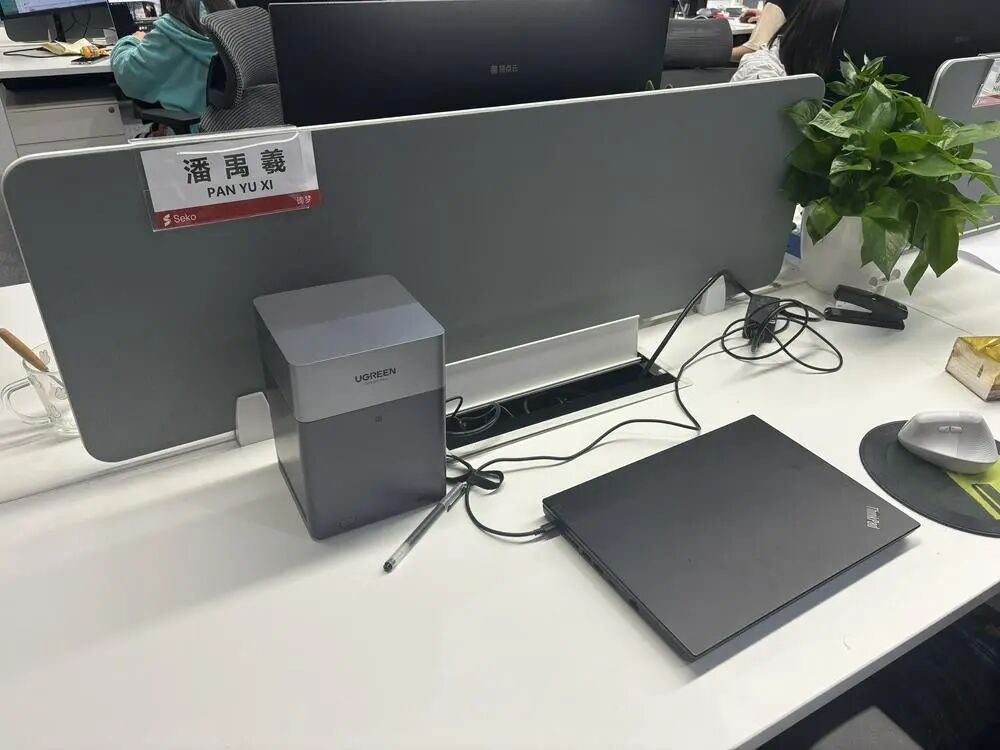
In her opinion, the core value of AI is that it shortens the creative decision-making chain: "In the past, if you wanted a good idea to be seen by the public, you had to go through a long decision-making chain. Good art designers, good screenwriters, good directors, good actors, every link needs to score over 80 points. The upfront investment of high-quality film and television works is also an astronomical figure for ordinary people. Now as long as you have outstanding ideas, you can turn them into works."
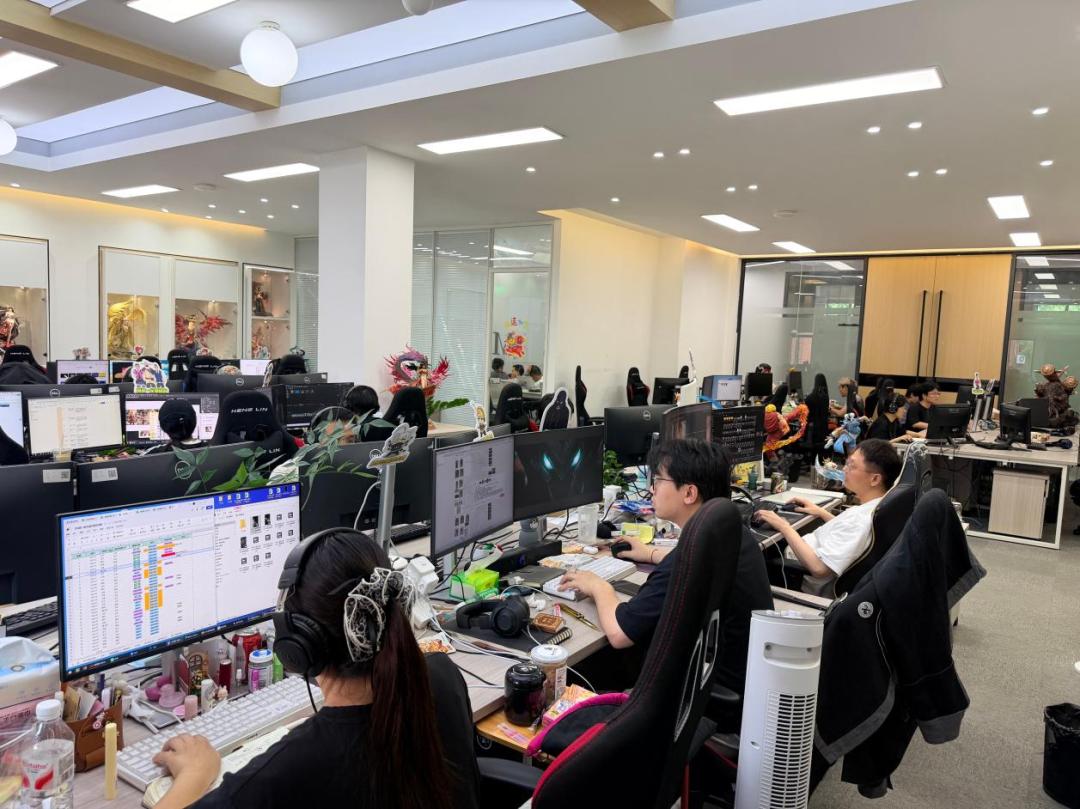
Sun Jian is the chairman of Nashine Culture, a content company based in Hangzhou. He has been working in the content industry for more than 20 years, and his company has been established for almost 14 years. As a veteran in the content sector, he believes that "AI video technology greatly shortens the learning cycle for creators to reach the 80-point level. Many college students or enthusiasts interested in this industry can spend two or three hours a day, and after about three months, their works can reach a fairly good level."
"When we first started in this industry, we had to start with operating cameras, learn lens language, lighting, art design, and later learn editing, special effects software and 3D software. Basically, you can't produce decent works without three to five years of practice. Now with the AI workflow involved, as long as you have ideas and creativity, AI can assist the production process, and the speed is much faster."
Sun Jian also reminded the reporter that this is far from enough. The era of monetizing by harvesting traffic in batches with low-quality content and seizing traffic dividends is long gone. As video production becomes more and more sophisticated, "To rise from 80 points to 100 points, you still need a lot of industry experience and personal capabilities."
After technological equalization, where is the core barrier?
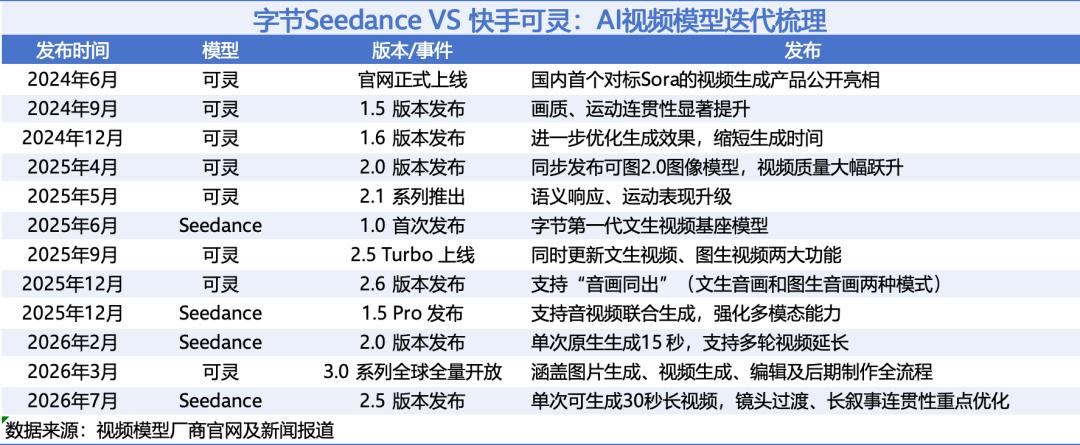
With the continuous iteration of large model technology, from OpenAI Sora to Kuaishou Kling, and the recently released ByteDance Seedance 2.5, the iteration pace of AI video models is accelerating significantly.
The reporter sorted out the industry version iteration timeline and found that in 2024, the major version iteration cycle of leading video models was roughly maintained at 3-6 months; in the second half of 2025, the major version update pace of mainstream manufacturers has been shortened to 2-3 months. At the beginning of 2026, industry competition further intensified: from the internal test launch of Kling 3.0 at the end of January and the launch of Shengshu Technology Vidu Q3, to the launch of xAI Grok Imagine in early February, and the official release of Seedance 2.5 in mid-February, multiple models were launched intensively, and the whole process lasted less than four weeks.
Looking at the overseas market, leading overseas enterprises are allocating more resources to code and enterprise large models, and the iteration pace of the video track has slowed down. As the benchmark product that once detonated the industry, Sora had its related services shut down by OpenAI in March 2026, which was just over two years after its first public demonstration. Google Veo series is still continuously updated and launched cost-effective versions, but its external publicity focus has shifted more to the Gemini Omni unified multimodal system, and the external exposure volume of the independent Veo brand has declined.
The first echelon of domestic AI video generation is composed of ByteDance Seedance and Kuaishou Kling, both of which are advancing technical capabilities and commercial implementation simultaneously; manufacturers including Alibaba Wan, MiniMax Conch, Shengshu Technology Vidu, and PixVerse also have independent model R&D capabilities.
The competition between ByteDance and Kuaishou in China is also accelerating. For example, Kuaishou Kling was launched in June 2024 and updated to version 3.0 in March 2026, completing 8 major versions (1.0→3.0) and multiple minor version iterations in about 20 months, with an average of one major update every 3-4 months, and the interval between later versions (2.5→2.6→3.0) was shortened to 2-3 months. ByteDance Seedance launched 4 major versions in about 13 months from version 1.0 in June 2025 to version 2.5 in July 2026, with a similarly intensive pace. In particular, the interval between 1.5 Pro and 2.0 was less than 2 months, and the interval between 2.0 and 2.5 was only about 5 months.
If the focus of AI video tools in 2024 is "whether generation is possible", and 2025 turns to "how to generate better results", 2026 has entered a new stage of "precise controllability" and "modifiable, iterable, deliverable".
Sun Jian has personal experience of such industry changes: "In 2024, when making AI videos, people thought it was incredible to stabilize the face of characters. In the second half of 2025, with the development of digital human technology, the consistency of characters became more stable. In the first half of this year, large models iterate every few months. After the recent update of Seedance 2.5, the single generated video can reach 30 seconds, and I look forward to more professional-level AI film and television works coming out in the future."
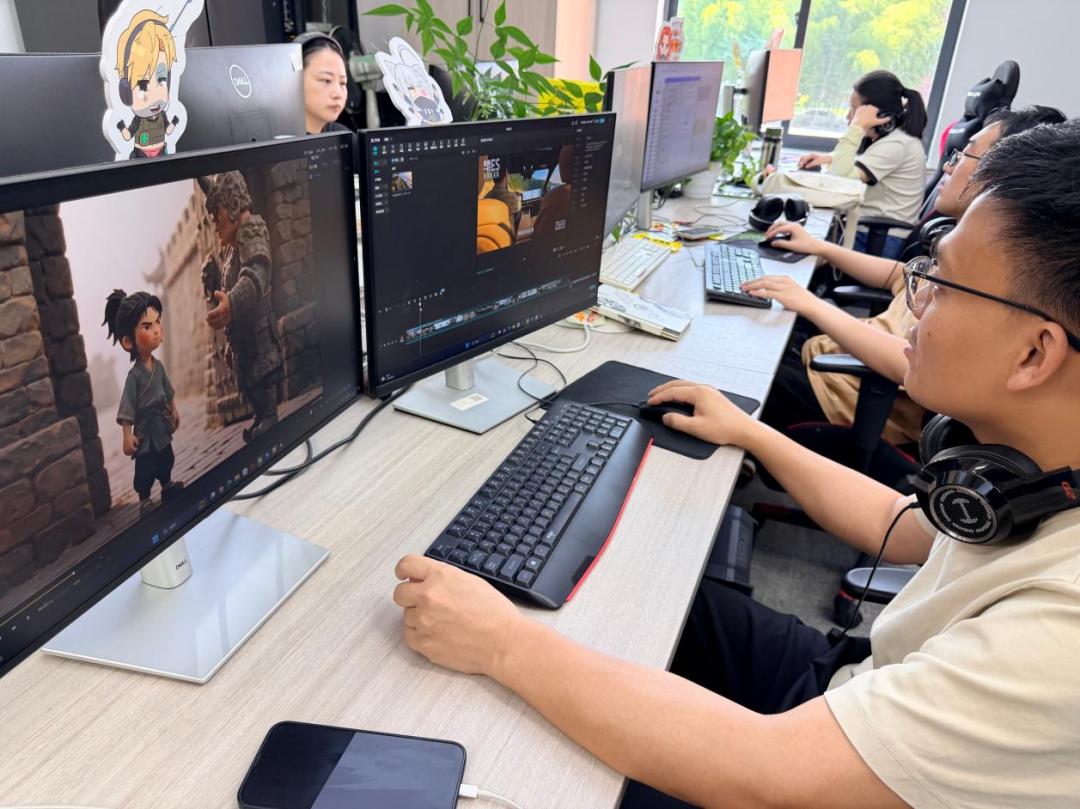
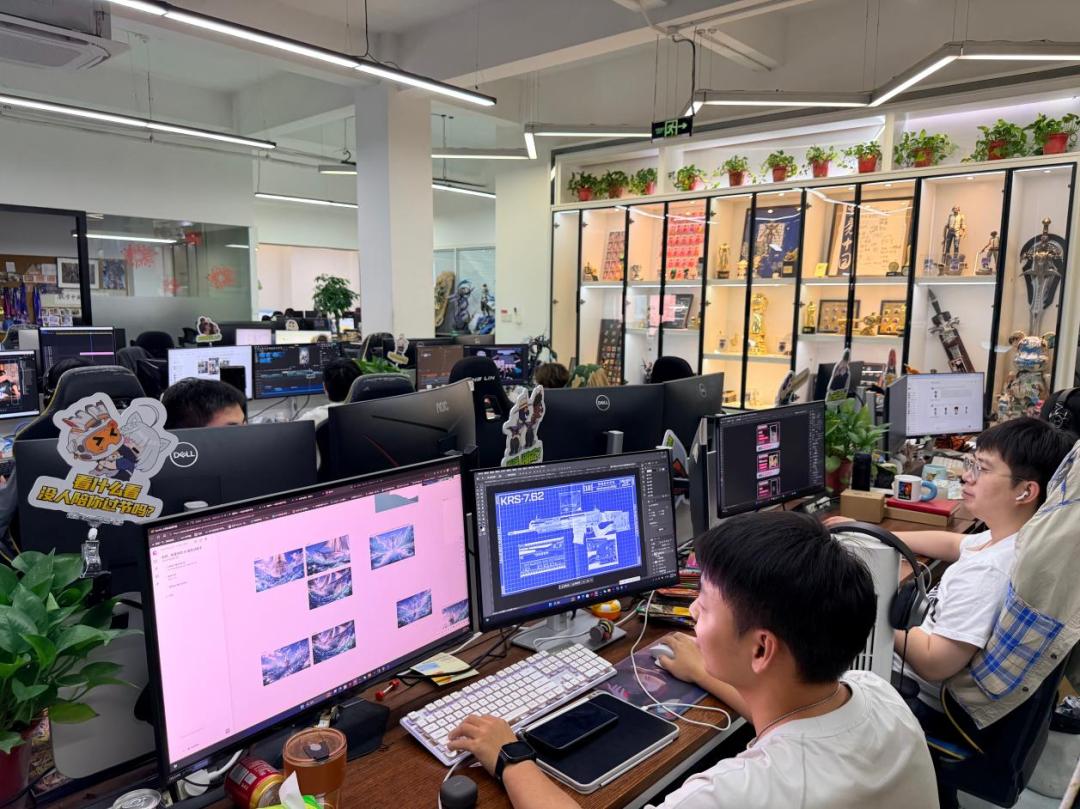
Who are the core members in an AI video team? Sun Jian told the reporter that the core positions include director (who also needs art capabilities, responsible for producing scripts, confirming art assets and overall style), prompt engineer, editor, and producer (responsible for promoting the schedule, controlling computing power costs, and communicating with platforms). Some companies combine these roles, while others have more detailed divisions of labor, but the director role has the highest requirement for comprehensive quality.
Different from the traditional film and television production that usually requires dozens or hundreds of people, the number of people in a single project of most current AI video teams ranges from two or three to five or six. After the content is produced, the personnel are usually flexible and will join other production teams to participate in creation immediately.
Talking about costs, Sun Jian gave an intuitive comparison: "For traditional 3D animation, the cost of average level works is about 30,000 to 50,000 yuan per minute; now the cost of high-quality AI animation drama is only 3,000 to 5,000 yuan per minute, which is about one tenth of the former. Traditional production of such a work requires 20 to 30 people and