The dramatic turnaround in instant noodle sales and the truth behind it
Recently, instant noodles have once again become a hot topic in the consumer market.
The reason is very straightforward. Both Unification Enterprise China and Master Kong, which have just released their 2026 mid-term performance reports, have achieved growth in their instant noodle-related businesses.
Unification recorded a revenue of 56.34 billion yuan from its food business in the first half of the year, with a year-on-year increase of 4.7%; Master Kong posted a revenue of 137.33 billion yuan from instant noodles, with a year-on-year increase of 2.0%.
An old category that was once hit one after another by takeout, pre-made dishes and health anxiety suddenly shows signs of growth again.
However, if you simply sum up the situation with the phrase "young people are falling in love with instant noodles again", you are likely to misinterpret the actual situation.
Data updated by the World Instant Noodles Association on August 6 shows that the consumption of instant noodles in China and Hong Kong in 2025 reached 43.268 billion servings, a year-on-year decrease of about 1.2%.
The mainstream e-commerce channels present a different picture. According to the monitoring data from Magic Mirror Analysis+, the sales of instant noodles increased by 10.8% year on year from January to November 2025, while the sales volume only increased by 1.0%.
The answer is quite clear: the instant noodle market is indeed picking up, but sales revenue and profit are growing faster than sales volume. This is not simply "people eating more instant noodles", but "products are sold at higher prices, with better quality and more refined application scenarios".
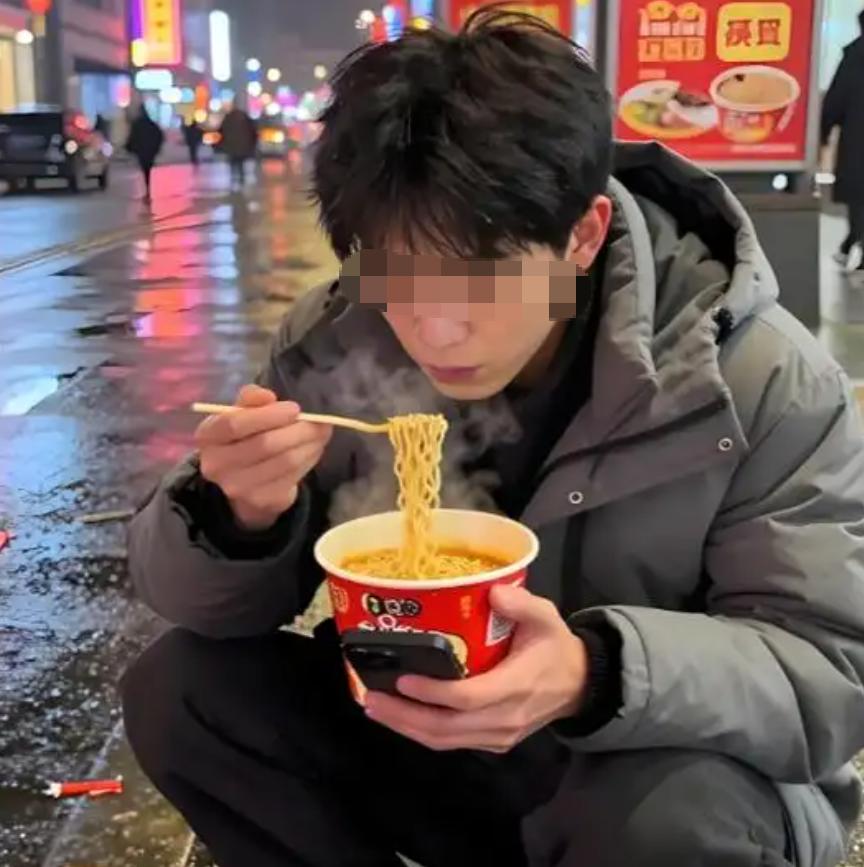
Why have instant noodles regained popularity?
The recovery of instant noodles first caters to the practical demands of consumers.
While takeout options are increasingly diverse, cheap, stable and readily available takeout products are not growing in number. The price of one takeout meal can often buy several packs of instant noodles.
For office workers who work overtime, frequent travelers, people living alone, students and night consumers, the value of instant noodles has never been "the most delicious food", but to get a meal ready in a few minutes with fully controllable quality.
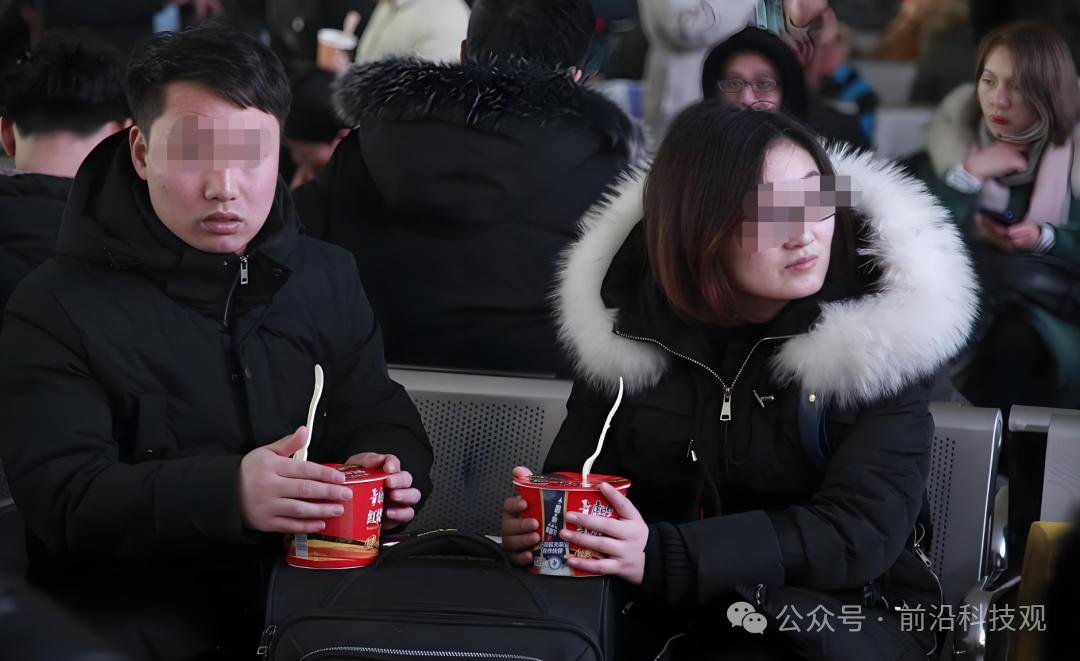
This is also the first reason why netizens pay attention to this topic. What people are discussing on the surface is instant noodles, but behind the discussion is the re-evaluation of cost performance.
Consumption can be more rational, but people are not willing to sacrifice all experience. Therefore, classic products priced at about 5 yuan maintain the basic market, while products with rich ingredients priced at 10 yuan or even higher meet the demand of "improving a meal with a small amount of money".
The second reason is that the products have really changed. Flavors such as tomato, pork bone and scallion braised beef have been developed as best-selling products, and meat chunks, rich soup bases and non-fried noodle cakes have become selling points. Instant noodle enterprises no longer only compete with other instant noodle products, but also fight for the consumption scenarios of snail rice noodles, hot and sour noodles, self-heating food and low-priced takeout.
The third reason is emotional value. Instant noodles come with inherent memories, classic flavors are responsible for awakening familiarity, while new flavors and co-branding products are responsible for creating a sense of freshness.
It can be not only an emergency meal for working overtime late at night, but also a "small indulgence" for staying at home on weekends. Once the narrative of old products is updated, their consumption scenarios will be reopened.
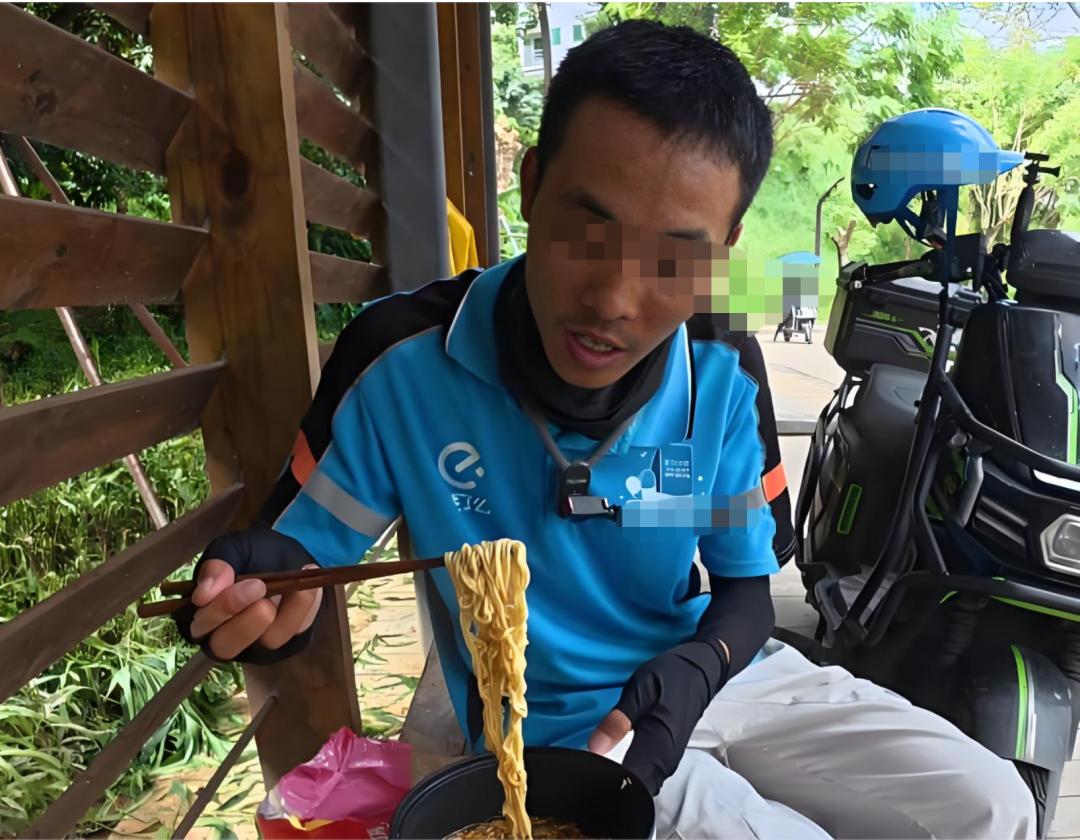
Behind the recovering data
Master Kong recorded a revenue of 13.733 billion yuan from its instant noodle business in the first half of 2026, with a year-on-year increase of 2.0%; the gross profit margin of the business rose to 30.3%, up 2.5 percentage points year on year; the profit attributable to shareholders reached 1.003 billion yuan, with a year-on-year increase of 5.5%.
By product category, container noodles increased by 0.6%, high-priced bagged noodles increased by 3.3%, medium-priced bagged noodles increased by 2.8%, and crispy noodles and other products increased by 7.8%.
Unification Enterprise China did not separately disclose its instant noodle revenue, but its food business dominated by instant noodles recorded a revenue of 5.634 billion yuan in the first half of the year, with a year-on-year increase of 4.7%, and the gross profit margin rose to 28.5%, up 1.7 percentage points year on year. The company disclosed that its Qiehuang product maintained double-digit growth, and Manhan Dacan achieved high double-digit growth.
This set of figures illustrates at least three things.
First, leading companies are indeed performing better, which is not just a hype in public opinion.
Second, the profit growth rate is faster than the revenue growth rate, and the gross profit margin is increasing simultaneously, indicating that product structure and cost efficiency are more important than simply boosting sales volume.
Third, the industry growth is uneven. The fact that Master Kong and Unification have gained dividends with the help of their channels, brands and best-selling products cannot directly prove that all brands are growing. The instant noodle market is a highly concentrated market, and shelf positions, distribution systems and supply chain efficiency will push the limited incremental share further to leading enterprises.
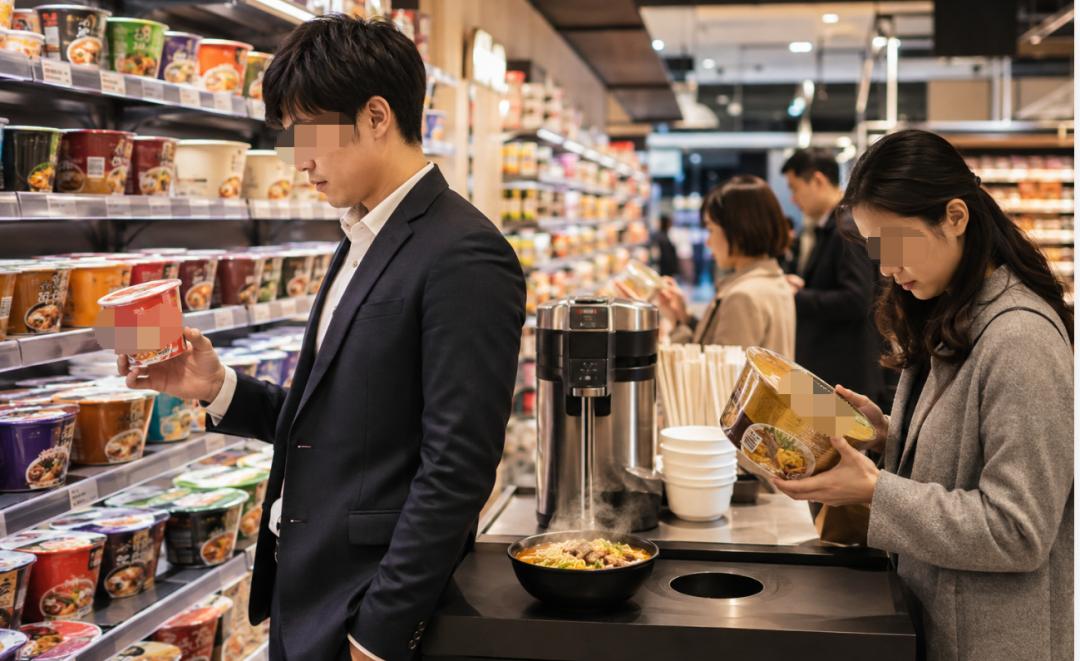
The instant noodle industry is undergoing drastic K-shaped differentiation. On the upward end, the sales of mid-to-high end products priced above 6 yuan surged 31% year on year; on the downward end, affordable products still account for nearly half of the sales volume, and cities at the third and fourth tiers and below contribute 67% of the total consumption.
Differentiation also exists at the brand level. The market share of Master Kong remains stable above 40%, and Unification has returned to the 10-billion-yuan revenue scale. However, the market share of Baixiang and Jinmailang continues to decline. Data from Ma Shangying shows that in the first half of 2025, the market share of Master Kong was 40.31%, Unification 18.07%, Baixiang 15.13%, Jinmailang 7.84%, and Samyang 2.64%.
The industry concentration is increasing, and small brands are facing increasingly difficult operating conditions.
Instant noodles have not staged a counterattack, they have just found their correct position again.
In the past, the industry used to interpret the premiumization of instant noodles as simply raising prices. Now it seems that the truly effective premiumization is not to make the package larger, but to make consumers believe that paying a few more yuan can really bring better soup, richer ingredients and more stable satisfaction.
However, premiumization also has a ceiling. If the price continues to rise, consumers will compare instant noodles with freshly made noodles, fresh food in convenience stores and takeout. If a bowl of instant noodles loses the three core advantages of "low price, convenience and stable quality", no matter how exquisite it is, it may only become a niche product.
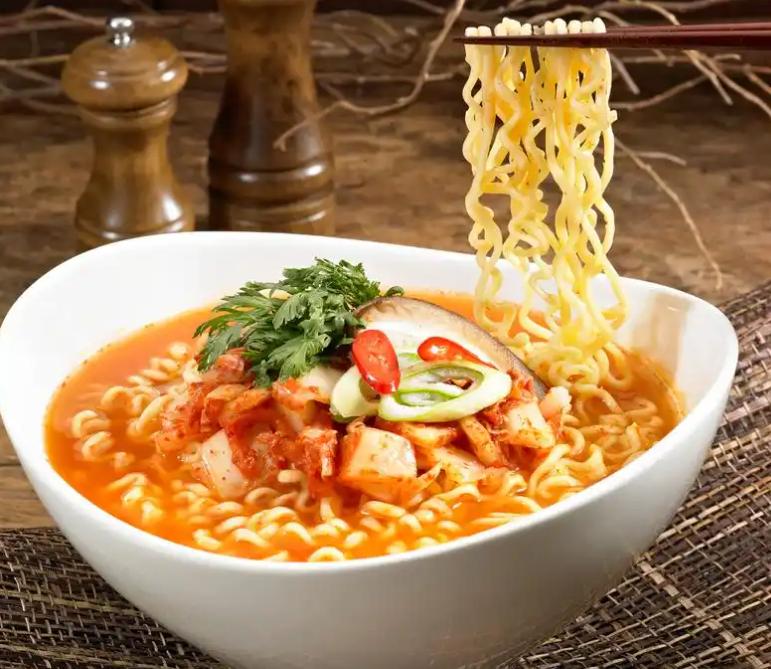
Health-oriented transformation cannot only rely on concepts. Non-fried formula, salt reduction and optimized ingredient lists are the general directions, but the taste and price must also meet consumer requirements at the same time. Consumers are willing to pay a little more for health, but they will not pay for bad-tasting products for a long time.
Channels are also changing. In the past, the main battlefields were supermarket shelves and railway stations, but now they also include instant retail, live-streaming e-commerce, office stockpiling scenarios and night consumption scenarios. The enterprise that can put the right products into the right scenarios will have the opportunity to turn a one-time trial purchase into repeated purchase.
The final judgment
In 2013, Chinese people consumed 46.22 billion servings of instant noodles a year. Ten years later, the consumption volume decreased by 4 billion packs, but the market size rose from 100 billion yuan to 1849 billion yuan instead.
The recovery of instant noodles is neither a simple manifestation of consumption downgrade, nor a signal that the industry is returning to extensive growth.
It is more like a mirror that reflects the real logic of current consumption: people spend cautiously on large expenses, and they also want to get certainty for small expenses; basic products pursue cost performance, and premium products must provide visible upgrades.
The truly commendable part of this business is that it does not indulge in "national memory", but is re-learning to understand consumers. Classic products maintain the market scale, innovative products raise the customer unit price, the supply chain improves profit, and channel changes create new growth points.
However, enterprises also need to stay sober. The sales volume has not been fully reversed, most of the growth comes from product structure optimization, and the market is still crowded. What will be competed in the next stage is not who is better at telling the story of "the revival of instant noodles", but who can continuously produce a bowl of instant noodles with reasonable price, stable taste and more reassuring ingredients.
Instant noodles have not suddenly become popular again.
It has finally understood that today's consumers can save money, but they will never accept perfunctory products.
This article is from the WeChat official account "Investment Banking Circle", written by Senior Sister of Investment Banking, and authorized for release by 36Kr.